


After a car accident, your attention naturally goes to what you can see immediately. Dented panels, scraped paint, and broken lights demand your focus. However, the most serious issues often remain out of sight beneath the surface.
According to the National Highway Traffic Administration, rear-end collisions make up nearly 29% of all accidents each year. Many people consider these minor since they happen at lower speeds. Yet the impact can cause problems far worse than what appears on the exterior.
This guide from Miracle Body and Paint Collision Center helps you understand why professional inspection matters. Even when your vehicle looks fine outwardly, internal structural or mechanical issues may exist. Overlooking these concerns can lead to much costlier fixes later and compromise your safety.
Key Takeaways
- Visible exterior issues often distract from more serious internal problems
- Structural integrity and safety systems can be compromised without obvious signs
- Professional assessment is crucial even after seemingly minor incidents
- Delaying necessary work increases future expenses significantly
- Understanding the difference between surface and structural issues helps with insurance decisions
- Rear-end collisions account for 29% of all accidents, making this knowledge essential
- Timely attention to post-collision concerns protects both your investment and your safety
Recognizing Visible and Hidden Collision Damage
When your vehicle experiences impact, the external signs often tell only part of the story. Understanding what lies beneath the surface is crucial for your safety and your car’s long-term performance.
Understanding the Difference Between Major and Minor Collisions
Major incidents typically show extensive exterior issues. These events often involve higher speeds and greater force.
Minor collisions might appear less serious at first glance. However, they can create significant internal problems that aren’t immediately visible.
Common Signs of Overlooked Damage
Pay attention to subtle changes in your vehicle’s behavior. Unusual noises or handling differences can indicate underlying issues.
Look for misaligned panels or doors that don’t close properly. These small details often reveal larger structural concerns.
| Collision Type | Visible Evidence | Potential Hidden Issues | Recommended Action |
|---|---|---|---|
| Major Impact | Extensive body damage, broken components | Frame distortion, safety system compromise | Immediate professional assessment |
| Minor Bump | Cosmetic scratches, small dents | Suspension problems, alignment issues | Thorough inspection within days |
| Low-Speed Accident | Minimal exterior marks | Internal mechanical stress, sensor damage | Comprehensive diagnostic check |
Even slight impacts can affect your auto body structure. Professional evaluation ensures all concerns get addressed properly.
The Importance of “Hidden damage repair” in Restoring Your Vehicle
Modern vehicles contain complex mechanical systems that are vulnerable to collision forces, even when exterior damage appears minimal. These internal components play a crucial role in your car’s safety and performance.
Why Addressing Internal Issues is Critical for Safety
Compromised mechanical systems can fail unexpectedly, creating dangerous situations on the road. Your safety depends on the proper function of every component.
When internal problems go unaddressed, you’re essentially driving with unknown weaknesses. These issues could manifest at the worst possible moment, putting you at risk.
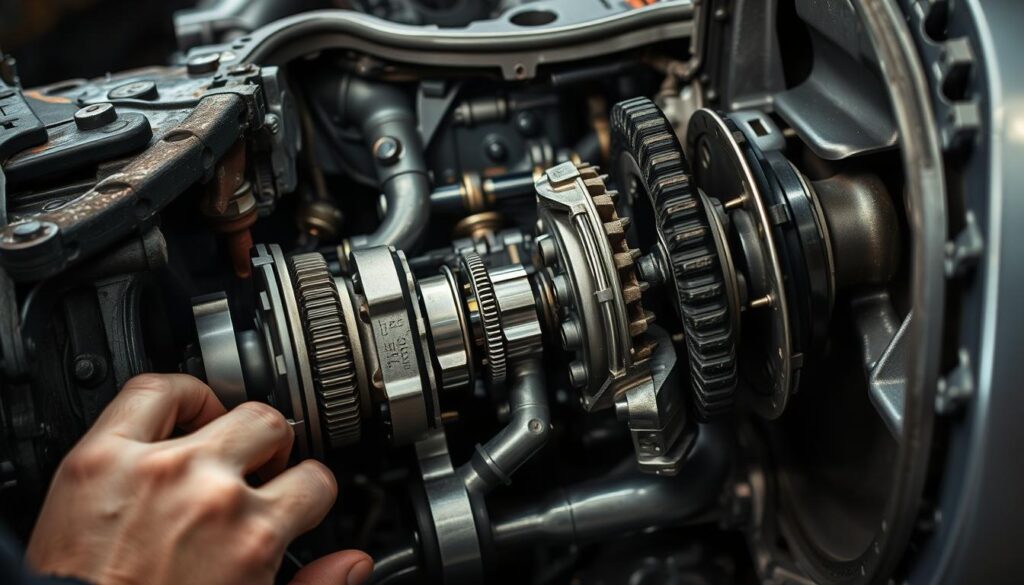
Key Mechanical Areas: Transmission, Engine, and Fluid Systems
Rear-wheel and all-wheel drive vehicles have transmission parts located near the rear. Even minor rear-end impacts can knock these components out of alignment.
Look for translucent dark red fluid under your car after an incident. This indicates transmission fluid leaks that require immediate professional attention.
Engine components can also suffer from collision stress. Problems may develop gradually, leading to overheating or power loss over time.
Fluid leaks are common signs of internal issues. Impact forces can crack radiators, transmission lines, and other fluid-carrying parts. A thorough professional inspection reveals the full extent of these concerns.
Diagnosing Structural and Suspension Issues After an Accident
Post-accident driving behavior serves as your first clue to potential frame and suspension problems. When your car doesn’t handle like it used to, underlying structural concerns may be present.
Identifying Frame and Chassis Concerns
Your vehicle frame provides the foundation for all other components. Even minor impacts can cause frame misalignment that isn’t visible to the naked eye.
This structural problem creates a ripple effect throughout your car. It affects how suspension parts interact with the road surface and can lead to serious safety issues.
Assessing Suspension, Alignment, and Steering Problems
The suspension system controls how your car responds to road conditions. After a collision, damaged suspension components can compromise your vehicle’s stability.
Watch for warning signs like an unsteady steering wheel or pulling to one side. These symptoms indicate alignment problems that need professional attention.
| Symptom | Possible Cause | Severity Level | Recommended Action |
|---|---|---|---|
| Steering wheel vibration | Wheel alignment issues | Moderate | Professional inspection within week |
| Car pulling to one side | Frame or suspension damage | High | Immediate auto body shop visit |
| Uneven tire wear | Alignment problems | Moderate to High | Diagnostic check required |
| Excessive bouncing | Shock or strut failure | High | Urgent repair needed |
Professional technicians at a qualified auto body shop can identify all structural and suspension concerns. They ensure your vehicle returns to safe operating condition.
Uncovering Electronic and Brake System Malfunctions
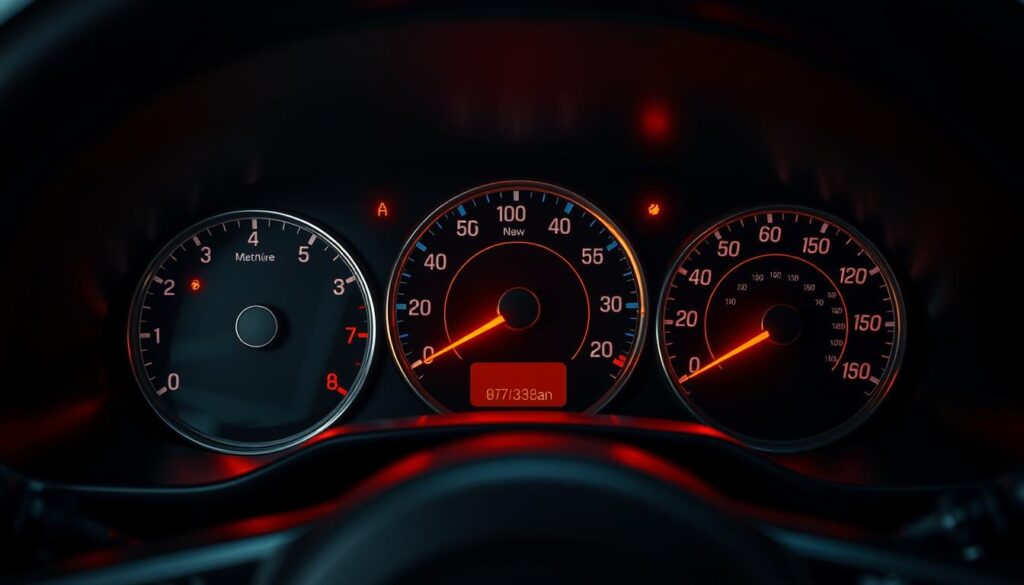
Your vehicle’s dashboard serves as a critical communication center, with warning lights that demand immediate attention after any collision. Modern cars contain sophisticated electronics that control everything from engine performance to safety features.
Impact forces can disrupt these sensitive components without leaving visible traces. Understanding what these warnings mean helps you address problems before they escalate.
Interpreting Dashboard Warnings and the Check Engine Light
When your check engine light activates after an incident, it signals trouble with systems managing engine functions or transmission performance. This indicator can point to multiple concerns.
A flashing check engine light represents an emergency situation. You should not drive your vehicle when this occurs, as it may indicate serious engine trouble.
Collision impact can push exhaust components forward or disconnect sensors. These problems trigger warning lights that require professional diagnostic equipment to identify.
Brake System and Under-the-Hood Diagnostics
Your braking system contains sensitive components vulnerable to impact forces. Collisions can cause brake lines to leak or calipers to loosen.
Have a qualified auto shop inspect your brakes thoroughly after any accident. Brake failure can occur without warning, creating dangerous driving conditions.
Electronic system issues may not appear immediately but can cause problems over time. These include airbag malfunctions or ABS failures that compromise safety.
| System Type | Common Post-Collision Issues | Warning Signs | Required Action |
|---|---|---|---|
| Electronic Systems | Sensor disconnection, wiring harm, computer faults | Dashboard warnings, malfunctioning features | Professional diagnostic scan |
| Brake System | Line leaks, caliper misalignment, pad displacement | Spongy pedal, pulling to one side, unusual noises | Immediate safety inspection |
| Transmission Components | Mount damage, fluid leaks, sensor issues | Check engine light, shifting problems | Transmission specialist assessment |
| Engine Management | Exhaust component displacement, sensor damage | Performance issues, warning lights | Comprehensive engine diagnostics |
Your insurance company needs documentation of all system problems. Professional diagnostics ensure proper coverage for necessary work on these critical safety systems.
Partnering with Professional Auto Body and Collision Repair Centers
Selecting the right professional team after an accident is crucial for your vehicle’s complete recovery. A qualified auto body shop provides the expertise needed to address both visible and underlying concerns.
Their advanced diagnostic tools and trained technicians can identify issues that casual inspections miss. This ensures your car returns to safe operating condition.
The Benefits of Expert Inspections and Repairs
Certified technicians at establishments like Miracle Body and Paint Collision Center use specialized equipment for thorough assessments. They systematically check structural components and run computerized diagnostics.
This process reveals the full extent of any problems. Your insurance company receives detailed documentation to streamline claims processing.
Choosing the Right Collision Repair Shop for Your Needs
Look for shops with proper certifications and modern equipment. Check customer reviews and ask about warranties on work performed.
Make sure the team has experience with your specific vehicle make and model. Transparent communication throughout the restoration process is essential.
| Shop Feature | Why It Matters | What to Look For |
|---|---|---|
| Certifications | Ensures technical competence | Manufacturer-specific credentials |
| Diagnostic Equipment | Identifies hidden issues | Computerized scanning tools |
| Insurance Partnerships | Simplifies claims process | Direct repair programs |
| Warranty Coverage | Protects your investment | Written guarantee on work |
Taking time to choose the right auto body repair center pays long-term dividends. Your vehicle receives comprehensive attention from initial assessment to final delivery.
This partnership ensures all safety standards are met and gives you peace of mind on the road.
Conclusion
Your commitment to vehicle safety shouldn’t end when the visible marks disappear. This guide has provided essential information to help you identify potential issues that may affect your car’s performance.
Addressing concerns promptly protects your investment and ensures your safety on the road. The expert team at Miracle Body and Paint Collision Center uses advanced diagnostics to uncover problems others might miss.
Contact the North East San Antonio location at (210) 858-3630 or visit 4650 Walzem Rd, San Antonio, TX 78218. Schedule your comprehensive assessment today and drive with complete confidence.

