

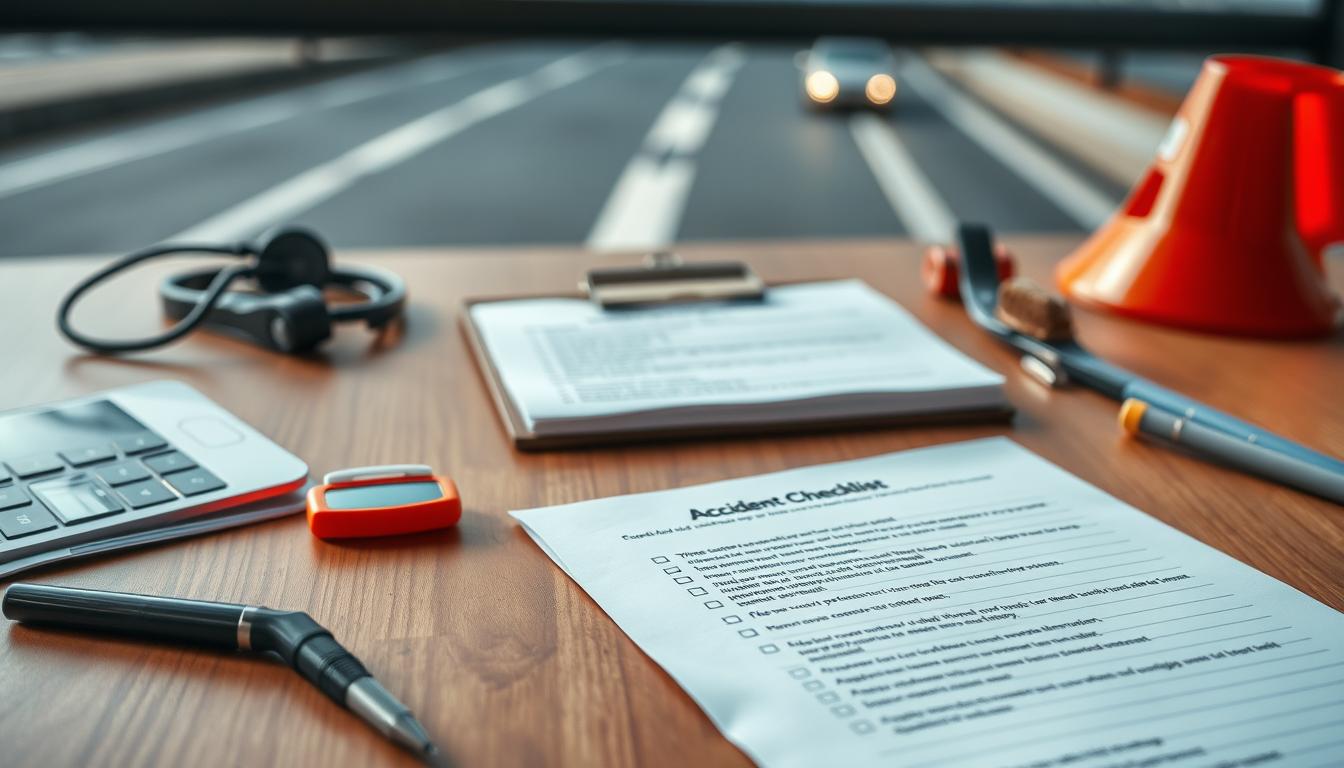
A sudden collision on Walzem Road can leave you feeling shaken and unsure of what to do next. In those critical moments, having a clear plan is your greatest asset. This guide provides a structured approach to help you navigate the immediate aftermath with confidence.
Keeping a simple guide in your glove compartment ensures you can think clearly, even under stress. We will walk you through every essential action, from securing the scene to protecting your legal rights. The steps outlined are tailored for Texas drivers, incorporating state-specific requirements.
Following a proven procedure helps you document the event thoroughly. This documentation is vital for your insurance claim and any potential legal matters. Knowing exactly what to do transforms a chaotic situation into a manageable process.
Key Takeaways
- Having a pre-planned guide readily available helps you stay calm and organized after a sudden incident.
- Immediate actions focus on safety for everyone involved and securing the scene properly.
- Thorough documentation at the site is crucial for insurance and legal processes.
- Texas has specific laws and requirements that drivers must follow after a collision.
- Following a structured list ensures you don’t miss any critical steps that could impact your rights.
- Proper handling of the situation can significantly influence the outcome of your insurance claim.
- This resource is designed specifically for residents navigating the roads in and around San Antonio.
Immediate Actions to Ensure Safety at the Scene
The moments following a roadway incident demand clear thinking and decisive action to protect all involved. Your priority shifts instantly from travel to safety management.
Stay Calm and Check for Injuries
First, assess your own condition for any injuries. Then check all passengers in your vehicle. Don’t overlook internal injuries that might not show immediate symptoms.
Medical professionals should evaluate everyone, even those who appear fine. This thorough assessment protects against hidden health risks.
Moving Vehicles Out of Harm’s Way
If your vehicle remains operational, move it away from active traffic. Position it on the shoulder or nearby safe area. You must stay at the scene while creating distance from danger.
Activate emergency flashers immediately. Use warning devices like road flares or triangles. These essential safety measures prevent secondary incidents.
Always prioritize creating a protected zone around the involved vehicles. This approach minimizes risks for everyone on the road.
How to Report the Accident to Authorities
After ensuring everyone’s safety, your next priority involves official documentation through law enforcement. This step creates the formal record that insurance companies and legal professionals will rely on.
Calling 911 and Informing the Police
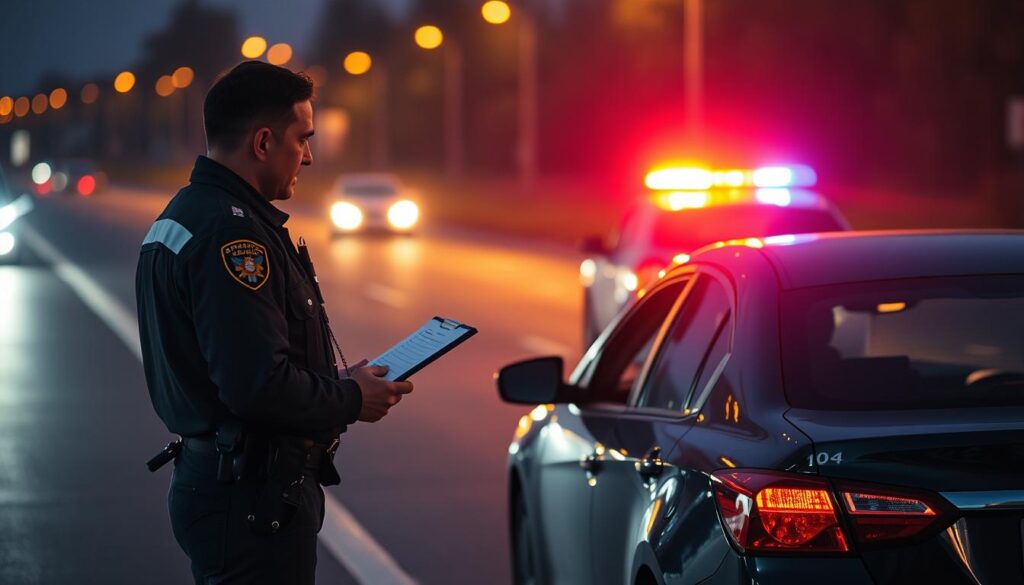
Dial 911 immediately to connect with emergency services. Provide your exact location and briefly describe what happened. Mention any injuries so they can dispatch appropriate help.
Texas law requires a police officer to respond when injuries occur or property damage exceeds $1,000. Wait patiently for the officer to arrive at the location.
When the police arrive, answer their questions honestly while sticking to the facts. Provide your driver’s license and insurance information when requested. Avoid discussing fault or speculating about causes.
Ask for each officer’s name and badge number. Request information about obtaining the official report. This document becomes essential for your insurance claim.
If police cannot come to the scene, you may need to file a report yourself at the local station. Always document everything thoroughly regardless of official response.
Documenting Evidence and the Accident Scene
Your personal documentation creates an independent record that supports the official police report. While authorities will create their own file, your evidence provides additional perspectives insurance companies need.
Taking Detailed Photographs and Videos
Capture images from multiple angles showing vehicle positions and damage. Include wide shots of the entire scene to establish context. Close-ups should reveal every scratch and dent.
Document surrounding conditions like weather, road surfaces, and traffic signals. License plates and skid marks provide important details. Video footage can show the sequence of events clearly.
Collecting Witness Contact Information
Approach people who saw the incident before they leave. Politely ask for their name and contact information. Independent witnesses can provide crucial perspectives.
Record phone numbers, addresses, and email addresses. Ask if they would share what they observed. This information becomes valuable if drivers disagree about what happened.
Preserve dashcam footage immediately if your vehicle has this feature. This video evidence often shows exactly how events unfolded. Thorough documentation strengthens your position during claims processing.
Exchanging Essential Information with Other Drivers
Once the scene is secure and authorities are notified, the next critical step involves a direct exchange with the other party involved. This process is a legal requirement and forms the foundation for all future communications with insurance providers.
Gathering accurate details now prevents significant delays later. Approach this task calmly and methodically to ensure nothing is missed.
Gathering Driver’s License and Insurance Details
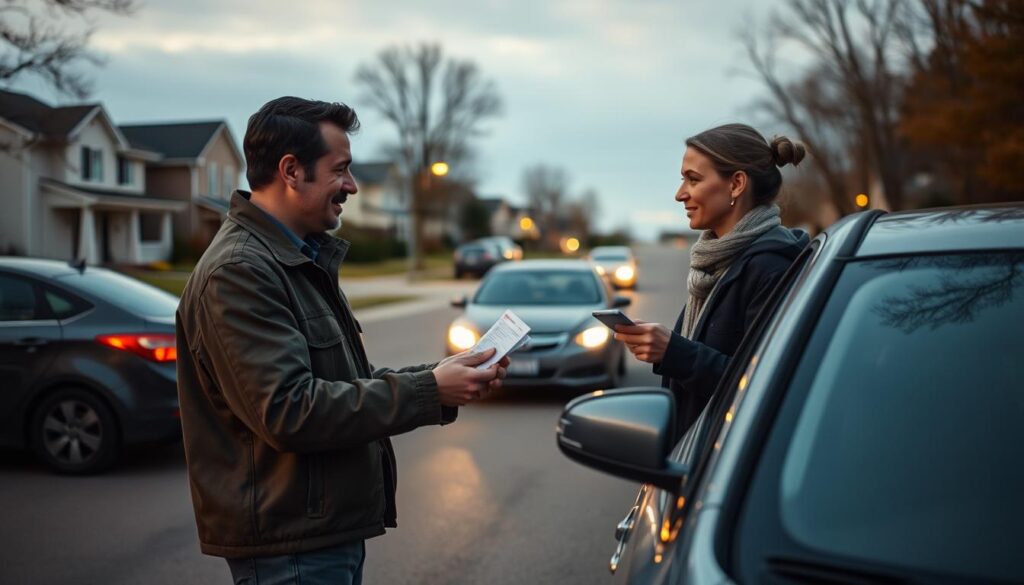
Politely ask to see the other driver‘s license and insurance card. You need to verify their identity and coverage. Write down or photograph the driver license number and expiration date.
For insurance, record the company name, policy number, and a contact phone number. Provide your own license and insurance details in return. This mutual exchange is mandatory.
Recording Vehicle Registration and Contact Information
You must also collect specific vehicle details. This includes the make, model, year, color, and license plate number. If accessible, note the Vehicle Identification Number (VIN).
Obtain the other driver‘s full legal name, current address, and a reliable phone number. Double-check that all information is clear and correct before anyone leaves. Having complete data is crucial for a stress-free repair process.
| Category | Specific Details to Collect | Why It’s Important |
|---|---|---|
| Driver Identification | Full legal name, driver’s license number | Verifies identity for insurance and legal purposes |
| Contact Information | Current address, reliable phone number | Ensures you can be reached for the claims process |
| Insurance Details | Company name, policy number, contact phone | Required to file a claim with the correct provider |
| Vehicle Information | Make, model, year, color, license plate, VIN | Accurately identifies the property involved |
If a driver is uncooperative or lacks insurance, note this and inform the police officer. Remain courteous but focused solely on collecting the necessary information.
Tips for Starting Your Claims Process and Protecting Your Rights
Navigating the insurance claims process requires careful attention to detail and timely action. Your approach during this phase can significantly influence the final outcome.
Understanding your options helps you make informed decisions. Each choice affects how your case progresses through the system.
Notifying Your Insurance Provider
Contact your insurance company promptly after any incident. Most policies require immediate notification regardless of fault determination.
You have options when filing a claim. You can choose your own provider or the other party’s insurer. Consider your coverage and the circumstances carefully.
“Early communication with your insurance representative establishes a clear path forward and protects your interests from the start.”
A claims specialist will guide you through the process. They explain coverage details and settlement procedures. Keep thorough records of all conversations.
| Filing Method | When to Choose | Key Considerations |
|---|---|---|
| Your Own Insurance | Quick processing needed | Faster response, familiar provider |
| Other Driver’s Insurance | Clear fault established | Potentially lower impact on your rates |
| Without Police Report | Minor incidents only | Requires strong personal documentation |
Obtain a copy of the official report when available. This document contains valuable evidence for your case. It includes witness statements and officer observations.
Stick to factual information when discussing the incident. Avoid speculation about causes or admission of fault. This protects your position throughout the claims process.
Car accident checklist: Essential Steps for Walzem Drivers
Preparation is your greatest defense against confusion when unexpected events occur on the road. Having a clear plan ensures you handle every situation effectively, even under stress.
This guide provides the essential steps to take when you need them most. Keep it accessible in your vehicle for immediate reference during challenging moments.
Securing the Scene and Ensuring Road Safety
Your first priority involves creating a safe environment for everyone involved. Move vehicles away from traffic when possible and activate hazard lights immediately.
Use warning devices like triangles or flares to alert other drivers. These simple steps take only moments but significantly reduce secondary collision risks.
Remembering Critical Details for Your Report
Documentation forms the foundation of your insurance claim and legal protection. Write down notes immediately while events remain fresh in your mind.
Stick to the facts when speaking with authorities or other parties involved. Avoid speculation about causes or admission of responsibility.
“Thorough documentation and calm communication protect your interests during the entire claims process.”
| Priority Level | Required Action | Key Benefit |
|---|---|---|
| Immediate | Stop and secure the scene | Prevents further incidents and legal issues |
| High | Document with photos and notes | Creates reliable evidence for your case |
| Medium | Exchange information properly | Ensures complete data for insurance claims |
| Essential | Wait for police clearance | Avoids premature departure penalties |
Following these steps gives Walzem area drivers confidence during difficult situations. Proper preparation transforms overwhelming circumstances into manageable processes.
Conclusion
Understanding proper procedures gives you confidence when facing unexpected roadway events. This knowledge transforms stressful situations into manageable processes.
Following these steps protects your legal rights and strengthens your insurance case. You’ll have all necessary information regardless of who was at fault. Keep a copy of this guide with your insurance card and driver license.
After handling the immediate aftermath, your next priority is professional vehicle repair. Trust the experts at Miracle Body and Paint Collision Center for quality restoration.
They have two locations serving San Antonio. Their North East location is at 4650 Walzem Rd. Call them today at (210) 858-3630 for a free estimate.
Their experienced technicians work with insurance companies to get you back on the road safely. Don’t let damage compromise your safety or vehicle’s value.

