

After a car accident, ensuring your vehicle is properly repaired is crucial for your safety on the road. At Miracle Body and Paint Collision Center, we emphasize the importance of a thorough repair process. However, it’s equally important for you to verify that the work has been done correctly before getting back behind the wheel.
We will guide you through the essential steps to check your vehicle’s condition after collision repairs. This comprehensive guide will help you ensure that your car is restored to its pre-accident state and is safe to drive.
Key Takeaways
- Understand the importance of verifying your vehicle’s condition after collision repairs.
- Learn how to check if the repairs meet manufacturer specifications.
- Discover the potential safety risks if repairs are not done correctly.
- Find out how to ensure your vehicle is restored to its pre-accident condition.
- Gain confidence in your vehicle’s safety before getting back on the road.
The Importance of Post-Repair Inspections
Collision repairs can be complex, and a thorough inspection is necessary to guarantee safety. After a vehicle has been in an accident and undergoes repairs, it’s essential to verify that the work has been done correctly to ensure the vehicle’s structural integrity and safety systems are intact.
Why Proper Inspection Matters for Your Safety
A proper inspection is crucial because it directly impacts the vehicle’s safety and performance. Some industry estimates suggest that 60% of “repaired” vehicles on the road have serious safety and structural concerns. A Post-Repair Inspection is intended to protect you from improper repairs that can compromise your vehicle’s structural integrity and resale value.
- Collision repair quality directly affects the vehicle’s safety systems and structural integrity.
- Improper repairs can lead to serious safety issues, including compromised crash protection and unpredictable vehicle handling.
- Common issues found in poorly repaired vehicles include misaligned frames, improperly installed parts, and compromised safety systems.
Common Issues Found in Poorly Repaired Vehicles
Poorly repaired vehicles can have numerous problems, including misaligned frames and improperly installed parts, which can lead to significant safety concerns. A thorough inspection process can identify these issues before they lead to safety problems or additional damage. Ensuring that your vehicle is properly inspected after repair is vital for maintaining its system integrity and ensuring your safety on the road.
Understanding Your After-Repair Inspection Checklist
Receiving your vehicle after collision repairs can be a relief, but it’s essential to verify the quality of the work. An after-repair inspection checklist is a valuable tool to ensure that your vehicle is safe to drive and that all repairs have been completed to a high standard.
What Professional Repair Shops Should Provide
Professional repair shops, like Miracle Body and Paint Collision Center, should provide comprehensive documentation after completing collision repairs. This documentation should include detailed repair reports, information about the work performed, and any additional recommendations for future inspections or maintenance.
When reviewing this documentation, look for specific details about the repairs, such as the parts replaced, the methods used, and any warranties or guarantees provided.
How to Use This Guide to Supplement Professional Inspections
This guide is designed to supplement the professional inspections performed by your repair shop, not replace them. Use this checklist immediately after receiving your vehicle and during the first few drives to ensure that everything is in order.
By following this guide, you can have confidence that your vehicle is safe and functioning properly. When using this checklist, pay attention to key areas such as exterior body condition, lights and electrical systems, tire and wheel alignment, and mechanical systems.
If you identify any issues or concerns during your inspection, don’t hesitate to contact your repair shop for further assistance.
Exterior Body Inspection
The exterior body inspection is a critical step in verifying the quality of collision repairs. After a vehicle has been repaired, it’s essential to check for any signs of damage or imperfections that could indicate incomplete or subpar repair work.
Paint Matching and Finish Quality
When inspecting the vehicle’s paint job, look for color matching, texture consistency, and finish quality across the repaired areas. Check for any signs of overspray, paint drips, or other finishing issues that could indicate rushed or careless repair work. It’s helpful to inspect the vehicle in different lighting conditions to spot issues that might not be visible in all environments.
Panel Alignment and Gap Consistency
Proper panel alignment is crucial for both aesthetic and functional reasons. Examine the gaps between body panels, doors, hood, and trunk to ensure they’re even and consistent. Misaligned panels can not only affect the vehicle’s appearance but also potentially lead to issues with how doors and other movable parts operate.
Checking for Remaining Dents or Imperfections
Carefully inspect the vehicle’s body for any remaining dents, waves, or imperfections. These could be signs of incomplete repair work or damage that wasn’t properly addressed. Checking the vehicle’s body in various lighting conditions can help reveal issues that might otherwise be missed.
By thoroughly inspecting the exterior body of your vehicle after collision repairs, you can ensure that the repair work was done to a high standard and that your vehicle is safe to drive.
Lights and Electrical Systems Check
Verifying that all electrical components and lighting systems are working correctly is a critical step after collision repairs. Ensuring the proper functioning of these systems is not only vital for safety on the road but also a legal requirement in many jurisdictions.
Headlights, Taillights, and Turn Signals
Begin by checking all exterior lighting systems, including headlights, taillights, brake lights, turn signals, and hazard lights. Make sure they are all functioning as intended. Proper alignment of headlights is crucial; misaligned headlights can reduce visibility and potentially blind oncoming drivers.
Dashboard Warning Lights
During startup and operation, check dashboard warning lights to ensure all vehicle systems are functioning properly. Any illuminated warning light indicates a potential issue that needs to be addressed.
Power Windows and Locks
Test power windows, locks, mirrors, and other electrical components that may have been affected during collision repairs. Ensuring the integrity of the electrical system is vital for both safety and convenience features in your vehicle.
By following this systematic approach to checking lights and electrical systems, you can ensure your vehicle is safe to drive and compliant with legal requirements after repair work.
Tire and Wheel Alignment Verification
Proper tire and wheel alignment verification is a critical step in the post-repair inspection process. Ensuring that your vehicle’s tires and wheels are correctly aligned is vital for maintaining vehicle safety and performance on the road.
Inspecting Tire Condition and Pressure
Begin by inspecting the tires for any signs of excess wear, holes, tears, or protruding objects. It’s also essential to check the tire pressure and ensure it’s at the level recommended by the manufacturer. Proper tire inflation is crucial for getting the most out of your tires, maintaining the vehicle’s safety, and improving fuel management.
- Check for uneven wear patterns that might indicate alignment issues.
- Ensure all tires are properly inflated according to the manufacturer’s specifications.
Checking for Proper Wheel Alignment
To verify proper wheel alignment, observe whether your vehicle pulls to one side during straight driving. Misalignment can lead to uneven tire wear and affect the vehicle’s handling.
Testing for Unusual Vibrations or Pulling
While driving, pay attention to any unusual vibrations or if the vehicle pulls to one side. These signs could indicate problems with the wheels, tires, or suspension components after collision repairs. Proper alignment is key to vehicle safety, tire longevity, and fuel efficiency.
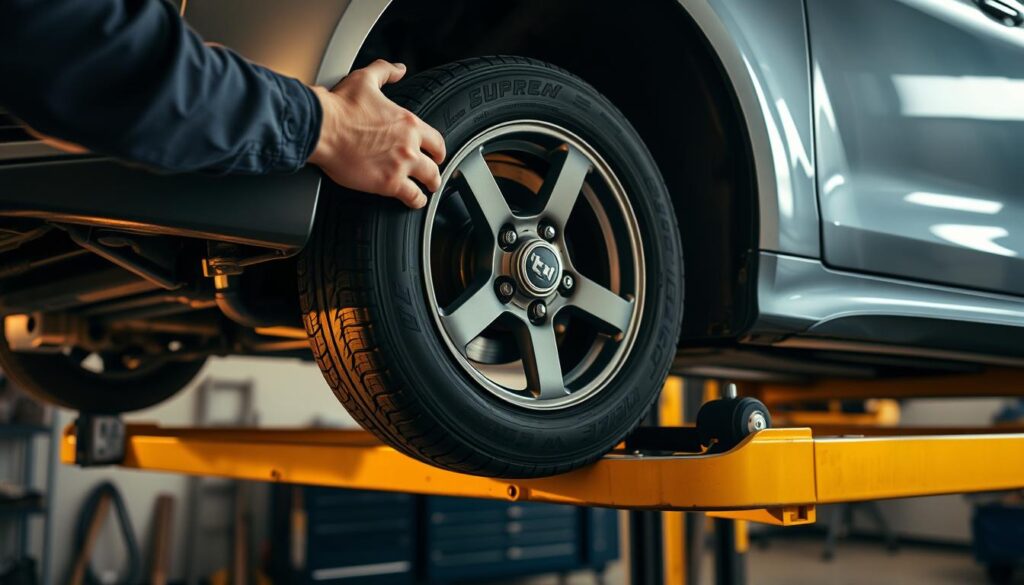
By thoroughly inspecting your vehicle’s tires and wheels, you can ensure that your car is safe to drive and performing optimally after collision repairs.
Structural Integrity Assessment
Ensuring your vehicle’s structural integrity after repairs is vital for both safety and the longevity of the vehicle. A thorough assessment is necessary to verify that the repairs have been done correctly and that the vehicle’s structure remains sound.
Frame and Unibody Repair Inspection
Inspecting the frame and unibody repairs involves checking for symmetry and proper alignment of major structural components. This is crucial because any misalignment can affect the vehicle’s overall performance and safety. Look for signs of proper welding and ensure that all structural elements are securely in place.
Door, Hood, and Trunk Operation
Testing the operation of doors, hood, and trunk is essential to ensure they open and close properly without binding or misalignment. Properly functioning doors and other openings are not just a matter of convenience; they are also critical for safety and security. Check that they align correctly with the surrounding body panels and that there are no signs of uneven gaps.
Signs of Compromised Structural Components
Visible signs of compromised structural integrity can include uneven panel gaps, doors that don’t close properly, or unusual noises during operation. These signs can indicate that the repair work may not have been done to the required standards, potentially compromising the vehicle’s safety in future collisions.
It’s critical to understand that structural repairs are among the most important aspects of collision repair, requiring professional equipment and expertise to verify. Ensuring that these repairs are done correctly is key to maintaining your vehicle’s safety and resale value.
Mechanical Systems Evaluation
After a collision repair, it’s crucial to evaluate the vehicle’s mechanical systems to ensure they’re functioning properly. This step is vital because collision damage can affect various components that might not be immediately visible, potentially leading to issues down the road.
Engine Performance and Unusual Noises
Start by checking the engine’s performance. Listen for any unusual noises that could indicate mechanical issues resulting from the collision or improper repairs. We recommend checking for smooth idle, proper acceleration, and the absence of warning lights on the dashboard.
Transmission and Drivetrain Operation
Next, assess the transmission operation. The transmission should shift smoothly without slipping or hesitation during gear changes. Any unusual vibrations or noises during acceleration or deceleration could indicate problems with the drivetrain.
Cooling System Functionality
Checking the cooling system’s functionality is also crucial. Ensure that the system is regulating temperature properly and that there are no leaks. Clear any accumulated debris from around the radiator and other engine components to prevent overheating issues.
We emphasize the importance of mechanical system integrity because collision damage can affect components that might not be immediately visible. A thorough inspection can help identify potential issues before they become major problems, ensuring your vehicle’s safety and performance.
Fluid Levels and Leak Detection
Checking fluid levels and detecting leaks is a vital step in verifying the quality of collision repairs. After a collision, it’s essential to ensure that your vehicle’s fluid systems are functioning properly to maintain safety and longevity.
Engine Oil and Transmission Fluid
Start by checking the engine oil level using the dipstick. The oil level should be between the minimum and maximum marks. Also, inspect the transmission fluid level, as it plays a crucial role in the smooth operation of the vehicle’s transmission system. Abnormal fluid conditions, such as dark color or unusual smell, may indicate potential issues.
Brake Fluid and Power Steering Fluid
Next, check the brake fluid level in the master cylinder reservoir. Low brake fluid levels can compromise braking performance. Similarly, inspect the power steering fluid level to ensure it’s within the recommended range. Proper fluid levels are crucial for maintaining the vehicle’s overall performance and safety.
Checking for Fluid Leaks Under the Vehicle
Inspect under the vehicle for signs of fluid leaks, such as pooled fluid or drips. Different types of fluids have distinct colors: engine oil is typically brown or black, coolant is green or yellow, and brake fluid is clear or slightly yellow. Identifying the source of any leaks is crucial for maintaining the vehicle’s condition and preventing further damage.
By thoroughly inspecting fluid levels and checking for leaks, you can ensure that your vehicle’s systems are functioning correctly after collision repairs.
Brake System Verification
After a collision, verifying the brake system is crucial for safe vehicle operation. Collision damage can affect brake components even if they weren’t directly impacted, making a thorough inspection essential.
Brake Pedal Feel and Response
Check the brake pedal for proper resistance and absence of sponginess or excessive travel. If the system is functioning properly, applying minimal pressure to the pedal will engage the brakes. If the pedal has too much travel, there may be a hydraulic fluid leak somewhere in the system.
Testing Braking Performance
To test braking performance, ensure the vehicle stops smoothly without pulling to either side. Also, check for any unusual noises during braking. Proper braking performance is critical for safety.
Parking Brake Functionality
Verify the parking brake functionality by engaging it and checking that it holds the vehicle in place. After collision repair, it’s essential to ensure that the parking brake engages properly.
In conclusion, a thorough inspection and test of the brake system after collision repair are vital for ensuring vehicle safety. By checking brake pedal feel, braking performance, and parking brake functionality, you can help ensure your vehicle is safe to operate.
Steering and Suspension Check
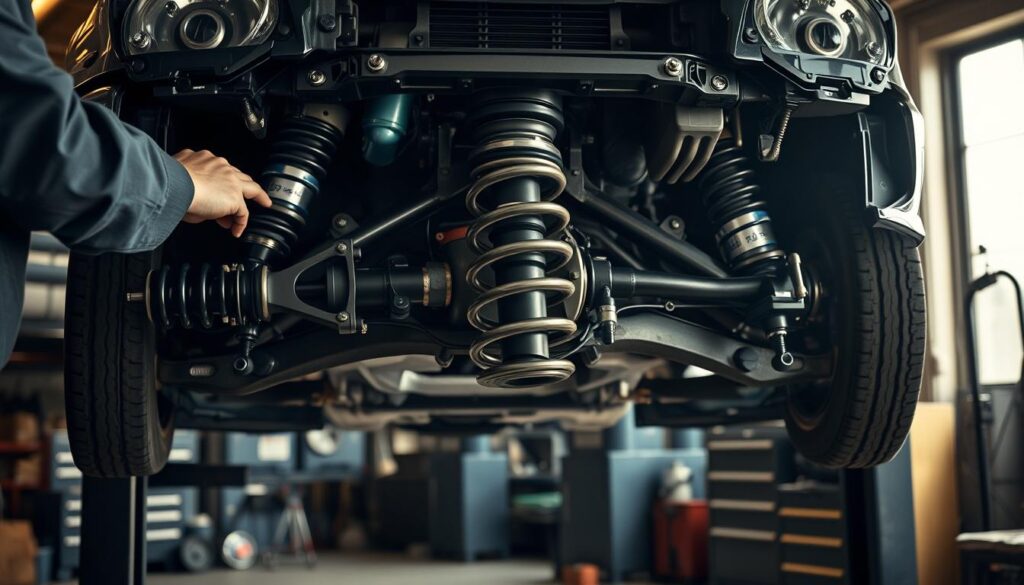
To ensure your vehicle is roadworthy after repairs, a detailed check of the steering and suspension is essential. This inspection is critical for maintaining your vehicle’s safety, performance, and overall comfort on the road.
Steering Wheel Alignment and Response
When driving straight, check if your steering wheel is centered. Misalignment can indicate unresolved collision damage. Assess the steering response by checking for play in the wheel and consistent resistance during turns. Any unusual vibrations or pulling to one side during driving could signify improper wheel alignment or issues with the steering system.
Suspension Noise and Comfort
Listen for unusual noises coming from the suspension while driving over bumps or during turns. Unusual sounds can indicate worn-out or damaged suspension components. Also, pay attention to the overall comfort of your ride; excessive bouncing or harshness may suggest suspension issues.
Handling During Test Drive
During your test drive, evaluate how your vehicle handles on the road. Pay attention to any unusual sensations, such as vibrations or pulling, which could indicate problems with the suspension or steering components. Proper handling is crucial for maintaining control and ensuring safety.
Safety Systems Inspection
It’s imperative to check that your vehicle’s safety features are in good working order after a repair to prevent any potential risks. Safety systems are critical components of your vehicle’s overall safety, and their proper functioning is essential for protecting occupants.
Airbag System Status
The airbag system is a crucial safety feature that can significantly reduce the risk of injury in the event of a collision. To verify its status, check the dashboard indicators for any warning lights related to the airbag system. Ensure that the airbag light on your dashboard is not illuminated after the repair. If it is, this could indicate a problem with the airbag system that needs to be addressed by a professional.
Seat Belt Functionality
Seat belts are another vital safety component. Studies show that seat belts are one of the most important safety features of both fleet and personal vehicles. To check their functionality, verify that your seatbelt: Fits snugly when in place, Moves smoothly when pulled gently or at a specific angle, Locks when tugged or pulled at a specific angle, Latches firmly, and Releases easily and immediately when the button is pressed. Any deviation from this behavior could indicate a problem.
Advanced Driver Assistance Systems (ADAS)
Advanced Driver Assistance Systems (ADAS) like lane departure warning, automatic emergency braking, and blind spot detection are sophisticated safety features. After repairs, it’s essential to verify that these systems are functioning correctly. Check your vehicle’s dashboard or owner’s manual for indicators of ADAS functionality. Proper calibration of ADAS after collision repairs is crucial, as improper calibration can lead to system malfunctions. Look for signs that recalibration might be needed, such as warning lights or erratic system behavior.
By thoroughly inspecting these safety systems, you can ensure your vehicle is safe to drive and that all safety features are functioning as intended.
Interior Components Verification
After a vehicle has undergone collision repairs, it’s crucial to verify that all interior components are functioning properly. This step is essential to ensure both comfort and safety during vehicle operation.
Dashboard and Control Functions
We recommend a systematic approach to verifying all dashboard controls and functions. This includes checking the climate control, audio system, and information displays to ensure they are working as expected. Any issues with these systems could indicate a problem with the repair.
Seat Adjustments and Comfort
Checking seat adjustments is vital, including forward/backward movement, height adjustment, and reclining functions. Collision damage might have affected these features, so it’s essential to test them thoroughly. Ensuring seat comfort and proper function is crucial for safe driving.
Mirror Positioning and Operation
Verifying the proper operation of all mirrors, including power adjustment, folding, and heating functions (if equipped), is also important. Properly functioning mirrors are critical for visibility and safety on the road.
In addition to these checks, inspect the interior trim pieces and panels for proper fitment and absence of rattles, which might indicate loose components or parts. Ensuring all interior elements are secure and functioning correctly is key to a safe and comfortable driving experience after a repair.
Test Drive Evaluation
A test drive after repairs is not just a routine step; it’s a critical assessment of your vehicle’s safety and performance. We recommend that drivers conduct a thorough evaluation to ensure that all repairs have been completed satisfactorily.
What to Listen For During Your Test Drive
During your test drive, listen carefully for any unusual sounds that may indicate unresolved issues with your vehicle’s mechanical or structural systems. Pay attention to noises when braking, accelerating, or shifting gears. If you notice anything irregular, it could signify a problem that needs to be addressed by the repair shop.
Handling and Performance Assessment
Assess your vehicle’s handling and performance on different road conditions. Check for smooth acceleration, proper braking, and stable cornering. Any deviation from expected performance could indicate that further adjustments are needed.
When to Return to the Repair Shop
If you identify any issues during your test drive, such as unusual noises or poor handling, return to the repair shop immediately. It’s better to address these concerns promptly to ensure your vehicle is safe to drive on the road.
Conclusion: Ensuring Your Vehicle’s Safety After Repairs
Ensuring your vehicle’s safety after repairs is a critical step that should not be overlooked. To guarantee your vehicle’s condition is safe to drive, follow a comprehensive inspection checklist. This process helps identify any issues that may have arisen during the repair process.
- A thorough inspection is crucial after collision repairs.
- Address any issues discovered during the inspection process promptly with the repair shop.
- Maintaining documentation of all repairs and inspections is essential for future reference and resale value.
By choosing a reputable collision repair center like Miracle Body and Paint Collision Center, you can ensure that your vehicle is restored to its original safety and condition. Trust us to fix your collision repair damage.
Trust Miracle Body and Paint Collision Center for Expert Collision Repairs
At Miracle Body and Paint Collision Center, we’re committed to restoring your vehicle to its pre-accident condition and ensuring your safety on the road. Our team of experts follows a rigorous inspection process to guarantee that every repair meets manufacturer specifications.
With two convenient locations in San Antonio, we serve the community with top-notch collision repair services. Our comprehensive checklist ensures that no detail is overlooked, from vehicle alignment to paint finish. We invite you to contact us today to learn more about our services and schedule an appointment.
Call us today at (210) 680-1987 or visit us at 6217 Grissom Rd., San Antonio, TX 78238. Trust Miracle Body and Paint Collision Center for expert collision repair services that put your mind at ease. We’re here to provide you with the information and service you need.

