

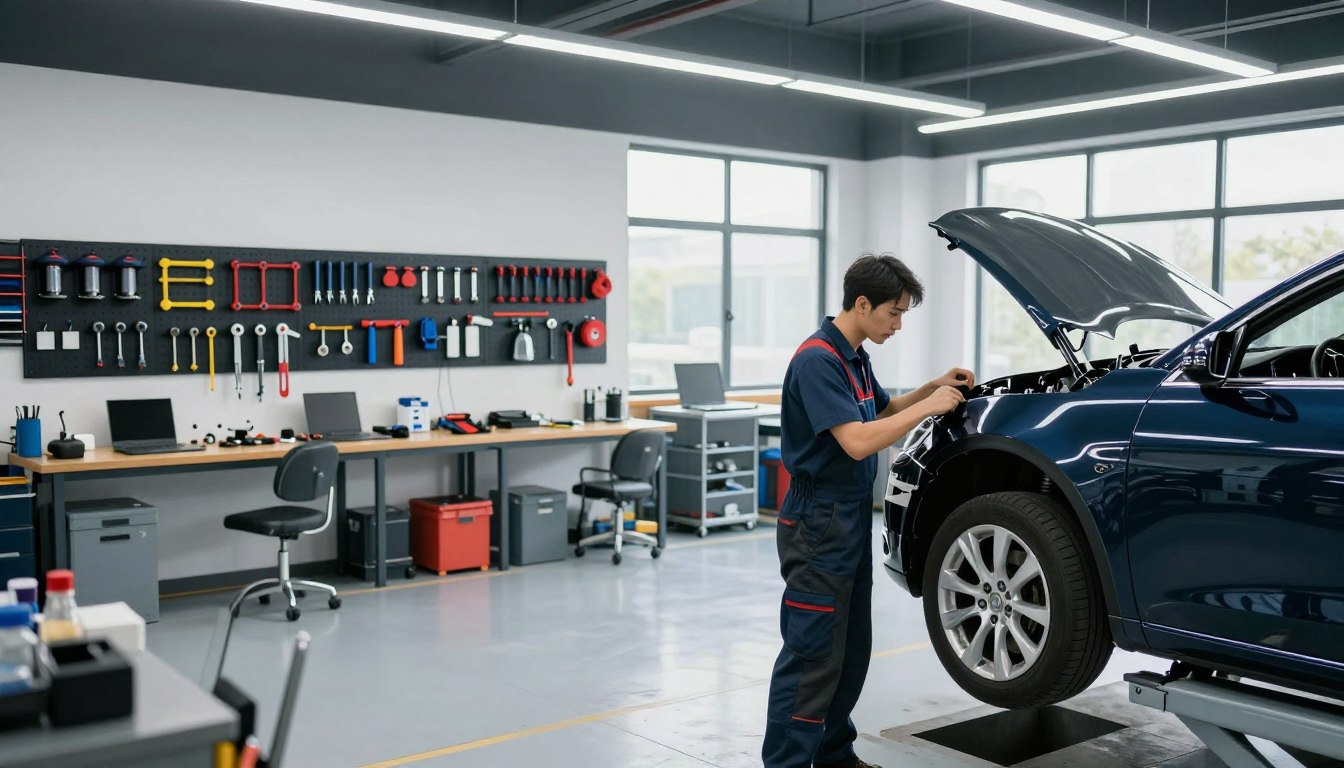
After an accident, dealing with your insurance claim can be tough. You’ll need a professional to estimate the damage and repair costs. This helps get your car back to how it was before the accident.
Many people ask how insurance picks their repair shops. An insurance approved body shop must follow strict rules. These include safety, the right tools, and certified technicians. Insurance companies look for places that fix cars well and fast.
Going to an approved body shop means your car gets the best parts and care. At Miracle Body and Paint Collision Center, we meet these high standards. Contact us to get your car fixed with the attention it needs.
Key Takeaways
- Accident claims require a detailed repair estimate to assess vehicle damage.
- Providers evaluate facilities based on safety protocols and technician expertise.
- Preferred partners must maintain high standards for equipment and repair quality.
- Selecting a certified facility ensures your vehicle is restored to factory specifications.
- Miracle Body and Paint Collision Center meets the professional criteria required for top-tier repairs.
The Relationship Between Insurance Providers and Repair Facilities
Behind every smooth collision repair experience is a partnership between insurers and body shops. When you file a claim, you enter a system that links your vehicle with a trusted approved body shop. This partnership aims to make the complex world of car repair easier for you.
Understanding the Direct Repair Program Model
Insurance companies use a Direct Repair Program, or DRP, to manage their service providers. This model has a formal agreement between the insurer and the shop. It outlines operational expectations to make the claims process smoother and cheaper for everyone.
Shops in these programs follow strict insurance repair standards to ensure quality. This helps insurers keep an eye on the work and speeds up repairs for you. Here’s a table showing the main differences between DRP facilities and independent shops.
| Feature | DRP Facility | Independent Shop |
|---|---|---|
| Claims Processing | Directly integrated | Manual submission |
| Repair Standards | Strictly audited | Shop-defined |
| Warranty | Insurer-backed | Shop-provided |
How Trust Influences Insurance Referrals
Trust is key in the insurance industry. Insurance providers look for shops that are reliable and have happy customers. When a shop consistently meets insurance repair standards, it becomes a top choice.
Being an approved body shop means peace of mind for you. It shows the shop has proven its skills to your insurance carrier. This trust-based system protects your vehicle and saves you money.
Defining the Criteria for an Insurance Approved Body Shop
Looking for an insurance approved body shop means finding a place that has met strict standards. Insurance companies don’t just pick any repair center. They have a detailed process to make sure each shop meets their quality and safety expectations.
Vetting Processes for Preferred Vendors
Before a shop becomes a preferred vendor, it goes through a detailed check. Insurance companies look at the shop’s financial health, equipment quality, and customer service record. Consistency is key in these initial checks.
They also do on-site checks to see if the shop has the right tools for repairs. They check the shop’s claim handling history to make sure they can handle the work. This careful selection ensures your car is in good hands.
Maintaining Compliance with Insurance Guidelines
Being in a network is just the start. To stay an insurance approved body shop, the shop must follow strict insurance repair standards. These rules cover everything from parts used to repair methods.
Shops are checked regularly to make sure they follow these rules. If they don’t, they could lose their status. By sticking to these insurance repair standards, the shop makes sure your car is fixed right and the claims process is smooth.
The Importance of OEM Certification and Repair Standards
Modern cars are complex and need precise repair to keep them safe. When looking for a body shop, make sure they meet insurance repair standards. OEM certification shows a shop can fix your car like new.
Why Manufacturers Matter in Collision Repair
Car makers design each part with safety in mind. After a crash, repairs must follow the factory’s plan to keep your car safe. Not following these plans can risk your safety.
OEM-certified shops get the latest repair info from car makers. They can spot hidden damage others might miss. Choosing a certified shop means your car gets the best insurance repair standards.
Adhering to Factory-Specified Repair Procedures
Every car model has its own repair needs, from the steel used to the tech in driver-assistance systems. Technicians must follow the factory’s steps to fix welds, adhesives, and sensors right. Precision is key in car repair.
Sticking to these rules keeps your car’s warranty and value up. Shops that follow these steps make claims easier and prove they meet insurance repair standards. Your peace of mind depends on the shop’s dedication to quality work.
Evaluating Technician Training and ASE Certifications
Every successful repair at an approved body shop comes from a team of skilled professionals. When you give your car to a shop, you trust them to fix it right. They aim to make your car as good as new.
National Institute for Automotive Service Excellence (ASE) certifications are top-notch in the field. They show a technician has passed tough tests and has the skills for complex repairs.
The Value of Ongoing Professional Development
The world of cars is always changing. This means repair shops need to keep learning. Shops that focus on technician training show they care about doing a great job for every customer.
Training keeps the repair team up-to-date with new standards and safety rules. By keeping up with workshops and certifications, an approved body shop can fix cars with the precision needed today.
Ensuring Expertise in Modern Vehicle Technology
Today’s cars are like high-tech computers, with advanced systems and sensors. Technicians need to know how to work with these systems to keep you safe.
Without the right training, even small mistakes can harm your car’s structure. Picking a shop that values advanced technical skills means your car is in good hands.
Assessing the Quality of Equipment and Diagnostic Tools
When you visit an insurance approved body shop, the quality of their tools is key. Modern cars are complex and need precise calibration after a crash. Shops with the latest tech aim to fix your car to its original state.
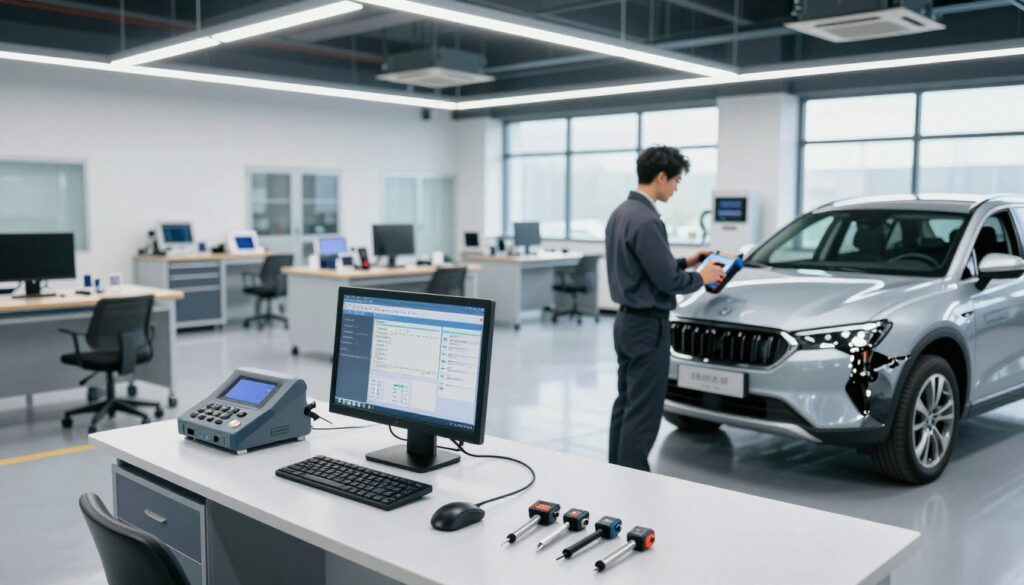
Precision Frame Alignment Technology
Fixing a car’s structure is vital. Top shops use computerized measuring systems to align frames to exact specs. This tech spots tiny errors that old methods might miss.
Laser tools help ensure your car drives like new. This is what a pro insurance approved body shop does. It makes sure safety features work right in future crashes.
Advanced Paint Matching and Application Systems
Fixing your car’s look is more than just painting. Modern paint tech uses digital tools to match your car’s paint perfectly. This means a flawless finish that looks like the original.
Top shops have the best gear for this:
- Digital Spectrophotometers for perfect color matching.
- Down-draft Spray Booths to keep dust out.
- Computerized Diagnostic Scanners to reset car systems.
- Three-Dimensional Measuring Systems for accurate repairs.
Choosing an insurance approved body shop with these tools means your car is in good hands. You can rest easy knowing it’s getting top-notch care.
Transparency in Estimating and Insurance Repair Standards
When you bring your vehicle in for repairs, the estimate is your guide. Clear communication about costs and steps is key. This ensures your vehicle is fixed right.
Following strict insurance repair standards helps avoid confusion. This is between the shop, the adjuster, and you.
Standardizing the Claims Estimation Process
Most body shops use standard software for estimates. This software keeps costs and times up to date. Shops stick to these standards to show they’re serious about insurance repair standards.
Standardizing estimates means fewer disputes. Adjusters can quickly check the work needed. This streamlined approach gets your vehicle fixed faster.
Avoiding Common Pitfalls in Repair Documentation
Missing details in documentation can slow repairs. Shops need to show all damage and explain each repair step. Without these, claims might be denied or you could face extra costs.
Keeping detailed records is key to insurance repair standards. Shops that are open about their paperwork build trust with insurance companies. Here’s how good documentation differs from basic.
| Documentation Feature | Basic Level | Professional Level |
|---|---|---|
| Damage Photos | Exterior only | Comprehensive interior and structural |
| Repair Notes | Brief summaries | Detailed technical justifications |
| Supplement Logs | Manual entries | Digital, time-stamped records |
| Part Sourcing | Unverified | OEM-certified documentation |
By focusing on these details, repair facilities ensure claims are handled right. Always ask your shop about their documentation process. Being open is the best way to make sure your vehicle gets the care it needs.
The Role of Digital Documentation in Claims Processing
When you visit an approved body shop, you get to use advanced digital systems. These systems make your claim process faster. They replace old paper trails with quick, cloud-based data.
By going digital, shops make sure every detail is recorded right and shared fast.
Capturing Evidence for Insurance Adjusters
Today, high-quality digital images are key for claims. Technicians use special software to take photos of vehicle damage from all sides. They do this before, during, and after repairs.
This visual evidence gives insurance adjusters a clear picture of what repairs are needed.
By sending these images directly to the insurer’s database, the shop often avoids the need for physical checks. This accelerated verification means your car can get back on the road quicker. The digital logs also keep a permanent record of your car’s condition.
Streamlining Communication Through Digital Portals
Communication problems often cause the most stress during repairs. Many shops now use digital portals to connect you, the repair team, and the insurance company. You can get updates on your car’s status without having to call the shop.
These platforms also let for quick approval of extra repairs, cutting down on downtime. When an approved body shop uses these portals, they keep a clear line of communication with your insurer. This digital connection makes sure everyone is informed from start to finish.
| Feature | Traditional Paper Process | Digital Documentation |
|---|---|---|
| Data Accuracy | Prone to manual errors | High precision and automated |
| Speed of Approval | Days or weeks | Hours or minutes |
| Transparency | Limited visibility | Full access for all parties |
| Evidence Storage | Physical files/folders | Secure cloud-based archives |
Safety Protocols and Structural Integrity Requirements
Every repair at an insurance approved body shop follows strict safety rules. These rules help keep you safe on the road. Choosing a professional shop means your car stays safe for a long time.
Prioritizing Passenger Safety in Every Repair
The main goal of any repair is to make your car safe again. Modern cars have special parts to protect you in crashes. If these parts aren’t fixed right, your car might not keep you safe next time.
Technicians must follow exact rules to make sure everything works right. Prioritizing passenger safety means they can’t take shortcuts. Your safety is their top concern.
Verifying Structural Repairs Through Quality Control
Quality control checks if your car is safe to drive. Shops use special tools to make sure the frame is just right. Even a small mistake can affect how your car handles in an emergency.
Following insurance repair standards helps shops show they’ve done the job right. They keep records of every step. This proves your car is safe to drive. A good shop checks everything carefully to meet the highest safety standards.
Customer Satisfaction Metrics and Insurance Partnerships
The bond between an insurer and a repair shop is based on customer satisfaction. Insurance providers see these scores as a sign of their promise to policyholders. Choosing an approved body shop means you’re part of a system that values your peace of mind and vehicle safety.
How Feedback Loops Affect Shop Ratings
Repair facilities use advanced feedback loops to check their performance. After a repair, insurance companies send surveys to the vehicle owner. These scores show the quality of communication and how well the repair was done.
Shops with high ratings get more referrals. To keep these scores up, successful facilities focus on a few key areas:
- Providing clear and frequent updates on repair progress.
- Ensuring the vehicle is delivered on time as promised.
- Maintaining a clean and professional facility environment.
- Resolving any post-repair concerns with urgency and care.
The Correlation Between Service Quality and Insurance Trust
Service quality and insurance trust are closely linked. An approved body shop must show it can handle complex claims well. It also needs to keep customers informed and satisfied.
Trust grows with transparency and consistent results. Insurance companies watch these metrics to make sure shops meet their quality standards. By focusing on the customer, repair centers become trusted partners in the insurance world.
Environmental Compliance and Shop Facility Standards
Being green is key for any shop wanting to meet top insurance repair standards. Insurers check how a shop runs as much as the work done. Shops that don’t follow rules might lose their spot as a top choice, as insurers look for those who care about the planet.
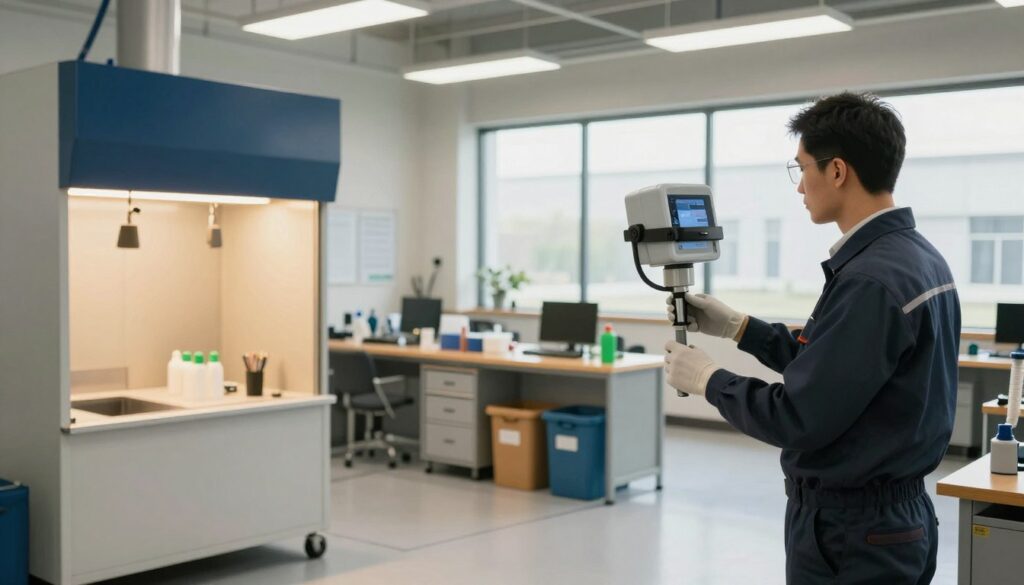
Meeting EPA and Local Regulatory Requirements
Repairing cars means dealing with harmful stuff like solvents and heavy metals. Shops must follow Environmental Protection Agency (EPA) rules on harmful emissions. Also, getting rid of waste the right way is not just a rule; it shows you’re serious about your work.
Local laws can be stricter than federal ones. Keeping up with these rules makes your shop a go-to for insurance adjusters. Not keeping records of waste or air filters can lead to big problems.
Maintaining a Professional and Safe Work Environment
A safe place is a productive place, and insurers know this. By following OSHA rules, you keep your team safe and show you care about insurance repair standards. A tidy shop shows you’re careful and precise.
Being professional also means your shop looks good. Good lighting, clear signs, and separate areas for different tasks help avoid mistakes. When an insurance person comes by, they look for these signs of a well-run shop.
| Compliance Area | Regulatory Focus | Insurance Impact |
|---|---|---|
| Hazardous Waste | Proper storage and disposal | Reduces liability risk |
| VOC Emissions | Air quality and filtration | Ensures environmental rating |
| Workplace Safety | OSHA standard adherence | Increases operational trust |
| Facility Upkeep | Organization and cleanliness | Boosts professional reputation |
By following these high standards every day, you build a strong reputation. Focusing on the environment and safety shows you’re serious about insurance repair standards. This dedication helps you succeed and build lasting partnerships.
How Insurance Companies Audit Repair Facilities
Insurance companies have special audit programs to check their partners. They make sure every insurance approved body shop meets high standards for fixing cars. This way, they keep repair costs fair and protect their customers.
Periodic Inspections and Performance Reviews
Insurers do on-site inspections to see if a shop has the right tools and space. They check repair files to see if the work was done right. They also look at how fast repairs are done and how happy customers are.
These checks are very important for the shop. If a shop does well, it shows it’s a reliable partner. This helps keep the quality of repairs high across the network.
Addressing Discrepancies in Repair Quality
If a shop doesn’t meet standards, the insurance company will ask for a corrective action plan. This lets the shop fix any problems with their work or records. It’s a key step for any insurance approved body shop to show it’s serious about getting better.
If a shop can’t fix its issues, it might face serious penalties. Transparency and accountability are key in these talks. By fixing problems, shops can regain trust and keep serving their customers well.
The Impact of Parts Sourcing on Insurance Approval
When dealing with a vehicle claim, the parts used for repair are key. Insurance companies check how a shop manages its parts to meet insurance repair standards. An approved body shop ensures your car gets parts that meet safety and policy needs.
OEM Versus Aftermarket Parts Policies
Insurance policies often specify whether to use Original Equipment Manufacturer (OEM) parts or aftermarket ones. OEM parts come from the car maker, while aftermarket parts are made by others. An approved body shop must weigh cost savings against keeping your car safe.
Your policy might decide if you get new factory parts or if the insurer can use recycled or aftermarket parts. Transparency is important. Your technician should explain why a certain part was chosen. This helps you see how your coverage affects your car’s repair.
Ensuring Parts Availability for Faster Turnaround
How fast your repair is done depends on getting the right parts quickly. Delays in getting parts can slow down the whole repair process. Shops with good connections to suppliers can handle many repairs fast.
Good inventory management means less waiting for you. When parts are ready, the shop can focus on installing them right. This shows a shop cares about your time and your car’s safety.
| Feature | OEM Parts | Aftermarket Parts |
|---|---|---|
| Manufacturer | Vehicle Brand | Third-Party |
| Fitment | Guaranteed Precision | May Require Adjustment |
| Cost | Higher Price Point | Budget-Friendly |
| Warranty | Factory Backed | Varies by Supplier |
Navigating the Direct Repair Program Process
Choosing an insurance approved body shop can greatly improve your claims experience. When you pick a shop that works with your insurance, you enter a system designed to get you back on the road fast.
This system is based on trust and clear agreements. By choosing a network shop, your insurance can work directly with the repair team. This makes the repair process smoother and faster.
What Happens When You Choose a Preferred Shop
When you pick a preferred shop, they start by documenting the damage. As an insurance approved body shop, they use digital systems to send photos and estimates to your insurance. This saves you from being a middleman.
You’ll see many benefits, including:
- Faster approval times for repair estimates.
- Direct billing that cuts down on paperwork.
- Priority scheduling to get your vehicle fixed sooner.
- Easy parts ordering and supply chain management.
Simplifying the Claims Experience for the Policyholder
The main goal of these programs is to make your life easier after an accident. By using an insurance approved body shop, you know your repairs will be done right and quickly.
Efficiency is key in this partnership. You’ll worry less about your claim and more about your daily life. This teamwork ensures your car is fixed fast, making your journey back to driving smooth.
Why Choosing an Approved Shop Benefits Your Claim
After a car accident, picking the right repair shop is key. An approved body shop makes the repair process smoother. Your car gets top-notch care and follows strict rules.
Reducing Out-of-Pocket Expenses
Using a preferred shop can save you a lot of money. These shops have deals with insurance companies. They usually agree on prices for parts and labor.
This means you won’t face surprise costs. Staying within insurance repair standards helps keep your repair costs in line with your policy. This way, you pay less out of pocket.
Guaranteeing Workmanship and Warranty Coverage
Choosing an approved shop also means your repairs are guaranteed. Most of these shops offer a written warranty on their work.
This warranty ensures any future problems are fixed without hassle. Going with a shop that meets insurance repair standards gives you peace of mind. Your car’s safety and value are protected for years to come.
Conclusion
Choosing the right repair shop is key to your car’s safety and value. Knowing the perks of an insurance approved body shop makes the claims process smoother. These shops aim to get your car back to its original state.
Quality repairs follow strict insurance standards. An approved body shop offers skilled techs and easy billing. This means less stress and better work on your car.
Miracle Body and Paint Collision Center is here to help. Our team works with insurance to make things easier for you. We focus on precision and safety in every job.
Visit our San Antonio locations for top-notch service. Our team gives your car the care it needs. Contact Miracle Body and Paint Collision Center for your estimate and peace of mind.

