

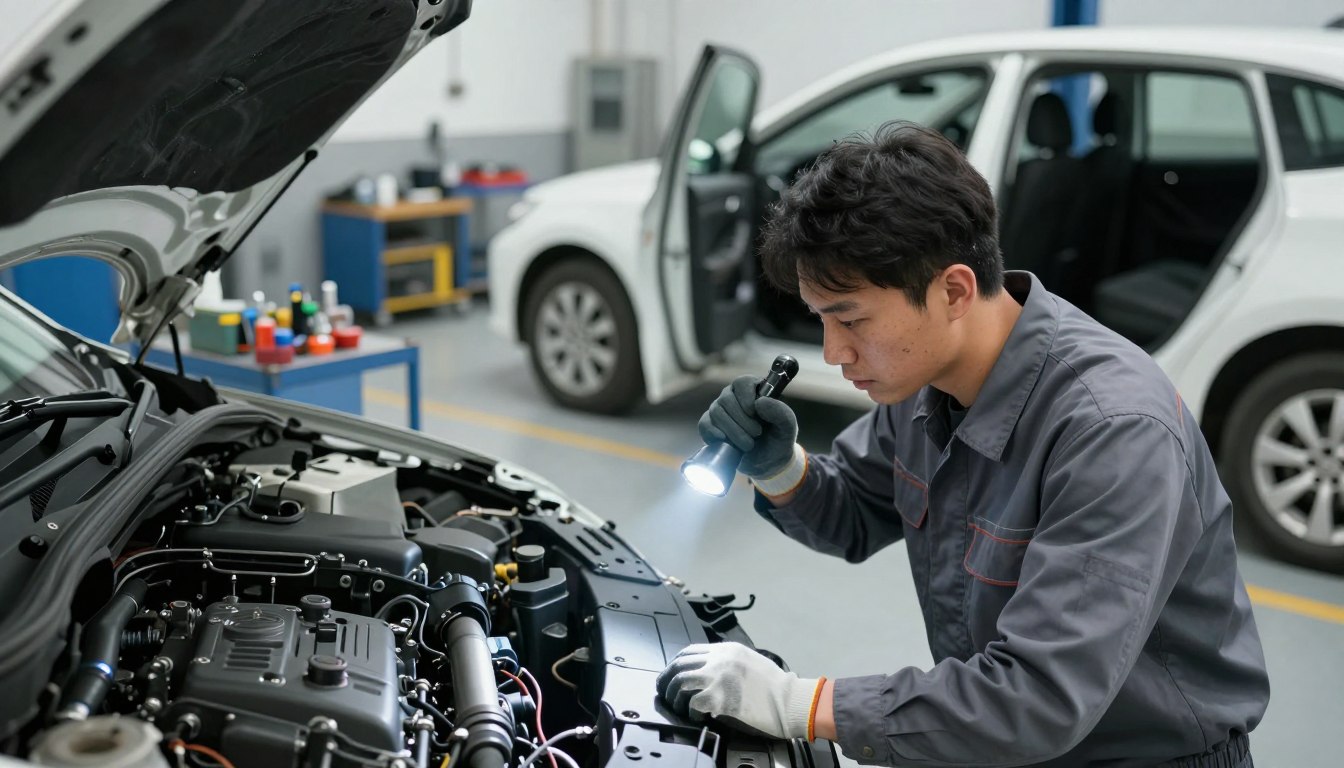
When you pick up your vehicle after a collision repair, it’s crucial to ensure that everything is in order. A thorough check is necessary to verify the quality of the repair work and confirm that all necessary repairs were made.
At Miracle Body and Paint Collision Center, they understand the importance of a meticulous post-repair inspection to guarantee customer satisfaction. As you collect your repaired vehicle, you’ll want to inspect various components to ensure they’re functioning correctly and that the repair work meets your expectations.
Key Takeaways
- Verify the quality of repair work
- Check that all necessary repairs were made
- Test various vehicle components
- Ensure proper functioning of safety features
- Review the vehicle’s overall condition
Importance of a Post-Repair Inspection
Inspecting your vehicle post-repair is not just a good practice, it’s essential for your safety on the road. When you pick up your vehicle after repairs, a thorough inspection can reveal potential issues that may not be immediately apparent.
A post-repair inspection involves checking various aspects of your vehicle to ensure that the repairs were done correctly and that your vehicle is in top condition. This process is crucial for identifying any misalignments, improper paint application, or other problems that could affect your vehicle’s performance and safety.
Understanding Post-Repair Inspections
A post-repair inspection is a comprehensive check of your vehicle after it has undergone repairs. This involves examining the work done, checking for any new issues, and ensuring that all systems are functioning as they should. It’s about verifying that the repairs meet the required standards and that your vehicle is safe to drive.
To conduct a thorough inspection, you should have a repair checklist that covers all critical areas of your vehicle. This checklist might include items like paint quality, alignment of parts, functionality of lights and indicators, and the condition of tires and brakes.
| Inspection Area | What to Check | Expected Outcome |
|---|---|---|
| Paint Quality | Color match, finish smoothness | Seamless integration with existing paint |
| Alignment of Parts | Gaps between panels, door alignment | Even gaps, proper fit |
| Lights and Indicators | Functionality of all lights | All lights working correctly |
Benefits of a Thorough Inspection
Conducting a thorough inspection of your vehicle after repairs offers several benefits. It helps in identifying any potential issues early on, ensuring your safety on the road, and verifying that the repairs were done to the required standard.
By using a repair checklist during your inspection, you can systematically go through various aspects of your vehicle, ensuring that nothing is overlooked. This proactive approach can save you from future headaches and potential safety hazards.
Visual Inspection of Your Vehicle
Upon collecting your repaired vehicle, it’s essential to conduct a meticulous visual check to ensure that the repair work meets the expected quality control standards.
Check for Paint Quality
The paint job is one of the most noticeable aspects of your vehicle’s repair. Look closely at the paint quality to ensure it matches the original finish. Check for any signs of overspray or uneven application, as these can detract from the overall appearance of your vehicle.
Look for Misalignments
Misalignments or gaps between body panels can indicate improper repair techniques. Inspect the vehicle carefully to ensure all panels are properly aligned and that there are no noticeable gaps.
Inspect for Parts Replaced
If parts were replaced during the repair, verify that they are properly installed and match the original equipment. This includes checking for any signs of damage or wear on the new parts and ensuring they function as expected.
By carefully inspecting these aspects, you can have confidence in the quality control of the repair work done on your vehicle.
Functional Components to Test
Testing the functional components of your vehicle post-repair is crucial for safety and performance. Ensuring that all parts are working as they should gives you peace of mind and confirms that the repair work was done correctly.
Lights and Indicators
Start by checking all lights and indicators on your vehicle. This includes headlights, taillights, brake lights, and turn signals. Ensure they are all functioning correctly and that there are no issues with dimming or flickering.
- Headlights: Check both high and low beams.
- Taillights: Verify they are working properly.
- Turn signals: Test both left and right signals.
Brakes and Suspension
Next, test your vehicle’s brakes and suspension. A smooth braking experience is crucial for safety. Pay attention to any unusual noises or vibrations when applying the brakes.
- Brakes: Test by driving at a moderate speed and pressing the brake pedal firmly.
- Suspension: Check for any unusual movements or noises when driving over bumps.
Wipers and Windshield
Inspect the condition of your windshield wipers and the windshield itself. Ensure the wipers are in good condition and that the windshield is free from cracks or chips that could obstruct your view.
By thoroughly testing these functional components, you can be confident that your vehicle is safe to drive and that the repairs were done to a high standard.
Assessing Interior Features
Inspecting the interior of your repaired vehicle is a critical step in the quality control process. The interior’s condition can significantly impact your overall satisfaction with the repair.
Dashboard Functions
Start by examining the dashboard functions. Ensure that all gauges, warning lights, and indicators are working correctly. Check that the temperature control, radio, and other buttons or controls are responsive. Any malfunction here could indicate a problem with the electrical system or the repair itself.
Verify that all dashboard lights illuminate properly when you turn on the ignition. This includes checking the brightness and ensuring that there are no dim or non-functioning lights.
Sound Systems
Next, test the sound system to ensure it’s functioning as expected. Play different types of media, such as CDs, USB drives, or Bluetooth connections, to check for clarity and distortion. Make sure that all speakers are working and that there’s no unusual noise.
- Check the volume control for smooth operation.
- Test the balance and fade controls.
- Ensure that the system can read and play media correctly.
By carefully assessing these interior features, you can ensure that your vehicle is restored to its optimal condition, providing a safe and comfortable driving experience.
Checking for Odors and Noise
Unusual odors and noises can be indicative of issues with your vehicle after a collision repair, making it vital to conduct a thorough check. As part of a comprehensive post-repair inspection, you should pay close attention to any unusual smells or sounds coming from your vehicle.
Unusual Smells
Check for any unusual smells, such as burning or chemical odors, which can indicate a problem with the electrical system or other components. For instance, a burning smell could suggest an issue with the wiring or an electrical component. If you notice any unusual odors, it’s essential to bring it to the attention of the repair shop immediately. You can learn more about what to check before driving your car after collision repairs by visiting Miracle Collision Center’s guide.
Sounds During Operation
Listen for any unusual sounds during operation, such as grinding or rattling noises, which can indicate a problem with the engine, transmission, or other components. Unusual noises can be a sign of loose parts, misaligned components, or other issues that need to be addressed. Make sure to test your vehicle under various conditions to identify any unusual sounds.
By thoroughly checking for unusual odors and noises, you can ensure that your vehicle is in good condition after repairs and address any potential issues promptly.
Verifying Paperwork and Warranty
Verifying the paperwork and warranty associated with your vehicle’s repair is a crucial step you shouldn’t overlook. This process ensures that you’re aware of what’s covered and what’s not, providing peace of mind and protecting your investment.
Review Repair Invoice
When you pick up your vehicle, review the repair invoice carefully to ensure all work is accounted for and the charges are accurate. Check that the invoice includes a detailed breakdown of the repairs, parts replaced, and labor costs. This transparency helps you understand what was done to your vehicle.
| Invoice Details | Description | Cost |
|---|---|---|
| Parts Replaced | List of parts replaced during repair | $X.XX |
| Labor Costs | Hours spent on repair | $X.XX |
| Total | $XXX.XX |
Warranty Information
Understanding the warranty provided is equally important. Check the warranty information to know what’s covered and for how long. A comprehensive warranty can save you from unexpected expenses in the future.
By verifying the paperwork and understanding the warranty, you’re taking a proactive step in maintaining your vehicle’s health and ensuring you’re covered in case anything goes wrong. This diligence is part of a thorough repair checklist that helps safeguard your investment.
Understanding Vehicle Safety Features
Ensuring your vehicle’s safety features are functioning correctly is vital after a repair. Modern vehicles are equipped with advanced safety features designed to protect you and your passengers. Understanding these features and verifying their proper operation is crucial for your safety on the road.
Airbags and Sensor Checks
One of the critical safety features in your vehicle is the airbag system. It’s essential to check that all airbags are properly deployed and that the sensors connected to them are functioning correctly. These sensors detect the severity of a crash and determine which airbags to deploy. You should:
- Check the dashboard for any airbag warning lights.
- Ensure that the airbags have been inspected and reset if necessary after a collision.
- Verify that the vehicle’s sensors, including those for airbags, are clean and free from damage.
For more information on the importance of checking other critical vehicle systems after a crash, visit Miracle Collision Center to understand why wheel and suspension checks matter.
Safety Ratings and Compliance
Your vehicle’s safety rating is another crucial aspect to consider. Safety ratings are determined by various tests that assess a vehicle’s ability to protect its occupants in the event of a crash. Ensuring that your vehicle complies with all relevant safety regulations is vital. You should:
- Review the safety ratings of your vehicle on reputable websites such as the National Highway Traffic Safety Administration (NHTSA).
- Check that any repairs made to your vehicle comply with the manufacturer’s standards and safety regulations.
- Verify that all safety features, including electronic stability control and anti-lock braking systems (ABS), are functioning as intended.
By understanding and verifying your vehicle’s safety features, you can ensure that your vehicle is safe to drive and that all necessary repairs have been made to the highest standards.
Questions to Ask the Repair Shop
Asking the right questions at the repair shop can ensure you’re satisfied with the work done on your vehicle. It’s essential to be informed about the repairs and the processes involved.
Timeline and Processes
Understanding the timeline of the repairs can help you plan your schedule better. Ask the repair shop about the duration of the repair process and any delays that may have occurred. Inquire about the steps taken during the repair, such as the parts replaced and the techniques used.
Key questions to ask:
- What was the total duration of the repair?
- Were there any additional issues discovered during the repair?
- What parts were replaced or repaired?
Follow-Up Services
It’s also important to ask about any follow-up services that may be available. Some repair shops offer warranties or free check-ups after the repair. Inquire about any maintenance recommendations to prevent future issues.
Consider asking about:
- Is there a warranty on the repairs done?
- Are there any follow-up services included in the repair cost?
- What maintenance is recommended to keep your vehicle in good condition?
Why Choose Miracle Body and Paint Collision Center
When it comes to restoring your vehicle to its original condition, you need a reliable and skilled collision repair center. At Miracle Body and Paint Collision Center, you can trust that your vehicle is in good hands.
Expertise You Can Rely On
With two convenient locations in San Antonio, their experienced team is dedicated to delivering high-quality repairs. A thorough post-repair inspection is part of their quality control process, ensuring that every detail is checked.
You can visit them at their North West San Antonio – Leon Valley location at 6217 Grissom Rd., San Antonio, TX 78238, or call (210) 680-1987. Alternatively, their North East San Antonio location is at 4650 Walzem Rd, San Antonio, TX 78218, and can be reached at (210) 858-3630.
By choosing Miracle Body and Paint Collision Center, you are ensuring that your vehicle receives the best possible care, with a focus on quality control and a meticulous post-repair inspection.

