

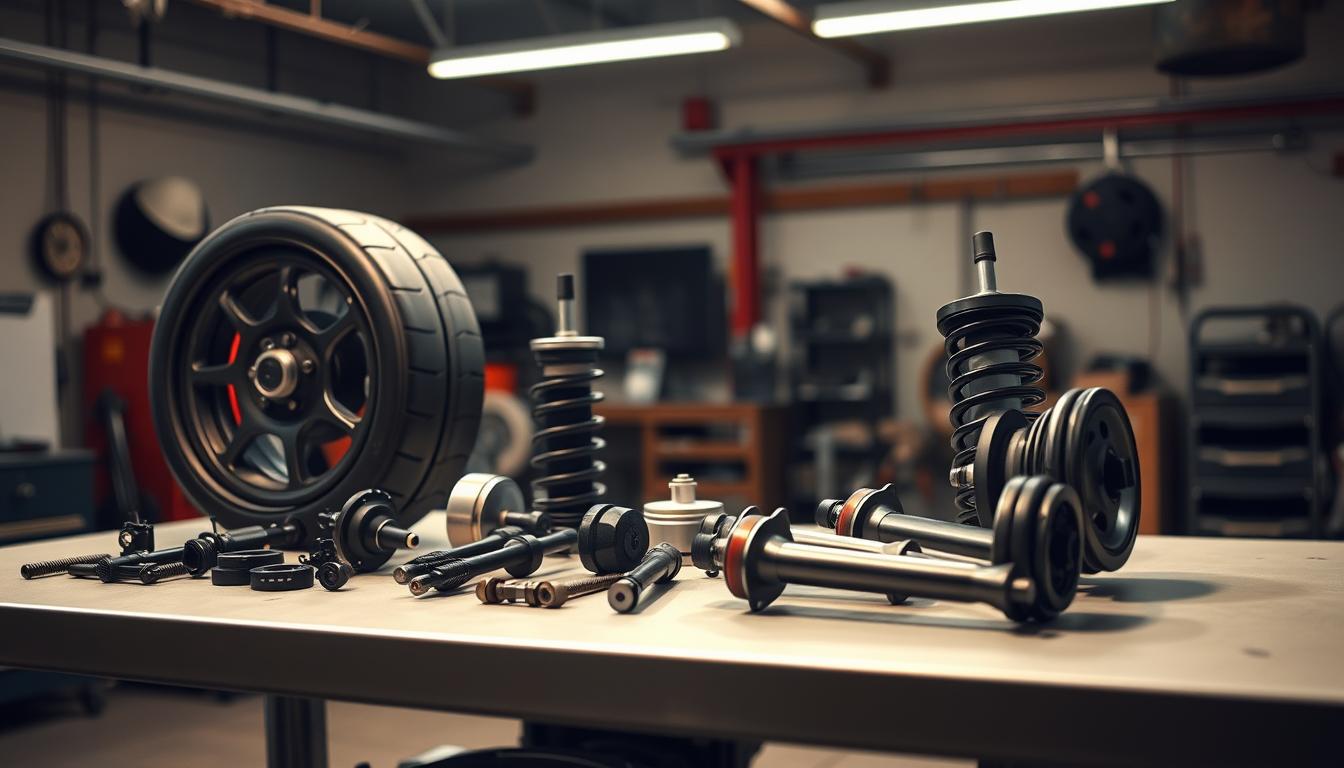
After a vehicle collision, it’s crucial to inspect your vehicle to ensure it’s safe to drive and to document damages for insurance claims. At Miracle Body and Paint Collision Center, we emphasize that even minor accidents can lead to hidden damage that compromise your vehicle’s safety and performance.
Studies show that 60% of repaired vehicles still have safety or structural issues after repairs. Many drivers underestimate the extent of damage after a crash, focusing only on cosmetic issues while overlooking potential mechanical and safety concerns.
Key Takeaways
- Inspecting your vehicle after a collision is crucial for ensuring its safety and performance.
- Hidden damages can be present even after minor accidents.
- A thorough inspection can prevent further damage and costly repairs.
- Ensuring your vehicle’s structural integrity is vital after a crash.
- Proper checks can help maintain your vehicle’s overall safety and functionality.
The Hidden Dangers of Collision Damage
Unseen damage from a collision can pose significant risks to your vehicle’s safety and performance, making a thorough inspection crucial. When a vehicle is involved in a crash, the impact can cause both visible and hidden damage.
Beyond Visible Damage: What You Can’t See
Failing to address hidden damage can lead to unsafe driving conditions, putting you and others on the road at risk. Some of the hidden issues that may arise from collision damage include:
- Compromised vehicle structural integrity
- Damaged suspension components that may fail catastrophically
- Wheel damage leading to tire failures or alignment problems
- Malfunctioning safety systems like airbags or collision avoidance technology
Safety Risks of Unaddressed Issues
If left unaddressed, these hidden issues can significantly compromise your vehicle’s ability to protect you in future accidents. For instance, unaddressed collision damage can turn minor incidents into life-threatening situations. Moreover, compromised safety systems may fail in future emergencies, putting you and your passengers in danger.
It’s essential to conduct a thorough inspection after a collision to identify and address any potential problems before they escalate into more severe safety risks.
Understanding Your Vehicle’s Structural Integrity
After a collision, it’s crucial to assess your vehicle’s structural integrity to ensure safety on the road. The impact of a crash can compromise the vehicle’s frame and other critical components, potentially leading to serious safety issues if not addressed promptly.
How Collisions Affect Vehicle Frames
Collisions can significantly affect a vehicle’s frame, causing damage that may not be immediately visible. The force of the impact can bend, twist, or crack the frame, compromising the vehicle’s overall condition. When this happens, it can lead to a range of problems, including uneven wear on tires and potentially dangerous handling issues.
The frame is the backbone of any vehicle, providing the structural support necessary for safe operation. When it’s damaged, the entire vehicle can be affected. Checking for signs of frame damage is essential after any collision.
Signs of Compromised Structural Components
There are several signs to look out for that may indicate compromised structural components. These include:
- Unusual gaps between body panels or doors that don’t close properly, which can be a sign of frame damage.
- Visible cracks in structural areas, particularly around suspension mounting points, indicating potential safety risks.
- Water leaks, wind noise, or new rattles after a collision, signaling that structural components may have shifted or become compromised.
- Paint cracks or bubbling in areas away from the direct impact point, revealing stress on the frame.
By being aware of these signs and taking prompt action, you can help ensure your vehicle’s structural integrity is maintained, keeping you safe on the road.
The Critical Importance of Post-Collision Wheel Inspection
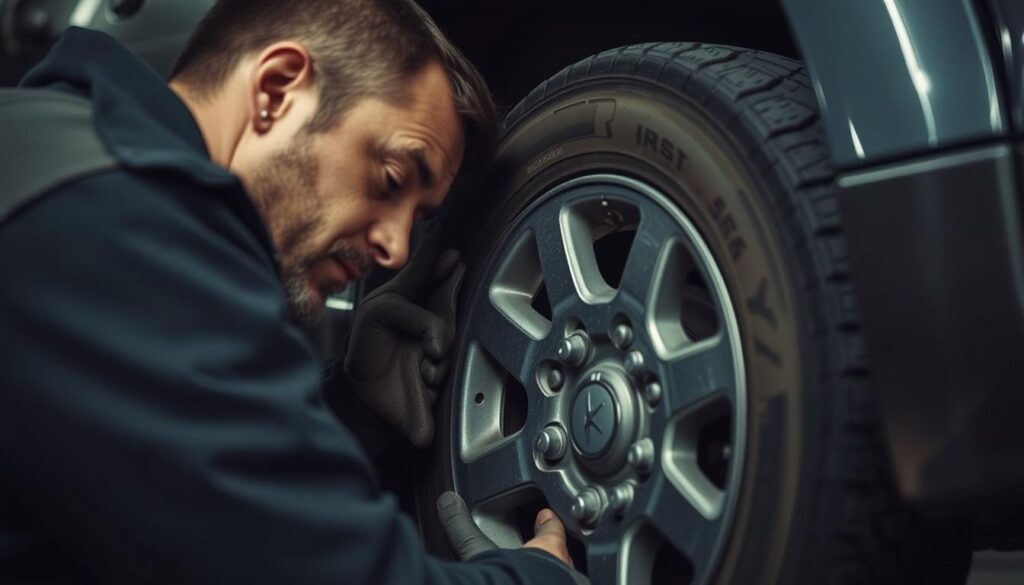
A post-collision wheel inspection is essential to identify potential issues that could compromise vehicle stability. When a vehicle is involved in an accident, the wheels are often subjected to significant stress, which can lead to damage that is not immediately visible.
To ensure safety and maintain optimal performance, it’s crucial to conduct a thorough wheel damage assessment. This involves checking for signs of damage, such as bent rims, cracks, or uneven wear patterns.
Wheel Damage Assessment Checklist
A comprehensive wheel inspection should include the following checks:
- Visual inspection for cracks, dents, or bends
- Checking for uneven tire wear
- Verifying proper wheel alignment
- Testing for vibrations during driving
By following this checklist, you can identify potential problems early on and prevent further damage to your vehicle.
How Wheel Issues Impact Vehicle Performance
Damaged wheels can have a significant impact on vehicle handling, braking performance, and overall stability. Some of the key effects include:
- Bent wheels causing vibrations that accelerate wear on suspension and steering systems
- Improper tire wear patterns reducing traction and potentially leading to hydroplaning
- Minor wheel damage causing gradual air loss, underinflation, and increased rolling resistance
Addressing wheel damage promptly is crucial for maintaining safety and ensuring optimal vehicle performance.
Suspension System Evaluation After an Accident
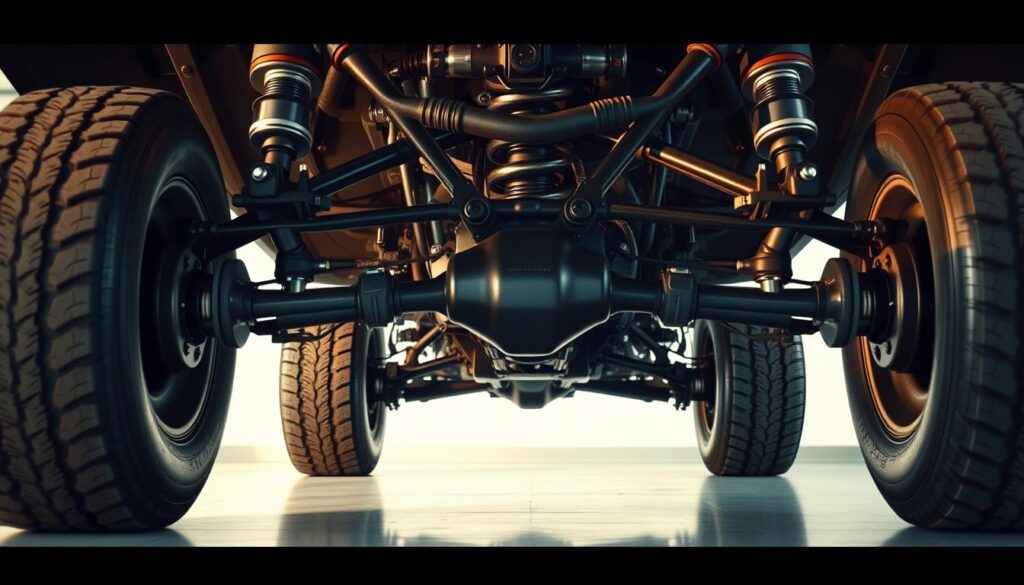
The suspension system plays a critical role in vehicle stability, making its evaluation after a crash indispensable. A damaged suspension can lead to compromised handling, uneven tire wear, and increased risk of further accidents.
Key Suspension Components to Examine
When evaluating the suspension system, several key components require inspection. Start by checking for visible signs of damage or wear. Press down firmly on each corner of the vehicle and observe how it rebounds. If it bounces more than once or twice, the shocks or struts might need replacing.
Other critical components to examine include:
- Control arms and bushings for excessive wear or damage
- Coil springs for cracks or deformation
- Shock absorbers or struts for fluid leaks or damage
Warning Signs of Suspension Damage
Being aware of the warning signs of suspension damage is crucial for timely repairs. Some common indicators include:
- Unusual noises, such as clunking or rattling, often signifying loose or damaged suspension components
- Excessive body roll during cornering or nose-diving during braking, indicating compromised suspension performance
- Uneven tire wear patterns, such as cupping or scalloping, typically pointing to suspension issues affecting wheel alignment
- Visible fluid leaks around shock absorbers or struts, indicating internal damage
By understanding these signs and conducting a thorough inspection of the suspension system, you can identify potential issues early and ensure your vehicle remains safe to drive.
Alignment and Steering: Ensuring Safe Handling
The integrity of your vehicle’s alignment and steering system is paramount for maintaining control and safety on the road, particularly following an accident. A collision can significantly impact these critical systems, potentially leading to compromised handling and increased risk of further incidents.
How Collisions Affect Wheel Alignment
Collisions can cause significant stress to a vehicle’s wheel alignment, potentially leading to misalignment. This misalignment can result in uneven tire wear, reduced vehicle stability, and impaired handling. Wheel alignment issues can also lead to increased strain on other suspension and steering components, exacerbating the problem over time. It’s crucial to inspect the wheel alignment after a collision to ensure it’s within the manufacturer’s specifications.
Testing Steering Response and Stability
To assess the steering response and stability of your vehicle after a collision, we recommend performing a series of tests. Turn the steering wheel back and forth; it should feel responsive and precise, with minimal play. The steering should also feel smooth and direct, without any looseness. Additionally, performing sharp turns and figure-eights in a safe area can help uncover any handling problems, ensuring your vehicle’s steering performance and overall road safety.
By thoroughly evaluating your vehicle’s alignment and steering system, you can identify any potential issues that may have arisen due to collision forces, thereby ensuring the vehicle’s safety and performance.
Professional vs. DIY Inspection: What You Need to Know
Post-collision, the method of inspection chosen by vehicle owners can greatly affect the detection of potential safety issues. While a DIY inspection might seem cost-effective, it may not uncover all the damage or issues that a professional inspection can identify.
Limitations of Visual Inspections
A visual inspection, whether DIY or professional, has its limitations. It may not detect all the problems, especially those that are not visible to the naked eye. For instance, frame damage or misalignments as small as one millimeter can significantly impact vehicle handling and safety. Such issues require more than just a visual check to be identified.
Advanced Diagnostic Tools and Their Benefits
Professional repair shops utilize advanced diagnostic tools that can uncover hidden problems. These include computerized frame measuring systems, electronic diagnostic scanners, and ultrasonic and electromagnetic tools. Such equipment enables a detailed inspection that can identify fault codes, system malfunctions, and structural weaknesses not visible during a visual inspection. For example, at Miracle Body and Paint Collision Center, we employ these advanced technologies to ensure comprehensive damage assessment and proper repair planning, thereby enhancing vehicle safety and performance.
Insurance Considerations and Documentation
When a vehicle is involved in a crash, navigating insurance policies and documentation becomes a critical step in the recovery process. It’s essential to understand how insurance considerations can impact the repair and restoration of your vehicle to its pre-accident condition.
Properly Documenting Damage for Claims
Having a comprehensive record of the damage, including photos and any scan reports, can be invaluable in disputes with repair shops or insurers. This documentation not only strengthens warranty claims but can also enhance resale negotiations. Understanding your insurance policy coverage for post-collision inspections and repairs is vital to ensure all necessary work is performed to restore vehicle safety.
- Insurance companies may initially focus on visible damage, making professional inspection reports crucial for identifying and documenting hidden issues requiring repair.
- Many insurance policies cover diagnostic scans and comprehensive inspections after collisions, but you may need to specifically request these services.

Working with Insurance After a Collision
Working with repair facilities that have established relationships with insurance companies can streamline the claims process and ensure proper repair authorization. At Miracle Body and Paint Collision Center, we work with all major insurance providers to facilitate comprehensive vehicle inspection and complete repair authorization. This collaboration ensures that your vehicle is restored to its optimal condition, meeting both safety standards and your insurance requirements.
By understanding your insurance coverage and working closely with your insurance provider and repair facility, you can navigate the post-collision process more effectively, ensuring your vehicle is properly repaired and safe to drive.
Conclusion: Protecting Your Safety and Investment
Ensuring your vehicle’s integrity after a collision requires a meticulous inspection to guarantee safety and performance. After completing thorough checks of your vehicle’s exterior, interior, and mechanical systems, the final review is your ultimate safeguard before hitting the road. It’s worth noting that 60% of repaired vehicles have safety and structural issues, making a post-repair inspection crucial for your well-being and that of your loved ones.
Thorough post-collision wheel and suspension inspections provide essential peace of mind, ensuring your vehicle is safe to operate and will perform reliably. By investing in comprehensive professional inspections after a collision, you protect both your safety and your financial investment by preventing progressive damage that could lead to costly repairs.
At Miracle Body and Paint Collision Center, our certified technicians use advanced diagnostic equipment to ensure all collision damage is properly identified and repaired to manufacturer specifications. With two convenient San Antonio locations, we make it easy to get the professional collision repair services you need. Contact us today to schedule your post-collision inspection and experience the peace of mind that comes from knowing your vehicle has been properly evaluated and repaired by certified professionals.

