

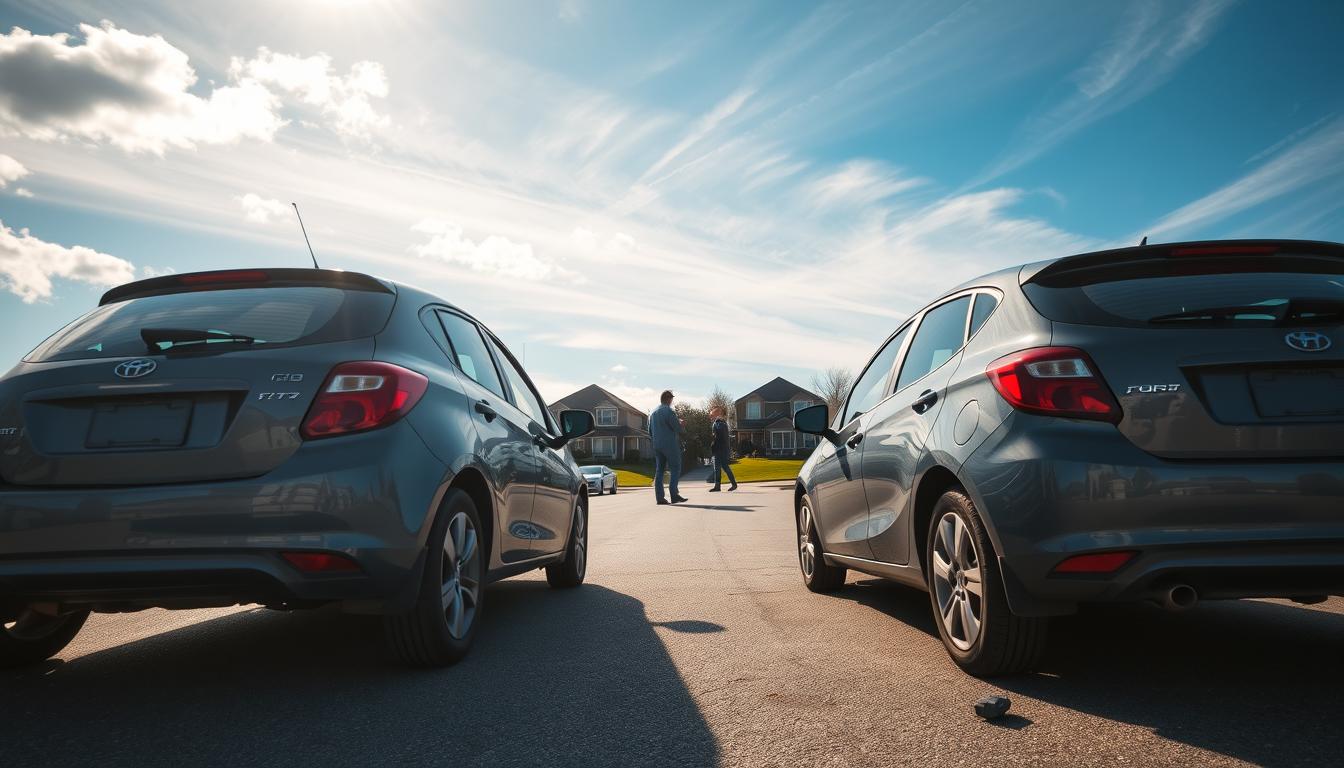
Fender benders are a common occurrence on busy roads, often resulting in minor damage to vehicles. Understanding the implications of these incidents is crucial for anyone involved.
A “fender bender” refers to a minor car accident where the damage is typically cosmetic and the vehicle remains drivable. At Miracle Body and Paint Collision Center, we help individuals navigate the process of dealing with such accidents.
We’ll explore what qualifies as a fender bender, how insurance handles these incidents, and the steps to take after an accident to protect yourself legally and financially.
Key Takeaways
- Understanding your insurance policy is crucial before an accident occurs.
- Knowing what damage is covered can help you make informed decisions.
- Documenting the accident properly is essential for supporting your claim.
- Filing a claim may have financial implications that need to be considered.
- Miracle Body and Paint Collision Center is a trusted repair option for vehicle damage.
Understanding Fender Benders and Their Impact
Minor collisions, known as fender benders, are an unfortunate reality of daily driving. These incidents typically involve low-speed impacts between vehicles, resulting in minimal damage and no serious injuries.
What Qualifies as a Fender Bender?
A fender bender is characterized by limited vehicle damage and low-speed impact. These minor collisions often occur in parking lots, at stop signs, or in heavy traffic conditions. The key factors that distinguish fender benders from more serious accidents include the extent of damage and the speed of the collision.
Common Causes of Minor Accidents
Several factors contribute to the occurrence of fender benders. Inattentive drivers, distractions inside cars, and poorly designed parking lots can create conditions ripe for minor accidents. Additionally, following too closely, distracted driving, and adverse weather conditions can increase the risk of these low-impact collisions. Understanding these causes can help drivers take preventive measures and be more aware of their surroundings, potentially reducing the likelihood of being involved in a fender bender.
When dealing with fender benders, it’s essential to consider the role of insurance in covering the resulting damage. Drivers should be aware of their insurance options and how they apply to minor collisions.
Immediate Steps to Take After a Fender Bender
After a fender bender, it’s crucial to prioritize your safety and the safety of others involved. The moments following an accident are critical, and taking the right actions can significantly impact the outcome.
Safety First: Moving to a Safe Location
If you’re involved in a fender bender, move your vehicle to a safe location if possible, to prevent further accidents or traffic congestion. Check yourself and others for injuries. If anyone is injured, call 911 immediately.
Documenting the Accident Scene
Once you’re in a safe location, document the accident scene. Take pictures of the damage to all vehicles involved, as well as the surrounding area, including road conditions and any relevant signage. This visual evidence can be invaluable when filing an insurance claim.
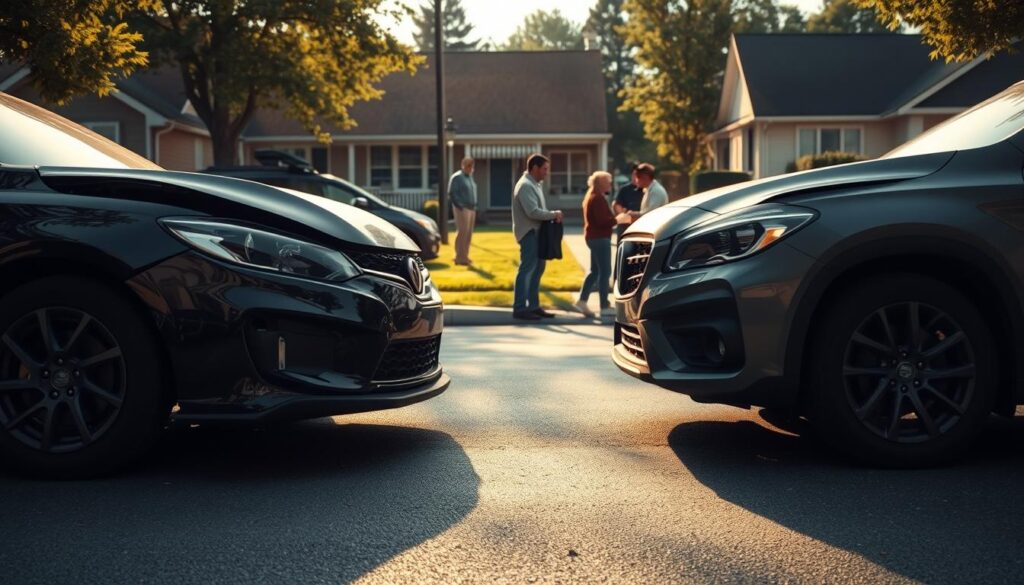
Exchanging Information with Other Drivers
Exchange information with the other driver(s) involved in the accident. This includes insurance details, contact information, driver’s license numbers, and license plate numbers. If there are witnesses, gather their information as well. Be cooperative but avoid admitting fault.
- Gather insurance company and policy number
- Collect contact information and driver’s license details
- Note the license plate number of the other vehicle(s)
- Obtain witness statements and contact information if applicable
When to Report a Fender Bender
When a fender bender occurs, it’s essential to understand the procedures for reporting the incident to the relevant parties. The decision to report a minor accident depends on several factors, including the extent of the damage and the laws in your state. We will guide you through the process of determining when to report a fender bender to the police and your insurance company.
Reporting to the Police
In some states, you’re required to report an accident to the police if it involves injuries or significant property damage. Even if the accident is minor, obtaining a police report can be beneficial when filing an insurance claim. We recommend contacting the police if you’re unsure about the extent of the damage or if the other party is uncooperative. A police report provides an official record of the accident, which can help determine fault and support your insurance claim.
Reporting to Your Insurance Company
Notifying your insurance company about a fender bender is crucial, even if you don’t plan to file a claim immediately. The other driver may change their mind and file a claim later, or you may discover hidden damage to your vehicle. When reporting the accident to your insurance company, be prepared to provide detailed information about the incident, including the date, time, location, and a description of what happened. Your insurance provider will review the accident details and guide you through the next steps.
Fender Bender Insurance Coverage Options

When it comes to fender benders, having the right insurance coverage can make all the difference. Insurance plays a crucial role in covering the costs associated with vehicle repairs and, in some cases, medical expenses if there are injuries.
Collision Coverage for Vehicle Damage
Collision coverage is a type of auto insurance that helps pay for damage to your vehicle in the event of a fender bender, regardless of who is at fault. This coverage is essential for ensuring that you can get your vehicle repaired without significant out-of-pocket expenses.
Liability Coverage for Other Party’s Damages
If you’re responsible for a fender bender, liability coverage can help cover the costs of damages to the other party’s vehicle or property. This coverage is crucial for protecting your financial assets in case of an accident.
Medical Payments Coverage for Minor Injuries
Medical payments coverage can help pay for medical expenses resulting from minor injuries sustained during a fender bender. This coverage can be particularly valuable if you or your passengers are injured.
Understanding the different types of auto insurance coverage that apply to fender bender situations is vital. By familiarizing yourself with your policy’s coverage limits and deductibles, you can ensure you’re adequately prepared for any such incidents.
Filing an Insurance Claim for a Fender Bender
Filing an insurance claim after a fender bender can be a daunting task, but understanding the process can make it more manageable. When you’re involved in a minor accident, it’s essential to know how to navigate the insurance claim process to get your vehicle repaired or compensated.
Gathering Necessary Documentation
Before contacting your insurance company, gather all necessary documentation related to the accident. This includes the police report, photos of the accident scene, witness statements, and repair estimates for your vehicle. Having comprehensive documentation will help support your claim and ensure a smoother process.
Contacting Your Insurance Provider
Once you have gathered the required documents, it’s time to contact your insurance provider to initiate the claim. Be prepared to provide detailed information about the accident, including the date, time, location, and a description of what happened. Your insurance company will guide you on the next steps, which may include sending an adjuster to assess the damage or providing a list of approved repair shops.

Working with Insurance Adjusters
After filing your claim, an insurance adjuster will be assigned to your case to assess the damage to your vehicle. It’s crucial to work cooperatively with the adjuster, providing any additional information they may need. The adjuster will determine the extent of the damage and the cost of repairs, which will be used to settle your claim. Understanding this process can help you navigate the system more effectively and ensure you receive fair compensation.
Financial Implications of Fender Bender Claims
The financial consequences of a fender bender can be significant, and knowing how to navigate insurance claims is essential. When you’re involved in a minor accident, the decision to file a claim or pay out-of-pocket can have long-term effects on your insurance policy and financial situation.
Understanding Deductibles
A deductible is the amount you must pay before your insurance coverage kicks in. To make a claim worthwhile, the damage must exceed this amount. For instance, if your deductible is $500 and the repair costs are $800, filing a claim might be beneficial. However, it’s crucial to get an estimate before making a decision.
Potential Premium Increases
Filing a claim can lead to premium increases because insurance companies view you as a higher risk. The extent of the increase depends on several factors, including your driving history and the nature of the accident. Some companies offer accident forgiveness programs that can mitigate this effect.
When to Pay Out-of-Pocket vs. File a Claim
Deciding whether to pay out-of-pocket or file a claim depends on the extent of the damage and your financial situation. If the damage is minor and you’re at fault, paying out-of-pocket might be more cost-effective in the long run, as it avoids potential premium increases. Conversely, if the damage is significant, filing a claim might be necessary to cover the costs.
Choosing the Right Auto Body Repair Shop

After a minor accident, choosing the ideal collision repair shop can make all the difference in restoring your vehicle to its original state. Ultimately, the choice is yours as to where you get your vehicle fixed.
Insurance-Recommended vs. Independent Shops
When selecting a repair shop, you’re often faced with the decision between insurance-recommended shops and independent facilities like Miracle Body and Paint Collision Center. Insurance-recommended shops may offer convenience, as your insurance company has vetted them. However, independent shops can provide more personalized service and may have more flexibility in terms of repair methods and materials.
What to Look for in Quality Repairs
To ensure quality repairs, look for shops with proper certifications, positive reviews, and comprehensive warranties. It’s also crucial to review their previous work and ask about the techniques they use for fender bender damage. A reputable shop like Miracle Body and Paint Collision Center will provide detailed estimates and explain the work to be performed on your vehicle, ensuring transparency and trust.
Conclusion: Protecting Yourself After a Fender Bender
Navigating the process after a fender bender requires knowledge of your insurance policy and its coverage. Understanding your insurance options is crucial for managing the financial implications of a minor accident. We have outlined the key steps to take after a fender bender, including documenting the scene, exchanging information, and contacting your insurance company.
Being prepared and knowledgeable can significantly reduce stress and financial impact. It’s also essential to address even minor damage promptly to prevent more significant issues down the road. For professional repair services, consider contacting Miracle Body and Paint Collision Center at their two San Antonio locations.
With their expertise in collision repair, they can ensure your vehicle is restored to its pre-accident condition. Call them at (210) 680-1987 or visit 6217 Grissom Rd., San Antonio, TX 78238, to schedule your repair.
FAQ
What is considered a minor car accident?
Do I need to report a minor accident to the authorities?
What type of vehicle damage is typically covered under collision coverage?
How do I determine who’s at fault in a car accident?
Can I file a claim for medical payments if I’m injured in a car accident?
How do deductibles work when filing a claim?
FAQ
What is considered a minor car accident?
A minor car accident, often referred to as a fender bender, is a collision where the damage is typically minimal, and there are no serious injuries. We consider it minor when the vehicle’s damage is cosmetic, and the accident doesn’t result in significant property damage or harm to the parties involved.
Do I need to report a minor accident to the authorities?
Yes, it’s essential to report the accident to the police, even if it’s minor. A police report can provide a crucial record of the accident, which can be helpful when filing a claim with your insurance company.
What type of vehicle damage is typically covered under collision coverage?
Collision coverage typically covers damage to your vehicle resulting from a collision, regardless of who’s at fault. This includes repairs for vehicle damage, such as dented body panels or broken headlights.
How do I determine who’s at fault in a car accident?
Determining fault involves assessing the circumstances surrounding the accident. We recommend reviewing the police report, examining the accident scene, and gathering statements from witnesses to help establish the parties’ liability.
Can I file a claim for medical payments if I’m injured in a car accident?
Yes, if you have medical payments coverage as part of your auto policy, you can file a claim to help cover medical expenses related to the accident, such as doctor visits, hospital stays, or injury treatment.
How do deductibles work when filing a claim?
A deductible is the amount you’re responsible for paying out-of-pocket when filing a claim. For example, if you have a 0 deductible and the total repair cost is ,000, you’ll need to pay the first 0, and your insurance company will cover the remaining
FAQ
What is considered a minor car accident?
A minor car accident, often referred to as a fender bender, is a collision where the damage is typically minimal, and there are no serious injuries. We consider it minor when the vehicle’s damage is cosmetic, and the accident doesn’t result in significant property damage or harm to the parties involved.
Do I need to report a minor accident to the authorities?
Yes, it’s essential to report the accident to the police, even if it’s minor. A police report can provide a crucial record of the accident, which can be helpful when filing a claim with your insurance company.
What type of vehicle damage is typically covered under collision coverage?
Collision coverage typically covers damage to your vehicle resulting from a collision, regardless of who’s at fault. This includes repairs for vehicle damage, such as dented body panels or broken headlights.
How do I determine who’s at fault in a car accident?
Determining fault involves assessing the circumstances surrounding the accident. We recommend reviewing the police report, examining the accident scene, and gathering statements from witnesses to help establish the parties’ liability.
Can I file a claim for medical payments if I’m injured in a car accident?
Yes, if you have medical payments coverage as part of your auto policy, you can file a claim to help cover medical expenses related to the accident, such as doctor visits, hospital stays, or injury treatment.
How do deductibles work when filing a claim?
A deductible is the amount you’re responsible for paying out-of-pocket when filing a claim. For example, if you have a $500 deductible and the total repair cost is $2,000, you’ll need to pay the first $500, and your insurance company will cover the remaining $1,500.
Will filing a claim increase my premium?
Filing a claim may potentially lead to a premium increase, depending on the circumstances and your insurance company’s policies. However, not all claims result in higher premiums, and the impact varies between insurance companies.
How do I choose the right auto body repair shop for my vehicle?
When selecting an auto body repair shop, consider factors such as the shop’s reputation, certifications, and warranty offered. We recommend checking online reviews, asking for referrals, and verifying if the shop is insurance-recommended or works with your insurance provider.
,500.
Will filing a claim increase my premium?
Filing a claim may potentially lead to a premium increase, depending on the circumstances and your insurance company’s policies. However, not all claims result in higher premiums, and the impact varies between insurance companies.
How do I choose the right auto body repair shop for my vehicle?
When selecting an auto body repair shop, consider factors such as the shop’s reputation, certifications, and warranty offered. We recommend checking online reviews, asking for referrals, and verifying if the shop is insurance-recommended or works with your insurance provider.

