

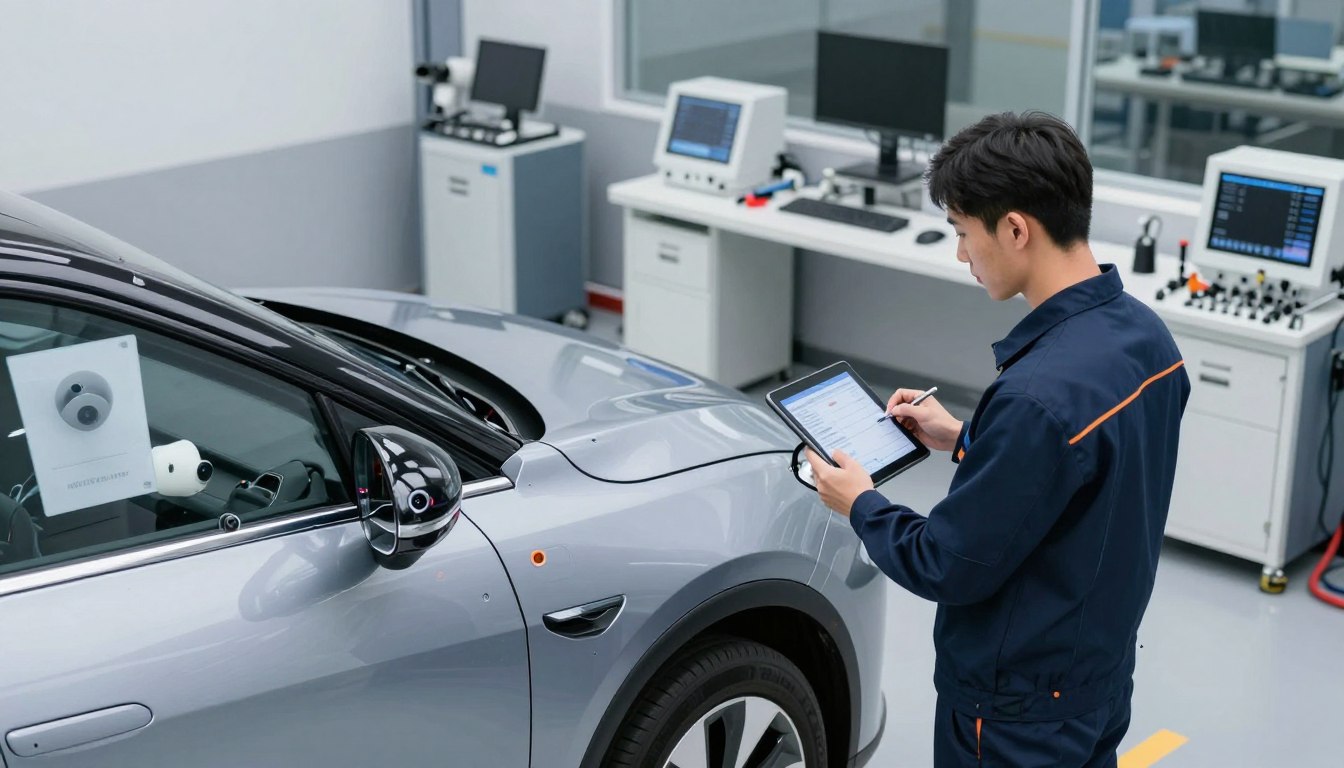
Today’s cars are amazing, made from materials like aluminum, high-strength steel, and composites. These materials help protect you and your passengers in a crash. So, modern repair methods need to be much more accurate than old ways.
Your car has special electronics and sensors that are key to Vehicle Safety Systems. If these get damaged, they need to be fixed by experts. This ensures they keep working right. Not fixing them can harm your car’s safety.
At Miracle Body and Paint Collision Center, we know repairs are more than just fixing looks. We aim to restore your car to its original state. This keeps your Vehicle Safety Systems working perfectly. Trusting experts is the only way to feel safe on the road.
Key Takeaways
- Modern cars use advanced materials like aluminum and high-strength steel to manage crash energy.
- Precision is essential because today’s repairs involve complex electronic calibration.
- Structural integrity depends on following specific manufacturer repair protocols after an accident.
- Professional intervention ensures that all integrated sensors and sensors work as intended.
- Choosing a specialized center restores your car to its original protective state.
The Rapid Evolution of Automotive Engineering
Today’s cars are more than just vehicles; they are advanced computers on wheels. The car industry has changed a lot, moving from simple mechanical parts to complex digital systems. Now, even small damage can harm the hidden electronic parts under your car’s surface.
Shifting from Mechanical to Digital Architecture
Repairing cars used to be mostly about metalwork and basic mechanics. Now, your car needs a network of software and digital controllers to work right. This change means fixing cars today needs a modern approach that looks at both digital and structural health.
When you take your car in for repairs, techs must think about how digital signals move through the car. A small dent is not just about looks anymore; it can mess with how your car talks to itself. Getting your car fixed right means understanding this digital transformation.
The Integration of Complex Electronic Components
Modern cars have lots of sensors, cameras, and radar units. These are like the car’s eyes and ears and are often in places like bumpers and windshields. Because of this, even a small dent can mess up important safety features.
Repair shops need special tools to fix these systems after a crash. Not fixing these parts can cause problems later or even make safety features fail when you need them most. Here’s a table showing the big changes in how cars are fixed today.
| Feature | Traditional Repair | Modern Repair |
|---|---|---|
| Primary Focus | Structural Metalwork | Digital & Structural Integrity |
| Diagnostic Tools | Manual Gauges | Computerized Scanning |
| Component Sensitivity | Low | High |
| Calibration Needs | None | Mandatory Post-Repair |
Understanding Modern Vehicle Safety Systems
Today’s cars use a mix of strong design and smart electronics for safety. These Vehicle Safety Systems work together to keep your car safe on the road. They protect everyone inside by combining physical strength with digital smarts.
How Passive and Active Safety Features Interact
Passive safety features, like crumple zones, protect you in crashes. Active features, like automatic brakes, help avoid accidents. These two must work together to keep you safe.
When a crash happens, the car’s computer checks how bad it is. It then uses data to decide which safety features to use, like airbags. This teamwork makes modern Vehicle Safety Systems very good at keeping you safe.
The Vulnerability of Integrated Safety Sensors
These techs are great, but they also bring new problems. Safety sensors and cameras are hidden in the car’s front. Even a small crash can hurt these parts a lot.
If these sensors get damaged, your car’s safety systems might not work right. You might not see the damage, but your car’s brain could be hurt. Being precise when fixing these areas is key to keeping your car safe.
The Role of ADAS Calibration in Post-Collision Repair
When your car gets damaged, the tech inside gets hurt too. Modern shops must fix more than just the outside. ADAS calibration is key to making your car safe again.
Defining Advanced Driver Assistance Systems
ADAS systems are advanced tech to keep you safe. They include lane-keep assist, automatic emergency braking, and adaptive cruise control. These systems use cameras, radar, and ultrasonic sensors to watch your surroundings.
They give critical warnings or act fast when danger is near. But, even a small crash can mess with these sensors. This makes them not work right.
Why Calibration is Non-Negotiable After Impact
If sensors aren’t reset after a crash, they might not work when you need them most. ADAS calibration makes sure these sensors are set right. Without it, your car’s computer might get wrong info, causing delays or false warnings.
Experts use special tools to get every sensor just right. This meticulous attention to detail makes sure your safety features work as they should. Skipping this step can put you at risk.
| System Status | Sensor Accuracy | Safety Performance |
|---|---|---|
| Pre-Calibration | Misaligned | Unreliable |
| Post-Calibration | Factory-Perfect | Optimal |
| Result | High Precision | Maximum Protection |
Why Traditional Repair Methods No Longer Suffice
Yesterday’s tools can’t handle today’s cars. As cars get more advanced, fixing them needs a new approach. This ensures they are safe and work well.
The Limitations of Legacy Body Shop Practices
Old methods, like hammer-and-dolly work, were great for steel cars. But, they don’t work well with today’s cars. These cars have more electronics and need precise fixes.
Using old ways can make cars unsafe. This is a big problem with today’s cars, which have many sensors. Now, fixing cars needs digital tools, not just strength.
Adapting to High-Strength Steel and Aluminum Alloys
Today’s cars use strong materials like high-strength steel and aluminum. These materials are different from old steel. Wrong fixing can make the car weak.
Fixers must follow the car maker’s rules. This keeps the car safe and doesn’t void the warranty. Here’s how old and new fixing differ.
| Feature | Legacy Methods | Modern Requirements |
|---|---|---|
| Material Handling | Standard Welding | Specialized Bonding/Riveting |
| Precision Level | Visual Alignment | Digital/Laser Calibration |
| Heat Application | High Heat | Controlled Thermal Management |
| Safety Focus | Cosmetic Finish | Structural Integrity |
Using new fixing methods keeps your car safe. It’s not just about looks anymore. It’s about keeping the car’s engineering safe for you.
The Impact of Lightweight Materials on Structural Integrity
Lightweight alloys help cars use less fuel, but they make collision repair harder. Today’s cars mix high-strength steel and aluminum to save weight and keep safe. These materials need special care when fixing because they act differently under heat and stress.
Challenges in Welding and Bonding Modern Chassis
Fixing a modern car’s chassis needs extreme precision. The wrong welding can weaken the whole frame. This is because traditional welding doesn’t work well with new alloys.
Experts use special tools and proper bonding agents to fix cars. They use cold-joining to avoid metal fatigue. This keeps your car safe and reliable.
Maintaining Factory-Specified Crash Energy Management
Your car has special “crumple zones” to absorb crash energy. Keeping these systems working right is key in collision repair. If repairs don’t match the factory’s, these zones might not work as they should.
Miracle Body and Paint Collision Center uses advanced methods to keep your car’s chassis strong. They follow OEM guidelines to restore your car’s balance. This ensures your car keeps protecting you and your family.
Sensor Sensitivity and the Precision of Modern Repairs
Your car’s safety systems depend on its sensors. Modern cars have many cameras, radar, and ultrasonic sensors to watch the road. Even a tiny change in these parts can risk your safety.
Fixing modern cars needs great care because of their sensitive electronics. After a crash, fixing the car’s structure is just the start. The delicate electronic architecture must also be fixed to factory standards.
The Fragility of Camera and Radar Mountings
Camera and radar mountings are very fragile. They are often hidden behind bumpers, grilles, or windshields. Even a small bump can move a radar sensor a bit.
This small change is hard to see with the eye. But for the car’s computer, it means big trouble. Precision is the difference between a system that protects you and one that fails when you need it most.
Ensuring Alignment for Optimal System Performance
To make your car safe again, you need professional ADAS calibration. This makes sure all sensors work right with the car’s computer. Without it, your safety features might not work right or at all.
Many things can affect how well this calibration works:
- The strength of the mounting brackets.
- The quality of the ADAS calibration tools used.
- The car maker’s specific software needs.
Choosing professional ADAS calibration keeps your car’s safety systems working. This careful work is the best way to keep your car and passengers safe.
The Critical Importance of OEM Repair Procedures
When your car gets fixed after a crash, the right repair makes all the difference. OEM repair procedures are the exact plans used to make your car. They ensure your car is safe and sound.
Following Manufacturer Guidelines for Safety
Car makers have special repair plans to keep you safe. These manufacturer guidelines help the car’s safety features work right. By following these, techs keep your car strong and safe.
Today’s cars are complex, with many parts and sensors. When a shop uses the official repair book, they make sure everything is done right. This commitment to quality keeps your car’s safety systems working well.
The Dangers of Deviating from Factory Specifications
Going off the factory plan can make your car unsafe. Even if it looks fine, hidden problems can be deadly. These issues might not show up until it’s too late.
At Miracle Body and Paint Collision Center, we take no shortcuts. We follow the factory rules to keep you safe. Choosing a place that values these standards is key after an accident.
Diagnostic Scanning: The First Step in Modern Collision Assessment
You can’t see all damage on a modern car with your eyes. Today’s cars have complex systems that control everything. When a crash happens, these systems can get damaged in ways you can’t see.
Now, diagnostic scanning is key in fixing cars. It makes sure your car is fixed right, not just looks good.
Pre-Repair Scanning for Hidden Faults
Before fixing anything, techs scan the car’s computer. This finds hidden electronic faults that don’t show up on the dashboard. It helps plan the repair right.
Without this scan, you might miss important problems. It shows the full damage, which is good for insurance and getting the right parts.
Post-Repair Verification of System Health
After fixing the car, a final post-repair verification scan is needed. It checks if all systems are working right. This makes sure the car’s computer knows about all new parts.
This step is important for your safety:
- System Synchronization: Makes sure new sensors are working with the computer.
- Error Clearance: Clears old fault codes that could cause problems later.
- Safety Assurance: Checks that safety features, like lane-keep assist, are working.
- Quality Documentation: Gives a digital record that the car meets safety standards.
Scans make sure your car is safe and reliable like new. Precision is the standard, and digital checks are how we get there.
How Software Updates Influence Physical Repair Outcomes
Your car’s performance now depends on code as much as on steel and bolts. Modern vehicle technology has changed the repair process. It now needs both mechanical skills and digital knowledge. When you take your car in for service, the tech must fix the electronic brain and the physical damage.
The Intersection of Mechanical Repair and Software
Every new part in your vehicle must be recognized by the onboard computer. If a sensor or module is replaced, it needs a digital handshake. Without this critical synchronization, the new part may not work with the vehicle’s central processing unit.
Technicians use special tools to fix this issue. These tools help program the new part to work with your car’s setup. Skipping this step can cause warning lights and safety issues.
Ensuring Compatibility After Component Replacement
Software updates are key after replacing parts to ensure they work with the vehicle’s network. Skipping these updates can cause system errors. This makes your vehicle run less efficiently.
Here are the main benefits of software updates after repairs:
- Restores factory settings for better fuel efficiency and engine timing.
- Ensures safety sensors work right to avoid false alerts.
- Updates the vehicle’s database to recognize new hardware.
- Prevents electrical conflicts that could harm other modules.
By focusing on these digital updates, your vehicle stays safe and reliable. Always check if your repair shop can do these software updates.
The Risks of Improper Repairs to Electronic Control Units
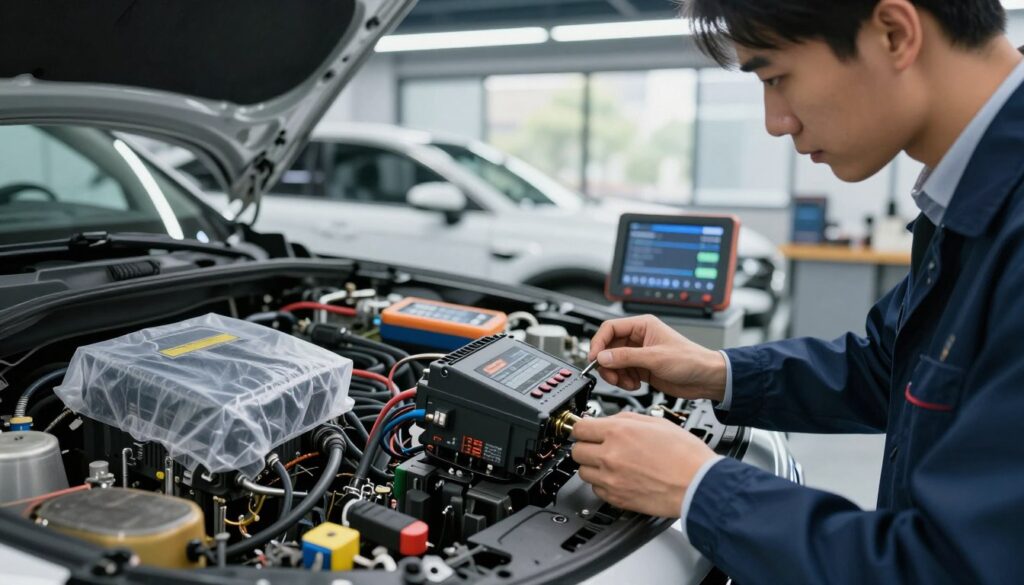
Your vehicle’s Electronic Control Units are like the brain, very sensitive. They control everything from engine timing to safety features. Damage to these units during repairs can be expensive and dangerous to fix.
Identifying Potent Electrical System Failures
Handling your vehicle’s electronics wrong can cause big problems. If a technician doesn’t isolate circuits, power surges can damage microchips. These issues might not show up right away, making your car seem fine but actually be risky.
Even small voltage spikes can mess up the software in these modules. This can make your car act strangely or even shut down. Precision is key to keep your car running smoothly after a crash.
Protecting Sensitive Modules During Welding
Welding can harm your car’s electronics. Heat and electrical currents can get through if not shielded properly. Technicians must disconnect the battery and use surge protection to avoid damage.
They also need to ground the clamp near the weld. This stops electrical currents from harming wiring. By taking these steps, repair shops can keep your car safe and running well.
| Risk Factor | Potential Consequence | Preventative Measure |
|---|---|---|
| Voltage Spikes | Module corruption | Use surge protectors |
| Excessive Heat | Component melting | Apply heat shielding |
| Stray Current | Wiring harness damage | Proper grounding techniques |
| Static Discharge | Microchip failure | Use anti-static mats |
Training and Certification Requirements for Modern Technicians
Modern collision repair is more than just fixing metal. It’s a tech-heavy field that needs constant learning. Cars are now like computers on wheels, making old body shop ways outdated. Your safety depends on the expertise of the person behind the repair.
The Need for Continuous Education in Collision Repair
The auto world changes fast, with new materials and software every year. Technicians must keep up through ongoing training. Without this, a shop can’t safely do complex tasks like ADAS calibration.
Staying educated means every tech knows how to handle today’s cars. This knowledge stops dangerous shortcuts that could harm your car’s safety. Investing in training is the only way to guarantee that your vehicle returns to its factory-safe condition.
Recognizing Industry-Standard Certifications
Certifications like those from I-CAR show a tech’s skill level. These prove they know the latest repair methods. When picking a shop, look for these essential qualifications.
Certified techs can handle today’s cars’ complex sensors and modules. They know how to do ADAS calibration right. Using unqualified staff is a risk no car owner should take.
| Certification Level | Technical Focus | Repair Capability |
|---|---|---|
| Entry Level | Basic Body Work | Standard Cosmetic Repairs |
| Advanced Technician | Structural Integrity | Advanced Material Welding |
| Certified Specialist | ADAS Calibration | Full System Diagnostics |
The Financial and Safety Consequences of Substandard Repairs
Choosing the cheapest repair over quality can harm your car’s safety. Bad repairs can cost you money and put your safety at risk. Shops that don’t follow factory rules can cause catastrophic failures in your Vehicle Safety Systems in future accidents.
Long-Term Risks to Vehicle Occupant Safety
Today’s cars have many safety features. If these aren’t set up right, your airbags or other safety features might not work. This is a silent danger that could be deadly when you need it most.
Bad welds or wrong materials can also weaken your car’s frame. This means it might not handle crashes well. You should feel safe knowing your car is fixed right.
The Impact on Resale Value and Warranty Coverage
Low-quality repairs can also hurt your wallet. If a car is fixed wrong, the maker might not cover it under warranty. This means you could face big repair bills later.
Also, if a car’s repairs are bad, it will lose a lot of value. Good repairs keep your car’s value up and make it a better investment.
| Repair Factor | Certified Quality Repair | Substandard Repair |
|---|---|---|
| Safety Performance | Restored to OEM standards | Compromised protection |
| Warranty Status | Fully maintained | Likely voided |
| Resale Value | High market retention | Significant depreciation |
| System Reliability | Optimal sensor function | Frequent electronic faults |
Navigating Insurance Claims for High-Tech Vehicle Repairs
When your high-tech vehicle gets damaged, dealing with insurance can be tough. Modern cars have complex digital systems that need special care. It’s important to make sure your insurance knows how to fix your car right.
Advocating for Quality Parts and Procedures
You have the legal right to pick where your car gets fixed. It’s key to choose a place that uses OEM parts for repairs. This ensures your car works just like it did before.
A good repair shop will fight for you during the repair process. They’ll document every step to get your car back to normal. This way, your car stays safe and sound for years to come.
Understanding the Complexity of Modern Estimates
Insurance estimates for new cars often miss the mark on digital repairs. These systems are key for your vehicle safety, but are often ignored. You need someone who gets both the bodywork and the tech side of repairs.
Miracle Body and Paint Collision Center is here to help. We make sure your insurance knows the real cost of fixing your car right. We focus on accuracy to keep your car safe and sound.
The Future of Collision Repair Technology
Your car’s safety depends on the repair shop’s ability to keep up with new tech. The old body shop model is changing fast. Now, repair shops must be like high-tech labs to keep your car safe after a crash.
Emerging Trends in Automotive Diagnostics
The way we diagnose cars is changing. Now, we use real-time data analysis and cloud reports. Technicians use AI to find damage that’s hard to see. This helps them check electronic systems before starting repairs.
Remote diagnostics are becoming common. Shops can connect to the manufacturer’s servers. This seamless integration makes sure your car’s systems work like new.
Preparing for the Next Generation of Autonomous Features
Autonomous cars are coming, with more sensors and cameras. Repairs will need to understand how these parts work together. Keeping up with vehicle technology is key for self-driving cars.
Repair centers are focusing on several areas to stay ahead:
- Advanced Sensor Calibration: Keeping lidar and radar systems in check after repairs.
- Software-Centric Repairs: Making firmware updates and module programming a key part of repairs.
- Continuous Technician Training: Investing in education to keep up with new tech.
- Data Security Protocols: Safeguarding your driving data during repairs.
Adapting to these changes is not optional; it’s essential for your safety. Choosing a shop that’s ready for the future means peace of mind. Your car deserves a repair process that understands its complexity.
Choosing the Right Facility for Your Advanced Vehicle
When your vehicle gets damaged, picking the right repair center is key. Modern cars are complex and need more than basic fixes to be safe on the road. It’s vital to choose a place that knows how to handle collision repair well.
Evaluating Equipment and Technical Expertise
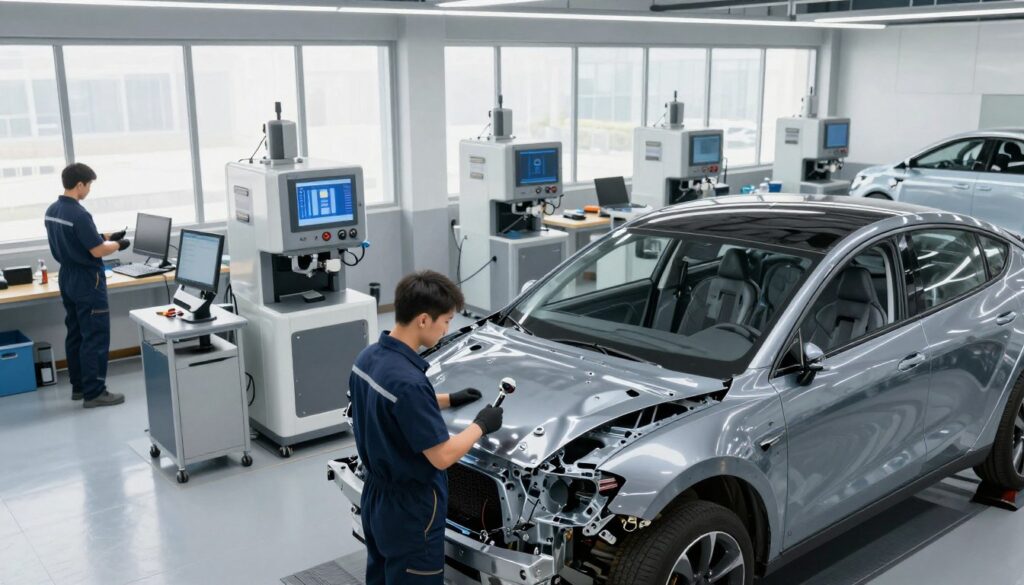
Look at a shop’s tech investment. Advanced vehicles need precise tools that old-school tools can’t offer. For example, top shops use the Genesis computerized laser measuring system for accurate repairs.
It’s also important to check the staff’s skills. Technicians should be certified and know a lot about modern car designs. Choosing a team that keeps learning means your car gets the best care.
Why Specialized Centers Provide Superior Results
Specialized centers offer better care than general shops. They use the latest tech and aim for perfection. Miracle Body and Paint Collision Center is great for high-tech cars.
Going for a collision repair specialist means you’re choosing safety. These experts follow strict rules to keep your car safe. You’ll feel confident knowing your car is in good hands.
Conclusion
Modern cars are amazing feats of engineering. They need special care after any accident. Your safety relies on every repair being done right, from fixing sensors to making the car strong again.
You should feel safe knowing your car is up to safety standards. Trusting experts who follow the manufacturer’s rules keeps your car safe for years.
Miracle Body and Paint Collision Center has the skills for today’s cars. Our team knows how to fix high-strength materials and digital systems. We make your car like new again.
Visit us at one of our San Antonio locations for your car’s needs. Our North West San Antonio – Leon Valley shop is at 6217 Grissom Rd., San Antonio, TX 78238. Call us at (210) 680-1987.
Or, go to our North East San Antonio facility at 4650 Walzem Rd, San Antonio, TX 78218. Call (210) 858-3630 to set up your car check today.

