

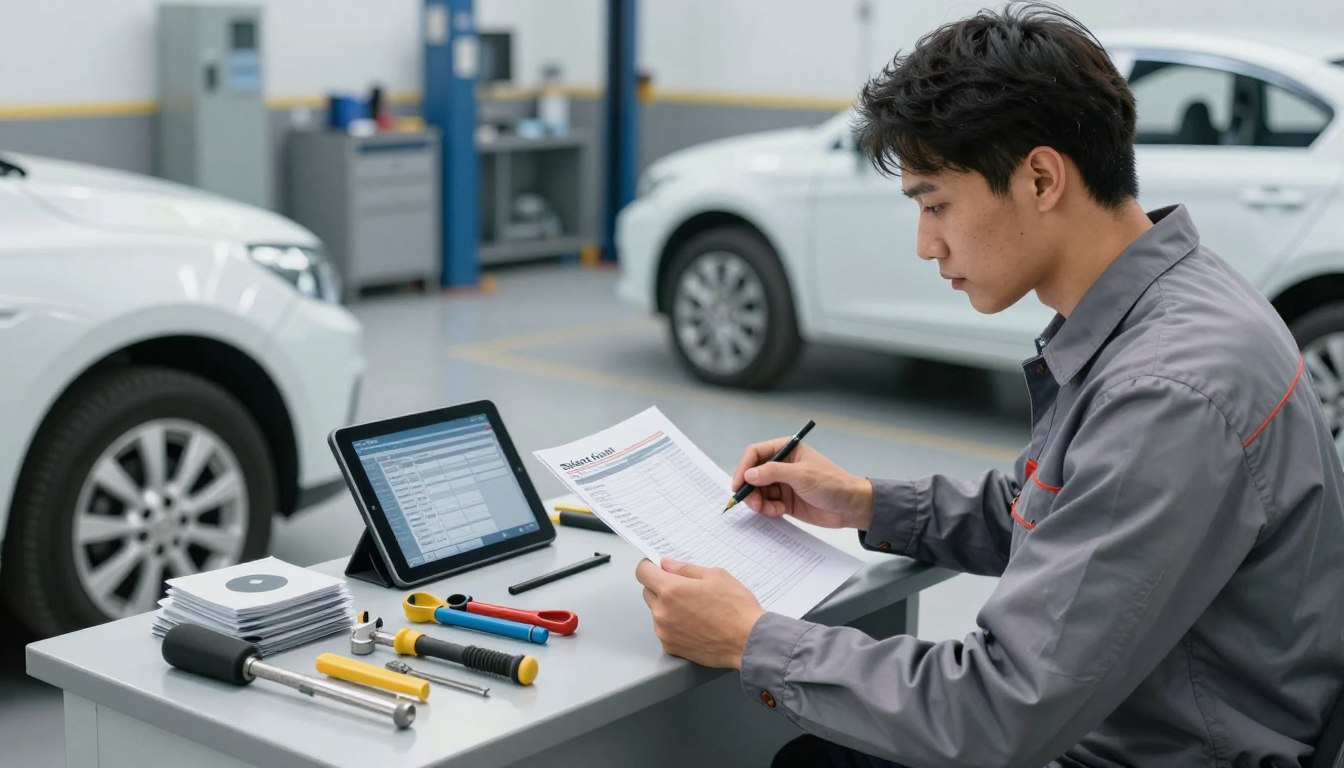
When your car gets damaged, a low price quote seems like a great deal. But, the cheapest option often hides problems that show up later. It’s key to understand the real cost of Auto Body Repair Costs for your peace of mind.
Cheap fixes can weaken your car’s structure and safety features. Saving money now might cost you more later. Quality repairs keep your car reliable and safe.
At Miracle Body and Paint Collision Center, your safety is our top priority. We don’t cut corners for a quick fix. Choosing us means your car stays safe and your family is protected.
Key Takeaways
- Low-cost estimates often hide significant quality compromises.
- Prioritizing price over quality can lead to future safety hazards.
- Poor workmanship negatively impacts your vehicle’s long-term resale value.
- Miracle Body and Paint Collision Center focuses on lasting, reliable results.
- Investing in professional service prevents expensive secondary complications.
The Hidden Dangers of Low-Ball Repair Estimates
Getting a repair estimate that seems too cheap is often a low-ball offer. Saving money on collision repair is good, but the cheapest bid might not be the best. These low prices usually don’t cover the hidden damage found when the car is taken apart.
Understanding the Psychology of the Lowest Bid
Looking for the best deal is natural, but it can be risky. Auto body shop owners use this to their advantage by quoting low prices. They know it’s hard to change shops once your car is there.
This illusion of savings can make you overlook the quality of the repair. Seeing a low price might feel good, but it’s not always right. Choosing the cheapest option might mean you’re okay with lower quality work.
Why Some Shops Cut Corners to Lower Prices
To keep prices low, some shops cut corners. They focus on speed over safety. This means they might skip important OEM safety procedures needed by car makers.
Some ways shops lower costs include:
- Doing visual-only estimates that miss hidden damage.
- Working too fast to save on labor costs.
- Not doing the diagnostic scans needed for safety systems.
- Using parts that aren’t made to factory standards.
These shortcuts can make your car unsafe in the long run. True value in repair is in how long and safe the work lasts, not just the price. Make sure your shop follows strict safety rules to protect your car and your safety.
Analyzing the True Impact of Auto Body Repair Costs
Modern cars are complex, with safety sensors and strong steel. Cheap repairs can’t meet these standards. They risk your car’s safety and value.
How Quality Materials Influence Long-Term Value
Using the right parts is key to keeping your car safe. High-quality materials make sure your car stays safe in future crashes. This keeps your car’s value high.
Bad parts can cause rust or fit issues. Using certified parts now saves you money later. It keeps your car reliable and safe for years.
The Relationship Between Labor Rates and Repair Integrity
Professional labor rates show the skill and tools needed for repairs. Technicians are trained for your car’s specific needs. This ensures a guaranteed integrity in the repair.
Low estimates often mean shortcuts. Auto Body Repair Costs are an investment in your safety. Choosing quality over speed keeps you safe on the road.
The Risks of Using Aftermarket and Salvage Parts
Many drivers don’t know that non-OEM parts can change how their car acts in a crash. When you pick a repair shop for the cheapest price, you might get aftermarket parts or salvaged parts. These parts don’t go through the tough tests that car makers do.
Safety Implications of Non-OEM Components
Using non-original parts can be very dangerous for your car’s safety. For example, aftermarket sensors might not talk right to your car’s computer. This could stop important radar signals from working, which is bad for safety systems in emergencies.
Also, your car’s structure might not be as strong with these parts. They might not handle crash forces like the real parts do. In some cases, these parts can mess up how your airbags work, which raises the risk of getting hurt in a crash.
Fit and Finish Issues That Arise Over Time
There are also problems with how these parts fit and look over time. A part might look okay at first, but it can change shape when it gets wet. You might see gaps between panels that get bigger as the weather changes.
These parts are often made of cheaper materials, so they rust and paint peels off faster. Investing in quality is key to keep your car in top shape. Going for certified OEM parts helps you avoid extra repair costs and keeps your car at its original standards.
Uncovering Hidden Damage After the Initial Assessment
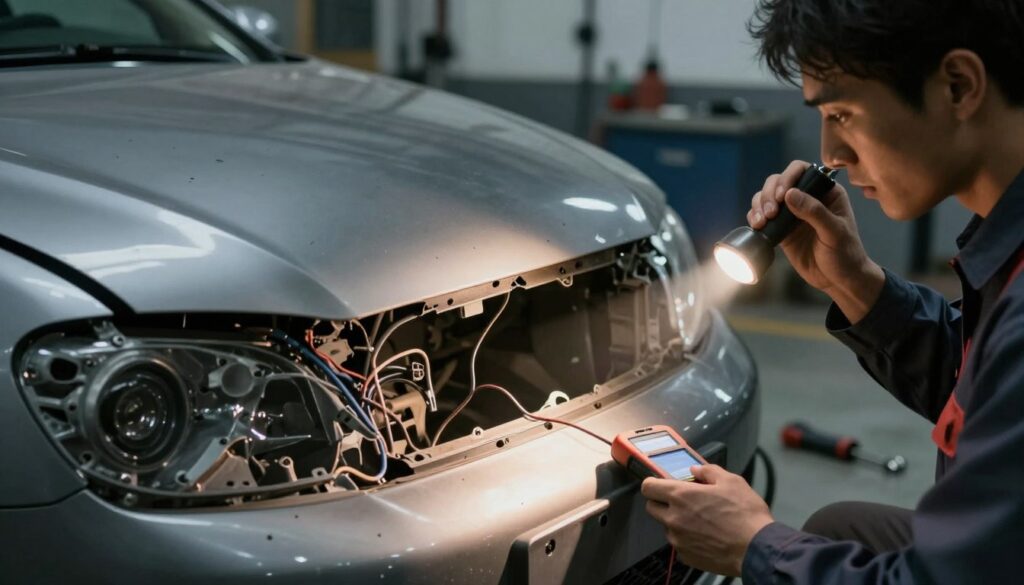
Think your repair estimate is final? Think again. Hidden damage often hides beneath your vehicle’s surface. An initial look by an insurance adjuster might miss the full damage. This first check is just the beginning, not the end.
Why Thorough Inspections Prevent Mid-Repair Price Hikes
More than 60% of initial insurance estimates need updates after a detailed check. Technicians find significant structural issues when they remove parts. This is key to fix your car safely.
Doing a full teardown early avoids surprise price increases. You should know the full cost before work starts. Fixing hidden damage right away keeps your repair on schedule and avoids extra costs.
The Importance of Advanced Diagnostic Scanning
Today’s cars are like computers, needing more than just physical fixes. Advanced scans are critical to check electronic and safety systems. Even if your car looks good, internal errors can be dangerous.
Experts use special tools to find problems we can’t see. This technological approach makes sure your car’s systems work right after a crash. Only thorough scans can keep your car safe like new.
| Inspection Type | Scope of Analysis | Accuracy Level |
|---|---|---|
| Visual Assessment | External body panels | Low |
| Teardown Inspection | Internal structural components | High |
| Diagnostic Scanning | Electronic safety systems | Essential for hidden damage |
The Role of Certified Technicians in Collision Recovery
When your car gets damaged, the person fixing it is key, not just the cost. High repair quality comes from the training at modern collision centers. You want to know the experts know your car’s engineering inside out.
Why Training and Certification Matter for Your Vehicle
Today’s cars have advanced materials and complex electronics. I-CAR Gold Class and Platinum-level training help technicians handle these. Without this, they might miss important safety steps for your car.
Certification proves a technician’s skill in complex tasks. It means the shop keeps up with new repair methods. Choosing a place that values education means your car’s safety and repair quality are in good hands.
The Difference Between Cosmetic Fixes and Structural Integrity
It’s easy to think a nice paint job means a safe fix. But, cosmetic work doesn’t fix real damage from a crash. A certified tech spots hidden damage that could be a problem later.
Fixing your car right means careful welding, panel alignment, and the right materials. Ignoring these can make your car unsafe in future crashes. Here’s a table showing the difference between just looking good and being fixed right.
| Feature | Cosmetic Fixes | Structural Integrity |
|---|---|---|
| Primary Focus | Visual appearance | Safety and performance |
| Technician Skill | Basic bodywork | Certified expertise |
| Repair Quality | Surface level | Manufacturer standards |
| Long-term Safety | Minimal impact | High protection |
Warranty Protection and the Cost of Future Failures
Your peace of mind is tied to the warranty protection your auto body shop offers. Investing in professional repairs means more than just a quick fix. It’s about knowing your vehicle will stay safe and work well for years. Choosing a shop that backs its work is key to protecting your money.
What Happens When Cheap Repairs Fail Prematurely
Low-cost estimates often hide the truth about bad materials and quick work. When a shop takes shortcuts, problems show up soon after. You might see subtle issues that grow into big problems.
Common signs of early failure include:
- Electronic sensor malfunctions from wrong calibration or cheap parts.
- Paint peeling or fading from bad prep or low-quality clear coats.
- Water leaks in the trunk or cabin from wrong seals or gaps.
The Value of Guaranteed Workmanship
A good repair center offers a full guarantee because they focus on lasting quality, not quick cash. This means if something fails or a finish wears off, they fix it for free. Without this warranty protection, you’ll have to pay for these problems yourself.
Guaranteed workmanship is like a safety net for your car. It stops you from going back to the shop for the same issue over and over. By choosing a shop with a solid guarantee, you avoid the hidden costs of bad repairs and keep your car in top shape.
How Insurance Claims Interact with Repair Estimates
You have more control over your collision repair than you think. When you file a claim, the insurance company gives you a list of shops they work with. These shops are chosen for the insurer’s convenience, not necessarily for the best repair for your car.
Navigating the Pressure to Choose Preferred Shops
Insurance companies often push you to use their Direct Repair Programs, or preferred shops. These shops agree to follow certain rules for billing and parts use. This might be convenient, but it could also mean less thorough repairs.
You might feel pushed to use these shops because of promises of quick service or a lifetime warranty. But think if these benefits mean using original equipment manufacturer (OEM) parts or strict safety rules. Always ask if the shop must use cheaper parts to save the insurer money.
Your Right to Choose Quality Over Convenience
You have the legal right to pick your own repair shop. Insurance companies can’t force you to use a specific shop. Choosing a shop known for quality and safety is better for your car in the long run.
By picking your own shop, you make sure the technician works for you, not the insurance. This gives you a better chance of getting your car fixed right, with all hidden damage found and fixed. Here’s a table showing the main differences between using a preferred shop and choosing your own.
| Feature | Preferred Shop (DRP) | Independent Quality Shop |
|---|---|---|
| Primary Focus | Insurer cost control | Vehicle safety and integrity |
| Parts Selection | Often aftermarket/salvage | OEM-certified components |
| Repair Process | Standardized/Fast | Detailed/Manufacturer-specific |
| Advocacy | Aligned with insurer | Aligned with vehicle owner |
The Long-Term Depreciation of Poorly Repaired Vehicles
Poor repairs can hurt your car’s value long after the accident. Shops that rush often miss hidden damage. This damage can lower the car’s value when you sell it.
Impact on Resale Value and Safety Ratings
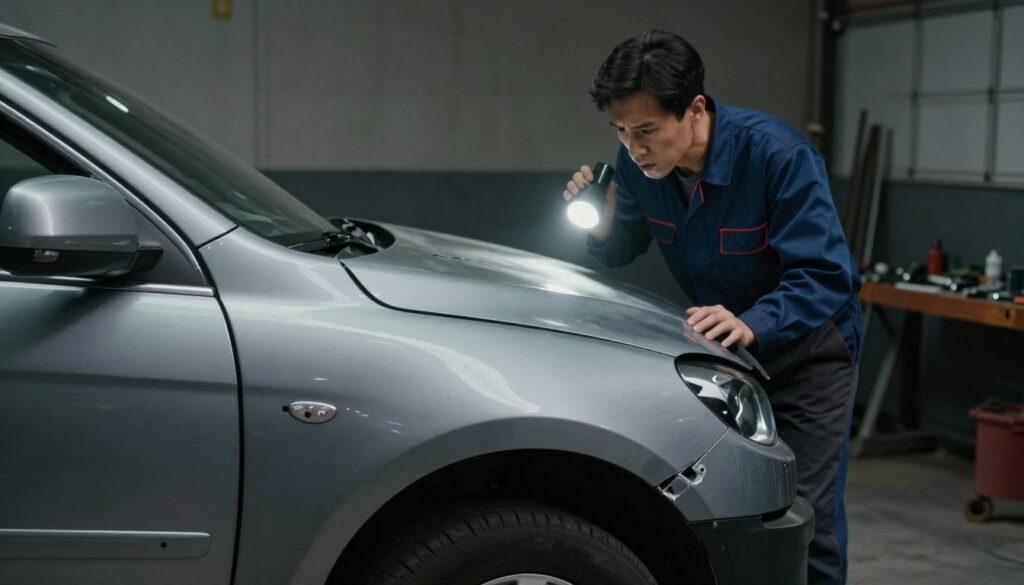
Experts can spot bad repairs like mismatched paint. These signs mean deeper problems were ignored. If buyers see these, your car’s value drops fast.
Also, your car’s safety ratings might be wrong if it wasn’t fixed right. A car not fixed well might not do well in another crash. Safety is non-negotiable, and quick fixes can risk your safety.
Documenting Repairs for Future Buyers
Being open about repairs can protect your car’s value. Keep all repair records and photos. This shows you fixed all hidden damage right.
Good repair records build trust with buyers. It shows you cared about your car’s future. Taking these steps now keeps your car valuable, not a loss.
Technological Advancements in Modern Vehicle Construction
Today’s cars are more than just machines; they are advanced computers on wheels. They use sensors, cameras, and strong materials to keep you safe. This makes old ways of fixing dents or replacing panels not enough for new cars.
Why Modern Cars Require Specialized Repair Procedures
Your car’s safety systems, like automatic emergency braking and lane-keeping assistance, are key. They need to be set up just right to work well. If a repair shop doesn’t follow the right steps, these systems might not work right.
Even a small crash can mess up the hidden sensors in your car. Technicians must use factory-grade diagnostic tools to fix these issues. Without this, your car might look fine but could be unsafe.
The Cost of Ignoring Manufacturer Repair Protocols
Ignoring the car maker’s repair rules is risky. These rules help keep your car safe and sound after an accident. Shops that skip these steps might not keep your car safe for long.
Not following these rules can cost you more in the long run. You might save money upfront, but you could face big problems or a lower car value later. Choosing quality over quick fixes is the best way to keep your car safe.
Environmental and Safety Standards in Professional Shops
Environmental compliance is key in top-notch auto body repair. It’s not just about how your car looks. The behind-the-scenes work matters a lot. Shops that follow strict standards ensure repairs meet factory specs.
Compliance with Industry Regulations
Leading collision centers stick to EPA and local rules on refinishing. They use advanced spray booths to catch harmful fumes. Proper waste management of solvents and paints is a must for them.
Following these rules means your car gets fixed in a clean, controlled space. This keeps paint free from dirt and prevents early damage. Quality control begins with the air we can’t see.
Protecting Your Health and Vehicle Longevity
Shops also care about the health of their workers and customers. Ignoring environmental controls can lead to hidden damage. This damage might show up months later.
Paint that’s not cured right can become weak or fall off. Choosing a shop that values these standards keeps your car safe. You avoid risks like:
- Premature paint failure from bad temperature or humidity.
- Chemical contamination that weakens the finish.
- Inconsistent curing that hides hidden damage under the clear coat.
These rules ensure your car is fixed right. A shop that cares about the environment values your car too. You get peace of mind knowing your repairs were done right.
Evaluating the Reputation of Your Chosen Repair Facility
The repair quality of your vehicle depends on the shop’s reputation. Choosing a facility means you want safety and precision, not just speed. A thorough background check ensures your car is in good hands and safe on the road.
Reading Between the Lines of Customer Reviews
Online reviews give insight into a collision center’s daily life. But, don’t just look at the stars. Pay attention to comments about communication and if the shop stuck to their estimates.
Look for reviews that talk about being kept in the loop about delays. This is a good sign. But, if many people complain about hidden fees or poor repair quality, it’s a big warning sign.
The Importance of Transparency in the Repair Process
A professional repair shop is transparent. They should give you detailed reports from start to finish. They should explain why certain parts are used and if they follow the manufacturer’s guidelines.
Being open about costs means no surprises during the repair. When a shop is upfront about the work’s complexity, it shows they care about quality. You should always know what’s happening to your car.
| Feature | Reputable Shop | Questionable Shop |
|---|---|---|
| Communication | Proactive updates | Hard to reach |
| Documentation | Detailed itemized list | Vague estimates |
| Repair Quality | Certified standards | Cutting corners |
| Transparency | Open to questions | Defensive/Secretive |
The Economic Reality of Quality Collision Services
Choosing the right repair shop is more than just a transaction; it’s a strategic investment in your vehicle’s future. A low estimate might seem attractive at first. But, the true economic reality of collision repair shows that quality work saves you money in the long run. By choosing precision over price, your vehicle stays reliable, not a financial burden.
Investing in Safety Versus Saving on Upfront Costs
When you only look at Auto Body Repair Costs, you might risk your car’s safety. Cutting corners can lead to hidden problems that cost more later. True value is in repairs that make your car safe like new.
Professional service means you’re paying for the skills and tools to keep you safe. A repair that skips safety is never worth it, no matter the price. Prioritizing safety helps avoid the costs of part failure or accidents.
Why Professional Repairs Are a Sound Financial Decision
Miracle Body and Paint Collision Center offers reliable repairs in San Antonio. They have two locations: North West San Antonio (Leon Valley) and North East San Antonio. Choosing them means your repairs come with warranty protection, giving you peace of mind.
Professional shops are transparent, saving your wallet from surprise costs. They use advanced tools and certified technicians for the right job the first time. Reliable workmanship keeps your vehicle’s value and performance high. Always look for warranty protection to make sure your repairs are a one-time cost.
Conclusion
Your car is a big investment in your safety and how you get around. Going for the cheapest repair can lead to more problems. This can hurt your car’s value and safety over time. It’s better to choose certified experts to make sure your car is fixed right.
Miracle Body and Paint Collision Center knows how to take care of your car. Our team follows strict rules to make sure your car is fixed to the highest standards. You can feel confident that your car is safe and reliable again.
Ready to get your car checked? Call us today. You can visit us at 6217 Grissom Rd., San Antonio, TX 78238, or call (210) 680-1987. If you’re in North East San Antonio, come to 4650 Walzem Rd, San Antonio, TX 78218, or call (210) 858-3630.
Choosing the right professionals keeps your family safe and your car’s value up. Partner with us for top-notch service. We’re excited to make your car look and run like new again.

