

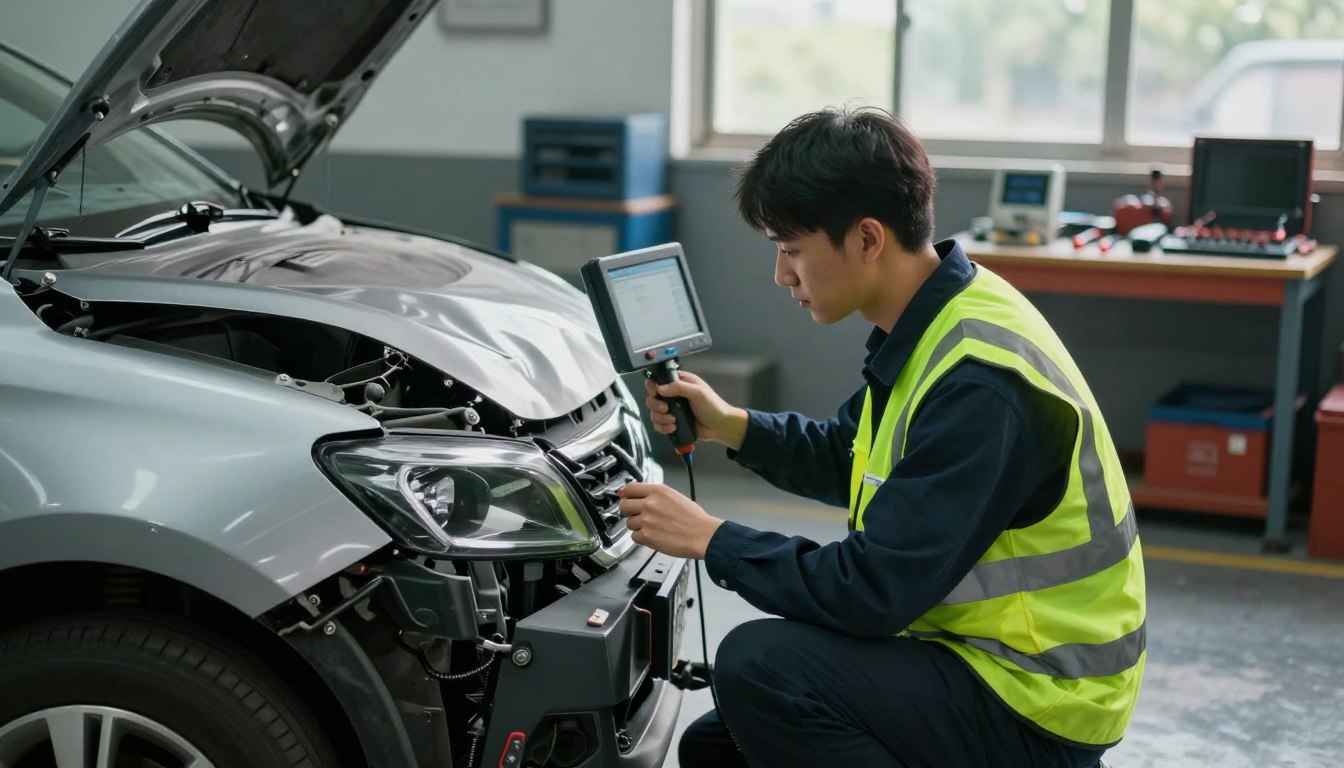
After an accident, getting back on the road feels like a big relief. But, you must make sure your car is safe for driving. A professional vehicle safety inspection after crash is key to check if your car is okay.
Many people think fixing the looks is enough. But, hidden damage can be there, affecting the car’s frame and electronics. Skipping a detailed crash inspection can be very risky for you and your passengers.
You should feel confident that your car meets all safety standards. If you need help, reach out to Miracle Body and Paint Collision Center. We have two locations in San Antonio and are ready to make your car like new today.
Key Takeaways
- Cosmetic repairs do not guarantee that your transport is roadworthy.
- Hidden structural damage can compromise your protection during future incidents.
- Professional evaluations identify issues that are invisible to the naked eye.
- Regular checks ensure all electronic systems function as the manufacturer intended.
- Trusting experts helps maintain the long-term value and reliability of your transport.
The Hidden Dangers of Post-Collision Vehicle Damage
Looking at your bumper might not show the whole story. Your car could look good but have hidden problems. It’s a dangerous mistake to judge by looks alone.
Recognizing the difference between cosmetic and structural damage
Cosmetic damage is about how your car looks, like scratches or small dents. These are easy to fix and don’t affect how your car drives. Structural damage, on the other hand, is serious and affects the car’s core.
Damage to the frame or unibody can make your car less safe. Even if it looks fine, structural integrity is key to your safety. Getting a professional to check for hidden damage is vital.
Why your car may feel different even after minor fender benders
After a small accident, your car might handle differently or make odd noises. This could be because of misaligned parts or damaged sensors. A small frame shift can mess up your car’s alignment and steering.
Modern cars have complex systems that can be damaged by accidents. If these systems aren’t fixed, your car might not act right in emergencies. Repair safety checks make sure everything is fixed right, giving you peace of mind.
Understanding the Importance of a Vehicle Safety Inspection After a Crash
When you leave the repair shop, you want to be sure your car is safe. A vehicle safety inspection after crash is key to keeping your family safe. It checks if all repairs meet today’s car standards.
The primary goals of a post-collision safety audit
This audit checks if repairs were done right. Technicians look over the car to make sure everything is fixed. You can find out more about this process by reading about what’s in a collision safety inspection.
The audit also makes sure your car works like it did before the accident. It checks electronic systems and safety features. The goal is to give you a car that’s ready for the road, just like new.
Why a visual inspection is never enough
Many people think a car looks good means it’s safe. But today’s cars have hidden safety systems. A vehicle safety inspection after crash finds problems you can’t see.
The table below shows the difference between a quick look and a full safety check:
| Feature | Visual Assessment | Safety Audit |
|---|---|---|
| Structural Integrity | Surface level only | Computerized measurement |
| Sensor Calibration | Not checked | Precision diagnostic testing |
| Hidden Damage | Often missed | Thoroughly identified |
| Safety Compliance | Subjective | OEM standard verification |
Just looking at a car isn’t enough. A professional vehicle safety inspection after crash keeps your car reliable and safe for everyone.
How Modern Vehicle Engineering Impacts Repair Complexity
Knowing how your car is made is key to understanding why a crash inspection is essential. Today’s cars are not simple anymore. They have sensors, computers, and strong materials to keep you safe in crashes.
After a crash, damage often goes deeper than what you see. A detailed crash inspection by experts is needed. They know how to check these complex systems.
The evolution of unibody construction
Most cars now have unibody construction, where the frame and body are one piece. This design makes cars lighter and more fuel-efficient. But, it makes repairs harder.
Because the whole car is connected, a small dent can affect far-off parts. Precision alignment is key to fix the car’s safety.
Materials science and the challenge of high-strength steel
Car makers use strong materials like high-strength steel and aluminum to make cars safer. These materials are incredibly durable. But, they don’t bend or fix like old steel.
Fixing these materials needs special tools. A proper crash inspection and repair are needed to keep your car safe.
| Vehicle Feature | Traditional Repair | Modern Repair Requirement |
|---|---|---|
| Frame Material | Mild Steel | High-Strength Steel/Aluminum |
| Structural Design | Body-on-Frame | Integrated Unibody |
| Safety Systems | Mechanical Only | Electronic/Sensor-Based |
Understanding these challenges shows why a detailed crash inspection is important. Using old repair methods can make your car unsafe.
The Role of Advanced Driver Assistance Systems in Collision Recovery
When your car gets damaged, the electronic brain inside often gets hurt too. Modern cars have complex systems that watch your surroundings to avoid accidents. It’s key to do repair safety checks well to make sure these systems work right after a crash.
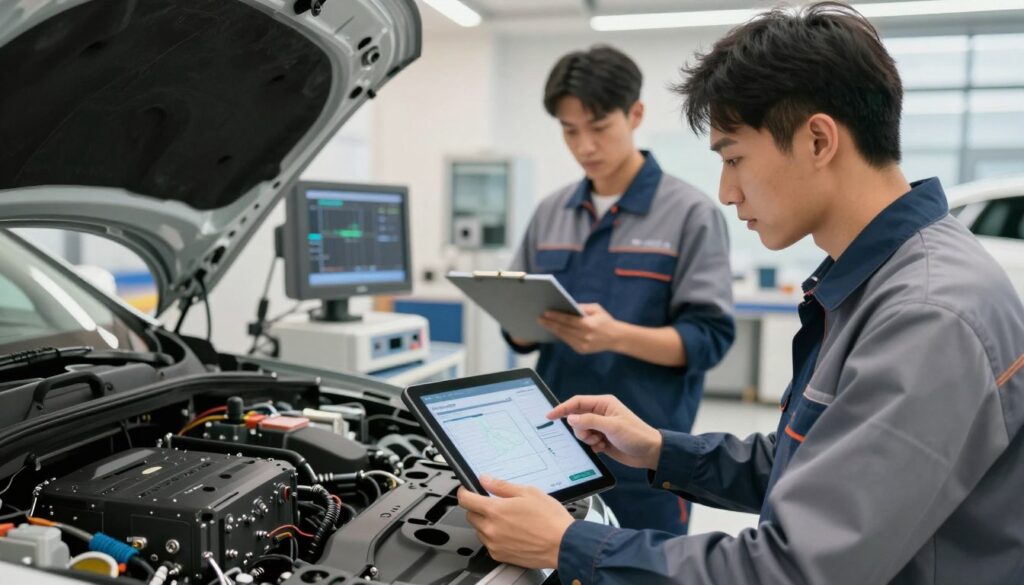
How sensors and cameras dictate vehicle safety
Your car uses cameras, radar, and ultrasonic sensors for safety features like automatic emergency braking. These parts are often in places that can get hit, like bumpers and windshields. Even a small bump can move them slightly, changing how they see things.
If these sensors are off by just a bit, the computer might get wrong info. This can cause delays or even make the system fail when you need it most. You can’t just look at how your car looks; its safety depends on digital accuracy.
The critical need for post-repair recalibration
After fixing the physical damage, your car needs a digital check-up. This includes post-scans and special recalibration to get the software back to its original state. Without this, your car might look fine but could have hidden electronic problems.
A thorough repair safety checks also means a test drive to make sure everything works right. This makes sure your car’s safety features are ready for the road. Here’s why these steps are so important for your safety.
| Safety Procedure | Primary Objective | Risk if Skipped |
|---|---|---|
| Diagnostic Post-Scan | Identify hidden fault codes | Unseen system failures |
| Sensor Recalibration | Restore factory alignment | Inaccurate collision warnings |
| Road Test Verification | Confirm real-world performance | Unpredictable vehicle behavior |
Identifying Structural Compromises That Are Not Visible to the Naked Eye
You might think your car is fully restored after a collision, yet invisible structural compromises could threaten your safety. A simple visual check is rarely enough to confirm that a vehicle is roadworthy. The only way to ensure your car is safe is through a thorough vehicle safety inspection after crash.
Micro-fractures and their impact on future crash performance
Modern vehicle frames are made to absorb energy during an impact. But this can cause micro-fractures in the metal that are hard to see. These tiny fissures can weaken the structural integrity of the chassis a lot.
If these fractures are not found, the vehicle might not handle a second accident well. Structural failure in a second impact is a big risk that can put everyone inside in danger. Finding these hidden weaknesses is key to any professional repair.
The importance of computerized frame measuring
Body shops use advanced computerized frame measuring systems to find these hidden issues. These tools compare your vehicle’s current frame dimensions against the original specs with millimeter precision. Even a small difference can show that the frame has been changed.
By using digital data, technicians can check if the vehicle’s geometry is right. This accuracy is vital for a full vehicle safety inspection after crash. Knowing your frame is back to its original state gives you peace of mind when driving again.
Why Standard Repair Estimates Often Miss Critical Safety Components
A standard repair estimate doesn’t cover all safety aspects of your vehicle. It lists what’s needed for body repairs and paint, but misses the complex systems that keep you safe. Relying only on this estimate can overlook hidden dangers.
The pressure of insurance-driven repair timelines
Repair shops are under a lot of pressure to meet tight, insurance-set deadlines. Insurance companies don’t want to pay for the detailed crash inspection work. This makes shops lean towards quick fixes over thorough checks.
This fast pace can mean your car is fixed quickly but not fully checked. You might not know if all sensors and structural parts are okay. This rushed approach can risk your safety on the road.
Advocating for a safety-first approach
Make sure your car gets a full crash inspection before you take it home. Ask if the repair shop does a full diagnostic scan and structural check. Don’t accept a fix that only shows on the surface.
Choosing a shop that puts safety first is key to protecting you and your car. Demand a detailed post-repair audit to make sure everything is working right. Your safety shouldn’t be traded for a quicker insurance claim.
The Risks of Improper Calibration and Sensor Misalignment
If your vehicle’s sensors aren’t calibrated right, your safety systems might not work when you need them. Modern cars use cameras and radar to watch the road. But these parts are very sensitive to even small hits. Doing thorough repair safety checks is the only way to make sure these systems work right.
When a shop skips calibration or doesn’t check diagnostic codes, your car might not be safe. This can lead to unexpected mechanical failures or even another crash. You should feel safe knowing your car’s tech is looking out for you, not putting you at risk.
How misaligned sensors affect emergency braking
Automatic Emergency Braking (AEB) needs exact data from radar and cameras. If these sensors are off by just a little, the system might not see an obstacle. This delay could mean your car won’t brake in time to avoid hitting something.
Also, if sensors aren’t set up right, your car might brake for no reason. This can happen while you’re driving fast. Such sudden stops are very dangerous for you and the cars behind you.
The danger of lane-keep assist failures
Lane-keep assist systems use cameras to keep your car in its lane. If these cameras aren’t set up right after a repair, your car might steer wrong. This could make your car drift or fight your steering during turns.
Good repair safety checks must check these steering features. Without the right tests, you’re driving a car with a confused computer. This table shows what can happen if you ignore these important steps.
| Safety System | Risk of Misalignment | Potential Outcome |
|---|---|---|
| Emergency Braking | Delayed detection | Increased collision risk |
| Lane-Keep Assist | Erratic steering | Unintended lane departure |
| Adaptive Cruise | Inconsistent distance | Sudden speed changes |
| Blind Spot Monitor | Missed vehicle alerts | Side-impact accidents |
Evaluating Frame Integrity and Crumple Zone Functionality
When you think about a vehicle safety inspection after a crash, the frame and crumple zones are key. They are like the skeleton and armor of your car. They help manage energy during a crash. If they don’t work right, you’re not as safe in future crashes.

How crumple zones are designed to absorb energy
Crumple zones are special parts of the car body that bend in a crash. They absorb the kinetic energy that would hit the cabin. This helps slow the car down, making it safer for you and your passengers.
Today’s cars use strong steel and special shapes to make sure these zones work right. If they’re damaged, the car might not protect you as well in another crash. A detailed vehicle safety inspection after a crash checks if these zones are working as they should.
The danger of “re-using” compromised structural parts
Some people try to save money by using old or fixed parts. But this is risky. Once metal is stressed or bent, it can’t go back to normal. Using these parts again means you’re counting on something that’s not as strong.
A pro mechanic will always say to replace, not fix, important parts. Using old parts can cause big problems in another crash. Always choose certified parts to keep your car safe.
| Component State | Energy Absorption | Safety Risk |
|---|---|---|
| Factory Original | Maximum | Minimal |
| Properly Replaced | High | Low |
| Compromised/Reused | Low | Critical |
The Necessity of OEM Parts for Maintaining Manufacturer Safety Standards
Not all replacement parts are the same, and this is true for keeping your vehicle safe. During a crash inspection, the quality of parts used is as important as the technician’s skill. Parts that don’t meet factory standards can weaken the safety systems meant to protect you.
Aftermarket vs. OEM: The safety trade-off
OEM parts are made by the same company as your vehicle. They are guaranteed to fit perfectly and work just like the originals. Aftermarket parts, on the other hand, are made by third-party companies for many vehicles. This can lead to inconsistencies.
Aftermarket parts might be cheaper, but they often don’t go through the same safety tests. A crash inspection shows that these parts might not fit right with sensors or mounting points. This can make your vehicle’s safety systems less effective.
Why manufacturer specifications matter for your protection
Every vehicle is built with specific materials to handle impacts. Using OEM parts keeps your car’s designed crumple zones and structure intact. These specs are not just suggestions; they are essential for your safety.
Non-certified parts can mess with your vehicle’s safety electronics. A detailed crash inspection will show that OEM parts work well with your car’s computer. By choosing OEM parts, you ensure your safety and that your vehicle works as the manufacturer intended.
How Certified Technicians Ensure Your Vehicle Returns to Pre-Accident Condition
Fixing your car to its original state is not simple. Today’s cars are complex, needing deep knowledge of engineering and safety. Choosing repair safety checks means every part works as the maker planned.
The value of specialized training and certifications
Certified techs get special training, like from I-CAR or ASE. They keep up with new car tech. Their skills help spot damage others might miss.
Choosing a shop that values education means your car is in good hands. These pros follow strict rules to keep your car safe. Their dedication to quality is key to a safe vehicle.
Utilizing factory-grade diagnostic equipment
Fixing cars right needs more than basic tools. It needs special diagnostic gear. This gear talks to your car’s computer, checking safety systems.
Using the right software keeps your car’s systems working right. Without it, important features like airbags might not work when needed. Investing in professional care means using the best tools for your safety.
The Legal and Insurance Implications of Incomplete Repair Inspections
When you leave a repair shop, you think your car is safe. But, the law might not agree. Skipping a vehicle safety inspection after crash can put you at risk. If a shop doesn’t do a thorough job, you could be blamed if another accident happens.
Liability concerns for vehicle owners
Being legally responsible goes beyond the repair shop. A case in Texas shows the dangers of ignoring vehicle safety inspections after crash. The case led to a $42 million verdict against a shop that didn’t follow safety rules.
Signing a release form doesn’t mean a shop is off the hook. If you’re in another accident, investigators will check your repair history. If they find safety systems were skipped, you could face legal challenges about your car’s safety.
Documenting repairs for future resale value
Keeping detailed records is key to protecting your investment. When you sell your car, buyers will want proof of vehicle safety inspections after crash by certified pros. Without this proof, your car’s value could drop a lot.
Having all your repair documents is your best defense against insurance disputes and future legal issues. Keep every invoice, diagnostic report, and calibration certificate. This way, your car stays valuable, not a legal problem.
| Document Type | Purpose | Retention Period |
|---|---|---|
| Final Repair Invoice | Proof of work performed | Until vehicle is sold |
| Calibration Reports | Safety system validation | Lifetime of ownership |
| Structural Audit | Frame integrity verification | Lifetime of ownership |
| Insurance Settlement | Claim history tracking | 5 years minimum |
Common Mistakes Drivers Make When Assessing Their Own Vehicle Safety
Looking at a car and thinking it’s safe is a big risk. Many people think a car looks good if the paint matches and the panels are even. But, this false sense of security can hide serious problems that only a pro crash inspection can find.
The “it looks fine” fallacy
Many fall into the trap of thinking “it looks fine.” Even if a car looks smooth, it’s made of complex materials. If these were damaged in a crash, they might not work right in another accident, even if the car looks okay.
Doing your own repair safety checks isn’t enough to know your car is safe. Pros use special tools to check things you can’t see. Looking only at how a car looks is risky for you and your passengers.
Ignoring warning lights and dashboard alerts
Another big mistake is ignoring dashboard lights or changes in how the car drives. You might think a blinking light is just a small problem. But, these lights often mean important safety features like airbags or sensors aren’t working right.
Not paying attention to these warnings can mean your car’s safety systems won’t work when you need them. Always take every alert seriously and get a certified pro to check it out. Here’s why just looking at a car isn’t enough to know it’s safe.
| Assessment Method | Visual Inspection | Professional Audit |
|---|---|---|
| Structural Integrity | Cannot detect micro-fractures | Uses computerized frame mapping |
| Sensor Calibration | Assumes system is functional | Verifies software and alignment |
| Safety Reliability | Based on surface appearance | Based on manufacturer standards |
| Risk Level | High risk of missing problems | Low risk of hidden failures |
The Long-Term Benefits of Professional Post-Repair Safety Audits
Getting a vehicle safety inspection after crash is key to keeping your car safe for your family. Even if the car looks good after repairs, a detailed check makes sure everything works right. This is what the maker intended.
Peace of mind for you and your passengers
Driving a car that’s been in a big crash can be nerve-wracking, even after it’s fixed. You should feel absolutely confident that your car will keep you safe from future dangers. A pro audit gives you the proof and tech checks you need to trust your car again.
Knowing your car’s safety systems are checked by experts lets you drive without worry. This peace of mind is priceless for anyone who drives a lot or has a family to get around.
Preventing secondary mechanical failures
Many people don’t realize that crashes can stress parts far from where they hit. A detailed vehicle safety inspection after crash finds these hidden problems before they turn into big repairs. Finding issues like misalignments or stressed mounts early stops more damage from happening.
The table below shows why a special audit is better than just a basic check for keeping your car in top shape:
| Feature | Standard Repair | Professional Safety Audit |
|---|---|---|
| Focus Area | Cosmetic and visible damage | Structural and electronic integrity |
| Diagnostic Depth | Basic visual check | Computerized frame and sensor analysis |
| Long-term Reliability | Moderate | High |
| Safety Assurance | Limited | Comprehensive |
Choosing a detailed vehicle safety inspection after crash is a smart move. It stops small problems from becoming big safety issues. This keeps your car safe and reliable for many years.
Conclusion
Your vehicle is a shield for you and your family. A detailed crash inspection checks every part to make sure it works right. This gives you peace of mind knowing your car is safe.
Professional repair checks are your last defense against mechanical dangers. They check if your car’s structure and systems are working well. Experts catch small issues before they become big problems.
Miracle Body and Paint Collision Center offers the care your car needs after an accident. Our team uses the latest tools to make your car like new. Your safety is our top priority in every repair step.
Visit us at 4650 Walzem Rd, San Antonio, TX 78218, or call (210) 858-3630. For our North West San Antonio – Leon Valley shop, call (210) 680-1987. Let our experts take care of your car today.

