

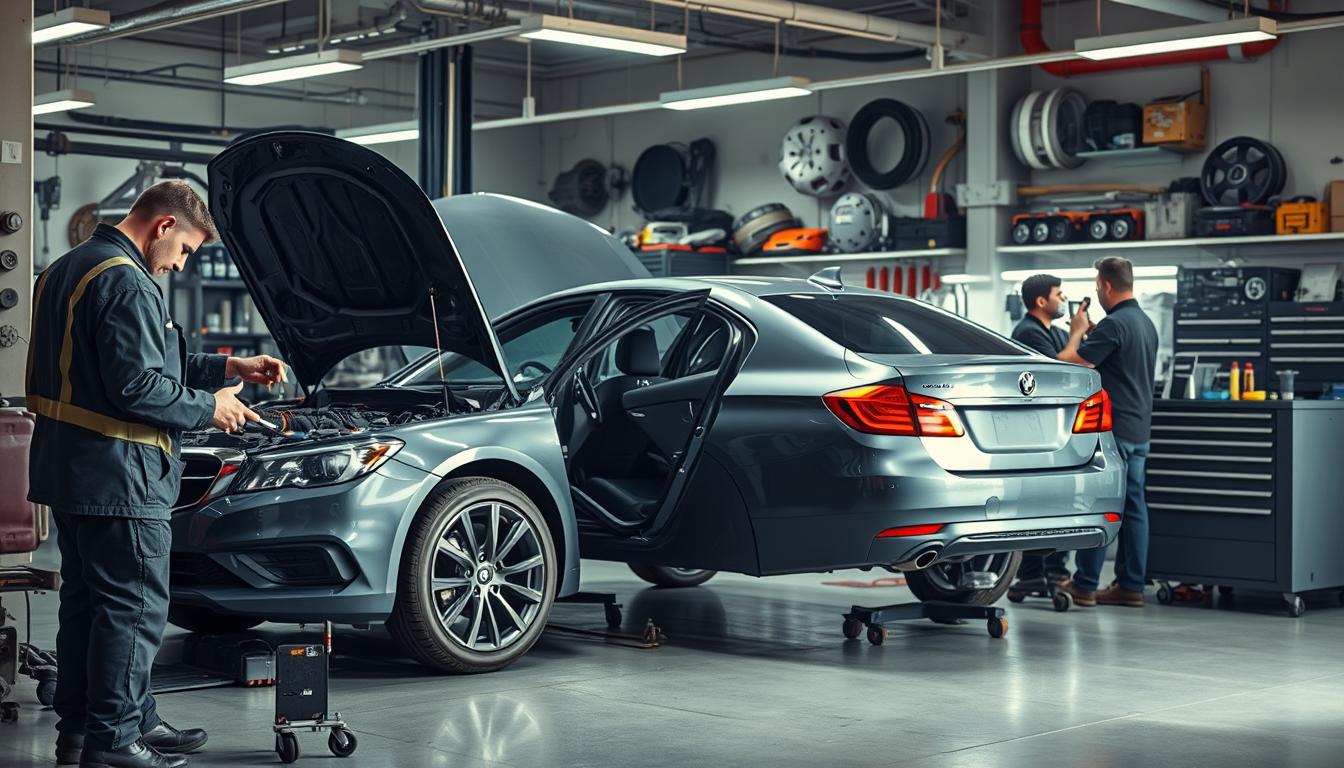
After an accident, it’s crucial to ensure your vehicle is thoroughly evaluated to guarantee it’s safe to drive. At Miracle Body and Paint Collision Center, we emphasize the importance of post-collision assessments to identify and address any potential damage.
Even minor accidents can lead to hidden damages that compromise your vehicle’s safety and performance. Our technicians conduct comprehensive inspections to ensure all aspects of your vehicle are checked and repaired as needed.
By understanding what happens during a collision safety inspection, you can make informed decisions about your repair needs. We prioritize thorough inspections as the foundation of quality repair work, ensuring your vehicle maintains its structural integrity.
Key Takeaways
- A comprehensive collision safety inspection is crucial after any accident.
- Professional technicians assess sophisticated safety systems to ensure proper functionality.
- Thorough inspections prevent future mechanical failures.
- Miracle Body and Paint Collision Center prioritizes quality repair work.
- Understanding the inspection process helps vehicle owners make informed decisions.
Understanding Collision Safety Inspections
After a vehicle accident, ensuring your car’s safety is paramount, which is where collision safety inspections come into play. These inspections are not just recommended; they’re essential for your safety, peace of mind, and long-term vehicle performance.
Definition and Purpose
A collision safety inspection is a comprehensive evaluation process designed to identify all damage resulting from a vehicle accident, both visible and hidden. The primary purpose of these inspections is to ensure that all systems in your vehicle continue to function properly after experiencing impact forces.
When They’re Necessary
We recommend scheduling an inspection after any collision, regardless of severity, as even minor impacts can compromise critical vehicle systems. These inspections become absolutely necessary when your vehicle has experienced moderate to severe damage, airbag deployment, or impacts to structural components that may require repair. Regular post-accident inspections help maintain your vehicle’s value by ensuring all damage is properly identified and addressed during the repair process.
- A collision safety inspection identifies both visible and hidden damage from an accident.
- These inspections ensure all safety systems function properly post-accident.
- Inspections are recommended after any collision, regardless of severity.
Components of a Comprehensive Collision Safety Inspection
Ensuring a vehicle’s safety after a collision requires a detailed inspection. A comprehensive collision safety inspection is crucial for verifying that all aspects of the vehicle are safe and functioning properly.
Exterior Assessment
Our exterior assessment evaluates visible body damage and checks for signs of deeper structural issues. We inspect panel gaps, door alignment, and trunk/hood operation to identify potential frame damage.
Structural Evaluation
The structural evaluation uses specialized equipment to measure frame alignment and identify deviations from factory specifications. We pay particular attention to crumple zones and safety cage components to ensure they maintain their integrity.
Mechanical Systems Check
Our mechanical systems check includes thorough testing of the engine, transmission, cooling systems, and other critical components. We also inspect electrical systems for damage or malfunctions that may have occurred during the collision.
By conducting these comprehensive checks, we ensure that the vehicle is safe to drive and that all necessary repair work is identified.
Evaluating Vehicle Frame and Structural Integrity
A thorough assessment of a vehicle’s frame and structural integrity is necessary after a collision to guarantee safety on the road. The condition of a vehicle post-repair significantly impacts driver and passenger safety. When a vehicle is involved in a collision, evaluating it for potential issues becomes crucial to prevent hidden risks.
Frame Alignment Inspection
We utilize advanced computerized measuring systems to precisely evaluate frame alignment, detecting even the smallest deviations that could compromise vehicle integrity. Our inspection includes checking for bends, twists, or sags in the vehicle’s unibody or frame rails, which affect both safety and handling.
- Detecting deviations as small as a millimeter
- Checking for bends, twists, or sags in the unibody or frame rails
- Verifying that the frame alignment meets factory specifications
Crumple Zone Assessment
We assess crumple zones to ensure they haven’t been compromised, as these areas are engineered to absorb and redirect crash energy away from occupants. Proper structural integrity is critical because it affects how impact forces are distributed throughout the vehicle during a subsequent collision.
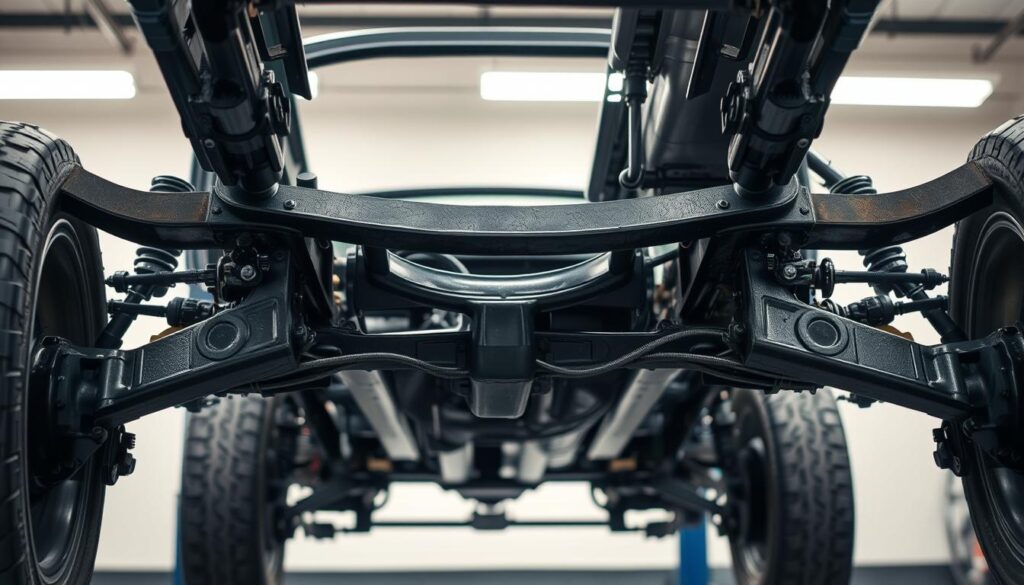
- Evaluating crumple zones for damage
- Checking for signs of previous improper repairs
- Verifying that mounting points for suspension components and safety systems maintain factory specifications
Safety Systems and Features Verification
Modern vehicles rely on sophisticated safety systems that require thorough verification after a collision. These systems, including airbags, anti-lock brakes, and lane-assist features, are crucial for protecting occupants during accidents.
Airbag System Inspection
Our comprehensive diagnostics of the Supplemental Restraint System (SRS) verify airbag functionality and reset any fault codes triggered during the collision. We inspect sensors, wiring harnesses, and control modules to ensure they are undamaged and functioning correctly.
Seat Belt Functionality
We verify seat belt functionality by testing retractors, pretensioners, and locking mechanisms critical during sudden stops or secondary collisions. Ensuring these components are operational is vital for occupant safety.
Advanced Driver Assistance Systems (ADAS)
ADAS require precise calibration after collision repairs. We use specialized equipment to test and calibrate systems like forward collision warning and lane departure warning, ensuring sensors accurately detect obstacles and lane markings
By verifying the proper alignment and functionality of these safety systems, we ensure your vehicle’s safety features are fully operational, providing protection on the road.
Checking for Hidden Collision Damage
After a vehicle collision, it’s crucial to inspect for hidden damage that may not be immediately visible. Discovering underlying issues is vital to maintaining safety standards on the road. We leverage specialized diagnostic tools to detect issues often overlooked by routine assessments.
Advanced Diagnostic Techniques
We utilize advanced computer diagnostic tools that can identify electronic and mechanical issues invisible to the naked eye during collision repair assessment. Our scanning equipment can detect fault codes and performance issues in vehicle systems that might not trigger dashboard warning lights.
Common Areas of Hidden Damage
Common areas of hidden damage include suspension components, steering mechanisms, and drivetrain parts that may have absorbed impact forces. Our auto body technicians are trained to recognize subtle signs of misalignment in components that can lead to premature wear and safety issues. Thorough inspection of mounting points for major components ensures that secondary damage hasn’t occurred from the transfer of collision energy.
- Inspecting cooling system components, including radiators and condensers, which are frequently damaged in frontal collisions.
- Checking for hidden electrical damage that can cause intermittent problems with safety and comfort systems.
- Identifying hidden damage early prevents cascading issues that could compromise vehicle safety and lead to more expensive repair later.
The Importance of a Collision Safety Inspection
The importance of a collision safety inspection cannot be overstated, as it directly impacts your vehicle’s safety and value. After an accident, it’s crucial to ensure that your vehicle is thoroughly inspected to identify any potential issues that could compromise its safety or lead to further damage.
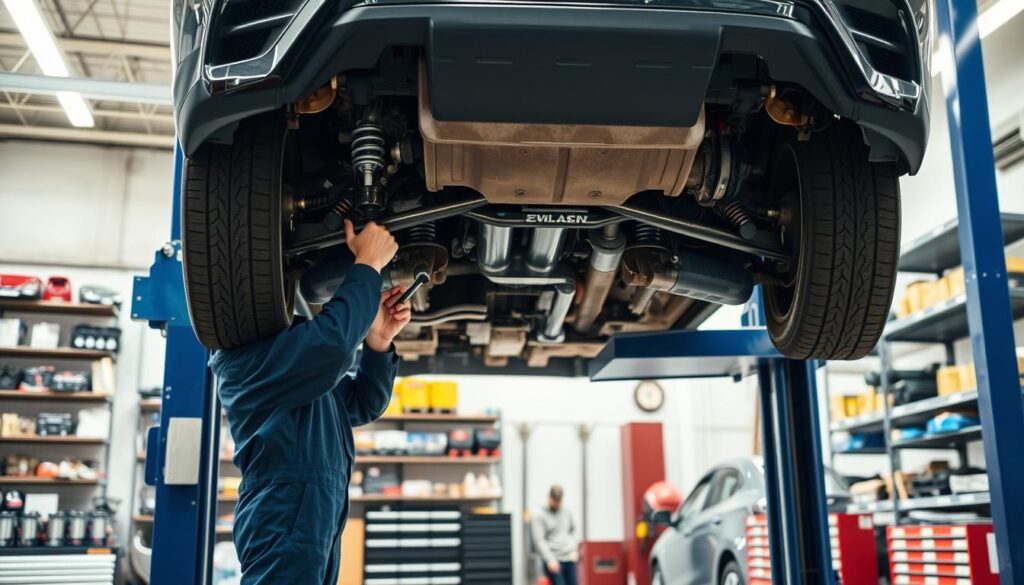
A comprehensive inspection helps in ensuring vehicle integrity by checking for both visible and hidden damage. This process is vital for maintaining the vehicle’s overall safety and performance.
Preventing Future Accidents
One of the key reasons a collision safety inspection is so important is that it helps prevent future accidents. By verifying that all safety systems are functioning according to manufacturer specifications, we can significantly reduce the risk of being involved in another accident. Undetected damage to critical components like steering or suspension can lead to unpredictable handling, potentially causing secondary accidents.
- Thorough inspections identify issues that could lead to mechanical failures.
- Verifying safety systems ensures they function as intended.
- Proper documentation aids in insurance claims and protects your investment.
Maintaining Vehicle Value
Maintaining your vehicle’s value is another significant benefit of a collision safety inspection. By addressing both visible and hidden damage, and ensuring that all necessary repairs are documented, you can preserve your vehicle’s structural integrity and operational systems. This is crucial for maintaining the vehicle’s overall value, especially if you decide to sell it in the future.
- Complete inspection and repair records demonstrate proper maintenance.
- Addressing hidden damage preserves the vehicle’s value.
- Professional inspections provide peace of mind regarding your vehicle’s safety.
Post-Repair Verification Process
The post-repair verification process is a critical step in getting you back on the road safely. At our repair shop, we understand the importance of ensuring your vehicle’s safety and performance after collision repairs.
Test Drives and Performance Checks
Our comprehensive test drives evaluate vehicle handling, braking performance, and overall operation under various conditions. We conduct performance checks of all repaired and adjacent systems to ensure they function together seamlessly as designed by the manufacturer.
- We listen for unusual noises, vibrations, or handling characteristics that might indicate incomplete repairs or unresolved issues.
- Electronic systems testing verifies that all vehicle computers, sensors, and control modules are communicating properly after repairs are completed.
Final Safety Certification
Our final safety certification process includes a documented checklist of all systems and components that have been inspected, repaired, and verified. We provide customers with detailed documentation of all completed repairs and verification tests for their records and insurance purposes.
- We perform alignment verification to ensure that steering geometry is within specifications.
- Quality assurance processes ensure that your vehicle meets or exceeds safety standards before it leaves our facility.
Professional vs. DIY Inspection: Why Expertise Matters
The aftermath of collision repairs demands a meticulous safety inspection, where professional expertise proves invaluable. At our auto body repair shop, we understand the critical importance of thorough safety checks to ensure vehicle integrity and occupant safety.
Limitations of Visual Inspections
DIY visual inspections are limited in their ability to detect structural damage and electronic system faults. Professional auto body technicians are trained to recognize signs of damage that most vehicle owners would overlook. Modern vehicles require sophisticated computer diagnostics to properly assess the condition of integrated safety and performance systems after a collision.
Benefits of Professional Equipment and Training
Our repair shop utilizes specialized diagnostic equipment that can identify issues invisible to the naked eye, including frame distortion measured in millimeters. Professional technicians undergo continuous training to stay current with rapidly evolving vehicle technology and repair methodologies, ensuring that your vehicle is repaired to the highest safety standards.
Ensuring Your Vehicle’s Safety After Collision Repairs
Collision repairs are just the first step; ensuring your vehicle’s overall safety is what’s critical. At Miracle Body and Paint Collision Center, we understand that post-collision safety inspections aren’t just recommended—they’re essential for your safety and peace of mind.
Regular safety checks can extend your vehicle’s lifespan by up to 30%. We recommend scheduling follow-up inspections to ensure all systems function properly as your vehicle accumulates mileage. Our certified technicians are committed to getting you get back on the road safely after collision damage has been properly repaired.
Trust us with your vehicle’s repair and safety inspections at either of our two convenient San Antonio locations. Contact us today to schedule a collision safety inspection and experience our commitment to excellence in automotive safety.

