

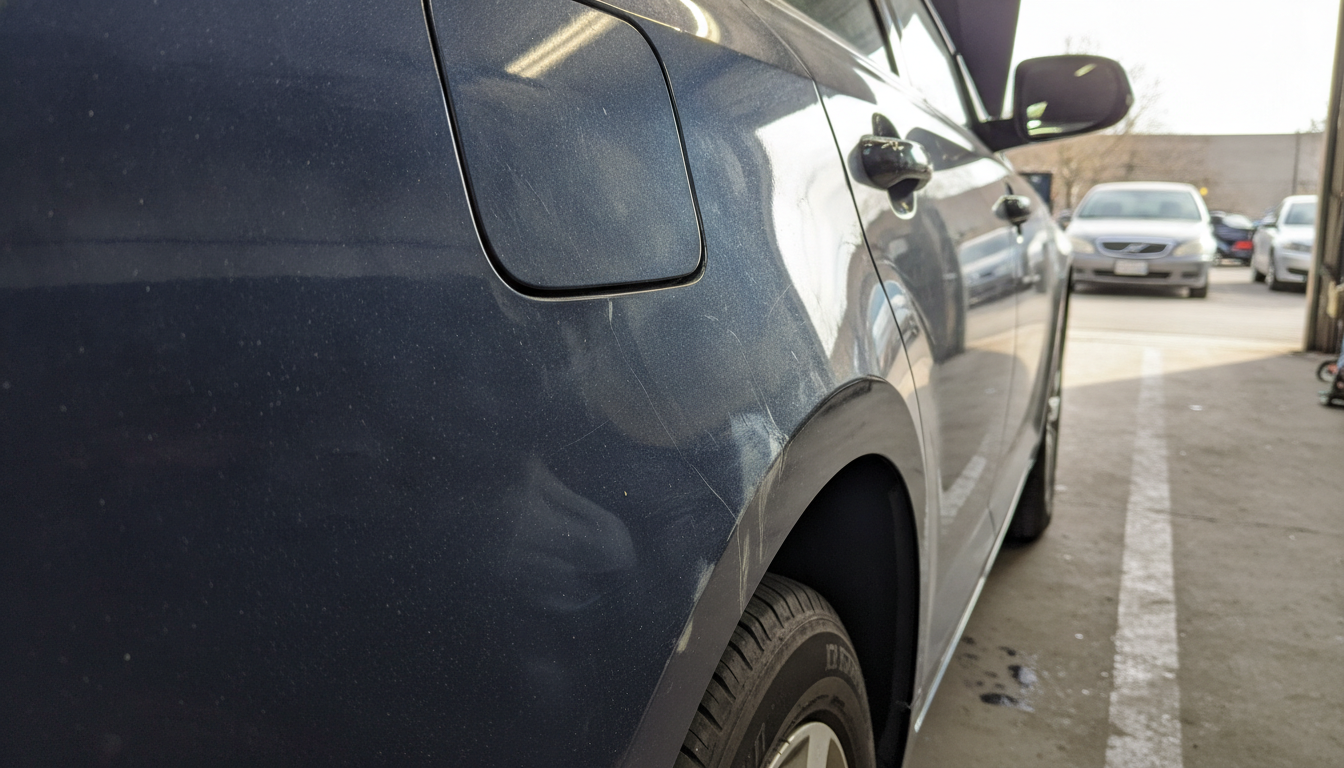
When your vehicle pulls to one side after a collision, you may blame a simple alignment issue. However, hidden structural damage may hide beneath a minor fender bender. Never dismiss uneven panel gaps after repair as only a cosmetic flaw.
Inconsistent seams, tilted hoods, and doors that resist closing are serious warning signs. They may point to poor assembly or frame problems that weaken your vehicle’s structure. Identifying these problems early helps protect safety, durability, and future resale value.
Check for uneven panel gaps after repair before driving your car. Do not let a quick look at the bodywork make you think all is well. A professional inspection keeps your car reliable and safe on the road.
Key Takeaways
- Vehicle pulling often signals deeper structural issues beyond simple alignment.
- Uneven panel gaps after repair are significant indicators of poor workmanship.
- Difficult door operation and tilted hoods suggest hidden collision damage.
- Early detection prevents long-term safety risks and costly mechanical failures.
- Protect your investment by verifying the quality of all bodywork performed.
Understanding Car Pulling After an Accident
Your car may pull to one side after a crash. It may no longer track straight, and uneven panel gaps after repair can reveal hidden damage. Ignoring this behavior can make driving unsafe and wear your tires faster.
What Does It Mean When Your Car Pulls?
A pulling car has steering geometry changed by an outside force. Even a minor collision can shift the careful balance of suspension parts. Your vehicle should always track straight on a flat, level road without pressure on the steering wheel.
Common Causes of Car Pulling
Several problems can cause this issue, from needed alignment to serious frame damage. After a crash, inspect beyond the surface.
- Frame misalignment: A shift in the chassis can permanently alter how the wheels sit on the road.
- Damaged mounting points: Impact can bend the brackets that hold your suspension in place.
- Poor body work: If a previous repair was handled incorrectly, you may notice uneven panel gaps after repair that signal deeper structural misalignment.
- Substandard components: Using low-quality parts or poor body work can prevent the suspension from functioning as intended.
Poor body work can leave uneven panel gaps after repair. These gaps should match from side to side across your vehicle. Large differences may show the frame or body panels missed factory specifications.
Significance of Addressing Car Pulling
Address these issues early to protect your safety and your car’s life. A pulling car stays under stress, which can cause early failure in steering rack components and wheel bearings. Professional assessment is always better than guesswork for finding the cause early and preventing costly, long-term mechanical failures.
Safety Implications of Ignoring Car Pulling
After a crash, a vehicle that pulls is more than a nuisance. It is a warning you cannot ignore. When steering feels wrong, it may show bad collision repair signs beyond cosmetic damage. Fixing these issues quickly helps keep your vehicle safe and predictable.
Risks of Driving a Misaligned Vehicle
A vehicle that drifts sideways makes you fight the steering wheel. This constant correction tires the driver and slows emergency reactions. When an obstacle appears, your car may not turn quickly enough to avoid a crash.
Potential for Further Damage
Ignoring these bad collision repair signs can trigger several mechanical failures. Misalignment wears tires unevenly, so you may replace them sooner than expected. It also strains suspension parts, which may break or fail early.
Poor repairs can leave structural gaps that let moisture and road debris enter sensitive areas. This exposure may cause hidden corrosion, mold growth, or complex electrical damage. Acting now keeps these small issues from becoming expensive, long-term headaches.
Impact on Overall Vehicle Safety
Your car is engineered with special crumple zones to help protect you in a crash. A misaligned frame may stop these safety systems from working as designed during another impact. Spotting bad collision repair signs helps protect the structural integrity that keeps you and your passengers safe.
| Issue Type | Immediate Risk | Long-term Consequence |
|---|---|---|
| Steering Pull | Reduced Control | Suspension Failure |
| Uneven Tire Wear | Poor Traction | Tire Blowout |
| Structural Gaps | Moisture Entry | Corrosion & Rust |
Signs That Indicate Alignment Issues
Finding a poor repair job matters for your safety on the road. Your vehicle may look fixed, but bad collision repair signs can show through small mechanical or visual changes.
Uneven Tire Wear Patterns
Your tires can reveal alignment trouble. If tread wears faster along the inner or outer edges, your wheels may not track straight.
This uneven wear often follows incorrect suspension angles after an impact. Ignoring this issue can cause early tire failure and less traction in wet weather.
Steering Wheel Misalignment
Your steering wheel should stay centered on a straight, flat road. If you hold it at an angle to drive straight, your vehicle has an alignment problem.
This problem may start when workers fail to set the steering or suspension parts correctly after a collision. It is a major warning that the repair was rushed or incomplete.
Vibration or Pulling During Driving
A vehicle that pulls to one side or shakes at highway speeds is more than annoying. It can create a serious safety risk. These signs may mean the frame or suspension still suffered damage in the accident.
Also, inspect the outside for mismatched paint or uneven panel gaps. These flaws may show that the shop used low-quality parts or skipped a proper finish. They may also hide deeper structural damage.
| Feature | Quality Repair | Bad Collision Repair Signs |
|---|---|---|
| Panel Gaps | Uniform and tight | Uneven or wide gaps |
| Paint Finish | Smooth and consistent | Mismatched paint or orange peel |
| Steering | Centered and stable | Crooked or pulling |
| Tire Wear | Even across the tread | Rapid, uneven edge wear |
The Importance of Professional Inspection
A quick look after an accident can put your vehicle’s long-term health at risk. Dents may be easy to spot, but many bad collision repair signs stay hidden in the chassis. A professional evaluation shows whether your vehicle is truly safe to drive.
Why DIY Checks May Not Be Sufficient
You may want to perform a basic repair quality check yourself, but visual inspections can miss serious structural issues. Modern vehicles use complex crumple zones and precise mounting points that may shift during an impact. Aligned exterior panels do not prove the frame is sound.
Without special equipment, these problems are nearly impossible to diagnose. You cannot easily see tiny frame distortion or internal suspension damage with the naked eye. Surface checks can hide poor body work, which may cause dangerous handling later.
What to Expect from a Professional Assessment
When you visit a certified facility, technicians use advanced tools to compare your car with original manufacturer specifications. This process checks that each component returns to its factory-intended position. Expect a full report on your steering, suspension, and structural integrity.
A thorough assessment usually includes a computerized alignment check and a close inspection of panel fitment. Professionals record each finding and give you a clear repair plan. This precision is the only way to ensure your vehicle performs as it did before the accident.
| Inspection Feature | DIY Approach | Professional Assessment |
|---|---|---|
| Frame Integrity | Visual check only | Laser measurement systems |
| Alignment Accuracy | Subjective driving feel | Computerized geometry analysis |
| Structural Damage | Often overlooked | Detailed diagnostic reporting |
| Repair Documentation | None | Certified safety verification |
How a Minor Accident Can Affect Alignment
After a minor impact, your vehicle may have more than surface scratches. A low-speed bump can disturb the careful geometry of its suspension system. Even a small jolt can shift mounting points, causing uneven panel gaps after repair that reveal hidden structural stress.
Types of Collisions That May Cause Issues
Accidents differ, but minor crashes can still harm your vehicle’s structure. Bumper impacts can send force into the frame rails, while corner crashes may twist the chassis. Side impacts can change the unibody structure, causing noticeable uneven panel gaps after repair.
These shifts often stay hidden from an untrained eye. Still, they strongly affect how your car performs on the road. If the frame is slightly out of square, suspension parts cannot work as designed.
The Connection Between Impact and Steering
An impact can directly affect your steering system. When the frame or suspension mounts shift, your wheels lose proper alignment. This can make your vehicle pull sideways, making it difficult to maintain a straight path while driving.
Besides a pulling steering wheel, you may notice poor handling and faster tire wear. The table below shows how minor impacts affect your vehicle’s mechanical health, including uneven panel gaps after repair.
| Impact Type | Primary Mechanical Risk | Common Symptom |
|---|---|---|
| Bumper Collision | Frame Rail Distortion | Steering Pull |
| Corner Impact | Control Arm Misalignment | Uneven Tire Wear |
| Side Impact | Unibody Structural Shift | Poor Handling |
| Curb Strike | Wheel Hub Damage | Steering Vibration |
Repair Options for Car Pulling
Fixing a car that pulls to one side requires a careful search for the handling problem. If your vehicle still drifts after a shop visit, consider a redo collision repair for road safety.
Wheel Alignment Services
A professional wheel alignment is the most common fix for a vehicle that pulls. Technicians use special equipment to set wheel angles to manufacturer specifications.
This process helps your tires meet the road at the correct angle. Proper alignment reduces uneven wear and helps your vehicle travel straight.
Suspension Repair Solutions
Sometimes, alignment alone cannot fix the problem because damaged hardware remains. Bent control arms, struts, or tie rods from an impact must be replaced.
Ignoring damaged parts can cause more mechanical failure. If the first repair missed these structural problems, a redo collision repair can restore your car’s handling.
Tire Replacement Considerations
Your tires affect how your car tracks on the pavement. Irregular wear from long-term misalignment may cause pulling after suspension repairs.
Inspecting your tires for bulges, uneven tread, or internal damage is essential. Replacing damaged tires can complete safe, smooth driving after an accident.
Choosing the Right Collision Repair Center
Your repair shop choice affects your vehicle’s safety and life. A good repair does more than improve looks; it keeps your car strong and safe on the road.
When you assess a shop, ask for clear details about its repair process. A trusted center explains its use of OEM or properly specified replacement parts and its frame alignment method. You should feel sure it puts safety before lower costs.
Criteria for Selecting a Repair Shop
Ask which measurement systems the shop uses to check frame strength. Precision matters because small errors can cause bad collision repair signs and affect handling. Ask how the shop blends paint so the finish matches your car.
A professional shop gives a clear, written estimate listing each part and labor hour. If staff avoid repair steps or warranty questions, treat that as a warning. Choose a partner that values long-term vehicle health as much as you do.
Value of Experienced Technicians
Skilled technicians support every successful repair. They can find and fix uneven panel gaps after repair, which may show poor body work. Misaligned panels can cause wind noise, water leaks, or structural problems.
Experienced teams know how to match colors and avoid mismatched paint. They complete a careful repair quality check before returning your keys. If issues appear after pickup, a trusted shop will stand by its work and offer to redo collision repair promptly.
Miracle Body and Paint Collision Center Overview

Finding a reliable shop that avoids poor body work helps you return safely after an accident. At Miracle Body and Paint Collision Center, we serve San Antonio drivers who expect excellent, precise repairs.
Our Expertise in Collision Repair
Our team includes highly trained technicians who understand modern vehicle frames. We focus on meticulous craftsmanship to restore every structural part to factory standards. We use advanced diagnostic tools to remove guesswork from collision damage.
Customer Satisfaction Commitment
We believe your vehicle should look as good as it did when you bought it. Our refinishing process prevents mismatched paint and blends smoothly with your car’s original factory finish. Every vehicle receives a careful repair quality check before leaving our shop.
Overview of Our Facilities
Our state-of-the-art facility has the latest technology for minor dents and major structural repairs. We keep a clean, professional space where your vehicle receives careful treatment. Our dedicated staff provides transparent communication throughout every stage of the repair process.
Locations of Miracle Body and Paint Collision Center
Finding a reliable collision repair San Antonio shop is easy with our two convenient locations. Vehicle damage is stressful, so we make the repair process smooth for you.
Our team provides exceptional service and high-quality workmanship at every facility. Whether you need a quick alignment check or extensive bodywork, our experts can help.
North West San Antonio – Leon Valley
Our Leon Valley facility serves drivers in the North West area. Visit us at 6217 Grissom Rd., San Antonio, TX 78238 to speak with our friendly staff. For questions or an inspection, call us at (210) 680-1987.
North East San Antonio
Our North East San Antonio shop gives nearby drivers the same professional care. Find us at 4650 Walzem Rd, San Antonio, TX 78218. Call (210) 858-3630 to discuss your collision repair San Antonio needs.
| Location Name | Street Address | Phone Number |
|---|---|---|
| Leon Valley | 6217 Grissom Rd, 78238 | (210) 680-1987 |
| North East | 4650 Walzem Rd, 78218 | (210) 858-3630 |
| Service Type | Expert Collision Repair San Antonio | Professional Assessment |
Time Frame for Collision Repairs
When your vehicle enters the shop, you want to know when you can drive it again. Each accident differs, but the repair steps help you plan during restoration.
Factors That Affect Repair Time
Several factors affect how long your vehicle stays in the shop. Part availability often matters most because backordered parts can delay skilled technicians.
Structural damage can also lengthen the repair time. Special frame alignment or hidden damage found during disassembly can expand the work. We prevent the need for a redo collision repair by doing each step right.
What to Expect During the Process
The repair process follows clear steps to restore your vehicle to factory standards. You can expect these stages during service:
- Disassembly and Measurement: Technicians strip the damaged areas to assess the full extent of the impact.
- Structural Repair: Using precision equipment, the frame is returned to its original specifications.
- Refinishing: The vehicle undergoes professional paint application to match the existing finish perfectly.
- Reassembly and Testing: All components are reinstalled, followed by a rigorous repair quality check.
A careful repair quality check comes before you receive your keys. It includes a careful walkaround and tests the operation of doors and hoods. A short road test confirms the vehicle handles as it should, supporting safety and satisfaction before delivery.
Cost Considerations for Repair Services
Post-accident costs for redo collision repair can feel overwhelming. When your vehicle pulls to one side, the problem may involve more than a simple tire adjustment. Transparency in pricing helps ensure quality service that restores your car to its original safety standards.
Average Alignment Repair Costs
Alignment costs vary based on your vehicle’s suspension system. A standard alignment may seem simple, but hidden damage can make the work harder. Frame damage or bent control arms can add labor hours needed for proper specifications.
Technicians often inspect the vehicle to learn whether pulling comes from steering parts or structural misalignment. If your vehicle needs added refinishing or complex suspension work, the final invoice includes these steps. Remember that quality repairs put your safety before the lowest price.
Importance of Getting Estimates
Always request a detailed, written estimate before approving vehicle work. A professional shop should list diagnosis, parts, labor, and paint work separately. These details protect you from surprise charges and show what the shop will fix.
Be wary of vague quotes, which may cause poor results and make you redo collision repair later. If a shop misses the cause of pulling, you may spend more money over time. A trusted center can do the first job correctly, preventing redo collision repair from missed damage or poor work.
Insurance Considerations Post-Accident
Good records can help when you discuss uneven gaps, pulling, or paint defects with your insurer. Taking the time to record every detail right after an accident can make a successful resolution easier.
How to File a Claim
Begin by collecting clear proof of the damage. Take high-resolution photos of every affected area, including visible misalignment and body panel gaps.
Keep a detailed file with your first repair estimates, inspection findings, and previous maintenance records. Give this organized documentation to your insurance adjuster. It helps show a clear timeline of the vehicle’s condition before and after the incident.
Understanding Insurance Coverage for Repairs
Coverage varies by your policy and the accident’s circumstances. Confirm your deductible, approved repair procedures, and supplement request process. Ask how to request supplements if hidden damage appears later.
If repairs do not restore your vehicle to its pre-accident state, you may need a redo collision repair. Get written authorization from your insurance provider before starting additional services.
Know your policy rights to navigate the claims process with confidence. If your vehicle still pulls to one side, discuss a redo collision repair with your adjuster. This can help keep you safe on the road.
Customer Testimonials and Case Studies
Real customer results show our commitment to excellent work. We perform a thorough repair quality check on every vehicle for safety and a clean appearance. We know your car should look and work as it did before the accident.
Success Stories from Our Clients
Many clients visit us after frustrating experiences at other shops. They tell us how we found hidden structural issues that others missed during early checks. We use precise methods to restore each vehicle to factory specifications.
- Detailed frame measurements to ensure structural integrity.
- Color-matching technology to prevent visible discrepancies.
- Comprehensive post-repair testing for steering and alignment.
Before and After Comparisons
We often see vehicles with poor body work from less experienced shops. Our technicians fix these errors and make the vehicle safe for the road again.
Common issues include uneven panel gaps after repair and mismatched paint, which can lower resale value. We document each fix so you can see how we restore your car’s beauty and function.
| Issue Type | Poor Quality Signs | Our Professional Standard |
|---|---|---|
| Panel Alignment | Visible gaps and misalignment | Factory-spec flush fitment |
| Paint Finish | Color shifts and texture issues | Seamless, factory-matched finish |
| Structural | Persistent pulling or vibration | Precision alignment and calibration |
Spotting bad collision repair signs early helps protect your safety. If you notice these issues, do not hesitate to bring your vehicle to our experts for evaluation. We provide the high-quality service your vehicle needs.
Maintenance Tips to Prevent Future Issues
Proactive maintenance helps keep your car safe and reliable after work at the repair shop. Professional technicians restore your vehicle’s structure, but daily care supports long-term performance. Routine care keeps cars running well, but it cannot fix mismatched paint or other cosmetic flaws from poor work.
Regular Alignment Checks
After a collision, suspension parts may face extra stress. Scheduling regular alignment checks helps prevent early wear in your steering system. Watch for new vibrations or pulling while driving on smooth roads.
- Schedule an alignment check every 6,000 miles or after hitting a significant pothole.
- Listen for unusual clunking or squeaking noises from the wheel wells.
- Ensure your steering wheel remains centered when driving on a flat, straight surface.
Importance of Proper Tire Care
Your tires touch the road, so they play a key role in your safety. Good tire care can reveal mechanical problems before they become costly repairs. Checking your tire pressure each month improves fuel efficiency and handling.
Check tread depth often to make sure all four tires wear evenly. If one tire wears faster, it may show a lasting alignment problem needing professional attention. Maintenance supports performance, but it cannot fix issues like mismatched paint from a previous repair job.
Contacting Miracle Body and Paint Collision Center
Contacting our specialists is the first step toward making your car safe and reliable again. If you notice pulling, panel gaps, or paint defects, our team can help. We focus on your safety and work to restore your vehicle to factory standards.
How to Reach Us
We have two convenient locations in San Antonio to serve you better. Call the shop nearest you to discuss concerns or request a repair quality check.
- North West San Antonio – Leon Valley: 6217 Grissom Rd., San Antonio, TX 78238 | Phone: (210) 680-1987
- North East San Antonio: 4650 Walzem Rd, San Antonio, TX 78218 | Phone: (210) 858-3630
Scheduling Your Appointment
When scheduling your visit, please describe the specific symptoms you experience. Whether you need a simple adjustment or a comprehensive redo collision repair, details help our technicians work efficiently.
Please bring these items to your appointment:
- All previous repair records and invoices.
- Your current insurance documentation.
- Photographs of the damage or the areas of concern.
- A written list of specific issues, such as pulling or unusual noises.
Our team looks forward to helping you return to the road with confidence. Your satisfaction is our primary goal, and we are committed to providing the high-quality service your vehicle deserves.
Conclusion: Don’t Delay; Address Car Pulling After an Accident
Your vehicle needs precise care to stay safe on the road. Ignoring small handling changes can cause larger mechanical failures. Act at once if you see uneven panel gaps after repair or other warning signs.
The Urgency of Post-Accident Inspections
Bad collision repair signs may point to hidden structural or suspension damage. You may notice vibrations, hard-to-close doors, or paint defects from poor work. These problems become more costly when ignored.
You may even need to redo collision repair if the first work missed factory standards.
Expert Solutions at Miracle Body and Paint Collision Center
Our team fixes alignment and structural problems to help keep you safe. We provide the expert care your car needs to work well. Trust our technicians to return your vehicle to its original condition.
Visit Miracle Body and Paint Collision Center at one of our two San Antonio locations. Reach our North West San Antonio–Leon Valley shop at (210) 680-1987, at 6217 Grissom Rd., San Antonio, TX 78238.
Call our North East San Antonio facility at (210) 858-3630. It is located at 4650 Walzem Rd., San Antonio, TX 78218. We are ready to fix your collision repair damage today.

