

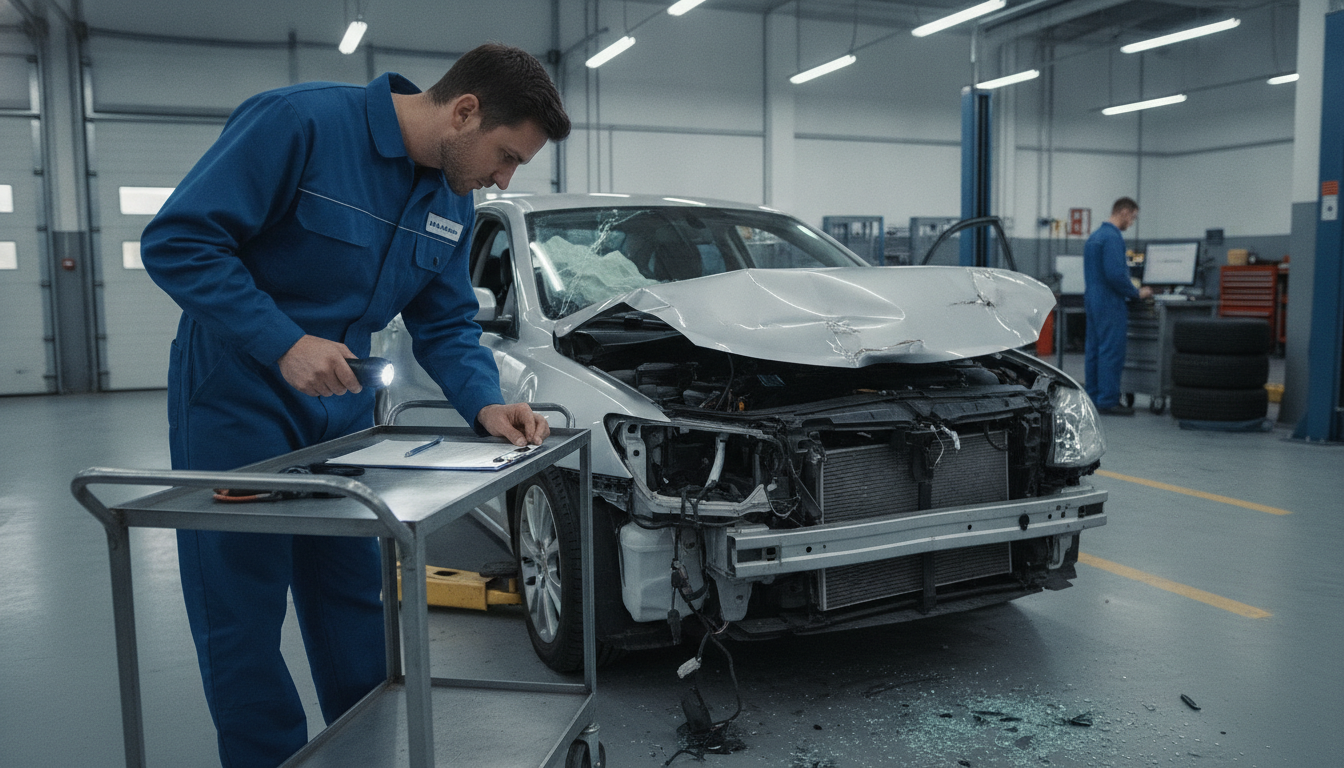
When you notice your car pulling after a minor accident, you may blame low tire pressure. Yet ignoring this sign can harm your vehicle safety. Even if the outside looks fine, hidden collision damage may affect parts unseen by an untrained eye.
A professional collision damage inspection can find problems with your steering, suspension, or alignment. Do not risk your safety on the road. For expert repairs in San Antonio, trust the team at Miracle Body and Paint Collision Center.
They can restore your ride to its original condition.
Key Takeaways
- Minor steering issues often indicate deeper structural problems.
- Visible body damage does not reflect the full extent of internal harm.
- Professional inspections are vital for maintaining long-term road safety.
- Alignment and suspension checks prevent expensive future repairs.
- Miracle Body and Paint Collision Center provides expert diagnostic services.
Understanding Airbag Deployment
A crash can do more than dent your bumper; it can change your car’s hidden geometry. Visible damage may distract you, while impact can trigger a chain reaction in your post-accident safety systems. These systems protect you, but they need a full check after any major collision.
A visual exterior check alone is a common mistake that can hide dangerous problems. A complete vehicle inspection checks internal parts, sensors, and structural supports. Ignoring these hidden issues can put you at risk on your next trip.
What Happens During Deployment?
When a collision occurs, sensors detect rapid deceleration and send an electrical signal to the airbag module. This starts a chemical reaction that fills the bag in a fraction of a second. The speed of this process is vital, because it creates a cushion between you and hard interior surfaces.
After deployment, the bag quickly deflates to preserve visibility and movement. Its rapid expansion and contraction can stress the dashboard, steering column, and nearby trim. Deployment happens once and permanently changes these components.
Safety Mechanisms of Airbags
Modern vehicles use complex geometry to protect you. If you notice your steering wheel off center after a crash, treat it as a major warning. It may show damaged suspension or steering linkage and affect your alignment after accident, making control harder.
Your vehicle’s safety depends on the exact calibration of these connected parts. The table below lists common signs that your vehicle needs professional attention:
| Indicator | Potential Issue | Safety Risk |
|---|---|---|
| Steering wheel off center | Suspension/Alignment damage | Loss of vehicle control |
| Airbag warning light | Sensor or module failure | Non-deployment in future |
| Uneven tire wear | Structural misalignment | Reduced traction |
| Dashboard cracks | Airbag module damage | Hazardous debris |
Why Airbags Deploy in Accidents
When a crash occurs, your car’s computer makes split-second decisions to protect you. These systems react faster than human reflexes to reduce injuries during high-force events.
Types of Collisions That Trigger Airbags
The impact location helps determine which safety systems activate. Frontal airbags usually deploy during head-on crashes when force exceeds a set threshold. Side-impact airbags use sensors in doors or pillars when they detect lateral force.
Rollover sensors also play a key role in modern vehicles. They track the vehicle’s angle and rotation rate to deploy curtain airbags if a rollover is imminent. Understanding these triggers helps you appreciate the complexity of your vehicle’s safety architecture.
Role of Sensors in Airbag Deployment
Sophisticated collision sensors act as the eyes and ears of your vehicle’s safety network. They monitor deceleration and structural vibrations to identify a genuine crash. If data matches pre-programmed criteria, the system fires airbag modules instantly.
Even a minor-looking impact can cause hidden issues. You might notice car pulling after minor accident if force reached the chassis. This often signals underlying suspension damage collision effects hidden from view.
If your steering wheel off center or you feel unusual vibrations after a bump, seek an inspection. These symptoms often indicate that impact force traveled through the wheel arch or bumper, affecting your alignment and handling components.
| Collision Type | Primary Sensor Trigger | Safety System Response |
|---|---|---|
| Frontal Impact | Frontal Accelerometers | Front Airbags Deploy |
| Side Impact | Pressure/Impact Sensors | Side Curtain Airbags |
| Rollover | Gyroscopic Sensors | Curtain Airbags/Pre-tensioners |
| Minor Bumper Tap | Low-G Impact Sensors | No Deployment |
Components That Require Replacement
Beyond deployed airbags, check for hidden mechanical damage after a crash. A severe impact can cause suspension damage collision problems that you may not see. An alignment check alone cannot find damaged physical parts.
Airbag Modules
After deployment, an airbag module becomes a single-use safety device. It must be replaced so the system works during a future incident. Never attempt to reuse or repair a deployed airbag module; it can threaten your safety.
Seatbelt Pre-tensioners
Seatbelt pre-tensioners work with airbags to protect you during a crash. They may lock or fire during impact, so replace them with the airbag system. If you see wheel damage curb impacts or other force signs, have professionals inspect these devices.
Control Modules
The Supplemental Restraint System (SRS) control module is the brain of your vehicle’s safety network. After deployment, it may store “crash data” that cannot be cleared, so replacement is needed. Technicians must also check for tie rod damage from the same event, so the vehicle handles safely.
Dashboard and Trim Damage
An airbag bursting through the dashboard can cause cracks and cosmetic damage. Fix these problems to protect the interior cabin’s structure. Experts will also look for bent suspension components that may change your vehicle’s geometry.
- Steering repair is essential if the vehicle pulls to one side after an impact.
- Physical damage to control arms or knuckles cannot be fixed by alignment alone.
- Professional diagnostics are required to identify hidden mechanical failures.
A thorough inspection helps restore your vehicle to factory safety standards. Do not overlook the mechanical foundation while focusing only on interior safety systems.
Cost Factors for Airbag Deployment Repair
When airbags deploy, the initial collision repair estimate often marks only the start of the repair story. Technicians can spot clear damage during a walk-around, but impact damage may stay hidden below the surface.
Professional shops may remove interior panels and trim to check the vehicle’s structural integrity. This inspection often uncovers hidden damage costs missed during the first assessment.
Parts and Labor Costs
The final bill depends on the parts and labor needed to restore your vehicle to factory safety standards. Airbag systems connect many parts, so one module replacement may also require new sensors, wiring harnesses, and seatbelt assemblies.
Technicians spend many hours following strict manufacturer protocols so the system works correctly. Your collision repair estimate should show this precise work for safety-critical components.
Cost Variation by Vehicle Make and Model
Each vehicle has a different design, which can change the total repair expense. Luxury vehicles and those with advanced driver-assistance systems often need special calibration, raising overall parts and labor investment.
A severe impact may damage the chassis and create a high suspension replacement cost. An alignment after accident check is standard, but it cannot replace a full inspection of damaged steering or suspension parts.
| Repair Category | Impact on Cost | Complexity Level |
|---|---|---|
| Airbag Modules | High | Advanced |
| Structural Trim | Moderate | Moderate |
| Suspension/Alignment | High | Advanced |
| Sensor Calibration | Moderate | High |
Importance of Professional Repair
After an impact, DIY repairs can miss serious problems. Small cosmetic damage may look harmless, but hidden structural damage can threaten safety.
Front-end crashes often damage parts behind the bumper. A professional vehicle inspection is the only way to confirm your car is safe to drive.
Risks of DIY Fixes
Home repairs may miss serious mechanical failures. For example, hidden tie rod damage can weaken steering and create danger at highway speeds.
Quick fixes may miss stress on the frame and chassis. Without tools that measure alignment, you could drive an unstable vehicle.
Benefits of Certified Technicians
A certified collision repair facility helps ensure that each part meets safety standards. Experts use advanced diagnostic equipment to find problems hidden during a basic visual check.
A full steering and suspension diagnosis is vital after any major impact. Certified professionals can restore your vehicle to its original factory safety specifications, protecting you and your passengers on the road.
Insurance Considerations
When your vehicle is damaged, managing your collision insurance claim helps guide your recovery. Good records serve as evidence when you speak with adjusters. They also help protect your rights throughout repairs.
When to File a Claim
File a claim as soon as you notice changes in how your vehicle works. If you notice poor alignment after accident, note pulling, shaking, or vibration at high speeds. Taking photographs of the scene and the specific damage gives you proof for your case.
Do not delay reports about safety or performance problems. Even minor damage can place major stress on internal parts. Early reports can help prevent later disputes with your insurance provider.
Understanding Your Coverage
Many owners overlook hidden damage coverage during the first inspection. Some structural problems stay hidden, so a professional inspection is vital. Ask your repair shop to complete a full diagnostic check before you sign final paperwork.
Before giving formal repair authorization, review your policy to confirm what it covers. Being proactive helps you request repairs that restore your vehicle to its pre-crash condition. Check that the estimate lists all parts and labor for visible and hidden damage.
Timeline for Airbag Repair
After a collision, getting your vehicle back on the road may not follow a straight path. Drivers often ask for a completion date, but each accident makes the collision repair timeline unique.
Modern vehicle systems make even simple repairs require careful planning. Technicians must check every safety component and restore it to factory standards before you drive away.
Estimating Repair Time
Initial estimates can change once technicians disassemble the vehicle. You might notice car pulling after minor accident, which can reveal hidden suspension damage collision issues.
If your steering wheel off center, the alignment and steering geometry need professional calibration. These hidden issues extend repairs because technicians need precise measurements and special tools.
Factors That Impact Repair Duration
Several factors affect how long your vehicle stays in the shop. Often, parts availability matters most; manufacturer delays can slow the whole process.
Insurance approval also affects repair speed. After the shop finds needed parts, the insurance adjuster must approve supplemental estimates before work can proceed.
Reassembly and quality control are essential. Technicians must test airbags and sensors to confirm every safety system works and protects you on the road.
| Repair Phase | Primary Influence | Estimated Impact |
|---|---|---|
| Initial Diagnosis | Hidden Damage | 1-2 Days |
| Insurance Approval | Claims Processing | 2-4 Days |
| Parts Procurement | Supply Chain | 3-7 Days |
| Final Testing | Quality Assurance | 1-2 Days |
Choosing the Right Collision Repair Center
Choosing the right collision repair center affects your vehicle’s safety and performance. Choose a facility that restores every mechanical part to factory standards, not just the body. A professional shop inspects your vehicle before and after repairs, helping protect your peace of mind.
What to Look for in a Repair Shop
When reviewing a shop, ask how it finds hidden mechanical problems. A quality facility checks for wheel damage from a curb or impact, including wheel damage curb signs. Technicians should check for tie rod damage, steering alignment, and suspension problems that may stay hidden.
Choose a shop with advanced tools for finding hidden faults. A trusted team gives a detailed estimate for body repairs and needed mechanical adjustments. Make sure the team fixes the whole vehicle, not only the surface, so it stays safe to drive.
To choose the best repair partner, consider these essential criteria:
- Advanced Diagnostics: Does the shop use modern equipment to detect hidden frame or suspension issues?
- Transparent Communication: Are they willing to explain the repair process and show you the damaged parts?
- Quality Assurance: Do they perform a final safety inspection before returning the vehicle to you?
- Warranty Coverage: Does the shop stand behind their labor and parts with a written guarantee?
Importance of Reviews and Certifications
Industry repair certifications show a shop’s commitment to excellent work. These credentials prove technicians received strict training for modern vehicle technology. A shop that invests in certifications values precision and safety.
Reading customer reviews shows what other drivers experienced. Look for praise about communication, timely updates, and repair quality. A shop with a strong community reputation usually treats every vehicle with care.
Miracle Body and Paint Collision Center Overview
When your vehicle is damaged, you need a team that looks beyond the surface. Many shops check only visible dents, but a professional collision inspection helps keep your car safe to drive. At Miracle Body and Paint Collision Center, we inspect every vehicle with care.
Experience and Expertise
Our technicians have training to find hidden problems after a crash. We check your vehicle’s steering, suspension, and wheel alignment. Finding subtle tie rod damage early can help prevent dangerous road failures.
We believe quality comes from careful work. Our San Antonio collision repair services include a complete vehicle assessment. We aim to restore your car to its original factory safety standards.
Locations and Convenience
We know vehicle repairs can cause stress, so we make the process easy. With 2 Locations to Serve You, we offer convenient support for local residents. Our team at Miracle Body and Paint Collision Center provides top-tier service at every visit.
Whether you need a quick estimate or complex repair, our facilities can help. Rely on our San Antonio collision repair experts to return safely to the road. We pursue excellence from the first inspection through your vehicle’s final delivery.
Services Offered at Miracle Body and Paint
Restoring your car after an accident needs special care for its looks and structure. At Miracle Body and Paint, we use advanced diagnostic tools to return your vehicle to factory specifications. Our technicians focus on safety and precision for peace of mind on the road.
Comprehensive Collision Repairs
We specialize in comprehensive collision repairs for many types of crashes. Whether damage affects the front, rear, or side, our team handles restoration from start to finish. We use high-quality parts and expert skill to keep your vehicle reliable.
Paintless Dent Repair
For minor cosmetic damage, we offer paintless dent repair as an efficient option. This method suits eligible dings and dents when the paint stays intact. It can save time and preserve the original factory finish without filler or repainting.
Frame Straightening
Major impacts can harm your vehicle’s structure, so you may need professional frame straightening. Our modern equipment realigns the chassis and helps maintain proper vehicle geometry. We also perform a thorough alignment inspection for hidden suspension damage collision issues affecting steering or tire wear.
These structural repairs are essential for your long-term safety. By combining precise frame straightening with a detailed alignment inspection, we help your car handle as it should. Trust our experienced team to restore your vehicle’s performance and structural health after any accident.
Customer Testimonials
Learning how past clients feel about restored vehicles shows the value of professional collision work. When you search for collision repair reviews, you want more than a quick fix. You want proof that your car is in capable hands.
Real Stories from Satisfied Clients
Many clients stress clear communication during the restoration process. They say our team explains each step, from the first assessment through the final quality check.
Positive customer experiences often focus on these service features:
- Transparent updates regarding parts availability and repair timelines.
- Thorough inspections that identify hidden damage beyond the surface.
- A commitment to using high-quality components that match factory specifications.
- Friendly staff who prioritize your peace of mind during a stressful time.
Impact of Quality Repairs on Vehicle Safety
True quality collision repairs do more than fix a dent or add fresh paint. We aim to restore your vehicle’s structure and mechanical performance.
After leaving our shop, you should feel sure your car handles, steers, and brakes as before. To ensure vehicle safety after repair, we verify every safety system, including airbags and sensors, works perfectly.
Our final quality checks give you complete confidence on the road. By checking the underlying mechanics, we help keep your vehicle safe for you and your passengers.
Frequently Asked Questions

After a collision, you may have questions about your vehicle’s health. Small handling changes can feel stressful after an incident. Learning about repairs can build confidence in your vehicle’s safety.
What to Expect During Repairs?
When you bring your vehicle in, technicians check it closely for hidden damage. A common concern is alignment after accident, which can show in several ways. You may see your steering wheel off center while driving straight or feel the vehicle drift.
A car pulling after minor accident does not always point to one fault. Tires, suspension parts, or steering geometry can cause similar symptoms. Technicians test-drive your vehicle and use special equipment to find the exact cause.
How to Prepare Your Vehicle for Service?
Proper collision repair preparation helps your service team work efficiently. Before your appointment, remove personal items so technicians can reach all areas. Also, prepare a list of vehicle inspection questions for your service advisor.
Describe exactly when you notice each symptom. Mention whether pulling happens during acceleration, braking, or certain speeds. These details help the team diagnose your vehicle faster and more accurately.
| Symptom | Potential Cause | Diagnostic Focus |
|---|---|---|
| Steering wheel off center | Alignment geometry | Steering angle sensor |
| Vehicle pulling | Tire pressure or wear | Suspension components |
| Vibration at speed | Wheel balance | Tire integrity |
| Uneven tire wear | Camber or toe settings | Frame alignment |
Contact Miracle Body and Paint Collision Center
Your vehicle deserves expert care after a collision. Car pulling after minor accident or an off-center steering wheel can put your safety at risk. These signs may show alignment, suspension, or structural issues that need prompt professional assessment.
Trust the experts at Miracle Body and Paint Collision Center to restore your vehicle to factory standards. Our team provides high-quality collision damage repair, so your car handles safely on the road. We conduct complete inspections to find hidden damage that affects your driving experience.
2 Locations to Serve You
We operate two convenient San Antonio collision repair facilities to help you. Our technicians use advanced tools to address every part of your vehicle’s recovery.
Visit our Bandera Road location at 7031 Bandera Rd, San Antonio, TX 78238, or call us at 210-680-2501. You can also reach our Huebner Road shop at 11701 Huebner Rd, San Antonio, TX 78230, by calling 210-558-9999. Contact our team today to schedule service and return to the road with confidence.

