

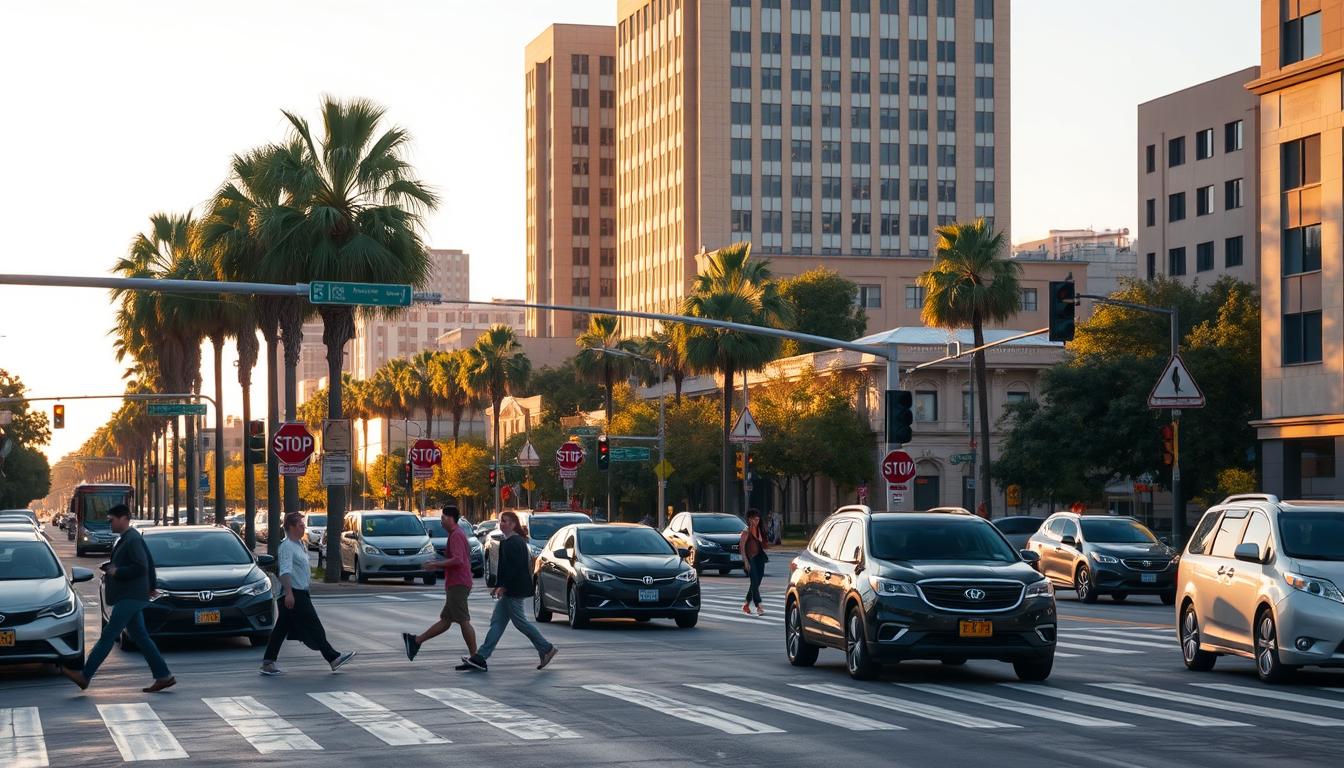
Your commute matters. In san antonio, busy corridors like I‑35, Loop 1604, and US‑281 see high crash counts during morning and evening peaks.
You’ll learn why this city records thousands of traffic accidents each year and which hazards raise your risk. Peak windows include 7–9 a.m. and 4–6 p.m., plus Fridays and fall months show higher totals.
Practical habits make a difference. Defensive driving, checking blind spots, keeping a space cushion, and cutting distractions cut your odds of collisions right away.
The guide also shows what to do after a crash and how to get your car repaired. For expert collision work, contact Miracle Body and Paint Collision Center—two convenient locations: North West san antonio – Leon Valley, (210) 680-1987, 6217 Grissom Rd., San Antonio, TX 78238; North East san antonio, (210) 858-3630, 4650 Walzem Rd, San Antonio, TX 78218.
Key Takeaways
- Understand why san antonio has a higher share of traffic accidents and where risks cluster.
- Learn the top causes of car accidents and practical steps to avoid each one.
- Focus on commute windows, blind spots, and crowded arteries when you plan travel.
- Use defensive driving, maintain distance, and eliminate distractions to reduce crash risk.
- Know the immediate actions after a collision and how to start repairs with Miracle Body and Paint.
Why San Antonio’s roads see so many crashes right now
Yearly crash totals make it clear: you face higher odds of being involved in an accident here than in many Texas cities. In 2021, the city logged 38,461 traffic accidents — roughly 9% of the state’s crashes while holding about 5% of the population.
What recent crash statistics say about risk on city streets and highways
The numbers show both volume and severity. Vulnerable road users were hit hard in 2021 with 941 pedestrian and cyclist crashes, causing 67 deaths and 773 injuries.
When crashes spike
Crash volumes peak during commute windows: 7–9 a.m. and 4–6 p.m. Fridays are the riskiest day and September has among the highest monthly totals.
Where danger concentrates
High-risk corridors include I‑35/US‑87, I‑10, I‑410, US‑281 and busy arterials like Culebra and Bandera. Merges, ramps, and heavy traffic create chokepoints where collisions cluster.
- Expect higher traffic and more lane changes near schools, events, and holidays.
- Adjust routes or times to reduce exposure during peak windows.
- After an accident, contact Miracle Body and Paint Collision Center: North West Leon Valley (210) 680-1987 or North East (210) 858-3630.
The top causes of car accidents in San Antonio—and how you can counter them
Every day, common driver errors — from glancing at a phone to braking too late — create most of the crashes you see on city streets and highways. Understanding the main causes helps you avoid an accident and reduce injuries.
Distracted driving on busy roads: phones, in‑car tasks, and divided attention
Distracted driving tops the list. Silence notifications, mount your phone for navigation only, and keep both hands on the wheel.
Texas bans texting while driving, so remove temptation and keep your attention on traffic signals and brake lights.
Speeding and tailgating on fast corridors
Long, fast stretches encourage unsafe speed and close following. Manage speed to conditions and give a wider space cushion to absorb sudden braking.
Impaired driving’s outsized toll
Impaired drivers cause a large share of fatal crashes in the city. Plan a sober ride—rideshare, designated driver, or transit—to protect yourself and others.
Failure to yield, red‑light running, and blind‑spot errors
Intersection and merge crashes often come from red‑light running and missed head checks. Make full stops, scan thoroughly, and yield patiently to oncoming traffic and pedestrians.
- Program routes to avoid last‑second merges and set mirrors for proper blind‑spot checks.
- Respect the texting ban to keep situational attention on the road and signals.
- If a collision occurs, Miracle Body and Paint Collision Center can restore your car at Leon Valley (210) 680-1987 or Walzem Rd (210) 858-3630.
Peak danger windows on San Antonio roads and smarter ways to plan your trip
When roads fill quickly, small errors turn into collisions—knowing the worst times helps you avoid them.
Commute hours to treat with caution: 7–9 a.m. and 4–6 p.m.
The busiest times are the 7–9 a.m. and 4–6 p.m. commute windows. During those hours, traffic volume and lane changes rise sharply.
You should budget extra time so you won’t rush and can keep steadier speeds on the road.
Fridays, school zones, and special events: adapting routes to limit exposure
Fridays show higher crash counts while Sundays are usually calmer. School pickup and event egress create short, intense surge periods near campuses and venues.
Choose alternative streets, use perimeter parking, or stagger your departure to avoid chokepoints at dismissal or after events.
Seasonal and weather factors: fall peaks, sudden rain, and visibility issues
Crash volume rises through spring and summer and often peaks in September. Sudden rain cuts visibility and lengthens stopping distances.
Check wipers, turn on headlights in rain, and expand your following distance well beyond dry‑weather norms.
- Use live maps to reroute before last‑second lane changes.
- Avoid discretionary trips on high‑volume Fridays and peak commute times.
- Set a flexible buffer in your schedule to reduce rushing and improve decision making.
If a crash occurs and you need repairs, contact Miracle Body and Paint Collision Center any time: Leon Valley (210) 680-1987, 6217 Grissom Rd.; Northeast (210) 858-3630, 4650 Walzem Rd.
High‑risk roads, highways, and intersections you should approach with extra care
Traffic patterns and complex merges create predictable danger zones you should treat with extra care.
These corridors demand focused driving because congestion and weaving raise the odds of a crash.
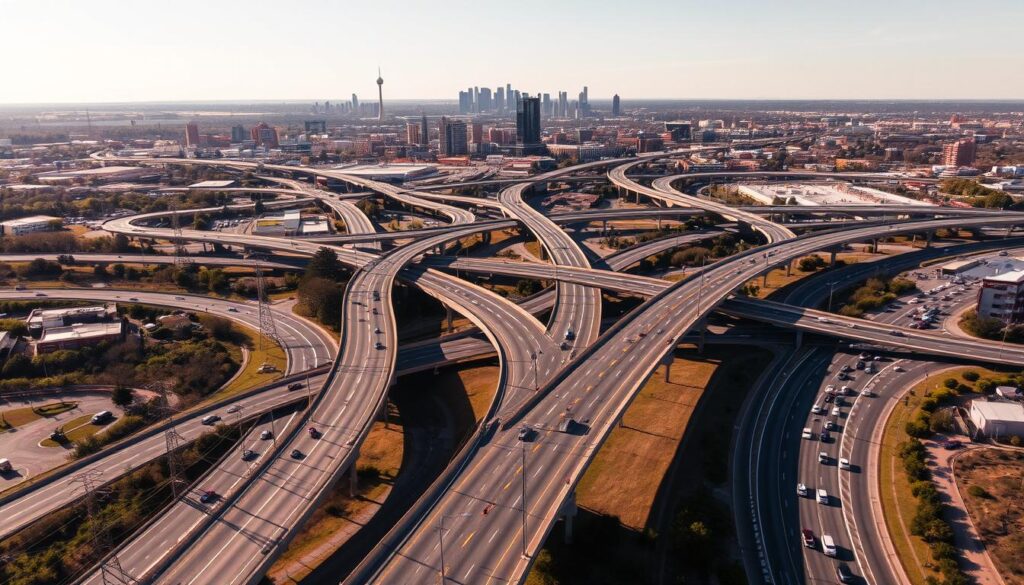
Highways with heavy congestion
I‑35/US‑87, I‑10/US‑87, and I‑410/TX‑16 see tight headways and frequent lane changes. Expect sudden stops and merging vehicles that can cause rear‑end accidents.
Major arterials with frequent crashes
Arterials such as Culebra Rd., Bandera Rd., and Military Dr. have many access points, bus stops, and driveways. Select lanes early and watch for turning vehicles and pedestrians.
Notorious intersections to treat cautiously
Intersections to slow for include Commerce & Zarzamora, Buena Vista & Zarzamora, Culebra & Bandera, and McCullough at the I‑35 ramps. Cover the brake, verify cross‑traffic yields, and avoid aggressive lane changes near queues.
- You should keep a steady gap and resist tailgating; small speed shifts cascade into collisions on busy streets.
- You can plan alternate frontage roads during peak traffic to cut exposure on the worst links.
- You’ll reduce accidents by offsetting your lane position to improve sight lines around large vehicles.
If you’re involved in a collision on any of these corridors, Miracle Body and Paint Collision Center can help at both San Antonio locations: (210) 680-1987 and (210) 858-3630.
San Antonio Road Safety tactics that actually reduce your crash risk
Small routine choices—like when you look ahead or how you merge—make big differences in crash odds. Use these compact habits every trip to protect yourself and others.
Defensive driving basics
Keep a space cushion of three to four seconds in normal conditions. Extend that to six seconds or more in rain or heavy traffic.
Scan 12–15 seconds ahead and check mirrors often so you notice hazards early. Signal early and merge courteously—match speed and leave room for other drivers.
Manage speed to match conditions
Adjust speed for weather, visibility, and congestion on highways and surface streets. Slower, steadier speeds cut braking surprises and reduce crash risk.
Blind‑spot discipline
Set mirrors to reduce overlap, and always perform a quick head check before lane changes. Wait for clear gaps instead of forcing tight openings between vehicles.
Distraction‑free driving
Put the phone out of reach and enable do‑not‑disturb. Program navigation before you depart and keep your attention on signs, signals, and moving vehicles.
- You can keep vehicles predictable with smooth braking and steady throttle to avoid accordion effects.
- You should adopt “no surprises” driving: clear signals, consistent lane holding, and yield when unsure.
- If you need professional repairs after a crash, contact Miracle Body and Paint Collision Center: Leon Valley (210) 680-1987; Walzem Rd (210) 858-3630.
What to do right after a crash in San Antonio today
Stay calm and work through a short checklist. Your first actions protect health, preserve evidence, and set up any later case or claim.
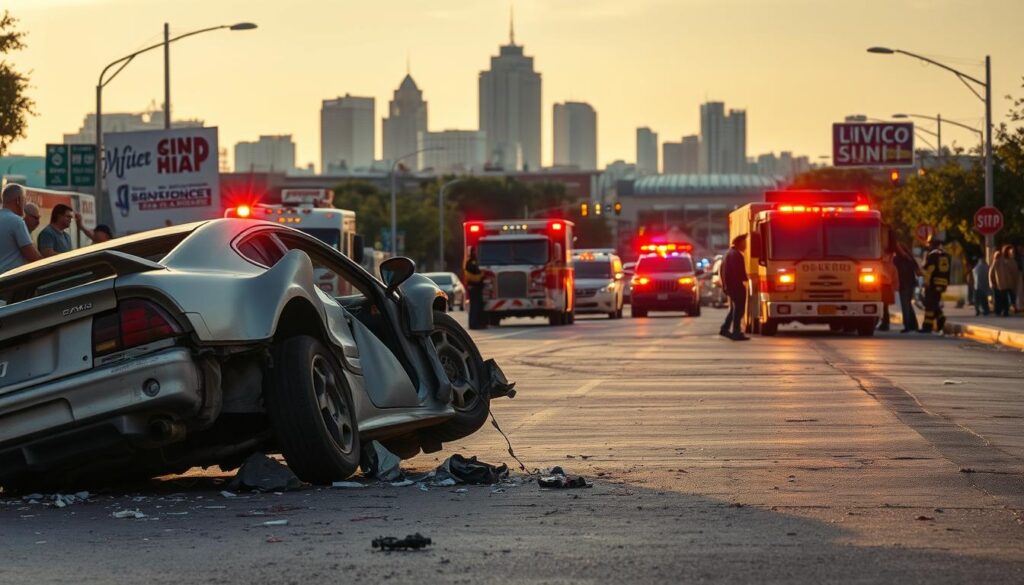
Immediate steps: Check for injuries and call 911 if anyone is hurt. If it is safe, move vehicles out of traffic and turn on hazards. Texas law requires you to stop and report crashes involving injury or major damage, so get police on scene.
Protect your claim and your health
- Exchange names, plates, and insurance details with other drivers and any witnesses.
- Photograph vehicle damage, skid marks, traffic signals, weather, and nearby debris from several angles.
- Accept on‑scene medical checks and seek prompt follow‑up—some injuries show up later.
- Notify your insurer quickly and avoid recorded statements without advice from an accident lawyer.
- Remember Texas is an at‑fault state and you generally have two years to file a personal injury case.
After you complete these steps, arrange towing and repairs with Miracle Body and Paint Collision Center: North West San Antonio – Leon Valley, (210) 680-1987, 6217 Grissom Rd., San Antonio, TX 78238; North East San Antonio, (210) 858-3630, 4650 Walzem Rd, San Antonio, TX 78218.
Conclusion
A few consistent habits will lower your odds of a collision and help you recover faster if one occurs.
Drive defensively, avoid distractions, and plan around peak commute times on I‑35, I‑10, I‑410, Loop 1604, and US‑281 to cut risk on busy highways and streets.
If a car accident happens, protect health, document the scene, notify your insurer, and consider whether a lawyer should review your case.
For expert collision repairs, hire Miracle Body and Paint, a strong, trusted shop with two locations to serve you: North West Leon Valley (210) 680-1987, 6217 Grissom Rd.; North East (210) 858-3630, 4650 Walzem Rd.
Follow these steps and you’ll drive smarter, recover quicker after crashes, and keep your vehicle working reliably.

