

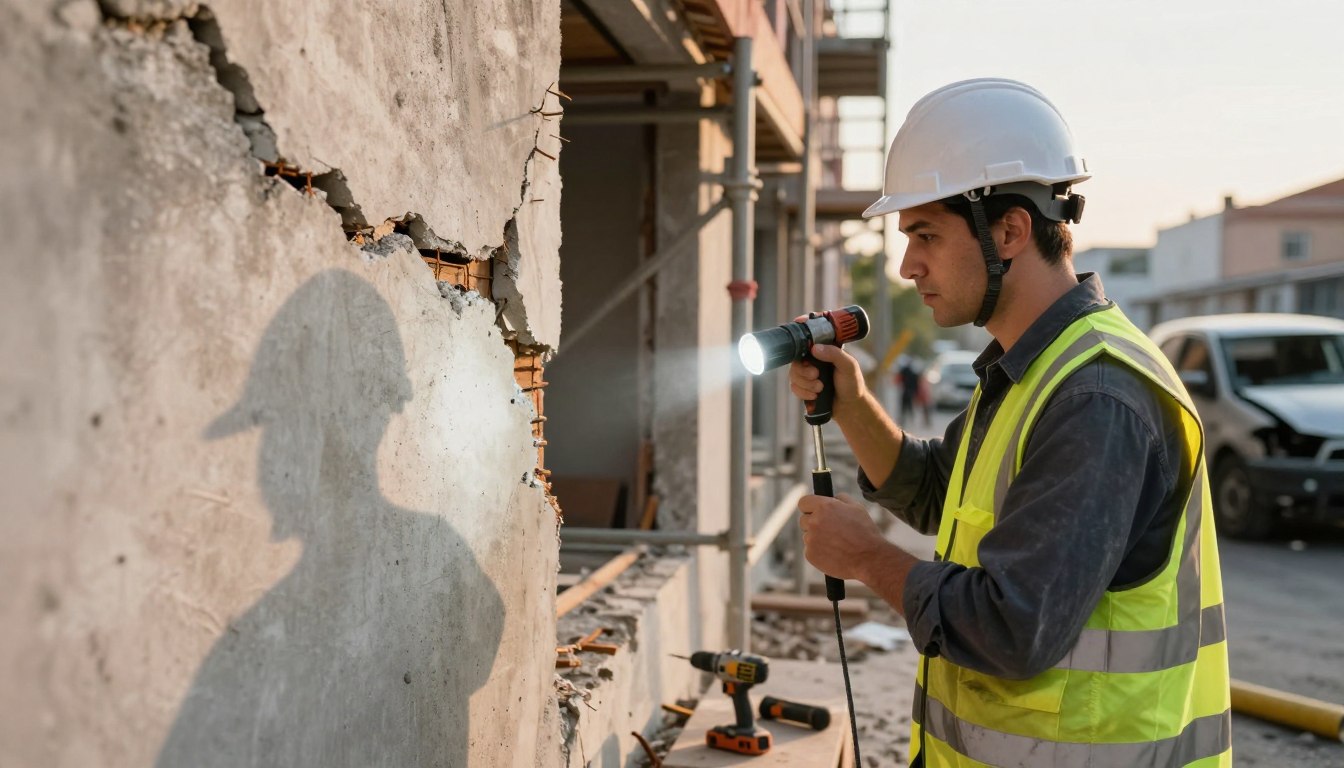
You might think a minor fender bender is nothing to worry about if your car drives well. Many drivers assume that if the exterior looks fine, their vehicle is safe. But this is a dangerous mistake.
Even small collisions can cause internal issues that compromise your safety. These hidden problems often go unnoticed until they lead to more serious complications later on.
Protecting your investment starts with recognizing that not all issues are visible to the naked eye. You need a professional assessment to ensure your car is truly secure.
Miracle Body and Paint Collision Center understands how to identify these subtle warning signs. We specialize in expert Structural Damage Repair to restore your vehicle to its original safety standards. Do not leave your family’s safety to chance after an accident.
Key Takeaways
- Minor accidents often hide significant internal safety issues.
- Visual inspections are rarely enough to detect frame misalignment.
- Ignoring small signs can lead to expensive long-term problems.
- Professional diagnostics are essential for your peace of mind.
- Miracle Body and Paint Collision Center provides expert care for your vehicle.
Understanding Structural Damage in Vehicles
After a minor collision, your car might look fine at first glance. But, the truth often lies beneath the surface. Modern cars are built to be light and safe. Even a small crash can cause structural damage repair that’s hard to spot.
What Is Structural Damage?
Structural damage is hidden under your car’s outer panels. It includes frame shifts or mechanical issues you can’t see right away. Modern unibody designs make it harder to spot because they mix the frame and body together.
When this structure is damaged, your car won’t absorb energy well in future crashes. You can’t always see these problems with your eyes. That’s why getting a professional check is key. A quick look might miss serious, hidden issues.
Common Causes of Structural Damage
Many think only fast crashes can hurt a car’s structure. But, even slow bumps can cause big problems. A small hit against something hard can bend your car’s metal skeleton.
These hidden problems happen because impact forces spread through the whole car. If not absorbed right, they hit the car’s weak spots. So, even if your car looks okay, structural damage repair is vital.
Why Structural Integrity Matters
Your car’s structure is its main safety feature. It acts like a shield in accidents, soaking up force to protect you. If it’s damaged, your car might not be safe in future crashes.
Keeping your car strong is key for safety and reliability. Ignoring hidden damage can cause bad handling, uneven tires, and faulty airbags. Getting structural damage repair right keeps your car safe for you and your family.
Recognizing the Signs of Damage
You might think your car is okay after a small bump, but damage can hide. Some impacts are obvious, but others are subtle. Paying close attention to these small details can prevent big problems later.
Visible Cracks and Dents
When checking your car, look beyond the surface scratches. Deep cracks in the paint or metal ripples mean the structure took a big hit. These signs show the metal has stretched or compressed too much.
Uneven Gaps in Body Panels
Your car has exact gaps between panels like the hood and trunk. If these gaps are off, it means the frame has moved. Even a tiny shift can mess up the car’s shape.
While our eyes are good, they can’t always spot these changes. Computerized frame measuring systems are needed to see these small shifts. These tools give the exact data to check if your car’s foundation is okay.
Door Alignment Issues
Doors that don’t close right or need more force to latch can mean trouble. Do not ignore these changes. They often mean the door hinges or pillars have moved.
The Importance of a Professional Inspection
Even a small crash can hide big problems inside your car. It might look okay on the outside, but inside, things can be different. A detailed vehicle inspection is the best way to find these hidden issues before they get worse.
How Experts Identify Hidden Damage
Today’s cars have complex systems and sensors to keep you safe. Experts use special tools to talk to your car’s computer. These tools find hidden problems with your car’s safety features and engine.
Specialized equipment lets techs see more than just the metal. They check if all electronic parts are working right. This is something you can’t do just by looking.
Benefits of Early Detection
Getting a vehicle inspection right after an accident gives you peace of mind. You’ll know for sure if your car is safe. Finding small problems early can stop them from becoming big ones.
Also, fixing small issues now saves you money later. It’s cheaper to fix a small sensor problem than a big electronic module. Plus, it keeps your car’s value up by making sure repairs are done right.
Long-Term Consequences of Ignoring Damage
Ignoring damage can lead to expensive problems later. A bad sensor could cause your car to lose important safety features or performance. It’s not worth the risk when a simple check can tell you what’s going on.
The table below shows why getting a pro to check your car is better than just looking:
| Feature | Visual Check | Professional Inspection |
|---|---|---|
| Sensor Accuracy | Cannot verify | Confirmed via scan |
| Hidden Structural Integrity | Often missed | Thoroughly evaluated |
| Safety System Status | Unknown | Fully validated |
| Long-term Reliability | High risk | Verified performance |
In the end, a detailed vehicle inspection is your best defense against unexpected repair costs. Don’t risk your safety after a crash. Make sure your car is safe by letting experts check it out.
The Role of Frame Alignment
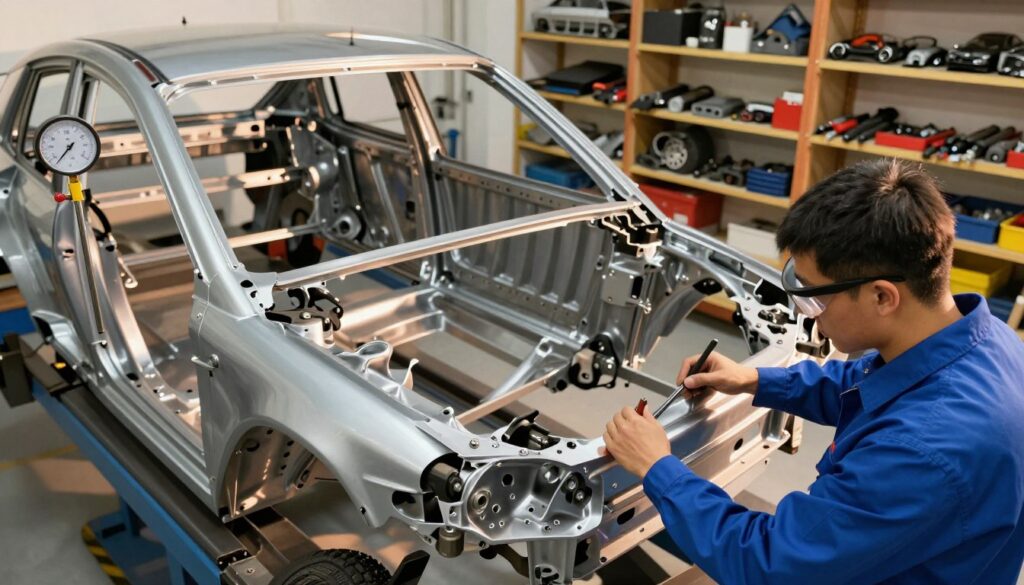
Your vehicle’s frame is like its backbone. It keeps everything in its right place. Even a small crash can bend parts of the unibody. This makes the whole structure weak. To fix this, you need frame repair to make your car safe and sound again.
What Frame Alignment Entails
Frame alignment is a detailed process. It uses special tools to check the car’s frame against the original specs. Technicians then use force to move the metal back to its exact original position. This makes sure all parts fit together perfectly.
Symptoms of Poor Frame Alignment
One sign is if your car pulls to one side while driving straight. Another is uneven tire wear, meaning the wheels aren’t straight. If you hear weird noises or doors don’t close right, your frame might be off.
Effects on Vehicle Performance
Frame problems are big because they mess with how your car drives and handles crashes. A bad frame means your car’s crumple zones don’t work right. This is bad for safety. Getting your frame fixed right keeps you and your passengers safe.
| Feature | Aligned Frame | Misaligned Frame |
|---|---|---|
| Handling | Stable and predictable | Drifting or pulling |
| Tire Wear | Even and consistent | Rapid, uneven wear |
| Safety | Optimal crash protection | Reduced structural integrity |
| Repair Status | Factory specifications | Requires professional attention |
Water Leaks and Moisture Symptoms
Water intrusion can quietly damage your vehicle after an accident. Even a small crash can warp the frame or body panels. This can break the weather seals around doors, trunk, or hood, letting moisture in.
Sources of Leaks After an Accident
Bumper covers play a big role in protecting your vehicle. They are made to flex and hide foam or metal absorbers. But, even if the cover looks fine, the structure might be damaged.
When parts move out of place, gaps form between panels. Even a millimeter of separation lets rain or car wash water in. You might not notice right away, but your vehicle’s seals are likely broken.
Consequences of Ignoring Water Damage
Ignoring leaks can cause big problems for your vehicle. Moisture inside can lead to rust, which damages the metal frame. Once rust starts, fixing it is hard and expensive.
Water also harms your car’s electrical system. Modern cars have many sensors and wiring that can’t handle dampness. Moisture can cause electrical failures or short circuits, which are hard to fix. Early detection helps avoid these costly issues and keeps your vehicle safe.
The Impact of Minor Accidents
Adrenaline can hide the real damage after a fender bender. You might think your car is okay because it runs well. But, your body is stressed, and you might not notice small changes in your car.
When a Minor Accident Becomes Major
Many think a minor accident is no big deal if the car works. But, a small scratch can hide underlying structural stress. Daily driving can make these weak spots fail over time.
Ignoring small misalignments can lead to bad tire wear or poor braking. Not fixing these issues early can turn a simple fix into a costly mechanical failure. Remember, car damage often gets worse over time.
Case Studies of Overlooked Damage
Imagine a low-speed rear-end collision. The bumper looks fine, so the owner skips a check-up. Later, they find bent brackets causing hidden water leaks and rust in the trunk.
Another example is a side-swipe that looks minor. But, it might have bent door hinges or the frame rail. This can cause wind noise, water leaks, or doors that won’t close in an emergency. Proactive assessment is key to keeping your car safe.
Signs of Interior Damage
A small accident can hurt your car’s inside more than you think. The internal components take a big hit during a crash. If you ignore these signs, you might face long-term problems and safety issues.
Upholstery and Dash Signs
Examine your dashboard and seats for damage. A sudden shock can break plastic clips or shift mounting points. This can cause misaligned panels and new noises.
Watch out for these signs of interior damage:
- Gaps between the dashboard and door panels.
- Tears or wrinkles in seat upholstery near seatbelts.
- Loose trim pieces that feel unstable.
Electrical System Issues
Modern cars have over 80 sensors for safety and performance. A crash can stretch or loosen wiring behind your dashboard. These electrical system issues are hard to find without special tools.
You might see problems like flickering dashboard lights or odd behavior in features like power windows. If your car’s computer shows unexpected warning codes, get a technician to check the wiring.
| Symptom | Potential Cause | Severity |
|---|---|---|
| Flickering dashboard lights | Loose wiring harness | High |
| Misaligned interior trim | Broken mounting clips | Low |
| Erratic sensor behavior | Damaged sensor connection | High |
| New cabin rattles | Shifted structural supports | Medium |
Assessing Post-Accident Vehicle Safety
Modern cars have many safety features that rely on sensors. These sensors help keep you safe. After a crash, even a small one, these sensors might move. It’s important to get a vehicle inspection to find any hidden problems before you drive again.
How Damage Affects Safety Features
Your car’s safety systems need to work together perfectly. If the car’s body gets damaged, these systems can fail. This is because they need to be in the right place to work well.
Automatic emergency braking is another key feature. It needs to be set up just right to work. A vehicle inspection makes sure everything is back to normal.
Importance of Airbag Functionality
Airbags are your last defense in a big crash. Their sensors are often in danger of getting hit. If these sensors get damaged, the airbag might not work right.
Just because your car looks okay doesn’t mean everything is fine. A pro needs to check that all safety systems are working. This gives you the confidence that your car will keep you safe.
| Safety System | Impact of Misalignment | Risk Level |
|---|---|---|
| Lane-Keeping Assist | Inaccurate road tracking | Moderate |
| Blind Spot Monitor | Delayed hazard detection | High |
| Emergency Braking | Failure to stop in time | Critical |
| Airbag Sensors | Delayed or no deployment | Critical |
Common Myths About Structural Repairs
Many people think their car is okay if it looks fine. But, hidden damage is common and needs expert care.
“It’s Just Cosmetic”
Some think structural problems are just about looks. They believe if the car looks good, it’s safe. But, Structural Damage Repair is often needed, even if the car looks perfect.
Insurance companies know this. They let you file extra claims if more damage is found later. If hidden problems are found, you won’t have to pay for it all. Ignoring these signs can make your car less safe in the future.
“Repairs Are Too Expensive”
Some worry that fixing their car will cost too much. But, a good Structural Damage Repair is cheaper than driving a car that’s not safe. Ignoring repairs can cause bigger problems, like mechanical failures and uneven tire wear.
Fixing your car early is a smart investment in your safety and your car’s life. It stops more expensive problems from happening later. See the table below to understand why getting help is the best choice.
| Factor | Ignoring Damage | Professional Repair |
|---|---|---|
| Safety Level | Compromised | Restored |
| Long-term Cost | High (due to secondary damage) | Predictable (one-time investment) |
| Vehicle Value | Significant Depreciation | Maintained Value |
| Structural Integrity | Weakened | Certified Standards |
Choosing the Right Repair Facility
Choosing the right repair facility is key to your vehicle’s safety and performance. Picking a professional collision center is a critical decision after an accident.
A top-notch shop does more than just fix paint scratches. It makes sure your car is safe for the road.
What to Look for in a Collision Center
Look for advanced diagnostic tools when evaluating a shop. A good collision center will do precise frame measurements. This ensures the chassis is perfectly aligned.
Also, check if they handle ADAS recalibration. Modern cars have complex sensors that need professional adjustment after even a small impact.
Ask the staff about their repair protocols. A shop that focuses on structural integrity is better for your peace of mind.
Why Experience Matters
Experience makes a big difference in repairs. Trained technicians can spot hidden issues that are easy to miss.
Choosing an experienced collision center means your car is in expert hands. They know how to restore your car to its original safety standards.
Never settle for a shop without proper certification or tools. Your safety depends on the quality of the work done.
Miracle Body and Paint Collision Center: An Overview
Miracle Body and Paint Collision Center is here to fix your vehicle to its original state. We have two locations in San Antonio, making it easy for locals to get expert help. Our collision center is all about precision and care, ensuring your car is safe and in top shape.
Our Services
We handle everything from small dents to big repairs. Our team uses advanced diagnostic tools to find hidden damage. Choosing us means you get top-notch work and clear updates every step of the way.
Customer Reviews
Our good name comes from happy customers. People trust us because we’re honest and care about your safety. Check out our testimonials to see how we’ve helped others in San Antonio feel safe behind the wheel again.
| Service Category | Primary Benefit | Expertise Level |
|---|---|---|
| Structural Repair | Restores Safety | High |
| Diagnostic Testing | Identifies Hidden Damage | High |
| Customer Support | Transparency | High |
How to Prepare for Your Visit
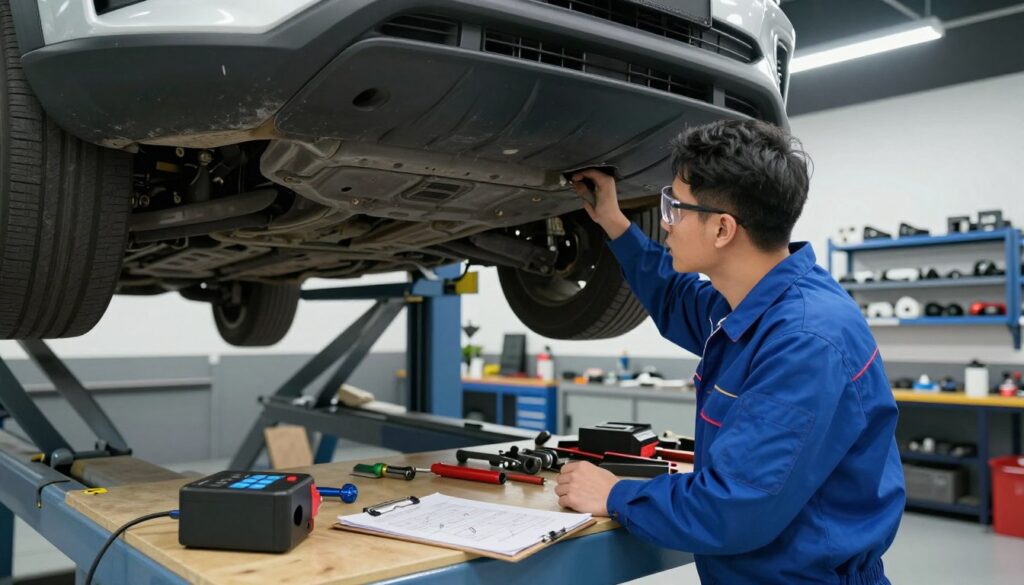
Getting ready before your vehicle inspection can save you a lot of time and stress. When you’re prepared, your collision specialist can focus on checking the damage. This way, your repair process can start smoothly.
Documenting Damage
Good documentation is key for a successful repair claim. Bring clear, high-quality photos of the damage from different angles. Detailed visual evidence helps insurance adjusters approve repairs faster.
If you have a preliminary estimate from insurance, bring it with you. Having this ready during your vehicle inspection helps spot any differences. This can make the approval process smoother.
Questions to Ask Your Collision Specialist
It’s important to ask questions to understand the work fully. Clear communication is key for your peace of mind. Here are some questions to ask:
- What is the estimated timeline for completing these repairs?
- Will you be using original equipment manufacturer (OEM) parts for my vehicle?
- How will you handle any hidden damage discovered during the teardown process?
- Can you explain the specific steps involved in restoring my car’s structural integrity?
Asking these questions shows you care about the quality of your repairs. Professional collision centers appreciate clients who are involved in their vehicle’s care.
The Repair Process Explained
When you bring your vehicle in for service, our team follows a detailed multi-step repair process. We make sure every part is fixed to its original factory standards. This careful method ensures your car works just like it did before the accident.
Initial Assessment Steps
The journey to a fully restored vehicle starts with a detailed diagnostic check. We do pre-repair scans to find hidden problems in your vehicle’s electronic parts, sensors, and airbags. These digital checks help us create a clear plan before we start any physical work.
By finding these hidden issues early, we avoid problems later on. Accuracy is our top priority at this stage. We document every detail to make sure your insurance and our team are on the same page about the needed repairs.
Types of Repairs Involved
After the assessment, our technicians start the mechanical and structural repair phase. We use advanced frame repair methods to fix any structural changes from the accident. This is key for keeping your car safe and handling well on the road.
We also work on the complex electronic systems of modern cars. We do post-repair scans to check that all sensors and modules are working right. This final step makes sure your safety features, like collision avoidance systems, are ready to go.
| Repair Stage | Primary Focus | Safety Benefit |
|---|---|---|
| Diagnostic Scan | Electronic Modules | Identifies hidden faults |
| Structural Work | Frame Repair | Restores vehicle geometry |
| Final Calibration | Sensor Alignment | Ensures system accuracy |
| Quality Control | Performance Testing | Verifies road readiness |
Your Next Steps After an Accident
Your safety is the most important thing after an accident. Make sure your car gets a detailed check for hidden damage. A professional frame repair will make your car safe and strong again.
Miracle Body and Paint Collision Center is here for you. We fix all kinds of car damage. Our team knows how to fix modern cars with care and skill.
We have two shops in San Antonio to help you. Our North West San Antonio shop is at 6217 Grissom Rd, San Antonio, TX 78238. Call (210) 680-1987 to visit. Our North East San Antonio shop is at 4650 Walzem Rd, San Antonio, TX 78218. Call (210) 858-3630 to reach us.
Choose a reliable collision center for your repairs. Contact us to book your car’s check-up. Let our experts help you feel safe and get you back on the road.

