

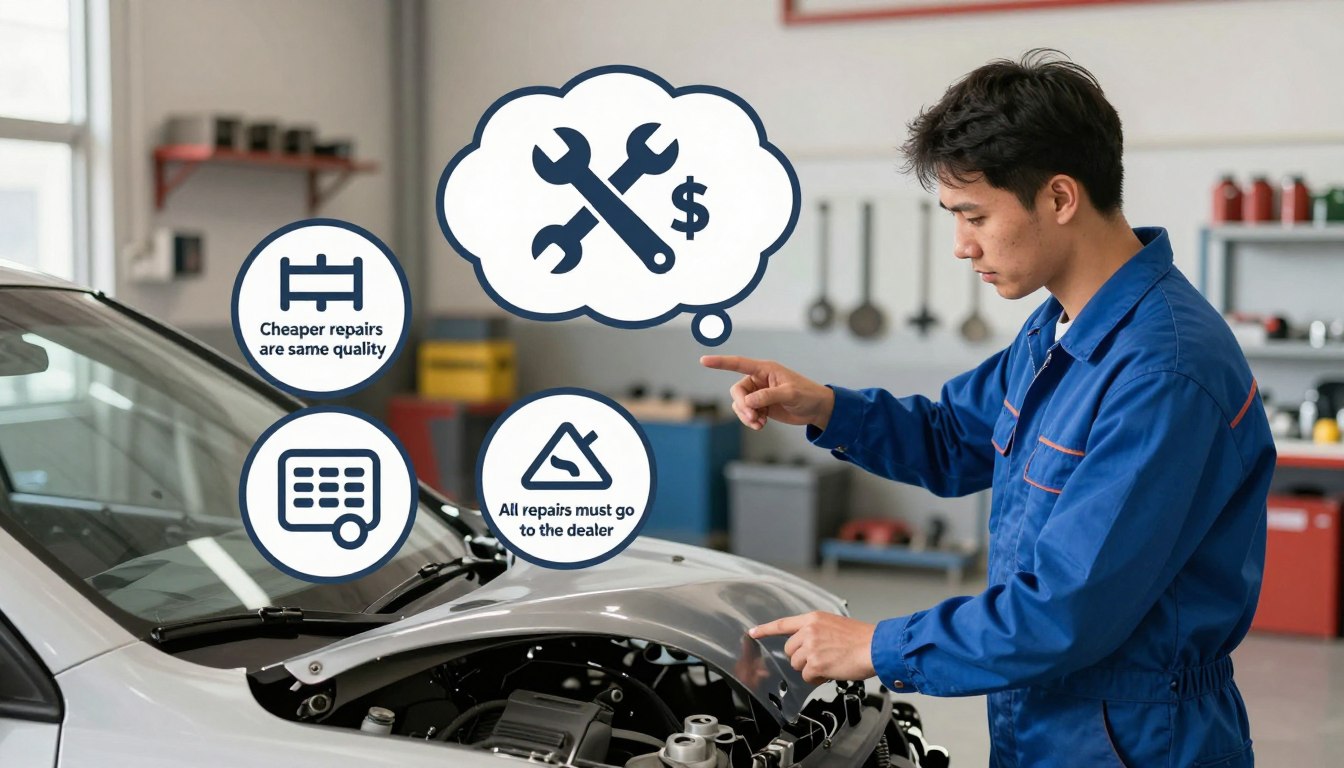
Getting into a car accident is stressful. You want your car fixed fast, but bad info can cost you money. Many drivers believe Collision Repair Myths that seem true but aren’t.
At Miracle Body and Paint Collision Center, we’re all about being clear. Our team helps you know what’s real and what’s not. This way, you can make smart choices after an accident. Making informed choices helps avoid extra costs and keeps your family safe.
Key Takeaways
- Understand how misinformation leads to higher out-of-pocket costs.
- Learn why choosing the right shop is vital for your vehicle’s safety.
- Discover the truth about insurance claims and shop selection.
- Protect your car’s resale value by avoiding substandard fixes.
- Trust professional guidance to navigate the restoration process effectively.
Understanding Collision Repair Myths
Dealing with car maintenance can feel like a minefield of false information. When your car gets damaged, you need fast and reliable fixes. But, relying on Collision Repair Myths can lead to bad choices. These myths can harm your car’s safety and value.
What Constitutes a Collision Repair Myth?
A myth in car care is a false belief about accident repair. These myths make complex repairs seem simple. They also suggest all shops are the same, which is not true.
To protect your car, you need to spot these body shop myths. Here are some common false sources:
- Old advice from previous car owners.
- Ads that focus on low prices over quality.
- Rumors on social media without expert backing.
- Thinking modern cars work like old ones.
Why Myths Persist in the Auto Industry
These myths stick around because they seem easy and right. People often want simple answers to complex problems. Also, car tech changes fast, making old advice outdated.
The auto industry’s lack of clear info helps myths spread. Drivers who don’t get car tech might believe anything. By staying informed and doubting common myths, you make sure your car gets the right care.
Myth 1: You Must Always Go to the Dealer for Repairs
Many people believe that only dealerships can fix your car after an accident. They worry that independent shops don’t have the right skills. But, you can choose any repair shop that fits your needs and budget.
Understanding OEM vs. Aftermarket Parts
When it comes to insurance repair, the type of parts used is a big concern. OEM parts are made by the car’s manufacturer and fit perfectly. Aftermarket parts are made by other companies and can be less reliable.
- OEM Parts: Designed for exact specifications and predictable performance.
- Aftermarket Parts: Often more affordable but require careful selection to ensure quality.
| Feature | OEM Parts | Aftermarket Parts |
|---|---|---|
| Fitment | Perfect/Predictable | Variable |
| Cost | Higher | Budget-Friendly |
| Availability | Dealerships | Independent Shops |
Cost Effectiveness of Independent Shops
Independent repair centers offer superior, personalized service that dealerships can’t match. They work with many suppliers, which means they can often be cheaper. By choosing a local shop, you might save money and get great service.
The quality of your repair depends on the technician’s skill, not the shop’s name. Many independent shops have certified experts who can fix your car like new. You should explore these options to get the best care for your vehicle.
Myth 2: Your Insurance Company Dictates Repair Shops
You might feel pressured to use a specific shop after an accident. But, this is one of the most common collision repair myths. Many drivers think they must use the shop chosen by their insurer because they pay premiums. This leads to settling for less than the best service to please the adjuster.
Consumer Rights Regarding Repair Choices
In the United States, you have the legal right to choose your own repair facility. Insurance companies suggest “preferred” or “direct repair” shops to make things easier for them. But, you are never legally forced to use these shops if you prefer someone else.
Choosing your own shop means you can focus on quality and safety over what’s convenient for the insurer. Look for a place that uses certified parts and has skilled technicians. Your vehicle is a big investment, and it should be fixed by people you trust.
The Role of Insurance in Collision Repairs
Your insurance provider’s main job during an insurance repair is to pay for the claim. They might suggest a shop, but it’s often because of the rates, not the quality of work. Remember, these body shop myths can end up costing you more if the repairs aren’t done right.
| Feature | Insurance-Preferred Shop | Independent Repair Shop |
|---|---|---|
| Repair Choice | Suggested by Insurer | Selected by You |
| Primary Focus | Cost and Speed | Quality and Safety |
| Parts Used | Often Aftermarket | OEM or Quality Parts |
| Accountability | To the Insurance Company | To the Vehicle Owner |
Always check your policy and tell your claims adjuster your choice. By standing up for your rights, you make sure your vehicle gets the expert care it needs to be as good as new.
Myth 3: All Collision Repairs are the Same
Many people believe that all collision repair shops offer the same quality. They think any shop can fix their car, but that’s not true. Quality really varies depending on the technician’s skills and the shop’s tools.
Differentiating Between Minor and Major Repairs
It’s common to think all body work is simple. But today’s cars are very complex. Minor fixes might just be cosmetic, while major repairs need deep work.
Professional shops know that even small damage can mess with electronic sensors or the car’s frame.
Importance of Assessing Damage Accurately
Fixing a car starts with a detailed and honest check of the damage. A good estimate includes disassembly, precise measuring, and structural work to ensure safety. Without this, hidden problems might not get fixed, risking your car’s safety.
It’s important to pick a shop that focuses on meticulous assessment. Knowing how complex modern repairs are helps you choose the right shop. Make sure your chosen shop uses the latest tools to fix your car right.
Myth 4: Repairs Can Be Skipped if Damage Seems Minor
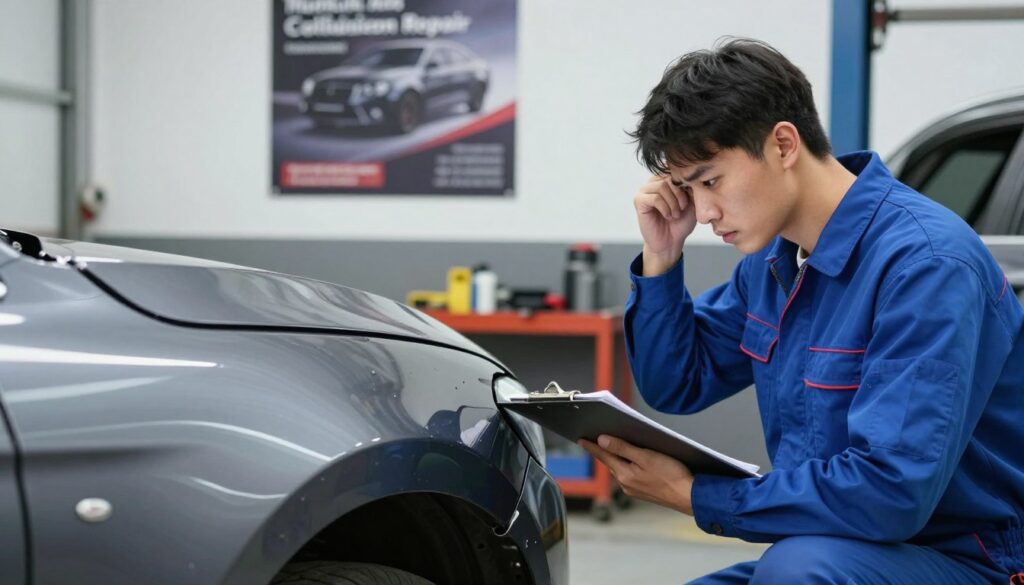
It might seem smart to skip repairs for small dings to save money. But, this is a common Collision Repair Myth. A tiny scratch or shallow dent might look like just a cosmetic issue. But, they often hide deeper problems.
Taking care of your vehicle is key to keeping it safe and lasting longer.
Risks of Ignoring Minor Damage
When a scratch goes through the clear coat and hits the metal, your car is at risk of corrosion. Rust can spread fast, turning a small issue into a big problem that needs a lot of accident repair. Also, modern cars have cameras and sensors behind bumpers and panels.
Even a small hit can mess with these sensors. If you ignore these changes, your safety systems might not work when you need them. Thinking small damage is no big deal is a dangerous body shop myth.
Long-Term Costs of Skipping Repairs
Delaying repairs can lead to higher costs later. What starts as a simple paint job might turn into replacing a whole panel if rust sets in. Fixing damage right away saves you money in the long run.
Getting your car fixed by a pro keeps it in top shape. This protects your investment and keeps you calm. Proactive care is cheaper than fixing big problems later. Always talk to a skilled technician about any damage, no matter how small.
Myth 5: Repairing a Vehicle Takes Too Long
Many people think that fixing a car always takes a long time. But, rushing repairs can be dangerous. Skilled technicians focus on doing the job right to make sure your car is safe and as good as new.
Realistic Timelines for Collision Repairs
Fixing a car is more than just swapping parts. It involves checking everything carefully. Patience is key during this time. This ensures your car is fixed right before you get it back.
Factors Affecting Repair Duration
Several things can affect how long it takes to fix your insurance repair. Knowing these can help you plan while your car is being fixed. Here are the main reasons repairs take longer:
- Hidden Damage: Sometimes, damage inside is found only after the outside is taken off.
- Parts Availability: Finding the right parts can sometimes cause delays.
- Paint Curing: The paint needs time to dry properly for a lasting finish.
- Insurance Coordination: Waiting for insurance to agree on extra repairs can slow things down.
Choosing a trusted repair shop helps manage these issues better. Talking clearly with your service advisor will give you a better idea of when your car will be ready.
Myth 6: Paintless Dent Repair is Only for Small Dents
When you think about fixing your car after an accident, don’t assume paintless dent repair (PDR) is just for small dents. Many people think it’s only for tiny dings. But, it’s actually a complex method used by skilled technicians to fix many types of damage.
It’s important to know the truth about body shop myths to make good choices for your car. While PDR isn’t the answer for every problem, it can surprise you with its ability to fix more than you think. It’s often better than the old, more invasive ways of fixing cars.
When Paintless Dent Repair is Appropriate
How well PDR works depends on where the dent is and if the paint is okay. If the paint is good and the metal isn’t too stretched, PDR is often the best option for fixing your car’s look.
Experts can fix dents on doors, hoods, and fenders, even if they look big. But, remember, today’s cars have complex sensors that need to be set right after any body work. Make sure your repair person knows how to fix the car and set the sensors right.
Benefits of Using Paintless Repair Techniques
Choosing PDR has many benefits over old ways of fixing cars. It doesn’t need sanding, filler, or repainting, so your car’s original factory finish stays intact.
This method is quicker and cheaper than traditional repairs. It saves on expensive materials and labor. It also keeps your car’s panels in top shape, which is good for insurance companies and car owners. Using these advanced methods is a smart way to fix your car right and avoid common Collision Repair Myths.
Myth 7: If Your Car Can Drive, It’s Fine
It’s dangerous to think a car is safe just because it can move after an accident. Many people believe if their car starts and drives, the damage is just cosmetic. This is a common Collision Repair Myths that can cause serious safety issues.
Hidden Damage from Accidents
What seems like a simple fix can hide big problems. Even a small crash can damage your car’s frame or chassis. Internal components, like sensors or cooling systems, might be broken without any visible signs.
Ignoring these hidden problems during insurance repair can cost a lot. A car that looks fine might actually have weak spots that fail in another crash. Make sure a skilled technician checks your car to keep you safe.
Signs You Need a Professional Inspection
You can’t just look at your car’s ability to move to know if it’s okay. If you see any of these signs, get a pro to check it right away:
- The steering wheel feels off-center or the car pulls to one side.
- New, unusual noises happen when driving over bumps or turning corners.
- Dashboard warning lights stay on after the accident.
- Panel gaps look uneven or doors don’t close as well as before.
Going to a certified shop is key to finding and fixing hidden damage. Getting a pro insurance repair is the only way to be sure your car is safe. Don’t risk your safety by ignoring the need for a check-up because of Collision Repair Myths.
Myth 8: Collision Repairs Lead to Decreased Resale Value
Many people believe that getting your car fixed after an accident will lower its value. They worry that any damage will make their car less appealing to future buyers. But, this fear often comes from not understanding how modern repairs work.
How Quality Repairs Preserve Vehicle Value
Actually, high-quality repairs can keep your car’s value the same. When you pick a reputable shop that uses the right parts, your car stays safe and sound. Good accident repair records show that experts fixed your car, which can reassure buyers.
But, ignoring damage or going for cheap fixes can really hurt your car’s value. A car that looks like it’s been poorly fixed or has hidden rust is a big warning sign. By choosing professional care, you protect your investment and keep your car safe.
Benefits of Professional Repairs from Miracle Body and Paint
Going to a trusted place like Miracle Body and Paint is key to keeping your car safe after an accident. Their team focuses on doing the job right, following factory standards. This way, you avoid the common body shop myths that all repairs are the same.
| Feature | Professional Repair | Poor Quality Repair |
|---|---|---|
| Part Quality | OEM or Certified Parts | Salvage or Low-Grade Parts |
| Resale Impact | Maintains Market Value | Significant Depreciation |
| Safety Standards | Factory Specifications | Compromised Integrity |
| Documentation | Detailed Records Provided | No Proof of Work |
Choosing quality accident repair is more than just fixing a dent. It’s about keeping your car in top shape for years. Trusting the pros means your car stays a reliable asset for a long time.
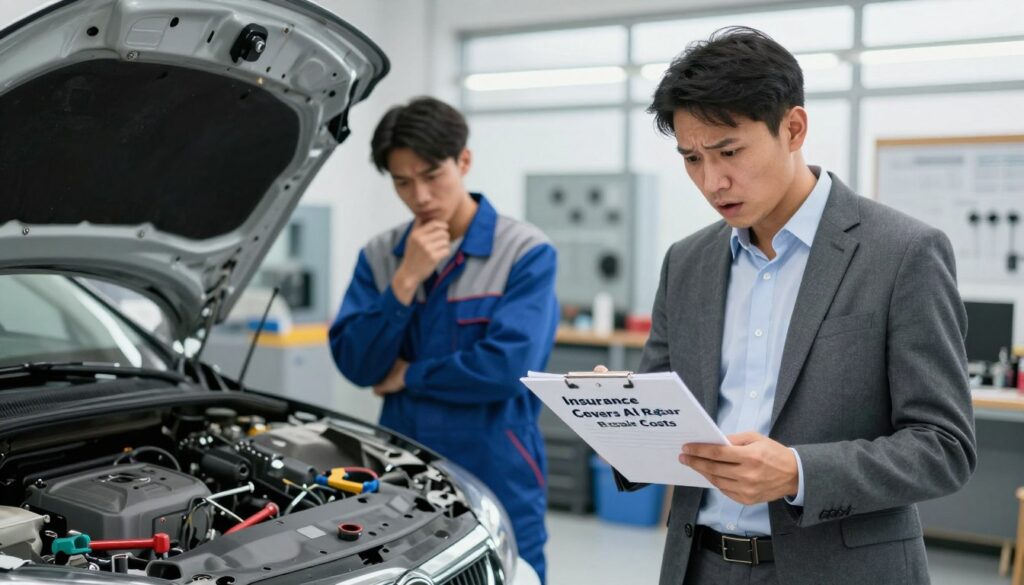
Myth 9: Insurance Covers All Repair Costs
Many people believe that insurance will pay for all car repair costs. They think filing a claim means they won’t have to pay anything. But, the truth about insurance repair is more complicated.
Understanding Your Policy Limits
Your insurance policy sets clear limits on what it will cover. These limits show the most your insurer will pay for damages. Always review your policy documents to know your deductible and any coverage limits.
If repairs cost more than your policy allows, you’ll have to pay the difference. Not knowing this can cause unexpected financial stress when you’re already upset.
Potential Out-of-Pocket Expenses
Initial insurance estimates are usually low. Often, they only cover about 50% of the real repair costs. This is because adjusters might miss damage that shows up when the car is taken apart.
Choosing a trusted repair shop helps find all needed repairs. You might have to pay extra if the final bill is higher than the insurance estimate. Talking openly with your repair shop can help manage these costs.
Myth 10: You Can Use Any Mechanic for Body Work
When it comes to accident repair, knowing the difference between a general mechanic and a body technician is key. Many people think a shop that fixes engines can also fix a car’s structure. This is a dangerous Collision Repair Myth that can harm your car’s safety.
Importance of Specialized Collision Technicians
General mechanics work on engines, electrical, and suspension. But, collision technicians are trained for frame alignment, panel replacement, and safety system recalibration. They follow strict procedures to ensure repairs meet safety standards.
Specialized technicians have skills that general mechanics don’t. They include:
- Precision frame measuring to keep the vehicle balanced.
- Advanced welding techniques to keep high-strength steel strong.
- Calibration of ADAS (Advanced Driver Assistance Systems) sensors.
- Color matching and paint application for a perfect finish.
Why Credentials Matter in Collision Repair
Thinking any shop can do body work is a body shop myth that can result in bad repairs. Certifications like I-CAR or ASE show a technician’s training. These prove the shop knows the latest in vehicle tech and repair methods.
Without these credentials, a shop might not have the right tools for modern cars. Always verify that the shop has certified technicians for your car’s make and model. Choosing a specialized center is the safest way to get your car back to its pre-accident state.
Myth 11: New Cars Don’t Need Collision Repairs
Many people believe that new cars are too advanced to need repairs after an accident. They think that because a car is new, it can handle any crash without damage. This belief can be risky for your safety and your finances.
Misconceptions About New Vehicle Durability
Today’s cars are amazing feats of engineering. They have Advanced Driver-Assistance Systems (ADAS) like sensors and cameras. These systems are hidden but critical for safety.
Even a small crash can mess up these systems. If they’re not fixed right, they might not work when you need them. Looking only at the car’s outside is not enough.
The Need for Professional Assessment
After an accident, getting a professional check is key. A certified tech can check if your car’s safety systems are okay. Not doing this can make fixing your car harder and more expensive later.
Getting a pro to check your car makes sure it’s safe. It also helps your insurance cover all the repairs. You need more than just a quick look to protect your car.
| Feature | Traditional Vehicle | Modern ADAS Vehicle |
|---|---|---|
| Sensor Sensitivity | Low | Extremely High |
| Repair Complexity | Mechanical focus | Electronic calibration |
| Inspection Needs | Visual check | Computer diagnostics |
| Safety Impact | Structural integrity | System functionality |
Myth 12: DIY Repairs Save Money
Every driver wants to save money, but DIY repairs can be risky. Online tutorials make fixing cars seem easy, but they ignore the complex engineering of modern vehicles. Trying to fix damage yourself can be dangerous and compromise your safety.
Risks of Attempting DIY Collision Repairs
One big risk of DIY repairs is losing your vehicle’s warranty. Cars are designed with safety systems that need precise calibration after an accident. Without proper training, you could disable important safety features like sensors or airbags.
Also, DIY repairs can cause long-term problems like rust, misalignment, or structural weakness. A small dent could hide deeper damage that needs professional tools to find. Ignoring these issues can lead to significantly higher costs later on.
The Benefits of Professional Expertise
Choosing a certified technician means your car gets fixed to factory standards. They use advanced tools not available to most people, ensuring your car is as good as new. This precision is key to keeping your vehicle safe.
Professional accident repair also gives you peace of mind. It keeps your car reliable for years. By avoiding body shop myths, you protect your investment and ensure your car works as it should. Relying on experts is the best way to keep your vehicle safe and in top shape.
Myth 13: All Insurance Claims Lead to Increased Premiums
You might think every accident report means higher insurance costs. But this isn’t always true. Many drivers don’t file claims, fearing higher bills. This can lead to Collision Repair Myths and extra expenses. Knowing how your policy works is key to making a wise choice.
Understanding the Impact of Claims on Premiums
Insurance companies check many things before changing your rates after an accident. They look at your driving history, the accident’s severity, and who was at fault. Not every claim raises your premiums, like if you’ve driven safely for a long time or the accident was minor.
The supplement process is also important in insurance repairs. During the first check, technicians might find damage you can’t see. A good shop will document this and send a supplement to your insurer. This ensures the full repair cost is covered.
When to File an Insurance Claim
Choosing to file a claim depends on your deductible and repair costs. If the damage is small and the repair cost is close to your deductible, paying yourself might be better. But for big damage, filing a claim is often the best way to get your car fixed right.
Always talk to a trusted body shop before deciding. They can give you a clear estimate and help you see if an insurance repair is right for you. By considering the chance of higher premiums and the cost of quality repairs, you can save money and keep your car safe.
Myth 14: A Body Shop is Just a Body Shop
Many people think all repair shops are the same. But, this is not true. Choosing the right shop is key to fixing your car right. Look beyond common myths to find a team that cares about your safety and car.
The Importance of Choosing a Specialized Collision Center
Specialized centers follow strict factory standards. They pay attention to details that others miss. By picking a precise facility, your car gets the care it needs after an accident.
At Miracle Body and Paint Collision Center, they focus on quality and safety. They want to get you back on the road safely. Visit them in San Antonio for top-notch service.
Call the North West San Antonio – Leon Valley location at (210) 680-1987. They are at 6217 Grissom Rd., San Antonio, TX 78238. Or, reach out to the North East San Antonio shop at (210) 858-3630. They are at 4650 Walzem Rd, San Antonio, TX 78218. Let professionals take care of your car.

