

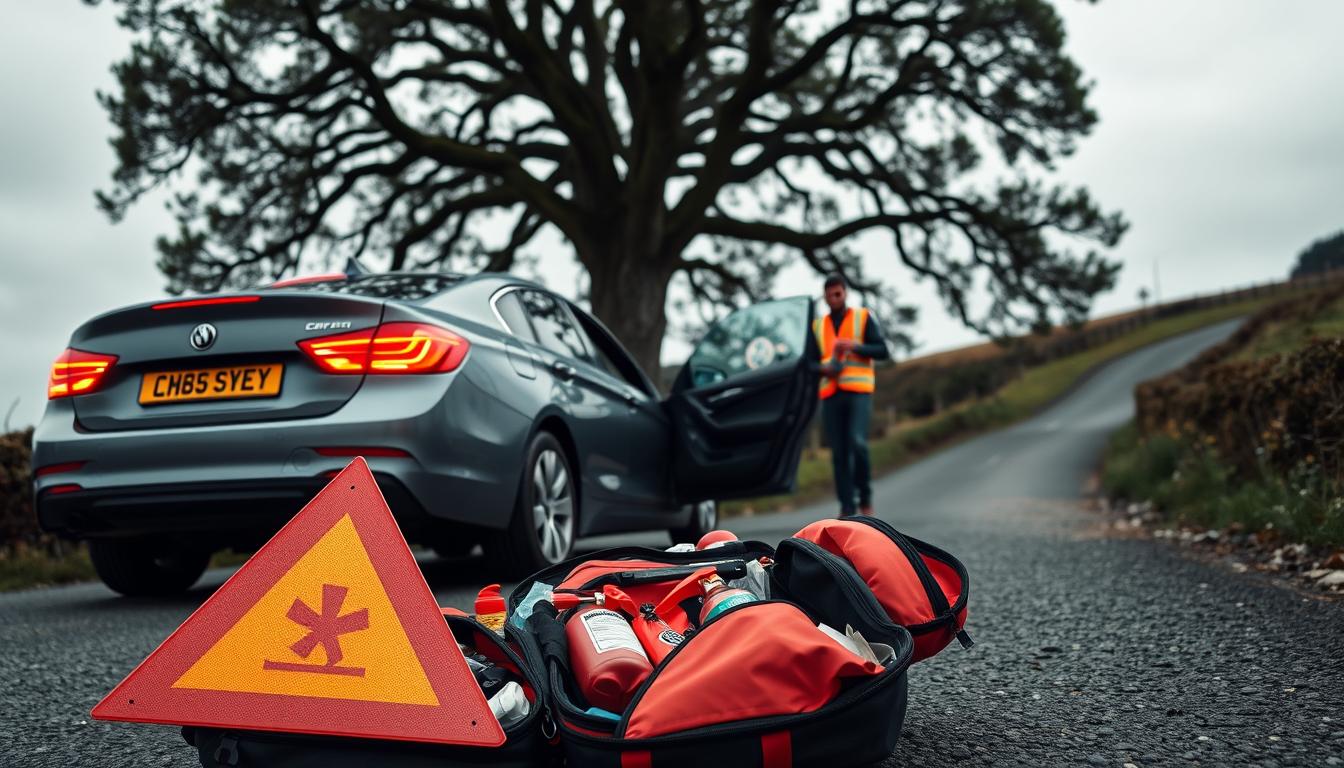
Your readiness matters. Millions of accidents happen each year in the U.S., and taking a few clear steps now can cut stress and speed recovery later. This guide shows simple, practical actions you can take today to protect people, preserve evidence, and get help fast.
Keep a charged phone, a compact emergency kit within reach, and essential documents in your glovebox. Confirm insurance details and roadside assistance so you know who to call. Maintain brakes, tires, lights, airbags, and seatbelts for better on-road safety.
If something happens, move to safety, deploy hazards, call 911, and document the scene with photos for insurance. For repairs, Miracle Body and Paint Collision Center is ready to help at two San Antonio locations: Leon Valley (210) 680-1987, 6217 Grissom Rd., and Walzem Rd (210) 858-3630, 4650 Walzem Rd.
Key Takeaways
- Plan ahead to reduce stress and improve outcomes after an accident.
- Keep a charged phone and an easy-access emergency kit in the cabin.
- Regularly check brakes, tire tread, lights, airbags, and seatbelts.
- Store documents and contacts in your glovebox and on your phone lock screen.
- Move to safety first, then call 911 and document the scene with photos.
- Know local repair resources—Miracle Body and Paint Collision Center can help with repairs.
Your Roadside Readiness Starter List
A simple checklist — a charged phone and a grab-and-go kit — can cut confusion on the road. Use the short list below to make quick, practical changes that keep you safer and speed help when minutes matter.
Keep your phone charged and carry a portable phone charger
Plug a phone charger into your vehicle every time you drive. Store a compact portable phone power bank in the glovebox or under a seat so your phone stays usable after a long drain or in cold weather.
Store a compact emergency kit you can reach quickly
Assemble high-utility items:
- Flashlight and spare batteries, jumper cables, and a basic set of tools.
- Reflective triangles or flares, tire pressure gauge, and a compact first aid kit.
- A disposable camera as a backup if your smartphone is damaged.
- Save roadside assistance details and program emergency numbers for offline access.
Routine tips: Stow the kit within arm’s reach, label it, refresh items twice a year, and teach household drivers where it is. If you need post-incident repairs near San Antonio, call Miracle Body and Paint Collision Center: Leon Valley (210) 680-1987, 6217 Grissom Rd., or North East San Antonio (210) 858-3630, 4650 Walzem Rd.
Maintain Safety Systems Before You Need Them
Routine checks of your vehicle’s safety systems cut risk and keep you moving. Regular inspections of tires, brakes, lights, airbags, and seatbelts help you spot wear that raises the chance of accidents.
Quick weekly and monthly checks save trouble later. Check tire pressure monthly and before long trips, verify tread depth with a gauge or penny test, and replace tires when tread wears. Listen and feel for brake squeal, vibration, or longer stopping distances; have pads and rotors inspected on schedule.
Test all exterior lights weekly—headlights, brake lights, turn signals, and hazards—so you can see and be seen in low visibility. Confirm seatbelts retract and latch smoothly and watch your dash for airbag or ABS warnings.
- Keep basic tools and gloves to swap bulbs or tighten battery terminals safely.
- Follow your owner’s manual for intervals and use certified shops for diagnostics.
- Enroll in roadside assistance plans like AAA or dealer programs to add towing and jump-start support.
Document maintenance with dates and receipts. This helps warranties and insurance after a collision. For post-incident structural and body repair in San Antonio, choose Miracle Body and Paint Collision Center: Leon Valley (210) 680-1987 and North East San Antonio (210) 858-3630.
Car Accident Preparedness Essentials for Your Vehicle
Small, well-chosen items can make a big difference when you need help fast. Assemble gear that treats injuries, boosts visibility, and keeps you warm and powered while you wait for assistance.
Basic medical and comfort supplies
Stock a compact first aid kit with adhesive and elastic bandages, sterile gauze, antiseptic wipes, antibiotic ointment, nitrile gloves, pain relievers, scissors, tweezers, and an instant cold pack.
Visibility and signaling
Include road flares or reflective triangles and a high-lumen flashlight with spare batteries so you can signal help and stay seen in low light.
Tire, battery, power and documentation
Pack jumper cables, a tire repair kit and a portable inflator. Add a portable phone charger or hand-crank radio to keep your phone alive.
- Bring sealed water and non-perishable snacks.
- Keep blankets, hand warmers, rain poncho, and extra clothing.
- Store a disposable camera as a backup for photos if your phone is unusable.
Pro tip: Group items in labeled pouches and check expiry dates twice a year. Keep Miracle Body and Paint Collision Center’s contact info in your kit: Leon Valley (210) 680-1987, 6217 Grissom Rd.; North East (210) 858-3630, 4650 Walzem Rd.
Information at Your Fingertips When an Accident Occurs
Make key records and emergency contacts instantly accessible so responders and loved ones can act fast.
Keep physical and digital copies of your driver’s license, registration, insurance card, and roadside assistance membership where you can reach them quickly.
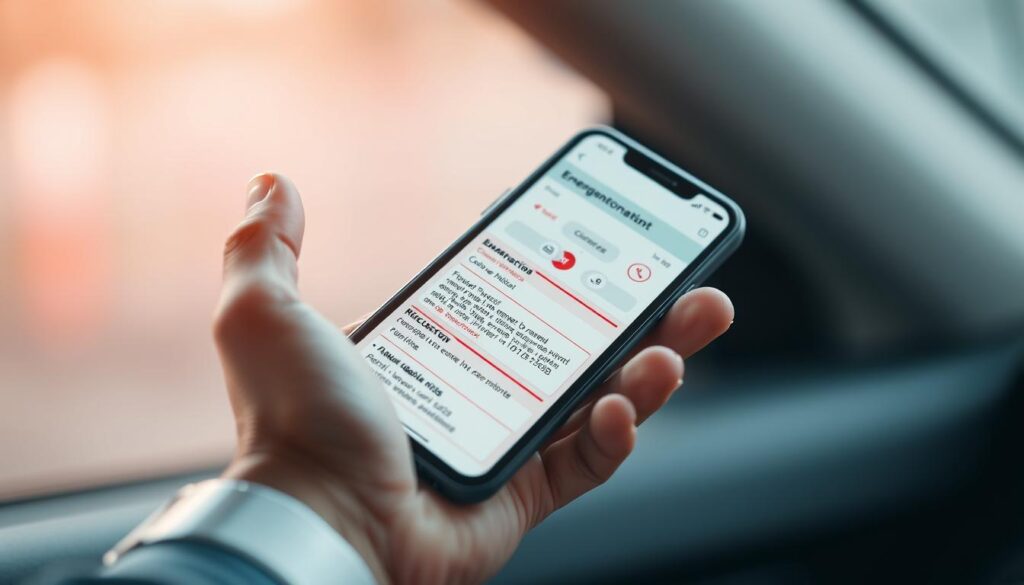
Place a printed info sheet in the glovebox listing emergency contacts, your primary care physician, current medications, allergies, and major medical conditions. Many phones let you add medical ID and emergency contacts to the lock screen so responders can view details without a passcode.
- Review your insurance declarations page so you understand liability, collision, comprehensive, medical payments, and rental coverage before you need it.
- Photograph your cards and store encrypted copies in a secure app and cloud backup in case your wallet or glovebox is inaccessible.
- Practice documenting a scene: vehicle positions, close-up damage, skid marks, traffic signals, weather, and road hazards to support your case.
Keep a disposable camera, pen, and paper in the glovebox for taking pictures if your phone is dead. Maintain a short call tree for family, your insurer’s claim line, and roadside assistance to streamline communications if you are involved in an accident.
Pro tip: Note your policy deductible and preferred repair shop so you can authorize towing directly to Miracle Body and Paint Collision Center. Keep their contact card with your documents for quick scheduling: Leon Valley (210) 680-1987, 6217 Grissom Rd.; North East San Antonio (210) 858-3630, 4650 Walzem Rd.
What to Do Immediately After a Car Accident
If a crash happens, pause, check for injuries, and move everyone to a safe spot before anything else.
Prioritize safety and mark the scene
Check yourself and passengers for injury. If you can drive, move to a safe shoulder or nearby lot. If not, stay belted and wait for help.
Turn on hazards and set reflective triangles or road flares in a staggered pattern behind your vehicle. Use a flashlight to increase visibility in low light.
Call 911 and document what you need
Report your exact location and any injuries. Follow dispatcher instructions and keep calm.
Begin taking pictures accident right away: wide shots of the scene, vehicle positions, close-ups of damage, skid marks, traffic signals, and weather. Photograph VINs and registration stickers to support your case.
Signal for help and arrange towing
- Exchange names, phones, insurance, and plate numbers without admitting fault.
- Contact roadside assistance for towing, lockout, or jump-starts.
- If your insurer allows, request tow to Miracle Body and Paint Collision Center for collision repair in San Antonio: Leon Valley (210) 680-1987, 6217 Grissom Rd., or North East (210) 858-3630, 4650 Walzem Rd.
Seasonal, Family, and Special Considerations
A well-packed seasonal bag keeps you and your passengers safer when weather or delays strike. Adjust what you carry by season and who rides with you so you can respond quickly to an emergency on the road.
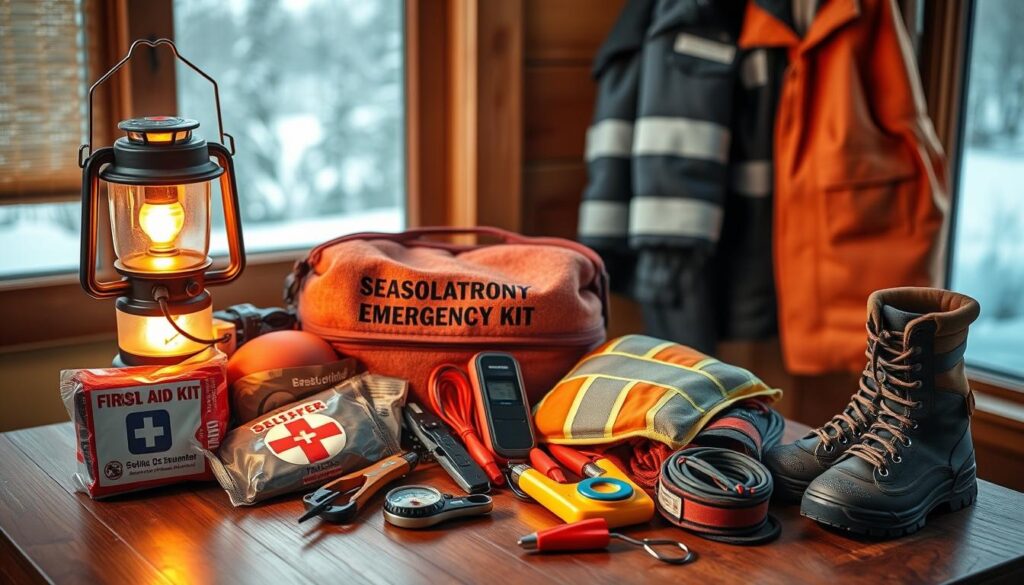
Winterize your kit: add a compact shovel, a bag of sand or kitty litter for traction, an emergency Mylar blanket or sleeping bag, and a weather alert radio that runs on crank or solar.
- Layer gloves, hats, socks, and chemical hand warmers to keep heat in if you are stranded.
- Pre-pack stable food and bottled water and rotate supplies with the seasons to prevent spoilage.
- Include a rain poncho and sturdy footwear so you can set triangles, shovel, or check tires safely.
- Store meds in a temperature-stable container and set reminders to refresh before expiration for people who need daily doses.
Traveling with kids or pets: bring extra snacks, water, blankets, a change of clothes, diapers if needed, simple games or books, plus a leash, collapsible bowl, spare water, and a small food/medication supply for pets.
Keep a paper map and note alternate routes along your course in case GPS or cell service fails. For after-event repairs, keep Miracle Body and Paint Collision Center contacts in your kit so you can schedule service fast: Leon Valley (210) 680-1987; North East (210) 858-3630.
Conclusion
A short checklist you can assemble today makes response faster and stress smaller when the unexpected happens.
Prepare now by maintaining safety systems, keeping an easy-access kit, and storing key documents so you can act quickly if you’re in an accident.
Preselect a trusted shop to speed towing and claims. For collision repair, hire Miracle Body and Paint Collision Center. We have two San Antonio locations to serve you: Leon Valley — (210) 680-1987, 6217 Grissom Rd.; North East San Antonio — (210) 858-3630, 4650 Walzem Rd.
Call us after you notify your insurer. Our experienced technicians use OEM methods to return your vehicle to pre-loss condition and make the transition from auto accident to quality repair as smooth as possible.

