

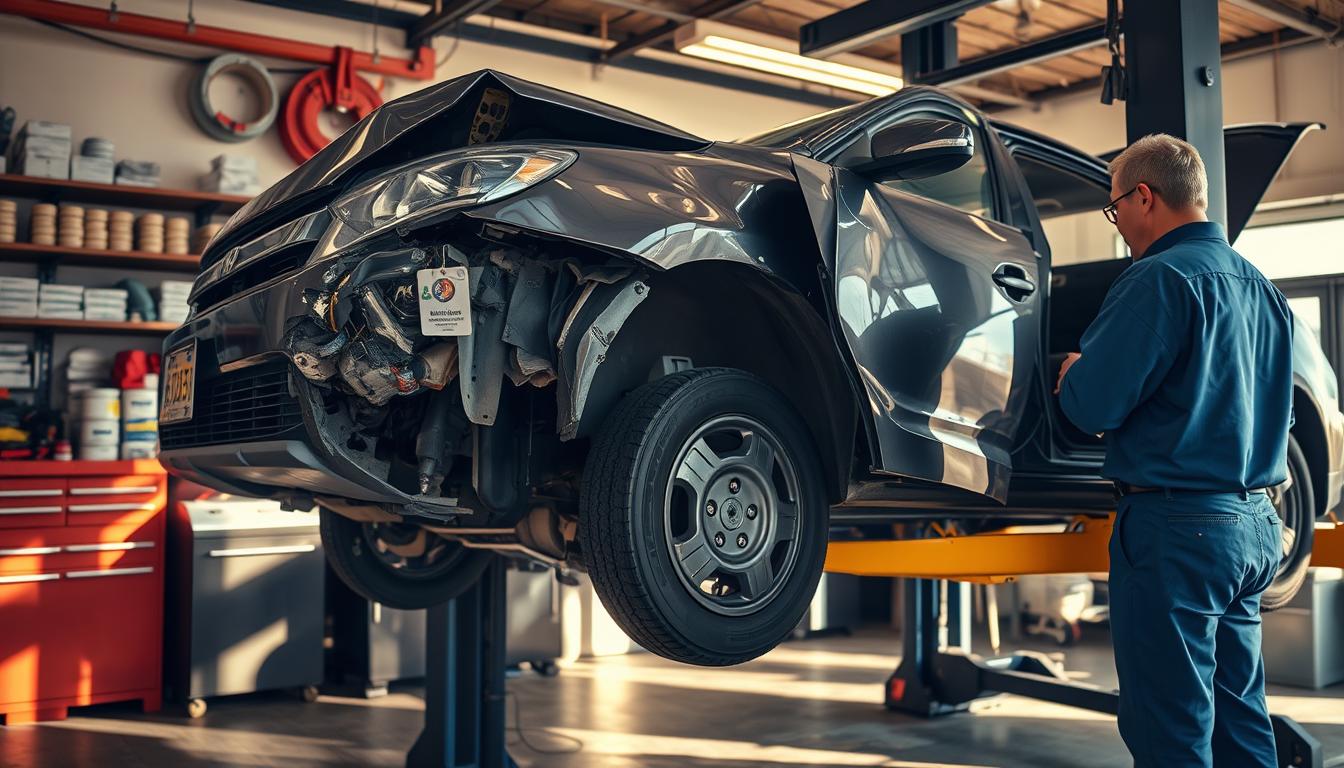
Planning your budget starts with clear expectations. You need a simple way to compare quotes and know what drives price, from parts and paint to labor and calibrations. This guide shows what typical line items include and how the local market affects what you pay.
You’ll see realistic ranges for common damage so you can judge any estimate you get. Learn when insurance makes sense, when a vehicle might be declared a total loss, and how value influences insurer decisions.
Miracle Body and Paint Collision Center helps you avoid surprises with transparent estimates and quality workmanship. If you want a precise, honest evaluation, hire Miracle Body and Paint Collision Center with two San Antonio locations: North West San Antonio – Leon Valley, (210) 680-1987, 6217 Grissom Rd., San Antonio, TX 78238; North East San Antonio, (210) 858-3630, 4650 Walzem Rd, San Antonio, TX 78218.
Key Takeaways
- Understand major drivers: parts, paint, labor, and calibrations affect your budget.
- Use market ranges to benchmark any estimate before you commit.
- Know how insurance and vehicle value can lead to a total loss decision.
- Ask for line-item estimates to spot missing fees like scans or calibrations.
- Plan a contingency cushion for hidden damage found after teardown.
- Choose a trusted company like Miracle Body and Paint to protect your budget.
Why Budgeting for Collision Repair Matters in San Antonio Right Now
Understanding local market swings makes it easier to set a realistic budget for repair costs and the average cost you might face. Prices in San Antonio shift with parts availability, shop workload, and seasonal demand, so an estimate today may not match one next week.
Severity of damage and vehicle technology are key factors that change any collision estimate. Range examples show rear-end work from $150 to $10,000, front-end from $200 to $10,000, and side collisions from $300 to $10,000. Delaying small issues can let them grow and raise final totals after teardown.
Budgeting up front helps you compare estimates and decide whether to file with insurance or pay out of pocket. It also prepares you for supplements that appear when hidden damage is found.
- Plan for parts lead times and possible calibration needs for newer vehicles.
- Ask shops to explain severity, operations, and parts choices — not just a low price.
- Choose a reputable local shop for transparent estimates, warranties, and insurance help.
With a clear plan, you protect your wallet and keep your car safe while service is underway.
Understanding Car Accident Repair Cost
A clear estimate breaks down every operation so you know exactly what you’re paying for.
What “repair costs” typically include
Your written estimate should list parts, body and paint labor, refinish materials, and any hazardous waste fees.
It also names technical work like scans, calibrations, alignments, and sublet services (glass or frame shops) so nothing is hidden.
Typical cost ranges you’ll see on estimates
- Minor scratches and refinishing: $150–$2,500.
- Dents or PDR to panel replacement: $100–$3,000+.
- Windshield or glass work: $100–$2,000 depending on features.
- Bumpers and front/rear impacts: $200–$10,000 when structural parts are involved.
- Frame and suspension work: $600–$10,000+ for serious damage.
The type and extent of damage dictate whether techs can repair or must replace parts, which is one of the main factors affect pricing.
Miracle Body and Paint Collision Center will outline every line item on your estimate so you can compare make, model, and coverage scenarios without surprises.
Cost Ranges by Damage Type and Location on Your Vehicle
This section breaks down typical price ranges by type of damage and where it appears on your vehicle.
Scratches, scuffs, and paint work
Light scuffs often need only buffing, while deep scratches require refinishing and blending. Expect paint work from $150–$2,000 depending on depth and panel blends.
Dents and PDR versus panel replacement
Dents with intact finish and good access may be fixed with paintless dent repair for under $1,000. Larger dents or stretched metal push work toward filler, refinish, or full panel replacement, often $100–$3,000+.
Glass and windshield
Chip repair starts near $100, while full replacement ranges up to $2,000 for cameras or HUDs. Components and post-install calibrations matter for safety and function.
Structural and frame implications
Frame measurements, pulls, and sectioning can grow quickly. Severe frame damage on higher-end models may reach $10,000–$30,000, and repairs must meet factory specs.
Bumpers, sensors, and calibrations
Full bumper replacement commonly falls between $700–$3,000, higher with sensors and tri-coat finishes. Aftermarket parts can lower parts expense, but your advisor should explain fit, components, and when OEM use is warranted.
Miracle Body and Paint Collision Center will advise whether repair or replacement best balances appearance, safety, and your budget. Ask for a line-item estimate so your plan covers parts, paint, and necessary calibrations.
Common Collision Scenarios and Their Average Cost
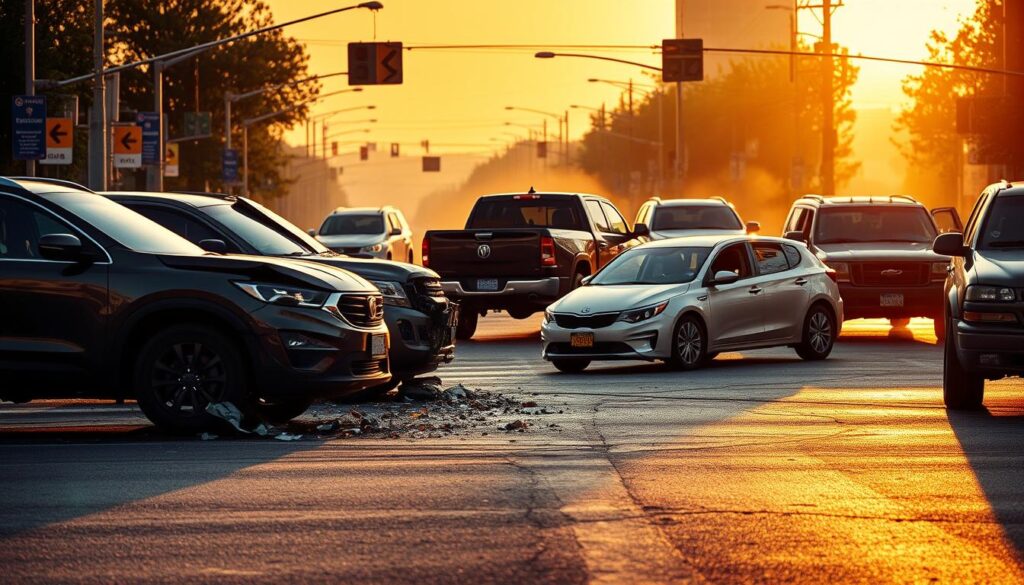
Different impact points create very different scopes of work and average price bands. Below are typical scenarios, ranges you may see, and what usually drives follow-up services.
Front-end impacts
Front hits often start with bumper and grille work and can climb quickly if headlights, radiators, or the engine bay are affected. Expect ranges from about $200–$10,000 depending on parts and structural work.
If fenders or the hood crumple, panel replacement and paint blending add labor and materials. Shops will also note sensors and camera calibrations when bumpers or glass are replaced.
Rear-end damage
Rear strikes vary from cosmetic buffing to replacing bumper covers, tail lamps, and trunk components. Typical ranges span $150–$10,000, with frame checks raising totals when alignment or structure is compromised.
Back-end hits can affect exhaust routing and parking sensors, which increases parts count and hours on the vehicle.
Side collisions
Side impacts are often the most complex. Doors, quarter panels, glass, wheels, and suspension may need service. Side airbags and belt tensioners raise both safety work and price.
Average ranges run near $300–$10,000, often higher when wheel or suspension checks show hidden damage.
Miracle Body and Paint Collision Center handles all three scenarios and works with insurers to document line items, scans, and calibrations so your estimate reflects the full scope of needed repairs.
- Front: bumper, lights, radiator, possible engine-related work.
- Rear: bumper covers, trunk/tailgate, tail lamps, frame checks.
- Side: doors, glass, suspension, airbags, interior trim.
Key Factors That Affect Your Repair Costs
Several predictable elements determine what you’ll see on a written estimate. Knowing these factors helps you compare quotes and ask the right questions.
Severity and extent of damage
The severity and extent of damage set the baseline for work. Minor surface fixes need less time and materials. Structural or multi-panel jobs require frame pulls, sectioning, and more hours.
Make, model, year, and vehicle technology
Your make model and year influence parts pricing and whether ADAS scans or calibrations are needed. Modern auto systems with cameras or radar add mandatory diagnostics and fees.
Parts required: availability and price swings
Parts availability affects timeline and price. Choosing OEM or aftermarket parts involves trade-offs in fit, warranty, and value.
Labor rates and shop expertise
Labor rates vary by shop and region. Certified technicians and proper equipment reduce rework and protect your vehicle’s value. Clear documentation of operations helps you compare estimates beyond the headline number.
- Paint complexity (tri-coats, pearls) raises materials and booth time.
- Front or side impacts may mean cooling, frame, or suspension checks.
- Delaying service often increases total costs and hidden damage.
Miracle Body and Paint Collision Center combines modern diagnostics with transparent pricing so you understand parts sourcing, calibrations, and the trade-offs for your car.
Insurance Coverage, Deductibles, and Out-of-Pocket Planning
Knowing how your policy applies before you schedule work saves you money and avoids surprise bills. Start by checking whether the event qualifies under collision or comprehensive coverage. An adjuster will inspect and estimate if you file, and you pay the deductible while the insurer pays up to vehicle value.
When to use collision or comprehensive coverage
Collision handles impacts with other vehicles or fixed objects. Comprehensive covers non-impact events like hail, theft, or falling objects. Use the one that matches your policy terms and the incident you experienced.
How deductibles and total loss thresholds affect your budget
Your deductible reduces the insurer’s payout and becomes your immediate out-of-pocket obligation. Higher deductibles lower premiums but raise what you must pay on a claim.
- If estimated repair costs near or exceed vehicle value, the insurer may declare a total loss.
- Filing small claims can raise future premiums; weigh that against your deductible.
- If the other driver is at fault, their company may cover repairs after liability is confirmed.
Miracle Body and Paint Collision Center helps coordinate claims, documents necessary operations, and works with adjusters to seek fair supplements so your repair plan matches coverage, deductible, and cash flow.
Getting and Comparing Estimates the Smart Way
Begin with clear paperwork: a line-by-line estimate makes comparison simple and fair. Ask each provider to show labor hours, parts numbers, and any planned blends or sublet services.
What a thorough estimate should include
A complete estimate lists parts, labor operations, paint materials, and R&I for adjacent components. It should call out scans, ADAS calibrations, alignments, and any sublet work like glass or frame services.
How to compare multiple quotes beyond just the price
Look past the bottom line. Compare labor hours, paint processes, and whether OEM or aftermarket parts are proposed.
- Request written line items with labor hours and parts numbers so you can evaluate completeness.
- Confirm ADAS scans and calibrations are included when bumpers, windshields, or cameras are involved.
- Ask if parts are OEM or aftermarket and what warranties or fit expectations apply.
- Compare labor rates and hours to spot under-scoped estimates that may lead to supplements.
- Verify paint blending, multi-stage finishes, and allowances for remove-and-install operations.
Miracle Body and Paint Collision Center provides detailed, line-by-line estimates and will review competitor quotes with you. That help can protect your budget and speed approvals with insurance.
OEM vs. Aftermarket Parts, Paint Choices, and Saving Money
Choosing the right parts and finish can save money while keeping your vehicle safe and looking great.
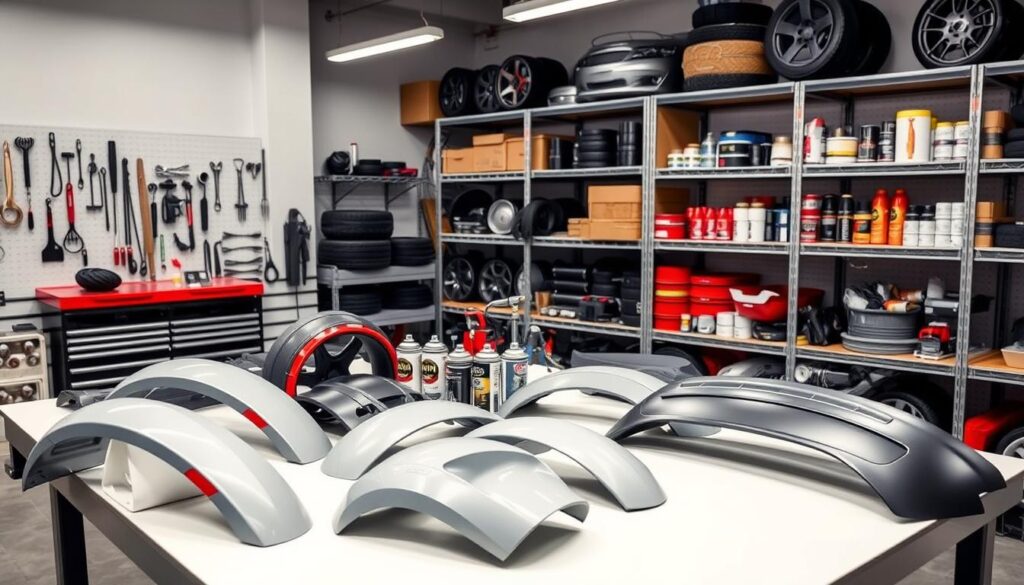
Use OEM where fit, crash performance, or sensor alignment is critical. OEM parts protect safety systems and often simplify ADAS calibrations.
High-quality aftermarket components are a reasonable choice for cosmetic, non-structural replacement. They can lower parts expense and shorten lead times when OEM is backordered.
Paint matching, blends, and multi-stage finishes
Paint complexity affects price and finish. Tri-coat and pearl systems need extra materials, booth time, and careful blending into adjacent panels for an invisible match.
- Ask your estimator to list parts and paint line items so you can compare options.
- Skipping blends saves up front but risks visible seams and lower resale value.
- Consider total ownership: poor fitment or rework can erase initial savings.
Miracle Body and Paint Collision Center will advise where you can safely save and where investment preserves safety, function, and long-term value.
Building a Realistic Budget and Timeline
Start by mapping every billed item to a timeline so you can see how price and days off the road interact.
Line items to account for: list parts, body and paint labor, paint materials and blends, scans and calibrations, alignment, and any sublet services. Ask the estimator to show labor hours and part numbers so the estimate becomes a working schedule.
Hidden or secondary costs
Include potential extras like post-service diagnostic drives, seam sealers, corrosion protection, hazardous waste fees, and alignment verifications. Plan a contingency of 10–20% for supplements found after teardown, especially when damage reaches structural areas.
Time factors and sequencing
Parts lead times and repair sequencing drive total downtime. If a part is backordered, discuss approved alternatives or high-quality aftermarket sources to limit delays without sacrificing safety.
- Confirm whether calibrations are done in-house or sublet; this impacts scheduling and transparency.
- Consider paying for an early diagnostic scan to spot hidden issues that raise the final price or extend the timeline.
- Prioritize safety-critical work first and schedule cosmetic items later if budget limits require staging.
Miracle Body and Paint Collision Center helps you turn the estimate into a clear budget and target timeline, updating plans as parts ETAs or supplements change so you avoid surprises and manage money wisely.
Managing Extra Costs: Rentals, Financing, and Preventing Overruns
Plan rentals and payment options early so unexpected bills don’t derail your timeline. A clear rental and payment plan keeps your out-of-pocket exposure low and your project moving.
Rental options and insurance allowances
Verify your policy for rental coverage, daily caps, and allowed days before you book. If the other driver may be at fault, ask their company about an authorized rental to avoid paying from your pocket.
Smart moves:
- Match rental class to your insurance allowance to avoid extra daily fees.
- Coordinate pickup with the repair start to cut overlapping days.
- Downsize the rental when possible to save money during long parts waits.
Financing, payment plans, and deductible strategies
Discuss payment plans with your shop to spread the deductible and handle urgent safety work without delay. High deductibles lower premiums but raise what you pay if you file.
Monitor change orders closely and request approvals to prevent cost overruns. Miracle Body and Paint Collision Center can help coordinate rentals, timing of the deductible, and flexible payment options so your budget stays predictable.
Car Accident Repair Cost in San Antonio: Local Market Tips and Choosing the Right Shop
When shops have parts on hand and perform in-house diagnostics, timelines shrink and surprises fall.
San Antonio pricing considerations and turnaround expectations
Regional parts supply and calibration bookings set realistic ETAs. Ask the shop for a written timeline that shows body, paint, and mechanical sequencing.
Shops that do diagnostics and calibrations in-house reduce coordination delays with sublet vendors. That often shortens downtime for your vehicle and limits unexpected supplements.
Why selecting a reputable collision center protects your budget
A full, line-item estimate prevents missed operations that become costly later. Confirm the estimate lists parts, components, scans, and frame damage checks.
Choose a company with the right equipment for frame and suspension work to avoid rework and alignment issues. Also compare warranties on labor and materials — strong coverage signals confidence.
Hire Miracle Body and Paint Collision Center — 2 Locations to Serve You
North West San Antonio – Leon Valley — (210) 680-1987, 6217 Grissom Rd., San Antonio, TX 78238
North East San Antonio — (210) 858-3630, 4650 Walzem Rd, San Antonio, TX 78218
Bring your car for a thorough estimate that includes parts sourcing options, planned calibrations, and checks for frame damage so you can budget and schedule with confidence.
- Ask if the shop accounts for regional parts constraints and alternate sourcing.
- Verify in-house calibration capability for radar sensors and cameras.
- Request clear warranty terms and a realistic ETA tied to parts and sequencing.
Conclusion
This closing guide helps you focus on safety items, line-item estimates, and ways to limit rental days and out-of-pocket spend after a collision.
Front, rear, and side work can range from hundreds to thousands depending on parts, sensors, and calibrations. Insurers may total a car if repair costs exceed value, so prompt action prevents small damage from growing and inflating final costs.
What to do next: prioritize safety-critical items, confirm scans and calibrations, compare complete estimates, and weigh coverage versus deductible to protect your pocket.
For expert help, hire Miracle Body and Paint Collision Center — North West San Antonio – Leon Valley: (210) 680-1987, 6217 Grissom Rd., San Antonio, TX 78238. North East San Antonio: (210) 858-3630, 4650 Walzem Rd, San Antonio, TX 78218.
FAQ
How should you budget for collision repair in San Antonio?
Why does budgeting for this matter right now in San Antonio?
What do “repair costs” typically include?
What typical price ranges will you see on estimates?
FAQ
How should you budget for collision repair in San Antonio?
Start by getting at least three written estimates from reputable collision centers near you. Include line items for parts, labor, paint, calibrations, and taxes. Add a contingency of 10–20% for hidden damage, and factor in your deductible and rental car needs. If a repair could trigger a total-loss decision, plan for vehicle replacement costs or gap coverage.
Why does budgeting for this matter right now in San Antonio?
Local parts availability, seasonal shop demand, and supply-chain delays can change prices and timelines quickly. Budgeting ahead helps you choose repairs, decide between OEM and aftermarket parts, and avoid rushed decisions that inflate expenses.
What do “repair costs” typically include?
Estimates usually list parts, labor, paint and materials, frame alignment, electronic calibrations, and disposal fees. They may also include diagnostic scans, alignment checks, and shop supplies. Always check whether taxes and warranty work are included.
What typical price ranges will you see on estimates?
Minor cosmetic work can run a few hundred dollars. Moderate repairs—panels, lights, and paint—often range from
FAQ
How should you budget for collision repair in San Antonio?
Start by getting at least three written estimates from reputable collision centers near you. Include line items for parts, labor, paint, calibrations, and taxes. Add a contingency of 10–20% for hidden damage, and factor in your deductible and rental car needs. If a repair could trigger a total-loss decision, plan for vehicle replacement costs or gap coverage.
Why does budgeting for this matter right now in San Antonio?
Local parts availability, seasonal shop demand, and supply-chain delays can change prices and timelines quickly. Budgeting ahead helps you choose repairs, decide between OEM and aftermarket parts, and avoid rushed decisions that inflate expenses.
What do “repair costs” typically include?
Estimates usually list parts, labor, paint and materials, frame alignment, electronic calibrations, and disposal fees. They may also include diagnostic scans, alignment checks, and shop supplies. Always check whether taxes and warranty work are included.
What typical price ranges will you see on estimates?
Minor cosmetic work can run a few hundred dollars. Moderate repairs—panels, lights, and paint—often range from $1,000 to $5,000. Major structural or engine-related fixes can exceed $10,000. Prices vary by vehicle make, year, and local labor rates.
How much does paint work cost—from light buffing to full refinishing?
Light buffing or spot paint can cost under $200. Partial panel refinishing typically runs $300–$1,200 per panel. A full respray and color match on multiple panels may cost several thousand dollars depending on finish and prep needed.
When is paintless dent repair (PDR) a better option than panel replacement?
PDR works best for small to medium dents where paint isn’t cracked or severely creased. It’s faster and less expensive than replacement. If the panel has deep damage, stretched metal, or paint loss, replacement or conventional repair is usually necessary.
What should you expect for glass and windshield repairs?
Chip repairs often cost $50–$150 and can prevent full replacement. Windshield replacement ranges from $200 to $1,000+ depending on sensors and rain/light sensors. OEM windshields and ADAS recalibration add to the price.
How does structural or frame damage affect pricing?
Structural repairs require specialized equipment and certified technicians, which increases labor hours and costs. If the frame is bent beyond repair or repair costs exceed the vehicle’s value, the insurer may declare a total loss.
What items are commonly included in front-end repair estimates?
Front-end estimates often list bumper covers, grille, headlights, radiator, condenser, hood, structural supports, and any needed cooling-system work. Sensor recalibration and alignment are common add-ons.
What do rear-end repair jobs typically involve?
Rear-end work can include bumper covers, trunk lid repairs, tail lamps, parking sensors, and potential frame checks. Hidden damage to suspension or the fuel system can increase the final bill.
What should you watch for in side-impact repairs?
Side impacts may affect doors, quarter panels, glass, side airbags, and the vehicle’s suspension. Door replacement, window regulators, and interior trim labor can significantly raise costs if airbags deploy or electronics are damaged.
How do severity and extent of damage change your bill?
More severe damage increases parts required, labor hours, and the need for specialty services like frame straightening or ADAS calibration. Hidden secondary damage discovered after disassembly can add unexpected charges, which is why a contingency budget helps.
How do make, model, year, and vehicle tech impact expenses?
Luxury or imported models often carry higher parts and labor rates. Advanced driver-assistance systems (ADAS), sensors, and bespoke trim increase both parts cost and calibration time, pushing estimates higher than for simpler vehicles.
When should you choose OEM parts vs. aftermarket parts?
OEM parts match factory fit and finish and can preserve resale value; they cost more. Aftermarket parts can save money and work well for non-structural panels. Choose OEM for safety-critical parts or if required by warranty or lease terms.
How does paint matching and multi-stage finishes affect price?
Modern multi-stage paints and metallic finishes require more prep, blending, and materials, increasing labor and paint costs. Perfect color matching often means blending adjacent panels, which raises the bill compared with single-panel touch-ups.
What should a thorough estimate include?
A good estimate lists each part and labor hour, paint and materials, sublet services (like glass or frame shops), diagnostics, calibrations, taxes, and warranty terms. It should also note assumed conditions and any items pending inspection.
How do you compare multiple quotes beyond the bottom-line price?
Compare warranties, parts type (OEM vs. aftermarket), included services (alignment, ADAS calibration), shop certifications, and turnaround time. A low price with vague line items can lead to surprises later.
What hidden or secondary costs should you plan for?
Expect diagnostic fees, alignment or scan charges, disposal fees, and extra labor for disassembly. If airbags deploy or electronics fail, those repairs add considerable expense. Always reserve funds for unforeseen items.
How do parts lead times and shop sequencing affect the timeline?
Rare or back-ordered parts extend repair time. Shops sequence work to maximize efficiency—waiting on one part can stall the whole job. Ask shops about sourcing options and expected lead times when you get estimates.
What rental options should you consider and how are they covered?
Check your policy for rental reimbursement limits and daily caps. If coverage is limited or absent, compare rental rates and alternative options like ride-share credits or short-term leases to avoid high out-of-pocket days.
Are financing or payment plans available for big bills?
Many collision centers offer financing, credit card payments, or payment plans. Some insurers provide direct payments to shops minus your deductible. Weigh interest costs and timelines when choosing financing.
How do deductibles and total-loss thresholds change your decision?
A high deductible increases your upfront expenses. If repair estimates approach the insurer’s total-loss threshold, you may receive a payout instead of repairs. Know your vehicle’s actual cash value and your deductible before deciding.
What are San Antonio-specific pricing considerations and turnaround expectations?
Local labor rates and parts availability in San Antonio influence pricing. Seasonal demand and hurricane-season supply impacts can lengthen lead times. Expect moderate to busy shop schedules—ask for a realistic delivery date when you book.
How does selecting a reputable collision center protect your budget?
Experienced centers provide accurate estimates, proper diagnostics, certified technicians, and warranties that prevent repeat work. Reputable shops document hidden damage early and coordinate with insurers to minimize surprises.
Who can you contact locally for collision service in San Antonio?
Miracle Body and Paint Collision Center serves San Antonio with two locations: North West — Leon Valley, (210) 680-1987, 6217 Grissom Rd., San Antonio, TX 78238; North East — (210) 858-3630, 4650 Walzem Rd, San Antonio, TX 78218. Call to request estimates, ask about OEM vs. aftermarket parts, and verify warranty details.
,000 to ,000. Major structural or engine-related fixes can exceed ,000. Prices vary by vehicle make, year, and local labor rates.
How much does paint work cost—from light buffing to full refinishing?
Light buffing or spot paint can cost under 0. Partial panel refinishing typically runs 0–
FAQ
How should you budget for collision repair in San Antonio?
Start by getting at least three written estimates from reputable collision centers near you. Include line items for parts, labor, paint, calibrations, and taxes. Add a contingency of 10–20% for hidden damage, and factor in your deductible and rental car needs. If a repair could trigger a total-loss decision, plan for vehicle replacement costs or gap coverage.
Why does budgeting for this matter right now in San Antonio?
Local parts availability, seasonal shop demand, and supply-chain delays can change prices and timelines quickly. Budgeting ahead helps you choose repairs, decide between OEM and aftermarket parts, and avoid rushed decisions that inflate expenses.
What do “repair costs” typically include?
Estimates usually list parts, labor, paint and materials, frame alignment, electronic calibrations, and disposal fees. They may also include diagnostic scans, alignment checks, and shop supplies. Always check whether taxes and warranty work are included.
What typical price ranges will you see on estimates?
Minor cosmetic work can run a few hundred dollars. Moderate repairs—panels, lights, and paint—often range from $1,000 to $5,000. Major structural or engine-related fixes can exceed $10,000. Prices vary by vehicle make, year, and local labor rates.
How much does paint work cost—from light buffing to full refinishing?
Light buffing or spot paint can cost under $200. Partial panel refinishing typically runs $300–$1,200 per panel. A full respray and color match on multiple panels may cost several thousand dollars depending on finish and prep needed.
When is paintless dent repair (PDR) a better option than panel replacement?
PDR works best for small to medium dents where paint isn’t cracked or severely creased. It’s faster and less expensive than replacement. If the panel has deep damage, stretched metal, or paint loss, replacement or conventional repair is usually necessary.
What should you expect for glass and windshield repairs?
Chip repairs often cost $50–$150 and can prevent full replacement. Windshield replacement ranges from $200 to $1,000+ depending on sensors and rain/light sensors. OEM windshields and ADAS recalibration add to the price.
How does structural or frame damage affect pricing?
Structural repairs require specialized equipment and certified technicians, which increases labor hours and costs. If the frame is bent beyond repair or repair costs exceed the vehicle’s value, the insurer may declare a total loss.
What items are commonly included in front-end repair estimates?
Front-end estimates often list bumper covers, grille, headlights, radiator, condenser, hood, structural supports, and any needed cooling-system work. Sensor recalibration and alignment are common add-ons.
What do rear-end repair jobs typically involve?
Rear-end work can include bumper covers, trunk lid repairs, tail lamps, parking sensors, and potential frame checks. Hidden damage to suspension or the fuel system can increase the final bill.
What should you watch for in side-impact repairs?
Side impacts may affect doors, quarter panels, glass, side airbags, and the vehicle’s suspension. Door replacement, window regulators, and interior trim labor can significantly raise costs if airbags deploy or electronics are damaged.
How do severity and extent of damage change your bill?
More severe damage increases parts required, labor hours, and the need for specialty services like frame straightening or ADAS calibration. Hidden secondary damage discovered after disassembly can add unexpected charges, which is why a contingency budget helps.
How do make, model, year, and vehicle tech impact expenses?
Luxury or imported models often carry higher parts and labor rates. Advanced driver-assistance systems (ADAS), sensors, and bespoke trim increase both parts cost and calibration time, pushing estimates higher than for simpler vehicles.
When should you choose OEM parts vs. aftermarket parts?
OEM parts match factory fit and finish and can preserve resale value; they cost more. Aftermarket parts can save money and work well for non-structural panels. Choose OEM for safety-critical parts or if required by warranty or lease terms.
How does paint matching and multi-stage finishes affect price?
Modern multi-stage paints and metallic finishes require more prep, blending, and materials, increasing labor and paint costs. Perfect color matching often means blending adjacent panels, which raises the bill compared with single-panel touch-ups.
What should a thorough estimate include?
A good estimate lists each part and labor hour, paint and materials, sublet services (like glass or frame shops), diagnostics, calibrations, taxes, and warranty terms. It should also note assumed conditions and any items pending inspection.
How do you compare multiple quotes beyond the bottom-line price?
Compare warranties, parts type (OEM vs. aftermarket), included services (alignment, ADAS calibration), shop certifications, and turnaround time. A low price with vague line items can lead to surprises later.
What hidden or secondary costs should you plan for?
Expect diagnostic fees, alignment or scan charges, disposal fees, and extra labor for disassembly. If airbags deploy or electronics fail, those repairs add considerable expense. Always reserve funds for unforeseen items.
How do parts lead times and shop sequencing affect the timeline?
Rare or back-ordered parts extend repair time. Shops sequence work to maximize efficiency—waiting on one part can stall the whole job. Ask shops about sourcing options and expected lead times when you get estimates.
What rental options should you consider and how are they covered?
Check your policy for rental reimbursement limits and daily caps. If coverage is limited or absent, compare rental rates and alternative options like ride-share credits or short-term leases to avoid high out-of-pocket days.
Are financing or payment plans available for big bills?
Many collision centers offer financing, credit card payments, or payment plans. Some insurers provide direct payments to shops minus your deductible. Weigh interest costs and timelines when choosing financing.
How do deductibles and total-loss thresholds change your decision?
A high deductible increases your upfront expenses. If repair estimates approach the insurer’s total-loss threshold, you may receive a payout instead of repairs. Know your vehicle’s actual cash value and your deductible before deciding.
What are San Antonio-specific pricing considerations and turnaround expectations?
Local labor rates and parts availability in San Antonio influence pricing. Seasonal demand and hurricane-season supply impacts can lengthen lead times. Expect moderate to busy shop schedules—ask for a realistic delivery date when you book.
How does selecting a reputable collision center protect your budget?
Experienced centers provide accurate estimates, proper diagnostics, certified technicians, and warranties that prevent repeat work. Reputable shops document hidden damage early and coordinate with insurers to minimize surprises.
Who can you contact locally for collision service in San Antonio?
Miracle Body and Paint Collision Center serves San Antonio with two locations: North West — Leon Valley, (210) 680-1987, 6217 Grissom Rd., San Antonio, TX 78238; North East — (210) 858-3630, 4650 Walzem Rd, San Antonio, TX 78218. Call to request estimates, ask about OEM vs. aftermarket parts, and verify warranty details.
,200 per panel. A full respray and color match on multiple panels may cost several thousand dollars depending on finish and prep needed.
When is paintless dent repair (PDR) a better option than panel replacement?
PDR works best for small to medium dents where paint isn’t cracked or severely creased. It’s faster and less expensive than replacement. If the panel has deep damage, stretched metal, or paint loss, replacement or conventional repair is usually necessary.
What should you expect for glass and windshield repairs?
Chip repairs often cost –0 and can prevent full replacement. Windshield replacement ranges from 0 to
FAQ
How should you budget for collision repair in San Antonio?
Start by getting at least three written estimates from reputable collision centers near you. Include line items for parts, labor, paint, calibrations, and taxes. Add a contingency of 10–20% for hidden damage, and factor in your deductible and rental car needs. If a repair could trigger a total-loss decision, plan for vehicle replacement costs or gap coverage.
Why does budgeting for this matter right now in San Antonio?
Local parts availability, seasonal shop demand, and supply-chain delays can change prices and timelines quickly. Budgeting ahead helps you choose repairs, decide between OEM and aftermarket parts, and avoid rushed decisions that inflate expenses.
What do “repair costs” typically include?
Estimates usually list parts, labor, paint and materials, frame alignment, electronic calibrations, and disposal fees. They may also include diagnostic scans, alignment checks, and shop supplies. Always check whether taxes and warranty work are included.
What typical price ranges will you see on estimates?
Minor cosmetic work can run a few hundred dollars. Moderate repairs—panels, lights, and paint—often range from $1,000 to $5,000. Major structural or engine-related fixes can exceed $10,000. Prices vary by vehicle make, year, and local labor rates.
How much does paint work cost—from light buffing to full refinishing?
Light buffing or spot paint can cost under $200. Partial panel refinishing typically runs $300–$1,200 per panel. A full respray and color match on multiple panels may cost several thousand dollars depending on finish and prep needed.
When is paintless dent repair (PDR) a better option than panel replacement?
PDR works best for small to medium dents where paint isn’t cracked or severely creased. It’s faster and less expensive than replacement. If the panel has deep damage, stretched metal, or paint loss, replacement or conventional repair is usually necessary.
What should you expect for glass and windshield repairs?
Chip repairs often cost $50–$150 and can prevent full replacement. Windshield replacement ranges from $200 to $1,000+ depending on sensors and rain/light sensors. OEM windshields and ADAS recalibration add to the price.
How does structural or frame damage affect pricing?
Structural repairs require specialized equipment and certified technicians, which increases labor hours and costs. If the frame is bent beyond repair or repair costs exceed the vehicle’s value, the insurer may declare a total loss.
What items are commonly included in front-end repair estimates?
Front-end estimates often list bumper covers, grille, headlights, radiator, condenser, hood, structural supports, and any needed cooling-system work. Sensor recalibration and alignment are common add-ons.
What do rear-end repair jobs typically involve?
Rear-end work can include bumper covers, trunk lid repairs, tail lamps, parking sensors, and potential frame checks. Hidden damage to suspension or the fuel system can increase the final bill.
What should you watch for in side-impact repairs?
Side impacts may affect doors, quarter panels, glass, side airbags, and the vehicle’s suspension. Door replacement, window regulators, and interior trim labor can significantly raise costs if airbags deploy or electronics are damaged.
How do severity and extent of damage change your bill?
More severe damage increases parts required, labor hours, and the need for specialty services like frame straightening or ADAS calibration. Hidden secondary damage discovered after disassembly can add unexpected charges, which is why a contingency budget helps.
How do make, model, year, and vehicle tech impact expenses?
Luxury or imported models often carry higher parts and labor rates. Advanced driver-assistance systems (ADAS), sensors, and bespoke trim increase both parts cost and calibration time, pushing estimates higher than for simpler vehicles.
When should you choose OEM parts vs. aftermarket parts?
OEM parts match factory fit and finish and can preserve resale value; they cost more. Aftermarket parts can save money and work well for non-structural panels. Choose OEM for safety-critical parts or if required by warranty or lease terms.
How does paint matching and multi-stage finishes affect price?
Modern multi-stage paints and metallic finishes require more prep, blending, and materials, increasing labor and paint costs. Perfect color matching often means blending adjacent panels, which raises the bill compared with single-panel touch-ups.
What should a thorough estimate include?
A good estimate lists each part and labor hour, paint and materials, sublet services (like glass or frame shops), diagnostics, calibrations, taxes, and warranty terms. It should also note assumed conditions and any items pending inspection.
How do you compare multiple quotes beyond the bottom-line price?
Compare warranties, parts type (OEM vs. aftermarket), included services (alignment, ADAS calibration), shop certifications, and turnaround time. A low price with vague line items can lead to surprises later.
What hidden or secondary costs should you plan for?
Expect diagnostic fees, alignment or scan charges, disposal fees, and extra labor for disassembly. If airbags deploy or electronics fail, those repairs add considerable expense. Always reserve funds for unforeseen items.
How do parts lead times and shop sequencing affect the timeline?
Rare or back-ordered parts extend repair time. Shops sequence work to maximize efficiency—waiting on one part can stall the whole job. Ask shops about sourcing options and expected lead times when you get estimates.
What rental options should you consider and how are they covered?
Check your policy for rental reimbursement limits and daily caps. If coverage is limited or absent, compare rental rates and alternative options like ride-share credits or short-term leases to avoid high out-of-pocket days.
Are financing or payment plans available for big bills?
Many collision centers offer financing, credit card payments, or payment plans. Some insurers provide direct payments to shops minus your deductible. Weigh interest costs and timelines when choosing financing.
How do deductibles and total-loss thresholds change your decision?
A high deductible increases your upfront expenses. If repair estimates approach the insurer’s total-loss threshold, you may receive a payout instead of repairs. Know your vehicle’s actual cash value and your deductible before deciding.
What are San Antonio-specific pricing considerations and turnaround expectations?
Local labor rates and parts availability in San Antonio influence pricing. Seasonal demand and hurricane-season supply impacts can lengthen lead times. Expect moderate to busy shop schedules—ask for a realistic delivery date when you book.
How does selecting a reputable collision center protect your budget?
Experienced centers provide accurate estimates, proper diagnostics, certified technicians, and warranties that prevent repeat work. Reputable shops document hidden damage early and coordinate with insurers to minimize surprises.
Who can you contact locally for collision service in San Antonio?
Miracle Body and Paint Collision Center serves San Antonio with two locations: North West — Leon Valley, (210) 680-1987, 6217 Grissom Rd., San Antonio, TX 78238; North East — (210) 858-3630, 4650 Walzem Rd, San Antonio, TX 78218. Call to request estimates, ask about OEM vs. aftermarket parts, and verify warranty details.
,000+ depending on sensors and rain/light sensors. OEM windshields and ADAS recalibration add to the price.
How does structural or frame damage affect pricing?
Structural repairs require specialized equipment and certified technicians, which increases labor hours and costs. If the frame is bent beyond repair or repair costs exceed the vehicle’s value, the insurer may declare a total loss.
What items are commonly included in front-end repair estimates?
Front-end estimates often list bumper covers, grille, headlights, radiator, condenser, hood, structural supports, and any needed cooling-system work. Sensor recalibration and alignment are common add-ons.
What do rear-end repair jobs typically involve?
Rear-end work can include bumper covers, trunk lid repairs, tail lamps, parking sensors, and potential frame checks. Hidden damage to suspension or the fuel system can increase the final bill.
What should you watch for in side-impact repairs?
Side impacts may affect doors, quarter panels, glass, side airbags, and the vehicle’s suspension. Door replacement, window regulators, and interior trim labor can significantly raise costs if airbags deploy or electronics are damaged.
How do severity and extent of damage change your bill?
More severe damage increases parts required, labor hours, and the need for specialty services like frame straightening or ADAS calibration. Hidden secondary damage discovered after disassembly can add unexpected charges, which is why a contingency budget helps.
How do make, model, year, and vehicle tech impact expenses?
Luxury or imported models often carry higher parts and labor rates. Advanced driver-assistance systems (ADAS), sensors, and bespoke trim increase both parts cost and calibration time, pushing estimates higher than for simpler vehicles.
When should you choose OEM parts vs. aftermarket parts?
OEM parts match factory fit and finish and can preserve resale value; they cost more. Aftermarket parts can save money and work well for non-structural panels. Choose OEM for safety-critical parts or if required by warranty or lease terms.
How does paint matching and multi-stage finishes affect price?
Modern multi-stage paints and metallic finishes require more prep, blending, and materials, increasing labor and paint costs. Perfect color matching often means blending adjacent panels, which raises the bill compared with single-panel touch-ups.
What should a thorough estimate include?
A good estimate lists each part and labor hour, paint and materials, sublet services (like glass or frame shops), diagnostics, calibrations, taxes, and warranty terms. It should also note assumed conditions and any items pending inspection.
How do you compare multiple quotes beyond the bottom-line price?
Compare warranties, parts type (OEM vs. aftermarket), included services (alignment, ADAS calibration), shop certifications, and turnaround time. A low price with vague line items can lead to surprises later.
What hidden or secondary costs should you plan for?
Expect diagnostic fees, alignment or scan charges, disposal fees, and extra labor for disassembly. If airbags deploy or electronics fail, those repairs add considerable expense. Always reserve funds for unforeseen items.
How do parts lead times and shop sequencing affect the timeline?
Rare or back-ordered parts extend repair time. Shops sequence work to maximize efficiency—waiting on one part can stall the whole job. Ask shops about sourcing options and expected lead times when you get estimates.
What rental options should you consider and how are they covered?
Check your policy for rental reimbursement limits and daily caps. If coverage is limited or absent, compare rental rates and alternative options like ride-share credits or short-term leases to avoid high out-of-pocket days.
Are financing or payment plans available for big bills?
Many collision centers offer financing, credit card payments, or payment plans. Some insurers provide direct payments to shops minus your deductible. Weigh interest costs and timelines when choosing financing.
How do deductibles and total-loss thresholds change your decision?
A high deductible increases your upfront expenses. If repair estimates approach the insurer’s total-loss threshold, you may receive a payout instead of repairs. Know your vehicle’s actual cash value and your deductible before deciding.
What are San Antonio-specific pricing considerations and turnaround expectations?
Local labor rates and parts availability in San Antonio influence pricing. Seasonal demand and hurricane-season supply impacts can lengthen lead times. Expect moderate to busy shop schedules—ask for a realistic delivery date when you book.
How does selecting a reputable collision center protect your budget?
Experienced centers provide accurate estimates, proper diagnostics, certified technicians, and warranties that prevent repeat work. Reputable shops document hidden damage early and coordinate with insurers to minimize surprises.
Who can you contact locally for collision service in San Antonio?
Miracle Body and Paint Collision Center serves San Antonio with two locations: North West — Leon Valley, (210) 680-1987, 6217 Grissom Rd., San Antonio, TX 78238; North East — (210) 858-3630, 4650 Walzem Rd, San Antonio, TX 78218. Call to request estimates, ask about OEM vs. aftermarket parts, and verify warranty details.
FAQ
How should you budget for collision repair in San Antonio?
Start by getting at least three written estimates from reputable collision centers near you. Include line items for parts, labor, paint, calibrations, and taxes. Add a contingency of 10–20% for hidden damage, and factor in your deductible and rental car needs. If a repair could trigger a total-loss decision, plan for vehicle replacement costs or gap coverage.
Why does budgeting for this matter right now in San Antonio?
Local parts availability, seasonal shop demand, and supply-chain delays can change prices and timelines quickly. Budgeting ahead helps you choose repairs, decide between OEM and aftermarket parts, and avoid rushed decisions that inflate expenses.
What do “repair costs” typically include?
Estimates usually list parts, labor, paint and materials, frame alignment, electronic calibrations, and disposal fees. They may also include diagnostic scans, alignment checks, and shop supplies. Always check whether taxes and warranty work are included.
What typical price ranges will you see on estimates?
Minor cosmetic work can run a few hundred dollars. Moderate repairs—panels, lights, and paint—often range from
FAQ
How should you budget for collision repair in San Antonio?
Start by getting at least three written estimates from reputable collision centers near you. Include line items for parts, labor, paint, calibrations, and taxes. Add a contingency of 10–20% for hidden damage, and factor in your deductible and rental car needs. If a repair could trigger a total-loss decision, plan for vehicle replacement costs or gap coverage.
Why does budgeting for this matter right now in San Antonio?
Local parts availability, seasonal shop demand, and supply-chain delays can change prices and timelines quickly. Budgeting ahead helps you choose repairs, decide between OEM and aftermarket parts, and avoid rushed decisions that inflate expenses.
What do “repair costs” typically include?
Estimates usually list parts, labor, paint and materials, frame alignment, electronic calibrations, and disposal fees. They may also include diagnostic scans, alignment checks, and shop supplies. Always check whether taxes and warranty work are included.
What typical price ranges will you see on estimates?
Minor cosmetic work can run a few hundred dollars. Moderate repairs—panels, lights, and paint—often range from $1,000 to $5,000. Major structural or engine-related fixes can exceed $10,000. Prices vary by vehicle make, year, and local labor rates.
How much does paint work cost—from light buffing to full refinishing?
Light buffing or spot paint can cost under $200. Partial panel refinishing typically runs $300–$1,200 per panel. A full respray and color match on multiple panels may cost several thousand dollars depending on finish and prep needed.
When is paintless dent repair (PDR) a better option than panel replacement?
PDR works best for small to medium dents where paint isn’t cracked or severely creased. It’s faster and less expensive than replacement. If the panel has deep damage, stretched metal, or paint loss, replacement or conventional repair is usually necessary.
What should you expect for glass and windshield repairs?
Chip repairs often cost $50–$150 and can prevent full replacement. Windshield replacement ranges from $200 to $1,000+ depending on sensors and rain/light sensors. OEM windshields and ADAS recalibration add to the price.
How does structural or frame damage affect pricing?
Structural repairs require specialized equipment and certified technicians, which increases labor hours and costs. If the frame is bent beyond repair or repair costs exceed the vehicle’s value, the insurer may declare a total loss.
What items are commonly included in front-end repair estimates?
Front-end estimates often list bumper covers, grille, headlights, radiator, condenser, hood, structural supports, and any needed cooling-system work. Sensor recalibration and alignment are common add-ons.
What do rear-end repair jobs typically involve?
Rear-end work can include bumper covers, trunk lid repairs, tail lamps, parking sensors, and potential frame checks. Hidden damage to suspension or the fuel system can increase the final bill.
What should you watch for in side-impact repairs?
Side impacts may affect doors, quarter panels, glass, side airbags, and the vehicle’s suspension. Door replacement, window regulators, and interior trim labor can significantly raise costs if airbags deploy or electronics are damaged.
How do severity and extent of damage change your bill?
More severe damage increases parts required, labor hours, and the need for specialty services like frame straightening or ADAS calibration. Hidden secondary damage discovered after disassembly can add unexpected charges, which is why a contingency budget helps.
How do make, model, year, and vehicle tech impact expenses?
Luxury or imported models often carry higher parts and labor rates. Advanced driver-assistance systems (ADAS), sensors, and bespoke trim increase both parts cost and calibration time, pushing estimates higher than for simpler vehicles.
When should you choose OEM parts vs. aftermarket parts?
OEM parts match factory fit and finish and can preserve resale value; they cost more. Aftermarket parts can save money and work well for non-structural panels. Choose OEM for safety-critical parts or if required by warranty or lease terms.
How does paint matching and multi-stage finishes affect price?
Modern multi-stage paints and metallic finishes require more prep, blending, and materials, increasing labor and paint costs. Perfect color matching often means blending adjacent panels, which raises the bill compared with single-panel touch-ups.
What should a thorough estimate include?
A good estimate lists each part and labor hour, paint and materials, sublet services (like glass or frame shops), diagnostics, calibrations, taxes, and warranty terms. It should also note assumed conditions and any items pending inspection.
How do you compare multiple quotes beyond the bottom-line price?
Compare warranties, parts type (OEM vs. aftermarket), included services (alignment, ADAS calibration), shop certifications, and turnaround time. A low price with vague line items can lead to surprises later.
What hidden or secondary costs should you plan for?
Expect diagnostic fees, alignment or scan charges, disposal fees, and extra labor for disassembly. If airbags deploy or electronics fail, those repairs add considerable expense. Always reserve funds for unforeseen items.
How do parts lead times and shop sequencing affect the timeline?
Rare or back-ordered parts extend repair time. Shops sequence work to maximize efficiency—waiting on one part can stall the whole job. Ask shops about sourcing options and expected lead times when you get estimates.
What rental options should you consider and how are they covered?
Check your policy for rental reimbursement limits and daily caps. If coverage is limited or absent, compare rental rates and alternative options like ride-share credits or short-term leases to avoid high out-of-pocket days.
Are financing or payment plans available for big bills?
Many collision centers offer financing, credit card payments, or payment plans. Some insurers provide direct payments to shops minus your deductible. Weigh interest costs and timelines when choosing financing.
How do deductibles and total-loss thresholds change your decision?
A high deductible increases your upfront expenses. If repair estimates approach the insurer’s total-loss threshold, you may receive a payout instead of repairs. Know your vehicle’s actual cash value and your deductible before deciding.
What are San Antonio-specific pricing considerations and turnaround expectations?
Local labor rates and parts availability in San Antonio influence pricing. Seasonal demand and hurricane-season supply impacts can lengthen lead times. Expect moderate to busy shop schedules—ask for a realistic delivery date when you book.
How does selecting a reputable collision center protect your budget?
Experienced centers provide accurate estimates, proper diagnostics, certified technicians, and warranties that prevent repeat work. Reputable shops document hidden damage early and coordinate with insurers to minimize surprises.
Who can you contact locally for collision service in San Antonio?
Miracle Body and Paint Collision Center serves San Antonio with two locations: North West — Leon Valley, (210) 680-1987, 6217 Grissom Rd., San Antonio, TX 78238; North East — (210) 858-3630, 4650 Walzem Rd, San Antonio, TX 78218. Call to request estimates, ask about OEM vs. aftermarket parts, and verify warranty details.
,000 to ,000. Major structural or engine-related fixes can exceed ,000. Prices vary by vehicle make, year, and local labor rates.
How much does paint work cost—from light buffing to full refinishing?
Light buffing or spot paint can cost under 0. Partial panel refinishing typically runs 0–
FAQ
How should you budget for collision repair in San Antonio?
Start by getting at least three written estimates from reputable collision centers near you. Include line items for parts, labor, paint, calibrations, and taxes. Add a contingency of 10–20% for hidden damage, and factor in your deductible and rental car needs. If a repair could trigger a total-loss decision, plan for vehicle replacement costs or gap coverage.
Why does budgeting for this matter right now in San Antonio?
Local parts availability, seasonal shop demand, and supply-chain delays can change prices and timelines quickly. Budgeting ahead helps you choose repairs, decide between OEM and aftermarket parts, and avoid rushed decisions that inflate expenses.
What do “repair costs” typically include?
Estimates usually list parts, labor, paint and materials, frame alignment, electronic calibrations, and disposal fees. They may also include diagnostic scans, alignment checks, and shop supplies. Always check whether taxes and warranty work are included.
What typical price ranges will you see on estimates?
Minor cosmetic work can run a few hundred dollars. Moderate repairs—panels, lights, and paint—often range from $1,000 to $5,000. Major structural or engine-related fixes can exceed $10,000. Prices vary by vehicle make, year, and local labor rates.
How much does paint work cost—from light buffing to full refinishing?
Light buffing or spot paint can cost under $200. Partial panel refinishing typically runs $300–$1,200 per panel. A full respray and color match on multiple panels may cost several thousand dollars depending on finish and prep needed.
When is paintless dent repair (PDR) a better option than panel replacement?
PDR works best for small to medium dents where paint isn’t cracked or severely creased. It’s faster and less expensive than replacement. If the panel has deep damage, stretched metal, or paint loss, replacement or conventional repair is usually necessary.
What should you expect for glass and windshield repairs?
Chip repairs often cost $50–$150 and can prevent full replacement. Windshield replacement ranges from $200 to $1,000+ depending on sensors and rain/light sensors. OEM windshields and ADAS recalibration add to the price.
How does structural or frame damage affect pricing?
Structural repairs require specialized equipment and certified technicians, which increases labor hours and costs. If the frame is bent beyond repair or repair costs exceed the vehicle’s value, the insurer may declare a total loss.
What items are commonly included in front-end repair estimates?
Front-end estimates often list bumper covers, grille, headlights, radiator, condenser, hood, structural supports, and any needed cooling-system work. Sensor recalibration and alignment are common add-ons.
What do rear-end repair jobs typically involve?
Rear-end work can include bumper covers, trunk lid repairs, tail lamps, parking sensors, and potential frame checks. Hidden damage to suspension or the fuel system can increase the final bill.
What should you watch for in side-impact repairs?
Side impacts may affect doors, quarter panels, glass, side airbags, and the vehicle’s suspension. Door replacement, window regulators, and interior trim labor can significantly raise costs if airbags deploy or electronics are damaged.
How do severity and extent of damage change your bill?
More severe damage increases parts required, labor hours, and the need for specialty services like frame straightening or ADAS calibration. Hidden secondary damage discovered after disassembly can add unexpected charges, which is why a contingency budget helps.
How do make, model, year, and vehicle tech impact expenses?
Luxury or imported models often carry higher parts and labor rates. Advanced driver-assistance systems (ADAS), sensors, and bespoke trim increase both parts cost and calibration time, pushing estimates higher than for simpler vehicles.
When should you choose OEM parts vs. aftermarket parts?
OEM parts match factory fit and finish and can preserve resale value; they cost more. Aftermarket parts can save money and work well for non-structural panels. Choose OEM for safety-critical parts or if required by warranty or lease terms.
How does paint matching and multi-stage finishes affect price?
Modern multi-stage paints and metallic finishes require more prep, blending, and materials, increasing labor and paint costs. Perfect color matching often means blending adjacent panels, which raises the bill compared with single-panel touch-ups.
What should a thorough estimate include?
A good estimate lists each part and labor hour, paint and materials, sublet services (like glass or frame shops), diagnostics, calibrations, taxes, and warranty terms. It should also note assumed conditions and any items pending inspection.
How do you compare multiple quotes beyond the bottom-line price?
Compare warranties, parts type (OEM vs. aftermarket), included services (alignment, ADAS calibration), shop certifications, and turnaround time. A low price with vague line items can lead to surprises later.
What hidden or secondary costs should you plan for?
Expect diagnostic fees, alignment or scan charges, disposal fees, and extra labor for disassembly. If airbags deploy or electronics fail, those repairs add considerable expense. Always reserve funds for unforeseen items.
How do parts lead times and shop sequencing affect the timeline?
Rare or back-ordered parts extend repair time. Shops sequence work to maximize efficiency—waiting on one part can stall the whole job. Ask shops about sourcing options and expected lead times when you get estimates.
What rental options should you consider and how are they covered?
Check your policy for rental reimbursement limits and daily caps. If coverage is limited or absent, compare rental rates and alternative options like ride-share credits or short-term leases to avoid high out-of-pocket days.
Are financing or payment plans available for big bills?
Many collision centers offer financing, credit card payments, or payment plans. Some insurers provide direct payments to shops minus your deductible. Weigh interest costs and timelines when choosing financing.
How do deductibles and total-loss thresholds change your decision?
A high deductible increases your upfront expenses. If repair estimates approach the insurer’s total-loss threshold, you may receive a payout instead of repairs. Know your vehicle’s actual cash value and your deductible before deciding.
What are San Antonio-specific pricing considerations and turnaround expectations?
Local labor rates and parts availability in San Antonio influence pricing. Seasonal demand and hurricane-season supply impacts can lengthen lead times. Expect moderate to busy shop schedules—ask for a realistic delivery date when you book.
How does selecting a reputable collision center protect your budget?
Experienced centers provide accurate estimates, proper diagnostics, certified technicians, and warranties that prevent repeat work. Reputable shops document hidden damage early and coordinate with insurers to minimize surprises.
Who can you contact locally for collision service in San Antonio?
Miracle Body and Paint Collision Center serves San Antonio with two locations: North West — Leon Valley, (210) 680-1987, 6217 Grissom Rd., San Antonio, TX 78238; North East — (210) 858-3630, 4650 Walzem Rd, San Antonio, TX 78218. Call to request estimates, ask about OEM vs. aftermarket parts, and verify warranty details.
,200 per panel. A full respray and color match on multiple panels may cost several thousand dollars depending on finish and prep needed.
When is paintless dent repair (PDR) a better option than panel replacement?
PDR works best for small to medium dents where paint isn’t cracked or severely creased. It’s faster and less expensive than replacement. If the panel has deep damage, stretched metal, or paint loss, replacement or conventional repair is usually necessary.
What should you expect for glass and windshield repairs?
Chip repairs often cost –0 and can prevent full replacement. Windshield replacement ranges from 0 to
FAQ
How should you budget for collision repair in San Antonio?
Start by getting at least three written estimates from reputable collision centers near you. Include line items for parts, labor, paint, calibrations, and taxes. Add a contingency of 10–20% for hidden damage, and factor in your deductible and rental car needs. If a repair could trigger a total-loss decision, plan for vehicle replacement costs or gap coverage.
Why does budgeting for this matter right now in San Antonio?
Local parts availability, seasonal shop demand, and supply-chain delays can change prices and timelines quickly. Budgeting ahead helps you choose repairs, decide between OEM and aftermarket parts, and avoid rushed decisions that inflate expenses.
What do “repair costs” typically include?
Estimates usually list parts, labor, paint and materials, frame alignment, electronic calibrations, and disposal fees. They may also include diagnostic scans, alignment checks, and shop supplies. Always check whether taxes and warranty work are included.
What typical price ranges will you see on estimates?
Minor cosmetic work can run a few hundred dollars. Moderate repairs—panels, lights, and paint—often range from $1,000 to $5,000. Major structural or engine-related fixes can exceed $10,000. Prices vary by vehicle make, year, and local labor rates.
How much does paint work cost—from light buffing to full refinishing?
Light buffing or spot paint can cost under $200. Partial panel refinishing typically runs $300–$1,200 per panel. A full respray and color match on multiple panels may cost several thousand dollars depending on finish and prep needed.
When is paintless dent repair (PDR) a better option than panel replacement?
PDR works best for small to medium dents where paint isn’t cracked or severely creased. It’s faster and less expensive than replacement. If the panel has deep damage, stretched metal, or paint loss, replacement or conventional repair is usually necessary.
What should you expect for glass and windshield repairs?
Chip repairs often cost $50–$150 and can prevent full replacement. Windshield replacement ranges from $200 to $1,000+ depending on sensors and rain/light sensors. OEM windshields and ADAS recalibration add to the price.
How does structural or frame damage affect pricing?
Structural repairs require specialized equipment and certified technicians, which increases labor hours and costs. If the frame is bent beyond repair or repair costs exceed the vehicle’s value, the insurer may declare a total loss.
What items are commonly included in front-end repair estimates?
Front-end estimates often list bumper covers, grille, headlights, radiator, condenser, hood, structural supports, and any needed cooling-system work. Sensor recalibration and alignment are common add-ons.
What do rear-end repair jobs typically involve?
Rear-end work can include bumper covers, trunk lid repairs, tail lamps, parking sensors, and potential frame checks. Hidden damage to suspension or the fuel system can increase the final bill.
What should you watch for in side-impact repairs?
Side impacts may affect doors, quarter panels, glass, side airbags, and the vehicle’s suspension. Door replacement, window regulators, and interior trim labor can significantly raise costs if airbags deploy or electronics are damaged.
How do severity and extent of damage change your bill?
More severe damage increases parts required, labor hours, and the need for specialty services like frame straightening or ADAS calibration. Hidden secondary damage discovered after disassembly can add unexpected charges, which is why a contingency budget helps.
How do make, model, year, and vehicle tech impact expenses?
Luxury or imported models often carry higher parts and labor rates. Advanced driver-assistance systems (ADAS), sensors, and bespoke trim increase both parts cost and calibration time, pushing estimates higher than for simpler vehicles.
When should you choose OEM parts vs. aftermarket parts?
OEM parts match factory fit and finish and can preserve resale value; they cost more. Aftermarket parts can save money and work well for non-structural panels. Choose OEM for safety-critical parts or if required by warranty or lease terms.
How does paint matching and multi-stage finishes affect price?
Modern multi-stage paints and metallic finishes require more prep, blending, and materials, increasing labor and paint costs. Perfect color matching often means blending adjacent panels, which raises the bill compared with single-panel touch-ups.
What should a thorough estimate include?
A good estimate lists each part and labor hour, paint and materials, sublet services (like glass or frame shops), diagnostics, calibrations, taxes, and warranty terms. It should also note assumed conditions and any items pending inspection.
How do you compare multiple quotes beyond the bottom-line price?
Compare warranties, parts type (OEM vs. aftermarket), included services (alignment, ADAS calibration), shop certifications, and turnaround time. A low price with vague line items can lead to surprises later.
What hidden or secondary costs should you plan for?
Expect diagnostic fees, alignment or scan charges, disposal fees, and extra labor for disassembly. If airbags deploy or electronics fail, those repairs add considerable expense. Always reserve funds for unforeseen items.
How do parts lead times and shop sequencing affect the timeline?
Rare or back-ordered parts extend repair time. Shops sequence work to maximize efficiency—waiting on one part can stall the whole job. Ask shops about sourcing options and expected lead times when you get estimates.
What rental options should you consider and how are they covered?
Check your policy for rental reimbursement limits and daily caps. If coverage is limited or absent, compare rental rates and alternative options like ride-share credits or short-term leases to avoid high out-of-pocket days.
Are financing or payment plans available for big bills?
Many collision centers offer financing, credit card payments, or payment plans. Some insurers provide direct payments to shops minus your deductible. Weigh interest costs and timelines when choosing financing.
How do deductibles and total-loss thresholds change your decision?
A high deductible increases your upfront expenses. If repair estimates approach the insurer’s total-loss threshold, you may receive a payout instead of repairs. Know your vehicle’s actual cash value and your deductible before deciding.
What are San Antonio-specific pricing considerations and turnaround expectations?
Local labor rates and parts availability in San Antonio influence pricing. Seasonal demand and hurricane-season supply impacts can lengthen lead times. Expect moderate to busy shop schedules—ask for a realistic delivery date when you book.
How does selecting a reputable collision center protect your budget?
Experienced centers provide accurate estimates, proper diagnostics, certified technicians, and warranties that prevent repeat work. Reputable shops document hidden damage early and coordinate with insurers to minimize surprises.
Who can you contact locally for collision service in San Antonio?
Miracle Body and Paint Collision Center serves San Antonio with two locations: North West — Leon Valley, (210) 680-1987, 6217 Grissom Rd., San Antonio, TX 78238; North East — (210) 858-3630, 4650 Walzem Rd, San Antonio, TX 78218. Call to request estimates, ask about OEM vs. aftermarket parts, and verify warranty details.
,000+ depending on sensors and rain/light sensors. OEM windshields and ADAS recalibration add to the price.
How does structural or frame damage affect pricing?
Structural repairs require specialized equipment and certified technicians, which increases labor hours and costs. If the frame is bent beyond repair or repair costs exceed the vehicle’s value, the insurer may declare a total loss.
What items are commonly included in front-end repair estimates?
Front-end estimates often list bumper covers, grille, headlights, radiator, condenser, hood, structural supports, and any needed cooling-system work. Sensor recalibration and alignment are common add-ons.
What do rear-end repair jobs typically involve?
Rear-end work can include bumper covers, trunk lid repairs, tail lamps, parking sensors, and potential frame checks. Hidden damage to suspension or the fuel system can increase the final bill.
What should you watch for in side-impact repairs?
Side impacts may affect doors, quarter panels, glass, side airbags, and the vehicle’s suspension. Door replacement, window regulators, and interior trim labor can significantly raise costs if airbags deploy or electronics are damaged.
How do severity and extent of damage change your bill?
More severe damage increases parts required, labor hours, and the need for specialty services like frame straightening or ADAS calibration. Hidden secondary damage discovered after disassembly can add unexpected charges, which is why a contingency budget helps.
How do make, model, year, and vehicle tech impact expenses?
Luxury or imported models often carry higher parts and labor rates. Advanced driver-assistance systems (ADAS), sensors, and bespoke trim increase both parts cost and calibration time, pushing estimates higher than for simpler vehicles.
When should you choose OEM parts vs. aftermarket parts?
OEM parts match factory fit and finish and can preserve resale value; they cost more. Aftermarket parts can save money and work well for non-structural panels. Choose OEM for safety-critical parts or if required by warranty or lease terms.
How does paint matching and multi-stage finishes affect price?
Modern multi-stage paints and metallic finishes require more prep, blending, and materials, increasing labor and paint costs. Perfect color matching often means blending adjacent panels, which raises the bill compared with single-panel touch-ups.
What should a thorough estimate include?
A good estimate lists each part and labor hour, paint and materials, sublet services (like glass or frame shops), diagnostics, calibrations, taxes, and warranty terms. It should also note assumed conditions and any items pending inspection.
How do you compare multiple quotes beyond the bottom-line price?
Compare warranties, parts type (OEM vs. aftermarket), included services (alignment, ADAS calibration), shop certifications, and turnaround time. A low price with vague line items can lead to surprises later.
What hidden or secondary costs should you plan for?
Expect diagnostic fees, alignment or scan charges, disposal fees, and extra labor for disassembly. If airbags deploy or electronics fail, those repairs add considerable expense. Always reserve funds for unforeseen items.
How do parts lead times and shop sequencing affect the timeline?
Rare or back-ordered parts extend repair time. Shops sequence work to maximize efficiency—waiting on one part can stall the whole job. Ask shops about sourcing options and expected lead times when you get estimates.
What rental options should you consider and how are they covered?
Check your policy for rental reimbursement limits and daily caps. If coverage is limited or absent, compare rental rates and alternative options like ride-share credits or short-term leases to avoid high out-of-pocket days.
Are financing or payment plans available for big bills?
Many collision centers offer financing, credit card payments, or payment plans. Some insurers provide direct payments to shops minus your deductible. Weigh interest costs and timelines when choosing financing.
How do deductibles and total-loss thresholds change your decision?
A high deductible increases your upfront expenses. If repair estimates approach the insurer’s total-loss threshold, you may receive a payout instead of repairs. Know your vehicle’s actual cash value and your deductible before deciding.
What are San Antonio-specific pricing considerations and turnaround expectations?
Local labor rates and parts availability in San Antonio influence pricing. Seasonal demand and hurricane-season supply impacts can lengthen lead times. Expect moderate to busy shop schedules—ask for a realistic delivery date when you book.
How does selecting a reputable collision center protect your budget?
Experienced centers provide accurate estimates, proper diagnostics, certified technicians, and warranties that prevent repeat work. Reputable shops document hidden damage early and coordinate with insurers to minimize surprises.
Who can you contact locally for collision service in San Antonio?
Miracle Body and Paint Collision Center serves San Antonio with two locations: North West — Leon Valley, (210) 680-1987, 6217 Grissom Rd., San Antonio, TX 78238; North East — (210) 858-3630, 4650 Walzem Rd, San Antonio, TX 78218. Call to request estimates, ask about OEM vs. aftermarket parts, and verify warranty details.
FAQ
How should you budget for collision repair in San Antonio?
Start by getting at least three written estimates from reputable collision centers near you. Include line items for parts, labor, paint, calibrations, and taxes. Add a contingency of 10–20% for hidden damage, and factor in your deductible and rental car needs. If a repair could trigger a total-loss decision, plan for vehicle replacement costs or gap coverage.
Why does budgeting for this matter right now in San Antonio?
Local parts availability, seasonal shop demand, and supply-chain delays can change prices and timelines quickly. Budgeting ahead helps you choose repairs, decide between OEM and aftermarket parts, and avoid rushed decisions that inflate expenses.
What do “repair costs” typically include?
Estimates usually list parts, labor, paint and materials, frame alignment, electronic calibrations, and disposal fees. They may also include diagnostic scans, alignment checks, and shop supplies. Always check whether taxes and warranty work are included.
What typical price ranges will you see on estimates?
Minor cosmetic work can run a few hundred dollars. Moderate repairs—panels, lights, and paint—often range from
FAQ
How should you budget for collision repair in San Antonio?
Start by getting at least three written estimates from reputable collision centers near you. Include line items for parts, labor, paint, calibrations, and taxes. Add a contingency of 10–20% for hidden damage, and factor in your deductible and rental car needs. If a repair could trigger a total-loss decision, plan for vehicle replacement costs or gap coverage.
Why does budgeting for this matter right now in San Antonio?
Local parts availability, seasonal shop demand, and supply-chain delays can change prices and timelines quickly. Budgeting ahead helps you choose repairs, decide between OEM and aftermarket parts, and avoid rushed decisions that inflate expenses.
What do “repair costs” typically include?
Estimates usually list parts, labor, paint and materials, frame alignment, electronic calibrations, and disposal fees. They may also include diagnostic scans, alignment checks, and shop supplies. Always check whether taxes and warranty work are included.
What typical price ranges will you see on estimates?
Minor cosmetic work can run a few hundred dollars. Moderate repairs—panels, lights, and paint—often range from $1,000 to $5,000. Major structural or engine-related fixes can exceed $10,000. Prices vary by vehicle make, year, and local labor rates.
How much does paint work cost—from light buffing to full refinishing?
Light buffing or spot paint can cost under $200. Partial panel refinishing typically runs $300–$1,200 per panel. A full respray and color match on multiple panels may cost several thousand dollars depending on finish and prep needed.
When is paintless dent repair (PDR) a better option than panel replacement?
PDR works best for small to medium dents where paint isn’t cracked or severely creased. It’s faster and less expensive than replacement. If the panel has deep damage, stretched metal, or paint loss, replacement or conventional repair is usually necessary.
What should you expect for glass and windshield repairs?
Chip repairs often cost $50–$150 and can prevent full replacement. Windshield replacement ranges from $200 to $1,000+ depending on sensors and rain/light sensors. OEM windshields and ADAS recalibration add to the price.
How does structural or frame damage affect pricing?
Structural repairs require specialized equipment and certified technicians, which increases labor hours and costs. If the frame is bent beyond repair or repair costs exceed the vehicle’s value, the insurer may declare a total loss.
What items are commonly included in front-end repair estimates?
Front-end estimates often list bumper covers, grille, headlights, radiator, condenser, hood, structural supports, and any needed cooling-system work. Sensor recalibration and alignment are common add-ons.
What do rear-end repair jobs typically involve?
Rear-end work can include bumper covers, trunk lid repairs, tail lamps, parking sensors, and potential frame checks. Hidden damage to suspension or the fuel system can increase the final bill.
What should you watch for in side-impact repairs?
Side impacts may affect doors, quarter panels, glass, side airbags, and the vehicle’s suspension. Door replacement, window regulators, and interior trim labor can significantly raise costs if airbags deploy or electronics are damaged.
How do severity and extent of damage change your bill?
More severe damage increases parts required, labor hours, and the need for specialty services like frame straightening or ADAS calibration. Hidden secondary damage discovered after disassembly can add unexpected charges, which is why a contingency budget helps.
How do make, model, year, and vehicle tech impact expenses?
Luxury or imported models often carry higher parts and labor rates. Advanced driver-assistance systems (ADAS), sensors, and bespoke trim increase both parts cost and calibration time, pushing estimates higher than for simpler vehicles.
When should you choose OEM parts vs. aftermarket parts?
OEM parts match factory fit and finish and can preserve resale value; they cost more. Aftermarket parts can save money and work well for non-structural panels. Choose OEM for safety-critical parts or if required by warranty or lease terms.
How does paint matching and multi-stage finishes affect price?
Modern multi-stage paints and metallic finishes require more prep, blending, and materials, increasing labor and paint costs. Perfect color matching often means blending adjacent panels, which raises the bill compared with single-panel touch-ups.
What should a thorough estimate include?
A good estimate lists each part and labor hour, paint and materials, sublet services (like glass or frame shops), diagnostics, calibrations, taxes, and warranty terms. It should also note assumed conditions and any items pending inspection.
How do you compare multiple quotes beyond the bottom-line price?
Compare warranties, parts type (OEM vs. aftermarket), included services (alignment, ADAS calibration), shop certifications, and turnaround time. A low price with vague line items can lead to surprises later.
What hidden or secondary costs should you plan for?
Expect diagnostic fees, alignment or scan charges, disposal fees, and extra labor for disassembly. If airbags deploy or electronics fail, those repairs add considerable expense. Always reserve funds for unforeseen items.
How do parts lead times and shop sequencing affect the timeline?
Rare or back-ordered parts extend repair time. Shops sequence work to maximize efficiency—waiting on one part can stall the whole job. Ask shops about sourcing options and expected lead times when you get estimates.
What rental options should you consider and how are they covered?
Check your policy for rental reimbursement limits and daily caps. If coverage is limited or absent, compare rental rates and alternative options like ride-share credits or short-term leases to avoid high out-of-pocket days.
Are financing or payment plans available for big bills?
Many collision centers offer financing, credit card payments, or payment plans. Some insurers provide direct payments to shops minus your deductible. Weigh interest costs and timelines when choosing financing.
How do deductibles and total-loss thresholds change your decision?
A high deductible increases your upfront expenses. If repair estimates approach the insurer’s total-loss threshold, you may receive a payout instead of repairs. Know your vehicle’s actual cash value and your deductible before deciding.
What are San Antonio-specific pricing considerations and turnaround expectations?
Local labor rates and parts availability in San Antonio influence pricing. Seasonal demand and hurricane-season supply impacts can lengthen lead times. Expect moderate to busy shop schedules—ask for a realistic delivery date when you book.
How does selecting a reputable collision center protect your budget?
Experienced centers provide accurate estimates, proper diagnostics, certified technicians, and warranties that prevent repeat work. Reputable shops document hidden damage early and coordinate with insurers to minimize surprises.
Who can you contact locally for collision service in San Antonio?
Miracle Body and Paint Collision Center serves San Antonio with two locations: North West — Leon Valley, (210) 680-1987, 6217 Grissom Rd., San Antonio, TX 78238; North East — (210) 858-3630, 4650 Walzem Rd, San Antonio, TX 78218. Call to request estimates, ask about OEM vs. aftermarket parts, and verify warranty details.
,000 to ,000. Major structural or engine-related fixes can exceed ,000. Prices vary by vehicle make, year, and local labor rates.
How much does paint work cost—from light buffing to full refinishing?
Light buffing or spot paint can cost under 0. Partial panel refinishing typically runs 0–
FAQ
How should you budget for collision repair in San Antonio?
Start by getting at least three written estimates from reputable collision centers near you. Include line items for parts, labor, paint, calibrations, and taxes. Add a contingency of 10–20% for hidden damage, and factor in your deductible and rental car needs. If a repair could trigger a total-loss decision, plan for vehicle replacement costs or gap coverage.
Why does budgeting for this matter right now in San Antonio?
Local parts availability, seasonal shop demand, and supply-chain delays can change prices and timelines quickly. Budgeting ahead helps you choose repairs, decide between OEM and aftermarket parts, and avoid rushed decisions that inflate expenses.
What do “repair costs” typically include?
Estimates usually list parts, labor, paint and materials, frame alignment, electronic calibrations, and disposal fees. They may also include diagnostic scans, alignment checks, and shop supplies. Always check whether taxes and warranty work are included.
What typical price ranges will you see on estimates?
Minor cosmetic work can run a few hundred dollars. Moderate repairs—panels, lights, and paint—often range from $1,000 to $5,000. Major structural or engine-related fixes can exceed $10,000. Prices vary by vehicle make, year, and local labor rates.
How much does paint work cost—from light buffing to full refinishing?
Light buffing or spot paint can cost under $200. Partial panel refinishing typically runs $300–$1,200 per panel. A full respray and color match on multiple panels may cost several thousand dollars depending on finish and prep needed.
When is paintless dent repair (PDR) a better option than panel replacement?
PDR works best for small to medium dents where paint isn’t cracked or severely creased. It’s faster and less expensive than replacement. If the panel has deep damage, stretched metal, or paint loss, replacement or conventional repair is usually necessary.
What should you expect for glass and windshield repairs?
Chip repairs often cost $50–$150 and can prevent full replacement. Windshield replacement ranges from $200 to $1,000+ depending on sensors and rain/light sensors. OEM windshields and ADAS recalibration add to the price.
How does structural or frame damage affect pricing?
Structural repairs require specialized equipment and certified technicians, which increases labor hours and costs. If the frame is bent beyond repair or repair costs exceed the vehicle’s value, the insurer may declare a total loss.
What items are commonly included in front-end repair estimates?
Front-end estimates often list bumper covers, grille, headlights, radiator, condenser, hood, structural supports, and any needed cooling-system work. Sensor recalibration and alignment are common add-ons.
What do rear-end repair jobs typically involve?
Rear-end work can include bumper covers, trunk lid repairs, tail lamps, parking sensors, and potential frame checks. Hidden damage to suspension or the fuel system can increase the final bill.
What should you watch for in side-impact repairs?
Side impacts may affect doors, quarter panels, glass, side airbags, and the vehicle’s suspension. Door replacement, window regulators, and interior trim labor can significantly raise costs if airbags deploy or electronics are damaged.
How do severity and extent of damage change your bill?
More severe damage increases parts required, labor hours, and the need for specialty services like frame straightening or ADAS calibration. Hidden secondary damage discovered after disassembly can add unexpected charges, which is why a contingency budget helps.
How do make, model, year, and vehicle tech impact expenses?
Luxury or imported models often carry higher parts and labor rates. Advanced driver-assistance systems (ADAS), sensors, and bespoke trim increase both parts cost and calibration time, pushing estimates higher than for simpler vehicles.
When should you choose OEM parts vs. aftermarket parts?
OEM parts match factory fit and finish and can preserve resale value; they cost more. Aftermarket parts can save money and work well for non-structural panels. Choose OEM for safety-critical parts or if required by warranty or lease terms.
How does paint matching and multi-stage finishes affect price?
Modern multi-stage paints and metallic finishes require more prep, blending, and materials, increasing labor and paint costs. Perfect color matching often means blending adjacent panels, which raises the bill compared with single-panel touch-ups.
What should a thorough estimate include?
A good estimate lists each part and labor hour, paint and materials, sublet services (like glass or frame shops), diagnostics, calibrations, taxes, and warranty terms. It should also note assumed conditions and any items pending inspection.
How do you compare multiple quotes beyond the bottom-line price?
Compare warranties, parts type (OEM vs. aftermarket), included services (alignment, ADAS calibration), shop certifications, and turnaround time. A low price with vague line items can lead to surprises later.
What hidden or secondary costs should you plan for?
Expect diagnostic fees, alignment or scan charges, disposal fees, and extra labor for disassembly. If airbags deploy or electronics fail, those repairs add considerable expense. Always reserve funds for unforeseen items.
How do parts lead times and shop sequencing affect the timeline?
Rare or back-ordered parts extend repair time. Shops sequence work to maximize efficiency—waiting on one part can stall the whole job. Ask shops about sourcing options and expected lead times when you get estimates.
What rental options should you consider and how are they covered?
Check your policy for rental reimbursement limits and daily caps. If coverage is limited or absent, compare rental rates and alternative options like ride-share credits or short-term leases to avoid high out-of-pocket days.
Are financing or payment plans available for big bills?
Many collision centers offer financing, credit card payments, or payment plans. Some insurers provide direct payments to shops minus your deductible. Weigh interest costs and timelines when choosing financing.
How do deductibles and total-loss thresholds change your decision?
A high deductible increases your upfront expenses. If repair estimates approach the insurer’s total-loss threshold, you may receive a payout instead of repairs. Know your vehicle’s actual cash value and your deductible before deciding.
What are San Antonio-specific pricing considerations and turnaround expectations?
Local labor rates and parts availability in San Antonio influence pricing. Seasonal demand and hurricane-season supply impacts can lengthen lead times. Expect moderate to busy shop schedules—ask for a realistic delivery date when you book.
How does selecting a reputable collision center protect your budget?
Experienced centers provide accurate estimates, proper diagnostics, certified technicians, and warranties that prevent repeat work. Reputable shops document hidden damage early and coordinate with insurers to minimize surprises.
Who can you contact locally for collision service in San Antonio?
Miracle Body and Paint Collision Center serves San Antonio with two locations: North West — Leon Valley, (210) 680-1987, 6217 Grissom Rd., San Antonio, TX 78238; North East — (210) 858-3630, 4650 Walzem Rd, San Antonio, TX 78218. Call to request estimates, ask about OEM vs. aftermarket parts, and verify warranty details.
,200 per panel. A full respray and color match on multiple panels may cost several thousand dollars depending on finish and prep needed.
When is paintless dent repair (PDR) a better option than panel replacement?
PDR works best for small to medium dents where paint isn’t cracked or severely creased. It’s faster and less expensive than replacement. If the panel has deep damage, stretched metal, or paint loss, replacement or conventional repair is usually necessary.
What should you expect for glass and windshield repairs?
Chip repairs often cost –0 and can prevent full replacement. Windshield replacement ranges from 0 to
FAQ
How should you budget for collision repair in San Antonio?
Start by getting at least three written estimates from reputable collision centers near you. Include line items for parts, labor, paint, calibrations, and taxes. Add a contingency of 10–20% for hidden damage, and factor in your deductible and rental car needs. If a repair could trigger a total-loss decision, plan for vehicle replacement costs or gap coverage.
Why does budgeting for this matter right now in San Antonio?
Local parts availability, seasonal shop demand, and supply-chain delays can change prices and timelines quickly. Budgeting ahead helps you choose repairs, decide between OEM and aftermarket parts, and avoid rushed decisions that inflate expenses.
What do “repair costs” typically include?
Estimates usually list parts, labor, paint and materials, frame alignment, electronic calibrations, and disposal fees. They may also include diagnostic scans, alignment checks, and shop supplies. Always check whether taxes and warranty work are included.
What typical price ranges will you see on estimates?
Minor cosmetic work can run a few hundred dollars. Moderate repairs—panels, lights, and paint—often range from $1,000 to $5,000. Major structural or engine-related fixes can exceed $10,000. Prices vary by vehicle make, year, and local labor rates.
How much does paint work cost—from light buffing to full refinishing?
Light buffing or spot paint can cost under $200. Partial panel refinishing typically runs $300–$1,200 per panel. A full respray and color match on multiple panels may cost several thousand dollars depending on finish and prep needed.
When is paintless dent repair (PDR) a better option than panel replacement?
PDR works best for small to medium dents where paint isn’t cracked or severely creased. It’s faster and less expensive than replacement. If the panel has deep damage, stretched metal, or paint loss, replacement or conventional repair is usually necessary.
What should you expect for glass and windshield repairs?
Chip repairs often cost $50–$150 and can prevent full replacement. Windshield replacement ranges from $200 to $1,000+ depending on sensors and rain/light sensors. OEM windshields and ADAS recalibration add to the price.
How does structural or frame damage affect pricing?
Structural repairs require specialized equipment and certified technicians, which increases labor hours and costs. If the frame is bent beyond repair or repair costs exceed the vehicle’s value, the insurer may declare a total loss.
What items are commonly included in front-end repair estimates?
Front-end estimates often list bumper covers, grille, headlights, radiator, condenser, hood, structural supports, and any needed cooling-system work. Sensor recalibration and alignment are common add-ons.
What do rear-end repair jobs typically involve?
Rear-end work can include bumper covers, trunk lid repairs, tail lamps, parking sensors, and potential frame checks. Hidden damage to suspension or the fuel system can increase the final bill.
What should you watch for in side-impact repairs?
Side impacts may affect doors, quarter panels, glass, side airbags, and the vehicle’s suspension. Door replacement, window regulators, and interior trim labor can significantly raise costs if airbags deploy or electronics are damaged.
How do severity and extent of damage change your bill?
More severe damage increases parts required, labor hours, and the need for specialty services like frame straightening or ADAS calibration. Hidden secondary damage discovered after disassembly can add unexpected charges, which is why a contingency budget helps.
How do make, model, year, and vehicle tech impact expenses?
Luxury or imported models often carry higher parts and labor rates. Advanced driver-assistance systems (ADAS), sensors, and bespoke trim increase both parts cost and calibration time, pushing estimates higher than for simpler vehicles.
When should you choose OEM parts vs. aftermarket parts?
OEM parts match factory fit and finish and can preserve resale value; they cost more. Aftermarket parts can save money and work well for non-structural panels. Choose OEM for safety-critical parts or if required by warranty or lease terms.
How does paint matching and multi-stage finishes affect price?
Modern multi-stage paints and metallic finishes require more prep, blending, and materials, increasing labor and paint costs. Perfect color matching often means blending adjacent panels, which raises the bill compared with single-panel touch-ups.
What should a thorough estimate include?
A good estimate lists each part and labor hour, paint and materials, sublet services (like glass or frame shops), diagnostics, calibrations, taxes, and warranty terms. It should also note assumed conditions and any items pending inspection.
How do you compare multiple quotes beyond the bottom-line price?
Compare warranties, parts type (OEM vs. aftermarket), included services (alignment, ADAS calibration), shop certifications, and turnaround time. A low price with vague line items can lead to surprises later.
What hidden or secondary costs should you plan for?
Expect diagnostic fees, alignment or scan charges, disposal fees, and extra labor for disassembly. If airbags deploy or electronics fail, those repairs add considerable expense. Always reserve funds for unforeseen items.
How do parts lead times and shop sequencing affect the timeline?
Rare or back-ordered parts extend repair time. Shops sequence work to maximize efficiency—waiting on one part can stall the whole job. Ask shops about sourcing options and expected lead times when you get estimates.
What rental options should you consider and how are they covered?
Check your policy for rental reimbursement limits and daily caps. If coverage is limited or absent, compare rental rates and alternative options like ride-share credits or short-term leases to avoid high out-of-pocket days.
Are financing or payment plans available for big bills?
Many collision centers offer financing, credit card payments, or payment plans. Some insurers provide direct payments to shops minus your deductible. Weigh interest costs and timelines when choosing financing.
How do deductibles and total-loss thresholds change your decision?
A high deductible increases your upfront expenses. If repair estimates approach the insurer’s total-loss threshold, you may receive a payout instead of repairs. Know your vehicle’s actual cash value and your deductible before deciding.
What are San Antonio-specific pricing considerations and turnaround expectations?
Local labor rates and parts availability in San Antonio influence pricing. Seasonal demand and hurricane-season supply impacts can lengthen lead times. Expect moderate to busy shop schedules—ask for a realistic delivery date when you book.
How does selecting a reputable collision center protect your budget?
Experienced centers provide accurate estimates, proper diagnostics, certified technicians, and warranties that prevent repeat work. Reputable shops document hidden damage early and coordinate with insurers to minimize surprises.
Who can you contact locally for collision service in San Antonio?
Miracle Body and Paint Collision Center serves San Antonio with two locations: North West — Leon Valley, (210) 680-1987, 6217 Grissom Rd., San Antonio, TX 78238; North East — (210) 858-3630, 4650 Walzem Rd, San Antonio, TX 78218. Call to request estimates, ask about OEM vs. aftermarket parts, and verify warranty details.
,000+ depending on sensors and rain/light sensors. OEM windshields and ADAS recalibration add to the price.
How does structural or frame damage affect pricing?
Structural repairs require specialized equipment and certified technicians, which increases labor hours and costs. If the frame is bent beyond repair or repair costs exceed the vehicle’s value, the insurer may declare a total loss.
What items are commonly included in front-end repair estimates?
Front-end estimates often list bumper covers, grille, headlights, radiator, condenser, hood, structural supports, and any needed cooling-system work. Sensor recalibration and alignment are common add-ons.
What do rear-end repair jobs typically involve?
Rear-end work can include bumper covers, trunk lid repairs, tail lamps, parking sensors, and potential frame checks. Hidden damage to suspension or the fuel system can increase the final bill.
What should you watch for in side-impact repairs?
Side impacts may affect doors, quarter panels, glass, side airbags, and the vehicle’s suspension. Door replacement, window regulators, and interior trim labor can significantly raise costs if airbags deploy or electronics are damaged.
How do severity and extent of damage change your bill?
More severe damage increases parts required, labor hours, and the need for specialty services like frame straightening or ADAS calibration. Hidden secondary damage discovered after disassembly can add unexpected charges, which is why a contingency budget helps.
How do make, model, year, and vehicle tech impact expenses?
Luxury or imported models often carry higher parts and labor rates. Advanced driver-assistance systems (ADAS), sensors, and bespoke trim increase both parts cost and calibration time, pushing estimates higher than for simpler vehicles.
When should you choose OEM parts vs. aftermarket parts?
OEM parts match factory fit and finish and can preserve resale value; they cost more. Aftermarket parts can save money and work well for non-structural panels. Choose OEM for safety-critical parts or if required by warranty or lease terms.
How does paint matching and multi-stage finishes affect price?
Modern multi-stage paints and metallic finishes require more prep, blending, and materials, increasing labor and paint costs. Perfect color matching often means blending adjacent panels, which raises the bill compared with single-panel touch-ups.
What should a thorough estimate include?
A good estimate lists each part and labor hour, paint and materials, sublet services (like glass or frame shops), diagnostics, calibrations, taxes, and warranty terms. It should also note assumed conditions and any items pending inspection.
How do you compare multiple quotes beyond the bottom-line price?
Compare warranties, parts type (OEM vs. aftermarket), included services (alignment, ADAS calibration), shop certifications, and turnaround time. A low price with vague line items can lead to surprises later.
What hidden or secondary costs should you plan for?
Expect diagnostic fees, alignment or scan charges, disposal fees, and extra labor for disassembly. If airbags deploy or electronics fail, those repairs add considerable expense. Always reserve funds for unforeseen items.
How do parts lead times and shop sequencing affect the timeline?
Rare or back-ordered parts extend repair time. Shops sequence work to maximize efficiency—waiting on one part can stall the whole job. Ask shops about sourcing options and expected lead times when you get estimates.
What rental options should you consider and how are they covered?
Check your policy for rental reimbursement limits and daily caps. If coverage is limited or absent, compare rental rates and alternative options like ride-share credits or short-term leases to avoid high out-of-pocket days.
Are financing or payment plans available for big bills?
Many collision centers offer financing, credit card payments, or payment plans. Some insurers provide direct payments to shops minus your deductible. Weigh interest costs and timelines when choosing financing.
How do deductibles and total-loss thresholds change your decision?
A high deductible increases your upfront expenses. If repair estimates approach the insurer’s total-loss threshold, you may receive a payout instead of repairs. Know your vehicle’s actual cash value and your deductible before deciding.
What are San Antonio-specific pricing considerations and turnaround expectations?
Local labor rates and parts availability in San Antonio influence pricing. Seasonal demand and hurricane-season supply impacts can lengthen lead times. Expect moderate to busy shop schedules—ask for a realistic delivery date when you book.
How does selecting a reputable collision center protect your budget?
Experienced centers provide accurate estimates, proper diagnostics, certified technicians, and warranties that prevent repeat work. Reputable shops document hidden damage early and coordinate with insurers to minimize surprises.
Who can you contact locally for collision service in San Antonio?
Miracle Body and Paint Collision Center serves San Antonio with two locations: North West — Leon Valley, (210) 680-1987, 6217 Grissom Rd., San Antonio, TX 78238; North East — (210) 858-3630, 4650 Walzem Rd, San Antonio, TX 78218. Call to request estimates, ask about OEM vs. aftermarket parts, and verify warranty details.
How much does paint work cost—from light buffing to full refinishing?
FAQ
How should you budget for collision repair in San Antonio?
Start by getting at least three written estimates from reputable collision centers near you. Include line items for parts, labor, paint, calibrations, and taxes. Add a contingency of 10–20% for hidden damage, and factor in your deductible and rental car needs. If a repair could trigger a total-loss decision, plan for vehicle replacement costs or gap coverage.
Why does budgeting for this matter right now in San Antonio?
Local parts availability, seasonal shop demand, and supply-chain delays can change prices and timelines quickly. Budgeting ahead helps you choose repairs, decide between OEM and aftermarket parts, and avoid rushed decisions that inflate expenses.
What do “repair costs” typically include?
Estimates usually list parts, labor, paint and materials, frame alignment, electronic calibrations, and disposal fees. They may also include diagnostic scans, alignment checks, and shop supplies. Always check whether taxes and warranty work are included.
What typical price ranges will you see on estimates?
Minor cosmetic work can run a few hundred dollars. Moderate repairs—panels, lights, and paint—often range from
FAQ
How should you budget for collision repair in San Antonio?
Start by getting at least three written estimates from reputable collision centers near you. Include line items for parts, labor, paint, calibrations, and taxes. Add a contingency of 10–20% for hidden damage, and factor in your deductible and rental car needs. If a repair could trigger a total-loss decision, plan for vehicle replacement costs or gap coverage.
Why does budgeting for this matter right now in San Antonio?
Local parts availability, seasonal shop demand, and supply-chain delays can change prices and timelines quickly. Budgeting ahead helps you choose repairs, decide between OEM and aftermarket parts, and avoid rushed decisions that inflate expenses.
What do “repair costs” typically include?
Estimates usually list parts, labor, paint and materials, frame alignment, electronic calibrations, and disposal fees. They may also include diagnostic scans, alignment checks, and shop supplies. Always check whether taxes and warranty work are included.
What typical price ranges will you see on estimates?
Minor cosmetic work can run a few hundred dollars. Moderate repairs—panels, lights, and paint—often range from $1,000 to $5,000. Major structural or engine-related fixes can exceed $10,000. Prices vary by vehicle make, year, and local labor rates.
How much does paint work cost—from light buffing to full refinishing?
Light buffing or spot paint can cost under $200. Partial panel refinishing typically runs $300–$1,200 per panel. A full respray and color match on multiple panels may cost several thousand dollars depending on finish and prep needed.
When is paintless dent repair (PDR) a better option than panel replacement?
PDR works best for small to medium dents where paint isn’t cracked or severely creased. It’s faster and less expensive than replacement. If the panel has deep damage, stretched metal, or paint loss, replacement or conventional repair is usually necessary.
What should you expect for glass and windshield repairs?
Chip repairs often cost $50–$150 and can prevent full replacement. Windshield replacement ranges from $200 to $1,000+ depending on sensors and rain/light sensors. OEM windshields and ADAS recalibration add to the price.
How does structural or frame damage affect pricing?
Structural repairs require specialized equipment and certified technicians, which increases labor hours and costs. If the frame is bent beyond repair or repair costs exceed the vehicle’s value, the insurer may declare a total loss.
What items are commonly included in front-end repair estimates?
Front-end estimates often list bumper covers, grille, headlights, radiator, condenser, hood, structural supports, and any needed cooling-system work. Sensor recalibration and alignment are common add-ons.
What do rear-end repair jobs typically involve?
Rear-end work can include bumper covers, trunk lid repairs, tail lamps, parking sensors, and potential frame checks. Hidden damage to suspension or the fuel system can increase the final bill.
What should you watch for in side-impact repairs?
Side impacts may affect doors, quarter panels, glass, side airbags, and the vehicle’s suspension. Door replacement, window regulators, and interior trim labor can significantly raise costs if airbags deploy or electronics are damaged.
How do severity and extent of damage change your bill?
More severe damage increases parts required, labor hours, and the need for specialty services like frame straightening or ADAS calibration. Hidden secondary damage discovered after disassembly can add unexpected charges, which is why a contingency budget helps.
How do make, model, year, and vehicle tech impact expenses?
Luxury or imported models often carry higher parts and labor rates. Advanced driver-assistance systems (ADAS), sensors, and bespoke trim increase both parts cost and calibration time, pushing estimates higher than for simpler vehicles.
When should you choose OEM parts vs. aftermarket parts?
OEM parts match factory fit and finish and can preserve resale value; they cost more. Aftermarket parts can save money and work well for non-structural panels. Choose OEM for safety-critical parts or if required by warranty or lease terms.
How does paint matching and multi-stage finishes affect price?
Modern multi-stage paints and metallic finishes require more prep, blending, and materials, increasing labor and paint costs. Perfect color matching often means blending adjacent panels, which raises the bill compared with single-panel touch-ups.
What should a thorough estimate include?
A good estimate lists each part and labor hour, paint and materials, sublet services (like glass or frame shops), diagnostics, calibrations, taxes, and warranty terms. It should also note assumed conditions and any items pending inspection.
How do you compare multiple quotes beyond the bottom-line price?
Compare warranties, parts type (OEM vs. aftermarket), included services (alignment, ADAS calibration), shop certifications, and turnaround time. A low price with vague line items can lead to surprises later.
What hidden or secondary costs should you plan for?
Expect diagnostic fees, alignment or scan charges, disposal fees, and extra labor for disassembly. If airbags deploy or electronics fail, those repairs add considerable expense. Always reserve funds for unforeseen items.
How do parts lead times and shop sequencing affect the timeline?
Rare or back-ordered parts extend repair time. Shops sequence work to maximize efficiency—waiting on one part can stall the whole job. Ask shops about sourcing options and expected lead times when you get estimates.
What rental options should you consider and how are they covered?
Check your policy for rental reimbursement limits and daily caps. If coverage is limited or absent, compare rental rates and alternative options like ride-share credits or short-term leases to avoid high out-of-pocket days.
Are financing or payment plans available for big bills?
Many collision centers offer financing, credit card payments, or payment plans. Some insurers provide direct payments to shops minus your deductible. Weigh interest costs and timelines when choosing financing.
How do deductibles and total-loss thresholds change your decision?
A high deductible increases your upfront expenses. If repair estimates approach the insurer’s total-loss threshold, you may receive a payout instead of repairs. Know your vehicle’s actual cash value and your deductible before deciding.
What are San Antonio-specific pricing considerations and turnaround expectations?
Local labor rates and parts availability in San Antonio influence pricing. Seasonal demand and hurricane-season supply impacts can lengthen lead times. Expect moderate to busy shop schedules—ask for a realistic delivery date when you book.
How does selecting a reputable collision center protect your budget?
Experienced centers provide accurate estimates, proper diagnostics, certified technicians, and warranties that prevent repeat work. Reputable shops document hidden damage early and coordinate with insurers to minimize surprises.
Who can you contact locally for collision service in San Antonio?
Miracle Body and Paint Collision Center serves San Antonio with two locations: North West — Leon Valley, (210) 680-1987, 6217 Grissom Rd., San Antonio, TX 78238; North East — (210) 858-3630, 4650 Walzem Rd, San Antonio, TX 78218. Call to request estimates, ask about OEM vs. aftermarket parts, and verify warranty details.
,000 to ,000. Major structural or engine-related fixes can exceed ,000. Prices vary by vehicle make, year, and local labor rates.
How much does paint work cost—from light buffing to full refinishing?
Light buffing or spot paint can cost under 0. Partial panel refinishing typically runs 0–
FAQ
How should you budget for collision repair in San Antonio?
Start by getting at least three written estimates from reputable collision centers near you. Include line items for parts, labor, paint, calibrations, and taxes. Add a contingency of 10–20% for hidden damage, and factor in your deductible and rental car needs. If a repair could trigger a total-loss decision, plan for vehicle replacement costs or gap coverage.
Why does budgeting for this matter right now in San Antonio?
Local parts availability, seasonal shop demand, and supply-chain delays can change prices and timelines quickly. Budgeting ahead helps you choose repairs, decide between OEM and aftermarket parts, and avoid rushed decisions that inflate expenses.
What do “repair costs” typically include?
Estimates usually list parts, labor, paint and materials, frame alignment, electronic calibrations, and disposal fees. They may also include diagnostic scans, alignment checks, and shop supplies. Always check whether taxes and warranty work are included.
What typical price ranges will you see on estimates?
Minor cosmetic work can run a few hundred dollars. Moderate repairs—panels, lights, and paint—often range from $1,000 to $5,000. Major structural or engine-related fixes can exceed $10,000. Prices vary by vehicle make, year, and local labor rates.
How much does paint work cost—from light buffing to full refinishing?
Light buffing or spot paint can cost under $200. Partial panel refinishing typically runs $300–$1,200 per panel. A full respray and color match on multiple panels may cost several thousand dollars depending on finish and prep needed.
When is paintless dent repair (PDR) a better option than panel replacement?
PDR works best for small to medium dents where paint isn’t cracked or severely creased. It’s faster and less expensive than replacement. If the panel has deep damage, stretched metal, or paint loss, replacement or conventional repair is usually necessary.
What should you expect for glass and windshield repairs?
Chip repairs often cost $50–$150 and can prevent full replacement. Windshield replacement ranges from $200 to $1,000+ depending on sensors and rain/light sensors. OEM windshields and ADAS recalibration add to the price.
How does structural or frame damage affect pricing?
Structural repairs require specialized equipment and certified technicians, which increases labor hours and costs. If the frame is bent beyond repair or repair costs exceed the vehicle’s value, the insurer may declare a total loss.
What items are commonly included in front-end repair estimates?
Front-end estimates often list bumper covers, grille, headlights, radiator, condenser, hood, structural supports, and any needed cooling-system work. Sensor recalibration and alignment are common add-ons.
What do rear-end repair jobs typically involve?
Rear-end work can include bumper covers, trunk lid repairs, tail lamps, parking sensors, and potential frame checks. Hidden damage to suspension or the fuel system can increase the final bill.
What should you watch for in side-impact repairs?
Side impacts may affect doors, quarter panels, glass, side airbags, and the vehicle’s suspension. Door replacement, window regulators, and interior trim labor can significantly raise costs if airbags deploy or electronics are damaged.
How do severity and extent of damage change your bill?
More severe damage increases parts required, labor hours, and the need for specialty services like frame straightening or ADAS calibration. Hidden secondary damage discovered after disassembly can add unexpected charges, which is why a contingency budget helps.
How do make, model, year, and vehicle tech impact expenses?
Luxury or imported models often carry higher parts and labor rates. Advanced driver-assistance systems (ADAS), sensors, and bespoke trim increase both parts cost and calibration time, pushing estimates higher than for simpler vehicles.
When should you choose OEM parts vs. aftermarket parts?
OEM parts match factory fit and finish and can preserve resale value; they cost more. Aftermarket parts can save money and work well for non-structural panels. Choose OEM for safety-critical parts or if required by warranty or lease terms.
How does paint matching and multi-stage finishes affect price?
Modern multi-stage paints and metallic finishes require more prep, blending, and materials, increasing labor and paint costs. Perfect color matching often means blending adjacent panels, which raises the bill compared with single-panel touch-ups.
What should a thorough estimate include?
A good estimate lists each part and labor hour, paint and materials, sublet services (like glass or frame shops), diagnostics, calibrations, taxes, and warranty terms. It should also note assumed conditions and any items pending inspection.
How do you compare multiple quotes beyond the bottom-line price?
Compare warranties, parts type (OEM vs. aftermarket), included services (alignment, ADAS calibration), shop certifications, and turnaround time. A low price with vague line items can lead to surprises later.
What hidden or secondary costs should you plan for?
Expect diagnostic fees, alignment or scan charges, disposal fees, and extra labor for disassembly. If airbags deploy or electronics fail, those repairs add considerable expense. Always reserve funds for unforeseen items.
How do parts lead times and shop sequencing affect the timeline?
Rare or back-ordered parts extend repair time. Shops sequence work to maximize efficiency—waiting on one part can stall the whole job. Ask shops about sourcing options and expected lead times when you get estimates.
What rental options should you consider and how are they covered?
Check your policy for rental reimbursement limits and daily caps. If coverage is limited or absent, compare rental rates and alternative options like ride-share credits or short-term leases to avoid high out-of-pocket days.
Are financing or payment plans available for big bills?
Many collision centers offer financing, credit card payments, or payment plans. Some insurers provide direct payments to shops minus your deductible. Weigh interest costs and timelines when choosing financing.
How do deductibles and total-loss thresholds change your decision?
A high deductible increases your upfront expenses. If repair estimates approach the insurer’s total-loss threshold, you may receive a payout instead of repairs. Know your vehicle’s actual cash value and your deductible before deciding.
What are San Antonio-specific pricing considerations and turnaround expectations?
Local labor rates and parts availability in San Antonio influence pricing. Seasonal demand and hurricane-season supply impacts can lengthen lead times. Expect moderate to busy shop schedules—ask for a realistic delivery date when you book.
How does selecting a reputable collision center protect your budget?
Experienced centers provide accurate estimates, proper diagnostics, certified technicians, and warranties that prevent repeat work. Reputable shops document hidden damage early and coordinate with insurers to minimize surprises.
Who can you contact locally for collision service in San Antonio?
Miracle Body and Paint Collision Center serves San Antonio with two locations: North West — Leon Valley, (210) 680-1987, 6217 Grissom Rd., San Antonio, TX 78238; North East — (210) 858-3630, 4650 Walzem Rd, San Antonio, TX 78218. Call to request estimates, ask about OEM vs. aftermarket parts, and verify warranty details.
,200 per panel. A full respray and color match on multiple panels may cost several thousand dollars depending on finish and prep needed.
When is paintless dent repair (PDR) a better option than panel replacement?
PDR works best for small to medium dents where paint isn’t cracked or severely creased. It’s faster and less expensive than replacement. If the panel has deep damage, stretched metal, or paint loss, replacement or conventional repair is usually necessary.
What should you expect for glass and windshield repairs?
Chip repairs often cost –0 and can prevent full replacement. Windshield replacement ranges from 0 to
FAQ
How should you budget for collision repair in San Antonio?
Start by getting at least three written estimates from reputable collision centers near you. Include line items for parts, labor, paint, calibrations, and taxes. Add a contingency of 10–20% for hidden damage, and factor in your deductible and rental car needs. If a repair could trigger a total-loss decision, plan for vehicle replacement costs or gap coverage.
Why does budgeting for this matter right now in San Antonio?
Local parts availability, seasonal shop demand, and supply-chain delays can change prices and timelines quickly. Budgeting ahead helps you choose repairs, decide between OEM and aftermarket parts, and avoid rushed decisions that inflate expenses.
What do “repair costs” typically include?
Estimates usually list parts, labor, paint and materials, frame alignment, electronic calibrations, and disposal fees. They may also include diagnostic scans, alignment checks, and shop supplies. Always check whether taxes and warranty work are included.
What typical price ranges will you see on estimates?
Minor cosmetic work can run a few hundred dollars. Moderate repairs—panels, lights, and paint—often range from $1,000 to $5,000. Major structural or engine-related fixes can exceed $10,000. Prices vary by vehicle make, year, and local labor rates.
How much does paint work cost—from light buffing to full refinishing?
Light buffing or spot paint can cost under $200. Partial panel refinishing typically runs $300–$1,200 per panel. A full respray and color match on multiple panels may cost several thousand dollars depending on finish and prep needed.
When is paintless dent repair (PDR) a better option than panel replacement?
PDR works best for small to medium dents where paint isn’t cracked or severely creased. It’s faster and less expensive than replacement. If the panel has deep damage, stretched metal, or paint loss, replacement or conventional repair is usually necessary.
What should you expect for glass and windshield repairs?
Chip repairs often cost $50–$150 and can prevent full replacement. Windshield replacement ranges from $200 to $1,000+ depending on sensors and rain/light sensors. OEM windshields and ADAS recalibration add to the price.
How does structural or frame damage affect pricing?
Structural repairs require specialized equipment and certified technicians, which increases labor hours and costs. If the frame is bent beyond repair or repair costs exceed the vehicle’s value, the insurer may declare a total loss.
What items are commonly included in front-end repair estimates?
Front-end estimates often list bumper covers, grille, headlights, radiator, condenser, hood, structural supports, and any needed cooling-system work. Sensor recalibration and alignment are common add-ons.
What do rear-end repair jobs typically involve?
Rear-end work can include bumper covers, trunk lid repairs, tail lamps, parking sensors, and potential frame checks. Hidden damage to suspension or the fuel system can increase the final bill.
What should you watch for in side-impact repairs?
Side impacts may affect doors, quarter panels, glass, side airbags, and the vehicle’s suspension. Door replacement, window regulators, and interior trim labor can significantly raise costs if airbags deploy or electronics are damaged.
How do severity and extent of damage change your bill?
More severe damage increases parts required, labor hours, and the need for specialty services like frame straightening or ADAS calibration. Hidden secondary damage discovered after disassembly can add unexpected charges, which is why a contingency budget helps.
How do make, model, year, and vehicle tech impact expenses?
Luxury or imported models often carry higher parts and labor rates. Advanced driver-assistance systems (ADAS), sensors, and bespoke trim increase both parts cost and calibration time, pushing estimates higher than for simpler vehicles.
When should you choose OEM parts vs. aftermarket parts?
OEM parts match factory fit and finish and can preserve resale value; they cost more. Aftermarket parts can save money and work well for non-structural panels. Choose OEM for safety-critical parts or if required by warranty or lease terms.
How does paint matching and multi-stage finishes affect price?
Modern multi-stage paints and metallic finishes require more prep, blending, and materials, increasing labor and paint costs. Perfect color matching often means blending adjacent panels, which raises the bill compared with single-panel touch-ups.
What should a thorough estimate include?
A good estimate lists each part and labor hour, paint and materials, sublet services (like glass or frame shops), diagnostics, calibrations, taxes, and warranty terms. It should also note assumed conditions and any items pending inspection.
How do you compare multiple quotes beyond the bottom-line price?
Compare warranties, parts type (OEM vs. aftermarket), included services (alignment, ADAS calibration), shop certifications, and turnaround time. A low price with vague line items can lead to surprises later.
What hidden or secondary costs should you plan for?
Expect diagnostic fees, alignment or scan charges, disposal fees, and extra labor for disassembly. If airbags deploy or electronics fail, those repairs add considerable expense. Always reserve funds for unforeseen items.
How do parts lead times and shop sequencing affect the timeline?
Rare or back-ordered parts extend repair time. Shops sequence work to maximize efficiency—waiting on one part can stall the whole job. Ask shops about sourcing options and expected lead times when you get estimates.
What rental options should you consider and how are they covered?
Check your policy for rental reimbursement limits and daily caps. If coverage is limited or absent, compare rental rates and alternative options like ride-share credits or short-term leases to avoid high out-of-pocket days.
Are financing or payment plans available for big bills?
Many collision centers offer financing, credit card payments, or payment plans. Some insurers provide direct payments to shops minus your deductible. Weigh interest costs and timelines when choosing financing.
How do deductibles and total-loss thresholds change your decision?
A high deductible increases your upfront expenses. If repair estimates approach the insurer’s total-loss threshold, you may receive a payout instead of repairs. Know your vehicle’s actual cash value and your deductible before deciding.
What are San Antonio-specific pricing considerations and turnaround expectations?
Local labor rates and parts availability in San Antonio influence pricing. Seasonal demand and hurricane-season supply impacts can lengthen lead times. Expect moderate to busy shop schedules—ask for a realistic delivery date when you book.
How does selecting a reputable collision center protect your budget?
Experienced centers provide accurate estimates, proper diagnostics, certified technicians, and warranties that prevent repeat work. Reputable shops document hidden damage early and coordinate with insurers to minimize surprises.
Who can you contact locally for collision service in San Antonio?
Miracle Body and Paint Collision Center serves San Antonio with two locations: North West — Leon Valley, (210) 680-1987, 6217 Grissom Rd., San Antonio, TX 78238; North East — (210) 858-3630, 4650 Walzem Rd, San Antonio, TX 78218. Call to request estimates, ask about OEM vs. aftermarket parts, and verify warranty details.
,000+ depending on sensors and rain/light sensors. OEM windshields and ADAS recalibration add to the price.
How does structural or frame damage affect pricing?
Structural repairs require specialized equipment and certified technicians, which increases labor hours and costs. If the frame is bent beyond repair or repair costs exceed the vehicle’s value, the insurer may declare a total loss.
What items are commonly included in front-end repair estimates?
Front-end estimates often list bumper covers, grille, headlights, radiator, condenser, hood, structural supports, and any needed cooling-system work. Sensor recalibration and alignment are common add-ons.
What do rear-end repair jobs typically involve?
Rear-end work can include bumper covers, trunk lid repairs, tail lamps, parking sensors, and potential frame checks. Hidden damage to suspension or the fuel system can increase the final bill.
What should you watch for in side-impact repairs?
Side impacts may affect doors, quarter panels, glass, side airbags, and the vehicle’s suspension. Door replacement, window regulators, and interior trim labor can significantly raise costs if airbags deploy or electronics are damaged.
How do severity and extent of damage change your bill?
More severe damage increases parts required, labor hours, and the need for specialty services like frame straightening or ADAS calibration. Hidden secondary damage discovered after disassembly can add unexpected charges, which is why a contingency budget helps.
How do make, model, year, and vehicle tech impact expenses?
Luxury or imported models often carry higher parts and labor rates. Advanced driver-assistance systems (ADAS), sensors, and bespoke trim increase both parts cost and calibration time, pushing estimates higher than for simpler vehicles.
When should you choose OEM parts vs. aftermarket parts?
OEM parts match factory fit and finish and can preserve resale value; they cost more. Aftermarket parts can save money and work well for non-structural panels. Choose OEM for safety-critical parts or if required by warranty or lease terms.
How does paint matching and multi-stage finishes affect price?
Modern multi-stage paints and metallic finishes require more prep, blending, and materials, increasing labor and paint costs. Perfect color matching often means blending adjacent panels, which raises the bill compared with single-panel touch-ups.
What should a thorough estimate include?
A good estimate lists each part and labor hour, paint and materials, sublet services (like glass or frame shops), diagnostics, calibrations, taxes, and warranty terms. It should also note assumed conditions and any items pending inspection.
How do you compare multiple quotes beyond the bottom-line price?
Compare warranties, parts type (OEM vs. aftermarket), included services (alignment, ADAS calibration), shop certifications, and turnaround time. A low price with vague line items can lead to surprises later.
What hidden or secondary costs should you plan for?
Expect diagnostic fees, alignment or scan charges, disposal fees, and extra labor for disassembly. If airbags deploy or electronics fail, those repairs add considerable expense. Always reserve funds for unforeseen items.
How do parts lead times and shop sequencing affect the timeline?
Rare or back-ordered parts extend repair time. Shops sequence work to maximize efficiency—waiting on one part can stall the whole job. Ask shops about sourcing options and expected lead times when you get estimates.
What rental options should you consider and how are they covered?
Check your policy for rental reimbursement limits and daily caps. If coverage is limited or absent, compare rental rates and alternative options like ride-share credits or short-term leases to avoid high out-of-pocket days.
Are financing or payment plans available for big bills?
Many collision centers offer financing, credit card payments, or payment plans. Some insurers provide direct payments to shops minus your deductible. Weigh interest costs and timelines when choosing financing.
How do deductibles and total-loss thresholds change your decision?
A high deductible increases your upfront expenses. If repair estimates approach the insurer’s total-loss threshold, you may receive a payout instead of repairs. Know your vehicle’s actual cash value and your deductible before deciding.
What are San Antonio-specific pricing considerations and turnaround expectations?
Local labor rates and parts availability in San Antonio influence pricing. Seasonal demand and hurricane-season supply impacts can lengthen lead times. Expect moderate to busy shop schedules—ask for a realistic delivery date when you book.
How does selecting a reputable collision center protect your budget?
Experienced centers provide accurate estimates, proper diagnostics, certified technicians, and warranties that prevent repeat work. Reputable shops document hidden damage early and coordinate with insurers to minimize surprises.
Who can you contact locally for collision service in San Antonio?
Miracle Body and Paint Collision Center serves San Antonio with two locations: North West — Leon Valley, (210) 680-1987, 6217 Grissom Rd., San Antonio, TX 78238; North East — (210) 858-3630, 4650 Walzem Rd, San Antonio, TX 78218. Call to request estimates, ask about OEM vs. aftermarket parts, and verify warranty details.
FAQ
How should you budget for collision repair in San Antonio?
Start by getting at least three written estimates from reputable collision centers near you. Include line items for parts, labor, paint, calibrations, and taxes. Add a contingency of 10–20% for hidden damage, and factor in your deductible and rental car needs. If a repair could trigger a total-loss decision, plan for vehicle replacement costs or gap coverage.
Why does budgeting for this matter right now in San Antonio?
Local parts availability, seasonal shop demand, and supply-chain delays can change prices and timelines quickly. Budgeting ahead helps you choose repairs, decide between OEM and aftermarket parts, and avoid rushed decisions that inflate expenses.
What do “repair costs” typically include?
Estimates usually list parts, labor, paint and materials, frame alignment, electronic calibrations, and disposal fees. They may also include diagnostic scans, alignment checks, and shop supplies. Always check whether taxes and warranty work are included.
What typical price ranges will you see on estimates?
Minor cosmetic work can run a few hundred dollars. Moderate repairs—panels, lights, and paint—often range from
FAQ
How should you budget for collision repair in San Antonio?
Start by getting at least three written estimates from reputable collision centers near you. Include line items for parts, labor, paint, calibrations, and taxes. Add a contingency of 10–20% for hidden damage, and factor in your deductible and rental car needs. If a repair could trigger a total-loss decision, plan for vehicle replacement costs or gap coverage.
Why does budgeting for this matter right now in San Antonio?
Local parts availability, seasonal shop demand, and supply-chain delays can change prices and timelines quickly. Budgeting ahead helps you choose repairs, decide between OEM and aftermarket parts, and avoid rushed decisions that inflate expenses.
What do “repair costs” typically include?
Estimates usually list parts, labor, paint and materials, frame alignment, electronic calibrations, and disposal fees. They may also include diagnostic scans, alignment checks, and shop supplies. Always check whether taxes and warranty work are included.
What typical price ranges will you see on estimates?
Minor cosmetic work can run a few hundred dollars. Moderate repairs—panels, lights, and paint—often range from $1,000 to $5,000. Major structural or engine-related fixes can exceed $10,000. Prices vary by vehicle make, year, and local labor rates.
How much does paint work cost—from light buffing to full refinishing?
Light buffing or spot paint can cost under $200. Partial panel refinishing typically runs $300–$1,200 per panel. A full respray and color match on multiple panels may cost several thousand dollars depending on finish and prep needed.
When is paintless dent repair (PDR) a better option than panel replacement?
PDR works best for small to medium dents where paint isn’t cracked or severely creased. It’s faster and less expensive than replacement. If the panel has deep damage, stretched metal, or paint loss, replacement or conventional repair is usually necessary.
What should you expect for glass and windshield repairs?
Chip repairs often cost $50–$150 and can prevent full replacement. Windshield replacement ranges from $200 to $1,000+ depending on sensors and rain/light sensors. OEM windshields and ADAS recalibration add to the price.
How does structural or frame damage affect pricing?
Structural repairs require specialized equipment and certified technicians, which increases labor hours and costs. If the frame is bent beyond repair or repair costs exceed the vehicle’s value, the insurer may declare a total loss.
What items are commonly included in front-end repair estimates?
Front-end estimates often list bumper covers, grille, headlights, radiator, condenser, hood, structural supports, and any needed cooling-system work. Sensor recalibration and alignment are common add-ons.
What do rear-end repair jobs typically involve?
Rear-end work can include bumper covers, trunk lid repairs, tail lamps, parking sensors, and potential frame checks. Hidden damage to suspension or the fuel system can increase the final bill.
What should you watch for in side-impact repairs?
Side impacts may affect doors, quarter panels, glass, side airbags, and the vehicle’s suspension. Door replacement, window regulators, and interior trim labor can significantly raise costs if airbags deploy or electronics are damaged.
How do severity and extent of damage change your bill?
More severe damage increases parts required, labor hours, and the need for specialty services like frame straightening or ADAS calibration. Hidden secondary damage discovered after disassembly can add unexpected charges, which is why a contingency budget helps.
How do make, model, year, and vehicle tech impact expenses?
Luxury or imported models often carry higher parts and labor rates. Advanced driver-assistance systems (ADAS), sensors, and bespoke trim increase both parts cost and calibration time, pushing estimates higher than for simpler vehicles.
When should you choose OEM parts vs. aftermarket parts?
OEM parts match factory fit and finish and can preserve resale value; they cost more. Aftermarket parts can save money and work well for non-structural panels. Choose OEM for safety-critical parts or if required by warranty or lease terms.
How does paint matching and multi-stage finishes affect price?
Modern multi-stage paints and metallic finishes require more prep, blending, and materials, increasing labor and paint costs. Perfect color matching often means blending adjacent panels, which raises the bill compared with single-panel touch-ups.
What should a thorough estimate include?
A good estimate lists each part and labor hour, paint and materials, sublet services (like glass or frame shops), diagnostics, calibrations, taxes, and warranty terms. It should also note assumed conditions and any items pending inspection.
How do you compare multiple quotes beyond the bottom-line price?
Compare warranties, parts type (OEM vs. aftermarket), included services (alignment, ADAS calibration), shop certifications, and turnaround time. A low price with vague line items can lead to surprises later.
What hidden or secondary costs should you plan for?
Expect diagnostic fees, alignment or scan charges, disposal fees, and extra labor for disassembly. If airbags deploy or electronics fail, those repairs add considerable expense. Always reserve funds for unforeseen items.
How do parts lead times and shop sequencing affect the timeline?
Rare or back-ordered parts extend repair time. Shops sequence work to maximize efficiency—waiting on one part can stall the whole job. Ask shops about sourcing options and expected lead times when you get estimates.
What rental options should you consider and how are they covered?
Check your policy for rental reimbursement limits and daily caps. If coverage is limited or absent, compare rental rates and alternative options like ride-share credits or short-term leases to avoid high out-of-pocket days.
Are financing or payment plans available for big bills?
Many collision centers offer financing, credit card payments, or payment plans. Some insurers provide direct payments to shops minus your deductible. Weigh interest costs and timelines when choosing financing.
How do deductibles and total-loss thresholds change your decision?
A high deductible increases your upfront expenses. If repair estimates approach the insurer’s total-loss threshold, you may receive a payout instead of repairs. Know your vehicle’s actual cash value and your deductible before deciding.
What are San Antonio-specific pricing considerations and turnaround expectations?
Local labor rates and parts availability in San Antonio influence pricing. Seasonal demand and hurricane-season supply impacts can lengthen lead times. Expect moderate to busy shop schedules—ask for a realistic delivery date when you book.
How does selecting a reputable collision center protect your budget?
Experienced centers provide accurate estimates, proper diagnostics, certified technicians, and warranties that prevent repeat work. Reputable shops document hidden damage early and coordinate with insurers to minimize surprises.
Who can you contact locally for collision service in San Antonio?
Miracle Body and Paint Collision Center serves San Antonio with two locations: North West — Leon Valley, (210) 680-1987, 6217 Grissom Rd., San Antonio, TX 78238; North East — (210) 858-3630, 4650 Walzem Rd, San Antonio, TX 78218. Call to request estimates, ask about OEM vs. aftermarket parts, and verify warranty details.
,000 to ,000. Major structural or engine-related fixes can exceed ,000. Prices vary by vehicle make, year, and local labor rates.
How much does paint work cost—from light buffing to full refinishing?
Light buffing or spot paint can cost under 0. Partial panel refinishing typically runs 0–
FAQ
How should you budget for collision repair in San Antonio?
Start by getting at least three written estimates from reputable collision centers near you. Include line items for parts, labor, paint, calibrations, and taxes. Add a contingency of 10–20% for hidden damage, and factor in your deductible and rental car needs. If a repair could trigger a total-loss decision, plan for vehicle replacement costs or gap coverage.
Why does budgeting for this matter right now in San Antonio?
Local parts availability, seasonal shop demand, and supply-chain delays can change prices and timelines quickly. Budgeting ahead helps you choose repairs, decide between OEM and aftermarket parts, and avoid rushed decisions that inflate expenses.
What do “repair costs” typically include?
Estimates usually list parts, labor, paint and materials, frame alignment, electronic calibrations, and disposal fees. They may also include diagnostic scans, alignment checks, and shop supplies. Always check whether taxes and warranty work are included.
What typical price ranges will you see on estimates?
Minor cosmetic work can run a few hundred dollars. Moderate repairs—panels, lights, and paint—often range from $1,000 to $5,000. Major structural or engine-related fixes can exceed $10,000. Prices vary by vehicle make, year, and local labor rates.
How much does paint work cost—from light buffing to full refinishing?
Light buffing or spot paint can cost under $200. Partial panel refinishing typically runs $300–$1,200 per panel. A full respray and color match on multiple panels may cost several thousand dollars depending on finish and prep needed.
When is paintless dent repair (PDR) a better option than panel replacement?
PDR works best for small to medium dents where paint isn’t cracked or severely creased. It’s faster and less expensive than replacement. If the panel has deep damage, stretched metal, or paint loss, replacement or conventional repair is usually necessary.
What should you expect for glass and windshield repairs?
Chip repairs often cost $50–$150 and can prevent full replacement. Windshield replacement ranges from $200 to $1,000+ depending on sensors and rain/light sensors. OEM windshields and ADAS recalibration add to the price.
How does structural or frame damage affect pricing?
Structural repairs require specialized equipment and certified technicians, which increases labor hours and costs. If the frame is bent beyond repair or repair costs exceed the vehicle’s value, the insurer may declare a total loss.
What items are commonly included in front-end repair estimates?
Front-end estimates often list bumper covers, grille, headlights, radiator, condenser, hood, structural supports, and any needed cooling-system work. Sensor recalibration and alignment are common add-ons.
What do rear-end repair jobs typically involve?
Rear-end work can include bumper covers, trunk lid repairs, tail lamps, parking sensors, and potential frame checks. Hidden damage to suspension or the fuel system can increase the final bill.
What should you watch for in side-impact repairs?
Side impacts may affect doors, quarter panels, glass, side airbags, and the vehicle’s suspension. Door replacement, window regulators, and interior trim labor can significantly raise costs if airbags deploy or electronics are damaged.
How do severity and extent of damage change your bill?
More severe damage increases parts required, labor hours, and the need for specialty services like frame straightening or ADAS calibration. Hidden secondary damage discovered after disassembly can add unexpected charges, which is why a contingency budget helps.
How do make, model, year, and vehicle tech impact expenses?
Luxury or imported models often carry higher parts and labor rates. Advanced driver-assistance systems (ADAS), sensors, and bespoke trim increase both parts cost and calibration time, pushing estimates higher than for simpler vehicles.
When should you choose OEM parts vs. aftermarket parts?
OEM parts match factory fit and finish and can preserve resale value; they cost more. Aftermarket parts can save money and work well for non-structural panels. Choose OEM for safety-critical parts or if required by warranty or lease terms.
How does paint matching and multi-stage finishes affect price?
Modern multi-stage paints and metallic finishes require more prep, blending, and materials, increasing labor and paint costs. Perfect color matching often means blending adjacent panels, which raises the bill compared with single-panel touch-ups.
What should a thorough estimate include?
A good estimate lists each part and labor hour, paint and materials, sublet services (like glass or frame shops), diagnostics, calibrations, taxes, and warranty terms. It should also note assumed conditions and any items pending inspection.
How do you compare multiple quotes beyond the bottom-line price?
Compare warranties, parts type (OEM vs. aftermarket), included services (alignment, ADAS calibration), shop certifications, and turnaround time. A low price with vague line items can lead to surprises later.
What hidden or secondary costs should you plan for?
Expect diagnostic fees, alignment or scan charges, disposal fees, and extra labor for disassembly. If airbags deploy or electronics fail, those repairs add considerable expense. Always reserve funds for unforeseen items.
How do parts lead times and shop sequencing affect the timeline?
Rare or back-ordered parts extend repair time. Shops sequence work to maximize efficiency—waiting on one part can stall the whole job. Ask shops about sourcing options and expected lead times when you get estimates.
What rental options should you consider and how are they covered?
Check your policy for rental reimbursement limits and daily caps. If coverage is limited or absent, compare rental rates and alternative options like ride-share credits or short-term leases to avoid high out-of-pocket days.
Are financing or payment plans available for big bills?
Many collision centers offer financing, credit card payments, or payment plans. Some insurers provide direct payments to shops minus your deductible. Weigh interest costs and timelines when choosing financing.
How do deductibles and total-loss thresholds change your decision?
A high deductible increases your upfront expenses. If repair estimates approach the insurer’s total-loss threshold, you may receive a payout instead of repairs. Know your vehicle’s actual cash value and your deductible before deciding.
What are San Antonio-specific pricing considerations and turnaround expectations?
Local labor rates and parts availability in San Antonio influence pricing. Seasonal demand and hurricane-season supply impacts can lengthen lead times. Expect moderate to busy shop schedules—ask for a realistic delivery date when you book.
How does selecting a reputable collision center protect your budget?
Experienced centers provide accurate estimates, proper diagnostics, certified technicians, and warranties that prevent repeat work. Reputable shops document hidden damage early and coordinate with insurers to minimize surprises.
Who can you contact locally for collision service in San Antonio?
Miracle Body and Paint Collision Center serves San Antonio with two locations: North West — Leon Valley, (210) 680-1987, 6217 Grissom Rd., San Antonio, TX 78238; North East — (210) 858-3630, 4650 Walzem Rd, San Antonio, TX 78218. Call to request estimates, ask about OEM vs. aftermarket parts, and verify warranty details.
,200 per panel. A full respray and color match on multiple panels may cost several thousand dollars depending on finish and prep needed.
When is paintless dent repair (PDR) a better option than panel replacement?
PDR works best for small to medium dents where paint isn’t cracked or severely creased. It’s faster and less expensive than replacement. If the panel has deep damage, stretched metal, or paint loss, replacement or conventional repair is usually necessary.
What should you expect for glass and windshield repairs?
Chip repairs often cost –0 and can prevent full replacement. Windshield replacement ranges from 0 to
FAQ
How should you budget for collision repair in San Antonio?
Start by getting at least three written estimates from reputable collision centers near you. Include line items for parts, labor, paint, calibrations, and taxes. Add a contingency of 10–20% for hidden damage, and factor in your deductible and rental car needs. If a repair could trigger a total-loss decision, plan for vehicle replacement costs or gap coverage.
Why does budgeting for this matter right now in San Antonio?
Local parts availability, seasonal shop demand, and supply-chain delays can change prices and timelines quickly. Budgeting ahead helps you choose repairs, decide between OEM and aftermarket parts, and avoid rushed decisions that inflate expenses.
What do “repair costs” typically include?
Estimates usually list parts, labor, paint and materials, frame alignment, electronic calibrations, and disposal fees. They may also include diagnostic scans, alignment checks, and shop supplies. Always check whether taxes and warranty work are included.
What typical price ranges will you see on estimates?
Minor cosmetic work can run a few hundred dollars. Moderate repairs—panels, lights, and paint—often range from $1,000 to $5,000. Major structural or engine-related fixes can exceed $10,000. Prices vary by vehicle make, year, and local labor rates.
How much does paint work cost—from light buffing to full refinishing?
Light buffing or spot paint can cost under $200. Partial panel refinishing typically runs $300–$1,200 per panel. A full respray and color match on multiple panels may cost several thousand dollars depending on finish and prep needed.
When is paintless dent repair (PDR) a better option than panel replacement?
PDR works best for small to medium dents where paint isn’t cracked or severely creased. It’s faster and less expensive than replacement. If the panel has deep damage, stretched metal, or paint loss, replacement or conventional repair is usually necessary.
What should you expect for glass and windshield repairs?
Chip repairs often cost $50–$150 and can prevent full replacement. Windshield replacement ranges from $200 to $1,000+ depending on sensors and rain/light sensors. OEM windshields and ADAS recalibration add to the price.
How does structural or frame damage affect pricing?
Structural repairs require specialized equipment and certified technicians, which increases labor hours and costs. If the frame is bent beyond repair or repair costs exceed the vehicle’s value, the insurer may declare a total loss.
What items are commonly included in front-end repair estimates?
Front-end estimates often list bumper covers, grille, headlights, radiator, condenser, hood, structural supports, and any needed cooling-system work. Sensor recalibration and alignment are common add-ons.
What do rear-end repair jobs typically involve?
Rear-end work can include bumper covers, trunk lid repairs, tail lamps, parking sensors, and potential frame checks. Hidden damage to suspension or the fuel system can increase the final bill.
What should you watch for in side-impact repairs?
Side impacts may affect doors, quarter panels, glass, side airbags, and the vehicle’s suspension. Door replacement, window regulators, and interior trim labor can significantly raise costs if airbags deploy or electronics are damaged.
How do severity and extent of damage change your bill?
More severe damage increases parts required, labor hours, and the need for specialty services like frame straightening or ADAS calibration. Hidden secondary damage discovered after disassembly can add unexpected charges, which is why a contingency budget helps.
How do make, model, year, and vehicle tech impact expenses?
Luxury or imported models often carry higher parts and labor rates. Advanced driver-assistance systems (ADAS), sensors, and bespoke trim increase both parts cost and calibration time, pushing estimates higher than for simpler vehicles.
When should you choose OEM parts vs. aftermarket parts?
OEM parts match factory fit and finish and can preserve resale value; they cost more. Aftermarket parts can save money and work well for non-structural panels. Choose OEM for safety-critical parts or if required by warranty or lease terms.
How does paint matching and multi-stage finishes affect price?
Modern multi-stage paints and metallic finishes require more prep, blending, and materials, increasing labor and paint costs. Perfect color matching often means blending adjacent panels, which raises the bill compared with single-panel touch-ups.
What should a thorough estimate include?
A good estimate lists each part and labor hour, paint and materials, sublet services (like glass or frame shops), diagnostics, calibrations, taxes, and warranty terms. It should also note assumed conditions and any items pending inspection.
How do you compare multiple quotes beyond the bottom-line price?
Compare warranties, parts type (OEM vs. aftermarket), included services (alignment, ADAS calibration), shop certifications, and turnaround time. A low price with vague line items can lead to surprises later.
What hidden or secondary costs should you plan for?
Expect diagnostic fees, alignment or scan charges, disposal fees, and extra labor for disassembly. If airbags deploy or electronics fail, those repairs add considerable expense. Always reserve funds for unforeseen items.
How do parts lead times and shop sequencing affect the timeline?
Rare or back-ordered parts extend repair time. Shops sequence work to maximize efficiency—waiting on one part can stall the whole job. Ask shops about sourcing options and expected lead times when you get estimates.
What rental options should you consider and how are they covered?
Check your policy for rental reimbursement limits and daily caps. If coverage is limited or absent, compare rental rates and alternative options like ride-share credits or short-term leases to avoid high out-of-pocket days.
Are financing or payment plans available for big bills?
Many collision centers offer financing, credit card payments, or payment plans. Some insurers provide direct payments to shops minus your deductible. Weigh interest costs and timelines when choosing financing.
How do deductibles and total-loss thresholds change your decision?
A high deductible increases your upfront expenses. If repair estimates approach the insurer’s total-loss threshold, you may receive a payout instead of repairs. Know your vehicle’s actual cash value and your deductible before deciding.
What are San Antonio-specific pricing considerations and turnaround expectations?
Local labor rates and parts availability in San Antonio influence pricing. Seasonal demand and hurricane-season supply impacts can lengthen lead times. Expect moderate to busy shop schedules—ask for a realistic delivery date when you book.
How does selecting a reputable collision center protect your budget?
Experienced centers provide accurate estimates, proper diagnostics, certified technicians, and warranties that prevent repeat work. Reputable shops document hidden damage early and coordinate with insurers to minimize surprises.
Who can you contact locally for collision service in San Antonio?
Miracle Body and Paint Collision Center serves San Antonio with two locations: North West — Leon Valley, (210) 680-1987, 6217 Grissom Rd., San Antonio, TX 78238; North East — (210) 858-3630, 4650 Walzem Rd, San Antonio, TX 78218. Call to request estimates, ask about OEM vs. aftermarket parts, and verify warranty details.
,000+ depending on sensors and rain/light sensors. OEM windshields and ADAS recalibration add to the price.
How does structural or frame damage affect pricing?
Structural repairs require specialized equipment and certified technicians, which increases labor hours and costs. If the frame is bent beyond repair or repair costs exceed the vehicle’s value, the insurer may declare a total loss.
What items are commonly included in front-end repair estimates?
Front-end estimates often list bumper covers, grille, headlights, radiator, condenser, hood, structural supports, and any needed cooling-system work. Sensor recalibration and alignment are common add-ons.
What do rear-end repair jobs typically involve?
Rear-end work can include bumper covers, trunk lid repairs, tail lamps, parking sensors, and potential frame checks. Hidden damage to suspension or the fuel system can increase the final bill.
What should you watch for in side-impact repairs?
Side impacts may affect doors, quarter panels, glass, side airbags, and the vehicle’s suspension. Door replacement, window regulators, and interior trim labor can significantly raise costs if airbags deploy or electronics are damaged.
How do severity and extent of damage change your bill?
More severe damage increases parts required, labor hours, and the need for specialty services like frame straightening or ADAS calibration. Hidden secondary damage discovered after disassembly can add unexpected charges, which is why a contingency budget helps.
How do make, model, year, and vehicle tech impact expenses?
Luxury or imported models often carry higher parts and labor rates. Advanced driver-assistance systems (ADAS), sensors, and bespoke trim increase both parts cost and calibration time, pushing estimates higher than for simpler vehicles.
When should you choose OEM parts vs. aftermarket parts?
OEM parts match factory fit and finish and can preserve resale value; they cost more. Aftermarket parts can save money and work well for non-structural panels. Choose OEM for safety-critical parts or if required by warranty or lease terms.
How does paint matching and multi-stage finishes affect price?
Modern multi-stage paints and metallic finishes require more prep, blending, and materials, increasing labor and paint costs. Perfect color matching often means blending adjacent panels, which raises the bill compared with single-panel touch-ups.
What should a thorough estimate include?
A good estimate lists each part and labor hour, paint and materials, sublet services (like glass or frame shops), diagnostics, calibrations, taxes, and warranty terms. It should also note assumed conditions and any items pending inspection.
How do you compare multiple quotes beyond the bottom-line price?
Compare warranties, parts type (OEM vs. aftermarket), included services (alignment, ADAS calibration), shop certifications, and turnaround time. A low price with vague line items can lead to surprises later.
What hidden or secondary costs should you plan for?
Expect diagnostic fees, alignment or scan charges, disposal fees, and extra labor for disassembly. If airbags deploy or electronics fail, those repairs add considerable expense. Always reserve funds for unforeseen items.
How do parts lead times and shop sequencing affect the timeline?
Rare or back-ordered parts extend repair time. Shops sequence work to maximize efficiency—waiting on one part can stall the whole job. Ask shops about sourcing options and expected lead times when you get estimates.
What rental options should you consider and how are they covered?
Check your policy for rental reimbursement limits and daily caps. If coverage is limited or absent, compare rental rates and alternative options like ride-share credits or short-term leases to avoid high out-of-pocket days.
Are financing or payment plans available for big bills?
Many collision centers offer financing, credit card payments, or payment plans. Some insurers provide direct payments to shops minus your deductible. Weigh interest costs and timelines when choosing financing.
How do deductibles and total-loss thresholds change your decision?
A high deductible increases your upfront expenses. If repair estimates approach the insurer’s total-loss threshold, you may receive a payout instead of repairs. Know your vehicle’s actual cash value and your deductible before deciding.
What are San Antonio-specific pricing considerations and turnaround expectations?
Local labor rates and parts availability in San Antonio influence pricing. Seasonal demand and hurricane-season supply impacts can lengthen lead times. Expect moderate to busy shop schedules—ask for a realistic delivery date when you book.
How does selecting a reputable collision center protect your budget?
Experienced centers provide accurate estimates, proper diagnostics, certified technicians, and warranties that prevent repeat work. Reputable shops document hidden damage early and coordinate with insurers to minimize surprises.
Who can you contact locally for collision service in San Antonio?
Miracle Body and Paint Collision Center serves San Antonio with two locations: North West — Leon Valley, (210) 680-1987, 6217 Grissom Rd., San Antonio, TX 78238; North East — (210) 858-3630, 4650 Walzem Rd, San Antonio, TX 78218. Call to request estimates, ask about OEM vs. aftermarket parts, and verify warranty details.
FAQ
How should you budget for collision repair in San Antonio?
Start by getting at least three written estimates from reputable collision centers near you. Include line items for parts, labor, paint, calibrations, and taxes. Add a contingency of 10–20% for hidden damage, and factor in your deductible and rental car needs. If a repair could trigger a total-loss decision, plan for vehicle replacement costs or gap coverage.
Why does budgeting for this matter right now in San Antonio?
Local parts availability, seasonal shop demand, and supply-chain delays can change prices and timelines quickly. Budgeting ahead helps you choose repairs, decide between OEM and aftermarket parts, and avoid rushed decisions that inflate expenses.
What do “repair costs” typically include?
Estimates usually list parts, labor, paint and materials, frame alignment, electronic calibrations, and disposal fees. They may also include diagnostic scans, alignment checks, and shop supplies. Always check whether taxes and warranty work are included.
What typical price ranges will you see on estimates?
Minor cosmetic work can run a few hundred dollars. Moderate repairs—panels, lights, and paint—often range from
FAQ
How should you budget for collision repair in San Antonio?
Start by getting at least three written estimates from reputable collision centers near you. Include line items for parts, labor, paint, calibrations, and taxes. Add a contingency of 10–20% for hidden damage, and factor in your deductible and rental car needs. If a repair could trigger a total-loss decision, plan for vehicle replacement costs or gap coverage.
Why does budgeting for this matter right now in San Antonio?
Local parts availability, seasonal shop demand, and supply-chain delays can change prices and timelines quickly. Budgeting ahead helps you choose repairs, decide between OEM and aftermarket parts, and avoid rushed decisions that inflate expenses.
What do “repair costs” typically include?
Estimates usually list parts, labor, paint and materials, frame alignment, electronic calibrations, and disposal fees. They may also include diagnostic scans, alignment checks, and shop supplies. Always check whether taxes and warranty work are included.
What typical price ranges will you see on estimates?
Minor cosmetic work can run a few hundred dollars. Moderate repairs—panels, lights, and paint—often range from $1,000 to $5,000. Major structural or engine-related fixes can exceed $10,000. Prices vary by vehicle make, year, and local labor rates.
How much does paint work cost—from light buffing to full refinishing?
Light buffing or spot paint can cost under $200. Partial panel refinishing typically runs $300–$1,200 per panel. A full respray and color match on multiple panels may cost several thousand dollars depending on finish and prep needed.
When is paintless dent repair (PDR) a better option than panel replacement?
PDR works best for small to medium dents where paint isn’t cracked or severely creased. It’s faster and less expensive than replacement. If the panel has deep damage, stretched metal, or paint loss, replacement or conventional repair is usually necessary.
What should you expect for glass and windshield repairs?
Chip repairs often cost $50–$150 and can prevent full replacement. Windshield replacement ranges from $200 to $1,000+ depending on sensors and rain/light sensors. OEM windshields and ADAS recalibration add to the price.
How does structural or frame damage affect pricing?
Structural repairs require specialized equipment and certified technicians, which increases labor hours and costs. If the frame is bent beyond repair or repair costs exceed the vehicle’s value, the insurer may declare a total loss.
What items are commonly included in front-end repair estimates?
Front-end estimates often list bumper covers, grille, headlights, radiator, condenser, hood, structural supports, and any needed cooling-system work. Sensor recalibration and alignment are common add-ons.
What do rear-end repair jobs typically involve?
Rear-end work can include bumper covers, trunk lid repairs, tail lamps, parking sensors, and potential frame checks. Hidden damage to suspension or the fuel system can increase the final bill.
What should you watch for in side-impact repairs?
Side impacts may affect doors, quarter panels, glass, side airbags, and the vehicle’s suspension. Door replacement, window regulators, and interior trim labor can significantly raise costs if airbags deploy or electronics are damaged.
How do severity and extent of damage change your bill?
More severe damage increases parts required, labor hours, and the need for specialty services like frame straightening or ADAS calibration. Hidden secondary damage discovered after disassembly can add unexpected charges, which is why a contingency budget helps.
How do make, model, year, and vehicle tech impact expenses?
Luxury or imported models often carry higher parts and labor rates. Advanced driver-assistance systems (ADAS), sensors, and bespoke trim increase both parts cost and calibration time, pushing estimates higher than for simpler vehicles.
When should you choose OEM parts vs. aftermarket parts?
OEM parts match factory fit and finish and can preserve resale value; they cost more. Aftermarket parts can save money and work well for non-structural panels. Choose OEM for safety-critical parts or if required by warranty or lease terms.
How does paint matching and multi-stage finishes affect price?
Modern multi-stage paints and metallic finishes require more prep, blending, and materials, increasing labor and paint costs. Perfect color matching often means blending adjacent panels, which raises the bill compared with single-panel touch-ups.
What should a thorough estimate include?
A good estimate lists each part and labor hour, paint and materials, sublet services (like glass or frame shops), diagnostics, calibrations, taxes, and warranty terms. It should also note assumed conditions and any items pending inspection.
How do you compare multiple quotes beyond the bottom-line price?
Compare warranties, parts type (OEM vs. aftermarket), included services (alignment, ADAS calibration), shop certifications, and turnaround time. A low price with vague line items can lead to surprises later.
What hidden or secondary costs should you plan for?
Expect diagnostic fees, alignment or scan charges, disposal fees, and extra labor for disassembly. If airbags deploy or electronics fail, those repairs add considerable expense. Always reserve funds for unforeseen items.
How do parts lead times and shop sequencing affect the timeline?
Rare or back-ordered parts extend repair time. Shops sequence work to maximize efficiency—waiting on one part can stall the whole job. Ask shops about sourcing options and expected lead times when you get estimates.
What rental options should you consider and how are they covered?
Check your policy for rental reimbursement limits and daily caps. If coverage is limited or absent, compare rental rates and alternative options like ride-share credits or short-term leases to avoid high out-of-pocket days.
Are financing or payment plans available for big bills?
Many collision centers offer financing, credit card payments, or payment plans. Some insurers provide direct payments to shops minus your deductible. Weigh interest costs and timelines when choosing financing.
How do deductibles and total-loss thresholds change your decision?
A high deductible increases your upfront expenses. If repair estimates approach the insurer’s total-loss threshold, you may receive a payout instead of repairs. Know your vehicle’s actual cash value and your deductible before deciding.
What are San Antonio-specific pricing considerations and turnaround expectations?
Local labor rates and parts availability in San Antonio influence pricing. Seasonal demand and hurricane-season supply impacts can lengthen lead times. Expect moderate to busy shop schedules—ask for a realistic delivery date when you book.
How does selecting a reputable collision center protect your budget?
Experienced centers provide accurate estimates, proper diagnostics, certified technicians, and warranties that prevent repeat work. Reputable shops document hidden damage early and coordinate with insurers to minimize surprises.
Who can you contact locally for collision service in San Antonio?
Miracle Body and Paint Collision Center serves San Antonio with two locations: North West — Leon Valley, (210) 680-1987, 6217 Grissom Rd., San Antonio, TX 78238; North East — (210) 858-3630, 4650 Walzem Rd, San Antonio, TX 78218. Call to request estimates, ask about OEM vs. aftermarket parts, and verify warranty details.
,000 to ,000. Major structural or engine-related fixes can exceed ,000. Prices vary by vehicle make, year, and local labor rates.
How much does paint work cost—from light buffing to full refinishing?
Light buffing or spot paint can cost under 0. Partial panel refinishing typically runs 0–
FAQ
How should you budget for collision repair in San Antonio?
Start by getting at least three written estimates from reputable collision centers near you. Include line items for parts, labor, paint, calibrations, and taxes. Add a contingency of 10–20% for hidden damage, and factor in your deductible and rental car needs. If a repair could trigger a total-loss decision, plan for vehicle replacement costs or gap coverage.
Why does budgeting for this matter right now in San Antonio?
Local parts availability, seasonal shop demand, and supply-chain delays can change prices and timelines quickly. Budgeting ahead helps you choose repairs, decide between OEM and aftermarket parts, and avoid rushed decisions that inflate expenses.
What do “repair costs” typically include?
Estimates usually list parts, labor, paint and materials, frame alignment, electronic calibrations, and disposal fees. They may also include diagnostic scans, alignment checks, and shop supplies. Always check whether taxes and warranty work are included.
What typical price ranges will you see on estimates?
Minor cosmetic work can run a few hundred dollars. Moderate repairs—panels, lights, and paint—often range from $1,000 to $5,000. Major structural or engine-related fixes can exceed $10,000. Prices vary by vehicle make, year, and local labor rates.
How much does paint work cost—from light buffing to full refinishing?
Light buffing or spot paint can cost under $200. Partial panel refinishing typically runs $300–$1,200 per panel. A full respray and color match on multiple panels may cost several thousand dollars depending on finish and prep needed.
When is paintless dent repair (PDR) a better option than panel replacement?
PDR works best for small to medium dents where paint isn’t cracked or severely creased. It’s faster and less expensive than replacement. If the panel has deep damage, stretched metal, or paint loss, replacement or conventional repair is usually necessary.
What should you expect for glass and windshield repairs?
Chip repairs often cost $50–$150 and can prevent full replacement. Windshield replacement ranges from $200 to $1,000+ depending on sensors and rain/light sensors. OEM windshields and ADAS recalibration add to the price.
How does structural or frame damage affect pricing?
Structural repairs require specialized equipment and certified technicians, which increases labor hours and costs. If the frame is bent beyond repair or repair costs exceed the vehicle’s value, the insurer may declare a total loss.
What items are commonly included in front-end repair estimates?
Front-end estimates often list bumper covers, grille, headlights, radiator, condenser, hood, structural supports, and any needed cooling-system work. Sensor recalibration and alignment are common add-ons.
What do rear-end repair jobs typically involve?
Rear-end work can include bumper covers, trunk lid repairs, tail lamps, parking sensors, and potential frame checks. Hidden damage to suspension or the fuel system can increase the final bill.
What should you watch for in side-impact repairs?
Side impacts may affect doors, quarter panels, glass, side airbags, and the vehicle’s suspension. Door replacement, window regulators, and interior trim labor can significantly raise costs if airbags deploy or electronics are damaged.
How do severity and extent of damage change your bill?
More severe damage increases parts required, labor hours, and the need for specialty services like frame straightening or ADAS calibration. Hidden secondary damage discovered after disassembly can add unexpected charges, which is why a contingency budget helps.
How do make, model, year, and vehicle tech impact expenses?
Luxury or imported models often carry higher parts and labor rates. Advanced driver-assistance systems (ADAS), sensors, and bespoke trim increase both parts cost and calibration time, pushing estimates higher than for simpler vehicles.
When should you choose OEM parts vs. aftermarket parts?
OEM parts match factory fit and finish and can preserve resale value; they cost more. Aftermarket parts can save money and work well for non-structural panels. Choose OEM for safety-critical parts or if required by warranty or lease terms.
How does paint matching and multi-stage finishes affect price?
Modern multi-stage paints and metallic finishes require more prep, blending, and materials, increasing labor and paint costs. Perfect color matching often means blending adjacent panels, which raises the bill compared with single-panel touch-ups.
What should a thorough estimate include?
A good estimate lists each part and labor hour, paint and materials, sublet services (like glass or frame shops), diagnostics, calibrations, taxes, and warranty terms. It should also note assumed conditions and any items pending inspection.
How do you compare multiple quotes beyond the bottom-line price?
Compare warranties, parts type (OEM vs. aftermarket), included services (alignment, ADAS calibration), shop certifications, and turnaround time. A low price with vague line items can lead to surprises later.
What hidden or secondary costs should you plan for?
Expect diagnostic fees, alignment or scan charges, disposal fees, and extra labor for disassembly. If airbags deploy or electronics fail, those repairs add considerable expense. Always reserve funds for unforeseen items.
How do parts lead times and shop sequencing affect the timeline?
Rare or back-ordered parts extend repair time. Shops sequence work to maximize efficiency—waiting on one part can stall the whole job. Ask shops about sourcing options and expected lead times when you get estimates.
What rental options should you consider and how are they covered?
Check your policy for rental reimbursement limits and daily caps. If coverage is limited or absent, compare rental rates and alternative options like ride-share credits or short-term leases to avoid high out-of-pocket days.
Are financing or payment plans available for big bills?
Many collision centers offer financing, credit card payments, or payment plans. Some insurers provide direct payments to shops minus your deductible. Weigh interest costs and timelines when choosing financing.
How do deductibles and total-loss thresholds change your decision?
A high deductible increases your upfront expenses. If repair estimates approach the insurer’s total-loss threshold, you may receive a payout instead of repairs. Know your vehicle’s actual cash value and your deductible before deciding.
What are San Antonio-specific pricing considerations and turnaround expectations?
Local labor rates and parts availability in San Antonio influence pricing. Seasonal demand and hurricane-season supply impacts can lengthen lead times. Expect moderate to busy shop schedules—ask for a realistic delivery date when you book.
How does selecting a reputable collision center protect your budget?
Experienced centers provide accurate estimates, proper diagnostics, certified technicians, and warranties that prevent repeat work. Reputable shops document hidden damage early and coordinate with insurers to minimize surprises.
Who can you contact locally for collision service in San Antonio?
Miracle Body and Paint Collision Center serves San Antonio with two locations: North West — Leon Valley, (210) 680-1987, 6217 Grissom Rd., San Antonio, TX 78238; North East — (210) 858-3630, 4650 Walzem Rd, San Antonio, TX 78218. Call to request estimates, ask about OEM vs. aftermarket parts, and verify warranty details.
,200 per panel. A full respray and color match on multiple panels may cost several thousand dollars depending on finish and prep needed.
When is paintless dent repair (PDR) a better option than panel replacement?
PDR works best for small to medium dents where paint isn’t cracked or severely creased. It’s faster and less expensive than replacement. If the panel has deep damage, stretched metal, or paint loss, replacement or conventional repair is usually necessary.
What should you expect for glass and windshield repairs?
Chip repairs often cost –0 and can prevent full replacement. Windshield replacement ranges from 0 to
FAQ
How should you budget for collision repair in San Antonio?
Start by getting at least three written estimates from reputable collision centers near you. Include line items for parts, labor, paint, calibrations, and taxes. Add a contingency of 10–20% for hidden damage, and factor in your deductible and rental car needs. If a repair could trigger a total-loss decision, plan for vehicle replacement costs or gap coverage.
Why does budgeting for this matter right now in San Antonio?
Local parts availability, seasonal shop demand, and supply-chain delays can change prices and timelines quickly. Budgeting ahead helps you choose repairs, decide between OEM and aftermarket parts, and avoid rushed decisions that inflate expenses.
What do “repair costs” typically include?
Estimates usually list parts, labor, paint and materials, frame alignment, electronic calibrations, and disposal fees. They may also include diagnostic scans, alignment checks, and shop supplies. Always check whether taxes and warranty work are included.
What typical price ranges will you see on estimates?
Minor cosmetic work can run a few hundred dollars. Moderate repairs—panels, lights, and paint—often range from $1,000 to $5,000. Major structural or engine-related fixes can exceed $10,000. Prices vary by vehicle make, year, and local labor rates.
How much does paint work cost—from light buffing to full refinishing?
Light buffing or spot paint can cost under $200. Partial panel refinishing typically runs $300–$1,200 per panel. A full respray and color match on multiple panels may cost several thousand dollars depending on finish and prep needed.
When is paintless dent repair (PDR) a better option than panel replacement?
PDR works best for small to medium dents where paint isn’t cracked or severely creased. It’s faster and less expensive than replacement. If the panel has deep damage, stretched metal, or paint loss, replacement or conventional repair is usually necessary.
What should you expect for glass and windshield repairs?
Chip repairs often cost $50–$150 and can prevent full replacement. Windshield replacement ranges from $200 to $1,000+ depending on sensors and rain/light sensors. OEM windshields and ADAS recalibration add to the price.
How does structural or frame damage affect pricing?
Structural repairs require specialized equipment and certified technicians, which increases labor hours and costs. If the frame is bent beyond repair or repair costs exceed the vehicle’s value, the insurer may declare a total loss.
What items are commonly included in front-end repair estimates?
Front-end estimates often list bumper covers, grille, headlights, radiator, condenser, hood, structural supports, and any needed cooling-system work. Sensor recalibration and alignment are common add-ons.
What do rear-end repair jobs typically involve?
Rear-end work can include bumper covers, trunk lid repairs, tail lamps, parking sensors, and potential frame checks. Hidden damage to suspension or the fuel system can increase the final bill.
What should you watch for in side-impact repairs?
Side impacts may affect doors, quarter panels, glass, side airbags, and the vehicle’s suspension. Door replacement, window regulators, and interior trim labor can significantly raise costs if airbags deploy or electronics are damaged.
How do severity and extent of damage change your bill?
More severe damage increases parts required, labor hours, and the need for specialty services like frame straightening or ADAS calibration. Hidden secondary damage discovered after disassembly can add unexpected charges, which is why a contingency budget helps.
How do make, model, year, and vehicle tech impact expenses?
Luxury or imported models often carry higher parts and labor rates. Advanced driver-assistance systems (ADAS), sensors, and bespoke trim increase both parts cost and calibration time, pushing estimates higher than for simpler vehicles.
When should you choose OEM parts vs. aftermarket parts?
OEM parts match factory fit and finish and can preserve resale value; they cost more. Aftermarket parts can save money and work well for non-structural panels. Choose OEM for safety-critical parts or if required by warranty or lease terms.
How does paint matching and multi-stage finishes affect price?
Modern multi-stage paints and metallic finishes require more prep, blending, and materials, increasing labor and paint costs. Perfect color matching often means blending adjacent panels, which raises the bill compared with single-panel touch-ups.
What should a thorough estimate include?
A good estimate lists each part and labor hour, paint and materials, sublet services (like glass or frame shops), diagnostics, calibrations, taxes, and warranty terms. It should also note assumed conditions and any items pending inspection.
How do you compare multiple quotes beyond the bottom-line price?
Compare warranties, parts type (OEM vs. aftermarket), included services (alignment, ADAS calibration), shop certifications, and turnaround time. A low price with vague line items can lead to surprises later.
What hidden or secondary costs should you plan for?
Expect diagnostic fees, alignment or scan charges, disposal fees, and extra labor for disassembly. If airbags deploy or electronics fail, those repairs add considerable expense. Always reserve funds for unforeseen items.
How do parts lead times and shop sequencing affect the timeline?
Rare or back-ordered parts extend repair time. Shops sequence work to maximize efficiency—waiting on one part can stall the whole job. Ask shops about sourcing options and expected lead times when you get estimates.
What rental options should you consider and how are they covered?
Check your policy for rental reimbursement limits and daily caps. If coverage is limited or absent, compare rental rates and alternative options like ride-share credits or short-term leases to avoid high out-of-pocket days.
Are financing or payment plans available for big bills?
Many collision centers offer financing, credit card payments, or payment plans. Some insurers provide direct payments to shops minus your deductible. Weigh interest costs and timelines when choosing financing.
How do deductibles and total-loss thresholds change your decision?
A high deductible increases your upfront expenses. If repair estimates approach the insurer’s total-loss threshold, you may receive a payout instead of repairs. Know your vehicle’s actual cash value and your deductible before deciding.
What are San Antonio-specific pricing considerations and turnaround expectations?
Local labor rates and parts availability in San Antonio influence pricing. Seasonal demand and hurricane-season supply impacts can lengthen lead times. Expect moderate to busy shop schedules—ask for a realistic delivery date when you book.
How does selecting a reputable collision center protect your budget?
Experienced centers provide accurate estimates, proper diagnostics, certified technicians, and warranties that prevent repeat work. Reputable shops document hidden damage early and coordinate with insurers to minimize surprises.
Who can you contact locally for collision service in San Antonio?
Miracle Body and Paint Collision Center serves San Antonio with two locations: North West — Leon Valley, (210) 680-1987, 6217 Grissom Rd., San Antonio, TX 78238; North East — (210) 858-3630, 4650 Walzem Rd, San Antonio, TX 78218. Call to request estimates, ask about OEM vs. aftermarket parts, and verify warranty details.
,000+ depending on sensors and rain/light sensors. OEM windshields and ADAS recalibration add to the price.
How does structural or frame damage affect pricing?
Structural repairs require specialized equipment and certified technicians, which increases labor hours and costs. If the frame is bent beyond repair or repair costs exceed the vehicle’s value, the insurer may declare a total loss.
What items are commonly included in front-end repair estimates?
Front-end estimates often list bumper covers, grille, headlights, radiator, condenser, hood, structural supports, and any needed cooling-system work. Sensor recalibration and alignment are common add-ons.
What do rear-end repair jobs typically involve?
Rear-end work can include bumper covers, trunk lid repairs, tail lamps, parking sensors, and potential frame checks. Hidden damage to suspension or the fuel system can increase the final bill.
What should you watch for in side-impact repairs?
Side impacts may affect doors, quarter panels, glass, side airbags, and the vehicle’s suspension. Door replacement, window regulators, and interior trim labor can significantly raise costs if airbags deploy or electronics are damaged.
How do severity and extent of damage change your bill?
More severe damage increases parts required, labor hours, and the need for specialty services like frame straightening or ADAS calibration. Hidden secondary damage discovered after disassembly can add unexpected charges, which is why a contingency budget helps.
How do make, model, year, and vehicle tech impact expenses?
Luxury or imported models often carry higher parts and labor rates. Advanced driver-assistance systems (ADAS), sensors, and bespoke trim increase both parts cost and calibration time, pushing estimates higher than for simpler vehicles.
When should you choose OEM parts vs. aftermarket parts?
OEM parts match factory fit and finish and can preserve resale value; they cost more. Aftermarket parts can save money and work well for non-structural panels. Choose OEM for safety-critical parts or if required by warranty or lease terms.
How does paint matching and multi-stage finishes affect price?
Modern multi-stage paints and metallic finishes require more prep, blending, and materials, increasing labor and paint costs. Perfect color matching often means blending adjacent panels, which raises the bill compared with single-panel touch-ups.
What should a thorough estimate include?
A good estimate lists each part and labor hour, paint and materials, sublet services (like glass or frame shops), diagnostics, calibrations, taxes, and warranty terms. It should also note assumed conditions and any items pending inspection.
How do you compare multiple quotes beyond the bottom-line price?
Compare warranties, parts type (OEM vs. aftermarket), included services (alignment, ADAS calibration), shop certifications, and turnaround time. A low price with vague line items can lead to surprises later.
What hidden or secondary costs should you plan for?
Expect diagnostic fees, alignment or scan charges, disposal fees, and extra labor for disassembly. If airbags deploy or electronics fail, those repairs add considerable expense. Always reserve funds for unforeseen items.
How do parts lead times and shop sequencing affect the timeline?
Rare or back-ordered parts extend repair time. Shops sequence work to maximize efficiency—waiting on one part can stall the whole job. Ask shops about sourcing options and expected lead times when you get estimates.
What rental options should you consider and how are they covered?
Check your policy for rental reimbursement limits and daily caps. If coverage is limited or absent, compare rental rates and alternative options like ride-share credits or short-term leases to avoid high out-of-pocket days.
Are financing or payment plans available for big bills?
Many collision centers offer financing, credit card payments, or payment plans. Some insurers provide direct payments to shops minus your deductible. Weigh interest costs and timelines when choosing financing.
How do deductibles and total-loss thresholds change your decision?
A high deductible increases your upfront expenses. If repair estimates approach the insurer’s total-loss threshold, you may receive a payout instead of repairs. Know your vehicle’s actual cash value and your deductible before deciding.
What are San Antonio-specific pricing considerations and turnaround expectations?
Local labor rates and parts availability in San Antonio influence pricing. Seasonal demand and hurricane-season supply impacts can lengthen lead times. Expect moderate to busy shop schedules—ask for a realistic delivery date when you book.
How does selecting a reputable collision center protect your budget?
Experienced centers provide accurate estimates, proper diagnostics, certified technicians, and warranties that prevent repeat work. Reputable shops document hidden damage early and coordinate with insurers to minimize surprises.
Who can you contact locally for collision service in San Antonio?
Miracle Body and Paint Collision Center serves San Antonio with two locations: North West — Leon Valley, (210) 680-1987, 6217 Grissom Rd., San Antonio, TX 78238; North East — (210) 858-3630, 4650 Walzem Rd, San Antonio, TX 78218. Call to request estimates, ask about OEM vs. aftermarket parts, and verify warranty details.
When is paintless dent repair (PDR) a better option than panel replacement?
What should you expect for glass and windshield repairs?
FAQ
How should you budget for collision repair in San Antonio?
Start by getting at least three written estimates from reputable collision centers near you. Include line items for parts, labor, paint, calibrations, and taxes. Add a contingency of 10–20% for hidden damage, and factor in your deductible and rental car needs. If a repair could trigger a total-loss decision, plan for vehicle replacement costs or gap coverage.
Why does budgeting for this matter right now in San Antonio?
Local parts availability, seasonal shop demand, and supply-chain delays can change prices and timelines quickly. Budgeting ahead helps you choose repairs, decide between OEM and aftermarket parts, and avoid rushed decisions that inflate expenses.
What do “repair costs” typically include?
Estimates usually list parts, labor, paint and materials, frame alignment, electronic calibrations, and disposal fees. They may also include diagnostic scans, alignment checks, and shop supplies. Always check whether taxes and warranty work are included.
What typical price ranges will you see on estimates?
Minor cosmetic work can run a few hundred dollars. Moderate repairs—panels, lights, and paint—often range from
FAQ
How should you budget for collision repair in San Antonio?
Start by getting at least three written estimates from reputable collision centers near you. Include line items for parts, labor, paint, calibrations, and taxes. Add a contingency of 10–20% for hidden damage, and factor in your deductible and rental car needs. If a repair could trigger a total-loss decision, plan for vehicle replacement costs or gap coverage.
Why does budgeting for this matter right now in San Antonio?
Local parts availability, seasonal shop demand, and supply-chain delays can change prices and timelines quickly. Budgeting ahead helps you choose repairs, decide between OEM and aftermarket parts, and avoid rushed decisions that inflate expenses.
What do “repair costs” typically include?
Estimates usually list parts, labor, paint and materials, frame alignment, electronic calibrations, and disposal fees. They may also include diagnostic scans, alignment checks, and shop supplies. Always check whether taxes and warranty work are included.
What typical price ranges will you see on estimates?
Minor cosmetic work can run a few hundred dollars. Moderate repairs—panels, lights, and paint—often range from $1,000 to $5,000. Major structural or engine-related fixes can exceed $10,000. Prices vary by vehicle make, year, and local labor rates.
How much does paint work cost—from light buffing to full refinishing?
Light buffing or spot paint can cost under $200. Partial panel refinishing typically runs $300–$1,200 per panel. A full respray and color match on multiple panels may cost several thousand dollars depending on finish and prep needed.
When is paintless dent repair (PDR) a better option than panel replacement?
PDR works best for small to medium dents where paint isn’t cracked or severely creased. It’s faster and less expensive than replacement. If the panel has deep damage, stretched metal, or paint loss, replacement or conventional repair is usually necessary.
What should you expect for glass and windshield repairs?
Chip repairs often cost $50–$150 and can prevent full replacement. Windshield replacement ranges from $200 to $1,000+ depending on sensors and rain/light sensors. OEM windshields and ADAS recalibration add to the price.
How does structural or frame damage affect pricing?
Structural repairs require specialized equipment and certified technicians, which increases labor hours and costs. If the frame is bent beyond repair or repair costs exceed the vehicle’s value, the insurer may declare a total loss.
What items are commonly included in front-end repair estimates?
Front-end estimates often list bumper covers, grille, headlights, radiator, condenser, hood, structural supports, and any needed cooling-system work. Sensor recalibration and alignment are common add-ons.
What do rear-end repair jobs typically involve?
Rear-end work can include bumper covers, trunk lid repairs, tail lamps, parking sensors, and potential frame checks. Hidden damage to suspension or the fuel system can increase the final bill.
What should you watch for in side-impact repairs?
Side impacts may affect doors, quarter panels, glass, side airbags, and the vehicle’s suspension. Door replacement, window regulators, and interior trim labor can significantly raise costs if airbags deploy or electronics are damaged.
How do severity and extent of damage change your bill?
More severe damage increases parts required, labor hours, and the need for specialty services like frame straightening or ADAS calibration. Hidden secondary damage discovered after disassembly can add unexpected charges, which is why a contingency budget helps.
How do make, model, year, and vehicle tech impact expenses?
Luxury or imported models often carry higher parts and labor rates. Advanced driver-assistance systems (ADAS), sensors, and bespoke trim increase both parts cost and calibration time, pushing estimates higher than for simpler vehicles.
When should you choose OEM parts vs. aftermarket parts?
OEM parts match factory fit and finish and can preserve resale value; they cost more. Aftermarket parts can save money and work well for non-structural panels. Choose OEM for safety-critical parts or if required by warranty or lease terms.
How does paint matching and multi-stage finishes affect price?
Modern multi-stage paints and metallic finishes require more prep, blending, and materials, increasing labor and paint costs. Perfect color matching often means blending adjacent panels, which raises the bill compared with single-panel touch-ups.
What should a thorough estimate include?
A good estimate lists each part and labor hour, paint and materials, sublet services (like glass or frame shops), diagnostics, calibrations, taxes, and warranty terms. It should also note assumed conditions and any items pending inspection.
How do you compare multiple quotes beyond the bottom-line price?
Compare warranties, parts type (OEM vs. aftermarket), included services (alignment, ADAS calibration), shop certifications, and turnaround time. A low price with vague line items can lead to surprises later.
What hidden or secondary costs should you plan for?
Expect diagnostic fees, alignment or scan charges, disposal fees, and extra labor for disassembly. If airbags deploy or electronics fail, those repairs add considerable expense. Always reserve funds for unforeseen items.
How do parts lead times and shop sequencing affect the timeline?
Rare or back-ordered parts extend repair time. Shops sequence work to maximize efficiency—waiting on one part can stall the whole job. Ask shops about sourcing options and expected lead times when you get estimates.
What rental options should you consider and how are they covered?
Check your policy for rental reimbursement limits and daily caps. If coverage is limited or absent, compare rental rates and alternative options like ride-share credits or short-term leases to avoid high out-of-pocket days.
Are financing or payment plans available for big bills?
Many collision centers offer financing, credit card payments, or payment plans. Some insurers provide direct payments to shops minus your deductible. Weigh interest costs and timelines when choosing financing.
How do deductibles and total-loss thresholds change your decision?
A high deductible increases your upfront expenses. If repair estimates approach the insurer’s total-loss threshold, you may receive a payout instead of repairs. Know your vehicle’s actual cash value and your deductible before deciding.
What are San Antonio-specific pricing considerations and turnaround expectations?
Local labor rates and parts availability in San Antonio influence pricing. Seasonal demand and hurricane-season supply impacts can lengthen lead times. Expect moderate to busy shop schedules—ask for a realistic delivery date when you book.
How does selecting a reputable collision center protect your budget?
Experienced centers provide accurate estimates, proper diagnostics, certified technicians, and warranties that prevent repeat work. Reputable shops document hidden damage early and coordinate with insurers to minimize surprises.
Who can you contact locally for collision service in San Antonio?
Miracle Body and Paint Collision Center serves San Antonio with two locations: North West — Leon Valley, (210) 680-1987, 6217 Grissom Rd., San Antonio, TX 78238; North East — (210) 858-3630, 4650 Walzem Rd, San Antonio, TX 78218. Call to request estimates, ask about OEM vs. aftermarket parts, and verify warranty details.
,000 to ,000. Major structural or engine-related fixes can exceed ,000. Prices vary by vehicle make, year, and local labor rates.
How much does paint work cost—from light buffing to full refinishing?
Light buffing or spot paint can cost under 0. Partial panel refinishing typically runs 0–
FAQ
How should you budget for collision repair in San Antonio?
Start by getting at least three written estimates from reputable collision centers near you. Include line items for parts, labor, paint, calibrations, and taxes. Add a contingency of 10–20% for hidden damage, and factor in your deductible and rental car needs. If a repair could trigger a total-loss decision, plan for vehicle replacement costs or gap coverage.
Why does budgeting for this matter right now in San Antonio?
Local parts availability, seasonal shop demand, and supply-chain delays can change prices and timelines quickly. Budgeting ahead helps you choose repairs, decide between OEM and aftermarket parts, and avoid rushed decisions that inflate expenses.
What do “repair costs” typically include?
Estimates usually list parts, labor, paint and materials, frame alignment, electronic calibrations, and disposal fees. They may also include diagnostic scans, alignment checks, and shop supplies. Always check whether taxes and warranty work are included.
What typical price ranges will you see on estimates?
Minor cosmetic work can run a few hundred dollars. Moderate repairs—panels, lights, and paint—often range from $1,000 to $5,000. Major structural or engine-related fixes can exceed $10,000. Prices vary by vehicle make, year, and local labor rates.
How much does paint work cost—from light buffing to full refinishing?
Light buffing or spot paint can cost under $200. Partial panel refinishing typically runs $300–$1,200 per panel. A full respray and color match on multiple panels may cost several thousand dollars depending on finish and prep needed.
When is paintless dent repair (PDR) a better option than panel replacement?
PDR works best for small to medium dents where paint isn’t cracked or severely creased. It’s faster and less expensive than replacement. If the panel has deep damage, stretched metal, or paint loss, replacement or conventional repair is usually necessary.
What should you expect for glass and windshield repairs?
Chip repairs often cost $50–$150 and can prevent full replacement. Windshield replacement ranges from $200 to $1,000+ depending on sensors and rain/light sensors. OEM windshields and ADAS recalibration add to the price.
How does structural or frame damage affect pricing?
Structural repairs require specialized equipment and certified technicians, which increases labor hours and costs. If the frame is bent beyond repair or repair costs exceed the vehicle’s value, the insurer may declare a total loss.
What items are commonly included in front-end repair estimates?
Front-end estimates often list bumper covers, grille, headlights, radiator, condenser, hood, structural supports, and any needed cooling-system work. Sensor recalibration and alignment are common add-ons.
What do rear-end repair jobs typically involve?
Rear-end work can include bumper covers, trunk lid repairs, tail lamps, parking sensors, and potential frame checks. Hidden damage to suspension or the fuel system can increase the final bill.
What should you watch for in side-impact repairs?
Side impacts may affect doors, quarter panels, glass, side airbags, and the vehicle’s suspension. Door replacement, window regulators, and interior trim labor can significantly raise costs if airbags deploy or electronics are damaged.
How do severity and extent of damage change your bill?
More severe damage increases parts required, labor hours, and the need for specialty services like frame straightening or ADAS calibration. Hidden secondary damage discovered after disassembly can add unexpected charges, which is why a contingency budget helps.
How do make, model, year, and vehicle tech impact expenses?
Luxury or imported models often carry higher parts and labor rates. Advanced driver-assistance systems (ADAS), sensors, and bespoke trim increase both parts cost and calibration time, pushing estimates higher than for simpler vehicles.
When should you choose OEM parts vs. aftermarket parts?
OEM parts match factory fit and finish and can preserve resale value; they cost more. Aftermarket parts can save money and work well for non-structural panels. Choose OEM for safety-critical parts or if required by warranty or lease terms.
How does paint matching and multi-stage finishes affect price?
Modern multi-stage paints and metallic finishes require more prep, blending, and materials, increasing labor and paint costs. Perfect color matching often means blending adjacent panels, which raises the bill compared with single-panel touch-ups.
What should a thorough estimate include?
A good estimate lists each part and labor hour, paint and materials, sublet services (like glass or frame shops), diagnostics, calibrations, taxes, and warranty terms. It should also note assumed conditions and any items pending inspection.
How do you compare multiple quotes beyond the bottom-line price?
Compare warranties, parts type (OEM vs. aftermarket), included services (alignment, ADAS calibration), shop certifications, and turnaround time. A low price with vague line items can lead to surprises later.
What hidden or secondary costs should you plan for?
Expect diagnostic fees, alignment or scan charges, disposal fees, and extra labor for disassembly. If airbags deploy or electronics fail, those repairs add considerable expense. Always reserve funds for unforeseen items.
How do parts lead times and shop sequencing affect the timeline?
Rare or back-ordered parts extend repair time. Shops sequence work to maximize efficiency—waiting on one part can stall the whole job. Ask shops about sourcing options and expected lead times when you get estimates.
What rental options should you consider and how are they covered?
Check your policy for rental reimbursement limits and daily caps. If coverage is limited or absent, compare rental rates and alternative options like ride-share credits or short-term leases to avoid high out-of-pocket days.
Are financing or payment plans available for big bills?
Many collision centers offer financing, credit card payments, or payment plans. Some insurers provide direct payments to shops minus your deductible. Weigh interest costs and timelines when choosing financing.
How do deductibles and total-loss thresholds change your decision?
A high deductible increases your upfront expenses. If repair estimates approach the insurer’s total-loss threshold, you may receive a payout instead of repairs. Know your vehicle’s actual cash value and your deductible before deciding.
What are San Antonio-specific pricing considerations and turnaround expectations?
Local labor rates and parts availability in San Antonio influence pricing. Seasonal demand and hurricane-season supply impacts can lengthen lead times. Expect moderate to busy shop schedules—ask for a realistic delivery date when you book.
How does selecting a reputable collision center protect your budget?
Experienced centers provide accurate estimates, proper diagnostics, certified technicians, and warranties that prevent repeat work. Reputable shops document hidden damage early and coordinate with insurers to minimize surprises.
Who can you contact locally for collision service in San Antonio?
Miracle Body and Paint Collision Center serves San Antonio with two locations: North West — Leon Valley, (210) 680-1987, 6217 Grissom Rd., San Antonio, TX 78238; North East — (210) 858-3630, 4650 Walzem Rd, San Antonio, TX 78218. Call to request estimates, ask about OEM vs. aftermarket parts, and verify warranty details.
,200 per panel. A full respray and color match on multiple panels may cost several thousand dollars depending on finish and prep needed.
When is paintless dent repair (PDR) a better option than panel replacement?
PDR works best for small to medium dents where paint isn’t cracked or severely creased. It’s faster and less expensive than replacement. If the panel has deep damage, stretched metal, or paint loss, replacement or conventional repair is usually necessary.
What should you expect for glass and windshield repairs?
Chip repairs often cost –0 and can prevent full replacement. Windshield replacement ranges from 0 to
FAQ
How should you budget for collision repair in San Antonio?
Start by getting at least three written estimates from reputable collision centers near you. Include line items for parts, labor, paint, calibrations, and taxes. Add a contingency of 10–20% for hidden damage, and factor in your deductible and rental car needs. If a repair could trigger a total-loss decision, plan for vehicle replacement costs or gap coverage.
Why does budgeting for this matter right now in San Antonio?
Local parts availability, seasonal shop demand, and supply-chain delays can change prices and timelines quickly. Budgeting ahead helps you choose repairs, decide between OEM and aftermarket parts, and avoid rushed decisions that inflate expenses.
What do “repair costs” typically include?
Estimates usually list parts, labor, paint and materials, frame alignment, electronic calibrations, and disposal fees. They may also include diagnostic scans, alignment checks, and shop supplies. Always check whether taxes and warranty work are included.
What typical price ranges will you see on estimates?
Minor cosmetic work can run a few hundred dollars. Moderate repairs—panels, lights, and paint—often range from $1,000 to $5,000. Major structural or engine-related fixes can exceed $10,000. Prices vary by vehicle make, year, and local labor rates.
How much does paint work cost—from light buffing to full refinishing?
Light buffing or spot paint can cost under $200. Partial panel refinishing typically runs $300–$1,200 per panel. A full respray and color match on multiple panels may cost several thousand dollars depending on finish and prep needed.
When is paintless dent repair (PDR) a better option than panel replacement?
PDR works best for small to medium dents where paint isn’t cracked or severely creased. It’s faster and less expensive than replacement. If the panel has deep damage, stretched metal, or paint loss, replacement or conventional repair is usually necessary.
What should you expect for glass and windshield repairs?
Chip repairs often cost $50–$150 and can prevent full replacement. Windshield replacement ranges from $200 to $1,000+ depending on sensors and rain/light sensors. OEM windshields and ADAS recalibration add to the price.
How does structural or frame damage affect pricing?
Structural repairs require specialized equipment and certified technicians, which increases labor hours and costs. If the frame is bent beyond repair or repair costs exceed the vehicle’s value, the insurer may declare a total loss.
What items are commonly included in front-end repair estimates?
Front-end estimates often list bumper covers, grille, headlights, radiator, condenser, hood, structural supports, and any needed cooling-system work. Sensor recalibration and alignment are common add-ons.
What do rear-end repair jobs typically involve?
Rear-end work can include bumper covers, trunk lid repairs, tail lamps, parking sensors, and potential frame checks. Hidden damage to suspension or the fuel system can increase the final bill.
What should you watch for in side-impact repairs?
Side impacts may affect doors, quarter panels, glass, side airbags, and the vehicle’s suspension. Door replacement, window regulators, and interior trim labor can significantly raise costs if airbags deploy or electronics are damaged.
How do severity and extent of damage change your bill?
More severe damage increases parts required, labor hours, and the need for specialty services like frame straightening or ADAS calibration. Hidden secondary damage discovered after disassembly can add unexpected charges, which is why a contingency budget helps.
How do make, model, year, and vehicle tech impact expenses?
Luxury or imported models often carry higher parts and labor rates. Advanced driver-assistance systems (ADAS), sensors, and bespoke trim increase both parts cost and calibration time, pushing estimates higher than for simpler vehicles.
When should you choose OEM parts vs. aftermarket parts?
OEM parts match factory fit and finish and can preserve resale value; they cost more. Aftermarket parts can save money and work well for non-structural panels. Choose OEM for safety-critical parts or if required by warranty or lease terms.
How does paint matching and multi-stage finishes affect price?
Modern multi-stage paints and metallic finishes require more prep, blending, and materials, increasing labor and paint costs. Perfect color matching often means blending adjacent panels, which raises the bill compared with single-panel touch-ups.
What should a thorough estimate include?
A good estimate lists each part and labor hour, paint and materials, sublet services (like glass or frame shops), diagnostics, calibrations, taxes, and warranty terms. It should also note assumed conditions and any items pending inspection.
How do you compare multiple quotes beyond the bottom-line price?
Compare warranties, parts type (OEM vs. aftermarket), included services (alignment, ADAS calibration), shop certifications, and turnaround time. A low price with vague line items can lead to surprises later.
What hidden or secondary costs should you plan for?
Expect diagnostic fees, alignment or scan charges, disposal fees, and extra labor for disassembly. If airbags deploy or electronics fail, those repairs add considerable expense. Always reserve funds for unforeseen items.
How do parts lead times and shop sequencing affect the timeline?
Rare or back-ordered parts extend repair time. Shops sequence work to maximize efficiency—waiting on one part can stall the whole job. Ask shops about sourcing options and expected lead times when you get estimates.
What rental options should you consider and how are they covered?
Check your policy for rental reimbursement limits and daily caps. If coverage is limited or absent, compare rental rates and alternative options like ride-share credits or short-term leases to avoid high out-of-pocket days.
Are financing or payment plans available for big bills?
Many collision centers offer financing, credit card payments, or payment plans. Some insurers provide direct payments to shops minus your deductible. Weigh interest costs and timelines when choosing financing.
How do deductibles and total-loss thresholds change your decision?
A high deductible increases your upfront expenses. If repair estimates approach the insurer’s total-loss threshold, you may receive a payout instead of repairs. Know your vehicle’s actual cash value and your deductible before deciding.
What are San Antonio-specific pricing considerations and turnaround expectations?
Local labor rates and parts availability in San Antonio influence pricing. Seasonal demand and hurricane-season supply impacts can lengthen lead times. Expect moderate to busy shop schedules—ask for a realistic delivery date when you book.
How does selecting a reputable collision center protect your budget?
Experienced centers provide accurate estimates, proper diagnostics, certified technicians, and warranties that prevent repeat work. Reputable shops document hidden damage early and coordinate with insurers to minimize surprises.
Who can you contact locally for collision service in San Antonio?
Miracle Body and Paint Collision Center serves San Antonio with two locations: North West — Leon Valley, (210) 680-1987, 6217 Grissom Rd., San Antonio, TX 78238; North East — (210) 858-3630, 4650 Walzem Rd, San Antonio, TX 78218. Call to request estimates, ask about OEM vs. aftermarket parts, and verify warranty details.
,000+ depending on sensors and rain/light sensors. OEM windshields and ADAS recalibration add to the price.
How does structural or frame damage affect pricing?
Structural repairs require specialized equipment and certified technicians, which increases labor hours and costs. If the frame is bent beyond repair or repair costs exceed the vehicle’s value, the insurer may declare a total loss.
What items are commonly included in front-end repair estimates?
Front-end estimates often list bumper covers, grille, headlights, radiator, condenser, hood, structural supports, and any needed cooling-system work. Sensor recalibration and alignment are common add-ons.
What do rear-end repair jobs typically involve?
Rear-end work can include bumper covers, trunk lid repairs, tail lamps, parking sensors, and potential frame checks. Hidden damage to suspension or the fuel system can increase the final bill.
What should you watch for in side-impact repairs?
Side impacts may affect doors, quarter panels, glass, side airbags, and the vehicle’s suspension. Door replacement, window regulators, and interior trim labor can significantly raise costs if airbags deploy or electronics are damaged.
How do severity and extent of damage change your bill?
More severe damage increases parts required, labor hours, and the need for specialty services like frame straightening or ADAS calibration. Hidden secondary damage discovered after disassembly can add unexpected charges, which is why a contingency budget helps.
How do make, model, year, and vehicle tech impact expenses?
Luxury or imported models often carry higher parts and labor rates. Advanced driver-assistance systems (ADAS), sensors, and bespoke trim increase both parts cost and calibration time, pushing estimates higher than for simpler vehicles.
When should you choose OEM parts vs. aftermarket parts?
OEM parts match factory fit and finish and can preserve resale value; they cost more. Aftermarket parts can save money and work well for non-structural panels. Choose OEM for safety-critical parts or if required by warranty or lease terms.
How does paint matching and multi-stage finishes affect price?
Modern multi-stage paints and metallic finishes require more prep, blending, and materials, increasing labor and paint costs. Perfect color matching often means blending adjacent panels, which raises the bill compared with single-panel touch-ups.
What should a thorough estimate include?
A good estimate lists each part and labor hour, paint and materials, sublet services (like glass or frame shops), diagnostics, calibrations, taxes, and warranty terms. It should also note assumed conditions and any items pending inspection.
How do you compare multiple quotes beyond the bottom-line price?
Compare warranties, parts type (OEM vs. aftermarket), included services (alignment, ADAS calibration), shop certifications, and turnaround time. A low price with vague line items can lead to surprises later.
What hidden or secondary costs should you plan for?
Expect diagnostic fees, alignment or scan charges, disposal fees, and extra labor for disassembly. If airbags deploy or electronics fail, those repairs add considerable expense. Always reserve funds for unforeseen items.
How do parts lead times and shop sequencing affect the timeline?
Rare or back-ordered parts extend repair time. Shops sequence work to maximize efficiency—waiting on one part can stall the whole job. Ask shops about sourcing options and expected lead times when you get estimates.
What rental options should you consider and how are they covered?
Check your policy for rental reimbursement limits and daily caps. If coverage is limited or absent, compare rental rates and alternative options like ride-share credits or short-term leases to avoid high out-of-pocket days.
Are financing or payment plans available for big bills?
Many collision centers offer financing, credit card payments, or payment plans. Some insurers provide direct payments to shops minus your deductible. Weigh interest costs and timelines when choosing financing.
How do deductibles and total-loss thresholds change your decision?
A high deductible increases your upfront expenses. If repair estimates approach the insurer’s total-loss threshold, you may receive a payout instead of repairs. Know your vehicle’s actual cash value and your deductible before deciding.
What are San Antonio-specific pricing considerations and turnaround expectations?
Local labor rates and parts availability in San Antonio influence pricing. Seasonal demand and hurricane-season supply impacts can lengthen lead times. Expect moderate to busy shop schedules—ask for a realistic delivery date when you book.
How does selecting a reputable collision center protect your budget?
Experienced centers provide accurate estimates, proper diagnostics, certified technicians, and warranties that prevent repeat work. Reputable shops document hidden damage early and coordinate with insurers to minimize surprises.
Who can you contact locally for collision service in San Antonio?
Miracle Body and Paint Collision Center serves San Antonio with two locations: North West — Leon Valley, (210) 680-1987, 6217 Grissom Rd., San Antonio, TX 78238; North East — (210) 858-3630, 4650 Walzem Rd, San Antonio, TX 78218. Call to request estimates, ask about OEM vs. aftermarket parts, and verify warranty details.
FAQ
How should you budget for collision repair in San Antonio?
Start by getting at least three written estimates from reputable collision centers near you. Include line items for parts, labor, paint, calibrations, and taxes. Add a contingency of 10–20% for hidden damage, and factor in your deductible and rental car needs. If a repair could trigger a total-loss decision, plan for vehicle replacement costs or gap coverage.
Why does budgeting for this matter right now in San Antonio?
Local parts availability, seasonal shop demand, and supply-chain delays can change prices and timelines quickly. Budgeting ahead helps you choose repairs, decide between OEM and aftermarket parts, and avoid rushed decisions that inflate expenses.
What do “repair costs” typically include?
Estimates usually list parts, labor, paint and materials, frame alignment, electronic calibrations, and disposal fees. They may also include diagnostic scans, alignment checks, and shop supplies. Always check whether taxes and warranty work are included.
What typical price ranges will you see on estimates?
Minor cosmetic work can run a few hundred dollars. Moderate repairs—panels, lights, and paint—often range from
FAQ
How should you budget for collision repair in San Antonio?
Start by getting at least three written estimates from reputable collision centers near you. Include line items for parts, labor, paint, calibrations, and taxes. Add a contingency of 10–20% for hidden damage, and factor in your deductible and rental car needs. If a repair could trigger a total-loss decision, plan for vehicle replacement costs or gap coverage.
Why does budgeting for this matter right now in San Antonio?
Local parts availability, seasonal shop demand, and supply-chain delays can change prices and timelines quickly. Budgeting ahead helps you choose repairs, decide between OEM and aftermarket parts, and avoid rushed decisions that inflate expenses.
What do “repair costs” typically include?
Estimates usually list parts, labor, paint and materials, frame alignment, electronic calibrations, and disposal fees. They may also include diagnostic scans, alignment checks, and shop supplies. Always check whether taxes and warranty work are included.
What typical price ranges will you see on estimates?
Minor cosmetic work can run a few hundred dollars. Moderate repairs—panels, lights, and paint—often range from $1,000 to $5,000. Major structural or engine-related fixes can exceed $10,000. Prices vary by vehicle make, year, and local labor rates.
How much does paint work cost—from light buffing to full refinishing?
Light buffing or spot paint can cost under $200. Partial panel refinishing typically runs $300–$1,200 per panel. A full respray and color match on multiple panels may cost several thousand dollars depending on finish and prep needed.
When is paintless dent repair (PDR) a better option than panel replacement?
PDR works best for small to medium dents where paint isn’t cracked or severely creased. It’s faster and less expensive than replacement. If the panel has deep damage, stretched metal, or paint loss, replacement or conventional repair is usually necessary.
What should you expect for glass and windshield repairs?
Chip repairs often cost $50–$150 and can prevent full replacement. Windshield replacement ranges from $200 to $1,000+ depending on sensors and rain/light sensors. OEM windshields and ADAS recalibration add to the price.
How does structural or frame damage affect pricing?
Structural repairs require specialized equipment and certified technicians, which increases labor hours and costs. If the frame is bent beyond repair or repair costs exceed the vehicle’s value, the insurer may declare a total loss.
What items are commonly included in front-end repair estimates?
Front-end estimates often list bumper covers, grille, headlights, radiator, condenser, hood, structural supports, and any needed cooling-system work. Sensor recalibration and alignment are common add-ons.
What do rear-end repair jobs typically involve?
Rear-end work can include bumper covers, trunk lid repairs, tail lamps, parking sensors, and potential frame checks. Hidden damage to suspension or the fuel system can increase the final bill.
What should you watch for in side-impact repairs?
Side impacts may affect doors, quarter panels, glass, side airbags, and the vehicle’s suspension. Door replacement, window regulators, and interior trim labor can significantly raise costs if airbags deploy or electronics are damaged.
How do severity and extent of damage change your bill?
More severe damage increases parts required, labor hours, and the need for specialty services like frame straightening or ADAS calibration. Hidden secondary damage discovered after disassembly can add unexpected charges, which is why a contingency budget helps.
How do make, model, year, and vehicle tech impact expenses?
Luxury or imported models often carry higher parts and labor rates. Advanced driver-assistance systems (ADAS), sensors, and bespoke trim increase both parts cost and calibration time, pushing estimates higher than for simpler vehicles.
When should you choose OEM parts vs. aftermarket parts?
OEM parts match factory fit and finish and can preserve resale value; they cost more. Aftermarket parts can save money and work well for non-structural panels. Choose OEM for safety-critical parts or if required by warranty or lease terms.
How does paint matching and multi-stage finishes affect price?
Modern multi-stage paints and metallic finishes require more prep, blending, and materials, increasing labor and paint costs. Perfect color matching often means blending adjacent panels, which raises the bill compared with single-panel touch-ups.
What should a thorough estimate include?
A good estimate lists each part and labor hour, paint and materials, sublet services (like glass or frame shops), diagnostics, calibrations, taxes, and warranty terms. It should also note assumed conditions and any items pending inspection.
How do you compare multiple quotes beyond the bottom-line price?
Compare warranties, parts type (OEM vs. aftermarket), included services (alignment, ADAS calibration), shop certifications, and turnaround time. A low price with vague line items can lead to surprises later.
What hidden or secondary costs should you plan for?
Expect diagnostic fees, alignment or scan charges, disposal fees, and extra labor for disassembly. If airbags deploy or electronics fail, those repairs add considerable expense. Always reserve funds for unforeseen items.
How do parts lead times and shop sequencing affect the timeline?
Rare or back-ordered parts extend repair time. Shops sequence work to maximize efficiency—waiting on one part can stall the whole job. Ask shops about sourcing options and expected lead times when you get estimates.
What rental options should you consider and how are they covered?
Check your policy for rental reimbursement limits and daily caps. If coverage is limited or absent, compare rental rates and alternative options like ride-share credits or short-term leases to avoid high out-of-pocket days.
Are financing or payment plans available for big bills?
Many collision centers offer financing, credit card payments, or payment plans. Some insurers provide direct payments to shops minus your deductible. Weigh interest costs and timelines when choosing financing.
How do deductibles and total-loss thresholds change your decision?
A high deductible increases your upfront expenses. If repair estimates approach the insurer’s total-loss threshold, you may receive a payout instead of repairs. Know your vehicle’s actual cash value and your deductible before deciding.
What are San Antonio-specific pricing considerations and turnaround expectations?
Local labor rates and parts availability in San Antonio influence pricing. Seasonal demand and hurricane-season supply impacts can lengthen lead times. Expect moderate to busy shop schedules—ask for a realistic delivery date when you book.
How does selecting a reputable collision center protect your budget?
Experienced centers provide accurate estimates, proper diagnostics, certified technicians, and warranties that prevent repeat work. Reputable shops document hidden damage early and coordinate with insurers to minimize surprises.
Who can you contact locally for collision service in San Antonio?
Miracle Body and Paint Collision Center serves San Antonio with two locations: North West — Leon Valley, (210) 680-1987, 6217 Grissom Rd., San Antonio, TX 78238; North East — (210) 858-3630, 4650 Walzem Rd, San Antonio, TX 78218. Call to request estimates, ask about OEM vs. aftermarket parts, and verify warranty details.
,000 to ,000. Major structural or engine-related fixes can exceed ,000. Prices vary by vehicle make, year, and local labor rates.
How much does paint work cost—from light buffing to full refinishing?
Light buffing or spot paint can cost under 0. Partial panel refinishing typically runs 0–
FAQ
How should you budget for collision repair in San Antonio?
Start by getting at least three written estimates from reputable collision centers near you. Include line items for parts, labor, paint, calibrations, and taxes. Add a contingency of 10–20% for hidden damage, and factor in your deductible and rental car needs. If a repair could trigger a total-loss decision, plan for vehicle replacement costs or gap coverage.
Why does budgeting for this matter right now in San Antonio?
Local parts availability, seasonal shop demand, and supply-chain delays can change prices and timelines quickly. Budgeting ahead helps you choose repairs, decide between OEM and aftermarket parts, and avoid rushed decisions that inflate expenses.
What do “repair costs” typically include?
Estimates usually list parts, labor, paint and materials, frame alignment, electronic calibrations, and disposal fees. They may also include diagnostic scans, alignment checks, and shop supplies. Always check whether taxes and warranty work are included.
What typical price ranges will you see on estimates?
Minor cosmetic work can run a few hundred dollars. Moderate repairs—panels, lights, and paint—often range from $1,000 to $5,000. Major structural or engine-related fixes can exceed $10,000. Prices vary by vehicle make, year, and local labor rates.
How much does paint work cost—from light buffing to full refinishing?
Light buffing or spot paint can cost under $200. Partial panel refinishing typically runs $300–$1,200 per panel. A full respray and color match on multiple panels may cost several thousand dollars depending on finish and prep needed.
When is paintless dent repair (PDR) a better option than panel replacement?
PDR works best for small to medium dents where paint isn’t cracked or severely creased. It’s faster and less expensive than replacement. If the panel has deep damage, stretched metal, or paint loss, replacement or conventional repair is usually necessary.
What should you expect for glass and windshield repairs?
Chip repairs often cost $50–$150 and can prevent full replacement. Windshield replacement ranges from $200 to $1,000+ depending on sensors and rain/light sensors. OEM windshields and ADAS recalibration add to the price.
How does structural or frame damage affect pricing?
Structural repairs require specialized equipment and certified technicians, which increases labor hours and costs. If the frame is bent beyond repair or repair costs exceed the vehicle’s value, the insurer may declare a total loss.
What items are commonly included in front-end repair estimates?
Front-end estimates often list bumper covers, grille, headlights, radiator, condenser, hood, structural supports, and any needed cooling-system work. Sensor recalibration and alignment are common add-ons.
What do rear-end repair jobs typically involve?
Rear-end work can include bumper covers, trunk lid repairs, tail lamps, parking sensors, and potential frame checks. Hidden damage to suspension or the fuel system can increase the final bill.
What should you watch for in side-impact repairs?
Side impacts may affect doors, quarter panels, glass, side airbags, and the vehicle’s suspension. Door replacement, window regulators, and interior trim labor can significantly raise costs if airbags deploy or electronics are damaged.
How do severity and extent of damage change your bill?
More severe damage increases parts required, labor hours, and the need for specialty services like frame straightening or ADAS calibration. Hidden secondary damage discovered after disassembly can add unexpected charges, which is why a contingency budget helps.
How do make, model, year, and vehicle tech impact expenses?
Luxury or imported models often carry higher parts and labor rates. Advanced driver-assistance systems (ADAS), sensors, and bespoke trim increase both parts cost and calibration time, pushing estimates higher than for simpler vehicles.
When should you choose OEM parts vs. aftermarket parts?
OEM parts match factory fit and finish and can preserve resale value; they cost more. Aftermarket parts can save money and work well for non-structural panels. Choose OEM for safety-critical parts or if required by warranty or lease terms.
How does paint matching and multi-stage finishes affect price?
Modern multi-stage paints and metallic finishes require more prep, blending, and materials, increasing labor and paint costs. Perfect color matching often means blending adjacent panels, which raises the bill compared with single-panel touch-ups.
What should a thorough estimate include?
A good estimate lists each part and labor hour, paint and materials, sublet services (like glass or frame shops), diagnostics, calibrations, taxes, and warranty terms. It should also note assumed conditions and any items pending inspection.
How do you compare multiple quotes beyond the bottom-line price?
Compare warranties, parts type (OEM vs. aftermarket), included services (alignment, ADAS calibration), shop certifications, and turnaround time. A low price with vague line items can lead to surprises later.
What hidden or secondary costs should you plan for?
Expect diagnostic fees, alignment or scan charges, disposal fees, and extra labor for disassembly. If airbags deploy or electronics fail, those repairs add considerable expense. Always reserve funds for unforeseen items.
How do parts lead times and shop sequencing affect the timeline?
Rare or back-ordered parts extend repair time. Shops sequence work to maximize efficiency—waiting on one part can stall the whole job. Ask shops about sourcing options and expected lead times when you get estimates.
What rental options should you consider and how are they covered?
Check your policy for rental reimbursement limits and daily caps. If coverage is limited or absent, compare rental rates and alternative options like ride-share credits or short-term leases to avoid high out-of-pocket days.
Are financing or payment plans available for big bills?
Many collision centers offer financing, credit card payments, or payment plans. Some insurers provide direct payments to shops minus your deductible. Weigh interest costs and timelines when choosing financing.
How do deductibles and total-loss thresholds change your decision?
A high deductible increases your upfront expenses. If repair estimates approach the insurer’s total-loss threshold, you may receive a payout instead of repairs. Know your vehicle’s actual cash value and your deductible before deciding.
What are San Antonio-specific pricing considerations and turnaround expectations?
Local labor rates and parts availability in San Antonio influence pricing. Seasonal demand and hurricane-season supply impacts can lengthen lead times. Expect moderate to busy shop schedules—ask for a realistic delivery date when you book.
How does selecting a reputable collision center protect your budget?
Experienced centers provide accurate estimates, proper diagnostics, certified technicians, and warranties that prevent repeat work. Reputable shops document hidden damage early and coordinate with insurers to minimize surprises.
Who can you contact locally for collision service in San Antonio?
Miracle Body and Paint Collision Center serves San Antonio with two locations: North West — Leon Valley, (210) 680-1987, 6217 Grissom Rd., San Antonio, TX 78238; North East — (210) 858-3630, 4650 Walzem Rd, San Antonio, TX 78218. Call to request estimates, ask about OEM vs. aftermarket parts, and verify warranty details.
,200 per panel. A full respray and color match on multiple panels may cost several thousand dollars depending on finish and prep needed.
When is paintless dent repair (PDR) a better option than panel replacement?
PDR works best for small to medium dents where paint isn’t cracked or severely creased. It’s faster and less expensive than replacement. If the panel has deep damage, stretched metal, or paint loss, replacement or conventional repair is usually necessary.
What should you expect for glass and windshield repairs?
Chip repairs often cost –0 and can prevent full replacement. Windshield replacement ranges from 0 to
FAQ
How should you budget for collision repair in San Antonio?
Start by getting at least three written estimates from reputable collision centers near you. Include line items for parts, labor, paint, calibrations, and taxes. Add a contingency of 10–20% for hidden damage, and factor in your deductible and rental car needs. If a repair could trigger a total-loss decision, plan for vehicle replacement costs or gap coverage.
Why does budgeting for this matter right now in San Antonio?
Local parts availability, seasonal shop demand, and supply-chain delays can change prices and timelines quickly. Budgeting ahead helps you choose repairs, decide between OEM and aftermarket parts, and avoid rushed decisions that inflate expenses.
What do “repair costs” typically include?
Estimates usually list parts, labor, paint and materials, frame alignment, electronic calibrations, and disposal fees. They may also include diagnostic scans, alignment checks, and shop supplies. Always check whether taxes and warranty work are included.
What typical price ranges will you see on estimates?
Minor cosmetic work can run a few hundred dollars. Moderate repairs—panels, lights, and paint—often range from $1,000 to $5,000. Major structural or engine-related fixes can exceed $10,000. Prices vary by vehicle make, year, and local labor rates.
How much does paint work cost—from light buffing to full refinishing?
Light buffing or spot paint can cost under $200. Partial panel refinishing typically runs $300–$1,200 per panel. A full respray and color match on multiple panels may cost several thousand dollars depending on finish and prep needed.
When is paintless dent repair (PDR) a better option than panel replacement?
PDR works best for small to medium dents where paint isn’t cracked or severely creased. It’s faster and less expensive than replacement. If the panel has deep damage, stretched metal, or paint loss, replacement or conventional repair is usually necessary.
What should you expect for glass and windshield repairs?
Chip repairs often cost $50–$150 and can prevent full replacement. Windshield replacement ranges from $200 to $1,000+ depending on sensors and rain/light sensors. OEM windshields and ADAS recalibration add to the price.
How does structural or frame damage affect pricing?
Structural repairs require specialized equipment and certified technicians, which increases labor hours and costs. If the frame is bent beyond repair or repair costs exceed the vehicle’s value, the insurer may declare a total loss.
What items are commonly included in front-end repair estimates?
Front-end estimates often list bumper covers, grille, headlights, radiator, condenser, hood, structural supports, and any needed cooling-system work. Sensor recalibration and alignment are common add-ons.
What do rear-end repair jobs typically involve?
Rear-end work can include bumper covers, trunk lid repairs, tail lamps, parking sensors, and potential frame checks. Hidden damage to suspension or the fuel system can increase the final bill.
What should you watch for in side-impact repairs?
Side impacts may affect doors, quarter panels, glass, side airbags, and the vehicle’s suspension. Door replacement, window regulators, and interior trim labor can significantly raise costs if airbags deploy or electronics are damaged.
How do severity and extent of damage change your bill?
More severe damage increases parts required, labor hours, and the need for specialty services like frame straightening or ADAS calibration. Hidden secondary damage discovered after disassembly can add unexpected charges, which is why a contingency budget helps.
How do make, model, year, and vehicle tech impact expenses?
Luxury or imported models often carry higher parts and labor rates. Advanced driver-assistance systems (ADAS), sensors, and bespoke trim increase both parts cost and calibration time, pushing estimates higher than for simpler vehicles.
When should you choose OEM parts vs. aftermarket parts?
OEM parts match factory fit and finish and can preserve resale value; they cost more. Aftermarket parts can save money and work well for non-structural panels. Choose OEM for safety-critical parts or if required by warranty or lease terms.
How does paint matching and multi-stage finishes affect price?
Modern multi-stage paints and metallic finishes require more prep, blending, and materials, increasing labor and paint costs. Perfect color matching often means blending adjacent panels, which raises the bill compared with single-panel touch-ups.
What should a thorough estimate include?
A good estimate lists each part and labor hour, paint and materials, sublet services (like glass or frame shops), diagnostics, calibrations, taxes, and warranty terms. It should also note assumed conditions and any items pending inspection.
How do you compare multiple quotes beyond the bottom-line price?
Compare warranties, parts type (OEM vs. aftermarket), included services (alignment, ADAS calibration), shop certifications, and turnaround time. A low price with vague line items can lead to surprises later.
What hidden or secondary costs should you plan for?
Expect diagnostic fees, alignment or scan charges, disposal fees, and extra labor for disassembly. If airbags deploy or electronics fail, those repairs add considerable expense. Always reserve funds for unforeseen items.
How do parts lead times and shop sequencing affect the timeline?
Rare or back-ordered parts extend repair time. Shops sequence work to maximize efficiency—waiting on one part can stall the whole job. Ask shops about sourcing options and expected lead times when you get estimates.
What rental options should you consider and how are they covered?
Check your policy for rental reimbursement limits and daily caps. If coverage is limited or absent, compare rental rates and alternative options like ride-share credits or short-term leases to avoid high out-of-pocket days.
Are financing or payment plans available for big bills?
Many collision centers offer financing, credit card payments, or payment plans. Some insurers provide direct payments to shops minus your deductible. Weigh interest costs and timelines when choosing financing.
How do deductibles and total-loss thresholds change your decision?
A high deductible increases your upfront expenses. If repair estimates approach the insurer’s total-loss threshold, you may receive a payout instead of repairs. Know your vehicle’s actual cash value and your deductible before deciding.
What are San Antonio-specific pricing considerations and turnaround expectations?
Local labor rates and parts availability in San Antonio influence pricing. Seasonal demand and hurricane-season supply impacts can lengthen lead times. Expect moderate to busy shop schedules—ask for a realistic delivery date when you book.
How does selecting a reputable collision center protect your budget?
Experienced centers provide accurate estimates, proper diagnostics, certified technicians, and warranties that prevent repeat work. Reputable shops document hidden damage early and coordinate with insurers to minimize surprises.
Who can you contact locally for collision service in San Antonio?
Miracle Body and Paint Collision Center serves San Antonio with two locations: North West — Leon Valley, (210) 680-1987, 6217 Grissom Rd., San Antonio, TX 78238; North East — (210) 858-3630, 4650 Walzem Rd, San Antonio, TX 78218. Call to request estimates, ask about OEM vs. aftermarket parts, and verify warranty details.
,000+ depending on sensors and rain/light sensors. OEM windshields and ADAS recalibration add to the price.
How does structural or frame damage affect pricing?
Structural repairs require specialized equipment and certified technicians, which increases labor hours and costs. If the frame is bent beyond repair or repair costs exceed the vehicle’s value, the insurer may declare a total loss.
What items are commonly included in front-end repair estimates?
Front-end estimates often list bumper covers, grille, headlights, radiator, condenser, hood, structural supports, and any needed cooling-system work. Sensor recalibration and alignment are common add-ons.
What do rear-end repair jobs typically involve?
Rear-end work can include bumper covers, trunk lid repairs, tail lamps, parking sensors, and potential frame checks. Hidden damage to suspension or the fuel system can increase the final bill.
What should you watch for in side-impact repairs?
Side impacts may affect doors, quarter panels, glass, side airbags, and the vehicle’s suspension. Door replacement, window regulators, and interior trim labor can significantly raise costs if airbags deploy or electronics are damaged.
How do severity and extent of damage change your bill?
More severe damage increases parts required, labor hours, and the need for specialty services like frame straightening or ADAS calibration. Hidden secondary damage discovered after disassembly can add unexpected charges, which is why a contingency budget helps.
How do make, model, year, and vehicle tech impact expenses?
Luxury or imported models often carry higher parts and labor rates. Advanced driver-assistance systems (ADAS), sensors, and bespoke trim increase both parts cost and calibration time, pushing estimates higher than for simpler vehicles.
When should you choose OEM parts vs. aftermarket parts?
OEM parts match factory fit and finish and can preserve resale value; they cost more. Aftermarket parts can save money and work well for non-structural panels. Choose OEM for safety-critical parts or if required by warranty or lease terms.
How does paint matching and multi-stage finishes affect price?
Modern multi-stage paints and metallic finishes require more prep, blending, and materials, increasing labor and paint costs. Perfect color matching often means blending adjacent panels, which raises the bill compared with single-panel touch-ups.
What should a thorough estimate include?
A good estimate lists each part and labor hour, paint and materials, sublet services (like glass or frame shops), diagnostics, calibrations, taxes, and warranty terms. It should also note assumed conditions and any items pending inspection.
How do you compare multiple quotes beyond the bottom-line price?
Compare warranties, parts type (OEM vs. aftermarket), included services (alignment, ADAS calibration), shop certifications, and turnaround time. A low price with vague line items can lead to surprises later.
What hidden or secondary costs should you plan for?
Expect diagnostic fees, alignment or scan charges, disposal fees, and extra labor for disassembly. If airbags deploy or electronics fail, those repairs add considerable expense. Always reserve funds for unforeseen items.
How do parts lead times and shop sequencing affect the timeline?
Rare or back-ordered parts extend repair time. Shops sequence work to maximize efficiency—waiting on one part can stall the whole job. Ask shops about sourcing options and expected lead times when you get estimates.
What rental options should you consider and how are they covered?
Check your policy for rental reimbursement limits and daily caps. If coverage is limited or absent, compare rental rates and alternative options like ride-share credits or short-term leases to avoid high out-of-pocket days.
Are financing or payment plans available for big bills?
Many collision centers offer financing, credit card payments, or payment plans. Some insurers provide direct payments to shops minus your deductible. Weigh interest costs and timelines when choosing financing.
How do deductibles and total-loss thresholds change your decision?
A high deductible increases your upfront expenses. If repair estimates approach the insurer’s total-loss threshold, you may receive a payout instead of repairs. Know your vehicle’s actual cash value and your deductible before deciding.
What are San Antonio-specific pricing considerations and turnaround expectations?
Local labor rates and parts availability in San Antonio influence pricing. Seasonal demand and hurricane-season supply impacts can lengthen lead times. Expect moderate to busy shop schedules—ask for a realistic delivery date when you book.
How does selecting a reputable collision center protect your budget?
Experienced centers provide accurate estimates, proper diagnostics, certified technicians, and warranties that prevent repeat work. Reputable shops document hidden damage early and coordinate with insurers to minimize surprises.
Who can you contact locally for collision service in San Antonio?
Miracle Body and Paint Collision Center serves San Antonio with two locations: North West — Leon Valley, (210) 680-1987, 6217 Grissom Rd., San Antonio, TX 78238; North East — (210) 858-3630, 4650 Walzem Rd, San Antonio, TX 78218. Call to request estimates, ask about OEM vs. aftermarket parts, and verify warranty details.
FAQ
How should you budget for collision repair in San Antonio?
Start by getting at least three written estimates from reputable collision centers near you. Include line items for parts, labor, paint, calibrations, and taxes. Add a contingency of 10–20% for hidden damage, and factor in your deductible and rental car needs. If a repair could trigger a total-loss decision, plan for vehicle replacement costs or gap coverage.
Why does budgeting for this matter right now in San Antonio?
Local parts availability, seasonal shop demand, and supply-chain delays can change prices and timelines quickly. Budgeting ahead helps you choose repairs, decide between OEM and aftermarket parts, and avoid rushed decisions that inflate expenses.
What do “repair costs” typically include?
Estimates usually list parts, labor, paint and materials, frame alignment, electronic calibrations, and disposal fees. They may also include diagnostic scans, alignment checks, and shop supplies. Always check whether taxes and warranty work are included.
What typical price ranges will you see on estimates?
Minor cosmetic work can run a few hundred dollars. Moderate repairs—panels, lights, and paint—often range from
FAQ
How should you budget for collision repair in San Antonio?
Start by getting at least three written estimates from reputable collision centers near you. Include line items for parts, labor, paint, calibrations, and taxes. Add a contingency of 10–20% for hidden damage, and factor in your deductible and rental car needs. If a repair could trigger a total-loss decision, plan for vehicle replacement costs or gap coverage.
Why does budgeting for this matter right now in San Antonio?
Local parts availability, seasonal shop demand, and supply-chain delays can change prices and timelines quickly. Budgeting ahead helps you choose repairs, decide between OEM and aftermarket parts, and avoid rushed decisions that inflate expenses.
What do “repair costs” typically include?
Estimates usually list parts, labor, paint and materials, frame alignment, electronic calibrations, and disposal fees. They may also include diagnostic scans, alignment checks, and shop supplies. Always check whether taxes and warranty work are included.
What typical price ranges will you see on estimates?
Minor cosmetic work can run a few hundred dollars. Moderate repairs—panels, lights, and paint—often range from $1,000 to $5,000. Major structural or engine-related fixes can exceed $10,000. Prices vary by vehicle make, year, and local labor rates.
How much does paint work cost—from light buffing to full refinishing?
Light buffing or spot paint can cost under $200. Partial panel refinishing typically runs $300–$1,200 per panel. A full respray and color match on multiple panels may cost several thousand dollars depending on finish and prep needed.
When is paintless dent repair (PDR) a better option than panel replacement?
PDR works best for small to medium dents where paint isn’t cracked or severely creased. It’s faster and less expensive than replacement. If the panel has deep damage, stretched metal, or paint loss, replacement or conventional repair is usually necessary.
What should you expect for glass and windshield repairs?
Chip repairs often cost $50–$150 and can prevent full replacement. Windshield replacement ranges from $200 to $1,000+ depending on sensors and rain/light sensors. OEM windshields and ADAS recalibration add to the price.
How does structural or frame damage affect pricing?
Structural repairs require specialized equipment and certified technicians, which increases labor hours and costs. If the frame is bent beyond repair or repair costs exceed the vehicle’s value, the insurer may declare a total loss.
What items are commonly included in front-end repair estimates?
Front-end estimates often list bumper covers, grille, headlights, radiator, condenser, hood, structural supports, and any needed cooling-system work. Sensor recalibration and alignment are common add-ons.
What do rear-end repair jobs typically involve?
Rear-end work can include bumper covers, trunk lid repairs, tail lamps, parking sensors, and potential frame checks. Hidden damage to suspension or the fuel system can increase the final bill.
What should you watch for in side-impact repairs?
Side impacts may affect doors, quarter panels, glass, side airbags, and the vehicle’s suspension. Door replacement, window regulators, and interior trim labor can significantly raise costs if airbags deploy or electronics are damaged.
How do severity and extent of damage change your bill?
More severe damage increases parts required, labor hours, and the need for specialty services like frame straightening or ADAS calibration. Hidden secondary damage discovered after disassembly can add unexpected charges, which is why a contingency budget helps.
How do make, model, year, and vehicle tech impact expenses?
Luxury or imported models often carry higher parts and labor rates. Advanced driver-assistance systems (ADAS), sensors, and bespoke trim increase both parts cost and calibration time, pushing estimates higher than for simpler vehicles.
When should you choose OEM parts vs. aftermarket parts?
OEM parts match factory fit and finish and can preserve resale value; they cost more. Aftermarket parts can save money and work well for non-structural panels. Choose OEM for safety-critical parts or if required by warranty or lease terms.
How does paint matching and multi-stage finishes affect price?
Modern multi-stage paints and metallic finishes require more prep, blending, and materials, increasing labor and paint costs. Perfect color matching often means blending adjacent panels, which raises the bill compared with single-panel touch-ups.
What should a thorough estimate include?
A good estimate lists each part and labor hour, paint and materials, sublet services (like glass or frame shops), diagnostics, calibrations, taxes, and warranty terms. It should also note assumed conditions and any items pending inspection.
How do you compare multiple quotes beyond the bottom-line price?
Compare warranties, parts type (OEM vs. aftermarket), included services (alignment, ADAS calibration), shop certifications, and turnaround time. A low price with vague line items can lead to surprises later.
What hidden or secondary costs should you plan for?
Expect diagnostic fees, alignment or scan charges, disposal fees, and extra labor for disassembly. If airbags deploy or electronics fail, those repairs add considerable expense. Always reserve funds for unforeseen items.
How do parts lead times and shop sequencing affect the timeline?
Rare or back-ordered parts extend repair time. Shops sequence work to maximize efficiency—waiting on one part can stall the whole job. Ask shops about sourcing options and expected lead times when you get estimates.
What rental options should you consider and how are they covered?
Check your policy for rental reimbursement limits and daily caps. If coverage is limited or absent, compare rental rates and alternative options like ride-share credits or short-term leases to avoid high out-of-pocket days.
Are financing or payment plans available for big bills?
Many collision centers offer financing, credit card payments, or payment plans. Some insurers provide direct payments to shops minus your deductible. Weigh interest costs and timelines when choosing financing.
How do deductibles and total-loss thresholds change your decision?
A high deductible increases your upfront expenses. If repair estimates approach the insurer’s total-loss threshold, you may receive a payout instead of repairs. Know your vehicle’s actual cash value and your deductible before deciding.
What are San Antonio-specific pricing considerations and turnaround expectations?
Local labor rates and parts availability in San Antonio influence pricing. Seasonal demand and hurricane-season supply impacts can lengthen lead times. Expect moderate to busy shop schedules—ask for a realistic delivery date when you book.
How does selecting a reputable collision center protect your budget?
Experienced centers provide accurate estimates, proper diagnostics, certified technicians, and warranties that prevent repeat work. Reputable shops document hidden damage early and coordinate with insurers to minimize surprises.
Who can you contact locally for collision service in San Antonio?
Miracle Body and Paint Collision Center serves San Antonio with two locations: North West — Leon Valley, (210) 680-1987, 6217 Grissom Rd., San Antonio, TX 78238; North East — (210) 858-3630, 4650 Walzem Rd, San Antonio, TX 78218. Call to request estimates, ask about OEM vs. aftermarket parts, and verify warranty details.
,000 to ,000. Major structural or engine-related fixes can exceed ,000. Prices vary by vehicle make, year, and local labor rates.
How much does paint work cost—from light buffing to full refinishing?
Light buffing or spot paint can cost under 0. Partial panel refinishing typically runs 0–
FAQ
How should you budget for collision repair in San Antonio?
Start by getting at least three written estimates from reputable collision centers near you. Include line items for parts, labor, paint, calibrations, and taxes. Add a contingency of 10–20% for hidden damage, and factor in your deductible and rental car needs. If a repair could trigger a total-loss decision, plan for vehicle replacement costs or gap coverage.
Why does budgeting for this matter right now in San Antonio?
Local parts availability, seasonal shop demand, and supply-chain delays can change prices and timelines quickly. Budgeting ahead helps you choose repairs, decide between OEM and aftermarket parts, and avoid rushed decisions that inflate expenses.
What do “repair costs” typically include?
Estimates usually list parts, labor, paint and materials, frame alignment, electronic calibrations, and disposal fees. They may also include diagnostic scans, alignment checks, and shop supplies. Always check whether taxes and warranty work are included.
What typical price ranges will you see on estimates?
Minor cosmetic work can run a few hundred dollars. Moderate repairs—panels, lights, and paint—often range from $1,000 to $5,000. Major structural or engine-related fixes can exceed $10,000. Prices vary by vehicle make, year, and local labor rates.
How much does paint work cost—from light buffing to full refinishing?
Light buffing or spot paint can cost under $200. Partial panel refinishing typically runs $300–$1,200 per panel. A full respray and color match on multiple panels may cost several thousand dollars depending on finish and prep needed.
When is paintless dent repair (PDR) a better option than panel replacement?
PDR works best for small to medium dents where paint isn’t cracked or severely creased. It’s faster and less expensive than replacement. If the panel has deep damage, stretched metal, or paint loss, replacement or conventional repair is usually necessary.
What should you expect for glass and windshield repairs?
Chip repairs often cost $50–$150 and can prevent full replacement. Windshield replacement ranges from $200 to $1,000+ depending on sensors and rain/light sensors. OEM windshields and ADAS recalibration add to the price.
How does structural or frame damage affect pricing?
Structural repairs require specialized equipment and certified technicians, which increases labor hours and costs. If the frame is bent beyond repair or repair costs exceed the vehicle’s value, the insurer may declare a total loss.
What items are commonly included in front-end repair estimates?
Front-end estimates often list bumper covers, grille, headlights, radiator, condenser, hood, structural supports, and any needed cooling-system work. Sensor recalibration and alignment are common add-ons.
What do rear-end repair jobs typically involve?
Rear-end work can include bumper covers, trunk lid repairs, tail lamps, parking sensors, and potential frame checks. Hidden damage to suspension or the fuel system can increase the final bill.
What should you watch for in side-impact repairs?
Side impacts may affect doors, quarter panels, glass, side airbags, and the vehicle’s suspension. Door replacement, window regulators, and interior trim labor can significantly raise costs if airbags deploy or electronics are damaged.
How do severity and extent of damage change your bill?
More severe damage increases parts required, labor hours, and the need for specialty services like frame straightening or ADAS calibration. Hidden secondary damage discovered after disassembly can add unexpected charges, which is why a contingency budget helps.
How do make, model, year, and vehicle tech impact expenses?
Luxury or imported models often carry higher parts and labor rates. Advanced driver-assistance systems (ADAS), sensors, and bespoke trim increase both parts cost and calibration time, pushing estimates higher than for simpler vehicles.
When should you choose OEM parts vs. aftermarket parts?
OEM parts match factory fit and finish and can preserve resale value; they cost more. Aftermarket parts can save money and work well for non-structural panels. Choose OEM for safety-critical parts or if required by warranty or lease terms.
How does paint matching and multi-stage finishes affect price?
Modern multi-stage paints and metallic finishes require more prep, blending, and materials, increasing labor and paint costs. Perfect color matching often means blending adjacent panels, which raises the bill compared with single-panel touch-ups.
What should a thorough estimate include?
A good estimate lists each part and labor hour, paint and materials, sublet services (like glass or frame shops), diagnostics, calibrations, taxes, and warranty terms. It should also note assumed conditions and any items pending inspection.
How do you compare multiple quotes beyond the bottom-line price?
Compare warranties, parts type (OEM vs. aftermarket), included services (alignment, ADAS calibration), shop certifications, and turnaround time. A low price with vague line items can lead to surprises later.
What hidden or secondary costs should you plan for?
Expect diagnostic fees, alignment or scan charges, disposal fees, and extra labor for disassembly. If airbags deploy or electronics fail, those repairs add considerable expense. Always reserve funds for unforeseen items.
How do parts lead times and shop sequencing affect the timeline?
Rare or back-ordered parts extend repair time. Shops sequence work to maximize efficiency—waiting on one part can stall the whole job. Ask shops about sourcing options and expected lead times when you get estimates.
What rental options should you consider and how are they covered?
Check your policy for rental reimbursement limits and daily caps. If coverage is limited or absent, compare rental rates and alternative options like ride-share credits or short-term leases to avoid high out-of-pocket days.
Are financing or payment plans available for big bills?
Many collision centers offer financing, credit card payments, or payment plans. Some insurers provide direct payments to shops minus your deductible. Weigh interest costs and timelines when choosing financing.
How do deductibles and total-loss thresholds change your decision?
A high deductible increases your upfront expenses. If repair estimates approach the insurer’s total-loss threshold, you may receive a payout instead of repairs. Know your vehicle’s actual cash value and your deductible before deciding.
What are San Antonio-specific pricing considerations and turnaround expectations?
Local labor rates and parts availability in San Antonio influence pricing. Seasonal demand and hurricane-season supply impacts can lengthen lead times. Expect moderate to busy shop schedules—ask for a realistic delivery date when you book.
How does selecting a reputable collision center protect your budget?
Experienced centers provide accurate estimates, proper diagnostics, certified technicians, and warranties that prevent repeat work. Reputable shops document hidden damage early and coordinate with insurers to minimize surprises.
Who can you contact locally for collision service in San Antonio?
Miracle Body and Paint Collision Center serves San Antonio with two locations: North West — Leon Valley, (210) 680-1987, 6217 Grissom Rd., San Antonio, TX 78238; North East — (210) 858-3630, 4650 Walzem Rd, San Antonio, TX 78218. Call to request estimates, ask about OEM vs. aftermarket parts, and verify warranty details.
,200 per panel. A full respray and color match on multiple panels may cost several thousand dollars depending on finish and prep needed.
When is paintless dent repair (PDR) a better option than panel replacement?
PDR works best for small to medium dents where paint isn’t cracked or severely creased. It’s faster and less expensive than replacement. If the panel has deep damage, stretched metal, or paint loss, replacement or conventional repair is usually necessary.
What should you expect for glass and windshield repairs?
Chip repairs often cost –0 and can prevent full replacement. Windshield replacement ranges from 0 to
FAQ
How should you budget for collision repair in San Antonio?
Start by getting at least three written estimates from reputable collision centers near you. Include line items for parts, labor, paint, calibrations, and taxes. Add a contingency of 10–20% for hidden damage, and factor in your deductible and rental car needs. If a repair could trigger a total-loss decision, plan for vehicle replacement costs or gap coverage.
Why does budgeting for this matter right now in San Antonio?
Local parts availability, seasonal shop demand, and supply-chain delays can change prices and timelines quickly. Budgeting ahead helps you choose repairs, decide between OEM and aftermarket parts, and avoid rushed decisions that inflate expenses.
What do “repair costs” typically include?
Estimates usually list parts, labor, paint and materials, frame alignment, electronic calibrations, and disposal fees. They may also include diagnostic scans, alignment checks, and shop supplies. Always check whether taxes and warranty work are included.
What typical price ranges will you see on estimates?
Minor cosmetic work can run a few hundred dollars. Moderate repairs—panels, lights, and paint—often range from $1,000 to $5,000. Major structural or engine-related fixes can exceed $10,000. Prices vary by vehicle make, year, and local labor rates.
How much does paint work cost—from light buffing to full refinishing?
Light buffing or spot paint can cost under $200. Partial panel refinishing typically runs $300–$1,200 per panel. A full respray and color match on multiple panels may cost several thousand dollars depending on finish and prep needed.
When is paintless dent repair (PDR) a better option than panel replacement?
PDR works best for small to medium dents where paint isn’t cracked or severely creased. It’s faster and less expensive than replacement. If the panel has deep damage, stretched metal, or paint loss, replacement or conventional repair is usually necessary.
What should you expect for glass and windshield repairs?
Chip repairs often cost $50–$150 and can prevent full replacement. Windshield replacement ranges from $200 to $1,000+ depending on sensors and rain/light sensors. OEM windshields and ADAS recalibration add to the price.
How does structural or frame damage affect pricing?
Structural repairs require specialized equipment and certified technicians, which increases labor hours and costs. If the frame is bent beyond repair or repair costs exceed the vehicle’s value, the insurer may declare a total loss.
What items are commonly included in front-end repair estimates?
Front-end estimates often list bumper covers, grille, headlights, radiator, condenser, hood, structural supports, and any needed cooling-system work. Sensor recalibration and alignment are common add-ons.
What do rear-end repair jobs typically involve?
Rear-end work can include bumper covers, trunk lid repairs, tail lamps, parking sensors, and potential frame checks. Hidden damage to suspension or the fuel system can increase the final bill.
What should you watch for in side-impact repairs?
Side impacts may affect doors, quarter panels, glass, side airbags, and the vehicle’s suspension. Door replacement, window regulators, and interior trim labor can significantly raise costs if airbags deploy or electronics are damaged.
How do severity and extent of damage change your bill?
More severe damage increases parts required, labor hours, and the need for specialty services like frame straightening or ADAS calibration. Hidden secondary damage discovered after disassembly can add unexpected charges, which is why a contingency budget helps.
How do make, model, year, and vehicle tech impact expenses?
Luxury or imported models often carry higher parts and labor rates. Advanced driver-assistance systems (ADAS), sensors, and bespoke trim increase both parts cost and calibration time, pushing estimates higher than for simpler vehicles.
When should you choose OEM parts vs. aftermarket parts?
OEM parts match factory fit and finish and can preserve resale value; they cost more. Aftermarket parts can save money and work well for non-structural panels. Choose OEM for safety-critical parts or if required by warranty or lease terms.
How does paint matching and multi-stage finishes affect price?
Modern multi-stage paints and metallic finishes require more prep, blending, and materials, increasing labor and paint costs. Perfect color matching often means blending adjacent panels, which raises the bill compared with single-panel touch-ups.
What should a thorough estimate include?
A good estimate lists each part and labor hour, paint and materials, sublet services (like glass or frame shops), diagnostics, calibrations, taxes, and warranty terms. It should also note assumed conditions and any items pending inspection.
How do you compare multiple quotes beyond the bottom-line price?
Compare warranties, parts type (OEM vs. aftermarket), included services (alignment, ADAS calibration), shop certifications, and turnaround time. A low price with vague line items can lead to surprises later.
What hidden or secondary costs should you plan for?
Expect diagnostic fees, alignment or scan charges, disposal fees, and extra labor for disassembly. If airbags deploy or electronics fail, those repairs add considerable expense. Always reserve funds for unforeseen items.
How do parts lead times and shop sequencing affect the timeline?
Rare or back-ordered parts extend repair time. Shops sequence work to maximize efficiency—waiting on one part can stall the whole job. Ask shops about sourcing options and expected lead times when you get estimates.
What rental options should you consider and how are they covered?
Check your policy for rental reimbursement limits and daily caps. If coverage is limited or absent, compare rental rates and alternative options like ride-share credits or short-term leases to avoid high out-of-pocket days.
Are financing or payment plans available for big bills?
Many collision centers offer financing, credit card payments, or payment plans. Some insurers provide direct payments to shops minus your deductible. Weigh interest costs and timelines when choosing financing.
How do deductibles and total-loss thresholds change your decision?
A high deductible increases your upfront expenses. If repair estimates approach the insurer’s total-loss threshold, you may receive a payout instead of repairs. Know your vehicle’s actual cash value and your deductible before deciding.
What are San Antonio-specific pricing considerations and turnaround expectations?
Local labor rates and parts availability in San Antonio influence pricing. Seasonal demand and hurricane-season supply impacts can lengthen lead times. Expect moderate to busy shop schedules—ask for a realistic delivery date when you book.
How does selecting a reputable collision center protect your budget?
Experienced centers provide accurate estimates, proper diagnostics, certified technicians, and warranties that prevent repeat work. Reputable shops document hidden damage early and coordinate with insurers to minimize surprises.
Who can you contact locally for collision service in San Antonio?
Miracle Body and Paint Collision Center serves San Antonio with two locations: North West — Leon Valley, (210) 680-1987, 6217 Grissom Rd., San Antonio, TX 78238; North East — (210) 858-3630, 4650 Walzem Rd, San Antonio, TX 78218. Call to request estimates, ask about OEM vs. aftermarket parts, and verify warranty details.
,000+ depending on sensors and rain/light sensors. OEM windshields and ADAS recalibration add to the price.
How does structural or frame damage affect pricing?
Structural repairs require specialized equipment and certified technicians, which increases labor hours and costs. If the frame is bent beyond repair or repair costs exceed the vehicle’s value, the insurer may declare a total loss.
What items are commonly included in front-end repair estimates?
Front-end estimates often list bumper covers, grille, headlights, radiator, condenser, hood, structural supports, and any needed cooling-system work. Sensor recalibration and alignment are common add-ons.
What do rear-end repair jobs typically involve?
Rear-end work can include bumper covers, trunk lid repairs, tail lamps, parking sensors, and potential frame checks. Hidden damage to suspension or the fuel system can increase the final bill.
What should you watch for in side-impact repairs?
Side impacts may affect doors, quarter panels, glass, side airbags, and the vehicle’s suspension. Door replacement, window regulators, and interior trim labor can significantly raise costs if airbags deploy or electronics are damaged.
How do severity and extent of damage change your bill?
More severe damage increases parts required, labor hours, and the need for specialty services like frame straightening or ADAS calibration. Hidden secondary damage discovered after disassembly can add unexpected charges, which is why a contingency budget helps.
How do make, model, year, and vehicle tech impact expenses?
Luxury or imported models often carry higher parts and labor rates. Advanced driver-assistance systems (ADAS), sensors, and bespoke trim increase both parts cost and calibration time, pushing estimates higher than for simpler vehicles.
When should you choose OEM parts vs. aftermarket parts?
OEM parts match factory fit and finish and can preserve resale value; they cost more. Aftermarket parts can save money and work well for non-structural panels. Choose OEM for safety-critical parts or if required by warranty or lease terms.
How does paint matching and multi-stage finishes affect price?
Modern multi-stage paints and metallic finishes require more prep, blending, and materials, increasing labor and paint costs. Perfect color matching often means blending adjacent panels, which raises the bill compared with single-panel touch-ups.
What should a thorough estimate include?
A good estimate lists each part and labor hour, paint and materials, sublet services (like glass or frame shops), diagnostics, calibrations, taxes, and warranty terms. It should also note assumed conditions and any items pending inspection.
How do you compare multiple quotes beyond the bottom-line price?
Compare warranties, parts type (OEM vs. aftermarket), included services (alignment, ADAS calibration), shop certifications, and turnaround time. A low price with vague line items can lead to surprises later.
What hidden or secondary costs should you plan for?
Expect diagnostic fees, alignment or scan charges, disposal fees, and extra labor for disassembly. If airbags deploy or electronics fail, those repairs add considerable expense. Always reserve funds for unforeseen items.
How do parts lead times and shop sequencing affect the timeline?
Rare or back-ordered parts extend repair time. Shops sequence work to maximize efficiency—waiting on one part can stall the whole job. Ask shops about sourcing options and expected lead times when you get estimates.
What rental options should you consider and how are they covered?
Check your policy for rental reimbursement limits and daily caps. If coverage is limited or absent, compare rental rates and alternative options like ride-share credits or short-term leases to avoid high out-of-pocket days.
Are financing or payment plans available for big bills?
Many collision centers offer financing, credit card payments, or payment plans. Some insurers provide direct payments to shops minus your deductible. Weigh interest costs and timelines when choosing financing.
How do deductibles and total-loss thresholds change your decision?
A high deductible increases your upfront expenses. If repair estimates approach the insurer’s total-loss threshold, you may receive a payout instead of repairs. Know your vehicle’s actual cash value and your deductible before deciding.
What are San Antonio-specific pricing considerations and turnaround expectations?
Local labor rates and parts availability in San Antonio influence pricing. Seasonal demand and hurricane-season supply impacts can lengthen lead times. Expect moderate to busy shop schedules—ask for a realistic delivery date when you book.
How does selecting a reputable collision center protect your budget?
Experienced centers provide accurate estimates, proper diagnostics, certified technicians, and warranties that prevent repeat work. Reputable shops document hidden damage early and coordinate with insurers to minimize surprises.
Who can you contact locally for collision service in San Antonio?
Miracle Body and Paint Collision Center serves San Antonio with two locations: North West — Leon Valley, (210) 680-1987, 6217 Grissom Rd., San Antonio, TX 78238; North East — (210) 858-3630, 4650 Walzem Rd, San Antonio, TX 78218. Call to request estimates, ask about OEM vs. aftermarket parts, and verify warranty details.

