

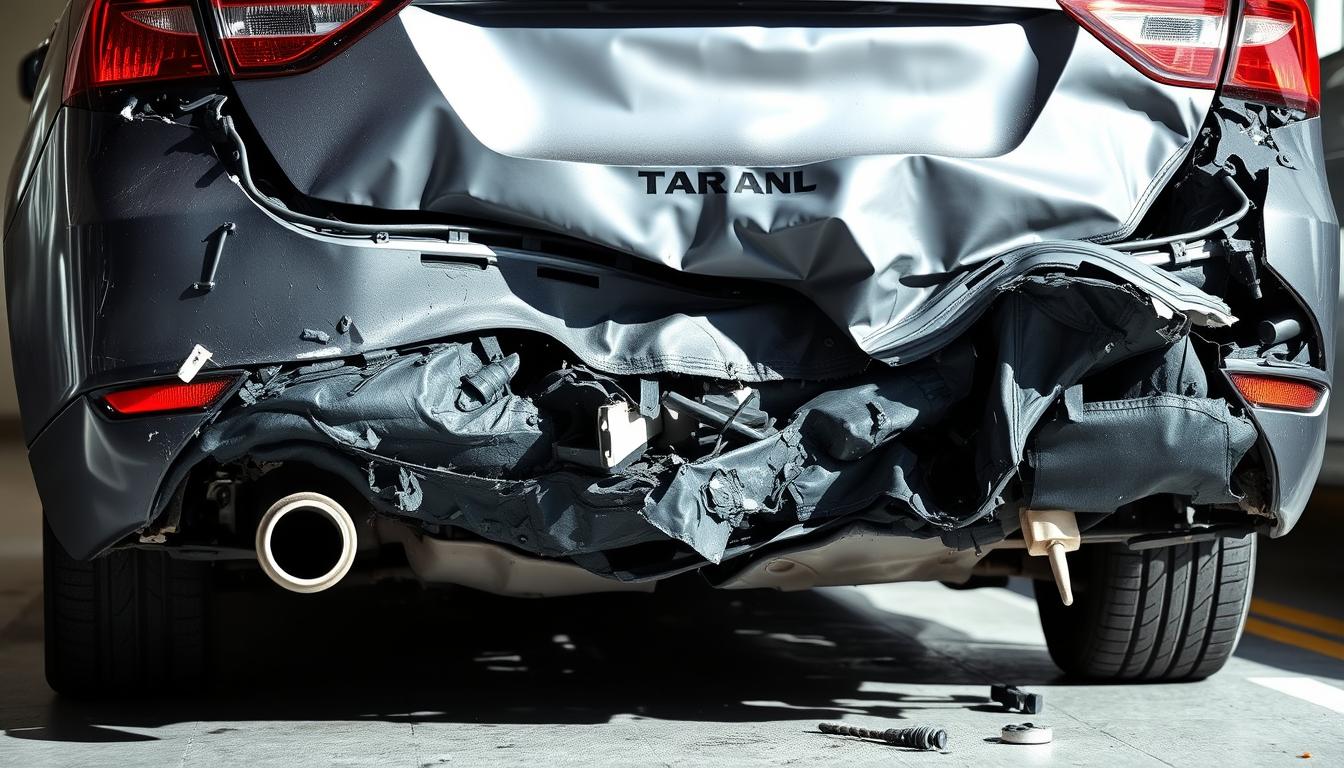
Being in a rear-end accident can be very stressful. But it’s important to know how it affects your car’s safety. Every year, about 1.7 million rear-end crashes happen in the U.S., from small to big ones.
Even small accidents can cause big safety problems if not fixed right. For example, a car’s trunk alignment might get messed up. This could lead to more issues later. It’s key to take rear-end damage seriously and get your car checked and fixed by experts.
Key Takeaways
- Rear-end accidents can cause significant safety issues.
- Even minor damage can lead to major problems if not addressed.
- Proper inspection and repair are critical after a rear-end accident.
- Trunk alignment is a key thing to check after such incidents.
- Professional repair services can ensure your vehicle’s safety.
Understanding Rear Collision Damage
A rear-end collision happens when one car hits another from behind. This can cause a lot of damage. The impact can hit parts like the bumper system, frame, and more.
What Happens During a Rear-End Collision?
In a rear-end collision, the car’s bumper and frame take the hit. The bumper system tries to absorb the shock. But, big hits can damage more than just the bumper.
The crash can mess up the frame, alignment, and even the engine or suspension. How much damage depends on the speed and the bumper system‘s strength.
Common Types of Damage from Rear Collisions
Rear-end collisions can cause many problems, such as:
- Frame damage
- Alignment issues
- Engine damage
- Suspension problems
- Electrical system malfunctions
- Trunk damage
The table below shows common damages and their effects:
| Type of Damage | Potential Effects |
|---|---|
| Frame Damage | Structural integrity compromised, possible further damage |
| Alignment Issues | Uneven tire wear, steering problems |
| Engine Damage | Lower performance, risk of engine failure |
| Suspension Problems | Poor handling, higher risk of more damage |
Knowing the damage from a rear-end collision is key to checking your car’s safety and function after an accident. If you’ve been in a rear-end collision, get your car checked by a pro to find any issues.
The Importance of Vehicle Safety Features
Vehicle safety features are very important. They help reduce the damage from rear-end collisions. Modern cars have many safety features to protect people and lessen damage.
Modern Safety Mechanisms
Today’s cars have advanced safety features. These include airbags, anti-lock braking systems (ABS), and electronic stability control (ESC). These work together to make vehicles safer.
- Airbags deploy to cushion the impact and lessen injuries.
- ABS stops wheels from locking up during hard braking, keeping traction.
- ESC helps keep the vehicle stable, lowering skidding risk.
How They Relate to Rear-End Collisions
In rear-end collisions, these safety features are key. They help prevent injuries and lessen vehicle damage. For example, a car with these features will likely have less damage than one without.
| Safety Feature | Function | Benefit in Rear-End Collision |
|---|---|---|
| Airbags | Deploy upon impact | Reduces injury severity |
| ABS | Prevents wheel lockup | Maintains vehicle control |
| ESC | Stabilizes vehicle | Reduces skidding risk |
After a rear-end collision, get your car checked by experts. At Miracle Body and Paint Collision Center, our team can check and fix any damage. Your car will be safe to drive. Don’t wait to contact us for a detailed check and repair services.
Assessing the Extent of Rear-End Damage
After a rear-end collision, it’s not just about the dents and scratches. You need to check everything carefully. This ensures you catch all the damage.
Visual Signs of Damage
Start by looking closely at the damage. Look for dents, scratches, and if parts are out of place. Check if the trunk is straight and if the bumper or other parts are damaged. Even small damage can hide bigger problems, like structural issues.
Tools for Damage Assessment
While you can see some damage, you’ll need special tools for a full check. Mechanics use tools like frame straighteners and alignment racks. Special tools can find hidden problems that you can’t see.
- Frame straightening equipment
- Alignment racks
- Diagnostic software
When to Seek Professional Help
If you’ve been in a rear-end collision, get help from a pro. Places like Miracle Body and Paint Collision Center can do a detailed check. They look for hidden damage that could affect your car’s safety and how it runs.
Don’t ignore important damage. Go to a trusted repair shop to make sure your car is fixed right.
The Hidden Risks of Minor Damage
Minor rear-end damage can be tricky. It might look small at first, but it can hide big risks for your car’s safety and performance. It’s important to check it carefully to avoid bigger problems later.
Long-Term Effects on Vehicle Performance
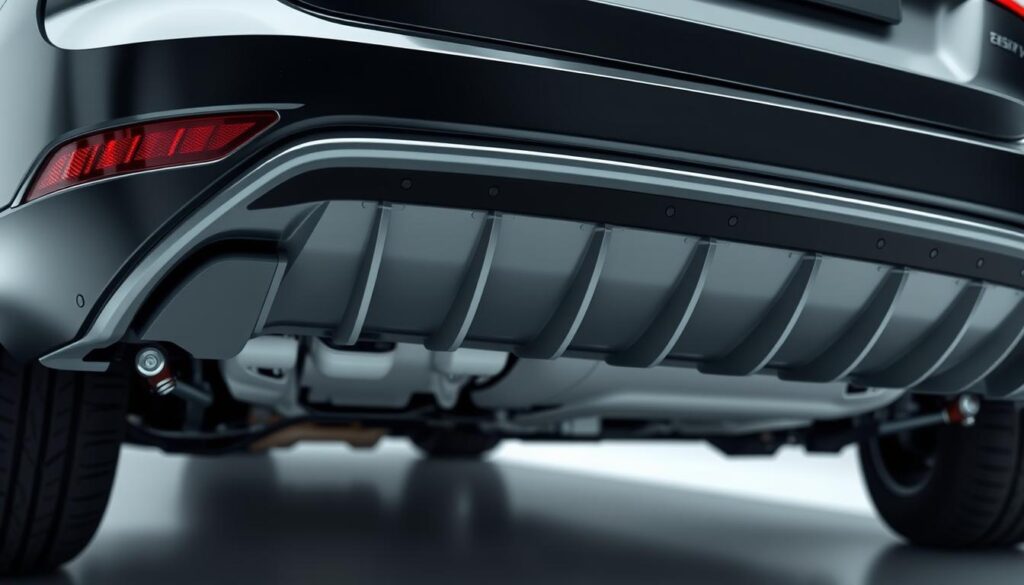
Even small rear-end crashes can mess with your car’s bumper system. This can lead to problems with how your car drives. The bumper is made to take hits, but damage can weaken your car’s safety.
Over time, small damage can cause:
- Less fuel efficiency because of misaligned parts
- More wear on parts like suspension and steering
- Greater damage in future crashes
For a full check and to learn about hidden damage from rear-end crashes, talk to experts at Miracle Body and Paint Collision Center.
Safety Concerns After a Minor Accident
After any crash, safety is most important, even if it’s small. Minor damage can hide bigger problems that could risk your safety. This puts everyone inside at risk.
Some safety worries include:
| Safety Feature | Potential Issue | Consequence |
|---|---|---|
| Airbags | Malfunction or failure to deploy | Increased risk of injury |
| Crash Sensors | Damage or malfunction | Compromised safety response |
| Frame Integrity | Structural weakening | Reduced protection in future accidents |
Regular checks and expert advice are key to spotting and fixing these problems early. This keeps your car safe to drive.
Legal Implications of Rear-End Collisions
After a rear-end collision, figuring out who’s at fault and handling insurance claims is key. The legal side of such accidents can be tricky. Many factors can affect the outcome of insurance claims and legal actions.
Liability and Responsibility
Usually, the driver who hit the car from behind is to blame. They didn’t keep enough distance. But, sometimes, the blame can fall on someone else.
Factors influencing liability include:
- Road conditions
- Vehicle maintenance
- Driver behavior
Knowing these factors is important. It helps figure out who’s at fault and what to do next.
Insurance Considerations
Insurance is very important after a rear-end collision. The claim process can be complex. It involves different insurance policies and how much coverage you have.
| Insurance Aspect | Description | Importance |
|---|---|---|
| Liability Coverage | Covers damages to the other party if you’re at fault | High |
| Collision Coverage | Pays for damages to your vehicle regardless of fault | Medium |
| Comprehensive Coverage | Covers non-collision damages (e.g., theft, natural disasters) | Medium |
Talking to insurance companies can be tough. Getting help from a professional is a good idea. They can make sure you get fair compensation for your damages.
If you’ve been in a rear-end collision, knowing your rights is important. For help with repairs and insurance claims, contact Miracle Body and Paint Collision Center today.
Repairing Rear-End Damage
After a rear-end collision, you need to check the damage and find a good repair shop. It’s important to know what repairs are needed and how much they cost.
Choosing a Trusted Repair Shop
Choosing a reliable repair shop is key. Look for one with experience in fixing rear-end damage. A good shop will fix your car right, including trunk alignment.
Miracle Body and Paint Collision Center is a top choice for repairs. They have the latest tools and skilled workers. They aim for the highest quality repairs.
Expected Repair Costs
Knowing the repair costs is important for planning. Costs vary based on damage, car type, and repair shop rates.
Get quotes from different shops to compare prices and services. Costs can change based on parts, labor, and extra repairs.
At Miracle Body and Paint Collision Center, you get clear prices and detailed estimates. They focus on quality and making customers happy. They’re a great choice for fixing rear-end damage.
Preventing Rear-End Collisions
Safe driving is key to avoiding rear-end collisions. Simple habits can greatly lower the risk of accidents. This keeps drivers and passengers safe, as well as others on the road.
Safe Following Distances
Keeping a safe following distance is very important. It gives drivers enough time to react to the car in front. The rule is to follow at least 3 seconds behind.
To check this distance, watch a fixed point on the road. Count the seconds it takes for your car to reach it after the car in front does. Always increase this distance in bad weather or at night.
Driver Awareness and Training
Driver awareness is also vital. Drivers should keep their eyes on the road and avoid distractions. Getting regular driver training can also help.
Training in defensive driving is very helpful. It teaches drivers to predict and react to dangers. By improving their skills and staying alert, drivers can avoid rear-end collisions.
The Psychological Impact of Rear-End Collisions
Being in a rear-end collision can be very traumatic. It affects people in many ways, not just physically. It’s important to know about the trauma and the help available.
Understanding Trauma from Accidents
The trauma from a rear-end collision can show up in different ways. Some people might feel anxious or scared when they’re in a car. Others might get PTSD, with flashbacks, severe anxiety, or constant thoughts about the accident.
Recognizing the signs of trauma is key to healing. These signs include:
- Anxiety or panic attacks
- Difficulty concentrating
- Insomnia or disturbed sleep patterns
- Avoidance of driving or riding in vehicles
It’s vital to see that the mental impact of a rear-end collision is as big as the physical damage. Getting professional help is important for recovery.

Support Options for Affected Individuals
There are many ways to get help if you’re dealing with the mental effects of a rear-end collision. Here are some:
| Support Option | Description |
|---|---|
| Counseling or Therapy | Professional counseling can help you deal with your trauma and find ways to cope. |
| Support Groups | Being in a support group can give you a sense of community and understanding from others who’ve gone through similar things. |
| Cognitive Behavioral Therapy (CBT) | CBT helps change negative thoughts and behaviors linked to the trauma. |
It’s very important to seek professional help after a collision. Knowing about the trauma and the help out there is a big step towards getting better and healing.
Rear-End Collision Statistics
Statistics on rear-end collisions give us important insights. They show how common and harmful these accidents are. By looking at national trends, we can grasp the risks better.
National Trends and Data
Rear-end collisions are very common on the roads. The National Highway Traffic Safety Administration (NHTSA) says many happen every year in the U.S. These incidents cause a lot of injuries and damage to property.
In recent years, more rear-end collisions have happened. This is because of more traffic and people distracted by their phones. The NHTSA says almost 29% of all crashes are rear-end collisions. This makes them a big safety concern.
Impact on Drivers and Passengers
Rear-end collisions can hurt drivers and passengers a lot. Injuries can be from minor whiplash to serious things like concussions and fractures. How bad the crash is affects the injuries.
These accidents can also hurt people’s minds. Being in an accident can cause anxiety and stress. It’s important to think about both the physical and mental effects of these crashes.
By knowing more about rear-end collisions, we can try to make them less common. We can do this by teaching people to drive safely and making cars safer.
When to Upgrade Your Vehicle Post-Collision
After a rear-end collision, checking the damage is just the start. You must decide if to fix or replace your car. This choice depends on the damage’s extent and repair costs versus your car’s value.
Signs Your Vehicle Should Be Replaced
Severe damage to the bumper system is a key sign to replace your car. The bumper is made to absorb shocks, but big damage means it won’t protect as well next time. Also, if fixing your car would cost more than it’s worth, upgrading might be smarter.
Other signs include:
- Significant frame damage that could compromise the vehicle’s structural integrity.
- Airbag deployment, which can be costly to replace.
- Advanced age or high mileage of the vehicle, making repairs less practical.
Evaluating Repair vs. Replacement Costs
Deciding to repair or replace your car needs a detailed cost check. First, get a full repair estimate that covers all needed fixes. Then, compare this to your car’s current market value to see if repairs are worth it.
Think about the long-term effects of your choice. Repairing your car might save money now, but a newer one could save more on fuel, maintenance, and safety features. This could lead to more savings and better safety over time.
In summary, choosing to upgrade your car after a collision requires weighing the damage, repair costs, and your car’s condition. If the damage is too much or repair costs are too high, it might be time for a vehicle upgrade for your safety and wallet’s sake.
Innovations in Rear Collision Safety Technology
The future of car safety is being shaped by new rear collision safety tech. The car industry is always getting better, with a focus on safety. They’re working on features to lessen the harm from rear-end crashes.
Advancements in Auto Manufacturing
Today’s cars are made with safety in mind. They come with automatic emergency braking and rearview cameras. These features help a lot in avoiding rear-end crashes. For example, a collision safety inspection shows how vital these are in preventing damage.
Car makers are also focusing on crashworthiness. They design cars to better handle impacts. This helps keep people safe and lowers injury chances.
Future Trends to Watch
The future looks bright with even more advanced safety tech. We’ll see vehicle-to-everything (V2X) communication. This lets cars talk to their surroundings, aiming to stop crashes before they happen.
Other trends include advanced driver-assistance systems (ADAS). These will become common in new cars. They’ll help keep drivers safe by giving them important alerts and help.
- Enhanced sensor technologies for improved detection
- Integration of AI for predictive safety measures
- Advancements in material science for better crash absorption
As these new techs come out, we’ll see fewer rear-end crashes. This will make our roads safer for everyone.
Conclusion: Prioritizing Safety After a Rear-End Collision
After a rear-end collision, keeping your vehicle safe is key. Making sure the trunk is aligned right is very important. Misalignment can cause uneven tire wear and make your car less stable.
Regular Maintenance for Enhanced Safety
Regular checks are essential to catch problems early. This helps fix issues before they get worse. Look at the frame, suspension, and other important parts that might have been damaged.
Promoting Safe Driving Habits
Safe driving habits are just as important. Keep a safe distance from the car in front, stay alert, and avoid distractions. These steps can lower your chances of getting into another accident.
If you need help fixing your car, contact Miracle Body and Paint Collision Center. Their team can make sure your car is safe and running well. This will give you confidence when you’re driving.

