

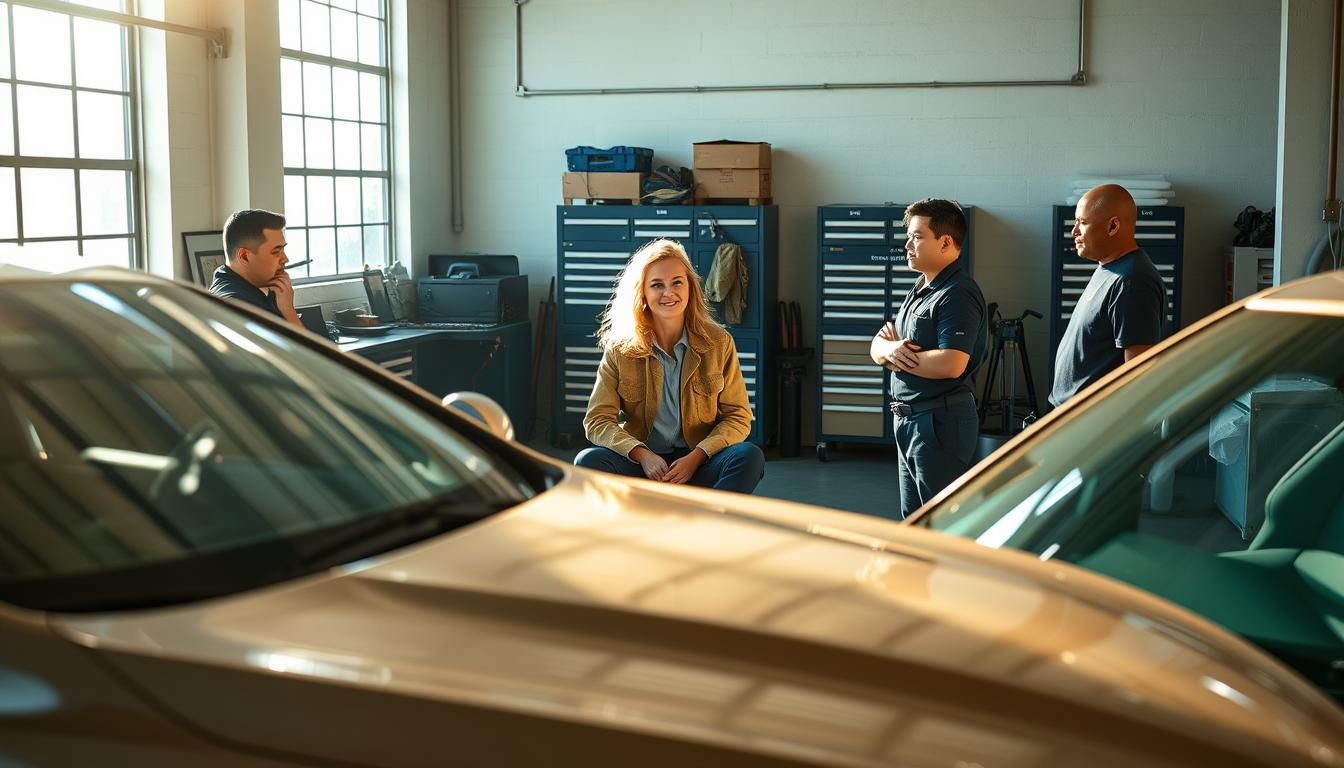
You’ll learn how Miracle Body and Paint Collision Center guides you from the moment a car accident happens through final delivery. Many people feel anxiety, fear, and low mood after a crash. Knowing these reactions are common is the first step toward coping.
Early medical checks help spot hidden injuries and brain trauma that can make emotional symptoms worse. Social support lowers the chance of long-term post-traumatic problems. Our clear estimates, timelines, and insurance help remove guesswork so you can focus on healing.
You’ll get practical strategies for the first days after the event. We explain how to organize documents, calm your nervous system, and ease back into driving with short, low-traffic trips. With two San Antonio locations—North West San Antonio (Leon Valley), (210) 680-1987, 6217 Grissom Rd., San Antonio, TX 78238, and North East San Antonio, (210) 858-3630, 4650 Walzem Rd, San Antonio, TX 78218—you have nearby drop-off and pickup options.
Hire Miracle Body and Paint to fix your collision repair damage and get the help you need to reclaim control.
Key Takeaways
- You’ll understand why a car accident can trigger anxiety and how a clear recovery plan helps.
- Transparent estimates and insurance support reduce worry and remove guesswork.
- Early medical checks rule out hidden injuries that could worsen emotional symptoms.
- Simple strategies and social support help calm your nervous system and stay organized.
- Short, low-traffic drives plus a repaired car rebuild confidence safely.
- Two San Antonio locations make drop-off and pickup convenient while you recover.
- Contact Miracle Body and Paint for collision repair and ongoing help from day one.
Understanding the Aftermath: Why Car Accidents Trigger Anxiety, Shock, and Post-Traumatic Stress
A collision often leaves you wired — your brain and body can keep reacting as if danger is still present. After a car accident, you may feel sudden anxiety, fear, or emotional numbness. Physical signs like a pounding heart, sweating, or sleep trouble often show up with those feelings.
The brain’s amygdala and the autonomic nervous system drive the fight‑flight‑freeze response. That wiring can link ordinary driving cues to the original trauma, so passing the crash site or sitting in the driver’s seat may trigger intense reactions.
- You may notice symptoms such as intrusive memories, nightmares, irritability, and difficulty concentrating.
- Short‑term shock usually fades in days to weeks, but lingering symptoms can become a stress disorder.
- If nightmares, avoidance of vehicles, or emotional numbness last for weeks, seek a mental health evaluation.
Practical note: knowing these reactions are biological reduces self‑blame. A steady routine and a trusted repair partner restoring your car’s safety and appearance can lower daily triggers and help rebuild confidence.
Hire Miracle Body and Paint Collision Center to get reliable collision repair that supports your recovery and reduces reminders that keep symptoms looping.
Immediate Steps After a Crash to Lower Stress and Protect Your Health
Right after a crash, schedule a medical exam so hidden injuries and possible brain trauma are not missed. A prompt visit helps a health professional document physical and emotional symptoms you might not notice right away.
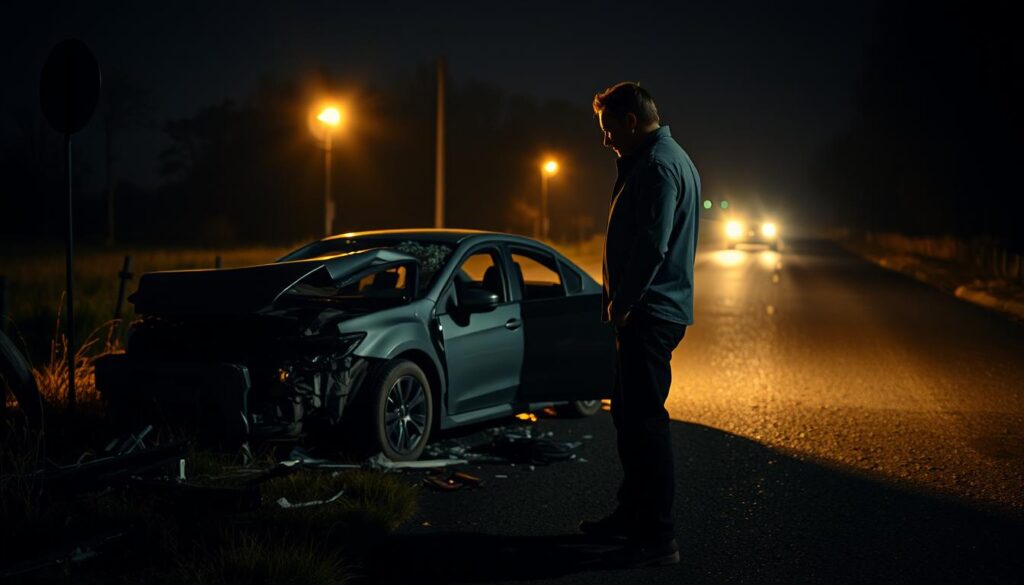
Document the event with photos, witness names, and a simple timeline. Keep medical notes, dates, and treatment records together so you can show how the injury and symptoms evolve over time.
Use a short daily log for headaches, sleep changes, irritability, or concentration problems. This record helps your providers tailor care and supports insurance claims if needed.
Practical steps to follow
- See a doctor quickly and ask for written findings.
- Notify your insurer and keep claim numbers and adjuster notes handy.
- Bring your car to Miracle Body and Paint Collision Center for a clear written estimate and a transparent repair plan.
- Accept their insurance claim assistance to reduce your administrative load so you can focus on health.
Accident Stress Relief: Practical Coping Strategies You Can Start Today
You can start calming your nervous system today with a few proven strategies that fit into a busy recovery. These small steps help manage anxiety, organize feelings, and protect your energy while others handle repair logistics.
Self-care that works
- Prioritize consistent sleep and gentle exercise cleared by your doctor to stabilize mood after the accident.
- Journal 5–10 minutes about feelings, triggers, and small wins to reduce rumination and track progress.
- Spend short time outdoors or take gentle walks to boost mental health without overtaxing your body.
- Use deep breathing, short guided meditations, or progressive muscle relaxation to lower spikes of anxiety within minutes.
- Evidence supports mindfulness-based approaches and some forms of therapy for post‑traumatic symptoms.
Challenge thoughts and build confidence
- Practice cognitive reframing: replace catastrophic thoughts with balanced, factual statements.
- Set small goals—one short drive or a single call—and celebrate completion to rebuild confidence gradually.
- Limit social media and nonessential tasks to protect your time and reduce daily stress.
Practical note: offload car repair logistics to Miracle Body and Paint Collision Center so you can focus on recovery and the coping techniques that actually work.
When to Seek Professional Help for Anxiety, Depression, or Post-Traumatic Stress Disorder
When daily tasks feel overwhelming and mood or anxiety remain high for weeks, seeking care is important. Persistent problems after a car accident can mean you need a higher level of support to recover.
Signs it’s time to see a mental health professional
- You have recurring nightmares, intrusive memories, or flashbacks that disrupt sleep and focus.
- You avoid driving or vehicles, feel numb, or show irritability that impairs work or relationships.
- If symptoms last for weeks or months, or you withdraw from activities, arrange an evaluation promptly.
Therapy and medications that may help
Cognitive Behavioral Therapy (CBT) teaches you to spot patterns, challenge unhelpful thoughts, and build practical coping skills for trauma-related symptoms.
Medications can reduce anxiety and depression. Common choices include SSRIs and SNRIs such as fluoxetine, escitalopram, venlafaxine, and duloxetine. Benzodiazepines may help short term for acute spikes but pose dependency risks, so clinicians plan safer long-term care.
Other options include buspirone for ongoing anxiety and targeted supports like sleep aids or beta-blockers for physical arousal. Your therapist or prescriber will tailor a plan to your health needs.
- If arranging appointments feels hard, ask a trusted person to help with scheduling and rides.
- While you focus on treatment, let Miracle Body and Paint Collision Center handle estimates, scheduling, and insurance so one major burden is managed.
Lean on Support: Family, Friends, and Community to Aid Emotional Recovery
Sharing practical plans with loved ones reduces guesswork and helps you heal faster. Tell your family and friends the repair timeline and pickup location so they can arrange rides and check-ins. This simple step makes daily tasks feel lighter.
Build a small circle who understand your feelings and can check in regularly. Ask one trusted person for specific help — rides, paperwork, or company on a short drive.
- Join a peer support group, local or online, to compare experiences and learn coping ideas.
- Encourage loved ones to help with logistics like coordinating drop-offs and pickups at Miracle Body and Paint Collision Center.
- Set gentle social goals if you want to withdraw — a 10-minute call or a short walk counts.
Social support lowers the risk of long-term problems after trauma and improves mental health outcomes. Pair community help with sleep, journaling, and relaxation to build steady momentum during recovery from a car accident.
Getting Back Behind the Wheel: Step-by-Step Tips to Reduce Fear and Rebuild Confidence
Take your return to driving in small, manageable steps. Start with one short, quiet drive and build from there. When your car is repaired by Miracle Body and Paint Collision Center, the vehicle will feel safer and look like itself again. That makes gradual exposure easier and more effective.

Gradual exposure
Begin with calm times of day on familiar routes. Bring a trusted passenger who can offer steady support and reminders to breathe.
Skill-building
Consider a defensive driving course to sharpen hazard recognition and braking skills. Fresh practice improves control and raises confidence fast.
- Keep early drives brief—nearby errands only—and lengthen trips slowly.
- Add one new challenge at a time, such as a busier intersection or longer route.
- Pass the crash location when you feel ready and with a supportive rider beside you.
- Use simple in-the-moment strategies, like deep breaths at red lights, to manage spikes of anxiety.
- Track drives in a short log so you can see gains over time and celebrate progress.
Practical note: these strategies help you regain control and lower anxiety as your repaired car feels solid, safe, and ready for the road.
How Miracle Body and Paint Collision Center Reduces Your Post-Accident Stress
When your car needs repair, clear communication from the shop lowers anxiety and speeds your return to normal life.
Clear estimates, timeline transparency, and insurance claim assistance
- Get a clear, written estimate and a target timeline so you always know the next step and reduce anxiety tied to the unknown after an accident.
- Let our team handle insurance claim assistance and communication, cutting down on calls and paperwork while you focus on health and recovery.
- Expect proactive updates so you’re never left guessing; transparency is one of the simplest ways to lower day-to-day stress during repairs.
Quality collision repair that restores safety, appearance, and peace of mind
- Count on professional collision work that restores structural integrity, safety systems, and the car’s appearance to support confidence behind the wheel.
- If you’re navigating personal injury or compensation discussions, accurate repair documentation and photos from us help the process.
Two San Antonio locations for fast, convenient service
- Choose the most convenient location—Leon Valley on Grissom Rd. or Walzem Rd. in North East San Antonio—for faster drop-offs and pickups.
- Return to the road in a car that feels solid and safe, an important foundation for regaining driving confidence after a car accident.
Hire Miracle Body and Paint Collision Center today: North West San Antonio – Leon Valley, (210) 680-1987, 6217 Grissom Rd., San Antonio, TX 78238; North East San Antonio, (210) 858-3630, 4650 Walzem Rd, San Antonio, TX 78218.
Conclusion
Recovery blends medical care, practical coping, and steady social support. After a car accident, you can expect anxiety and other symptoms. With time and targeted strategies, you will reclaim routines and confidence.
Start with a medical check, clear documentation, and simple coping steps. Add gradual driving exposure as your comfort grows. If symptoms persist, seek professional help—CBT and medications can ease post‑traumatic stress disorder and mood problems.
Lean on family and friends and simplify logistics so your energy goes to healing. Keep records for pain, losses, or compensation claims; organized notes help your case.
Hire Miracle Body and Paint Collision Center to handle repairs and paperwork so you focus on recovery. North West San Antonio – Leon Valley, (210) 680-1987, 6217 Grissom Rd., San Antonio, TX 78238. North East San Antonio, (210) 858-3630, 4650 Walzem Rd, San Antonio, TX 78218.

