

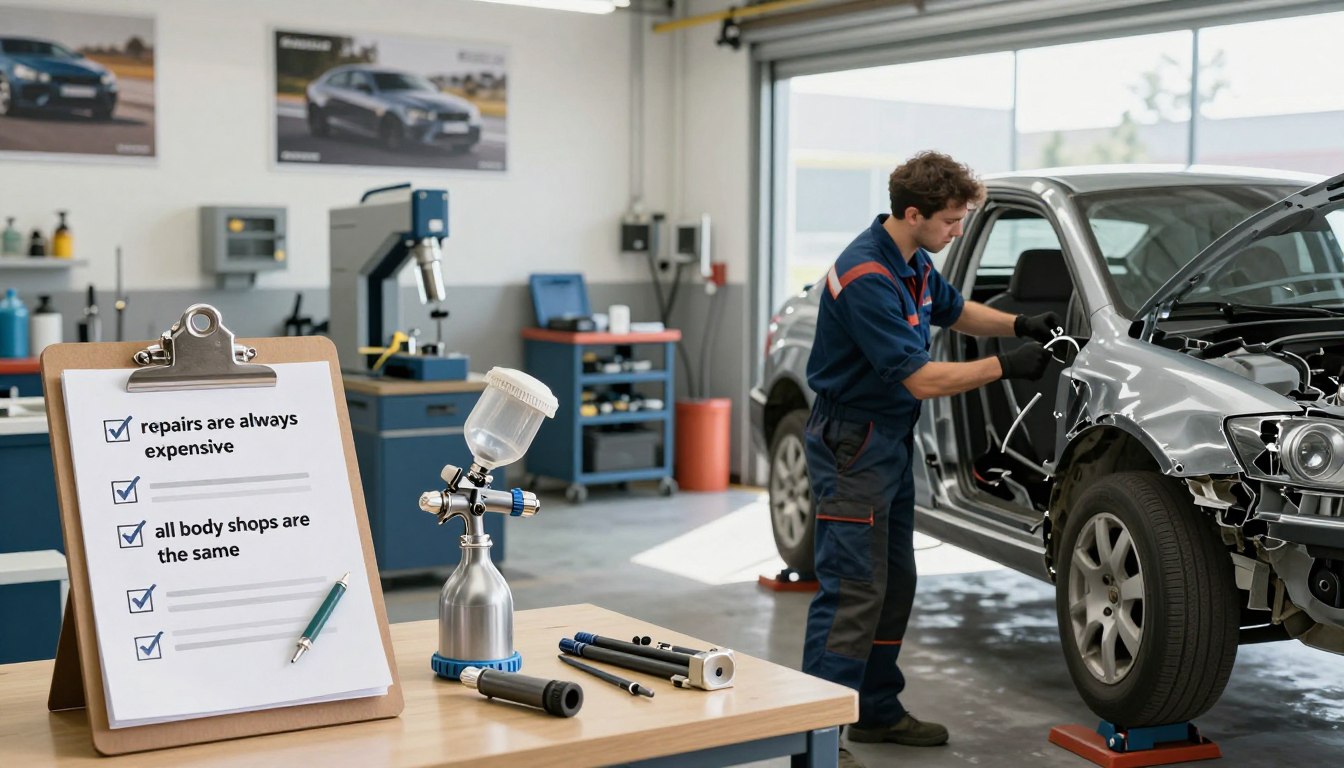
Dealing with vehicle damage is stressful enough. But, misinformation makes it worse. Many drivers get conflicting advice after an accident, causing unnecessary worry.
At Miracle Body and Paint Collision Center, we want to clear things up. We have two locations in San Antonio. Our team is here to help you feel confident during the process.
It’s time to debunk common auto body repair myths. By focusing on collision repair facts, you can make smart choices. This protects your vehicle and saves your money.
Key Takeaways
- Understand the truth behind common industry misconceptions.
- Learn why choosing the right shop matters for your safety.
- Discover how Miracle Body and Paint serves the San Antonio community.
- Gain confidence in navigating insurance claims and estimates.
- Separate professional standards from outdated garage rumors.
The Reality Behind Auto Body Repair Myths
When your car gets damaged, it’s key to know what’s real and what’s not. Many drivers believe repair misconceptions that affect how they deal with insurance and choose repair shops. These myths often come from old information or stories passed down.
One big myth is that insurance only covers the minimum to make your car driveable. But, good insurers aim to fix your car like it was before the accident. Believing this myth might lead you to accept lower-quality repairs than you should.
Knowing the truth about auto body repair myths helps you make smarter choices for your car. By using real facts instead of rumors, you protect your investment and stay safe on the road. Here’s a table showing how myths differ from real standards.
| Common Myth | The Reality | Impact on You |
|---|---|---|
| Insurance pays the bare minimum | Coverage is based on policy terms | Higher quality restoration |
| Only dealers fix cars right | Independent shops are certified | More competitive pricing |
| Repairs always take weeks | Efficient shops use modern tech | Faster return to driving |
| DIY kits save money | Improper fixes cost more later | Long-term vehicle safety |
By clearing up these persistent misconceptions, you can better stand up for your car. Always choose professional advice over what friends or online forums say. Your car needs expert care and attention to detail.
Myth One: You Must Use the Shop Recommended by Your Insurance Company
Many people think their insurance company must choose where they get their car fixed. They believe if an insurer suggests a shop, they must go there. But, the truth is, you have the right to choose where your car is fixed.
Understanding Your Right to Choose
In the United States, you can pick any auto body shop you want for repairs. Insurance companies have “preferred” shops to save money and make things easier for them. But, you don’t have to use these shops.
Choosing your own shop means your car is fixed by people you trust. It’s better to focus on your car’s safety and value than what’s easy for the insurance company. Make sure your chosen shop uses quality parts and follows the manufacturer’s repair methods.
Why Independent Shops Often Provide Better Quality
Independent shops usually care more about you than about meeting insurance quotas. They rely on their good name in the community, so they work harder to do a great job. By picking an independent shop, you get better service and clearer communication.
| Feature | Insurance-Recommended Shop | Independent Repair Shop |
|---|---|---|
| Repair Priority | Insurance cost-saving | Vehicle quality and safety |
| Part Selection | Often aftermarket/used | Often OEM or high-quality |
| Customer Focus | High volume/Efficiency | Personalized attention |
| Repair Standards | Network guidelines | Manufacturer specifications |
Knowing the truth about car repairs helps you make smart choices. By choosing quality over what’s easy for the insurance, your car will be fixed right. Using these collision repair facts helps you get the best for your car.
Myth Two: Dealerships Always Perform Better Repairs Than Independent Shops
Many people believe that dealerships do better repairs than independent shops. They think that a dealership’s name means better service. But, the real key is the skill of the technician, not the name on the building.
Comparing Technician Training and Certification
Today’s cars need special knowledge to fix right. Both dealerships and good independent shops have technicians with industry-standard certifications. These include I-CAR or ASE, showing they know the latest repair methods.
Independent shops also invest in special training. They focus on certain car brands, making their team very skilled. This ongoing learning is key when picking a repair service.
The Cost Difference Between Dealerships and Specialized Centers
Dealerships have higher costs, which they pass on to customers. Independent shops, on the other hand, might be cheaper without losing quality. They offer a more personal service, making sure you know what’s being done to your car.
| Feature | Dealership Repair | Independent Shop |
|---|---|---|
| Labor Rates | Typically Higher | Often Competitive |
| Technician Focus | Brand Specific | Specialized/General |
| Customer Service | Standardized | Highly Personalized |
| Equipment | Factory Approved | Advanced/Modern |
Choosing the right place depends on your needs and the damage. Look up local shops and check their certifications. This way, you can get expert care no matter where you go.
Myth Three: Minor Dents and Scratches Do Not Require Professional Attention
Small dings and scratches are more than just eyesores; they are entry points for damage. Many drivers think that if a car drives fine, the damage is just cosmetic. But ignoring these issues can lead to big problems and costs later on.
The Hidden Dangers of Rust and Corrosion
When a scratch goes through the paint, it exposes metal to the elements. In the U.S., moisture, road salt, and humidity cause rust. Once rust starts, it spreads fast, often hidden until it’s too late.
Knowing these collision repair facts is key to keeping your car in good shape. A small chip can grow into a big problem. Getting it fixed early stops damage before it’s too late.
How Neglected Damage Affects Vehicle Resale Value
Your car is a big investment, and its looks matter a lot. Unfixed dents and scratches can make buyers think you didn’t take care of it. This can lower offers or make buyers walk away.
Fixing minor damage quickly keeps your car looking new. This helps keep its value for selling or trading in. The table below shows what happens if you wait too long to fix these issues.
| Damage Type | Immediate Action | Delayed Action |
|---|---|---|
| Surface Scratch | Buffing and Polishing | Deep Rust and Panel Replacement |
| Small Dent | Paintless Dent Repair | Body Filler and Repainting |
| Paint Chip | Touch-up Application | Corrosion and Paint Peeling |
Myth Four: Aftermarket Parts Are Always Inferior to Original Equipment Manufacturer Parts
Many people think that only parts with the car maker’s logo are good. But, the truth is more complex. It’s not just a simple choice between factory and aftermarket parts.
It’s important to know the difference between parts. While some aftermarket parts are low-quality, others are just as good as the original.
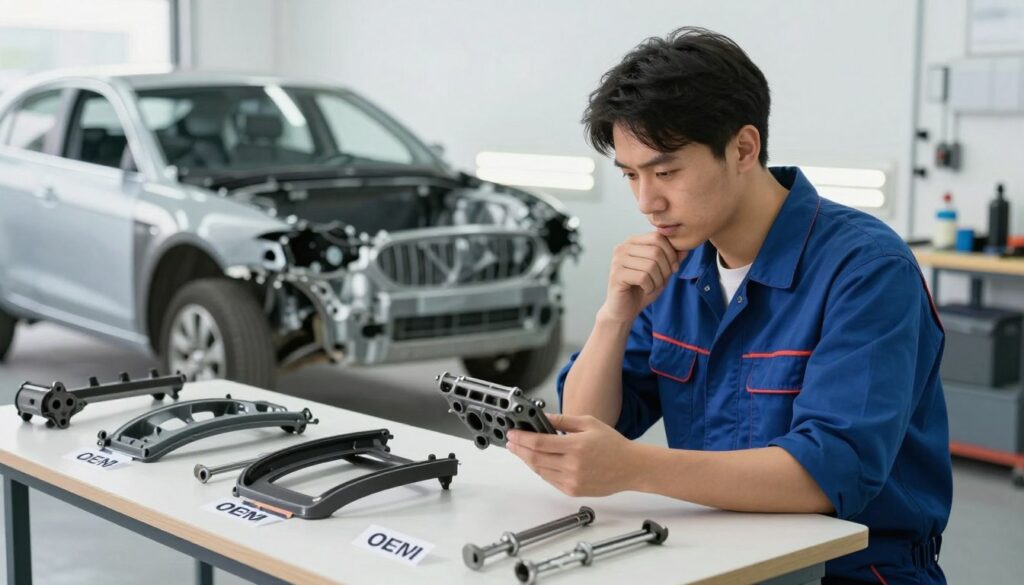
Distinguishing Between Quality Aftermarket and Cheap Alternatives
Not all aftermarket parts are the same. Look for parts that are CAPA-certified. This means they’ve been tested to match the quality of the original part.
- CAPA-Certified Parts: These are high-quality alternatives that undergo rigorous testing.
- Economy Parts: These are often cheaper but may lack the precise fit or corrosion resistance of better options.
- Used/Recycled Parts: These are genuine OEM parts salvaged from other vehicles, which can be a great middle-ground choice.
Choosing the right part depends on what you need. High-quality aftermarket body panels, like bumpers or fenders, often work just as well as the originals.
When OEM Parts Are Necessary for Safety
While aftermarket parts are fine for many cosmetic repairs, some parts need to be OEM. This is because modern cars have complex systems.
For critical safety parts, like the frame, sensors, or airbags, OEM parts are highly recommended. These parts are made to work perfectly with your car’s safety features. Using non-certified parts could risk your safety in an accident.
Myth Five: A Repainted Car Will Never Look the Same as the Factory Finish
Many people believe that a repainted car will always look different. They think it will lose its beauty after a crash. But, today’s shops have tools that make this worry go away.
Precision is the standard in today’s repair industry. With advanced technology, technicians can make your car look like new again.
Advancements in Modern Paint Matching Technology
Shops now use digital spectrophotometers to find your car’s exact color. These tools measure light reflection to create a perfect formula. This method is much better than old ways.
Computerized systems then mix the paint exactly right. These collision repair facts show that modern tech beats old methods. Your car’s finish will look just like the factory paint.
The Importance of Professional Color Blending Techniques
Even with a perfect match, how the paint is applied matters a lot. Technicians use color blending to mix the new paint with the old. This makes the repair area blend in seamlessly.
By blending the paint, the repair area is almost invisible. Professional blending keeps your car looking great. It’s why high-quality repairs keep your car’s value and beauty.
Myth Six: Collision Repair Always Takes Weeks to Complete
Many people think their car will be in the shop forever. But, most repairs take much less time than expected. Knowing how repairs work helps you plan better.
Factors That Influence Repair Timelines
Several things affect how long your car stays in the shop. The extent of the damage is key. Big repairs need more time and work than small ones.
Also, getting parts on time is important. If parts are hard to find, repairs might take longer. But, good shops usually get parts quickly. They tell you about any delays.
How Efficient Workflow Management Speeds Up Service
Today’s collision centers use special software to track repairs. This helps them work faster and avoid delays. Your car moves smoothly from start to finish.
Looking at collision repair facts, you’ll see many shops fix cars fast. They have teams that work well together. Picking a shop that’s organized helps you get back on the road sooner.
Myth Seven: You Can Easily Fix Collision Damage with DIY Kits
Many people think a DIY kit can fix their car after a crash. But, these kits usually only work for small cosmetic fixes. They are not enough for real repairs.
Home repairs often overlook the complexity of modern cars. These auto body repair myths make us think dents are just surface problems. But, they can hide deeper damage.
The Risks of Improper Structural Repairs
Trying to fix structural damage yourself is very risky. If you don’t fix the frame or support parts, your car might not be safe in another crash.
Here are some dangers of DIY repairs:
- Compromised safety systems: Sensors and airbags might not work right if the frame is off.
- Hidden corrosion: Bad repairs can trap moisture, causing rust fast.
- Structural instability: A car that looks fixed might not be strong enough to protect you.
Why Professional Equipment Is Essential for Safety
Collision centers use special tech that most people can’t get. They use computer systems to make sure your car is just right.
Without this tech, you can’t be sure your car is safe. Professional repairs mean your car will be safe and work right. Skipping these services is risky for you and others.
Myth Eight: All Auto Body Shops Offer the Same Level of Service
Many people believe that all auto body shops are the same. They think getting a car fixed is the same everywhere. But, the truth is, the quality of service can really differ from one place to another.
What to Look for in a Reputable Collision Center
When looking for a place to fix your car, look for modern technology and training. A good shop will show off their tools and the skills of their technicians. They should use the latest in frame alignment and paint matching to fix your car right.
Also, check how clean and organized the shop is. A tidy shop shows the care the technicians put into fixing your car. Don’t be shy to ask about their repair methods for your car’s specific make and model.
| Feature | Reputable Shop | Substandard Shop |
|---|---|---|
| Technician Training | I-CAR Gold Class Certified | Minimal or No Certification |
| Equipment | Modern Diagnostic Tools | Outdated or Manual Tools |
| Parts Quality | OEM or High-Grade Aftermarket | Low-Cost/Salvage Parts |
| Warranty | Written Lifetime Guarantee | Limited or No Warranty |
The Value of Customer Reviews and Industry Certifications
Look at what other customers say about the shop. Good reviews about communication and repair quality are a sign of a trustworthy shop. How they handle insurance and customer concerns is also key.
Industry certifications, like those from I-CAR, show a shop’s commitment to quality. These certifications mean the shop meets high industry standards. Choosing a certified shop means your car is in good hands.
Myth Nine: Your Car Is Totaled if the Airbags Deploy
Many people think that if the airbags go off, the car is a total loss. They believe it’s not safe or worth fixing. But, this isn’t true for most cars today.
How Insurance Companies Determine Total Loss
Insurance adjusters don’t just look at airbags to decide if a car is totaled. They compare the repair cost to the car’s actual cash value. If the repair cost is too high, they might say it’s a total loss.
These collision repair facts show that it’s all about money. If your car is new or valuable, fixing the airbags might not be too expensive. Always get a professional’s opinion before giving up.
The Reality of Modern Airbag Replacement and Safety Systems
Today’s cars have advanced safety features that can be fixed by experts. Replacing an airbag is more than just putting in a new one. It also means checking sensors, wiring, and control modules. Professional repair centers have the tools to make sure these systems work right after a crash.
Don’t believe these repair misconceptions and make smart choices for your car. Choosing a certified shop means your car gets fixed right, following the maker’s rules. Knowing the collision repair facts helps keep your car safe and reliable for a long time.
Myth Ten: Frame Damage Means Your Car Is Unsafe Forever
Many people believe that frame damage means their car is doomed. They think once the frame is damaged, the car can never be safe again. But, this is not true if you take your car to a professional repair shop with the right tools.
If you think your car might have been damaged, it’s important to know how to check for frame damage. Finding out early lets experts fix it before it gets worse. Knowing these collision repair facts helps you make smart choices about your car’s future.
Precision Frame Straightening Technology
Today’s repair shops use high-tech systems to fix your car. They use lasers and sensors to measure the frame with incredible accuracy. This lets them fix the frame to match the car’s original design.
This new method is much better than old ways. Precision is key to making sure everything fits perfectly. When fixed right, your car drives and feels safe again.
Ensuring Structural Integrity After a Major Collision
Fixing the frame is not just about looks; it’s about safety. After fixing the frame, technicians test it to make sure it’s strong. They also check safety systems like airbags to make sure they work right.
The table below shows how old methods differ from today’s advanced repairs:
| Feature | Traditional Repair | Modern Precision Repair |
|---|---|---|
| Measurement | Visual/Manual | Computerized Laser |
| Accuracy | Approximate | Millimeter-Perfect |
| Safety | Questionable | Factory-Certified |
| Outcome | Potential Misalignment | Restored Integrity |
Choosing a shop with the latest technology means your car stays safe. Professional repairs fix structural damage, keeping your car safe. You don’t have to accept a damaged car when modern tech can fix it.
Myth Eleven: You Should Wait for the Insurance Adjuster Before Visiting a Shop
Many people believe you must wait for an insurance adjuster before getting your car fixed. They think it will make their claim more complicated or cost more. But, your insurance company doesn’t need you to wait for them to choose a repair shop.
The Benefits of Getting an Independent Estimate First
Getting an independent estimate from a trusted shop gives you a clear idea of the damage. This way, you’re ready to talk about repairs with your insurance. It helps you understand what needs to be done before the adjuster arrives.
By getting an independent assessment, you avoid common mistakes that can lead to underpaid claims. You can ask smart questions about the parts and labor needed to fix your car. A professional can also catch any hidden damage early on.
How Early Assessment Prevents Further Damage
Waiting for an adjuster can leave your car open to the elements for a long time. If your car has exposed metal or broken seals, moisture can cause corrosion and rust. Taking your car to a shop right away lets them do temporary fixes or keep it in a controlled environment.
Quick action is key to avoiding more damage. A fast check can find mechanical issues you might not see. This way, you protect your car and keep it safe to drive or store until repairs start.
Myth Twelve: Older Vehicles Are Not Worth Professional Collision Repair
Many people think older cars aren’t worth fixing after a crash. They believe high mileage or low value means it’s a total loss. But, these cars are often reliable and hold personal value.
Assessing the Long-Term Value of Your Vehicle
Don’t just look at the blue book value when deciding on your car’s worth. Think about the total cost of ownership. This includes the engine’s reliability and the transmission’s condition. If your car is well-kept, professional repairs can add years to its life.
Buying a new car can lead to high monthly payments and more insurance costs. Choosing quality repairs can save you money and keep your car running. These collision repair facts show fixing your car might be cheaper than buying a new one.
Safety Considerations for Older Models on the Road
Safety is key when deciding to fix an older car. Even older cars must meet basic safety standards. Professional shops use special tools to make sure the car’s frame is safe.
Ignoring damage in an older car can make it unsafe in a crash. Always talk to a certified technician to see if your car is safe to drive. Here’s a table to help you decide between fixing or replacing your car.
| Factor | Older Vehicle | Newer Vehicle |
|---|---|---|
| Repair Cost vs. Value | Often higher percentage | Usually lower percentage |
| Replacement Cost | Low (Used market) | High (Depreciation) |
| Safety Features | Basic/Standard | Advanced/Integrated |
| Insurance Premiums | Generally Lower | Generally Higher |
Myth Thirteen: The Cost of Repairs Is Always Negotiable
Many people think you can always talk down the price of car repairs. They believe a repair estimate is just a starting point for negotiations. But, professional shops use industry data and precise calculations for their quotes.
At a reputable shop, the quote you get follows strict guidelines. These guidelines help ensure you pay a fair price for your car’s repairs.
Understanding the Complexity of Labor and Material Costs
The cost to fix a car is not random. It’s based on skilled labor, advanced tools, and quality materials. Shops consider many factors when setting your bill:
- Technician Skill Levels: Certified techs need higher pay to meet factory standards.
- Material Quality: Premium paints and OEM parts cost more but last longer.
- Diagnostic Time: Modern cars need detailed computer scans to find hidden damage.
- Facility Overhead: Keeping up with the latest tools and paint booths is expensive.
These are key collision repair facts everyone should know. Trying to lower these costs overlooks the expertise needed for a safe fix.
Why Quality Repairs Are an Investment in Your Safety
Seeing your repair bill as just an expense is risky. It’s really an investment in your personal safety and your car’s safety. Cheap repairs can weaken safety features, putting you at risk.
A reputable shop puts your safety first, not just making a profit. Choosing quality means your car will meet safety standards. Quality repairs give you peace of mind that no discount can match.
Conclusion
Understanding auto body work is key. You now know the difference between myths and real facts. This knowledge helps keep your car safe and its value high.
Quality service ensures your car works as it should. You should feel safe driving after a repair. Choosing experts who focus on safety and detail is important.
If you need help, contact Miracle Body and Paint Collision Center. Our team works hard to make your car like new again. We have two locations in San Antonio to help you.
Check out our North East San Antonio or North West San Antonio – Leon Valley shops. Our technicians are ready to help you. Contact us today to book your repair and see the difference expert care makes.

