


After a crash, you want clear answers. You need to know who controls the repair outcome: the insurer that pays or the shop that fixes your vehicle.
This short guide explains the repair process from your first claim call to the final handoff. You’ll see where estimates come from, how documentation helps, and what rights you keep when choosing a facility.
Documentation matters: photos, OEM procedures, and printed estimates strengthen your position during negotiation. First‑party claims carry a duty of fair payment; third‑party claims shift leverage toward the other insurer.
Shops remain liable for safe, proper repairs even when a company questions operations. Knowing when to request supplements, ask for appraisals, or escalate a dispute helps you protect your car and your rights.
Ready for help? Hire Miracle Body and Paint Collision Center to fix your collision repair damage. They serve San Antonio from two locations: North West San Antonio – Leon Valley, (210) 680-1987, 6217 Grissom Rd., San Antonio, TX 78238; North East San Antonio, (210) 858-3630, 4650 Walzem Rd, San Antonio, TX 78218.
Key Takeaways
- You control choice of facility and should document damage thoroughly.
- Estimates and supplements explain what repairs are needed and why.
- First‑party and third‑party claims follow different pressure points.
- Appraisal clauses can level the field when estimates differ.
- The shop that repairs your vehicle is responsible for safe, OEM‑compliant work.
- Miracle Body and Paint Collision Center can guide your claim and repair from start to finish.
What You’re Really Asking After a Crash
After a crash, your first questions usually focus on control: who decides repairs and how long it will take. You want your vehicle fixed safely, not rushed or underpaid.
Common concerns include hidden damage, how the claims process works, and whether the insurer will dictate parts or procedures.
Documentation and education reduce disputes. Photos, OEM repair instructions, and clear estimates give you leverage when issues arise.
- Who has final say and how to protect your right to proper repairs.
- How to spot hidden damage and manage supplements without extra delay.
- Ways to keep communications clear so timelines and expectations stay realistic.
- How to escalate using OEM procedures if you face pushback from the insurer.
Remember: shops remain liable for safe, compliant work even when the insurance estimate is low. Knowing documentation and escalation paths saves time and stress for drivers.
Insurance Company vs Body Shop: Who Calls the Shots in the Repair Process
Decisions about what gets fixed hinge on both coverage rules and the shop’s technical findings. You’ll see the insurer set scope and payment limits while the repair facility finds what must be done to make your car safe again.
Insurer responsibilities: coverage, initial estimates, and approvals
The insurance company reviews your policy, writes or checks initial estimates, and authorizes payment for covered items. These actions shape the early repair timeline and what the carrier will fund.
Why this matters: the insurer can approve an initial scope, but that scope may change after teardown and diagnostics.
Body shop responsibilities: diagnostics, OEM procedures, and liability
The body shop performs deep diagnostics, follows OEM procedures, and completes calibrations and weld tests where required. Technicians document findings so you and the insurer see why additional work is needed.
- Your insurance company determines coverage and sets the payment baseline using its estimates.
- The shop identifies structural and safety needs, then follows oem steps to restore crashworthiness.
- The repair process is collaborative but the shop bears legal liability for safe, quality work.
- Detailed photos, printed OEM procedures, and teardown notes help bridge gaps when estimates differ.
Remember: the contract to repair rests between you and the shop. Even if the company paying refuses some charges, the shop must stand behind the work and meet manufacturer standards.
Your Rights and the Law During Claims
Understanding your legal rights during a claim lets you push for safe, complete repairs. The law creates different leverage depending on whether you file a first‑party or third‑party claim.
First‑party vs third‑party: how your leverage changes
In a first‑party claim your insurer owes a duty of fair treatment under policy and state law. That duty gives you more leverage to insist on complete, OEM‑compliant work.
When you pursue a third‑party claim against another driver, that carrier often aims to limit payouts. You may need stronger documentation to win disputed repairs.
The right to choose your repair facility
You have a right choose repair in most states. Anti‑steering rules prevent undue pressure from insurance companies to use preferred facilities.
- States often require disclosure of shop agreements; Michigan, for example, forces insurers to tell you about DRP ties.
- Use photos, OEM procedures, and teardown notes to support your position.
- If steering happens, file a complaint with your state department of insurance.
Appraisal clause basics
If your policy includes an appraisal clause, you can invoke it when estimates differ. Independent appraisers help “level the playing field” and resolve cost disputes without litigation.
Note: Even without an appraisal clause, escalate within the insurer’s chain or seek state regulatory help to protect your rights and safety.
Estimates, Negotiations, and the Repair Bill
When estimates don’t line up, you need a clear path from disagreement to resolution. Start with a line‑by‑line comparison to spot scope gaps and missing operations.
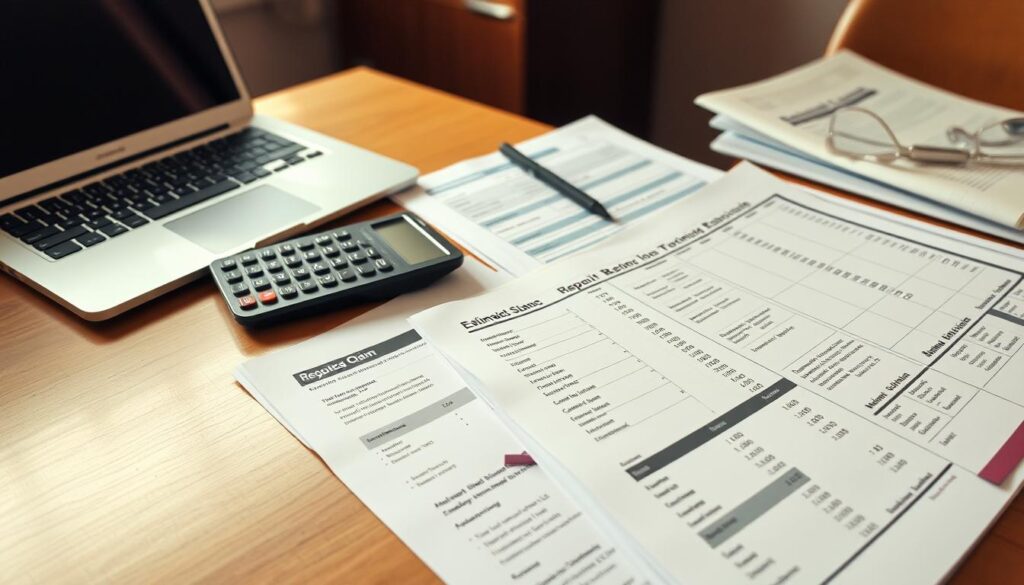
When the insurer’s estimate is lower than the shop’s: options that work
If the approved estimate is short, use these options: request a detailed review, ask for a new adjuster, or invoke an appraisal clause if your policy allows.
If no appraisal exists, negotiate, gather comparative estimates, or decide whether to pay the difference out‑of‑pocket. You can also file a complaint with your state department of insurance to press the issue.
Documentation that wins: photos, OEM repair procedures, and escalation
Documentation, documentation, documentation: take 80–90 teardown and diagnostic photos, save pre/post scans, weld tests, and printed OEM procedures. These items justify added operations and costs.
- Provide step‑by‑step photos to the insurer and explain OEM-required tasks.
- Use printed procedures and teardown notes to support supplements.
- Escalate respectfully to supervisors when frontline adjusters deny OEM items.
Miracle Body and Paint Collision Center helps you document each step and talk with your insurer. Contact either San Antonio location listed at the end to get started.
Quality, Safety, and Cost: What Really Matters in the Repair
You deserve a repair that restores factory safety and long-term value, not just looks. Focus on documented procedures, trained staff, and the right tools so your vehicle performs as designed after a collision.
OEM procedures, certified technicians, and modern equipment
OEM procedures are the blueprint for safe, complete work. They cover diagnostics, sectioning, welding, calibrations, and post‑repair scanning.
Certified technicians use specialized equipment and follow I-CAR, ALLDATA, and OEM1Stop guidance. Those certifications and tools matter for safety and quality.
Labor rates, parts choices, and long-term value
Labor rates reflect training, tooling, and facility investment. Higher rates often match better equipment and deeper OEM alignment.
- OEM parts preserve fit, finish, and safety-system performance when required.
- Proper documentation reduces rework, hidden costs, and liability over time.
- Clear communication about rates and parts helps insurers understand non-negotiable safety needs.
Miracle Body and Paint Collision Center follows OEM procedures, invests in modern equipment, and employs certified technicians to protect your vehicle’s value and safety.
How to Choose the Right Auto Body Shop in San Antonio
Finding the right repair facility in San Antonio starts with knowing what standards matter most.
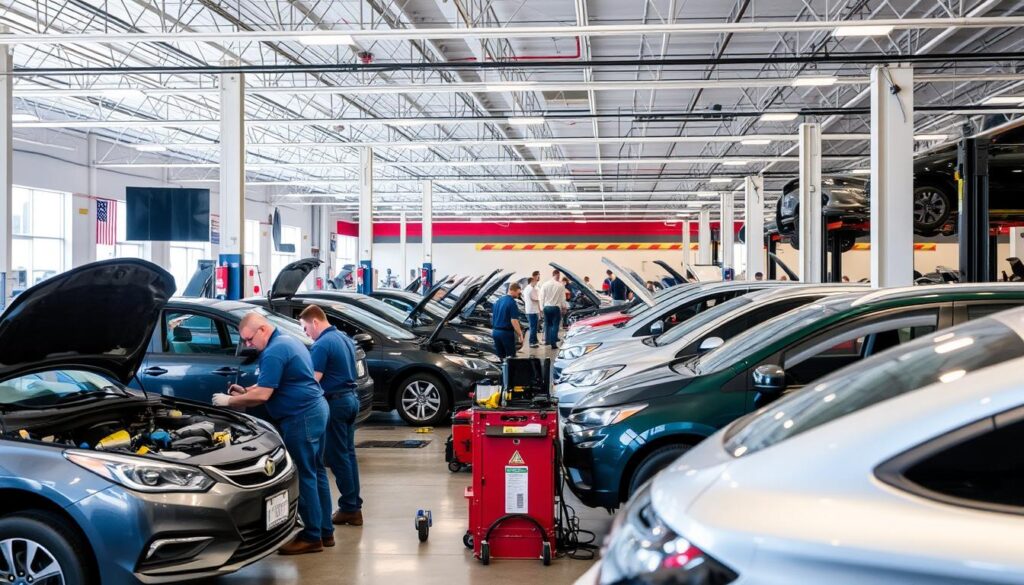
Hire Miracle Body and Paint Collision Center — 2 Locations to Serve You
North West San Antonio – Leon Valley: (210) 680-1987, 6217 Grissom Rd., San Antonio, TX 78238.
North East San Antonio: (210) 858-3630, 4650 Walzem Rd, San Antonio, TX 78218.
Look for accredited facilities with certified technicians and clear documentation. That protects safety, value, and your peace of mind when dealing with an adjuster or repair estimate.
- Pick a shop that documents OEM procedures and provides photo evidence for each repair step.
- Verify certifications, training, and equipment that match your vehicle’s construction and safety systems.
- Ask how the shop handles insurer communications, supplements, and estimate differences to speed repairs.
- Confirm the parts policy and whether the shop advocates for OEM parts when safety requires them.
- Choose a team that respects your right choose repair, explains options, and refuses shortcuts that harm safety.
San Antonio drivers can rely on Miracle Body and Paint Collision Center for transparent estimates and OEM-aligned work. Call or visit either location to start your estimate and get guidance on your car’s specific repair needs and timeline.
Timeline: What to Expect Now in the Present Claim Environment
A predictable timeline starts with documentation and a prompt teardown after the initial estimate. That early work reveals hidden damage and sets realistic expectations for time and cost.
The typical process includes a visual estimate, disassembly, supplemental estimates, insurer review, parts ordering, structural repairs, refinishing, calibrations, scanning, and final quality control.
- Expect a visual check first, then teardown to confirm hidden items and submit supplements.
- Parts availability, required calibrations, and approvals shape how much time your insurance claim takes.
- If approvals stall, ask for a supervisor review or request a different adjuster to keep work moving.
- Thorough documentation and printed OEM procedures reduce pushback and speed approvals in many cases.
- Start repairs quickly after a car accident to limit secondary damage and shorten total repair time.
Miracle Body and Paint Collision Center will give realistic timelines and updates at each stage. Contact the San Antonio location nearest you for status checks and next steps.
Conclusion
Clear choices and solid documentation protect your vehicle and your pocket after a collision.
Your repair contract is with the shop, and the shop bears liability for safe, OEM‑correct work. Use teardown photos, printed OEM procedures, and detailed estimates to support supplements and protect your rights.
If an insurance company refuses a needed item, escalate, invoke an appraisal clause if available, or file a complaint with your state regulator. Those steps help resolve conflicts and fight shorted payments.
For a seamless result, pick a team that documents every step and advocates for you with carriers. Hire Miracle Body and Paint Collision Center to fix your collision repair damage on your vehicle. North West San Antonio – Leon Valley: (210) 680-1987, 6217 Grissom Rd., San Antonio, TX 78238. North East San Antonio: (210) 858-3630, 4650 Walzem Rd, San Antonio, TX 78218.

