

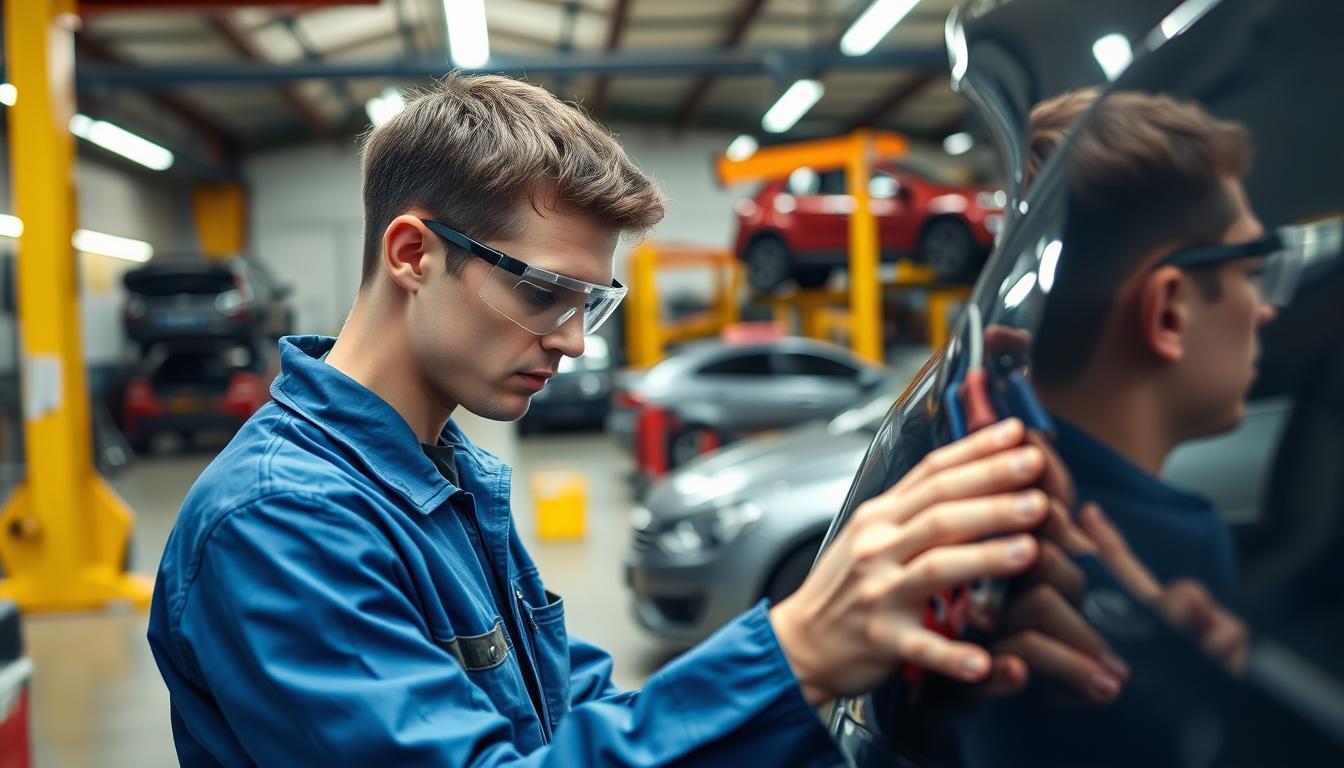
Your safety after a crash depends on more than looks. Modern cars have sensors, ADAS, and complex materials that need precise repair. A trained technician follows OEM steps and verified procedures to protect airbags, seatbelts, and crumple zones.
When a shop uses clear management and documented repair information, you avoid guesswork and costly rework. That process also helps preserve factory warranties and keeps your vehicle drivable.
You want transparent communication about parts, timelines, and safety checks. A trusted repair service will explain certification, measurements, weld integrity, corrosion protection, and calibration from estimate through delivery.
Choose a collision partner that puts safety first. If you need a reliable shop in San Antonio, Miracle Body and Paint Collision Center serves North West San Antonio – Leon Valley at (210) 680-1987, 6217 Grissom Rd., and North East San Antonio at (210) 858-3630, 4650 Walzem Rd. Hire Miracle Body and Paint to restore your vehicle safely.
Key Takeaways
- Proper repair affects crashworthiness, not just appearance.
- Certification proves skill, procedures, and verified information.
- OEM methods reduce rework and protect warranties.
- Good management coordinates parts, insurance, and calibrations.
- Ask about measurements, welds, corrosion protection, and calibration.
- Choose a local San Antonio center that stands behind its work.
Safety First: How Certification Protects You After a Collision
After a collision, the right credentialed team keeps critical safety systems working as intended. You want repairs that restore structure, restraint systems, and crash energy paths — not just the paint and panels.
The role of a trained technician is to measure chassis alignment precisely, replace high‑strength steel or aluminum per OEM practice, and verify welds so crumple zones and load paths work in a future impact.
The role of a trained technician in structural integrity and restraint systems
Certification and documented practice mean your airbags, seatbelts, and pretensioners are inspected and replaced using exact procedures. That assessment reduces the risk of incorrect deployments later.
Advanced materials, equipment, and techniques that meet today’s vehicle standards
You benefit from modern equipment like 3D frame measuring systems, OEM rivet bonding tools, and calibrated torque tools. Techniques such as panel bonding and corrosion‑protection layering are applied where OEMs allow them to protect long‑term durability.
- Hidden damage assessment: trained technicians trace energy transfer to find compromised mounting points.
- Management checks: quality controls at tear‑down, pre‑paint, post‑paint, and delivery verify safety steps in real time.
- Clear documentation: restraint inspections, calibrations, and test drives save you time and give insurers proof the repair meets current standards.
Miracle Body and Paint Collision Center prioritizes your safety by pairing certification with the right tools and management at both San Antonio locations. That combination helps ensure your car is returned to the road with safety restored, not just cosmetics.
Certified Technicians: What That Credential Really Means
Earning a repair credential signals a measurable commitment to safe, repeatable work on complex vehicles. You want proof the people handling your car know current methods and follow a documented practice.
The AED Foundation’s program ties an online technical assessment to industry standards. Passing the proctored exam shows alignment with those standards and a focus on doing repairs right the first time.
Standards, ethics, and scope of practice
Strong programs define a clear scope and require codes of conduct. That means a shop must escalate work beyond a technician’s limits and protect your vehicle’s safety systems.
Why first‑time‑right repairs matter
- Less rework: credentialed pros avoid compounding damage and save you time and cost.
- Management and leadership: consistent shop processes turn individual credentials into reliable outcomes.
- Industry goals: Vision 2025 aims to grow accredited training, increase tests administered, and raise the number of certified technicians and certified managers to close skill gaps.
You can ask which assessment a shop completed, how often staff recertify, and how the credential connects to their daily operations. That line of questioning helps you pick a repair partner who prioritizes safety over shortcuts.
Inside the Certification Process Today
The journey from classroom to the shop now often begins online. A web-based assessment checks core knowledge before any hands‑on evaluation. This helps schools and employers spot readiness early.
Remote proctoring is common. You or your shop fills an online form, pays for the exam and proctoring together, and staff create a student account. The proctoring service then sends an email with the exact date, time, and login steps.
Typical pricing models charge $10 for the first hour and $4 for each extra hour. Most exams run about 2 hours; some take 1 hour. Candidates must currently use Mozilla Firefox, so follow browser rules to avoid delays.
From school to shop: training, tests, and ongoing skills development
After passing the online assessment, students move into shop training and internal tests. Shops that treat exam scheduling and documentation like repair management keep learning on track.
- Ask for program information: which certification program they use and how many credentials the shop holds.
- Support for candidates: training resources, practice questions, and managed study time improve pass rates.
- Management discipline: treat exam renewals and records like service timelines to ensure continuous improvement.
Programs, Managers, and Customer Service That Shape Quality Repairs
A skilled service manager coordinates people, parts, and processes to keep repairs on track. At Miracle Body and Paint Collision Center, experienced managers organize estimates, parts ordering, sublets, and calibrations across both San Antonio locations.
How service managers lead teams and quality control
Good management turns training into repeatable results. A service manager blueprints each repair, sequences body and paint work, and enforces quality gates to avoid rework.
- Daily execution: allocate hours, match equipment and techniques to the job, and verify welds and bonding with checklists.
- Manager development: programs like the AED Foundation’s Service Manager Certification Program teach leadership, operational standards, and selling techniques.
- Visible discipline: labeled fasteners, clean tear‑downs, and in‑process photos keep QC ahead of delivery.
Customer service, communication, and your repair timeline
You should expect early estimates about parts lead times, approvals, and potential supplements. A single point of contact keeps you informed with scheduled calls, texts, or emails.
When management invests in training and leadership, you get smoother service, fewer delays, and clearer answers about how the repair protects your vehicle.
Why Technician Shortages Make Choosing the Right Shop Crucial
A national shortage of skilled repair staff means your choice of shop now affects both timing and safety. Industry reports show a major skills gap and a high job opening rate for heavy equipment roles. That pressure changes how shops schedule work and communicate timelines.
Shops with strong training and management systems handle shortages better. Miracle Body and Paint Collision Center invests in ongoing learning and efficient processes so your repair stays on schedule at both San Antonio locations.
Skills gaps, workforce goals, and what they mean for turnaround time
You should know the market needs tens of thousands of new people over the next five years. That reality makes shops that engage with a certification program and school pipelines more reliable for your delivery date.
- Planned capacity: good management balances parts lead time, sublet calibrations, and equipment limits to protect your timeline.
- Career pathways: participation in programs and apprenticeships creates opportunities that keep skills current as vehicles evolve.
- Transparent service: ask who will perform each task and what equipment they’ll use so you see control, not chaos.
When a shop aligns with Vision 2025 goals—expanding accredited programs and certifying managers—you get clearer communication and steadier outcomes. Expect honest timelines, and request an updated plan if parts or calibrations change.
Your Role in a Safe Repair: Questions to Ask and Information to Share
Before you drop off your vehicle, take a few minutes to prepare. Clear questions help the shop plan parts, tools, and the right service timeline.
Key questions about certifications, equipment, and repair methods
Ask which credentials the shop and individual staff hold, how often they renew them, and whether OEM procedures apply to your make and model.
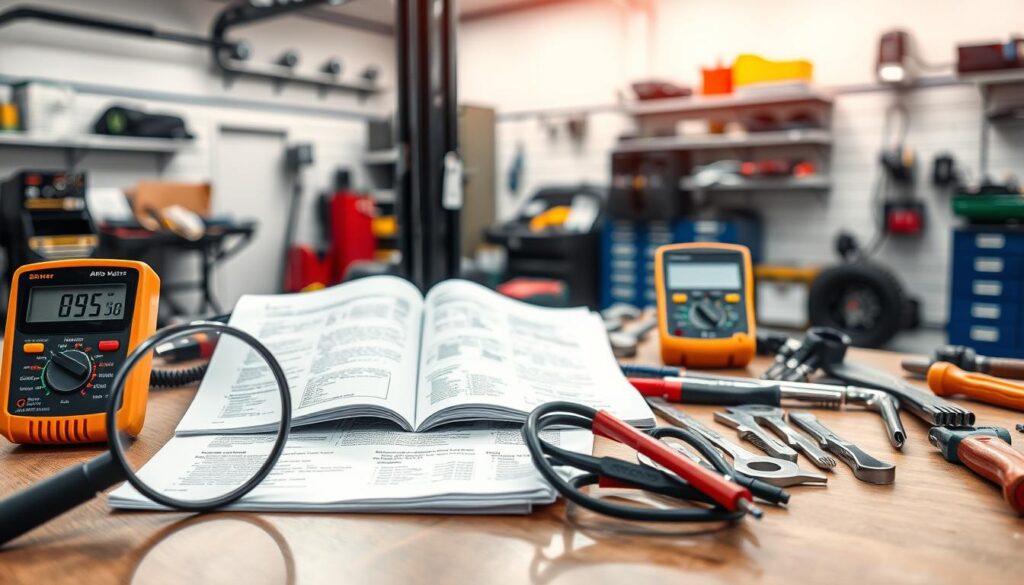
Verify the on-site equipment: frame measuring systems, approved welders, scan tools, and calibration partners. Ask how the shop documents use of that equipment through the repair.
Request a clear repair blueprint that covers panel replacement, corrosion protection, and ADAS calibration. Ask which techniques the OEM authorizes.
What to email or provide before drop-off to speed assessment
- Email your insurance claim number, adjuster contact, VIN, mileage, and photos of the damage.
- Include prior repair history, any warning lights, and brief notes on drivability or when airbags deployed.
- Ask for a written timeline with milestones—tear-down, parts arrival, body/paint, calibration, and reassembly—and one point of contact.
- Clarify how shop management handles supplements, insurer communication, and sublet scheduling to reduce waiting time.
- Confirm your preferred contact method and update cadence so you stay informed without extra calls.
You can reach Miracle Body and Paint Collision Center to ask pre-repair questions, email documents, or schedule a drop-off. This simple prep saves time and helps protect your vehicle.
Conclusion
Choose a repair partner that links training, tests, and daily practice to every job.
You’ve seen how certification ties directly to safer repairs. A certified technician follows documented steps, records measured results, and keeps accountable files from estimate to delivery.
Trust shops that invest in ongoing management and a clear certification program. Leadership that turns credentials into routine practice gives you reliable QC checkpoints and honest communication.
Ask about exams, tests, and programs completed. Expect a team aligned with school pipelines and career opportunities so your vehicle benefits as the industry evolves.
Hire Miracle Body and Paint Collision Center — North West San Antonio – Leon Valley | (210) 680-1987 | 6217 Grissom Rd., San Antonio, TX 78238, or North East San Antonio | (210) 858-3630 | 4650 Walzem Rd, San Antonio, TX 78218 — and schedule your estimate today.

