

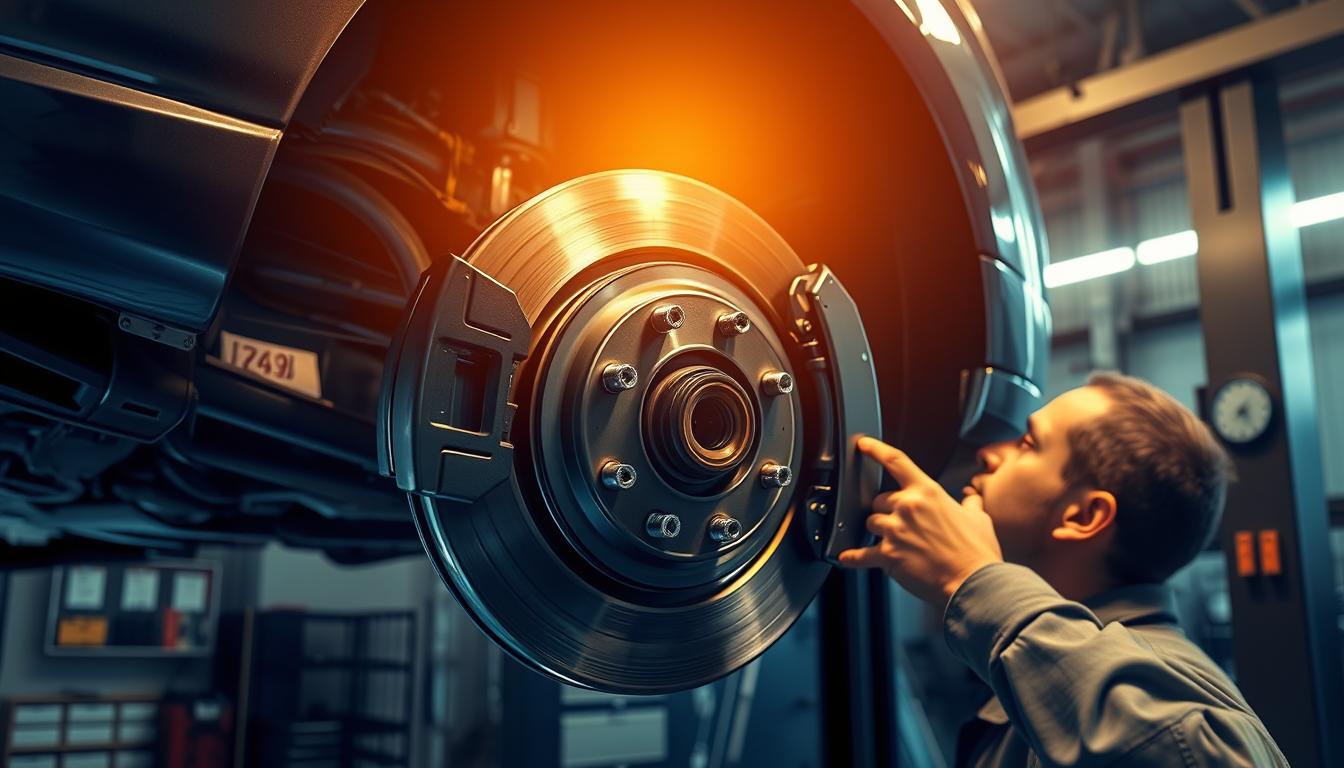
After being involved in a collision, it’s crucial to have your brake system inspected, even if the accident seems minor. At Miracle Body and Paint Collision Center, we emphasize the importance of ensuring your vehicle’s safety after such incidents.
If your brake warning light comes on, it’s advisable to drive your vehicle as little as possible until a diagnosis is made. Continuing to drive on a faulty brake system can lead to further expenses or even brake failure.
We will discuss the potential risks of driving with compromised brakes and why an immediate inspection is necessary. Even seemingly minor collisions can cause hidden damage to your braking system that might not be immediately apparent.
Key Takeaways
- Checking your brake system after any collision is crucial for your safety.
- Minor collisions can cause hidden damage to your brake components.
- Driving with compromised brakes can lead to further damage or accidents.
- An emergency brake system check should be part of any post-collision assessment.
- Professional inspection is essential after any collision to ensure your vehicle’s stopping ability.
The Hidden Dangers of Collision Damage to Your Brake System
When a vehicle is involved in a collision, the brake system is susceptible to damage that may not be immediately apparent. This damage can lead to a range of serious safety issues, including brake failure, which can occur without warning. The integrity of the brake system is crucial for the safe operation of the vehicle, and any compromise to this system can put the lives of the occupants and other road users at risk.
How Collisions Affect Brake Components
A collision can affect various brake components in different ways. The impact can cause the brake pads to wear down unevenly or become damaged, potentially leading to longer stopping distances. Additionally, the brake rotors can become warped or damaged, resulting in vibrations when braking. The brake fluid can also become contaminated or leak out, compromising the hydraulic pressure needed for effective braking.
The Risks of Driving with Damaged Brakes
Driving with damaged brakes poses significant safety risks. The risk of being involved in a secondary accident increases substantially when the vehicle’s braking performance is compromised. Furthermore, the initial minor damage can escalate into more severe issues, such as complete brake failure, if not addressed promptly. It’s crucial to be aware of the warning signs, such as a spongy brake pedal or illuminated brake warning lights on the dashboard, to prevent such outcomes.
Common Brake Issues Following a Collision
The impact of a collision can compromise your vehicle’s brake system in various ways, potentially leading to serious safety issues if not properly addressed.
One of the critical aspects to check is the condition of your brake lines and the presence of any fluid leaks. Damage to these components can lead to a loss of brake pressure, making it difficult to stop your vehicle safely.
Damaged Brake Lines and Fluid Leaks
When brake lines are damaged, they can leak brake fluid, which is essential for the proper functioning of your brake system. A leak can lead to a soft brake pedal and reduced stopping power. Inspecting the brake lines and connections for signs of damage or corrosion is crucial after a collision.
Misaligned Brake Components
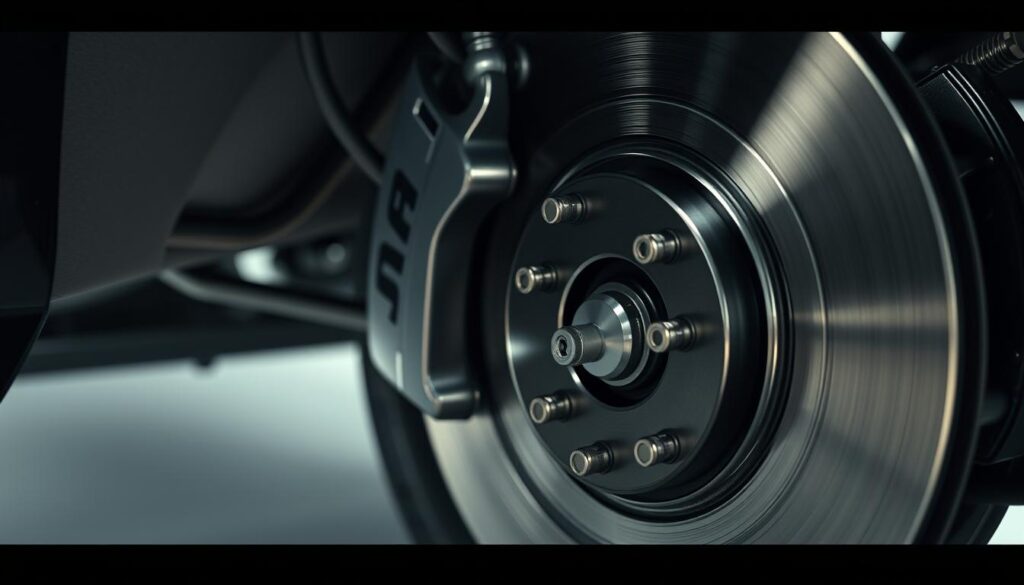
A collision can cause the brake components to become misaligned, affecting the overall performance of your brake system. Misaligned components can lead to uneven wear on brake pads and rotors, potentially causing vibrations when braking.
Compromised Anti-Lock Braking System
The anti-lock braking system (ABS) is designed to prevent your vehicle’s wheels from locking up during hard braking, thereby maintaining traction and preventing skidding. However, a collision can damage the ABS sensors, wiring, or control modules, compromising this critical safety feature. If the ABS light illuminates on your dashboard, it’s essential to have your brake system inspected to ensure the ABS is functioning correctly.
In conclusion, after a collision, it’s vital to thoroughly inspect your vehicle’s brake system to identify and repair any damage. This not only ensures your safety on the road but also prevents further damage to your vehicle.
Warning Signs That Your Brakes Need Attention
After a collision, it’s crucial to be aware of the warning signs that indicate your brakes need immediate attention. Your vehicle’s brake system is critical to safety, and any damage or malfunction can lead to serious consequences. We will outline the key indicators that your brakes need to be inspected and potentially repaired.
Dashboard Warning Lights and What They Mean
Modern vehicles are equipped with sophisticated dashboard warning systems. If your dashboard illuminates a brake warning light, it could indicate a variety of issues, ranging from worn brake pads to more serious problems like a malfunctioning anti-lock braking system (ABS). It’s essential to consult your vehicle’s manual or speak with a professional to understand the specific meaning of the warning light in your vehicle.
Changes in Brake Pedal Feel and Response
A change in the feel or response of the brake pedal is a significant indicator of potential brake issues. If the pedal feels spongy, soft, or if it travels further than usual before engaging, it may signal air in the brake lines, low brake fluid, or worn-out brake components. Conversely, a hard or vibrating pedal can also be a sign of problems, such as warped brake rotors. Any deviation from the normal pedal feel warrants a thorough inspection.
Unusual Sounds or Vibrations When Braking
Brake noise or vibration can be indicative of specific problems. For instance, grinding brakes often signify that the brake pads have worn down completely, leading to metal-on-metal contact. Squealing or high-pitched noises might indicate worn brake pad wear indicators or debris caught between the pad and rotor. Brake vibration or pulsation during braking can suggest warped brake rotors. Clicking or clunking sounds may point to loose or damaged brake components. These warning signs should never be ignored, as they often signal serious brake issues.
Recognizing these warning signs is crucial for maintaining your vehicle’s safety and performance. If you notice any of these indicators, it’s vital to have your brakes inspected by a professional as soon as possible to prevent further damage and ensure your safety on the road.
Performing an Emergency Brake System Check After a Collision
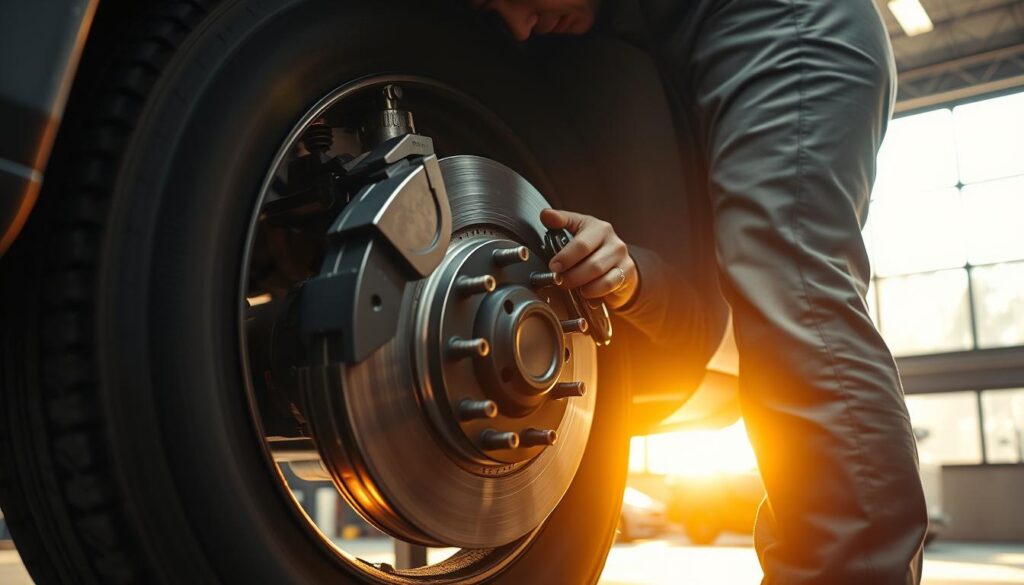
A collision can significantly impact your vehicle’s brake system, making a thorough check essential. Ensuring your brakes are functioning correctly is critical for your safety on the road.
Visual Inspection of Brake Components
Begin by visually inspecting the brake components. Look for signs of wear or damage on the brake pads, rotors, and calipers. Check the brake lines for any leaks or damage. This initial inspection can reveal potential issues that need further investigation.
Checking Brake Fluid Levels and Condition
Next, check the brake fluid levels and condition. Low brake fluid levels or contaminated fluid can significantly affect brake performance. Ensure the fluid level is at the recommended level, and consider having the fluid changed if it’s dirty or degraded.
Testing Brake Responsiveness Safely
To test brake responsiveness, start in a safe, controlled environment like an empty parking lot. Perform a stationary brake pedal test to check for pedal firmness. Then, drive at low speeds and apply the brakes to check for pulling to one side, unusual noises, or vibrations. Also, test the emergency/parking brake to ensure it’s functioning properly.
It’s crucial to remember that these tests are preliminary. If you detect any abnormalities, it’s essential to have your brakes inspected by a professional as soon as possible. They can provide a more detailed assessment and necessary repairs to ensure your vehicle’s brake system is functioning correctly.
By following these steps, you can perform an emergency brake system check after a collision, helping to ensure your vehicle’s safety and performance.
When to Seek Professional Brake Inspection
Knowing when to take your vehicle to a professional for a brake inspection after a collision is essential for maintaining road safety. A collision can significantly impact your vehicle’s brake system, potentially leading to dangerous failures if not properly inspected and repaired.
Severity Indicators That Require Immediate Attention
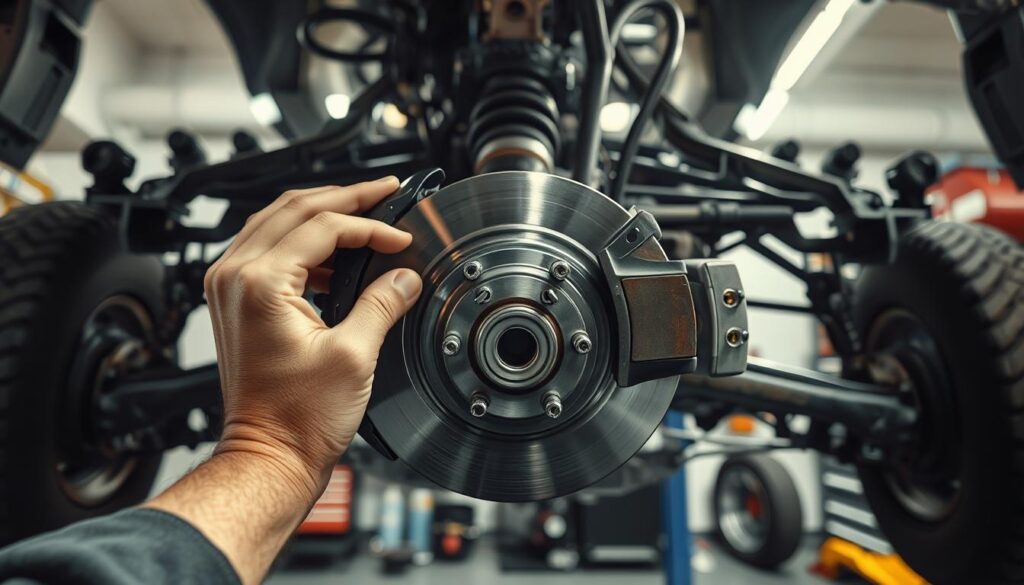
Certain signs indicate that your vehicle’s brakes need immediate professional attention. These include dashboard warning lights related to the brake system, changes in brake pedal feel or response, and unusual sounds or vibrations when braking. If you notice any of these symptoms, it’s crucial to seek help promptly.
At Miracle Body and Paint Collision Center, experts are equipped to handle complex brake issues, including problems with the ABS system that may require specialized diagnostic equipment to identify and repair.
The Importance of Professional Diagnostic Equipment
Professional diagnostic equipment is essential for accurately identifying brake system damage that isn’t visible during a visual inspection. Specialized scan tools can read error codes from the ABS and brake control modules, pinpointing specific issues that might not trigger obvious symptoms.
- Pressure testing equipment can identify leaks and pressure losses in the hydraulic system.
- Professional alignment and measuring tools can detect subtle misalignments in brake components.
- Miracle Body and Paint Collision Center uses state-of-the-art diagnostic equipment to assess brake systems thoroughly.
DIY inspections can miss critical issues that professional equipment can easily detect, potentially preventing dangerous brake failures. If you’re having brake problems, letting a mobile brake repair service come out to diagnose the brake issues can be a convenient and safe option.
The Long-Term Benefits of Prompt Brake Repairs
Prompt brake repairs after a collision are crucial for maintaining vehicle safety and preventing further damage. At Miracle Body and Paint Collision Center, we emphasize the importance of addressing brake issues promptly to ensure the continued protection of you and your passengers.
One of the significant long-term benefits of prompt brake repairs is preventing secondary damage to your vehicle. When brake components are damaged, they can lead to more extensive problems if left unaddressed. For instance, neglecting to replace worn-out brake pads can result in damage to the rotors, significantly increasing repair costs.
Preventing Secondary Damage to Your Vehicle
Neglecting brake repairs can lead to more severe issues, such as hydraulic fluid leaks, which can compromise the entire braking system. By addressing brake repairs promptly, you can prevent such secondary damage and ensure your vehicle’s braking system functions correctly.
Maintaining Safety and Vehicle Value
Properly functioning brakes are essential for vehicle safety. Prompt repairs after a collision ensure continued protection for you and your passengers. Moreover, documented brake repairs and maintenance can help maintain your vehicle’s resale value by demonstrating proper care. At Miracle Body and Paint Collision Center, we provide detailed documentation of all brake repairs, which can be valuable for insurance claims and future vehicle sales.
By prioritizing brake repairs, you not only ensure your safety on the road but also maintain your vehicle’s value. Modern vehicles with advanced safety systems rely on properly functioning brakes to operate correctly, making prompt brake repairs even more critical.
Conclusion: Prioritizing Brake Safety After Any Collision
Ensuring brake safety after a collision is vital to prevent further accidents and maintain your vehicle’s overall health. Throughout this article, we’ve emphasized the critical importance of checking your brake system after any collision. The potential hidden dangers of collision-related brake damage and the risks of driving with compromised brakes are significant concerns that should not be overlooked.
We’ve discussed the warning signs that indicate potential brake issues, such as dashboard warning lights, changes in brake pedal feel and response, and unusual sounds or vibrations when braking. Performing an emergency brake system check is crucial to identify any damage or issues early on.
A professional brake inspection is the only way to ensure all brake components are functioning properly after a collision. Prompt brake repairs not only enhance safety but also maintain your vehicle’s value. If you’ve been in a collision, don’t hesitate to contact Miracle Body and Paint Collision Center for a thorough brake inspection and collision repairs. With two locations in San Antonio, they are well-equipped to serve you.
Visit them at North West San Antonio – Leon Valley, (210) 680-1987, 6217 Grissom Rd., San Antonio, TX 78238, or contact their other location for assistance with your collision repair needs. Prioritizing brake safety is a step towards ensuring your vehicle’s longevity and your safety on the road.

