

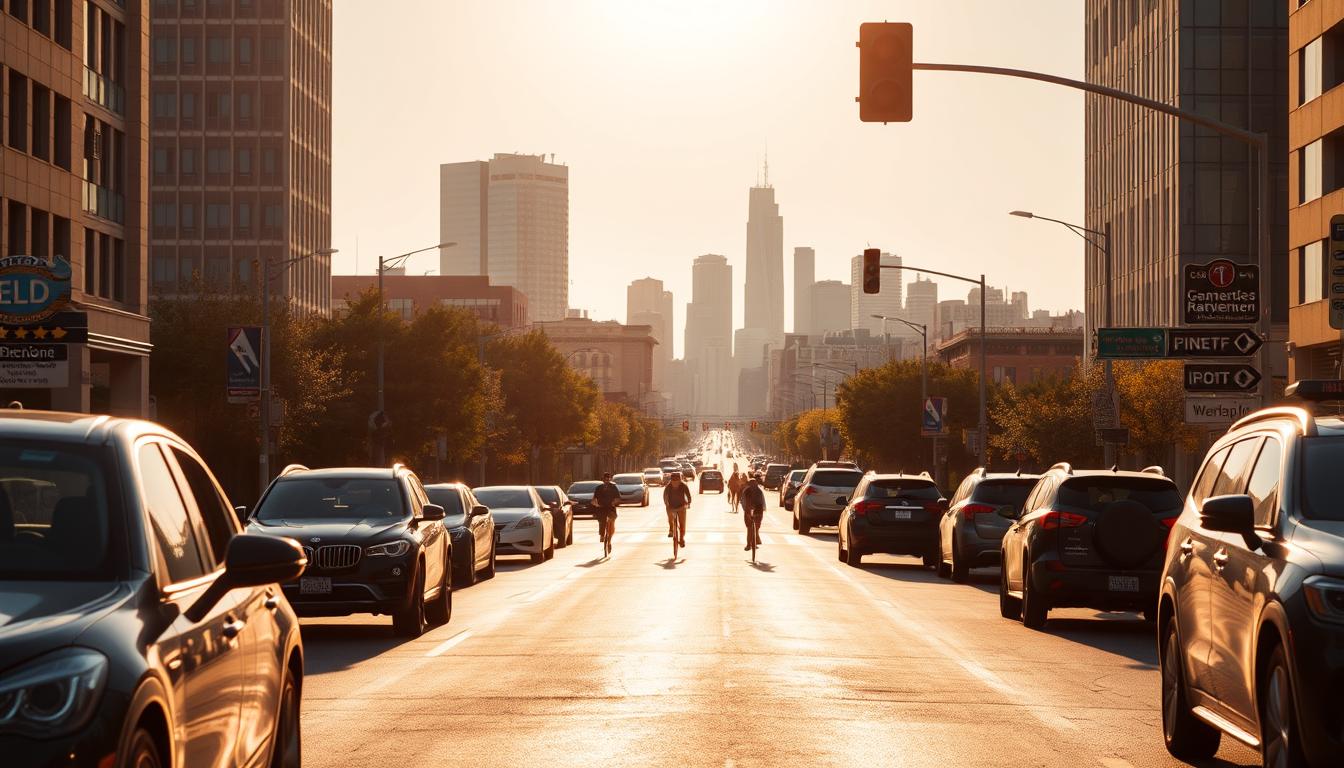
Driving safely is an essential responsibility shared by all road users in San Antonio. By adhering to a few key principles, we can significantly reduce our risk of being involved in a collision.
At Miracle Body and Paint Collision Center, we understand the unique challenges faced on San Antonio’s busy streets. Implementing proper driving techniques can make a significant difference in avoiding accidents.
Navigating San Antonio’s roads requires a combination of defensive driving, awareness of seasonal hazards, and the use of technology that aids in safety. Our comprehensive guide aims to equip San Antonio drivers with practical strategies to avoid collisions.
Key Takeaways
- Understand the unique challenges faced by drivers in San Antonio.
- Learn defensive driving techniques to reduce the risk of accidents.
- Discover how technology can aid in vehicle safety.
- Find out how seasonal considerations impact driving in San Antonio.
- Explore the financial and safety benefits of collision prevention.
Understanding San Antonio’s Unique Driving Challenges
Understanding the intricacies of San Antonio’s traffic is crucial for drivers to avoid accidents. San Antonio’s roads present a complex network that requires drivers to be vigilant and informed.
High-Risk Intersections in San Antonio
San Antonio has several high-risk intersections that drivers should be aware of. For instance, the intersection of Interstate 35 and Loop 410 experiences peak accident times between 3-7 PM. Other hazardous areas include Culebra Road and Loop 410 during morning commutes, San Pedro Avenue and Loop 410 on weekends, and Fredericksburg Road and Loop 410 during late-night hours.
Traffic Patterns and Peak Accident Hours
Traffic patterns in San Antonio vary significantly throughout the day and week, affecting accident rates. During rush hour, congestion points contribute to collision risks. By understanding these patterns, drivers can adjust their driving schedules to avoid peak accident hours when possible.
For example, being aware of the morning commute dangers at Culebra Road and Loop 410 can help drivers exercise extra caution during this time. Similarly, knowing that late-night hours pose a higher risk at Fredericksburg Road and Loop 410 can encourage drivers to be more defensive.
By analyzing traffic patterns and being aware of high-risk intersections, San Antonio drivers can significantly reduce their risk of being involved in an auto accident. Adjusting driving habits to accommodate the unique challenges of San Antonio’s roads is essential for safe driving.
Essential Accident Prevention Tips San Antonio Drivers Should Know
Effective driving in San Antonio involves more than just following traffic rules; it requires a defensive mindset. To navigate the city’s roads safely, drivers must be equipped with the right strategies to prevent accidents.
Maintaining Proper Following Distance
One of the most critical aspects of defensive driving is maintaining a safe following distance. This allows drivers to react in time to unexpected situations, such as the vehicle in front stopping suddenly. The general rule is to leave at least a 2- to 4-second gap between your car and the one ahead, adjusting this distance based on road conditions and speed.
Adjusting Speed for Road Conditions
Adjusting your speed according to road conditions is vital for safe driving in San Antonio. Whether it’s rain, fog, or construction zones, reducing your speed can significantly lower the risk of being involved in an accident. It’s also essential to be aware of your surroundings and slow down in areas with heavy pedestrian traffic or school zones.

Eliminating Distractions While Driving
Distracted driving is a significant cause of accidents in San Antonio. To minimize distractions, drivers should keep their eyes on the road, avoid using their cell phone while driving, and set their navigation and music playlists before starting their journey. By staying focused on driving, San Antonio drivers can significantly reduce their risk of being involved in a collision.
By implementing these strategies, San Antonio drivers can enhance their safety on the road. Practicing defensive driving techniques and being aware of your surroundings are key to preventing car accidents.
Defensive Driving Strategies for San Antonio Roads
To stay safe on San Antonio’s roads, drivers must adopt defensive driving strategies that anticipate potential hazards. Defensive driving is not just about following traffic rules; it’s about being prepared for the unexpected actions of other drivers.
Anticipating Other Drivers’ Actions
Anticipating the actions of other drivers is a critical aspect of defensive driving. This involves being aware of your surroundings, including other vehicles, pedestrians, and road conditions. By anticipating potential hazards, you can take proactive steps to avoid accidents.
For instance, if you notice a driver failing to signal before changing lanes, you can slow down to create a safe distance. Staying alert and focused on the road allows you to react to unexpected situations effectively.
Proper Signaling and Communication
Proper signaling is essential for communicating your intentions to other drivers. Using your turn signals consistently helps prevent confusion and reduces the risk of accidents. It’s also important to make eye contact with other drivers when possible to ensure they are aware of your presence.
- Use turn signals consistently to indicate your intentions.
- Make eye contact with other drivers to enhance mutual awareness.
- Avoid sudden movements that could surprise other drivers.
Creating Safety Buffers in Traffic
Creating safety buffers around your vehicle is vital for preventing collisions. This involves maintaining a safe following distance, being aware of the space around your vehicle, and adjusting your speed according to road conditions.
If there’s a traffic jam, a defensive driver prioritizes safety over shaving a few seconds off their trip. By maintaining a safe distance, you give yourself time to react to unexpected situations, such as a car cutting you off or a pedestrian stepping into the road.
Some key strategies for creating safety buffers include:
- Maintaining a safe following distance to allow for stopping time.
- Being aware of your surroundings to anticipate potential hazards.
- Adjusting your speed according to road conditions and traffic.
Navigating San Antonio’s Weather-Related Driving Hazards
San Antonio drivers face unique weather-related driving hazards that require special attention and caution. The city’s location makes it prone to various extreme weather conditions, from the scorching summer heat to sudden flash floods and severe storms.
Driving Safely During Summer Heat
During the summer months, San Antonio experiences extreme heat, which can affect both the driver and the vehicle. To adjust driving habits during this time, it’s essential to maintain your car’s cooling system and check for any signs of overheating. Additionally, drivers should be aware of the risks of heat-related illnesses and take regular breaks in shaded or air-conditioned areas.
Keeping emergency supplies like bottled water in your vehicle can be lifesaving. It’s also crucial to be mindful of the risk of tire blowouts due to the heat and to check tire pressure regularly.
Handling Flash Floods and Severe Storms
San Antonio is vulnerable to flash flooding, particularly during severe storms. Drivers should be aware of the warning signs of flash flooding, such as rapidly rising water levels and strong currents. It’s critical to follow the “Turn Around, Don’t Drown” principle and never attempt to drive through flooded roadways.
To stay safe, drivers should keep emergency supplies like flashlights and jumper cables in their vehicles. Knowing alternative routes that typically remain passable during flooding events can also help minimize driving disruptions.
Seasonal Driving Considerations in San Antonio
Understanding the seasonal fluctuations in San Antonio’s traffic is crucial for both locals and visitors. As a city that attracts millions of tourists each year, San Antonio’s roads can become congested, especially around popular attractions like the Alamo and River Walk.
Holiday Traffic Safety Tips
During holidays, San Antonio’s traffic patterns change significantly. Tourist areas become congested, and locals should plan their commutes accordingly. To avoid congestion, consider alternative routes and be aware of areas with high concentrations of pedestrians and out-of-town drivers.
- Plan your route in advance to avoid tourist-heavy areas.
- Be cautious of pedestrians and cyclists, especially around popular attractions.
- Allow extra time for your commute to account for potential delays.
Tourist Season Driving Precautions
When driving during tourist season, it’s essential to be patient and defensive. Be prepared for unexpected stops and turns from drivers who may be unfamiliar with the area. Additionally, be aware of tour buses, rental cars, and rideshare vehicles that are common in tourist areas.
- Maintain a safe following distance to avoid rear-end collisions.
- Be aware of parking considerations in tourist areas to avoid parking-related collisions.
- Consider adjusting your commute times to avoid peak tourist hours.
By being aware of these seasonal driving considerations, San Antonio drivers can navigate the city’s roads more safely and efficiently.
Technology and Vehicle Maintenance for Collision Prevention
Collision prevention on San Antonio’s roads requires a combination of advanced vehicle technology and regular maintenance. As a driver in San Antonio, it’s essential to understand how both aspects contribute to road safety.
Essential Safety Features for San Antonio Driving
Modern vehicles come equipped with various safety features that can significantly reduce the risk of collisions. These include advanced braking systems, lane departure warning systems, and blind-spot monitoring. Proper tire maintenance, including checking pressure, tread depth, and rotation, is also crucial for vehicle handling and stopping ability. Moreover, ensuring that all lights and signals are functioning correctly is vital for communicating with other drivers on the road.

Preventative Maintenance Schedule
To maintain your vehicle’s performance and safety, adhering to a preventative maintenance schedule is crucial. This includes regular inspections of critical safety systems such as brakes, tires, and steering. San Antonio’s extreme temperatures can affect vehicle components, making seasonal maintenance checks important. Drivers should also be aware of warning signs indicating potential safety issues, such as unusual noises or vibrations, and address them promptly. Additionally, staying on top of recall notices and addressing manufacturer-identified safety issues is vital for preventing collisions.
By combining advanced vehicle technology with a rigorous maintenance schedule, San Antonio drivers can significantly enhance their safety on the road.
What to Do If You’re Involved in a Collision
If you’re involved in an auto accident in San Antonio, it’s crucial to remain calm and follow the proper procedures. This not only ensures your safety but also helps protect your legal rights.
Immediate Steps After an Accident
After an accident, the first step is to check for injuries and move to a safe location if possible. It’s essential to call the authorities immediately to report the accident. Even if the accident seems minor, having a police report can be vital for insurance claims.
When speaking with the police, provide factual information about the accident, but avoid making statements that could be interpreted as admitting fault.
Documenting the Scene and Gathering Information
Documenting the accident scene is crucial for making insurance claims and potentially for legal proceedings. Take photographs of the vehicles involved, the location, and any visible damage. It’s also important to gather information from all parties involved, including names, contact details, and insurance information.
- Record the location and any relevant road conditions or traffic signals.
- Gather witness statements and contact information.
- Use a smartphone app to document the scene and organize the collected information.
By following these steps, you can ensure that you’re well-prepared to handle the aftermath of an accident in San Antonio, protecting both your safety and your legal rights.
Trust Miracle Body and Paint Collision Center for Your Repair Needs
When it comes to collision repair in San Antonio, trust the experts at Miracle Body and Paint Collision Center. As a leading provider of auto repair services, we specialize in restoring your vehicle to its pre-accident condition using state-of-the-art technology and techniques.
Our comprehensive collision repair services include frame straightening, dent removal, paint matching, and glass replacement. Our team of skilled technicians is committed to delivering high-quality workmanship, ensuring your vehicle is safe and looks like new.
At Miracle Body and Paint Collision Center, we understand the specific needs of San Antonio drivers. That’s why we work closely with insurance companies to streamline the repair process for our customers. With two convenient locations in Northwest and Northeast San Antonio, we’re easily accessible to residents throughout the city.
If you’re involved in a car accident or need auto repairs, don’t hesitate to call us. Our dedicated team is ready to assist you with estimates or emergency collision repair services. Contact us today at (210) 680-1987 or visit our location at 6217 Grissom Rd., San Antonio, TX 78238.
While we’ve focused on collision prevention throughout this article, we want to assure you that Miracle Body and Paint Collision Center is here to help when accidents do occur. Your safety is our priority, and we’re committed to providing top-notch collision repair services to get you back on the road quickly and safely.

