

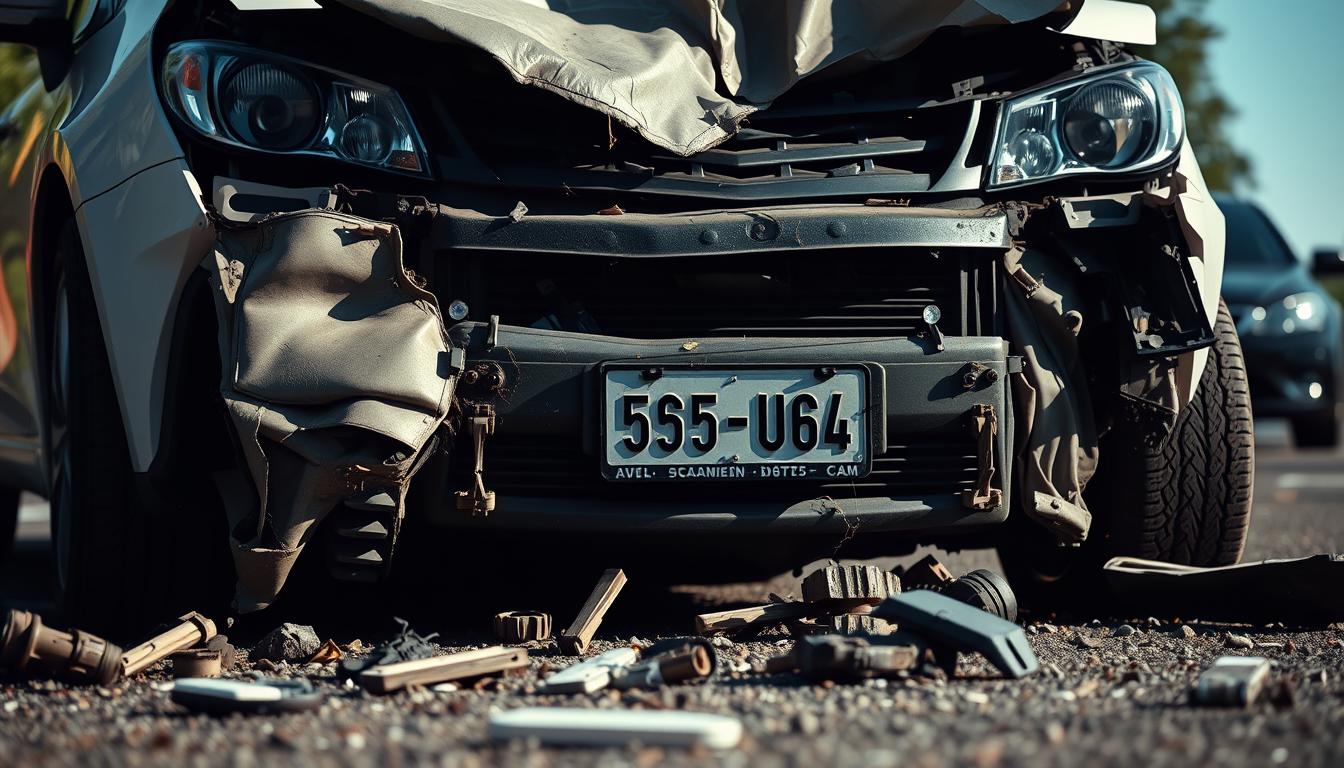
The jarring moment when metal meets metal on busy streets can instantly change lives. As the dust settles, what you do next could significantly impact your legal case and financial recovery.
Proper documentation at an accident scene isn’t just helpful—it’s essential for protecting your rights and strengthening your position when seeking compensation. The experts at Miracle Body and Paint Collision Center understand the importance of thorough documentation for successful insurance claims.
We’ll explore the critical steps for documenting damage properly after a car accident to ensure your insurance claim proceeds smoothly and fairly. Understanding how to collect and organize evidence immediately following an accident can significantly impact your compensation.
Key Takeaways
- Proper documentation is crucial for a successful insurance claim.
- Collecting evidence immediately after an accident is vital.
- Organizing documentation can significantly impact your compensation.
- Miracle Body and Paint Collision Center provides expert guidance.
- Thorough documentation strengthens your position with insurance adjusters.
The Critical Importance of Proper Documentation
In the context of insurance claims, proper documentation is paramount. After an accident, the steps you take can significantly impact your ability to secure fair compensation. South Carolina’s “modified comparative negligence” rule makes it essential to establish an accurate liability breakdown, and thorough documentation is key to this process.
Why Documentation Matters for Your Insurance Claim
Thorough documentation creates an objective record of the accident that insurance companies cannot easily dispute. This significantly improves your chances of fair compensation. Insurance adjusters handle numerous claims daily and rely heavily on documented evidence when determining liability and settlement amounts. Without proper documentation, your case may become a matter of your word against the other party’s, potentially reducing your compensation or resulting in claim denial.
How Proper Evidence Strengthens Your Position
Comprehensive evidence collection helps establish the full extent of your losses, including vehicle damage, personal injuries, and other accident-related expenses. Proper documentation creates a timeline of events that can prove crucial if liability is disputed or if your injuries develop or worsen over time. By gathering solid evidence, you strengthen your position in negotiations with insurance companies, ultimately enhancing your chances of receiving fair compensation for your claims.
Essential Accident Documentation Tips for the Scene

The moments following an accident are critical for documenting the scene and gathering necessary information. The first 30-60 minutes are the most crucial, as evidence is freshest and witnesses are still present.
Safety First: What to Do Before Documenting
Before starting the documentation process, ensure your safety by moving to a secure location away from traffic. Check for injuries and call 911 immediately, even for minor accidents.
Collecting Driver and Witness Information
Gather comprehensive information from all parties involved, including names, contact details, license numbers, insurance information, and vehicle details. Photographing these documents can prevent transcription errors.
Creating a Timeline of Events
Create a timeline of events while your memory is fresh to establish the sequence of what happened before, during, and after the accident. This helps to clarify the circumstances surrounding the incident.
Documenting Environmental Factors
Environmental factors like weather conditions, road conditions, visibility, and traffic signals can significantly impact liability determination. Thoroughly document these factors to support your claim.
Additional tips include documenting evidence like skid marks, debris patterns, and road hazards, as well as taking photographs from multiple angles to capture all relevant details. Witnesses can provide crucial third-party perspectives, so collect their contact information and brief statements about what they observed.
Mastering Photo Documentation Techniques
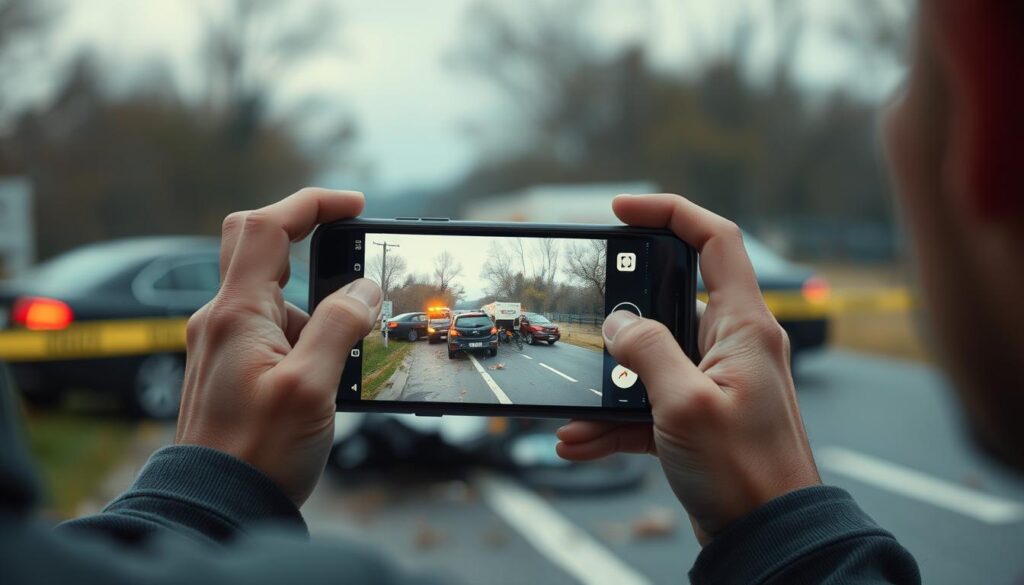
Accurate and detailed photo documentation serves as powerful evidence in the claims process. Comprehensive photo documentation is crucial for supporting your insurance claim after a car accident.
Vehicle Damage Photography Tips
When photographing vehicle damage, capture all sides of the vehicle from multiple angles, including close-ups of specific damage areas and wide shots showing the vehicle’s overall condition. This helps to create a thorough record of the damage.
Capturing the Accident Scene from Multiple Angles
Document the entire accident scene, including positions of vehicles, traffic signals, road conditions, skid marks, broken glass, and any other relevant details. Capturing the scene from multiple angles provides a comprehensive view of what happened.
Documenting Injuries Properly
For injury documentation, take clear photographs of visible injuries as soon as possible after the accident. Continue documenting as bruising or other symptoms develop over time. Ensure your photos have accurate date and time stamps to establish the timeline of events.
By following these photo documentation techniques, you can build a strong foundation for your insurance claim, making it harder for insurance companies to dispute your evidence.
Gathering Witness Statements and Police Reports
Gathering witness statements and police reports is a crucial step in building a strong case after an auto accident. These documents provide valuable evidence that can significantly impact the outcome of your insurance claim.
How to Approach and Interview Witnesses
When approaching potential witnesses, it’s essential to be professional and courteous. Identify yourself and ask if they saw the accident. If they did, request a statement, focusing on factual observations rather than opinions.
Recording Witness Testimonies Effectively
Witness statements can be recorded in various formats, including written, audio, or video. Ensure you have the witness’s permission before recording, and make sure the statement is signed and dated.
Obtaining and Using the Official Police Report
The official police report is an unbiased account of the accident, making it a crucial piece of evidence. Request the responding officer’s details and report number to obtain a copy. This report will include vital information, such as witness accounts and accident scene details, which can be used to support your claim.
- Witness statements provide third-party perspectives that strengthen your case.
- Maintain a professional demeanor when approaching witnesses.
- The police report serves as an unbiased account, carrying significant weight with insurance adjusters.

Tracking Medical Treatment and Expenses

The aftermath of an accident involves not just physical recovery but also thorough documentation of medical treatment and related expenses. We must ensure that all aspects of our medical journey are well-documented to support our insurance claim effectively.
Creating a Comprehensive Medical Record
To create a comprehensive medical record, we should seek prompt medical attention after an accident. This not only ensures our health and safety but also documents the connection between our injuries and the accident. We should request copies of all medical records, including examination notes and diagnostic test results.
Documenting Pain and Suffering
Documenting pain and suffering is crucial for establishing the full impact of our injuries. We should keep a detailed journal of all symptoms, pain levels, and limitations experienced following the accident. This documentation helps in articulating our ordeal to the insurance company more effectively.
Keeping Track of All Medical Expenses
It’s essential to save all receipts and invoices for medical expenses, including hospital bills and medication costs. We should also document how our injuries affect our daily life, including limitations in work capacity and personal relationships, as these impacts may qualify for pain and suffering compensation.
By meticulously tracking our medical treatment and expenses, we can ensure that our insurance claim is comprehensive and well-supported. This thorough documentation is key to receiving fair compensation for our injuries and related expenses.
Organizing Your Documentation for Maximum Impact
Effective documentation is crucial for a successful insurance claim, and organizing it properly is key to maximizing your settlement. The most thorough accident scene documentation loses value if it’s misplaced or deteriorates before your claim is resolved.
Creating a comprehensive digital backup system protects this crucial evidence. We recommend establishing both digital and physical organization systems, with cloud storage backups to prevent loss of critical evidence.
Digital Organization Systems for Evidence
Cloud storage solutions provide secure, accessible repositories for photographs, videos, statements, and reports. Proper file naming conventions, such as date_accident_content_type, make retrieval efficient when your attorney needs specific evidence.
Creating a Detailed Accident Journal
A comprehensive accident journal should include detailed notes about the accident, your injuries, medical treatments, conversations with insurance representatives, and how the accident impacts your daily life.
Maintaining a Complete Expense Record
Track all accident-related expenses, including medical bills, vehicle repairs, rental car costs, lost wages, and other financial impacts resulting from the accident.
Some key benefits of organizing your documentation include:
- Faster claim processing: Claims with organized digital documentation are processed an average of 21 days faster.
- Stronger case: Well-organized documentation strengthens your position with insurance companies.
- Easier evidence retrieval: Consistent file naming conventions and chronological organization make specific evidence easily retrievable.

Conclusion: Trust the Experts at Miracle Body and Paint Collision Center
To ensure you receive the compensation you deserve after a car accident, it’s essential to have comprehensive documentation of the incident. Proper documentation is the foundation of a successful insurance claim, covering vehicle damage, personal injuries, and other accident-related losses. The experts at Miracle Body and Paint Collision Center understand the insurance claims process and can provide professional guidance on documenting vehicle damage properly.
Our team works with all major insurance companies to navigate the claims process, ensuring you receive the repairs you deserve. With two convenient locations in San Antonio, you can visit us for a free consultation about your collision repair needs. Trust Miracle Body and Paint Collision Center to restore your vehicle to pre-accident condition with expert craftsmanship. Contact us today at (210)680-1987 (North West San Antonio – Leon Valley) or (210)858-3630 (North East San Antonio).

