

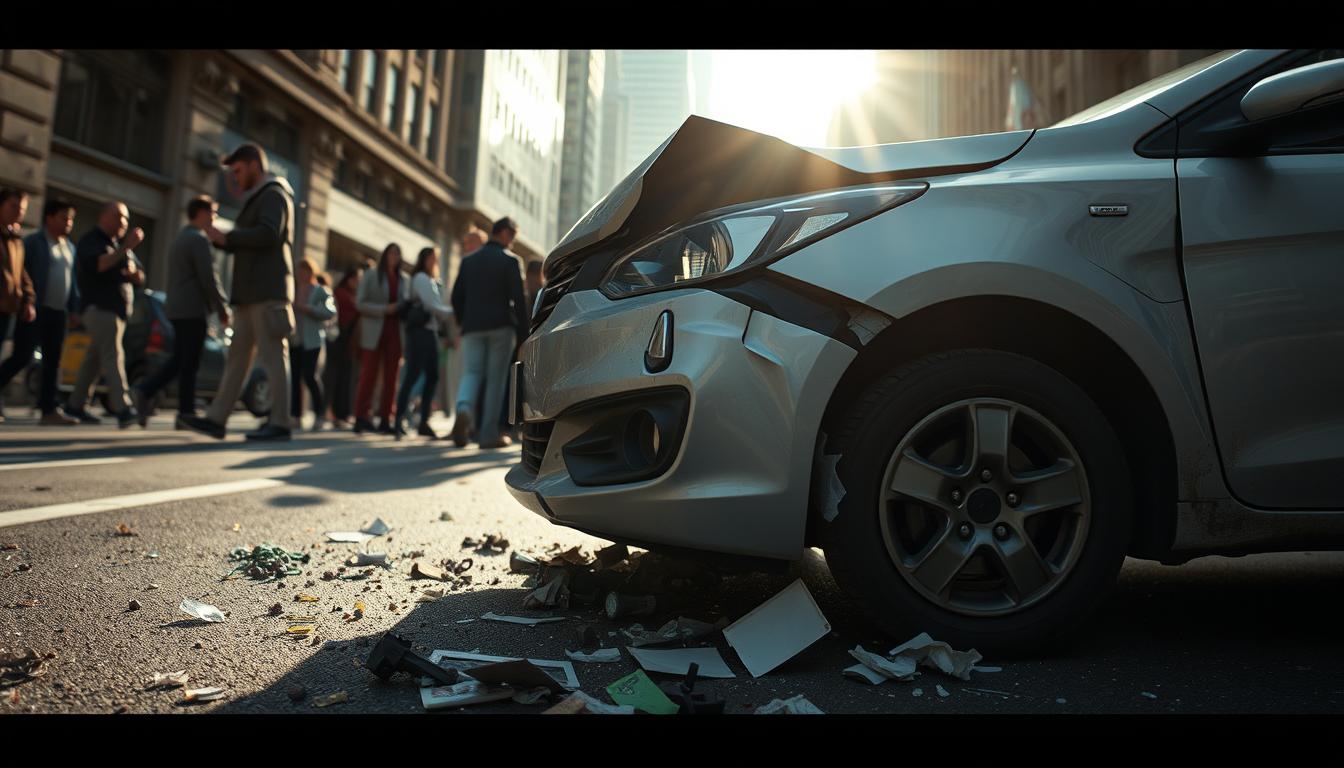
Dealing with a rental car accident is stressful, especially when you’re on vacation. Navigating unfamiliar roads in a vehicle that’s not yours adds to the complexity.
Handling an accident in a rental vehicle shares similarities with dealing with a collision in your own car, but there are additional layers due to the rental agreement and insurance coverage. At Miracle Body and Paint Collision Center, we understand the intricacies involved and are here to guide you through the process.
Understanding your rights and responsibilities after a rental car accident is crucial. This guide will walk you through the immediate steps to take, insurance considerations, and financial responsibilities, ensuring you’re prepared for any scenario.
Key Takeaways
- Understand the complexities of rental car insurance and agreements.
- Know the immediate steps to take after a rental car accident.
- Be aware of your financial responsibilities and insurance coverage.
- Learn how to navigate the claims process with both your insurance company and the rental car company.
- Discover the benefits of expert collision repair services for rental cars at Miracle Body and Paint Collision Center.
Immediate Steps to Take After a Rental Car Accident
If you’re involved in a rental car accident, there are several key steps you should take right away to ensure your safety and facilitate the subsequent processes.
Ensuring Safety and Checking for Injuries
The first priority after an accident is to ensure your safety and the safety of others involved. Check for injuries and move to a safe location if possible. Call emergency services if there are injuries or significant damage.
Documenting the Accident Scene
It’s essential to document the accident scene thoroughly. Take photos of the vehicles involved, the surrounding area, and any visible damage. This visual evidence can be crucial for insurance claims and accident reports. Make sure to capture the rental car’s details, including its license plate number.
Exchanging Information with Other Parties
Exchange contact and insurance information with the other parties involved in the accident. This typically includes names, phone numbers, and insurance details. Be polite and cooperative, but avoid admitting fault at this stage.
Contacting the Rental Car Company
As soon as possible, contact the rental car company to inform them of the accident. Use the emergency contact number usually found on your rental agreement or inside the glove compartment. The rental car company will guide you through their accident reporting process, which may include filling out an incident report form. Key points to discuss with the car company include vehicle replacement, towing arrangements, and required documentation. Take detailed notes during your conversation, including the representative’s name and the date and time of the call.
By following these steps, you can navigate the immediate aftermath of a rental car accident effectively. Remember to stay calm, gather necessary information, and communicate clearly with the rental car company and other parties involved.
Understanding Your Rental Car Insurance Options
After an accident, the last thing you want to worry about is whether you have the right rental car insurance. Understanding your rental car insurance options is crucial for financial protection and peace of mind when renting a vehicle.
Personal Auto Insurance Coverage for Rental Cars
If you have an existing auto insurance policy, it may cover rental cars. Review your policy to determine if it includes rental car coverage. Some policies automatically extend coverage to rental vehicles, while others may require additional coverage. It’s essential to check with your insurance provider to understand the specifics of your policy.
Rental Company Insurance and Waivers
Rental car companies typically offer insurance options, including collision damage waivers (CDW) and liability insurance. These options can provide additional protection, but often at a significant cost. Weigh the benefits against the costs to decide if purchasing rental company insurance is right for you.
Credit Card Rental Coverage Benefits
Some credit cards offer rental car insurance as a benefit. Check your credit card agreement to see if it includes this coverage. Understand the terms, including what is covered and for how long, to determine if this benefit is sufficient for your rental needs.
Third-Party Rental Car Insurance
If your existing insurance policy doesn’t cover car rentals and you don’t want to purchase insurance from the car rental company, consider buying rental car insurance through a third-party provider. Companies like Allianz Global Assistance and Bonzah offer standalone rental car insurance policies that can be more affordable than rental company options.
Who Pays for a Rental Car After an Accident?
The financial responsibility for a rental car after an accident depends on several factors, including fault determination. Understanding these factors is crucial for navigating the process smoothly.
When You’re At Fault
If you are at fault in a rental car accident, your insurance typically covers the damages. We recommend checking your personal auto insurance policy to see if it includes rental car coverage. If not, you might need to rely on the rental company’s insurance options or your credit card’s rental car insurance benefits.
When Another Driver is At Fault
When another driver is at fault, their insurance should cover the damages to the rental car. We advise gathering as much information as possible from the other party, including their insurance details, to facilitate the claims process.
Disputed Fault Scenarios
In cases where fault is disputed, the process becomes more complex. You might need to pay for the damages initially, either out-of-pocket or through your insurance, and then seek reimbursement once fault is determined. Key points to consider in disputed fault scenarios include:
- The claims process can be lengthy and complex.
- Insurance companies from both parties will conduct investigations.
- Fault may be determined to be shared, resulting in proportional payment responsibility.
- Comprehensive documentation of the accident scene is crucial.

Having detailed records and witness information can significantly impact the outcome of disputed fault cases. We should be prepared to provide thorough documentation to support our claim.
Navigating the Claims Process for Rental Car Accidents
After a rental car accident, navigating the claims process can be complex and overwhelming. It’s essential to understand the steps involved to ensure a smooth and fair resolution.
Filing a Claim with Your Insurance Company
When filing a claim, you’ll need to provide detailed information about the accident, including the rental car’s damage and any injuries sustained. Notify your insurance company promptly to initiate the claims process. Your insurer will guide you through the necessary steps and documentation required.
Working with the Rental Car Company
In addition to dealing with your insurance company, you’ll also need to work with the rental car company to report the damage and arrange for repairs. Be aware that rental car companies often charge various fees beyond repair costs, such as “loss of use” charges, administrative fees, and diminished value charges.
Potential Additional Fees and Charges
Some of the additional fees you might encounter include:
- “Loss of use” charges for the revenue lost while the vehicle is being repaired.
- Administrative fees for processing paperwork and managing the accident.
- Diminished value charges, as the vehicle’s resale value may decrease due to its accident history.
- Towing and storage fees if the vehicle was towed from the accident scene.
Understanding these potential charges can help you navigate the claims process more effectively and avoid unexpected expenses.
Understanding Rental Car Reimbursement Coverage

Rental car reimbursement coverage is an essential aspect of your auto insurance policy that helps you get back on the road quickly after an accident. This coverage can provide financial assistance for renting a vehicle while your car is being repaired or replaced.
How Rental Reimbursement Works
Rental reimbursement coverage works by reimbursing you for the cost of a rental car when your vehicle is unavailable due to an accident. This coverage is usually optional and can be added to your auto insurance policy for a relatively low additional premium.
Coverage Limits and Duration
The coverage limits and duration of rental reimbursement vary depending on your insurance company and the specifics of your policy. Typically, insurance companies set a daily limit for rental car expenses and may have a maximum number of days they will cover.
Adding Rental Reimbursement to Your Policy
Adding rental reimbursement coverage to your auto insurance policy is typically straightforward. Here are some key points to consider:
- Adding rental reimbursement coverage is usually inexpensive, costing between $2 and $15 per month.
- This coverage can be added at any time, but it only applies to accidents occurring after the coverage is in place.
- Consider your access to alternative transportation and dependence on your vehicle when deciding to add this coverage.
To add rental reimbursement coverage, contact your insurance company directly and inquire about available coverage limits to select the best option for your needs.
Primary vs. Secondary Coverage: What’s the Difference?
When it comes to rental car insurance, knowing whether you have primary or secondary coverage can be the key to avoiding unexpected expenses. This distinction is crucial because it determines how insurance claims are handled in the event of an accident.

How Primary Coverage Protects You
Primary coverage acts as the first line of defense when you’re involved in a rental car accident. It covers the costs associated with damages or losses, up to the policy’s limits, without requiring you to file a claim with your personal auto insurance. Premium travel cards like Chase Sapphire Reserve and Chase Sapphire Preferred offer primary rental car coverage when you decline the rental company’s collision damage waiver.
When Secondary Coverage Kicks In
Secondary coverage, on the other hand, comes into play after you’ve exhausted your primary insurance coverage. This means you’ll need to file a claim with your personal auto insurance first. Most standard credit cards offer only secondary coverage, which can lead to increased costs and complexity in the event of a claim.
Credit Card Coverage Considerations
Credit card rental coverage varies significantly between card issuers and specific card products. To activate this coverage, you must use the card to pay for the entire rental and decline the rental company’s collision damage waiver. It’s also important to note that credit card coverage typically excludes luxury vehicles, exotic cars, antique vehicles, motorcycles, and rentals in certain countries.
Understanding the specifics of your credit card’s rental coverage can help you make informed decisions when renting a car. Whether you have primary or secondary coverage, being aware of the terms and conditions can save you from financial surprises.
Conclusion: Protecting Yourself Before and After Rental Car Accidents
As we conclude our guide on handling rental car accidents, it’s essential to emphasize the importance of being prepared. Being prepared before renting a car is the best strategy for minimizing complications after an accident.
We recommend reviewing your existing insurance policies and credit card benefits before your trip to understand what coverage you already have for rental vehicles. To ensure you’re fully protected, consider the gaps in your coverage and determine whether additional protection through the rental company or third-party providers makes sense for your situation.
It’s also crucial to keep all important documentation organized and accessible, including your rental agreement, insurance information, and emergency contact numbers. In the event of a car accident, proper documentation and prompt reporting are crucial for a smooth claims process.
If you’re involved in an accident with a rental car, following the steps outlined in this guide can help protect your financial interests and ensure proper handling of the situation. Additionally, consider purchasing rental car insurance on your own or through a third-party provider to ensure you have adequate coverage.
By being prepared and having the right insurance coverage, you can minimize the stress and financial impact of a car accident while traveling. Remember, having some sort of insurance is mandatory to drive in the U.S., and being involved in a collision without coverage can result in license suspension.
Choose Miracle Body and Paint Collision Center for Your Collision Repair Needs
Accidents involving rental cars require immediate attention; that’s where we come in. At Miracle Body and Paint Collision Center, we specialize in comprehensive collision repair services for all types of vehicles, including rental cars involved in accidents.
Our experienced technicians use state-of-the-art equipment and techniques to restore your vehicle to its pre-accident condition, ensuring both aesthetic appeal and structural integrity. We understand the unique challenges associated with rental car accidents and can help guide you through the repair process while coordinating with rental agencies.
We work directly with insurance companies to streamline the claims process, making your experience as stress-free as possible after an accident. With two convenient locations in Leon Valley and Northeast San Antonio, we proudly serve the San Antonio area.
When your rental car or personal vehicle has been damaged in an accident, choosing the right collision repair center is crucial for quality restoration. Our team is committed to providing quality repairs and exceptional customer service. We invite you to contact us for all your collision repair needs at our Northwest San Antonio location at (210)680-1987 or our Northeast San Antonio location at (210)858-3630.
Visit us at 6217 Grissom Rd. in San Antonio, TX 78238 or 4650 Walzem Rd in San Antonio, TX 78218 to experience our commitment to quality and customer satisfaction. Let us help you get back on the road safely and efficiently.

