


Texas is known for its diverse and often unpredictable weather conditions that significantly contribute to the elevated risk of auto accidents throughout the state.
At Miracle Body and Paint Collision Center, we regularly repair vehicles damaged in weather-related collisions and have firsthand experience with how weather impacts driver safety.
From torrential rains to occasional icy roads, drivers find themselves navigating hazardous situations that can quickly turn dangerous. Understanding the connection between weather patterns and collision risk is essential for all drivers to better prepare for and respond to hazardous conditions.
Key Takeaways
- Texas experiences diverse and often unpredictable weather patterns that significantly contribute to the elevated risk of auto collisions.
- Weather-related factors are responsible for thousands of vehicle accidents annually in Texas.
- Understanding the connection between Texas weather patterns and collision risk is essential for all drivers.
- The unique geographical position of Texas exposes it to multiple weather systems that can rapidly change driving conditions.
- At Miracle Body and Paint Collision Center, we have firsthand experience with how Texas weather impacts driver safety.
Understanding Texas Weather Patterns and Collision Statistics
With its vast and varied climate, Texas faces numerous weather-related challenges on its roads every year. The state’s diverse geography, ranging from the humid Gulf Coast to the arid deserts of West Texas, contributes to a wide array of weather conditions that can significantly impact driving safety.
Common Severe Weather Conditions in Texas
Texas is susceptible to multiple severe weather conditions, including torrential downpours, dense fog, occasional ice storms, and strong wind events. These conditions not only make driving hazardous but also increase the risk of car accidents. For instance, rain and hail can lead to decreased visibility and slippery roads, while fog can severely impair a driver’s ability to navigate the road safely.
Weather-Related Accident Statistics
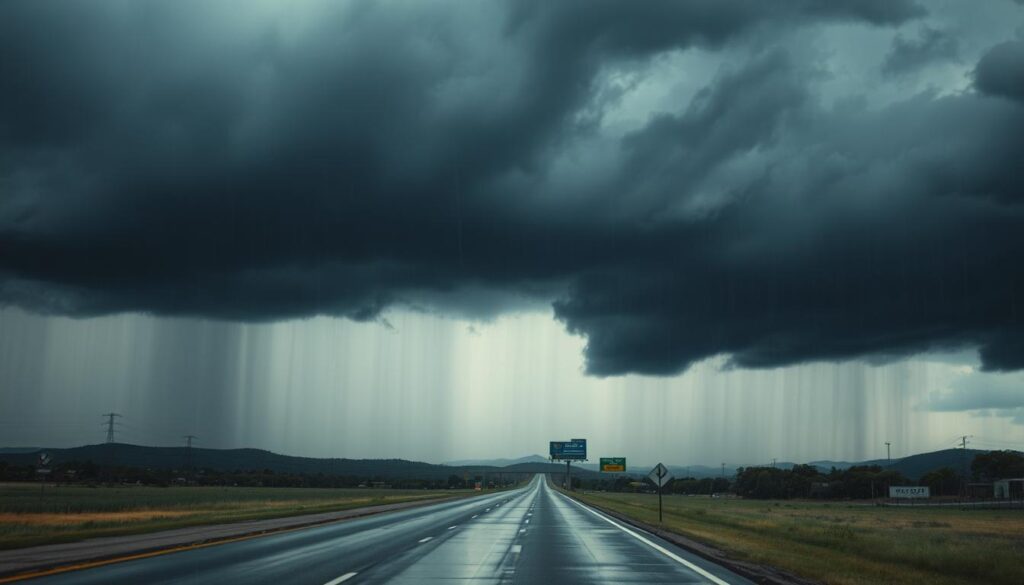
Statistical analysis reveals that approximately 25% of all Texas traffic accidents occur during adverse weather conditions, with rain being the most common contributing factor. Wet pavement alone accounts for approximately 70% of all weather-related accidents in Texas. In 2022, there were over 156,000 auto crashes attributed to icy roads across the country, highlighting the dangers of bad weather on the roads.
- The seasonal nature of Texas weather creates predictable spikes in accident rates, with spring thunderstorms and occasional winter ice events representing the most dangerous driving periods.
- Understanding these weather patterns and their correlation to accident statistics allows drivers to better anticipate dangerous conditions and adjust their driving behaviors accordingly.
- Weather-related car accidents tend to cluster in specific geographic regions of Texas, with urban areas experiencing higher concentrations due to traffic density combined with weather hazards.
Severe Weather Collision Risk in Texas: Types and Hazards
Severe weather is a major factor in auto collisions in Texas, with various conditions posing unique hazards. The state’s diverse climate means that drivers must be prepared for a range of weather-related risks.
Rain and Flooding Hazards
Rain is one of the most common weather conditions in Texas, reducing tire grip and increasing stopping distances. Urban areas are particularly susceptible to water accumulation, leading to hydroplaning risks. Even light rain can significantly increase accident risk, especially during the first 30 minutes when oil residue on roads creates slippery surfaces.
Fog and Visibility Challenges
Fog, particularly in coastal and low-lying areas, can severely reduce visibility, making it challenging for drivers to see other vehicles and road signs. This can lead to multi-vehicle pileups when drivers fail to adjust their speed.
Ice and Snow Dangers
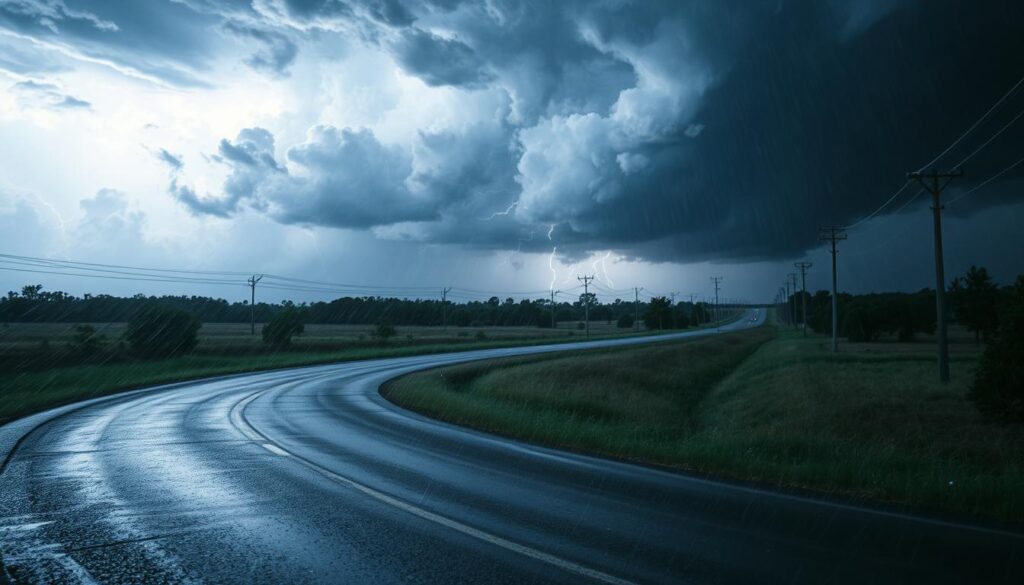
Although less common, ice and snow can occur in Texas, particularly in the northern and western regions. Icy roads can lead to dangerous driving conditions, as vehicles may skid or lose control. The “Great Texas Freeze” in February 2021 highlighted the dangers of severe winter weather.
High Wind Risks
Texas is also prone to high winds, which can affect vehicle stability, especially for high-profile vehicles like trucks and SUVs. High winds can create debris and reduce visibility due to dust or sand.
- Rain and flooding are the most common weather hazards, creating dangerous conditions through reduced visibility and hydroplaning risks.
- Fog conditions contribute to multi-vehicle pileups due to severe visibility challenges.
- Ice and snow pose extreme dangers due to lack of driver experience and inadequate vehicle equipment.
- High winds affect vehicle stability and create hazardous debris conditions.
How Weather Affects Vehicle Performance and Driver Response
Adverse weather conditions can compromise vehicle performance, requiring drivers to adjust their driving accordingly. When weather conditions deteriorate, the risk of accidents increases due to reduced visibility, slippery roads, and impaired vehicle handling.
Reduced Traction and Braking Distance
Wet or icy roads can significantly reduce tire traction, increasing stopping distances and the risk of skidding. In urban areas, water accumulation can lead to hydroplaning, making it difficult to control vehicles. Drivers must maintain greater following distances and reduce speed to avoid accidents.
Visibility Impairment
Weather conditions like fog, rain, and snow can significantly reduce visibility, making it challenging for drivers to see other vehicles, traffic signals, and road signs. This impairment directly affects a driver’s ability to identify hazards with sufficient time to react, creating a compounding risk factor.
Vehicle Handling Challenges
Driving in adverse weather requires adjustments to vehicle handling. Ice and snow can cause vehicles to skid or lose control. Drivers must avoid sudden movements and drive at reduced speeds to maintain control of their vehicle.
Essential Safety Tips for Driving in Adverse Texas Weather
Adverse weather in Texas demands a proactive approach to driving safety, starting with understanding the potential hazards. To minimize risks, drivers must be prepared and knowledgeable about how to handle their vehicles in challenging weather conditions.
Preparation Before Driving
Before heading out, stay informed about current and forecasted weather conditions through reliable services and traffic applications. Conduct a vehicle readiness inspection to ensure tire tread depth and pressure are adequate, windshield wipers are functioning, all lights are working, and the brake system is performing well. Creating an emergency kit with essentials like blankets, water, and a first-aid kit is also crucial.
Adjusting Driving Techniques
When driving in adverse weather, reduce your speed by at least 5-10 mph below posted limits and increase your following distance to 5-6 seconds. Make all movements, such as steering, braking, and accelerating, slower and more gradual. Avoid using cruise control in wet, icy, or snowy conditions to prevent potential skids.
Vehicle Maintenance for Weather Readiness
Regular vehicle maintenance is key to weather readiness. This includes seasonal tire changes, checking battery performance before extreme temperatures, and maintaining all fluid levels. Miracle Body and Paint Collision Center recommends professional seasonal inspections to identify potential issues before they lead to performance problems or accidents.
What to Do After a Weather-Related Collision
The aftermath of a weather-related accident in Texas involves several critical steps that can affect your insurance claim and vehicle repairs. Ensuring safety is paramount; move to a safe location if possible and call emergency services if there are injuries.
Documentation plays a significant role in such incidents. Take photos of the scene, the vehicles involved, and any road conditions like ice patches or poor visibility to provide crucial evidence. Collecting contact information from witnesses and their statements can also be valuable.
In weather-related accidents, determining fault can be complex due to the influence of adverse conditions. Texas follows the principle of comparative negligence, meaning each party’s actions will be evaluated to determine their degree of negligence.
When filing an insurance claim, detailed documentation of how weather conditions contributed to the collision is required. Insurance companies may argue that drivers should have been better prepared for weather conditions, making professional representation valuable.
If you’ve been involved in a weather-related collision in the San Antonio area, Miracle Body and Paint Collision Center provides expert repair services. Our team understands the unique damage patterns caused by different weather-related accidents and works directly with insurance companies to streamline the claims process.
For professional collision repair services, visit one of our two convenient San Antonio locations: Northwest San Antonio-Leon Valley at (210)680-1987, 6217 Grissom Rd, or Northeast San Antonio at (210)858-3630, 4650 Walzem Rd.

