

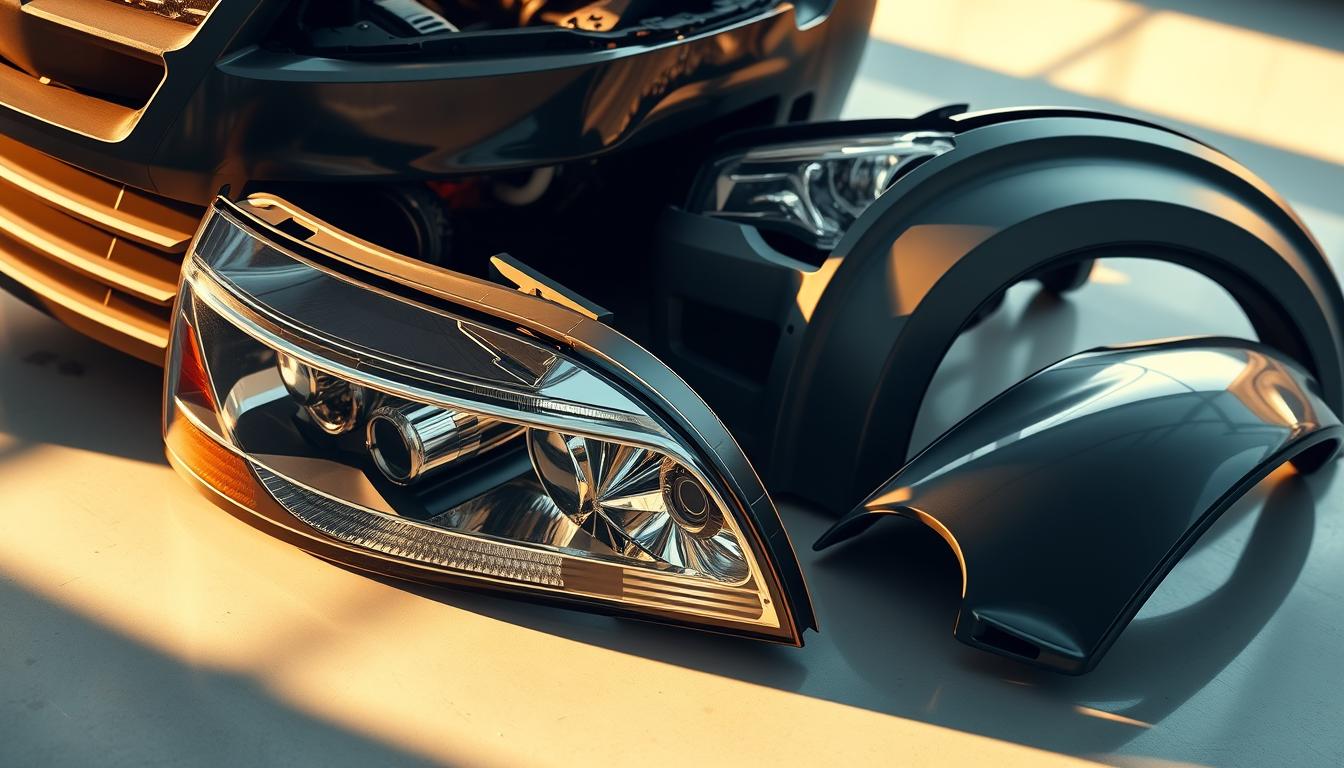
When a car gets into a crash, fixing it right is key. Using OEM parts is essential to get it back to its original state. They fit perfectly because they’re made just for that car.
We know genuine factory parts are important for a good fit. They keep the car safe and working right. At Miracle Body and Paint Collision Center, we always choose OEM parts for top-notch repairs.
If your car was in a crash, count on Miracle Body and Paint Collision Center. We’ll make it like new again. Call us at (210)858-3630 or visit us at 4650 Walzem Rd, San Antonio, TX 78218.
Key Takeaways
- OEM parts ensure a precise fit and maintain the vehicle’s original specifications.
- Using genuine factory parts is vital for keeping the car safe and running well.
- OEM parts help keep the car’s value after a crash.
- Miracle Body and Paint Collision Center always uses OEM parts for repairs.
- Trust the experts at Miracle Body and Paint Collision Center to fix your car right.
The Critical Difference Between OEM and Aftermarket Parts
Choosing between OEM and aftermarket parts for car repairs is key. You need to think about fit and finish and if they meet the maker’s specs. Using parts that don’t meet these standards can harm your car’s performance, safety, and value.
Defining Factory-Original Components
OEM parts come from the car’s maker, ensuring a perfect fit and finish. They keep your car’s performance and safety just right.
The Spectrum of Aftermarket Alternatives
Aftermarket parts are made by others. They might be cheaper, but quality can differ a lot. Some parts might be as good as OEM, but others might not fit or work right.
Why Part Selection Matters for Your Vehicle
Choosing the right parts for repairs is very important. OEM parts keep your car in top shape, with all safety and performance features intact. For more on our repair services, call Miracle Body and Paint at (phone number) or visit our website.
Safety Concerns Driving the OEM vs. Aftermarket Debate
Choosing between OEM and aftermarket parts for accident repair is not just about money. It’s about safety. The use of aftermarket parts in collision repairs raises big safety worries in the car world.
Recent Crash Test Studies Comparing Part Performance
Recent crash tests show big differences between OEM and aftermarket parts. Cars fixed with OEM parts do better in crashes. They keep the car’s structure and safety features intact.
Structural Integrity and Crumple Zone Functionality
A car’s structure is key to its safety in a crash. OEM parts are made to work with the car’s crumple zones. They help absorb and spread out crash forces. But aftermarket parts might not perform as well, risking the car’s safety.
Advanced Safety System Integration Challenges
Today’s cars have advanced safety features like airbags and electronic stability control. Mixing these with aftermarket parts is tricky. It can cause safety problems. But OEM parts are made to work perfectly with these systems, keeping everyone safe.
In short, safety is the top priority in accident repair. Using OEM parts makes sure the car is safe again. It gives drivers and passengers peace of mind.
Industry Standards and Quality Control in Manufacturing
Industry standards are key in making OEM parts. They make sure parts fit the needed specs and work well. These rules come from the car makers to ensure parts are good and reliable.
OEM Certification and Testing Requirements
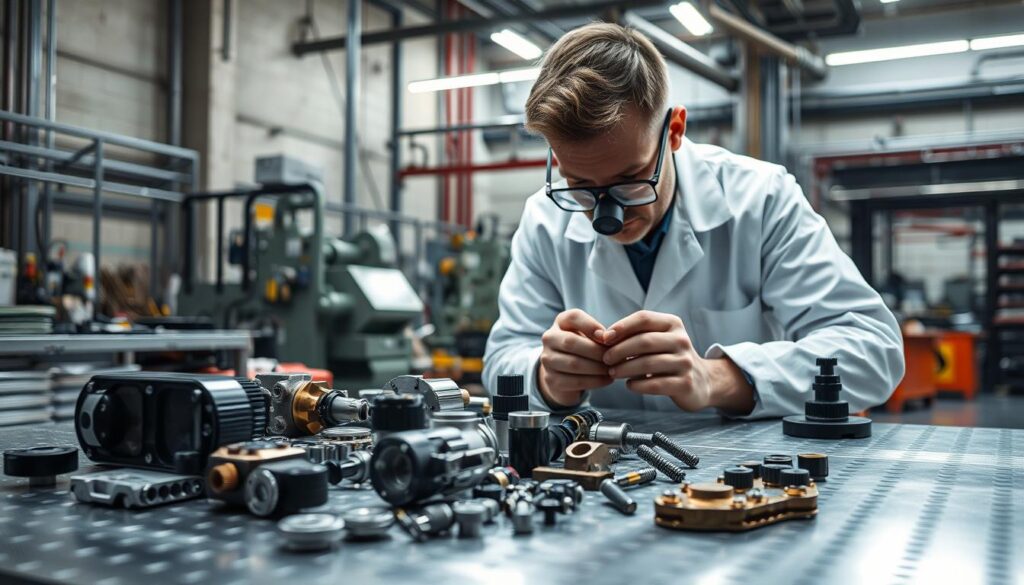
OEM parts go through tough tests and get certified. They face extensive performance testing and durability assessments. For example, they are tested in extreme temperatures and vibrations.
Quality Variations in Aftermarket Production
Aftermarket parts don’t always follow the same strict quality rules. Their quality can change a lot between makers. Some aftermarket parts might not meet the safety and performance of OEM parts.
Material Composition Differences
OEM and aftermarket parts are made from different materials. OEM parts use materials picked by the car maker. This ensures they work right. But, aftermarket parts might use other materials that could make them less durable.
Choosing OEM parts means repairs meet the maker’s quality standards. This gives owners peace of mind and keeps their car running well and safely.
The Precision Factor: Fit and Finish Considerations
OEM parts are key in keeping a car looking and running like new. They fit perfectly with the car’s design. This ensures the car looks and works as it should.
Engineering Tolerances and Vehicle Aesthetics
OEM parts are made to fit exactly right. They keep the car looking as it did before. Using OEM parts makes sure the repair area looks like the rest of the car.
Documented Fit Issues with Non-OEM Components
Aftermarket parts can cause problems. They might not fit right, affecting how the car looks and works. Studies show these parts can lead to gaps and misalignments.
Impact on Vehicle Aerodynamics and Performance
Using aftermarket parts can hurt a car’s performance. Badly fitted parts can mess up airflow, leading to worse fuel use and handling. OEM parts help keep the car running smoothly and safely.
Warranty and Resale Value Implications
Choosing the right parts for car repairs is key. It affects the warranty and the car’s value. Using OEM parts for repairs means a better fit and finish. It also protects our investment in the vehicle.
How Part Selection Affects Manufacturer Warranties
Using OEM parts keeps the warranty intact. If aftermarket parts cause problems, warranties can be voided. Sticking with OEM parts avoids warranty issues and keeps the car covered.
Documented Impact on Vehicle Resale Values
Using OEM parts in repairs boosts resale value. Cars fixed with OEM parts are seen as well-kept and reliable. This makes them more appealing to buyers, leading to a higher resale price.
Disclosure Requirements When Selling Repaired Vehicles
When selling a repaired car, being open is important. Sellers must share the repair history, including parts used. Using OEM parts means a clear and positive disclosure. This builds trust with buyers and can increase the sale price.
In conclusion, choosing OEM parts for repairs is smart. It ensures a quality fix and protects the warranty and resale value. Knowing this helps car owners make wise choices for their investment.
Accident Repair with OEM Parts: Current Insurance Trends
Insurance companies are changing how they use OEM parts in repairs. They now see how important OEM parts are for safety and performance. So, many are updating their policies to use OEM parts more often.
2023 Policy Changes Among Major Insurers
In 2023, big insurance companies made big changes. They now offer better coverage for OEM parts. This means cars get fixed the way they were meant to be, keeping them safe and working right.
Strategies for Negotiating OEM Coverage
It’s key to know your rights and options for OEM parts coverage. Ask your insurance about OEM parts and what repair choices you have. Knowing this can make a big difference in how well your car is fixed.
Legal Considerations and Consumer Rights
People have the right to choose their car’s repair parts. Insurers must tell policyholders about their options. Knowing your rights and the laws about OEM parts can help you make better choices for your car’s repair.
The Economics of OEM vs. Aftermarket: Beyond the Price Tag
Choosing between OEM and aftermarket parts for collision repairs matters a lot. The cost of aftermarket parts might seem lower at first. But, think about the total cost over your car’s life.
Comprehensive Cost Analysis Over Vehicle Lifetime
Looking at the total cost means more than just the first repair. It’s about future repairs and how it affects your car’s value. OEM parts are made to fit perfectly, which might mean fewer repairs later.
Secondary Repair Rates and Long-term Reliability
Research shows cars fixed with OEM parts need fewer repairs later. OEM parts are made to last, fitting better and lasting longer. This makes your car more reliable over time.
Financial Impact of Improper Repairs
Bad repairs from low-quality parts can cost a lot. They might lead to more repairs, lower car value, and safety issues. Using OEM parts helps avoid these problems and keeps your investment safe.
In summary, while cheaper at first, OEM parts are better for your wallet in the long run. They offer peace of mind and keep your car running smoothly. Think about the long-term costs, repair rates, and safety when choosing parts for your car.
Technological Integration Challenges with Modern Vehicles
Modern cars are getting smarter, and using OEM parts is key. They need advanced tech like ADAS, sensor calibration, and complex software. This tech makes cars safer and more efficient.
Sensor Calibration and ADAS Compatibility
Fixing modern cars is tough, mainly because of sensor calibration and ADAS. Using OEM parts is very important. They fit perfectly with these systems.
Software Integration Requirements
Today’s cars run on software for many functions. Repair parts must fit and work with the car’s software. OEM parts are made to meet these needs. This lowers the chance of problems after fixing the car.
Emerging Technologies Requiring OEM Specifications
New car tech brings new problems. Features like self-driving and connectivity need parts that fit exact OEM specs. Using factory parts keeps these techs working right. It keeps the car safe and running well.
- OEM parts ensure compatibility with advanced safety features.
- Proper sensor calibration is critical for ADAS functionality.
- Software integration is essential for modern vehicle performance.
Miracle Body and Paint’s Approach to Quality Collision Repair
We know how important it is to use genuine OEM parts for repairs. At Miracle Body and Paint Collision Center, we aim for the best. We want to make sure your car is fixed right.
Our OEM Certification and Specialized Training
Our techs get specialized training to keep up with new car tech and repair methods. We have OEM certification. This shows we meet the maker’s quality and precision standards.
Our Transparent Parts Sourcing Process
We’re proud of our transparent parts sourcing process. We get our parts from reputable OEM suppliers. This means every part is up to standard. Our customers trust us because we’re open about where we get our parts.
Real Customer Outcomes with OEM Repairs
Using OEM parts has made many customers happy. For instance, one customer was very pleased with their repair. They said it looked just like new.
Choosing Miracle Body and Paint means your car is in safe hands. We’re all about quality collision repair. We aim to go beyond what our customers expect.
Conclusion: Protecting Your Investment Through Quality Repairs
Using OEM parts in accident repairs is key for your vehicle’s safety and value. OEM parts fit perfectly, keep your car’s structure strong, and work well with safety systems.
At Miracle Body and Paint Collision Center, we know how important quality repairs are. Our team is OEM-certified. We follow a clear parts sourcing process to meet the highest standards.
If you’re facing a collision’s aftermath, contact us for excellent repair services. We’re at 4650 Walzem Rd, San Antonio, TX 78218. Call us at (210)858-3630. Let’s fix your vehicle and make sure you’re safe and happy driving.

