

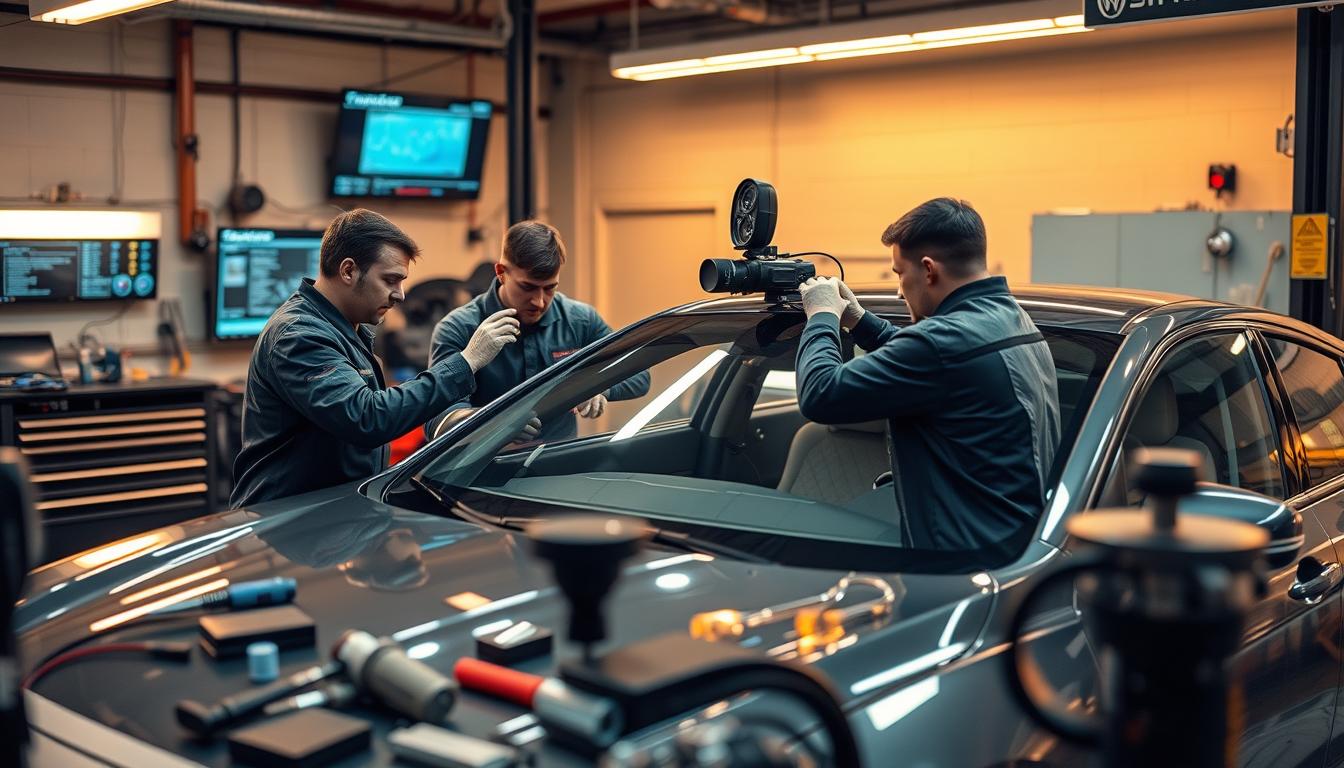
You rely on modern safety features every time you drive. After collision repair, those systems can lose alignment or timing. When sensors shift, lane keep, blind spot, and braking aids may not react as designed.
Miracle Body and Paint Collision Center offers adas calibration and collision repair with two local locations to get your vehicle back to factory specs. Call North West San Antonio – Leon Valley at (210) 680-1987, 6217 Grissom Rd., San Antonio, TX 78238, or North East San Antonio at (210) 858-3630, 4650 Walzem Rd, San Antonio, TX 78218.
We follow OEM procedures, run diagnostic pre-scans, and provide full reports your insurer can use. Typical appointments take about 1–3 hours depending on the systems and repairs performed.
Read on to learn which features are most affected by body and paint work, when you should schedule service in san antonio, and how our team restores detection range and accuracy so your safety systems work as intended.
Key Takeaways
- Precise calibration keeps lane, braking, and sensor features working after repairs.
- Miracle Body and Paint has two san antonio locations and documents all work.
- Many calibrations complete in 1–3 hours, depending on systems and repairs.
- Both static and dynamic steps may be needed to restore full function.
- Proper service reduces liability and keeps your vehicle safe on the road.
What Is ADAS and Why It Matters After Collision Repair
Your vehicle depends on a tight network of sensors, cameras, radar, and control modules to keep you safe. When those parts are out of alignment by even millimeters, the whole set of safety features can give wrong or late responses.
Advanced driver assistance and the broader driver assistance systems use that shared data to steer, brake, and warn you of hazards. Typical functions include lane departure alerts, adaptive cruise, automatic emergency braking, blind spot monitoring, and parking assist.
Only trained technicians with OEM-approved tools can test each sensor, aim cameras, and run the proper procedures. Post-repair checks confirm the modules agree on distance, angle, and target recognition so the systems act as intended.
Why it matters:
- Accurate sensors and cameras speed reaction time and reduce false alerts.
- Minor shifts after body, glass, or suspension work can skew results.
- Professional calibration restores manufacturer specs and documents the work for your records.
ADAS Features Affected During Body and Paint Work
Even small changes from repair work can upset key safety systems in your vehicle. Forward-facing cameras, radar units, and bumper sensors all need exact positioning to read the road correctly.
Lane departure and lane keep systems depend on cameras that must see lane markings at precise angles. If those cameras shift, you may get late or incorrect steering prompts.
Adaptive cruise control and cruise control use radar mounted behind grilles or emblems. Body or paint work can change mounting depth and aim, reducing range and timing accuracy.
The combination of cameras and radar powers automatic emergency braking and forward collision warnings. When either component is off even slightly, you risk false alerts or delayed braking.
- Blind spot and parking aids rely on bumper sensors that can shift during refinishing.
- Cosmetic bumper, hood, or grille changes can alter sensor orientation or airflow, affecting readings.
- Excess paint over radar covers can weaken signals and narrow detection zones.
If driver assistance features stop performing after body work, hire Miracle Body and Paint Collision Center to inspect and restore reliable road awareness. Correct service confirms each component sees the road as the manufacturer intended.
What Knocks ADAS Out of Alignment After Repairs
A simple windshield swap or a bumped bumper can change how your vehicle’s safety gear sees the road. Small shifts to mounts, glass, or trim move the reference points that guide sensors and cameras.
Windshield replacement often moves the forward-facing camera’s reference position and needs a precise target-based recalibration. When the glass or its adhesive changes, the camera can lose its factory sightlines.
Bumper, suspension, alignment, and wheel changes alter ride height and geometry. New tires, steering work, or a replaced bumper can tilt radar and ultrasonic units and change how your vehicle tracks a lane.
Minor impacts, curb hits, and potholes can nudge mounts out of spec. Even a low-speed collision or curb strike can degrade detection accuracy and cause late lane warnings or drifting corrections.
- Grille or emblem swaps may affect radar aperture and create coverage blind spots.
- Structural or unibody repairs change body datum and require verification before final work.
- Lifting or lowering your vehicle changes sensor pitch and yaw, impacting object detection.
If any of these events happened before or after your repair, contact Miracle Body and Paint Collision Center so your vehicle gets the correct adas check and final calibration to restore reliable lane guidance and hazard detection.
Risks of Skipping Calibration After a Collision or Windshield Replacement
Skipping a post-repair check can leave critical safety tech performing below its intended standard. When systems fall out of spec, timing and detection range suffer. That increases the chance of problems on the road.
If you want to protect your family, schedule service with Miracle Body and Paint Collision Center after repairs or glass work. OEM-level verification restores aim, timing, and provides documentation for insurers.
- Reduced braking trust: A misreading system may misjudge distance or speed and cut braking effectiveness when seconds matter.
- Lane and steering risks: Lane guidance can drift or fail to alert, compromising vehicle safety in daily traffic and on the highway.
- Blind spot gaps: Cross traffic and side detection may miss nearby vehicles, creating hazards for the driver.
- False alarms and distraction: Erratic alerts cause complacency and more frequent warning lights or other issues.
- Liability and proof: Post-repair verification and paperwork show work met manufacturer steps and help with insurance or legal concerns.
Timely calibration helps ensure vehicle safety by returning detection ranges and angles to factory targets. Final verification confirms assistance tech works correctly on real roads and reduces the chance of cascading faults.
Protect your loved ones — book a service today so your vehicle systems and driver aids perform as designed after any collision or glass replacement.
ADAS Calibration San Antonio: Service You Can Trust
When repairs shift sensors or cameras, our technicians realign systems so your car performs reliably. You get dealership-quality services without the hassle.
Our team follows OEM procedures and uses precision alignment systems to check every sensor, camera, and module. We run a full pre-scan, complete the required calibration steps, and deliver a detailed report you can share with your insurer.
Trained technicians handle complex multi-module interactions and verify the vehicle responds correctly in real traffic scenarios. Post-service performance checks confirm lane, braking, and detection functions are back to factory targets.
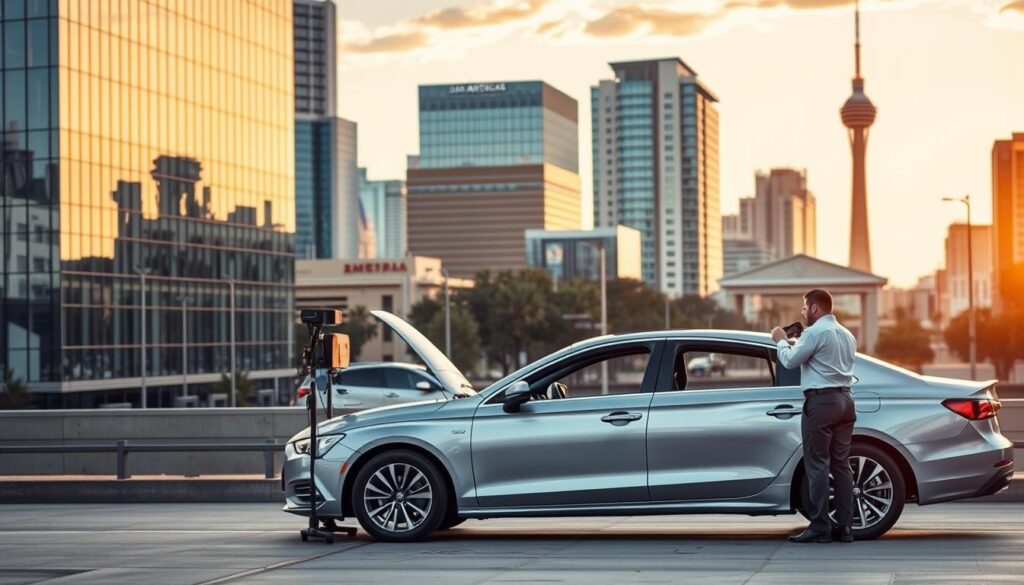
- Certified staff perform thorough pre-scans and map required work to manufacturer steps.
- Precision targets and alignment tools restore sensor aim and system timing.
- Clear timelines, communication, and paperwork support insurance claims and proof of service.
Hire Miracle Body and Paint Collision Center today to restore performance and peace of mind. Two locations: Leon Valley (210) 680-1987, 6217 Grissom Rd., 78238; North East (210) 858-3630, 4650 Walzem Rd, 78218.
Our ADAS Calibration Process From Drop-Off to Delivery
From the moment you drop your car off, we document each step and follow a clear process to restore safety features. This gives you a transparent timeline and a measurable result for your vehicle.
Pre-scan diagnostics and manufacturer procedure mapping
We run a full pre-scan to find stored faults and identify modules that need work. Our technicians map every task to the manufacturer steps so no required action is missed.
Static and dynamic recalibration steps
Static calibration uses precision targets and laser alignment to set camera and radar aim. Dynamic recalibration then tests performance on the road under real conditions to confirm accuracy.
Post-repair road tests and final verification
After adjustments, we perform a post-scan and a road test to check lane tracking, spacing, and alert timing. You receive a detailed calibration report that lists targets, results, and any follow-up actions.
- Inspection: We check mounts, brackets, and ride height before work begins.
- Software: Updates and module coding are applied as needed to ensure system communication.
- Clear results: We explain findings so you know how your vehicle was restored to spec.
Tools, Standards, and Documentation You Can Rely On
We pair sub-millimeter laser targeting with manufacturer steps to restore sensor and camera aim. This lets you trust the work and the results.
Laser-based platforms deliver the accuracy needed to align devices across the entire vehicle. Technicians use OEM-approved procedures so each part meets factory tolerances.
After adjustments, we record every step and compile a digital calibration report. You get before-and-after scans, test results, and a clear, auditable record to share with your insurer.
- Precision matters—laser targeting helps achieve the accuracy required for reliable systems performance.
- Following manufacturer specifications ensures each sensor and cameras align exactly as designed.
- We verify that sensors see correct distances and angles around your vehicle.
- Calibration steps are logged and delivered as digital reports you can store or forward.
- Standardized targets and fixtures guarantee consistent results across makes and models.
Hire Miracle Body and Paint Collision Center to get precise results and detailed digital reports you can share with your insurer. Our services protect your investment and give you a transparent record of the work done.
When You Should Schedule Calibration After Body Repair
When repair work alters mounts, ride height, or glass position, book a verification appointment to avoid unexpected system errors.
Schedule service after these events:
- Windshield replacement, collision repair, or bumper service — book immediately to restore safety functions.
- Any suspension, steering work, wheel alignment, or tire size change that shifts ride height.
- Curb or pothole impacts that could have nudged sensor or camera mounts.
- Dashboard warnings, drifting corrections, or false alerts — these signs need prompt attention.
Proactive checks reduce repeat visits and protect your vehicle during everyday driving.
Plan calibration as part of repair timelines so body, alignment, and verification happen in the best order. Clear documentation also helps with insurance and resale questions.
When in doubt, schedule with Miracle Body and Paint Collision Center right after body work or alignment changes to keep your systems reliable on the road.
Windshield Replacement and Camera Recalibration Requirements
After windshield replacement, your vehicle’s forward camera often needs a precise reset. A new windshield can move the camera’s optical path, making camera recalibration mandatory for accuracy.
Target boards and laser alignment tools reestablish the correct field of view for forward cameras. Even OEM glass can shift angles due to mount tolerances and adhesive cure.
- Rain and light sensors near the camera benefit from verification during the same visit.
- We confirm lane keeping, forward collision warning, and automatic emergency braking behave correctly.
- Calibration restores the system’s ability to judge distance so warnings and braking are timely.
- Expect a focused appointment of about 1–3 hours with static setup and, if required, a short road procedure.
- You’ll receive documentation showing the work followed manufacturer steps after windshield replacement.
Prompt service reduces risk by ensuring adas features operate safely as soon as you return to the road. Hire Miracle Body and Paint Collision Center to recalibrate your forward camera and related systems so your vehicle is ready and safe.
Alignment and Suspension Work: Why ADAS Must Be Rechecked
Even routine alignment or tire swaps can alter sensor pitch and make lane guidance unreliable. Steering and suspension work changes camber, caster, toe, and ride height. Those shifts affect camera and radar aim relative to the lane.
After an alignment, a quick verification keeps your vehicle systems performing as designed. New tires or different sizes change effective ride height and wheel-speed signals the vehicle uses for spacing and braking cues.
Suspension repairs, upgrades, or replaced mounts also move critical sensor locations. Without a post-service check, your system may overcorrect or underreact and reduce performance during driving.
- We synchronize sensor angles with your final alignment specs so lane guidance is trustworthy.
- A combined appointment for alignment and verification streamlines work and shortens downtime.
- Our verification drive confirms stable guidance in everyday driving conditions and shows the vehicle tracks straight.
You’ll leave with documented results that close the loop and show the calibration step was completed after alignment. Coordinate your alignment or suspension service with Miracle Body and Paint Collision Center so ADAS is verified afterward.
Common Signs You Need Recalibration Right Now
When safety features act inconsistently, it’s a clear sign your vehicle’s systems require attention. Quick action prevents larger problems and restores expected performance.
Warning lights and erratic driver assistance behavior
Warning lights for lane or collision features mean the system detected a fault. If features toggle off or behave oddly, bring your vehicle in for diagnostics.
Poor detection range, false alerts, or drifting corrections
False alerts or missing warnings point to reduced accuracy in object detection. Drifting lane corrections or late braking cues are common signs of slight misalignment.
- Warning lights for lane or collision features indicate the system needs attention and possible recalibration.
- If features toggle off unexpectedly or behave inconsistently, a sensor aim check is due.
- False alerts or missing alerts suggest reduced accuracy in how objects are detected and tracked.
- Drifting lane corrections or late braking cues are common outcomes of slight misalignment.
- We start with a diagnostic scan, then follow manufacturer steps, software updates, and sensor cleaning to restore operation.
- A post-service road test verifies the vehicle responds clearly and consistently to traffic so the driver can trust the features again.
If you notice these signs, hire Miracle Body and Paint Collision Center to diagnose and recalibrate promptly.
Why Choose Miracle Body and Paint Collision Center
Trust a service partner that uses modern tools and keeps you informed from drop-off to delivery.
Certified technicians, OEM-approved procedures, transparent service
You get certified technicians who follow OEM-approved steps to restore your vehicle to factory tolerances. Our team pairs precision tools with clear digital reports so you can see before-and-after results.
Our services integrate with collision repair to return critical features like lane keeping and emergency warning to reliable operation. We verify results with a road test and a documented report you can share with your insurer.
- Certified technicians follow manufacturer procedures for dependable outcomes.
- Calibration and repair work use precision platforms and digital records.
- Transparent estimates, timelines, and communication keep you informed.
- In San Antonio, our team services many domestic, European, and Asian makes.
- Your safety is our priority—post-repair checks ensure features work as intended.
Visit either location: Leon Valley (210) 680-1987, 6217 Grissom Rd., San Antonio, TX 78238; North East (210) 858-3630, 4650 Walzem Rd, San Antonio, TX 78218. Hire us for trusted ADAS and collision repair.
Vehicles and Systems We Service
From compact cars to full-size trucks, you can bring any vehicle and expect complete support for its modern safety tech.
We service vehicles across domestic, European, and Asian brands that come equipped with advanced driver assistance suites. Our shop handles forward cameras, radar modules, ultrasonic parking sensors, and rear-view cameras.
Our services scale from a single sensor check to a full multi-system restoration. We follow brand-specific targets and procedures so each adjustment matches OEM specs.
- We verify that cameras read lane lines and signs with the clarity required for accurate alerts.
- Sensor checks confirm clean communication between devices and control modules across the vehicle.
- Whether your car emphasizes lane keeping or parking automation, we restore each feature to expected performance.
You leave with a clear report and test confirmations that reflect your vehicle’s configuration. Hire Miracle Body and Paint Collision Center to return your systems and features to reliable operation.
Insurance Coordination, Turnaround Times, and Clear Estimates
Upfront estimates and direct insurer coordination keep your repair on schedule and reduce surprises. You get clear pricing, a realistic timeline, and a single point of contact for questions.
Our team handles calls with your carrier and supplies digital reports that document OEM compliance. That paperwork supports claims and shows the work followed proper manufacturer steps.
- Direct insurer coordination: We send calibration reports and proof of compliance to streamline claims.
- Clear, upfront estimates: Your estimate shows scope, timing, and any prerequisites before work begins.
- Fast single-system service: Most single-system repairs and calibrations finish the same day, often within 1–3 hours.
- Efficient process: We sequence body, alignment, and final checks to get your vehicle back sooner.
- Transparent communication: The team updates you through drop-off to delivery so you always know when to expect your vehicle back.
Serving san antonio customers, we balance speed with care. For multi-system or complex jobs, we provide a detailed timeline so you are never left guessing. Hire Miracle Body and Paint Collision Center today for dependable services and a smooth repair process.
Two San Antonio Locations to Serve You
Choose the location that fits your schedule and let us get your vehicle back quickly. You can visit either shop for prompt service after repair or glass work. Both facilities follow the same OEM steps and quality checks so your systems return to proper operation.
North West San Antonio – Leon Valley
North West San Antonio – Leon Valley: (210) 680-1987, 6217 Grissom Rd., San Antonio, TX 78238.
North East San Antonio
North East San Antonio: (210) 858-3630, 4650 Walzem Rd, San Antonio, TX 78218.
Call ahead to discuss calibration services, availability, and what documentation to bring. Same-day appointments are often available for single-system work after repair or glass replacement.
- Choose Leon Valley for convenient access from the North West side of san antonio.
- Use the North East location for quick service along the I-35 corridor.
- We coordinate with your insurer and deliver digital reports when the work is complete.
- Expect consistent communication, clear timelines, and the same high standards at both shops.
Hire Miracle Body and Paint Collision Center today at either location to get your vehicle back with reliable post-repair service. Call Leon Valley (210) 680-1987 or North East (210) 858-3630 to schedule.
Conclusion
Finish your repair with a professional check that confirms every sensor and camera read the road correctly. This final step helps you ensure vehicle systems work before you drive home.
Proper adas calibration restores timing, direction, and detection ranges to OEM specifications. That work improves vehicle safety, returns expected system performance, and gives you a clear report to share with insurers.
The safest way to protect your car, passengers, and others is to complete professional verification after glass, bumper, alignment, or suspension work. Ensure vehicle systems operate as designed — call Miracle Body and Paint Collision Center at North West San Antonio – Leon Valley (210) 680-1987, 6217 Grissom Rd., San Antonio, TX 78238; or North East San Antonio (210) 858-3630, 4650 Walzem Rd, San Antonio, TX 78218 for adas calibration and final service.

