

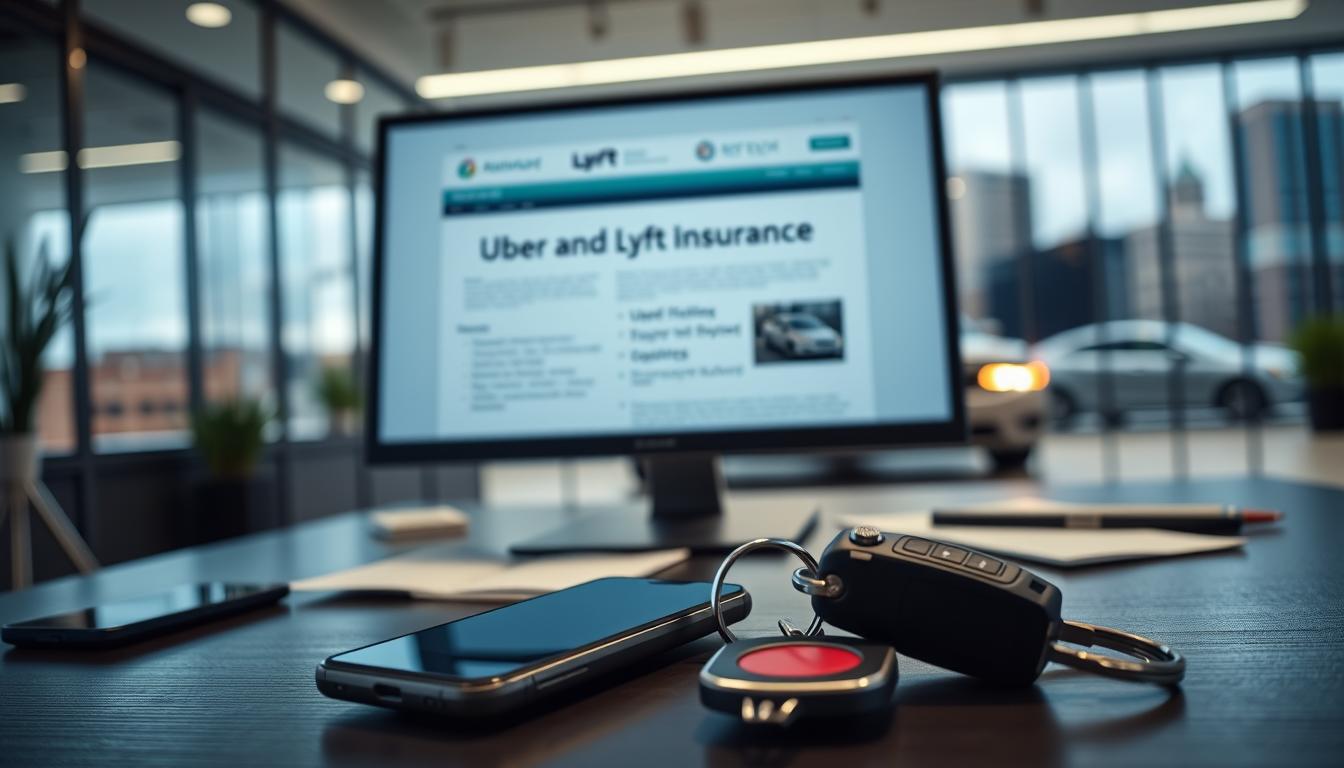
As an Uber or Lyft driver, being involved in an accident can be particularly stressful due to the complexities of insurance and vehicle coverage. At Miracle Body and Paint Collision Center, we understand the unique challenges you face, from navigating insurance claims to getting your vehicle back on the road quickly.
When an accident occurs, understanding the immediate steps to take is crucial. This includes knowing your insurance options and how they apply based on your status at the time of the incident. Our goal is to guide you through the process, ensuring you can return to driving for Uber or Lyft with minimal downtime.
Key Takeaways
- Uber and Lyft drivers face unique challenges after an accident, including complex insurance situations.
- Understanding the proper procedures for vehicle repairs is essential to minimize downtime.
- The right collision repair shop can significantly streamline the repair process.
- Many drivers are unaware of potential gaps in their insurance coverage.
- Miracle Body and Paint Collision Center specializes in helping rideshare drivers navigate collision repairs.
Understanding Rideshare Insurance Coverage for Accidents
As a rideshare driver, understanding the nuances of insurance coverage is crucial for protecting yourself financially in the event of an accident. Rideshare insurance coverage varies based on the driver’s status at the time of the accident.
Insurance Coverage Based on Driver Status
Insurance coverage for rideshare drivers is contingent upon their status at the time of an accident. For instance, Uber provides personal injury coverage when the driver is actively logged into the app or on the way to pick up or transport a passenger. However, personal injuries sustained when the app is off are not covered by Uber’s insurance.
If you’re driving your personal vehicle and involved in an accident while not logged into the Uber app, your auto insurance applies. No coverage is available under Uber’s insurance policy under these circumstances.
Gaps in Coverage to Be Aware Of
Many rideshare drivers are unaware of significant gaps in their insurance coverage. Key gaps include:
- The most common coverage gap occurs when drivers have the app on but haven’t accepted a ride, as the rideshare company’s limited liability coverage during this period may not include collision coverage for the driver’s vehicle.
- Personal auto insurance policies often contain “business use exclusions” that can void coverage if the insurer discovers the vehicle was being used for commercial purposes like ridesharing.
- Deductibles for rideshare company insurance are typically high ($1,000-$2,500), creating a significant out-of-pocket expense for drivers even when coverage does apply.
Understanding these gaps is essential for rideshare drivers to make informed decisions about supplemental insurance needs and financial risk management.
Essential Steps to Take After a Rideshare Collision
When a rideshare collision occurs, understanding the essential steps to follow can help ensure you receive fair compensation for damages and injuries sustained.
Immediate Actions at the Accident Scene

After a rideshare accident, it’s crucial to take immediate actions to document the scene and gather necessary information. This includes taking detailed photos of the accident scene, vehicles involved, and any visible injuries.
Comprehensive documentation is key to building a strong case. Gather as much information as possible, including contact details of parties involved and eyewitnesses, and insurance information of other drivers.
Documenting the Accident Properly
Proper documentation after a rideshare accident creates a solid foundation for insurance claims and helps ensure fair compensation for damages and injuries.
- Create a detailed written account of exactly what happened, including time, location, weather conditions, and the sequence of events.
- Take extensive photos and videos of all vehicles involved from multiple angles, focusing on areas of damage, license plates, and the overall accident scene.
- Collect complete contact and insurance information from all parties involved, including other drivers, passengers, and any witnesses.
- Obtain a copy of the police report or at minimum the report number and responding officer’s information for future reference.
- Save all medical records, repair estimates, towing receipts, and any other accident-related expenses as documentation for your claim.
- Maintain a log of all communications with insurance companies, repair shops, and the rideshare company regarding the accident and subsequent claims process.
- Consider consulting with a rideshare accident attorney if there are significant injuries or disputes about liability, as these cases often involve complex insurance situations.
By following these steps, you can protect your rights and improve the chances of a successful insurance claim.
Navigating Collision Repair for Rideshare Drivers
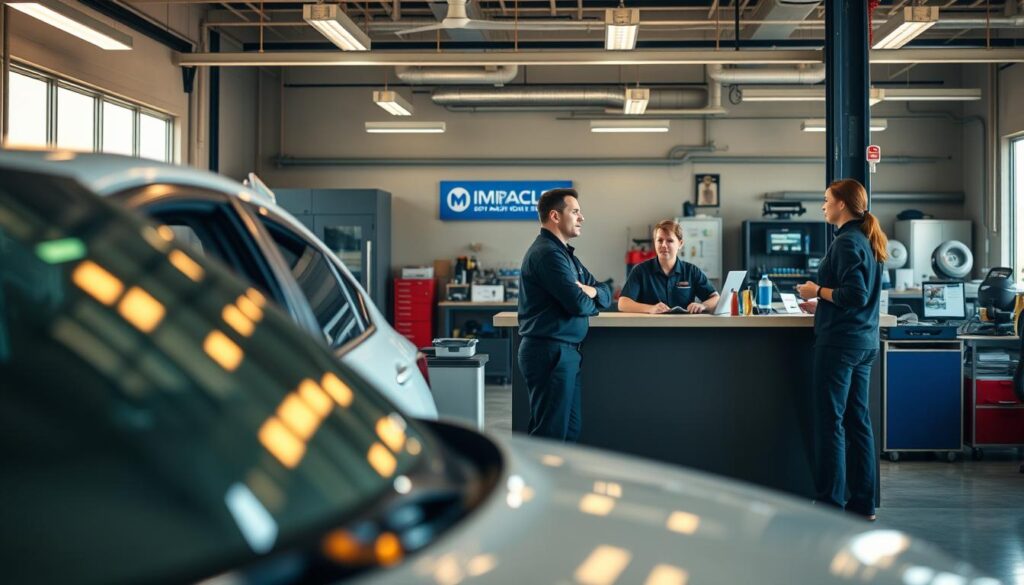
As a rideshare driver, navigating the collision repair process can be daunting, but understanding your options is crucial. When your vehicle is damaged in an accident, getting back on the road quickly is vital to maintaining your income.
Finding a Repair Shop That Works with Rideshare Insurance
Selecting a repair shop that works with your rideshare insurance company is essential. We recommend asking potential repair shops about their experience with rideshare insurance claims. Some shops, like Miracle Body and Paint Collision Center, have established relationships with major insurance providers, streamlining the repair process.
It’s also important to inquire about the shop’s capacity and current workload to avoid extended downtimes. Some shops may offer expedited services for rideshare drivers, which can significantly reduce the time your vehicle spends in the shop.
Understanding Repair Timelines and Getting Back on the Road
The collision repair process typically involves several stages: damage assessment, insurance approval, parts ordering, repair work, painting, reassembly, and quality control inspection. Understanding these steps can help you plan and minimize downtime.
To get back on the road quickly, consider arranging alternative transportation options in advance, such as rental vehicles or temporary replacement programs offered by some rideshare companies. Before accepting your repaired vehicle, conduct a thorough inspection to ensure all damage is properly addressed and the vehicle is safe for service.
Financial Considerations for Rideshare Drivers During Repairs
Rideshare drivers face unique financial challenges when their vehicles are undergoing repairs after an accident. The financial impact can be substantial, affecting both their income and expenses.
Managing Deductibles and Out-of-Pocket Expenses
One of the immediate financial concerns for rideshare drivers is managing deductibles and out-of-pocket expenses related to the accident. Drivers should review their insurance policies to understand what is covered and what they need to pay upfront. Some insurance policies may offer rental reimbursement, which can help mitigate the financial burden by providing a temporary vehicle.
Income Loss During Vehicle Repairs
The loss of income during vehicle repairs is a significant financial impact for rideshare drivers. To minimize this, drivers should calculate their average daily or weekly earnings to understand the true financial impact of downtime. In cases where another party was at fault for the accident, lost income may be recoverable through a personal injury claim. Drivers can also consider diversifying their income streams by having backup work options that don’t require their personal vehicle.
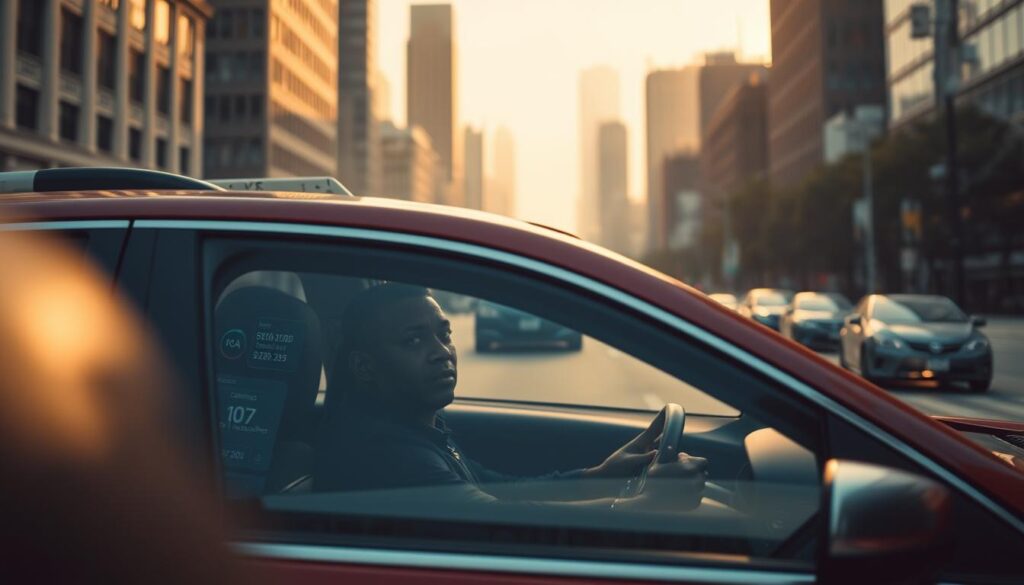
To mitigate income loss, some drivers maintain relationships with other rideshare drivers who might be willing to share or rent their vehicles during repair periods. Additionally, compensation for lost wages can be a critical aspect of a personal injury claim. Miracle Body and Paint Collision Center prioritizes efficient repairs to minimize income loss for rideshare drivers, understanding the urgency of getting them back on the road.
Why Choose Miracle Body and Paint Collision Center for Your Rideshare Vehicle
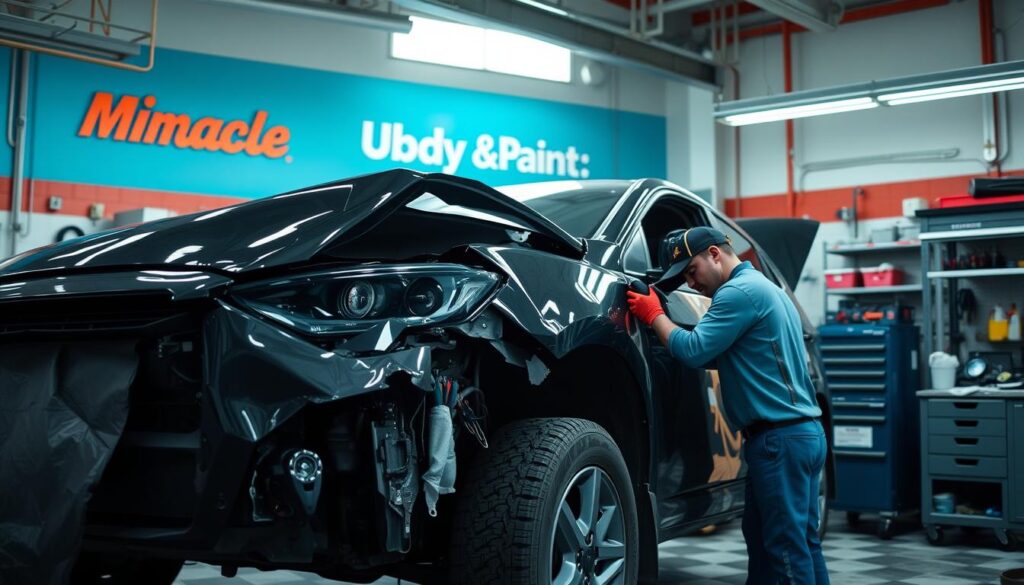
Miracle Body and Paint Collision Center understands the unique challenges faced by Uber and Lyft drivers after an accident. As a specialized collision repair center, we are equipped to handle the specific requirements of rideshare vehicle repairs.
Our technicians are specially trained to navigate the complex process of determining which parties are responsible for coverage, depending on the driver status at the time of the accident. We work closely with major insurance providers, including those that work with Uber and Lyft, to streamline the claims process and minimize paperwork burdens.
We offer expedited service for rideshare drivers, recognizing that vehicle downtime directly impacts your income and livelihood. Our comprehensive documentation meets the stringent requirements of rideshare companies, ensuring your vehicle can be quickly returned to service.
- Miracle Body and Paint Collision Center specializes in rideshare vehicle repairs.
- Our technicians are trained to handle specific requirements of rideshare insurance claims.
- We offer expedited service to minimize vehicle downtime.
- We have established relationships with major insurance providers.
- We provide comprehensive documentation that meets rideshare companies’ requirements.
- Our repairs are guaranteed to restore your vehicle to pre-accident condition.
- We offer free consultations for rideshare drivers.
- With two locations in San Antonio, we make it easy to access our services.
Choose Miracle Body and Paint Collision Center for your rideshare vehicle repairs and experience the difference our specialized knowledge makes in getting you back on the road quickly. Contact us today at our Northwest San Antonio location (210-680-1987) or our Northeast San Antonio location (210-858-3630) to schedule your free consultation.

