

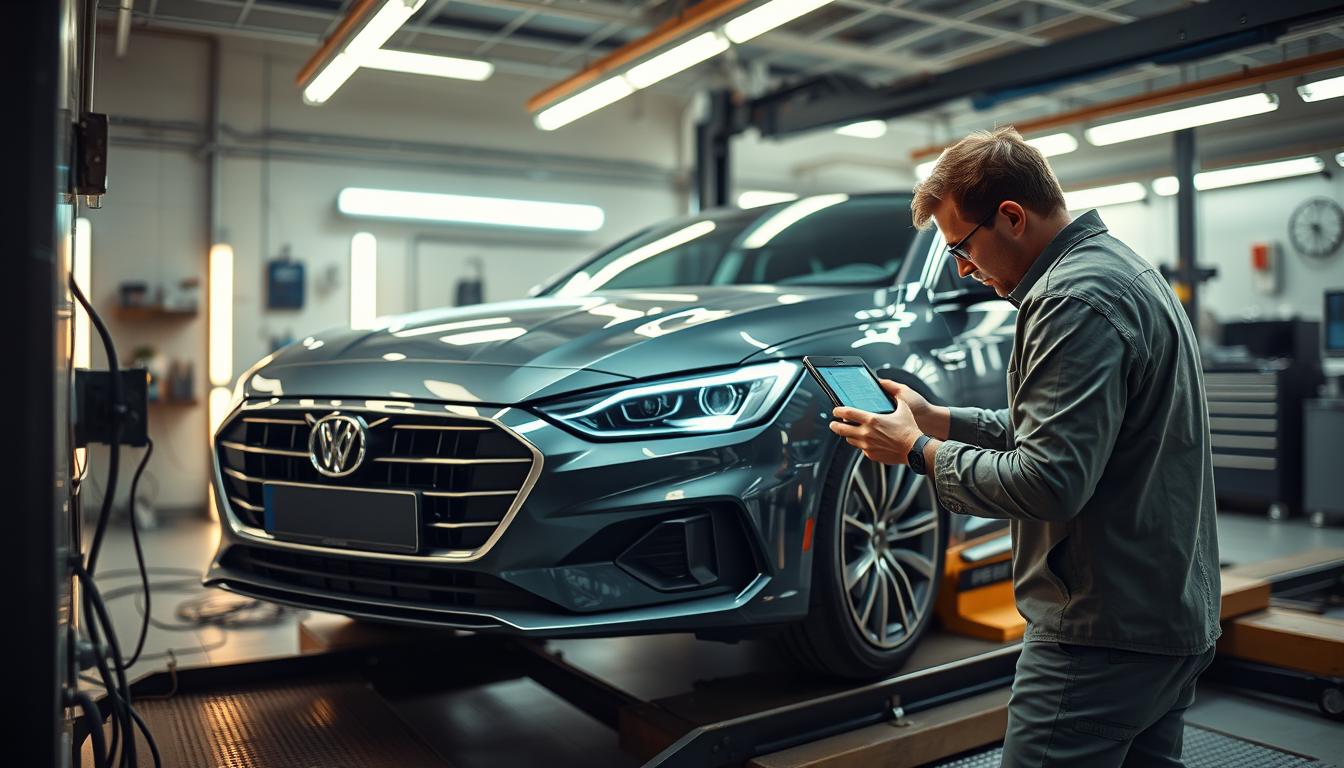
At Miracle Body and Paint Collision Center, we understand the importance of Advanced Driver Assistance Systems (ADAS) in modern vehicles. These sophisticated systems rely on cameras, sensors, and software to assist drivers with tasks like braking, lane keeping, and parking, thereby enhancing safety on the road.
After collision repairs, it’s crucial to recalibrate these critical safety systems to ensure they function correctly. Even a slight misalignment of sensors can lead to incorrect readings, increasing the risk of system failures and accidents.
Our comprehensive ADAS calibration process follows manufacturer-specific protocols to restore your vehicle’s safety systems to their pre-accident condition. Our state-of-the-art equipment and factory-trained technicians ensure precise alignment according to manufacturer specifications.
Key Takeaways
- Modern vehicles rely on sophisticated ADAS technology for enhanced safety.
- After collision repairs, precise recalibration is necessary to ensure correct system functioning.
- Our ADAS calibration process follows manufacturer-specific protocols.
- State-of-the-art equipment and factory-trained technicians ensure precise sensor alignment.
- Proper ADAS calibration is essential for maintaining vehicle safety features.
Understanding ADAS and Why Calibration Matters
Advanced Driver Assistance Systems (ADAS) have revolutionized vehicle safety, but their effectiveness depends on precise calibration. These sophisticated systems use a network of cameras, radar sensors, and ultrasonic sensors to constantly monitor road conditions, traffic, and potential hazards.
What Are Advanced Driver Assistance Systems?
ADAS technologies include features like Adaptive Cruise Control (ACC), Lane Keeping Assist (LKA), Blind Spot Monitoring (BSM), Automatic Emergency Braking (AEB), Lane Departure Warning (LDW), Parking Assist (PA), Traffic Sign Recognition (TSR), Night Vision (NV), Driver Monitoring System (DMS), and 360-Degree Camera System. These safety features work together to create a safer driving experience by assisting drivers in avoiding accidents through automated monitoring and response capabilities.
Why ADAS Calibration Is Critical After Repairs
When a vehicle undergoes collision repairs or other significant work, the precise alignment of these sensors can be disrupted. Even minor misalignments can cause ADAS systems to malfunction, potentially leading to false alerts or failure to detect obstacles. Proper calibration ensures that all sensors and cameras are precisely aligned according to manufacturer specifications, allowing them to accurately detect objects and potential hazards. Without proper calibration, your vehicle’s safety systems may not function as designed, increasing your risk on the road.
When ADAS Recalibration Is Necessary
The need for ADAS recalibration arises from various factors, including collision repairs and windshield replacements. Advanced Driver Assistance Systems (ADAS) are sophisticated technologies that rely on precise sensor alignment to function correctly. When a vehicle’s sensors are disrupted due to repairs or other events, recalibration is necessary to restore the system’s accuracy.
Post-Collision Repair Requirements
After a collision, even if it seems minor, ADAS recalibration is often necessary. The impact can shift the precise positioning of sensors and cameras that safety systems depend on. At Miracle Body and Paint Collision Center, we automatically assess the need for ADAS calibration after any repair that could potentially affect sensor positioning or camera alignment.
Windshield Replacement and Camera Adjustments
Modern windshields often house forward-facing cameras that control multiple ADAS features. When a windshield is replaced, these cameras must be recalibrated to ensure they correctly interpret what they’re seeing on the road ahead. The forward-facing camera typically controls critical safety features like lane departure warning and automatic emergency braking, which depend on precise calibration to function correctly.
Suspension Work and Alignment Changes
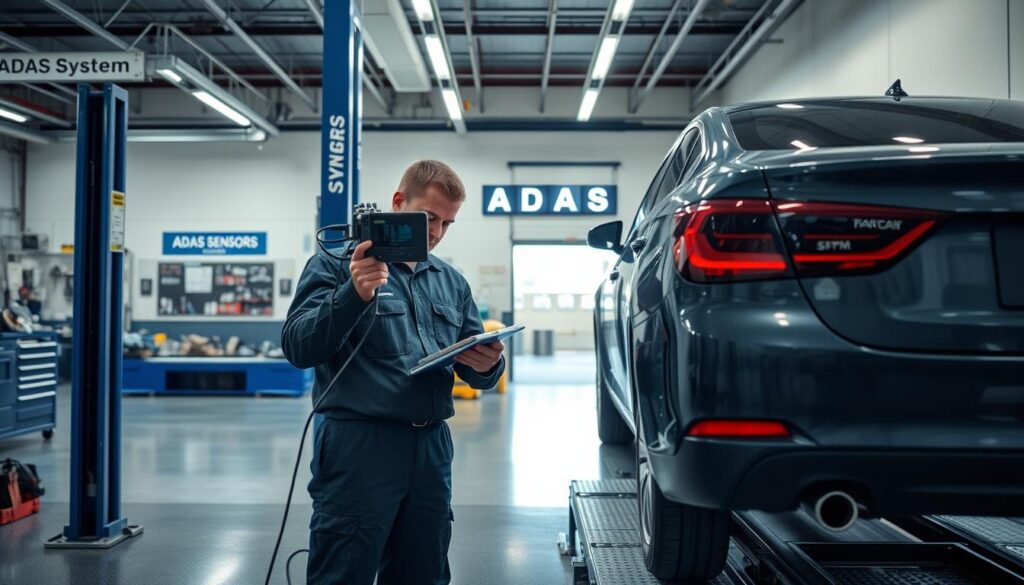
Suspension repairs or modifications alter a vehicle’s ride height and stance, changing the viewing angle of cameras and sensors. This requires recalibration to maintain system accuracy. Even routine wheel alignment can necessitate ADAS recalibration, as the relationship between the vehicle’s direction of travel and the orientation of its sensors has been altered.
At Miracle Body and Paint Collision Center, we follow manufacturer-specific guidelines to determine when recalibration is required, ensuring your vehicle’s safety systems are restored to their intended functionality before you drive away.
- Collision repairs can affect sensor alignment, necessitating ADAS recalibration.
- Windshield replacement requires camera recalibration for accurate ADAS functionality.
- Suspension work and alignment changes can alter sensor and camera angles, requiring recalibration.
Our ADAS Recalibration Steps at Miracle Body and Paint
At Miracle Body and Paint, our ADAS recalibration process is meticulous and thorough, ensuring your vehicle’s safety features are functioning correctly. Our team of experts follows a detailed procedure to guarantee the accuracy and reliability of your vehicle’s advanced driver assistance systems.
Initial Vehicle Assessment and Diagnostics
Our ADAS recalibration process begins with a comprehensive diagnostic assessment using advanced scan tools to communicate with your vehicle’s onboard computers and identify which systems require calibration. During this initial assessment, we review vehicle manufacturer specifications and requirements for your specific make and model, as calibration procedures vary significantly between different vehicles and systems.
Preparing the Vehicle and Workspace
Proper preparation is critical to successful calibration. We ensure the vehicle has proper tire pressure, a full fuel tank for consistent vehicle height, and is positioned on a perfectly level surface in our specially designed calibration area. Our facility is equipped with manufacturer-approved ADAS calibration equipment, including precision targets and alignment tools that meet OEM specifications.
Connecting Calibration Equipment
We connect our advanced diagnostic scan tools to your vehicle’s OBD-II port, allowing us to communicate directly with the ADAS systems and initiate the calibration sequence according to manufacturer protocols. This connection enables us to access the vehicle’s systems and perform the necessary calibrations.
Executing the Calibration Process
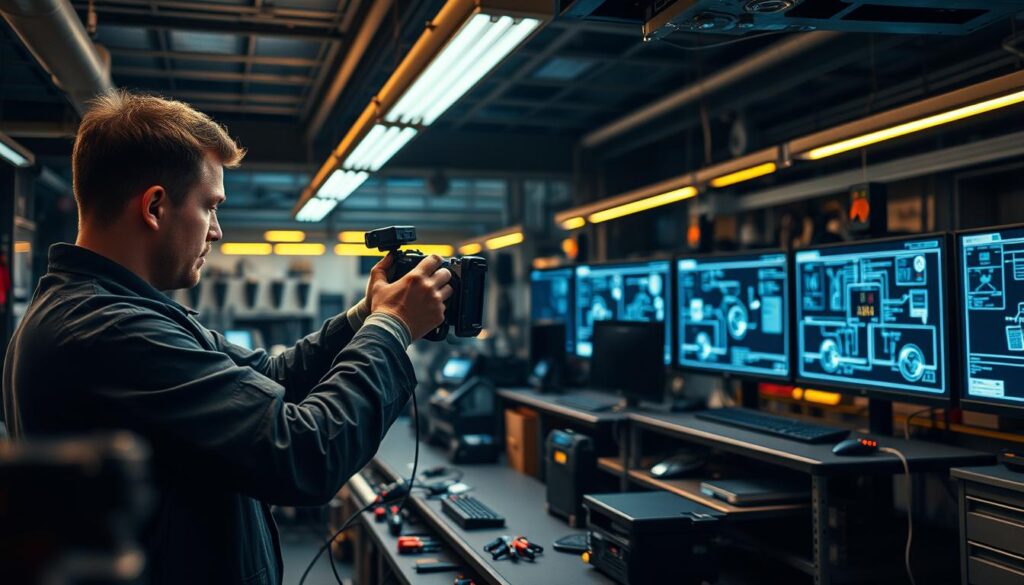
The actual calibration process involves precise positioning of specialized targets at exact distances and heights from the vehicle, creating reference points that allow the system to recalibrate its sensors and cameras. Our technicians meticulously follow each step of the manufacturer-specified calibration process, making fine adjustments to ensure all sensors are perfectly aligned and communicating correctly with the vehicle’s control modules.
Static vs. Dynamic Calibration Methods
ADAS calibration is a critical process that comes in two primary forms: static and dynamic calibration. Both methods are crucial for ensuring that Advanced Driver Assistance Systems function correctly after repairs or replacements.
Static Calibration: Our Controlled Environment Approach
Static calibration is performed in a controlled environment, such as our repair shop, using specialized equipment. This method requires a level, indoor workspace with controlled lighting and OEM-approved calibration targets. Our technicians use a scan tool compatible with the vehicle’s ADAS systems to initiate the calibration process. Static calibration is precise and eliminates variables like changing light conditions or road vibrations. We position calibration targets at manufacturer-specified distances and heights from the vehicle, ensuring accurate recalibration.
- Precise lighting conditions and level flooring
- OEM-approved calibration targets
- Specialized scan tool for ADAS systems
Dynamic Calibration: On-Road Testing Procedures
Dynamic calibration, also known as on-road calibration, involves driving the vehicle under specific conditions to allow the ADAS camera to recalibrate itself. Our technicians use advanced scan tools to initiate calibration mode before taking the vehicle on a carefully planned test drive route. The vehicle must be driven at specific speeds over predetermined distances while the ADAS systems actively recalibrate using real-world visual references. This method relies on clear lane markings and controlled traffic conditions to ensure accurate calibration.
- Advanced scan tools for calibration mode initiation
- Carefully planned test drive routes
- Clear lane markings and controlled traffic conditions
Quality Verification and Testing
The final step in our ADAS recalibration process involves comprehensive quality verification and testing to validate system performance. This critical phase ensures that all calibrated systems are functioning exactly as the manufacturer intended before your vehicle leaves our facility.
How We Confirm Successful Calibration
Our verification process begins with a comprehensive diagnostic scan to check for any error codes or system warnings that might indicate incomplete or unsuccessful calibration of any sensors or cameras. We verify that each calibrated system meets the manufacturer specifications for alignment and functionality, confirming that sensors are detecting objects at the correct distances and cameras are properly interpreting what they see.
- We conduct specific tests for forward-facing camera systems to ensure they correctly identify lane markings, vehicles, and obstacles.
- Our technicians verify that all ADAS systems are functioning correctly, including those that control features like lane departure warning and automatic emergency braking.
Post-Calibration Road Testing
Our post-calibration road test follows a specific protocol designed to activate and test each recalibrated ADAS feature under real-world driving conditions. During the road test, our technicians verify that adaptive cruise control maintains proper following distances, lane keeping systems correctly identify and respond to road markings, and collision warning systems activate at appropriate times.
- We specifically test blind spot monitoring systems to ensure they detect vehicles in adjacent lanes and provide proper alerts to the driver when changing lanes would be unsafe.
- Any anomalies or unexpected system behaviors during testing prompt us to return to the calibration process and make necessary adjustments until all systems function perfectly.
At Miracle Body and Paint Collision Center, we won’t release a vehicle until we’re 100% confident that all ADAS systems have been properly calibrated and verified through both diagnostic testing and real-world driving scenarios.
Trust Your Vehicle’s Safety to Our ADAS Experts
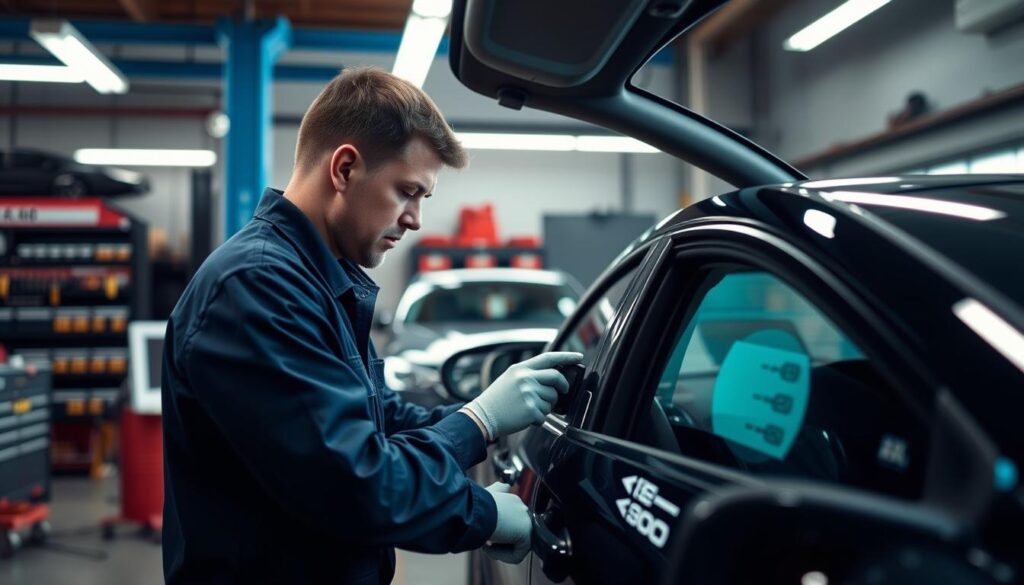
Trusting your vehicle’s safety to our experts means ensuring it’s done right. At Miracle Body and Paint Collision Center, we’ve invested heavily in both advanced ADAS calibration equipment and comprehensive technician training. This ensures we can properly service the sophisticated safety systems in today’s vehicles.
Our technicians regularly undergo specialized training on the latest ADAS technologies and calibration procedures. We understand that properly functioning driver assistance systems are critical safety components that protect you and your passengers.
When you choose us for collision repair, you can drive away with confidence knowing that your vehicle’s advanced safety systems—from automatic emergency braking to adaptive cruise control—have been properly restored. We maintain detailed documentation of all calibration procedures performed on your vehicle.
Contact Miracle Body and Paint Collision Center today to schedule your collision repair and ADAS recalibration at either of our two convenient San Antonio locations.

