

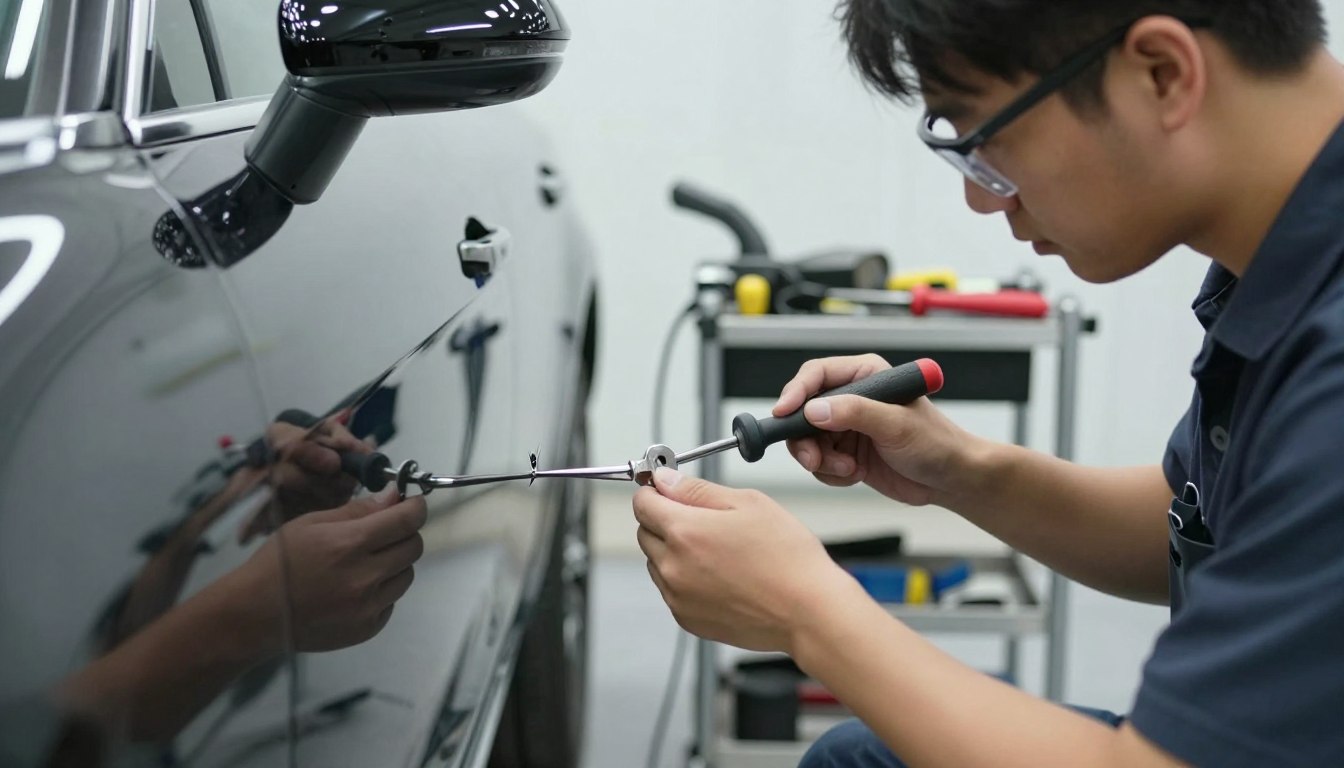
When it comes to fixing the unwanted dings on your vehicle, you’re faced with a crucial decision: choosing between paintless dent repair (PDR) and traditional dent repair. If you’re in San Antonio, understanding the differences between these two methods is key to making an informed decision for effective dent removal.
The process of PDR repair is particularly appealing because it preserves your vehicle’s original paint job, maintaining its value and appearance. On the other hand, traditional dent repair involves more invasive procedures, including repainting the affected area. For car owners in San Antonio, the choice between these methods can significantly impact the outcome of the repair.
Key Takeaways
- Paintless dent repair preserves the original paint job.
- Traditional dent repair involves repainting the affected area.
- PDR is generally less invasive and can be more cost-effective.
- The choice between PDR and traditional repair depends on the extent of the damage.
- For minor dings, PDR is often the preferred method.
Introduction to Dent Removal Options in San Antonio
Dent removal in San Antonio can be achieved through different methods, each with its own advantages. When your vehicle suffers from unwanted dents, choosing the right repair method is crucial for maintaining its appearance and value.
Importance of Choosing the Right Method
Selecting the appropriate dent repair technique is vital for ensuring a seamless fix. Paintless Dent Repair (PDR) is a popular method for minor dents, offering a cost-effective and efficient solution. However, not all dents can be fixed with PDR, making it essential to understand the different options available.
The right dent fix method depends on several factors, including the size and location of the dent, as well as the vehicle’s paint condition. For instance, PDR repair is ideal for small to medium-sized dents where the paint is intact.
Overview of Dent Repair Methods
There are primarily two types of dent repair methods: Paintless Dent Repair (PDR) and Traditional Dent Repair. Here’s a comparison of these methods in a tabular format:
| Repair Method | Description | Best For |
|---|---|---|
| Paintless Dent Repair (PDR) | A technique that removes dents without the need for painting. | Small to medium dents with intact paint. |
| Traditional Dent Repair | Involves filling the dent with body filler and repainting the area. | Large dents or dents with damaged paint. |
Understanding these options is key to making an informed decision about your vehicle’s dent repair. For expert advice and professional dent fix services in San Antonio, consider reaching out to a reputable auto body shop.
For more information or to schedule a repair, you can contact us at San Antonio Dent Repair at (210) 123-4567 or visit our website.
What is Paintless Dent Repair?
Paintless Dent Repair (PDR) is a revolutionary technique for removing dents from vehicles without damaging the paint. This method has gained popularity due to its efficiency, cost-effectiveness, and ability to preserve the vehicle’s original finish.
Definition and Process
Paintless Dent Repair is a technique used to remove minor dents and dings from a vehicle’s bodywork. The process involves manipulating the metal from the inside out, using specialized tools to massage the dent out without affecting the paint. This method is highly skilled and requires a great deal of precision and patience.
At Miracle Collision Center, our technicians are trained in the latest PDR techniques, ensuring that your vehicle is restored to its original condition.
Benefits of Paintless Dent Repair
The benefits of Paintless Dent Repair are numerous. Firstly, it preserves the vehicle’s original paint job, which is crucial for maintaining its resale value. Secondly, it’s a cost-effective solution compared to traditional dent repair methods that require repainting. Additionally, PDR is an environmentally friendly option as it eliminates the need for chemicals and paints.
- Preserves original paint
- Cost-effective
- Environmentally friendly
- Quick turnaround time
Ideal Scenarios for Using Paintless Techniques
Paintless Dent Repair is ideal for minor dents and dings where the paint is intact. It’s commonly used for hail damage, door dings, and minor creases. However, it’s not suitable for large dents or areas where the paint is damaged.
For residents in San Antonio looking for dent removal San Antonio services, PDR is a viable option that can save time and money. Our experts at Miracle Collision Center can assess the damage and recommend the best course of action for your vehicle’s specific needs.
Understanding Traditional Dent Repair
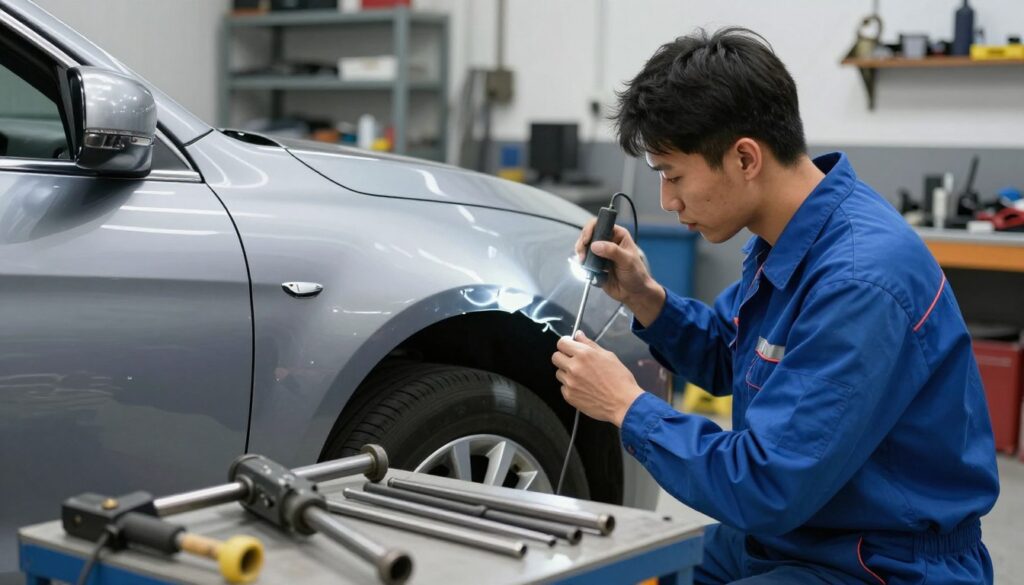
If you’re dealing with a dent, understanding the traditional dent repair process can help you make an informed decision. Traditional dent repair is a conventional method used to fix dents, involving several key steps and techniques.
Traditional Techniques Explained
Traditional dent repair involves a combination of techniques to restore your vehicle’s original appearance. The process typically includes:
- Filling the dent with a body filler to create a smooth surface
- Sanding the area to ensure it’s even with the surrounding surface
- Applying paint to match the original color and finish
- Clear coating to protect the paint and give it a glossy finish
Pros and Cons of Traditional Methods
Traditional dent repair has its advantages and disadvantages. Some of the key benefits include:
- The ability to repair large or complex dents that may not be suitable for paintless dent repair
- A more established and widely understood process among auto body shops
However, there are also some drawbacks to consider:
- The process can be more time-consuming due to the multiple steps involved
- The use of body filler and paint can be less environmentally friendly compared to paintless dent repair
At our repair shop, our skilled technicians are proficient in traditional dent repair methods, ensuring that your vehicle is restored to its original condition. We understand the importance of using high-quality materials and techniques to achieve a durable and visually appealing repair.
Situations Where Traditional Repair is Necessary
While paintless dent repair is a viable option for many, there are situations where traditional dent repair is necessary. These include:
- Large dents that cannot be fixed without filling and painting
- Dents with creased or damaged metal that require more extensive repair
- Vehicles with damaged paint or clear coat that need to be repainted
By understanding when traditional dent repair is the best choice, you can ensure that your vehicle receives the appropriate care. Our team is here to assess your dent and recommend the most effective repair method.
Comparing Cost: Paintless vs Traditional Repair
To make an informed decision about dent repair, it’s essential to compare the costs of paintless and traditional repair methods. When you’re dealing with dent removal in San Antonio, understanding these costs can help you budget accordingly.
Cost Factors in Paintless Dent Repair
Paintless dent repair (PDR) is often considered cost-effective because it eliminates the need for painting and filling. The cost of PDR is typically determined by the size and location of the dent. For instance, smaller dents are less expensive to repair than larger ones. Additionally, the expertise of the technician performing the repair can influence the cost.
Cost Considerations for Traditional Repair
Traditional dent repair involves more steps, including filling, sanding, and painting, which can increase the overall cost. The cost is not only influenced by the size and location of the dent but also by the cost of materials (such as paint) and labor. In some cases, traditional repair might be more expensive due to the complexity of the process and the need for specialized equipment.
Overall Value Assessment
When assessing the overall value, it’s crucial to consider not just the upfront costs but also the long-term benefits. Paintless dent repair can be more cost-effective and preserves the original paint, which can be beneficial in maintaining your vehicle’s resale value. On the other hand, traditional repair might be necessary for more extensive damage, potentially offering a more durable solution in certain cases.
In conclusion, a thorough cost comparison between paintless and traditional dent repair methods is vital. Your choice should be based on the extent of the damage, your budget, and your long-term needs regarding your vehicle’s appearance and value.
Time Efficiency: How Quickly Can Repairs Be Done?
Time is of the essence when dealing with dent repairs, and understanding the timeframe for different methods can help set realistic expectations. Whether you’re dealing with a minor dent or a more significant damage, knowing how long the repair will take is crucial for planning.
Average Time for Paintless Dent Repair
Paintless Dent Repair (PDR) is known for its efficiency and speed. Most PDR repairs can be completed within a few hours, depending on the size and complexity of the dent. For instance:
- Small dents: 1-2 hours
- Medium dents: 2-4 hours
- Large dents: 4-6 hours or more
This method is not only faster but also less invasive, preserving your vehicle’s original paint job.
Time Requirements for Traditional Dent Repair
Traditional dent repair, on the other hand, involves more steps, including painting and drying times, which can significantly extend the repair period. Typically, traditional repairs can take:
- 1-3 days for minor repairs
- 3-5 days or more for moderate damage
- Up to a week or more for extensive repairs
The additional time is due to the need for bodywork, painting, and allowing the paint to cure, which can be time-consuming.
When it comes to time efficiency, PDR repair stands out as the quicker option, getting you back on the road faster. However, the choice between PDR and traditional repair ultimately depends on the nature of the damage and your specific needs.
Quality of Repair: Long-term Effects
Understanding the long-term effects of dent repair is essential for making an informed decision. When you choose a dent repair method, you’re not just fixing a current issue; you’re ensuring the longevity of your vehicle’s appearance.
Durability of Paintless Dent Repair
Paintless dent repair (PDR) is known for its high-quality finish and durability. Since PDR doesn’t involve painting or filling, it maintains the original factory finish, reducing the risk of paint mismatch or overspray. This method is particularly effective for minor dents and dings, providing a long-lasting solution that looks like new.
Assessing the Longevity of Traditional Repairs
Traditional dent repair involves more invasive techniques, including filling and painting. While it can be effective for larger or more complex dents, the longevity of the repair depends on the quality of the workmanship and materials used. A well-done traditional repair can last for years, but there’s always a risk of the repair deteriorating over time, especially if not done to a high standard.
When assessing the quality of repair, it’s crucial to consider the technician’s expertise and the shop’s reputation. A reputable repair shop will stand behind their work, offering warranties that cover the repair for a significant period.
Insurance Considerations: Coverage for Dent Repair
Knowing what your insurance covers regarding dent repair can significantly impact your choice between paintless dent repair and traditional methods. When considering dent removal in San Antonio, understanding the insurance implications is crucial.
Insurance policies can vary widely in what they cover, and dent repair is no exception. It’s essential to review your policy to determine the extent of your coverage. Generally, insurance covers damages resulting from accidents or specific incidents. For instance, if you’re driving on the busy streets of San Antonio and another driver causes a collision, your insurance may cover the cost of repairs, including dent removal.
Does Insurance Cover Paintless Dent Repair?
Paintless dent repair is often covered by insurance when the damage is a result of a covered incident. This method is typically less expensive than traditional dent repair, which can be a factor in insurance claims. You should check with your insurance provider to understand their specific policies regarding paintless dent repair. For more information on the services offered by professional dent repair shops, you can visit their website.
Traditional Repairs and Insurance Claims
Traditional dent repair involves more extensive work, including repainting the affected area. Insurance coverage for traditional repairs depends on the cause of the damage. If the damage is due to a covered event, such as a collision, your insurance is likely to cover the cost. However, if the damage is a result of wear and tear or maintenance issues, it might not be covered.
It’s also worth noting that some insurance policies may have specific requirements or recommendations for repair shops. Checking with your insurance provider can help you navigate the process more smoothly.
Customer Experience: What to Expect During Repairs
At our company, we prioritize your customer experience, ensuring that every step of the dent repair process is smooth and hassle-free. Whether you opt for paintless dent repair (PDR) or traditional dent repair, we are committed to delivering high-quality service with minimal disruption to your daily life.
Paintless Dent Repair Process for Customers
When you choose PDR, you can expect a quick and efficient process. Our skilled technicians use specialized tools to gently massage the metal back into its original shape, removing the dent without damaging the paint. This method is not only cost-effective but also preserves the original finish of your vehicle.
Here’s what you can expect during the PDR process:
- A thorough inspection of the damage to determine the best approach.
- A detailed explanation of the repair process and timeline.
- Efficient repair with minimal downtime for your vehicle.
Customer Experience with Traditional Repair
For cases where traditional dent repair is necessary, we ensure that you are fully informed throughout the process. This may involve filling the dent with body filler, sanding it down, and applying a new coat of paint to match the original finish as closely as possible.
The traditional repair process includes:
| Step | Description | Expected Outcome |
|---|---|---|
| 1. Assessment | Evaluation of the dent’s severity and determination of the best repair method. | A clear plan for the repair. |
| 2. Repair | Filling, sanding, and painting the affected area. | A seamless finish that matches the original paint. |
| 3. Quality Check | Inspection to ensure the repair meets our quality standards. | Confidence in the durability and appearance of the repair. |
By understanding what to expect during the repair process, you can feel more confident in your choice and look forward to a successful outcome.
Choosing the Right Repair Shop for Dent Removal in San Antonio
For those in San Antonio seeking dent fix services, the choice of repair shop is a decision that shouldn’t be taken lightly. The quality of the repair can significantly impact your vehicle’s appearance and longevity.
When choosing a repair shop, it’s essential to consider several factors to ensure you receive the best service possible. A reputable shop will have the necessary expertise and equipment to handle your dent removal needs efficiently.
Importance of Expert Technicians
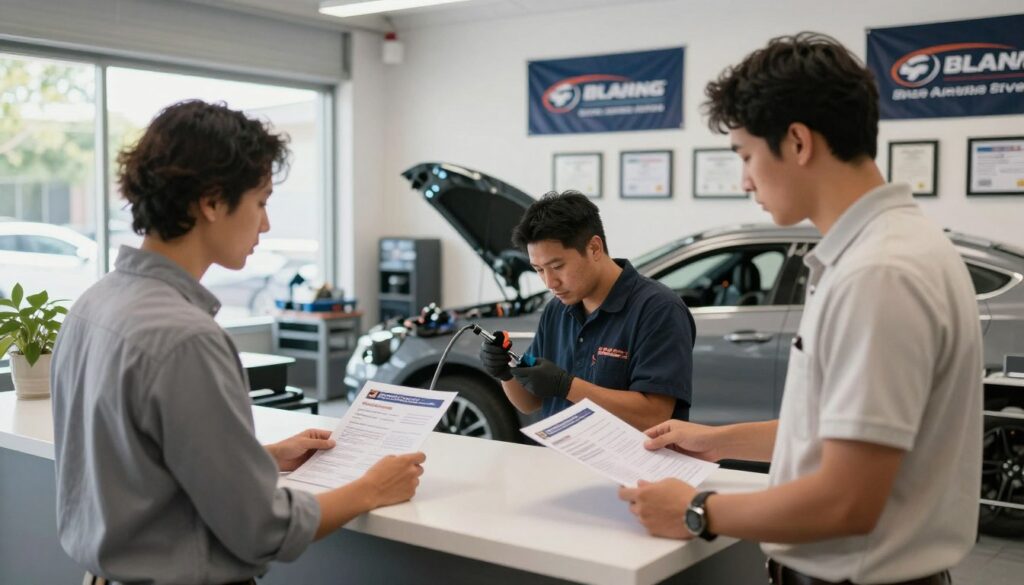
The skill level of the technicians at a repair shop can greatly affect the outcome of your dent repair. Expert technicians are trained to handle a variety of dent types and sizes, ensuring a high-quality finish.
- Look for shops with certified technicians.
- Check if the technicians have experience with your vehicle’s make.
- Ask about the training they receive to stay updated with the latest techniques.
Evaluating Shop Credentials and Reviews
Before making a decision, it’s crucial to evaluate the credentials of the repair shop and read reviews from previous customers. This helps in understanding the shop’s reputation and quality of service.
| Credential | Description | Importance |
|---|---|---|
| Certifications | Industry certifications like I-CAR or ASE | High |
| Customer Reviews | Feedback on platforms like Yelp or Google | High |
| Warranty Offered | Guarantee on workmanship | Medium |
At Miracle Body and Paint Collision Center, we pride ourselves on having expert technicians and a commitment to customer satisfaction. Our shop is equipped with the latest technology and our staff is dedicated to providing you with a seamless dent repair experience.
Conclusion: Which Repair Method is Right for You?
Now that you’ve explored the differences between Paintless Dent Repair and Traditional Dent Repair, it’s clear that the best method for you depends on the specifics of your vehicle’s damage. Factors such as the size and location of the dent, as well as your budget, play a crucial role in deciding the most suitable repair technique.
Assessing Your Needs
When considering dent removal in San Antonio, it’s essential to assess your specific needs. If you’re looking for a cost-effective and time-efficient solution with minimal environmental impact, Paintless Dent Repair might be the ideal choice. On the other hand, if the damage is extensive or involves cracked paint, Traditional Dent Repair may be necessary.
For expert advice and high-quality dent repair services in San Antonio, consider reaching out to Miracle Body and Paint Collision Center. With locations in North West San Antonio – Leon Valley and North East San Antonio, their skilled technicians are equipped to handle a wide range of dent repair needs. Contact them today at (210) 680-1987 or (210) 858-3630 to schedule your appointment and restore your vehicle to its original condition.

