

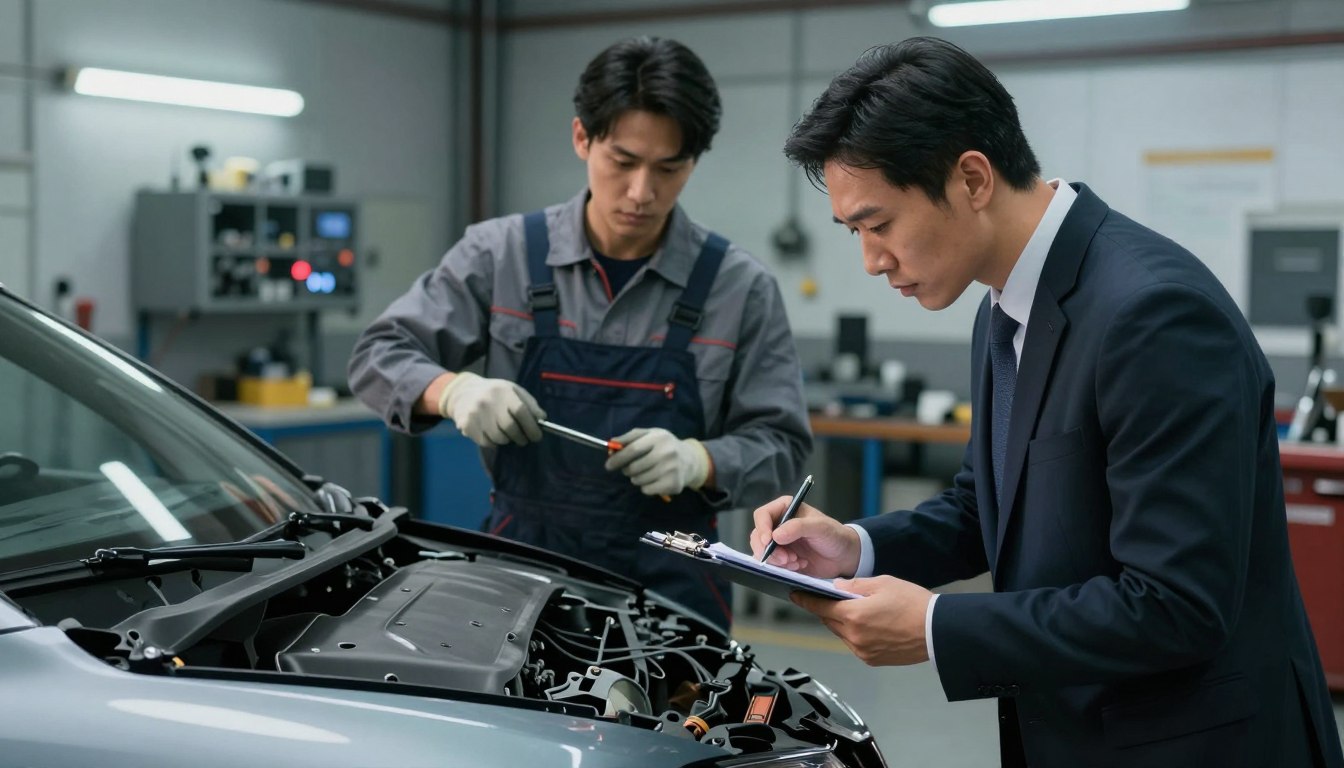
Facing a car accident can leave you feeling lost and overwhelmed. It is vital to understand the insurance claim repair steps before you even need them. At Miracle Body and Paint Collision Center, we act as your trusted partner during this stressful time.
Handling vehicle damage requires quick action and clear communication with various parties. You will likely work with an adjuster to evaluate the damage and start the repair process. This journey involves your insurance company and professional shops to ensure your safety on the road.
Being informed helps you manage costs and make smart choices for your vehicle. This guide explains how claims work so you can navigate the process with total confidence. Proper documentation ensures your car looks new again after a car accident.
Key Takeaways
- Learn the full timeline of a typical restoration.
- Understand how to communicate with adjusters effectively.
- Discover the importance of choosing a certified shop.
- Identify the documents needed to file your request.
- Manage your out-of-pocket costs after a collision.
- Ensure your car returns to its original safety standard.
Understanding Your Insurance Coverage After a Car Accident
The specific coverage you carry determines exactly how your vehicle repairs are handled and who pays for them. Understanding your insurance policy before a car accident occurs is essential to knowing what protection you have.
Reviewing your policy regularly helps you understand limits and deductibles. The type of insurance you choose directly impacts your out-of-pocket costs and how quickly car repairs begin.
| Coverage Name | Main Protection | Is it Required? |
|---|---|---|
| Collision | Your vehicle repairs | Optional/Lender required |
| Comprehensive | Non-collision events | Optional/Lender required |
| Liability | Damage to others | Yes (Most States) |
Collision Coverage: What It Covers and How It Works
Collision coverage is a common auto insurance feature. It pays for repairs to your vehicle regardless of who caused the incident. You must pay your chosen deductible before the policy covers the remaining costs.
Comprehensive Coverage: Non-Collision Damage Protection
This coverage protects you against damage not caused by a collision. It covers theft, vandalism, hail, or falling objects. Having this as part of your insurance policy ensures full protection from nature and crime.
Liability Coverage: When You’re At Fault
This insurance is legally required in most states. It covers damage you cause to another person’s property or car. However, liability insurance does not pay for repairs to your own vehicle.
If you only have this type of insurance policy, you will pay for your own repairs out of pocket. Many drivers choose to add more coverage to avoid these high costs.
Uninsured/Underinsured Motorist Coverage
This coverage is vital if the at-fault driver lacks a sufficient insurance policy. It provides a safety net so you are not left paying for someone else’s mistake. Keeping this on your policy guarantees that your coverage steps in when others cannot pay.
Step-by-Step: Filing Your Insurance Claim After an Accident
When you need to file an insurance claim, acting quickly and staying organized are your best tools for success. Following a clear path ensures you meet all requirements and receive the support you deserve during this stressful time.
Step 1: Document the Accident Scene
Thoroughly documenting the accident scene immediately provides crucial evidence for your claim. This initial evidence acts as a factual record that prevents confusion during the review process.
Take Photos and Videos of All Damage
Use your phone to capture comprehensive photos and videos of all vehicle damage from multiple angles. Include close-ups of the impact zones and wide shots that show the entire context of the scene.
Gather Witness Information and Police Report Details
Identify anyone who saw the event and collect their names, phone numbers, and statements. Be sure to obtain the police report number from the responding officer, as your insurer will need this to verify details.
Step 2: Contact Your Insurance Company Immediately
Reach out to your insurance company as soon as possible, ideally within 24 hours of the incident. Prompt notification allows the company to start the step-by-step investigation without unnecessary delays.
Filing Your Claim Online, by Phone, or Through Mobile App
Most providers offer several convenient filing options to suit your needs. You can call their claims department directly, submit a report through their website, or use a mobile app for faster processing.
Step 3: Provide Required Information and Documentation
Accuracy is essential when sharing details about the event and the parties involved. Providing strong evidence early helps the insurance company evaluate your insurance claim efficiently.
What Information Your Insurance Company Needs
Your insurer will have specific questions regarding the location and cause of the collision. Be prepared to provide driver information, a description of the damage, and any photos you captured at the scene.
Keeping Receipts for All Accident-Related Expenses
Maintain a dedicated folder for all receipts related to towing, rental cars, or temporary repairs. These expenses are often reimbursable, so keeping detailed records ensures you do not pay more than necessary.
Step 4: Understanding Insurance Company Response Deadlines
Every company must follow specific legal timelines when responding to a claim. Understanding this step helps you hold the insurer accountable and keeps your repairs moving forward.
| Milestone | Timeline | Goal |
|---|---|---|
| Acknowledge Claim | 15 Business Days | Confirm receipt |
| Information Request | Reasonable Time | Ask questions |
| Payment Decision | 15 Business Days | Finalize approval |
Once you submit all requested data, an adjuster will be assigned to your case. Make sure to get their contact details so you can track the status of your step-by-step recovery process.
How Insurance Adjusters Evaluate Your Vehicle Damage
Once you file a claim, a specialist known as an adjuster steps in to review the condition of your car. These professionals are assigned by your insurance company to calculate the cost of getting you back on the road. They act as the bridge between your policy and the final repair bill.
The Initial Damage Assessment Process
An adjuster might visit you in person or ask for detailed photos and videos of the vehicle. They use this visual data to start a formal estimate of the damage. Sometimes the company needs more details before they can accept your claim or issue a payment.
What Insurance Adjusters Look For During Inspection
During the review, they look for specific signs of impact that affect the value of your car. They must be thorough to ensure the repair covers every single issue. This process involves checking both what is visible and what is hidden.
Visible Exterior Damage Evaluation
They check for dents, scratches, broken glass, or bent metal on the exterior. This step identifies the most obvious parts that need a repair. They document these flaws to justify the costs in their final report.
Structural and Frame Integrity Assessment
Adjusters also inspect the frame and suspension to confirm the car’s structural integrity. They often use specialized tools to find frame issues that you cannot see with the naked eye. Any compromise to the frame significantly impacts the safety and value of your car.
Getting Your Damage Estimate Approved
The adjuster creates a report based on parts, labor, and necessary work. You or your shop might need to negotiate if the estimate seems too low for high-quality parts. Sometimes, hidden damage appears during the work, requiring a supplemental estimate from the insurance company.
| Assessment Type | Focus Area | Tools Used |
|---|---|---|
| Exterior Review | Dents and Paint | Visual Inspection |
| Structural Check | Frame and Alignment | Laser Measuring Systems |
| Functional Test | Suspension and Lights | Physical Testing |
Understanding what these professionals evaluate helps you prepare for the inspection. It ensures that every bit of damage to your vehicle is properly documented for your insurance claim.
Insurance Claim Repair: Working with Body Shops
You have significant control over who handles your vehicle repairs following an insurance claim. Understanding your legal rights ensures that the final work meets manufacturer safety standards and your personal satisfaction.
Choosing Your Collision Repair Shop
Your Right to Select Any Repair Facility
Your insurance company might provide a list of preferred facilities to handle the work. However, you have the legal right to choose any repair shop you prefer. It is vital to research a local shop by checking online reviews and verifying their experience with your specific vehicle make.
Selecting a high-quality shop is a critical option that affects your car’s resale value. Do not feel pressured to use a specific facility just because it is on a recommended list.
Getting Multiple Repair Estimates
Always seek an estimate from more than one repair shop before authorizing work. Comparing these documents helps you identify different technical approaches and ensures the repair costs are fair. This option allows you to find a technician who explains the process clearly and professionally.
How Body Shops Coordinate with Insurance Companies
A reputable repair shop will coordinate directly with your company to streamline the process. They submit digital documentation and photos to negotiate approved procedures. Many facilities maintain partnerships with a major insurance company to speed up evaluations and minimize unnecessary delays.
Understanding Repair Estimates and Insurance Approvals
Review every line item for parts and labor in the documentation provided by the shop. Compare these requested repairs against the initial assessment created by the company adjuster. Professional technicians advocate for your safety by ensuring no shortcut is taken during the restoration.
| Repair Factor | Professional Shop Action | Policyholder Benefit |
|---|---|---|
| Hidden Damage | Identifies unseen structural issues | Ensures long-term vehicle safety |
| Parts Quality | Requests original equipment parts | Maintains vehicle performance |
| Labor Standards | Follows manufacturer guidelines | Guarantees high-quality repairs |
Addressing Differences Between Estimates
If your chosen repair shop finds hidden damage, you must talk to the insurance company immediately. The shop will provide supplemental evidence to justify the additional repair costs. Always read every agreement thoroughly and ensure no blank spaces remain before you sign any contract for repairs.
Understanding Deductibles and Out-of-Pocket Costs
Understanding how much you will pay out-of-pocket is crucial for managing your money after an auto accident. While insurance provides a safety net, most policies require you to pay a portion of the repair bill yourself.
How Your Deductible Affects the Repair Process
A deductible is the specific amount you must pay before your coverage begins to pay for the repairs. For example, if you have a $500 deductible and the total repair bill is $2,500, your carrier pays the remaining $2,000.
Your deductible determines your first financial obligation. Choosing a higher deductible usually lowers your monthly policy premiums, but it increases your cost if you need to file a claim.
When and How You Pay Your Deductible
You typically make your payment directly to the body shop rather than the insurance company. Some shops require this payment before they begin work, while others collect it when the work is done.
If another driver is at fault, their policy may eventually cover your costs. However, if you use your own collision plan first, you must pay the deductible to get the repairs started right away.
What Happens If Insurance Doesn’t Cover All Repairs
Sometimes the cost of repair exceeds what your insurance is willing to pay. This often happens if the damage goes beyond your limit or involves specific items not included in your agreement.
Managing Additional Costs Beyond Your Policy Coverage
You may face extra costs for upgrades or parts that the carrier considers “betterment.” Review your estimate carefully to avoid any unexpected financial surprises during the process.
Budgeting for these potential costs helps ensure a smoother experience at the collision center. Clear communication with your adjuster can help you manage these expenses effectively without stress.
| Total Repair Estimate | Your Deductible Amount | Insurance Company Pays | Your Out-of-Pocket Total |
|---|---|---|---|
| $1,200 | $500 | $700 | $500 |
| $5,000 | $1,000 | $4,000 | $1,000 |
| $3,500 | $250 | $3,250 | $250 |
The Collision Repair Process: What to Expect
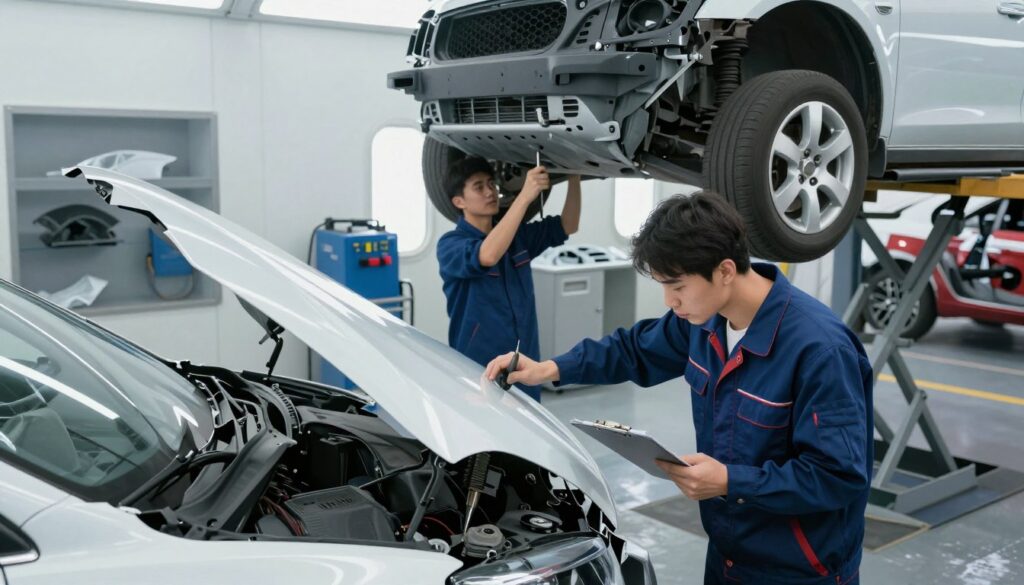
Understanding the journey your vehicle takes through a professional body shop can ease your stress. This technical process involves precision and expertise to restore your car to its pre-accident condition. Specialists follow specific steps to ensure every mechanical and aesthetic detail meets high standards.
Initial Vehicle Inspection and Identifying Hidden Damage
The first stage involves a deep dive into the damage sustained during the accident. Technicians do not just look at the surface; they evaluate the entire structure. This thorough repair assessment prevents future safety issues that might stay hidden from a casual glance.
Using Specialized Diagnostic Equipment
Modern shops use laser measurement systems to verify if your vehicle frame remains straight. Electronic diagnostic tools scan the onboard computer for internal errors. For example, these systems detect if the impact affected the engine or transmission modules.
Uncovering Internal Component Damage
External panels often hide structural compromised areas. Professionals check for bent suspension parts or crushed crumple zones. They also verify that the repairs address any deployed airbags or faulty proximity sensors.
Parts Ordering and Availability Timelines
Once the shop identifies every needed part, they begin the sourcing phase. The time it takes to finish the job often depends on how fast these items arrive. A common car usually sees faster turnaround than a rare luxury model.
OEM Parts vs. Aftermarket Parts
You may choose between Original Equipment Manufacturer (OEM) components or aftermarket alternatives. OEM options provide a perfect fit because the vehicle maker produced them. Aftermarket repairs might save money, but insurance policies often dictate which type the shop uses.
Frame Repairs, Body Work, and Paint Matching
Heavy restoration work begins after the parts arrive at the shop. Technicians focus on restoring the physical shape of the vehicle using specialized heavy-duty tools. This repair phase is the most labor-intensive part of the entire process.
Frame Straightening and Alignment
Hydraulic frame machines pull the metal back into its original alignment. This step is vital for the car to handle correctly on the road. For example, an unaligned frame causes uneven tire wear and poor steering response.
Professional Paint Preparation and Color Matching
Shops use computerized systems to match the new paint to your existing finish. They apply multiple layers of primer, base coat, and clear coat. This multi-stage process ensures the new finish looks seamless against the old panels.
Following Manufacturer Guidelines and Quality Standards
Following strict guidelines ensures your repairs maintain the factory warranty. Quality shops adhere to these standards to preserve the safety and resale value of your vehicle. Every repair must pass a final quality check before you get your keys back.
The shop manages several moving pieces to ensure a successful repair. Sourcing the right part and taking the time to calibrate sensors is essential. These detailed repairs keep you safe and ensure your vehicle stays on the road for years to come.
| Repair Stage | Primary Action | Key Benefit |
|---|---|---|
| Disassembly | Removing damaged panels | Finds hidden structural issues |
| Structural Repair | Frame straightening | Restores safety and alignment |
| Refinishing | Computerized painting | Provides a factory-quality finish |
| Reassembly | Installing new components | Finalizes the vehicle restoration |
Factors That Can Delay Your Insurance Claim Repair
While every driver hopes for a swift turnaround, certain variables often extend the duration of an insurance-related fix beyond the initial estimate. You must prepare for potential roadblocks that can change your time on the road. Understanding these delays helps you manage expectations during the restoration process.
Insurance Approval Delays and Claim Disputes
The insurance carrier plays a major role in how fast things move. If they need to review the claim more deeply, expect a longer wait. Clear communication between you and the adjuster can sometimes speed up the verdict.
When Insurers Require Additional Documentation
Sometimes, the company asks for extra proof before they approve the repair. This might include more photos or expert reviews to justify the costs. Providing these documents quickly helps the insurance adjuster settle the claim without unnecessary pauses.
A shop might find hidden issues that the initial adjuster missed after they take the car apart. When the two parties disagree on the damage, they must negotiate a new plan. This negotiation ensures the insurance provider pays for every specific repair needed for safety.
Parts Availability and Supply Chain Challenges
Global logistics issues frequently impact how quickly a shop can finish the repair. If a supply company faces a backlog, your vehicle might sit idle while waiting for delivery. These repairs cannot move forward until every component arrives on-site.
Custom and Rare Vehicle Components
Finding a rare part for a luxury or older car is often quite difficult. These items may require international shipping or custom fabrication. This adds significant days or weeks to the time needed to finish the repair.
Damage Severity and Repair Complexity
The total damage found during the teardown directly dictates the work schedule. Simple fixes are predictable, but structural issues require specialized equipment and more labor hours. Complex repairs often involve multiple stages of calibration and testing.
Minor vs. Major Collision Damage Timelines
Small dings are easy to fix, but major damage requires precision. Significant frame work can keep a vehicle in the shop for a month or more. Refer to the table below for typical industry estimates.
| Impact Level | Typical Duration | Process Complexity |
|---|---|---|
| Minor Cosmetic | 3-5 Days | Low |
| Moderate Collision | 1-2 Weeks | Medium |
| Major Structural | 3-6 Weeks | High |
Shop Scheduling and Technician Availability
A reputable shop stays busy throughout the year. If another driver files many claims at the same time, the schedule might be full. Repairs may start later if the company lacks enough certified technicians for your specific model. Most shops process claims in the order they receive them to remain fair to all customers.
Why Choose Miracle Body and Paint Collision Center in San Antonio
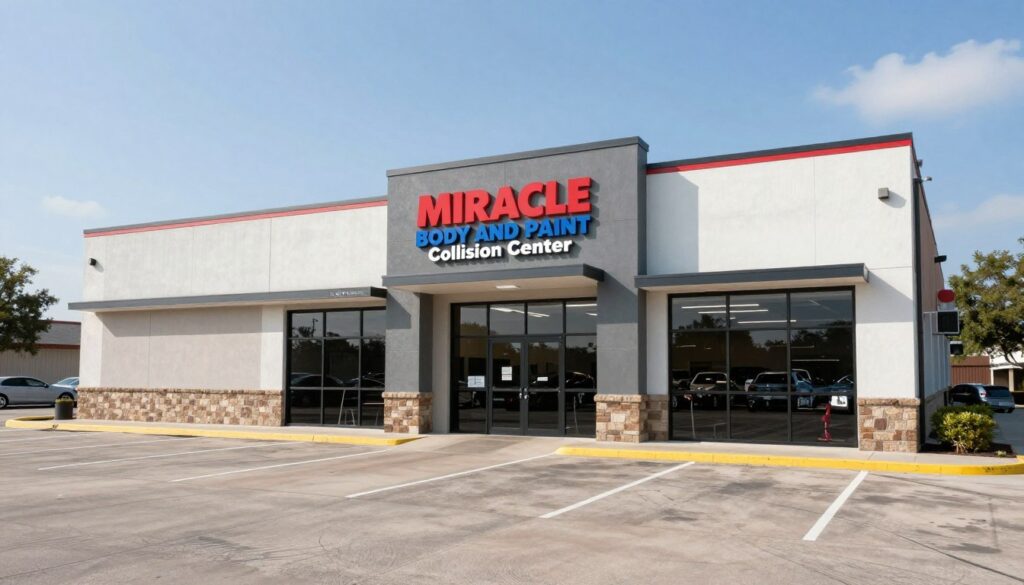
You deserve a repair shop that handles everything from the initial insurance claim to the final coat of paint. Miracle Body and Paint Collision Center provides the expert assistance you need to get back on the road safely and quickly.
Selecting a dependable collision partner is vital for a smooth recovery after an accident. Our team prioritizes your peace of mind by streamlining every step of the technical and administrative process.
Expert Insurance Claim Assistance and Coordination
Dealing with an insurance claim can feel overwhelming while you manage your busy daily schedule. Our dedicated staff works directly with your insurance company to handle all necessary paperwork and digital approvals.
We provide the assistance required to bridge the gap between you and the adjusters. This coordination ensures we fix your vehicle correctly without leaving you trapped in a cycle of phone calls and confusion.
Quality Repairs Following Manufacturer Specifications
We focus on high-quality repairs that meet strict manufacturer standards for every make and model. Our technicians use advanced diagnostic tools to ensure every repair restores your vehicle to its original safety level.
By following these specific guidelines, our shop helps maintain your car’s long-term value and protects your existing warranty. We use certified techniques and high-quality parts to guarantee lasting results for every customer.
Two Convenient San Antonio Locations
We provide professional repair services at two strategic spots across the San Antonio metropolitan area. Every company location maintains the same high standards of excellence and customer care for your vehicle.
You can expect repairs that are durable and look as if the accident never happened. Our dual presence allows us to serve the community with faster turnaround times and easier access for all residents.
North West San Antonio – Leon Valley Location
Visit our Leon Valley shop at 6217 Grissom Rd., San Antonio, TX 78238 for specialized care. You can reach this company office at (210) 680-1987 for full-service vehicle repairs and estimates.
North East San Antonio Location
Our North East shop is located at 4650 Walzem Rd, San Antonio, TX 78218 for your convenience. Call us at (210) 858-3630 to start your repair process with our trusted team of experts today.
Conclusion
Recovering from a collision involves more than just physical repairs; it requires mastering the insurance process to safeguard your interests. Knowing how claims work empowers every driver to navigate the system with confidence. This knowledge protects your property and ensures your vehicle receives high-quality care after a car accident.
Understanding your specific type of coverage and policy terms helps you avoid unexpected costs. For example, knowing your deductible amount allows for better financial planning before the payment is due. Properly documenting the damage and asking the right questions keeps the insurance company accountable throughout the journey.
Choosing the right option for your repairs is a critical decision that affects your car’s value and safety. While state law gives you the right to select your shop, working with experts simplifies the repair timeline. Professional technicians ensure all property damage is fixed according to manufacturer standards, whether you are at home or on the road.
Miracle Body and Paint Collision Center is here to guide you through every step of your insurance claim repair. Our team handles the heavy lifting so you can focus on getting back to your normal life. We ensure the final amount covers the necessary work to restore the value of your vehicle with precision.
Visit us at our North West San Antonio – Leon Valley location at 6217 Grissom Rd., San Antonio, TX 78238, or call (210) 680-1987. You can also find us in North East San Antonio at 4650 Walzem Rd, San Antonio, TX 78218, or call (210) 858-3630. Let us help you handle your claims and provide the quality repairs you deserve today.

