


As the new school year starts, roads get busier with students going back to school. This means more teen drivers on the road, raising the risk of accidents. Being ready is key to lessening the impact of a crash.
Collision damage can be a big financial hit, but knowing why it happens and how to stop it can help a lot. In San Antonio, where roads are always busy, safe driving tips are more important than ever for new drivers.
Families can learn how to fix and prevent collision damage. By being proactive, they can lower stress and costs from car accidents. This article will look at why teen accidents happen and share safe driving tips.
Key Takeaways
- Understanding the common causes of teen accidents can help in prevention.
- Safe driving practices are key for new drivers.
- Knowing how to repair collision damage can reduce financial burdens.
- Being prepared for the unexpected can lessen stress.
- Families in San Antonio can benefit from local collision repair services.
The Rising Concern of Teen Driver Damage in San Antonio
As the new school year starts in San Antonio, more teen drivers are on the roads. This raises the risk of accidents. Being ready before your teen starts driving can greatly improve safety, reduce stress, and lower costs if an accident happens.
Recent Statistics on Teen Collisions
Teen collisions are a big worry in San Antonio. The Texas Department of Transportation reports over 17,000 crashes with teen drivers in 2022. These crashes led to many injuries and deaths.
The table below shows some key teen collision statistics in Texas:
| Year | Number of Crashes | Injuries | Fatalities |
|---|---|---|---|
| 2020 | 15,621 | 6,411 | 123 |
| 2021 | 16,342 | 6,819 | 134 |
| 2022 | 17,123 | 7,234 | 145 |
Common Causes of Teen Accidents
Knowing why teen accidents happen can help prevent them. The main reasons include:
- Distracted driving
- Speeding
- Failure to yield
- Reckless driving
The Financial Impact on Families
The cost of teen driver damage can be high for families. This includes repair costs, medical bills, and higher insurance rates. The Insurance Information Institute says the average cost of a car insurance claim for property damage is about $4,700.
Families can lower these costs by having good insurance and preventing accidents. This can be done by enrolling teens in defensive driving courses.
Common Types of Collision Damage Teen Drivers Experience
It’s important for teen drivers and their families to know about common collision damage. Teenagers are more likely to get into accidents because they lack experience. Knowing what can happen helps them stay safe and understand what to do if they’re in an accident.
Front-End Collision Damage
Front-end collisions are a common accident type for teen drivers. These accidents can cause a lot of damage to the front of the car.
Bumper and Grille Damage
The bumper and grille are the first things to hit in a front-end collision. The damage can be small scratches or need to be completely replaced, depending on the crash.
Hood and Radiator Impact
Severe front-end crashes can damage the hood and radiator. This might cause dents, cracks, or even break the radiator, leading to expensive fixes.
Rear-End Collision Damage
Rear-end collisions are another common accident. They happen when a teen driver doesn’t stop in time or is hit from behind.
- Rear Bumper Damage: Often, the rear bumper gets damaged, with scratches, dents, or more serious issues.
- Trunk and Rear Panel Damage: Sometimes, the impact affects the trunk and rear panels, needing more repairs.
Side Impact Damage
Side impact collisions, or T-bone accidents, are dangerous. The damage can vary a lot, based on where the cars hit and how fast they were going.
- Door and Panel Damage: Doors and panels can get badly damaged, sometimes needing to be replaced.
- Structural Damage: Severe side impacts can damage the car’s frame, which is very expensive to fix.
Minor Scratches and Dents
Not every crash causes big damage. Minor scratches and dents can happen even in slow accidents.
Safe driving tips can help avoid these small damages. But, knowing how to fix them is also important.
Understanding common collision damage helps teen drivers and their families prepare for the unexpected. Keeping the car in good shape and following safe driving tips can lower the risk and severity of damage.
Immediate Steps to Take After Your Teen is Involved in a Collision
When your teen is in a collision, stay calm and follow key steps. This keeps them safe and helps with insurance and repairs.
Safety First: Checking for Injuries
First, check for injuries. Call 911 if anyone is hurt. Even small injuries should get medical help.
Make sure your teen stays calm and doesn’t panic. This helps avoid more problems and ensures everyone gets the right help.
Documenting the Accident Scene
After checking for injuries, document the scene. Take photos and get witness info.
Taking Photos of Damage
Use a phone or camera to take clear damage photos. Get shots from different angles. This helps with insurance and repairs.

Also, get witness contact info. Their statements can add context to the accident, helping with insurance claims.
| Witness Information | Description |
|---|---|
| Name | Full name of the witness |
| Phone Number | Contact number of the witness |
| Statement | A brief description of what the witness saw |
Contacting Authorities and Insurance
Report the accident to the police and your insurance. Have all details ready, like photos and witness info.
Be honest and accurate with your insurance. This makes the claims process easier.
When to Seek Professional Collision Repair
Check the damage and decide if you need professional repair. Even small damage might have hidden issues.
Choose a trusted repair service for a full fix. Look for services that do structural and paint work.
Understanding the Collision Repair Process for Teen Driver Damage
The collision repair process for teen driver damage has several key steps. Parents should know about these steps. They ensure the vehicle is fixed safely and well.
Initial Assessment and Estimation
The first step is the initial assessment and estimation. A professional checks the vehicle’s damage. They find out how bad it is and what repairs are needed. This step is important for the whole repair process.
Structural Repairs vs. Cosmetic Fixes
After the assessment, the shop decides on repairs. Structural repairs are for safety and fixing the car’s frame. Cosmetic fixes make the car look good again, like painting and fixing panels.
Paint Matching and Finishing
Paint matching and finishing are key parts of the repair. Modern shops use tech to match the paint perfectly. This makes the repair look like new.
Modern Color-Matching Technology
Modern tech has changed paint matching. It uses software and tools to find and match the original paint. This makes the repair look flawless.
Clear Coat Application
After painting, a clear coat is applied. It protects the paint and makes it shiny. Applying the clear coat needs care to get a smooth finish.
Quality Control and Final Inspection
The last step is quality control and final inspection. The car is checked to make sure repairs are done right. This includes paint checks and safety checks. For more on the process and how long it takes, visit Miracle Collision Center.
Insurance Considerations for Teen Drivers After a Collision
Dealing with insurance claims and premiums after a crash can be tough for teen drivers and their parents. It’s key to understand the insurance side to handle the costs of damage and medical bills.
Filing Claims for Teen Drivers
When a teen driver is in an accident, filing a claim needs quick action and detailed records. Tell your insurance right away and give them all the facts about the crash. This includes any police reports and statements from witnesses.
Key documents to have ready include:
- The police report
- Photos of the accident scene and vehicle damage
- Witness contact information
- Medical reports if there were injuries
Understanding Premium Increases
Crashes can raise insurance costs for families. Being at fault in an accident usually means higher rates. But, how much it goes up depends on the insurance, the accident’s severity, and the driver’s history.
Working with Insurance Adjusters
Insurance adjusters are key in figuring out the damage and what you’ll get paid. It’s important to work with them well to get a fair deal.
Getting Fair Assessments
To get a fair deal, document the damage well and give any proof you have. Being there when the adjuster inspects can help make sure all damage is seen.
If you don’t agree with the adjuster, you can try to negotiate. Knowing your policy and the repair costs can help you argue your case.
Preventative Driving Techniques to Avoid Collision Damage
As a parent, worrying about your teen in a collision is natural. But, with the right driving habits, you can lower this risk a lot.
Defensive Driving Strategies for Teens
Defensive driving is key for teen drivers. It means expecting what others might do and being ready to act. Important strategies include keeping a safe distance, staying alert, and spotting dangers early.
Weather-Related Driving Precautions
Weather can greatly affect driving safety. Teach teens to adjust their driving for different weather. For example, slow down and follow more closely in rain or snow.
| Weather Condition | Driving Precaution |
|---|---|
| Rain | Reduce speed, increase following distance |
| Snow/Ice | Use low gear, avoid hard braking |
| Fog | Use low beam headlights, reduce speed |
Avoiding Distracted Driving
Distracted driving is a big cause of teen accidents. It’s important to teach teens about its dangers, like texting and driving with too many friends.
Cell Phone Policies
Having a strict no-texting rule while driving is vital. Look into apps that block texts and calls when driving.
Passenger Limitations
Limiting passengers can also help. Many states have laws about how many friends can ride with teen drivers.
Maintaining Safe Following Distances
Keeping a safe distance lets teen drivers react to surprises. Aim for a 3-second gap between cars.
- To measure, pick a point on the road ahead.
- When the car in front passes that point, start counting “one-thousand-one, one-thousand-two, one-thousand-three.”
- If you hit the point before counting ends, you’re too close.
Vehicle Maintenance Tips to Prevent Accidents for Teen Drivers
As a parent, keeping your teen’s vehicle in top shape is key to their safety on the road. A well-maintained car can greatly lower the chance of accidents due to mechanical issues.
Regular Brake System Checks
The brakes are a vital part of any car. Regular inspections can spot worn-out brake pads or other problems early. It’s wise to check brake pads every 10,000 miles and replace them if needed.
Tire Maintenance and Replacement
Tire condition and pressure are critical for safety. Underinflated tires can cause poor traction, longer stopping times, and blowouts. Always check tire pressure monthly and before long drives, and look for wear or damage.
Lighting and Signal Functionality
Working lights and signals are essential for safe driving, more so at night or in poor visibility. Make sure to check all lights, including headlights, taillights, brake lights, and turn signals, to ensure they’re working right.
Seasonal Maintenance Considerations
Each season brings its own driving challenges. For example, winter needs attention to tire tread and antifreeze, while summer heat can affect battery and tire pressure. Adjust your maintenance schedule with the seasons to keep your car in the best shape.
| Maintenance Task | Frequency | Importance Level |
|---|---|---|
| Brake Pad Inspection | Every 10,000 miles | High |
| Tire Pressure Check | Monthly | High |
| Light and Signal Check | Every 3 months | Medium |
| Seasonal Maintenance | As needed per season | High |
By sticking to these maintenance tips, you can greatly improve your teen’s driving safety and lower accident risks. Regular upkeep not only extends your car’s life but also gives you peace of mind as a parent.
Technology and Tools to Help Teen Drivers Avoid Collisions
Today’s technology offers many ways to keep teen drivers safe. Advanced safety features and monitoring tools help parents relax while their teens learn to drive.
Driver Assistance Systems
Driver Assistance Systems (DAS) make driving safer. They include various technologies that prevent accidents.
Automatic Emergency Braking
Automatic Emergency Braking (AEB) stops the car in emergencies. It’s great for teen drivers who might not react fast enough.
Lane Departure Warnings
Lane Departure Warning (LDW) systems warn drivers if they leave their lane. This helps prevent accidents from distracted or tired driving. It’s very helpful for teen drivers who might not stay focused.
GPS and Navigation Safety Features
GPS and navigation systems help with safer driving. They offer real-time traffic updates and suggest alternative routes. This helps teen drivers avoid busy areas and lower accident risks.
Apps for Monitoring Teen Driving Habits
Many apps let parents check their teen’s driving habits. These apps track speed, location, and other driving behaviors. They give insights into where teens might need more training or advice.
Here is a comparison of some popular driving monitoring apps:
| App Name | Features | Cost |
|---|---|---|
| LifeSaver | Tracks driving habits, detects distracted driving | $9.99/month |
| TrueMotion | Monitors driving behavior, provides crash detection | Free |
| Verizon Drive | Tracks speed, location, and driving habits | $4.99/month |
Using these technologies and tools can greatly lower the risk of accidents for teen drivers. It’s important for parents to look into these options and talk to their teens about safe driving.
Why Choose Miracle Body and Paint Collision Center for Teen Driver Repairs
Miracle Body and Paint Collision Center is a top choice for fixing teen driver damage. They know how to handle the special challenges of teen driver accidents. They offer a full solution for these repairs.
Specialized Experience with Teen Driver Damage
The team at Miracle Body and Paint has extensive experience in teen driver collision repairs. They know teen drivers are more likely to get into accidents because of their lack of experience. Their team is trained to meet the specific needs of these repairs.
They have specialized knowledge that ensures every detail is taken care of. From assessing the damage to finishing the repairs, they focus on restoring the vehicle to its original state. This gives parents peace of mind.
State-of-the-Art Repair Technology
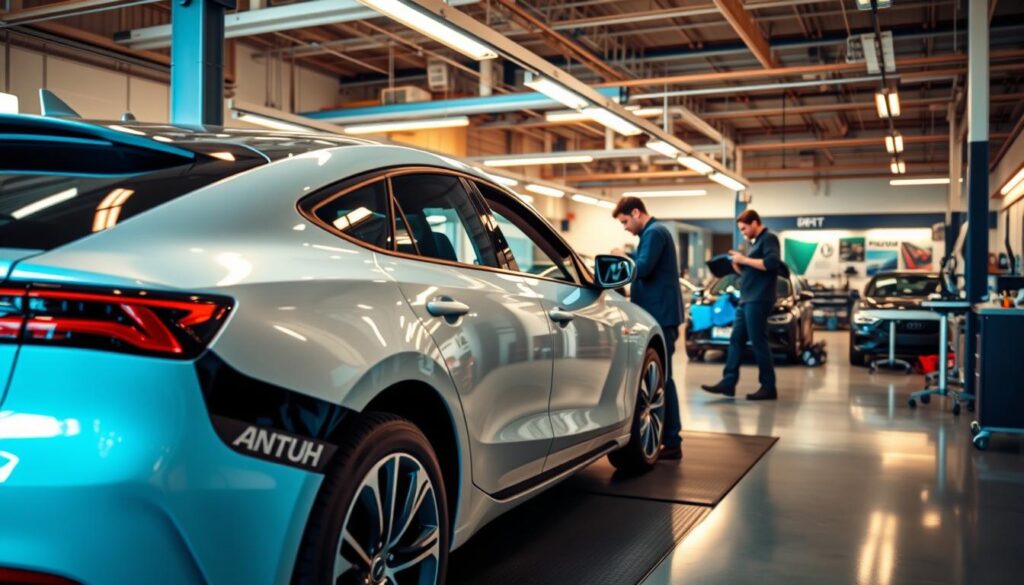
Miracle Body and Paint uses state-of-the-art repair technology for top-quality repairs. Their equipment is modern and well-kept, allowing for precise repairs that meet or exceed manufacturer standards.
This advanced technology, combined with their skilled technicians, helps them complete repairs quickly. This means your teen won’t be without their vehicle for long.
Customer Testimonials from Parents
Many parents have praised Miracle Body and Paint Collision Center. They talk about the center’s professionalism, efficiency, and commitment to customer satisfaction.
- Exceptional service from start to finish
- Prompt communication throughout the repair process
- High-quality repairs that meet or exceed expectations
By choosing Miracle Body and Paint Collision Center, parents can trust that their teen’s vehicle will be fixed with care and precision.
Conclusion
As a parent, keeping your teen safe while driving is very important. Learning about the dangers of teen driver accidents and using safe driving tips can help a lot. This can lower the chance of car damage.
Keeping your car in good shape, driving safely, and using technology can help avoid accidents. If your teen does get into an accident, knowing what to do is key. Having a trusted repair shop like Miracle Body and Paint Collision Center is also important.
At Miracle Body and Paint Collision Center, we’re at 4650 Walzem Rd, San Antonio, TX 78218. Our team is ready to fix your car right. We know how to help teen drivers and their families. For a quick and reliable fix, call us at (210) 858-3630.
By being proactive and prepared, you can keep your teen safe and your car in top shape. This is a great way to ensure their safety on the road.

