

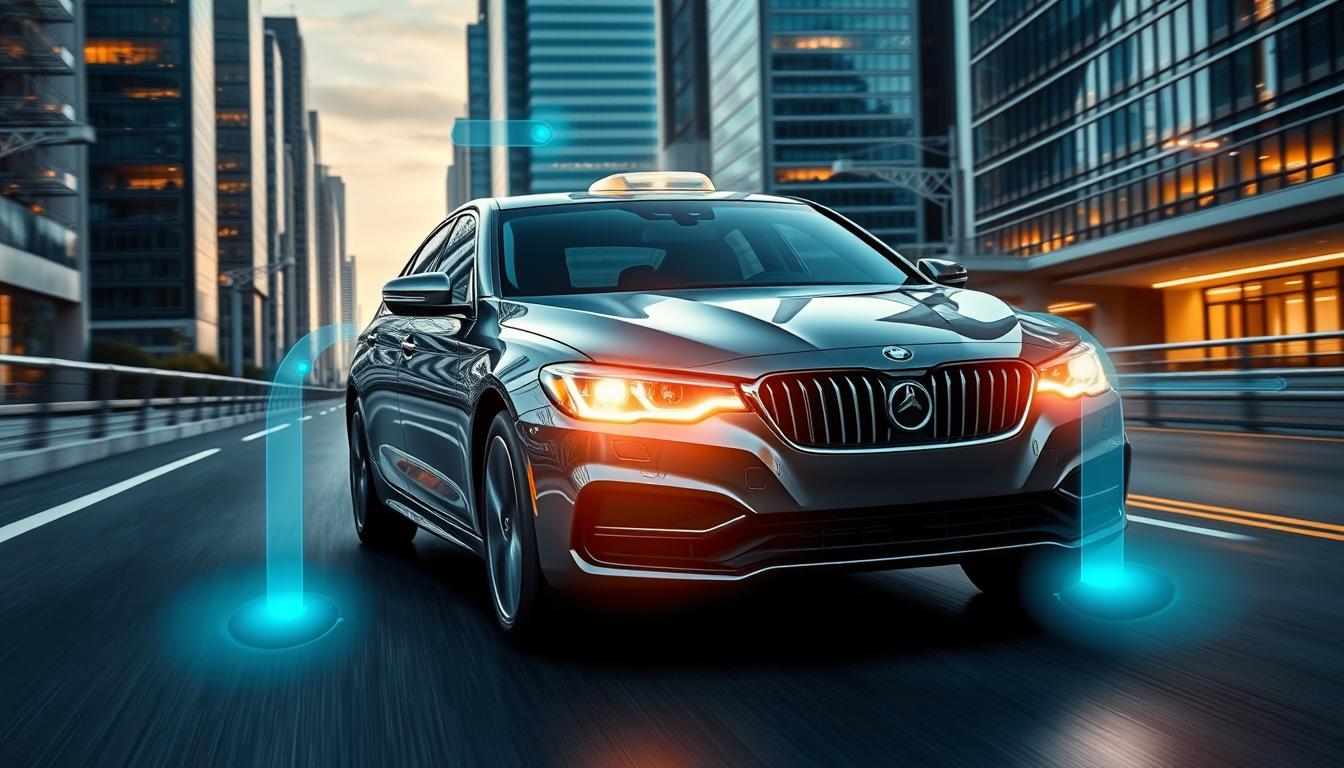
Modern cars come with advanced safety features to keep drivers and passengers safe. At Miracle Body and Paint Collision Center, we’ve seen how these features have changed the car world.
Crash prevention systems and other safety tech have made crashes less severe. This makes cars safer and cuts down on repair costs.
Thanks to these techs, Miracle Body and Paint Collision Center is dedicated to fixing cars right. We make sure your car looks and works like new.
Key Takeaways
- Modern vehicles are equipped with advanced safety features to protect drivers and passengers.
- Crash prevention systems reduce the severity of collisions.
- Advanced safety technologies decrease the complexity and cost of collision repairs.
- Miracle Body and Paint Collision Center provides expert collision repair services.
- Advanced safety features enhance overall vehicle safety.
The Evolution of Vehicle Safety Technology
The world of vehicle safety technology has changed a lot over the years. What started with simple safety features has grown into a complex network of crash prevention systems and Advanced Driver Assistance Systems (ADAS).
From Seatbelts to Intelligent Systems
The story of vehicle safety technology began with seatbelts. They were a big step forward, cutting down on deaths in car crashes. Now, we have smart systems that not only keep people safe but also try to stop accidents before they happen. Companies like Miracle Body and Paint have kept up with these changes, making sure their skills match the latest in vehicle safety.
The Rise of Computerized Safety Features
Computerized safety features brought a big change to vehicle safety technology. Today’s cars have advanced systems that can spot dangers and act fast. ADAS includes things like lane warning systems and automatic brakes, all aimed at making roads safer. These crash prevention systems have played a key role in cutting down accidents.
Understanding Accident Avoidance Tech in Today’s Vehicles
Today’s cars have advanced safety features thanks to accident avoidance tech. These features help prevent or lessen the effects of crashes. They make driving safer for everyone.
Core Components of Modern Safety Systems
Modern safety systems use sensors, cameras, and software to spot dangers. Advanced Driver Assistance Systems (ADAS) are key. They offer features like lane warning, cruise control, and emergency braking.
These parts work together to make driving safer. They help lower the chance of accidents.
How These Technologies Prevent Collisions
ADAS uses sensor and camera data to warn of possible crashes. For example, automatic emergency braking stops the car if it sees a collision coming. Lane departure warning systems also alert drivers if they’re drifting.
These systems add a layer of safety to the roads. They help protect drivers from accidents caused by distractions or tiredness.
Key Crash Prevention Systems Transforming Road Safety
The car industry has made big steps in crash prevention systems, changing road safety. Today’s cars have smart safety features that cut down accidents a lot.
Automatic Emergency Braking Systems
Automatic Emergency Braking (AEB) systems are key in car safety today. They use cameras, radar, and sensors to spot possible crashes and brake if needed. This helps make accidents less severe or even stop them.
Lane Departure Warning and Lane Keeping Assist
Lane Departure Warning (LDW) and Lane Keeping Assist (LKA) systems help avoid accidents from drifting lanes. LDW tells the driver if they’re leaving their lane. LKA then helps steer the car back on track.
| Safety Feature | Functionality | Benefit |
|---|---|---|
| Automatic Emergency Braking | Detects possible crashes and brakes | Makes accidents less severe |
| Lane Departure Warning | Warns driver of drifting out of lane | Prevents accidents from drifting |
| Blind Spot Detection | Alerts driver of vehicles in blind spot | Reduces risk of lane change collisions |
Blind Spot Detection Systems
Blind Spot Detection (BSD) systems watch the blind spots and warn the driver of other cars. This is very helpful when changing lanes, as it lowers the chance of hitting cars in the blind spot.
These systems are making roads safer by cutting down accidents. As Advanced Driver Assistance Systems (ADAS) get better, we’ll see even more cool safety features soon.
Advanced Driver Assistance Systems (ADAS) Explained
Advanced Driver Assistance Systems (ADAS) have changed the car world for the better. They use sensors, cameras, and radar to help drivers avoid accidents. This makes driving safer for everyone.
Components of ADAS Technology
ADAS includes automatic emergency braking, lane departure warning, and blind spot detection. These features work together to keep drivers safe. They alert drivers to dangers and sometimes even help avoid them.
Integration of ADAS in Mainstream Vehicles
More cars now come with ADAS features. Many makers offer these safety tools as standard or optional. This means it’s very important to calibrate ADAS components after any car repairs. This ensures the systems work right.
| ADAS Feature | Function | Calibration Requirement |
|---|---|---|
| Automatic Emergency Braking | Prevents or mitigates collisions by automatically applying the brakes | Yes, after repairs involving the braking system or front-end components |
| Lane Departure Warning | Alerts the driver if the vehicle drifts out of its lane | Yes, after repairs involving the camera or windshield |
| Blind Spot Detection | Warns the driver of vehicles in the blind spot | Yes, after repairs involving the radar or side panels |
It’s key to calibrate ADAS parts right to keep driving safe. If not done, these systems might not work well or could fail.
Real-World Impact: Statistics on Collision Reduction
Advanced safety features are making a big difference on the roads. This is shown in recent statistics. These technologies are effective, as seen in data from the insurance industry and government safety groups.
Insurance Industry Data on Accident Rates
Insurance data shows cars with safety features like Automatic Emergency Braking (AEB) and Lane Departure Warning (LDW) have fewer accidents. A study by the Highway Loss Data Institute found AEB systems cut crash rates by 23% for relevant insurance claims.
NHTSA Findings on Safety Technology Effectiveness
The National Highway Traffic Safety Administration (NHTSA) has also shared data on safety tech. They found cars with advanced safety features crash less often. Technologies like forward collision warning and automatic emergency braking are key in lowering crash severity and frequency.
| Safety Feature | Reduction in Accident Rate |
|---|---|
| Automatic Emergency Braking | 23% |
| Lane Departure Warning | 18% |
| Forward Collision Warning | 15% |
The Economic Benefits of Accident Avoidance Tech
Accident avoidance tech is saving lives and money. It cuts down on accidents and their costs. This tech is a big win for everyone.
Reduced Repair Costs for Vehicle Owners
Accident avoidance tech cuts down on repair costs. Features like automatic emergency braking and lane departure warning help avoid accidents. This means fewer repairs and lower costs. Studies show cars with safety features have lower repair claims.
Insurance Premium Savings with Safety Features
Car owners save on insurance with safety features. Insurance companies give discounts for cars with safety tech. This saves money and encourages people to buy safer cars.
Long-term Value of Safety Investments
Investing in safety tech pays off in the long run. While it costs more upfront, you save on repairs and insurance. Plus, safe cars hold their value better, making them a wise choice.
How to Choose Vehicles with the Best Safety Technologies
When you’re buying a new car, knowing its safety features is key. Today, there are many advanced safety technologies to pick from.
Understanding Safety Ratings and Features
It’s important to check a car’s safety ratings. Groups like the National Highway Traffic Safety Administration (NHTSA) and the Insurance Institute for Highway Safety (IIHS) give detailed ratings. Vehicles with high safety ratings often have features like automatic emergency braking and lane departure warning.
Cost vs. Benefit Analysis for Consumers
While cars with the latest safety tech might cost more upfront, the long-term savings can be big. A cost-benefit analysis shows the value of these features. For example, cars with advanced safety features might get cheaper insurance, saving you money over time.
| Safety Feature | Cost | Benefit |
|---|---|---|
| Automatic Emergency Braking | $500 | Reduced risk of frontal crashes |
| Lane Departure Warning | $300 | Prevents drifting into other lanes |
| Blind Spot Detection | $400 | Alerts drivers of vehicles in blind spots |
How Safety Tech is Changing the Collision Repair Industry
Safety tech is changing the collision repair world. It brings both challenges and chances. Modern cars have more safety features, changing how repairs are done.
New Challenges for Repair Centers
Repair centers face new hurdles with today’s cars. They need special tools and training for these advanced safety systems. It’s key for them to keep up with the latest tech and training.
Advanced Training Requirements for Technicians
Technicians must now get advanced training. This is to fix and keep up modern cars with complex safety features. It’s vital for safe and proper repairs.
Miracle Body and Paint’s Expertise with Safety Systems
Miracle Body and Paint leads in safety tech. Their skilled team can handle complex safety systems. They make sure cars are safe again.
They also help customers understand how safety tech affects their car’s value and safety.
The Future of Crash Prevention Systems and Autonomous Driving
The car industry is on the verge of a big change with new crash prevention systems. These systems are making cars safer and helping us move towards self-driving cars. New tech like artificial intelligence and sensors is changing how cars work on the road.
Upcoming Innovations in Vehicle Safety
Here are some new safety features coming to cars:
- Advanced Driver Assistance Systems (ADAS) that can detect and respond to the vehicle’s surroundings.
- Vehicle-to-Everything (V2X) communication that enables vehicles to communicate with other vehicles, pedestrians, and infrastructure.
- Automated Emergency Braking systems that can automatically apply the brakes to prevent or mitigate a collision.
These new features will help cut down on accidents on the road.
The Road to Self-Driving Vehicles
Creating self-driving cars is a big task that needs many technologies. 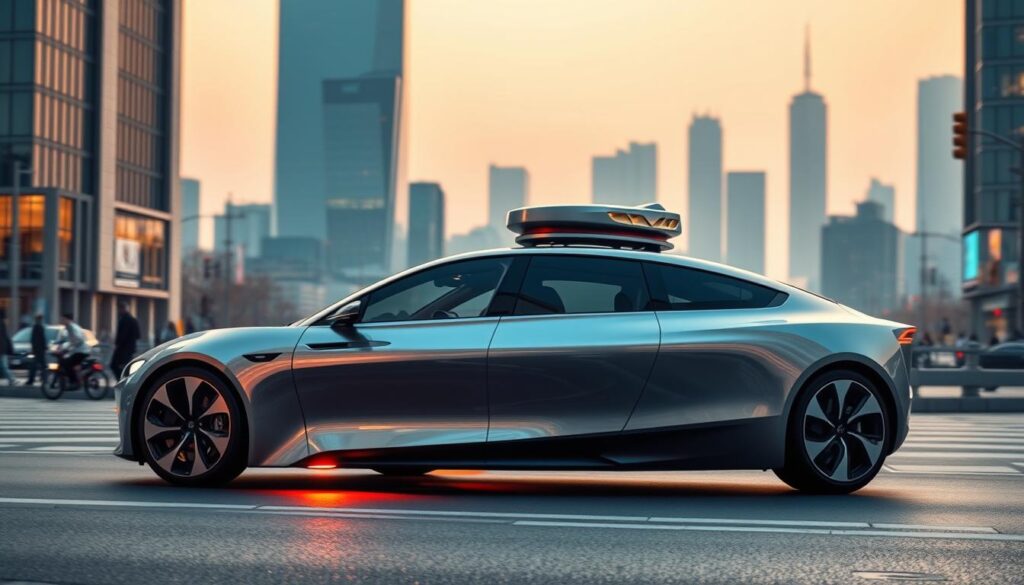 Companies are putting a lot of money into making these cars a reality. They’re even testing them on public roads. While there are hurdles to overcome, the benefits of self-driving cars are huge, like safer roads and less traffic.
As the industry keeps growing, we’ll see big steps forward in crash prevention and self-driving cars. This will make our roads safer and our travel smoother.
Conclusion: Embracing Technology for Safer Roads
Safety technology is key in making our roads safer. It helps reduce the need for collision repairs. By using accident avoidance tech, we can lower the number of accidents.
Modern cars come with advanced safety features. These include automatic emergency braking and lane departure warning systems. These features work together to prevent accidents and keep everyone safe.
At Miracle Body and Paint Collision Center, we know how important safety tech is. If you’re in an accident, our skilled technicians can handle the latest safety systems. Call us at (210) 858-3630 to find out more about our services. We’ll help you get back on the road safely.

