

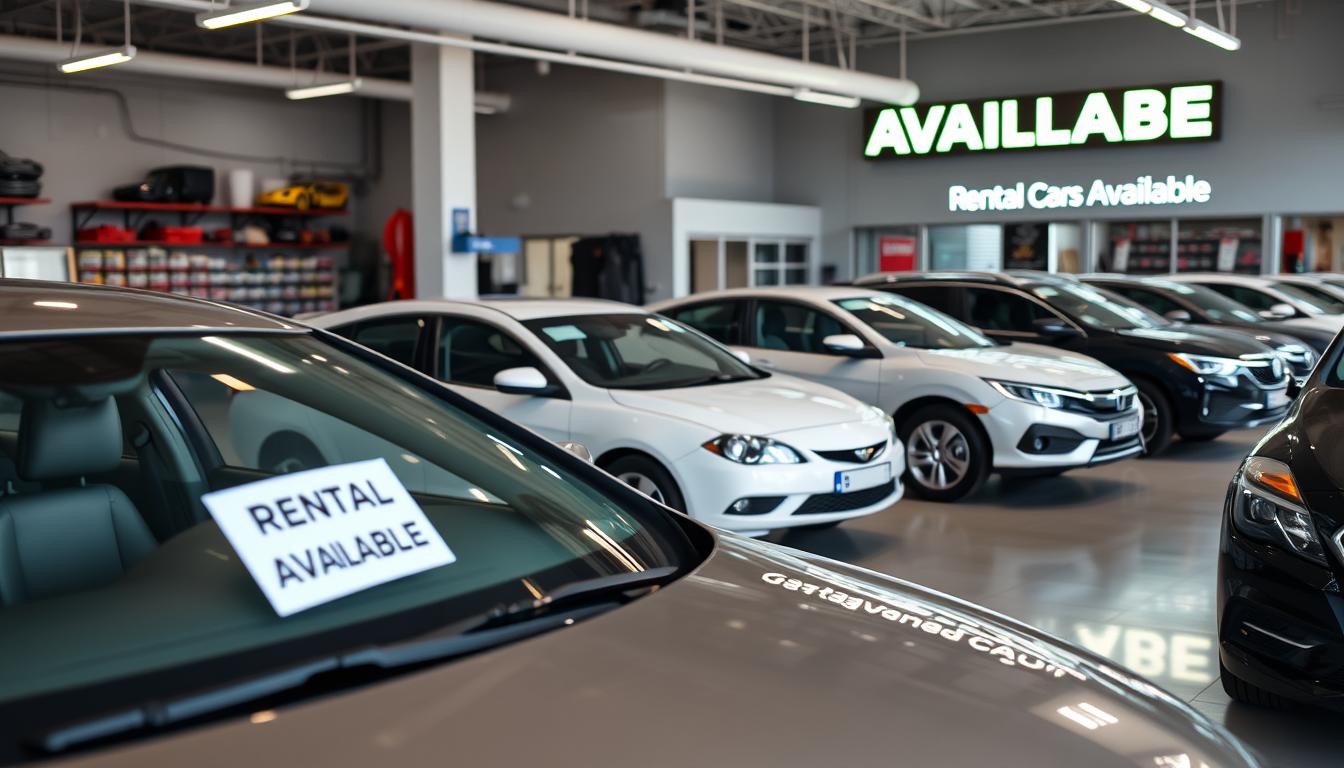
When an accident leaves your vehicle sidelined, staying mobile matters. Miracle Body and Paint Collision Center helps you arrange a free rental during repairs so you can keep your routine on track.
We coordinate with your insurance company and explain rental reimbursement coverage, so you know when a rental is covered and when it isn’t. Most policies offer this optional coverage only after a covered claim, not for routine maintenance or breakdowns.
Expect daily caps and total per-claim limits—common examples are $40–$70 per day and up to 30–45 days, depending on your policy. Exclusions like fuel, deposits, and luxury upgrades often remain your responsibility.
Ready to start repairs and secure a rental fast? Visit us in San Antonio: North West San Antonio – Leon Valley, (210) 680-1987, 6217 Grissom Rd., San Antonio, TX 78238; or North East San Antonio, (210) 858-3630, 4650 Walzem Rd, San Antonio, TX 78218.
Key Takeaways
- Miracle Body and Paint helps you arrange a rental car reimbursement while your vehicle is in the shop.
- Rental reimbursement coverage is optional and applies only after covered losses like an accident.
- Typical limits are modest—often $40–$70 per day and up to several weeks total.
- Expect exclusions: fuel, deposits, and luxury upgrades usually aren’t covered.
- We work with your insurance company to minimize out-of-pocket costs and align rental time with repairs.
Why Getting a Free Rental During Repairs Matters Right Now
When a covered collision sidelines your vehicle, maintaining your daily routine depends on quick access to a temporary car.
The present reality: parts delays and busy body shops can stretch repair timelines beyond a few days. That makes arranging a rental car early essential so you keep work, school, and errands on track.
Without rental reimbursement coverage, rental costs add up fast and can total hundreds in just days. Many policies set daily and per-claim limits, so knowing your allowance up front prevents surprise out-of-pocket costs.
- You rely on your vehicle every day; longer shop wait times increase the need for a temporary vehicle.
- Using your own auto insurance rental benefits often gets you moving sooner than waiting on the at-fault insurer to accept a claim.
- Miracle Body and Paint helps coordinate with your insurance and an approved partner to start your rental quickly and stay inside policy limits.
Plan smart: choose a standard class vehicle to stretch your allowance and review your coverage early so you know when insurance may pay and when it won’t.
Understanding Car Rental with Repairs
Know what your reimbursement coverage actually pays for. Rental reimbursement is an optional rider that helps cover a temporary vehicle when a covered claim takes your vehicle out of service.
It only activates after covered incidents— collisions or comprehensive events like storm or falling-object damage. Routine maintenance and mechanical car breaks don’t qualify, so plan alternatives if your vehicle fails for non-covered reasons.
Don’t confuse reimbursement coverage with rental company insurance. Reimbursement pays your rental costs. The rental company’s coverage protects the rental itself. They are separate products and serve different purposes.
Many insurance policies set daily and per-claim caps and may require approved vendors to enable direct billing and faster pickup. Miracle Body and Paint Collision Center educates you on your policy and helps coordinate approved partners to get you moving sooner.
- Rider activates after a covered claim—collision or comprehensive collision events.
- Approved vendors can unlock direct billing and speed the process.
- Maintenance and mechanical failures are excluded; ask about alternatives.
How Miracle Body and Paint Collision Center Makes Your Rental Car Free with Repairs
Miracle Body and Paint acts as your advocate, contacting insurers and approved partners to arrange a temporary vehicle fast. We start by verifying your rental reimbursement and confirming any preferred vendors your insurance accepts.

When direct billing is available, we help set it up so you avoid paying upfront for the rental car. If direct billing isn’t allowed, we explain how to submit receipts for rental reimbursement later.
We also review daily and per-claim limits in your policy. That helps you choose a standard vehicle class that stays inside coverage and prevents surprise charges.
- We contact your insurance company early to confirm eligibility, limits, and preferred partners.
- We facilitate direct billing when possible so you don’t have to pay out of pocket.
- If another driver caused the accident, we discuss using your own rental reimbursement now and letting insurers sort payment later.
- Our advisors flag exclusions—fuel charges and upgrades—that your coverage likely won’t pay.
From claim filing to pickup, our team coordinates repair timing and rental pickup so you face minimal gaps in mobility. You’ll know status updates, limits, and next steps every step of the way.
Insurance Basics: Policies, Riders, and When Insurance May Pay
Knowing your policy type helps you act fast after an accident. Start by confirming whether your plan includes a rental reimbursement rider or if you must rely on another party’s insurer.
Liability-only and third-party payment
If you carry liability-only coverage, your insurer usually won’t pay for a temporary vehicle. In that case, you’ll depend on the at-fault driver’s insurance to cover costs.
Comprehensive and collision options
Comprehensive collision or collision coverage often allows you to add rental reimbursement coverage. That rider helps pay for a temporary car right after a covered loss, so you stay mobile while repairs proceed.
Who pays first and deductibles
Using your own benefits can be faster than waiting on fault determination. Your insurer may pay up front under your rider and then subrogate against the at-fault insurer later. Note: deductibles usually apply to the repair claim, but rental reimbursement often has no deductible.
- We help you confirm car insurance policies and preferred vendors for direct billing.
- We document the claim so insurance payment flows smoothly and timely.
Limits, Caps, and Timelines You Should Know
Understanding how many days and how much your plan will pay helps you choose the right temporary vehicle.
Daily and per-claim limits: insurers commonly set daily caps ($40–$70/day) and total per-claim caps (example: $50/day with a $1,500 cap). These limits decide how many days your rental car fits inside coverage.
Common exclusions
Expect exclusions that raise your out-of-pocket costs: fuel, security deposits, added counter insurance, and luxury or exotic models are usually not covered.
When coverage starts and ends
Coverage typically begins after your claim is approved and ends at repair completion or when maximum days are reached. In total loss cases, reimbursement coverage often stops a few days after the insurer’s decision.
- We break down your limits so you pick an affordable vehicle class.
- We show real examples and estimate overages for upgrades.
- We coordinate with your insurance to confirm policy limits and monitor timelines.
Costs and Value: Is Rental Reimbursement Coverage Worth It?
A small monthly premium can protect you from unexpectedly high temporary vehicle bills after a covered loss.

Typical premiums are low: many plans add reimbursement coverage for about $2–$15 per month, roughly $100 per year in some cases. That modest cost can offset steep rental costs when you need a temporary vehicle.
Typical monthly premiums and how they compare
Paying a small monthly fee often costs far less than renting out of pocket. Standard daily rates in San Antonio commonly range $35–$80 depending on demand.
Even a week of paying daily rates can exceed a year of premiums. That makes the rider a practical hedge against surprise expenses and faster access than waiting for a third-party insurer to decide.
Choosing the right limits for your driving needs
Pick daily and total limits that match your commute and expected repair timelines.
- Choose a standard or compact class to stretch a daily cap and avoid overages.
- Raise limits modestly if you drive long distances or need more cargo or passenger space.
- Ask your agent how the policy and coverage interact with local rates and repair schedules.
Miracle Body and Paint Collision Center helps you weigh these costs and align your coverage to local rental averages so you get the most value from your policy.
Step-by-Step: How You Get Your Rental When You Choose Miracle
Begin by filing your claim and asking your claims rep to verify rental reimbursement eligibility. Tell the claim representative you need a rental and have them check direct billing and daily limits with your insurance company.
Next, we confirm options and guide your choice. We’ll verify whether your insurer supports direct billing or if you must pay and submit receipts for reimbursement coverage.
- Choose a vehicle class that fits the daily cap; we advise on options to limit out-of-pocket costs.
- We schedule your repair and coordinate pickup so you get rental car service without downtime.
- Keep every document—claim number, rental agreement, and receipts—so rental reimbursement flows smoothly.
If you add rental car coverage later, we’ll note effective dates and review your coverage policy limits. During repairs we monitor progress and alert you before you approach maximum days.
If you need pay for extras like fuel or upgrades, we’ll help separate those charges so your insurer covers what the policy allows and you only pay necessary extras.
Pro Tips to Reduce Out-of-Pocket Rental Costs
A few simple steps at rental start make the difference between covered costs and surprise charges.
Make choices that keep bills inside your policy limits. Ask your claims rep or agent which vehicle class fits your daily cap so you don’t pay the difference.
Consider alternatives when renting car isn’t needed every day. Some policies let you cover rental by reimbursing rideshare or public transit. Ask if reimbursement coverage covers those options before you book.
- Choose a standard or compact class to stretch daily limits and avoid having to pay rental car overages.
- Use approved partners for direct billing so you rarely need to pay rental up front.
- Decline optional add-ons you don’t need—extras often fall outside insurance coverage.
- Track rental days closely; hitting your maximum limits can force you to pay out of pocket.
- Keep receipts separate: base fees for quick approval of reimbursement coverage and to show which charges you need pay personally.
Miracle Body and Paint Collision Center guides you through these steps so your temporary vehicle stays as covered as possible. If your vehicle breaks due to a non-covered issue, we’ll help you compare short-term rideshare costs and options that may reduce total costs.
Conclusion
Acting fast after an accident helps you secure coverage and avoid surprise costs. File your claim early so insurance can approve temporary help and insurance pay starts when a covered loss is accepted.
You now understand how your policy, limits, and exclusions decide when coverage applies and how to keep expenses predictable. Typical caps run about $40–$70 per day and often cover 30–45 days depending on state rules.
Hire Miracle Body and Paint Collision Center to fix your collision damage. We coordinate claim details, set up car reimbursement, and keep repairs on track so you stay mobile. Two locations serve San Antonio: North West San Antonio – Leon Valley, (210) 680-1987, 6217 Grissom Rd., San Antonio, TX 78238; North East San Antonio, (210) 858-3630, 4650 Walzem Rd, San Antonio, TX 78218.

