

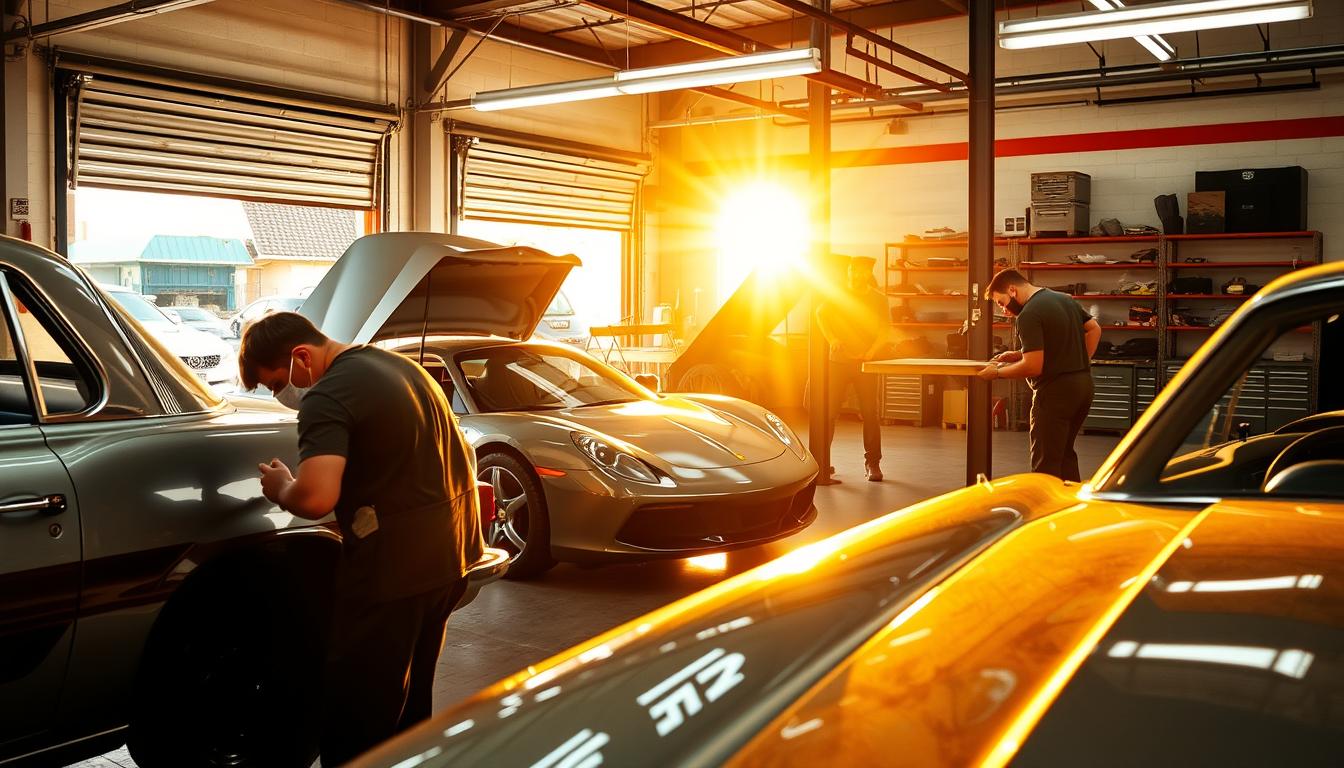
You want a clear window for getting back on the road. Minor fixes often wrap in a day or two, while major collision work can stretch into weeks or months. Typical tasks range from a quick windshield swap with ADAS calibration to multi-component frame and electronics work.
You’ll learn what drives total time: damage severity, parts shipping, technician load, and insurer approvals. Knowing these factors helps you plan for rentals, rides, or family logistics with less stress.
Choose a shop that gives clear updates, OEM calibrations, and fast parts access. Miracle Body and Paint Collision Center has two San Antonio locations: Northwest (6217 Grissom Rd., Leon Valley, (210) 680-1987) and Northeast (4650 Walzem Rd, (210) 858-3630). Hire them to speed your collision work and protect safety systems.
Key Takeaways
- Simple fixes can take 1–3 days; complex damage often needs weeks or longer.
- Parts, ADAS calibration, and insurer sign-off are the most common delays.
- Ask for OEM-calibrated equipment and digital status updates.
- Plan rentals and schedules around typical service ranges for glass, bumpers, and internal systems.
- Contact Miracle Body and Paint at either San Antonio location to start your estimate.
What Affects Your Repair Time After a Collision in San Antonio
After a collision, several clear factors determine how long your vehicle will be off the road. Knowing these four drivers helps you act quickly and keep downtime low.
Severity of damage: Minor damage may be fixed the same day, while structural or aluminum component replacement needs teardown, fitment, paint, and curing that add days.
Parts and shipping: Parts availability often sets the schedule. Structural rails, rocker panels, clips, and rare components can be backordered for weeks. Early ordering reduces idle shop time.
Technicians and workload: Skilled techs and a fully equipped shop speed diagnostics, disassembly, and OEM calibrations. Busier shops take longer, so capacity matters.
Insurance approvals: No reputable shop starts major work before authorization. Prompt approvals and accurate claim documents prevent administrative stalls.
- What you can do: respond quickly to insurer requests and choose a shop with digital estimates and in-house calibration.
- How we help: Miracle Body and Paint Collision Center streamlines scheduling, parts sourcing, and insurer communication from Leon Valley and Walzem Rd. Call (210) 680-1987 or (210) 858-3630 to move your repairs forward today.
Car Repair Timeline: Typical Ranges You Can Expect
Here are realistic time ranges for the most common jobs you’ll face after a collision. Use these windows to plan rentals, rides, and work around family needs.
Windshield replacement and ADAS calibration
Glass replacement usually runs from about 20 minutes to two hours for the physical swap. If your vehicle has ADAS, calibration and a short validation drive add extra time.
Minor auto body work: scratches, dents, and paint blending
Small dents and paint blending typically complete in 1–2 days when parts and paint match are available. Proper blending and curing ensure a visible match.
Bumper repair or replacement and paint curing time
Bumper repairs can finish in a day. Full bumper replacement, with paint, mounting and sensor setup, often takes up to three days.
Internal components: engine, transmission, and suspension components
Work on the engine or transmission takes longer because it touches many components. Expect up to two weeks for complex engine or transmission work.
Extensive structural damage across multiple components
Multi-area structural fixes are staged: estimate, teardown, supplements, parts ordering, structural pulls, welding, refinishing, and final checks. That process usually needs at least a month and can stretch for several months if parts are scarce.
- What to expect: extra days for paint curing, inspections, road tests, and detailing before delivery.
- How to avoid delays: approve supplements early and pick a shop with fast parts sourcing.
- Need a custom estimate? For accurate time ranges for your vehicle, call Miracle Body and Paint Collision Center: Leon Valley (210) 680-1987 or Northeast (210) 858-3630. Two San Antonio locations, same high-quality process.
How the Insurance Process Shapes Your Repair Timeline
Authorization and supplement handling from your insurer directly shape how quickly service proceeds. A shop cannot start major work without approval. That means the initial estimate, insurer review, and signed authorization are the first checkpoints you will see.

Estimating, supplements, and authorization to start work
First, the shop creates a detailed estimate and sends it to the adjuster for review. When teardown finds hidden damage, a supplement is written and must be approved before technicians continue.
Fast, complete documentation of supplements speeds authorization and keeps technicians on schedule. Responding promptly to adjuster questions avoids idle days between updates.
Policy rules on allowable parts and calibrations
Policies can restrict allowable parts and require documentation for ADAS calibrations, alignments, and structural measurements. OEM parts and proper calibration usually reduce rework and extend vehicle safety.
- You’ll see the exact steps: estimate, insurer review, authorization, teardown, supplements, and final approval.
- Policy language on OEM vs. aftermarket parts affects cost, fit, and time.
- Choose a shop trusted by insurers to shorten back-and-forth and keep work flowing.
Miracle Body and Paint Collision Center works with all major insurers while letting you choose the shop. For fast estimates and digital updates, contact Leon Valley at (210) 680-1987 or Northeast at (210) 858-3630 to start your service today.
Parts Sourcing in the Future: What Delays to Anticipate
Some components create the biggest hold-ups when shops try to finish work fast.
Structural rails, rocker panels, reinforcements, and small attachment hardware often set the schedule. Manufacturers don’t always stock low-demand items for vehicles. When a needed part is low-volume, production cycles or holidays can push delivery by weeks or months.
Missing clips and brackets matter. Even when major panels arrive, a missing clip can stall final assembly and inspections. That delay affects your ability to get the vehicle back and extends maintenance windows.
- Order parts early and tie requests to your VIN to reduce surprises during teardown.
- Ask the shop to request multiple supplier quotes and check regional warehouses.
- Verify OEM procedures or approved aftermarket options to protect safety and timing.
Miracle Body and Paint Collision Center proactively sources and verifies ETAs for hard-to-find components from both San Antonio locations. Call (210) 680-1987 or (210) 858-3630 for a parts availability check tied to your VIN. Transparent ETAs and contingency plans keep your schedule realistic if a replacement slips by weeks or months.
Step-by-Step: How to Speed Up Your Vehicle Repair Time
Take a few deliberate steps now and you can shave days off the whole service schedule. Below are focused actions you can take to keep work moving and reduce idle hours.
Proactive communication and fast approvals
Respond quickly to estimate questions and approve parts orders as soon as possible. Fast decisions mean technicians stay productive and avoid downtime.
Ask the shop for daily digital updates so you can spot supplements early and approve them within hours.
Scheduling during non-peak periods in San Antonio
Drop off during midweek mornings when bays are less busy. Non-peak scheduling reduces queue time and helps you get priority service bays.
Call Leon Valley at (210) 680-1987 or Northeast at (210) 858-3630 to book during lighter shop windows and lock an early slot.
Coordinating rental needs to avoid downtime
Arrange rental coverage early through your insurer so you aren’t stuck if parts or supplements delay completion.
Provide your availability windows and bundle minor components in one order to prevent missing hardware during reassembly.
- Submit photos or visit for an estimate and authorize parts ordering quickly.
- Approve supplements within hours and request target dates for each phase.
- Use daily check-ins or digital updates to keep components on order.
- Coordinate rental pickup early to bridge any extended time.
Want a prioritized action plan? Hire Miracle Body and Paint Collision Center to put this step-by-step process into action at either San Antonio location.
Preventive Maintenance That Keeps Repairs on Track
A steady preventive schedule makes future collision work faster and smoother. Routine service keeps systems accessible, parts in good condition, and diagnostics straightforward for technicians.

Every 3,000–5,000 miles or every three to six months: get an oil change and basic inspection so your engine runs clean and you avoid hidden failures that add time to shop work.
Alignment and suspension checks
Schedule alignment checks around 6,000 miles to protect tires and suspension components. Proper alignment lowers uneven tire wear and reduces extra work during post-collision service.
Major service intervals
Plan 30K/60K/90K services to inspect fluids, air filter, spark plugs, and belts. These checks keep transmission fluid, brake fluid, and power steering fluid in good shape and prevent added line items during a body job.
- 50,000 miles: check shocks and struts for safe handling.
- 60,000 miles: replace belts and hoses to avoid leaks and wear and tear.
- 100,000 miles: refresh spark plugs, high‑mileage oil, coolant, and all key fluids.
Keep clear maintenance records. That proof speeds insurer questions and helps technicians validate condition quickly.
Want a quick inspection checklist? Call Miracle Body and Paint Collision Center at (210) 680-1987 or (210) 858-3630 and keep future service efficient.
San Antonio Realities: Weather, Workload, and Shop Capacity
San Antonio weather and shop load both shape how quickly your vehicle moves through service bays.
Storm seasons and hail spikes flood schedules and extend the wait before your car can enter a bay. Book early when regional events or heavy weather are forecast.
Temperature and humidity affect paint curing. Shops plan booth time and bake cycles to protect finish quality, so high humidity can add hours or days.
- Workload balancing: Our two San Antonio locations shift jobs between bays to shorten your wait and keep repairs moving.
- Engine and fluid checks: Disassembly can reveal fluid leaks or engine issues that are best fixed before refinishing; that adds time but avoids rework.
- Parts and calibration: Ask about parts arrival windows, booth time, and calibration station availability when you schedule drop-off.
Plan a brief test drive after reassembly so ADAS calibrations and drivability checks finish before pickup. Stay flexible on pickup windows to let the shop complete quality checks without rushing.
Call Leon Valley at (210) 680-1987 or Northeast at (210) 858-3630 to check bay availability and schedule. Let Miracle Body and Paint place your job where the start date is fastest.
Choosing the Right Collision Center for a Faster, High-Quality Repair
Picking the right collision center cuts idle days and keeps each step moving smoothly. You want written dates, fast updates, and tools that meet manufacturer standards. Those elements shrink delays and make each service phase clear.
Clear timelines, digital updates, and OEM-calibrated equipment
Ask for a written target delivery date and daily status messages with photos. Shops that calibrate ADAS in-house reduce rework and validate radar and camera systems before you drive away.
Trusted by insurers, but you choose the shop
Insurers favor shops with organized workflows. You still choose where your car goes. Pick a center that shares supplements fast and keeps estimates accurate to avoid idle days.
Why Miracle Body and Paint Collision Center streamlines your repair
- They provide written steps and updated delivery targets as parts and approvals change.
- They run OEM-calibrated equipment, in-house calibration, and engine checks before delivery.
- Digital updates, quick parts ordering, and insurer collaboration speed the overall process.
Hire Miracle Body and Paint Collision Center to get fast, high-quality repairs from Leon Valley or Walzem Rd. Call (210) 680-1987 or (210) 858-3630.
Conclusion
To finish, the strongest gains come from timely decisions, good maintenance, and a trusted center. Use the repair timeline above to set expectations and plan rentals or rides so your car stays useful while work proceeds.
Stay proactive: approve supplements quickly, schedule drop-off during lighter shop days, and keep maintenance—oil changes and belts checks—current to avoid added work that extends time.
Your next step is simple: call Miracle Body and Paint Collision Center for an estimate and a clear timeline. Two locations to serve you: Northwest San Antonio – Leon Valley, (210) 680-1987, 6217 Grissom Rd., San Antonio, TX 78238; Northeast San Antonio, (210) 858-3630, 4650 Walzem Rd, San Antonio, TX 78218. Hire Miracle Body and Paint to repair your vehicle with speed, safety, and transparency.

