

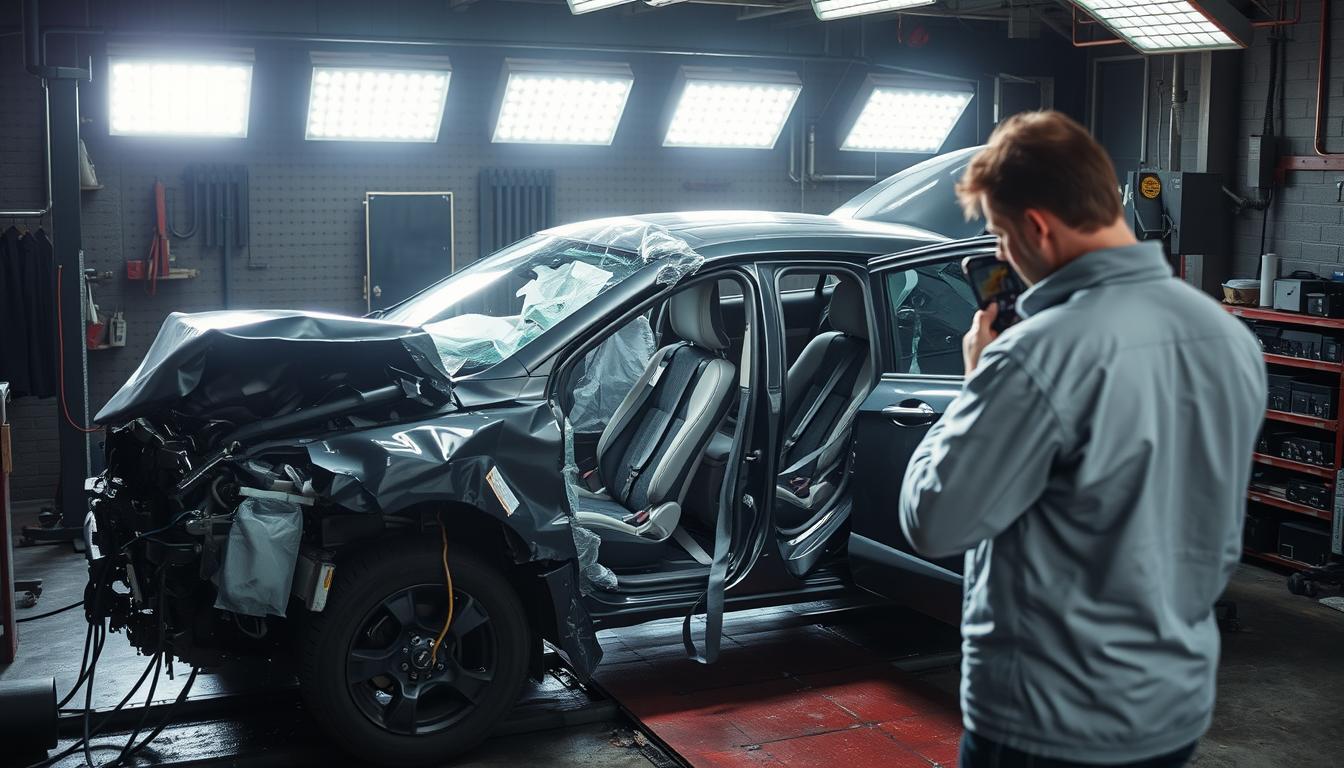
You’re reading this guide from Miracle Body and Paint Collision Center. This short introduction explains how professional collision repair brings critical safety systems back to working order so you can drive with confidence.
You will learn what information and details to collect at the scene, how to start a claim, and which checks matter most during the repair process. The guide covers evaluation of airbags, SRS modules, and driver assistance systems so those features function as designed.
Expect a clear, step‑by‑step overview from the moment of impact to repair completion. You will see how structural, lighting, and visibility checks support a safer return to the road and how to verify workmanship before you accept your vehicle.
If you prefer expert handling, call Miracle Body and Paint Collision Center — two locations in San Antonio: North West (Leon Valley) (210) 680-1987, 6217 Grissom Rd., San Antonio, TX 78238; North East (210) 858-3630, 4650 Walzem Rd, San Antonio, TX 78218. Hire a trusted company to align repairs with best practices and protect your investment.
Key Takeaways
- Collect clear information and prioritize the right details at the scene.
- Start a claim promptly to support the correct repair scope.
- Airbags, SRS, and ADAS need evaluation and calibration during repairs.
- Verify structural, lighting, and visibility work before accepting the vehicle.
- Use a checklist and guided test drive to confirm roadworthiness.
- Contact Miracle Body and Paint to coordinate repairs and insurance communication.
Staying Safe at the Accident Scene before Any Repairs Begin
Immediate actions at the roadside protect people, reduce further collisions, and preserve proof for later repair work.
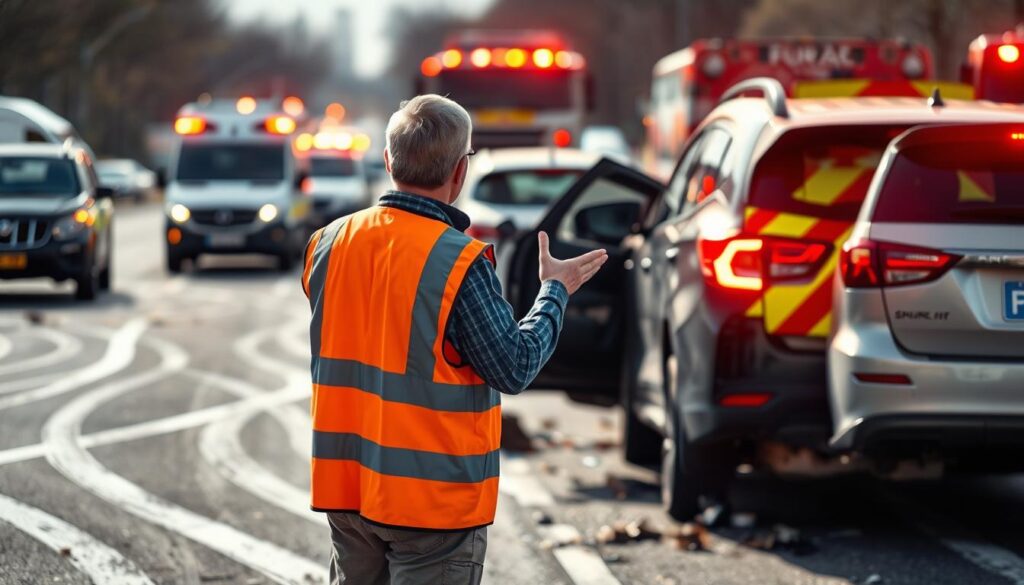
First, scan the scene for hazards and check for injuries to yourself, your passengers, and others. If someone appears seriously injured, do not move them unless there is an immediate danger like fire.
Turn on your hazard lights and set warning devices if you have them. At night, leave your lights on so approaching drivers can see the scene and slow down.
- Decide whether to move your vehicle: if it is drivable and blocking traffic, pull to the shoulder to lower the risk of a secondary crash.
- Keep vehicles in place when there are serious injuries, entrapment, or when officers request scene preservation for documentation.
Call 911, answer questions clearly, and provide your driver’s license and insurance details. Ask for the police report number and note officers’ names and badge numbers for your records.
After you’re safe, call Miracle Body and Paint Collision Center for guidance and towing: Leon Valley (210) 680-1987, 6217 Grissom Rd., San Antonio, TX 78238; North East (210) 858-3630, 4650 Walzem Rd, San Antonio, TX 78218.
Documenting the Crash and Starting the Insurance Claim the Right Way
Collecting clear facts and images at the scene speeds the claim process and protects your rights.
Exchange names, addresses, phone numbers, driver license numbers, plate numbers, and insurance information with everyone involved. Also collect witness contacts so claims adjusters can verify what happened.
Photograph vehicles from multiple angles, close damage shots, impact zones, skid marks, traffic signs, and the wider scene. Sketch a quick diagram and note distances, weather, and lighting.
Call police when appropriate and get the report number; record the officer’s name and badge. Notify your insurance company promptly to open a claim and share photos and facts. Ask what documentation their process requires.
- Stick to facts; do not admit fault and keep a written log of conversations and symptoms.
- Ask the tow operator for costs, record the tow company’s details, and direct them to take your car to Miracle Body and Paint Collision Center — Leon Valley (210) 680-1987, 6217 Grissom Rd., San Antonio, TX 78238; North East (210) 858-3630, 4650 Walzem Rd, San Antonio, TX 78218.
- Monitor the claims process: note claim numbers, adjuster names, and next steps so repairs include required scans and calibrations.
How Professional Collision Repair Restores Safety Systems
Certified repairs follow documented OEM steps so electronic modules, mounts, and frame dimensions are returned to factory intent. That restores protection for occupants and helps systems respond correctly in future events.
Airbags and SRS
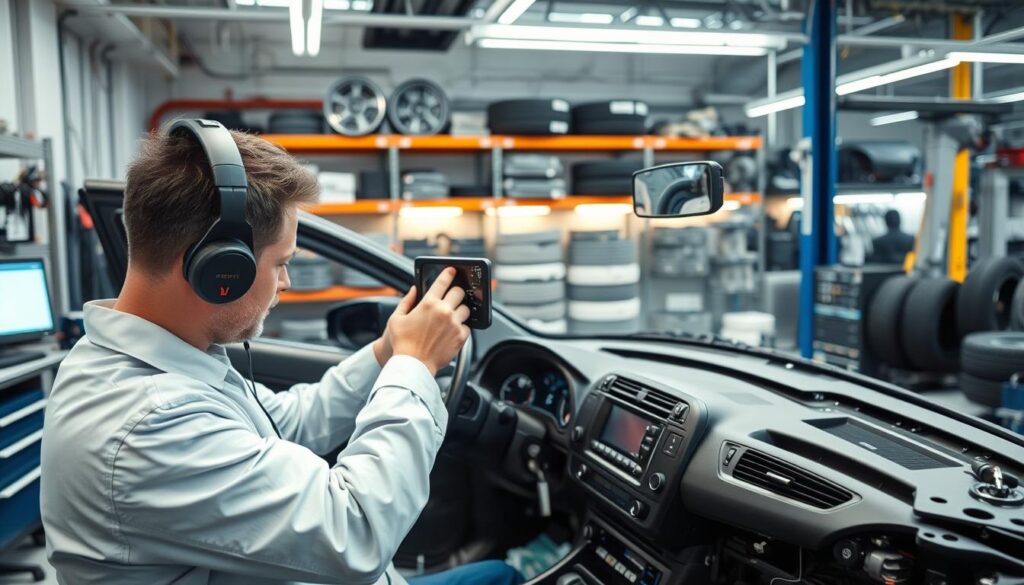
Full system scans are run before and after work to find DTCs and identify which modules and sensors need replacement or reprogramming.
Technicians record serials, reset seat‑sensor mats, and verify pretensioners so deployment timing matches design.
ADAS calibration
Forward cameras, radar, and ultrasonic sensors receive static target calibrations and dynamic test drives. Proper alignment is required for lane‑keep, emergency braking, and adaptive cruise to work on the road.
Structural, lighting, and visibility checks
- Computerized frame measurements restore datum points and crush zones.
- Mounting points and brackets are replaced when needed to avoid hidden faults.
- Headlight aim, brake lights, and circuits are tested with aim documentation added to your repair file.
- Final test‑drive verifies steering angle resets and alignment readings.
Choose Miracle Body and Paint Collision Center for OEM diagnostics and calibration. Leon Valley (210) 680-1987, 6217 Grissom Rd., San Antonio, TX 78238; North East (210) 858-3630, 4650 Walzem Rd, San Antonio, TX 78218.
Car Safety After Accident: What You Should Verify Before Driving Again
A short validation routine at delivery can reveal missed steps in the repair and calibration process. Before you accept your vehicle, ask for the calibration proof, pre‑ and post‑scan reports, and test‑drive notes from Miracle Body and Paint Collision Center.
Post-repair roadworthiness checklist and test-drive validation
Run a quick checklist: confirm no warning lights, verify ADAS features engage during a controlled drive, and check that steering centers properly.
- Verify braking feels even and straight on the road and note any pull or vibration.
- Inspect panel gaps, hood and door latches, and lighting operation; listen for unusual noises.
- Request documentation: alignment specs, calibration certificates, and scan reports.
If fault is disputed or injuries emerge later, loop in your insurer or attorney
If problems persist, contact your insurance company and adjuster to open or extend your claim so missing steps are authorized. Keep records of communications, photos of final fitment, and receipts.
Need help? Before you drive away, ask Miracle Body and Paint for calibration proof and road test results. Call Leon Valley (210) 680-1987 or North East San Antonio (210) 858-3630.
Conclusion
Make sure every scan, calibration, and estimate is documented before you leave the shop.
Keep a short record of police report numbers, license details, and insurer contacts. Those items help you and the officer or adjuster sort fault and finalize an insurance claim.
If anyone is seriously injured, continue medical follow‑up and notify your insurer so claims reflect any late symptoms. Move vehicles out of traffic when safe and use lights and hazards to warn other drivers on the road.
Ready to restore your vehicle the right way? Hire Miracle Body and Paint Collision Center — North West San Antonio (Leon Valley): (210) 680-1987, 6217 Grissom Rd., San Antonio, TX 78238. North East San Antonio: (210) 858-3630, 4650 Walzem Rd, San Antonio, TX 78218.

