

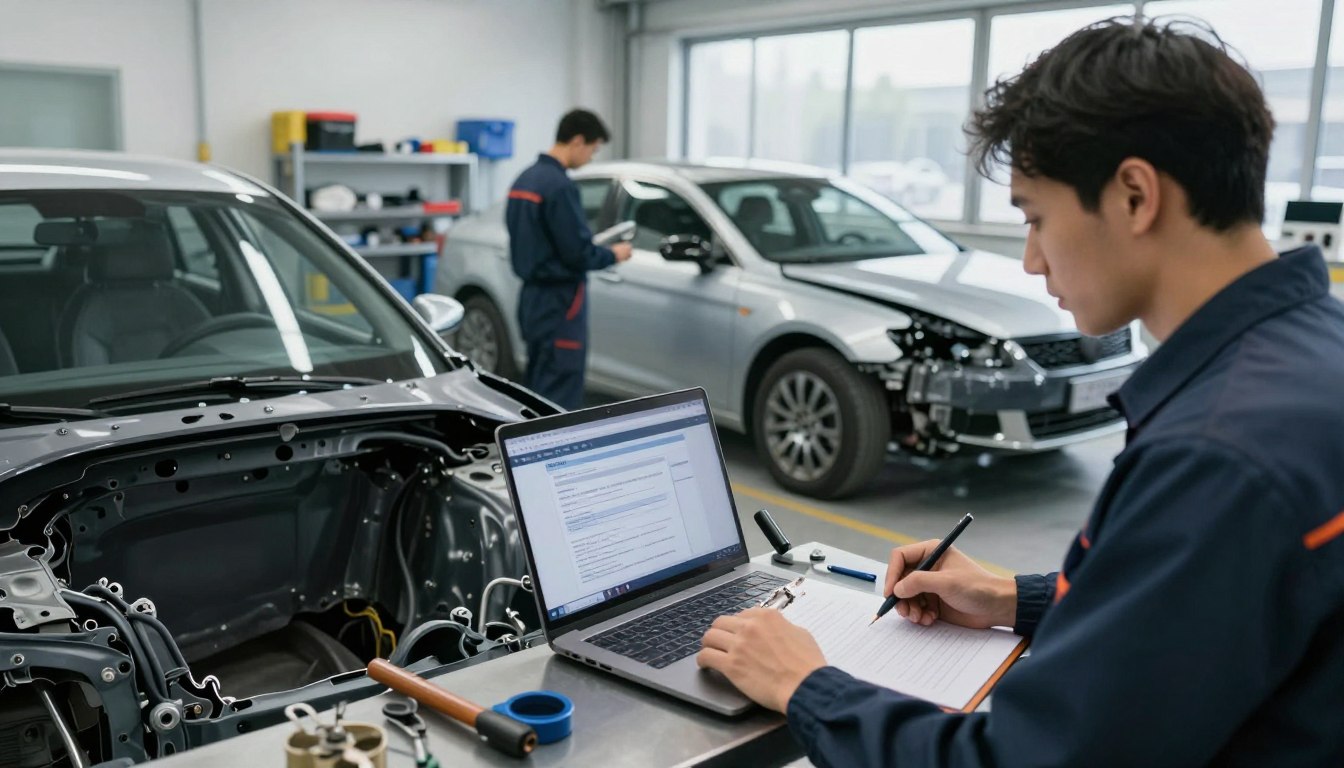
After an accident, you’re likely to be concerned about getting your vehicle back on the road as quickly as possible. Dealing with insurance companies can be a daunting task, especially when it comes to filing insurance claims for auto body repairs.
At Miracle Body and Paint Collision Center, we understand the process and are here to guide you through it. Our team works closely with insurance companies to ensure that your vehicle is repaired efficiently and effectively. We’ll help you navigate the insurance claim repair process, so you can get back to your daily routine.
Key Takeaways
- Understanding the insurance claims process for auto body repairs
- How auto body shops work with insurance companies
- The importance of choosing a reputable collision center
- What to expect during the insurance claim repair process
- How Miracle Body and Paint Collision Center can assist you
Understanding the Basics of Auto Body Insurance Claims
When you’re involved in a vehicle accident, understanding auto body insurance claims becomes crucial for getting your car repaired. The process involves several steps and terms that can be unfamiliar to many. To navigate this process effectively, it’s essential to grasp the fundamental concepts.
Definition of Auto Body Claims
An auto body claim refers to the process of notifying your insurance provider about the damage to your vehicle and requesting compensation for the repairs. This process typically begins with filing a claim, followed by an assessment of the damage by an insurance adjuster. The adjuster evaluates the extent of the damage to determine the cost of repairs, which is then compared against your insurance policy coverage.
For more detailed information on navigating auto insurance claims after an accident, you can visit Navigating Auto Insurance Claims After an. This resource provides comprehensive guidance on the claims process.
Common Terms in Auto Body Insurance
Understanding the terminology used in auto body insurance is vital for a smooth claims process. Here are some common terms you might encounter:
- Collision Insurance: Covers damages to your vehicle resulting from a collision, regardless of who is at fault.
- Deductible: The amount you must pay out of pocket before your insurance coverage kicks in.
- Total Loss: When the cost of repairs exceeds the value of the vehicle, it’s considered a total loss.
- Adjuster: The insurance representative who assesses the damage to your vehicle.
Here’s a comparison of key terms related to auto body insurance claims:
| Term | Description | Example |
|---|---|---|
| Premium | The amount paid for insurance coverage | $500 annually |
| Deductible | Out-of-pocket expense before insurance applies | $250 per claim |
| Claim Limit | Maximum amount payable for a claim | $10,000 |
By familiarizing yourself with these terms and understanding the basics of auto body insurance claims, you can better navigate the process and ensure that you receive the compensation you’re entitled to.
The Role of Auto Body Shops in the Claims Process
Understanding the role of auto body shops in the insurance claims process can help you make informed decisions about your vehicle’s repairs. When you file a claim, auto body shops are crucial in assessing the damage and providing detailed estimates for the necessary repairs.
Assessing the Damage
Auto body shops begin by conducting a thorough inspection of your vehicle to identify all the damage. This assessment is critical in determining the scope of work required to return your vehicle to its pre-accident condition. The inspection includes checking for both visible and hidden damage, ensuring that all necessary repairs are accounted for in the insurance claim repair process.
Providing Estimates
After assessing the damage, auto body shops provide detailed estimates for the repairs. These estimates include the cost of parts, labor, and any additional services required. It’s essential that these estimates are accurate and comprehensive to ensure that your vehicle is properly repaired under your collision insurance. The estimate will also help you understand what is covered and what is not, making it easier to navigate the claims process.
| Service | Description | Cost |
|---|---|---|
| Body Work | Repairing damaged body panels | $500 |
| Painting | Matching and applying the correct paint | $300 |
| Parts Replacement | Replacing damaged parts with new ones | $800 |
By understanding the role of auto body shops in assessing damage and providing estimates, you can better navigate the insurance claims process. This knowledge empowers you to ensure that your vehicle is repaired correctly and that you receive a fair settlement under your collision insurance policy.
Working with Insurance Adjusters
As you navigate the insurance claims process for your auto body repairs, you’ll likely interact with an insurance adjuster. Their role is to assess the damage to your vehicle and determine the extent of the repairs needed. Understanding what to expect during this process can help make the experience less daunting.
What to Expect During an Inspection
When an insurance adjuster inspects your vehicle, they will thoroughly examine the damage to determine the necessary repairs. This inspection is a critical step in the claims process, as it provides the adjuster with the information needed to create an accurate estimate for the repairs. Be prepared to provide detailed information about the incident, including any photos or documentation you have.
During the inspection, the adjuster will assess the damage to your vehicle’s body and paint, as well as any mechanical components that may have been affected. They may also ask you questions about the incident, such as how it happened and what happened immediately after. It’s essential to be cooperative and provide as much detail as possible to ensure an accurate assessment.

Tips for Smooth Communication
Effective communication with your insurance adjuster is crucial for a smooth claims process. Here are some tips to help you navigate this interaction:
- Be prepared with all necessary documentation, including photos of the damage and any relevant police reports.
- Clearly explain the circumstances surrounding the damage to your vehicle.
- Ask questions if you’re unsure about any part of the process or the adjuster’s findings.
- Keep a record of your communications, including dates, times, and details of what was discussed.
By being informed and prepared, you can help ensure that your insurance claim is processed efficiently and effectively. Clear communication and cooperation with your insurance adjuster are key to a successful outcome.
Types of Insurance Coverage for Auto Body Repairs
Understanding the types of insurance coverage available for auto body repairs is crucial for navigating the insurance claim process smoothly. When you’re involved in an accident, knowing what your insurance policy covers can help you make informed decisions about your vehicle’s repair.
Comprehensive vs. Collision Coverage
Two primary types of coverage that apply to auto body repairs are comprehensive and collision coverage. Collision coverage pays for damages to your vehicle if you’re involved in an accident, regardless of who’s at fault. On the other hand, comprehensive coverage covers damages not related to an accident, such as theft, vandalism, or natural disasters.
For instance, if you’re driving and another car hits yours, collision coverage would typically cover the repairs. However, if your car is damaged in a hail storm, comprehensive coverage would apply. Understanding the difference between these two types of coverage is essential for managing your expectations and financial responsibilities during the insurance claim repair process.
Liability Coverage Explained
Liability coverage is another critical component of auto insurance that, while not directly paying for your vehicle’s repairs, is vital in covering damages to others if you’re at fault in an accident. This includes both bodily injury liability and property damage liability. It’s essential to understand that liability coverage does not cover your vehicle’s damages; it’s designed to protect you from financial loss in case you’re liable for damages or injuries to others.
In the context of insurance claims auto body, knowing the specifics of your liability coverage can help you navigate the aftermath of an accident more effectively. It’s also worth noting that while liability coverage is mandatory in most states, the level of coverage you choose can significantly impact your financial exposure in the event of a claim.
Submitting Your Insurance Claim
When it comes to filing an insurance claim, being prepared is key to a successful outcome. The process involves several steps, from gathering necessary documentation to submitting your claim. Understanding these steps can help you navigate the system more effectively.
Preparing Necessary Documentation
Before you start the claims process, it’s essential to gather all the necessary documentation. This typically includes:
- Policy details: Have your insurance policy number and details readily available.
- Accident report: If the damage is due to an accident, you’ll need a copy of the police or accident report.
- Photos of the damage: Documenting the damage with photos can support your claim.
- Repair estimates: Get a detailed estimate from your auto body shop, which will be crucial for your collision insurance claim.
Key Steps in the Filing Process
The actual process of filing a claim involves several key steps:
- Notify your insurance company: Inform your insurer about the damage as soon as possible.
- Provide detailed information: Share all the documentation you’ve gathered with your insurance company.
- Work with the adjuster: An insurance adjuster will assess the damage and determine the extent of the coverage for your insurance claim repair.
- Review and agree on the settlement: Once the adjuster has made their assessment, review the offer carefully before agreeing.
By understanding these steps and being prepared, you can make the insurance claim process less stressful and more efficient.
The Importance of Using an Approved Shop
Using an approved auto body shop can simplify the insurance claims process and ensure high-quality repairs. When you choose a shop that is approved by your insurance company, you can be confident that they have met certain standards and criteria.
Benefits of Insurance Partnerships
Insurance-approved auto body shops have established partnerships with insurance companies, making the claims process smoother for you. These partnerships often result in:
- Faster claim processing times
- Direct billing to the insurance company
- Guaranteed workmanship
- Warranty on repairs
By choosing an approved shop, you can avoid potential issues with your claim, such as delays or disputes over the quality of repairs.
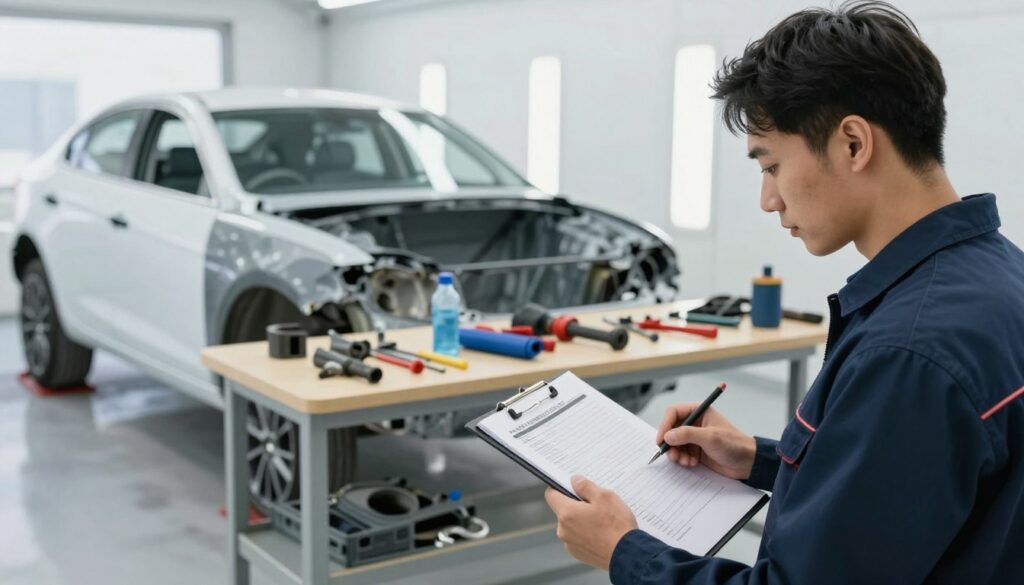
Choosing Miracle Body and Paint Collision Center
At Miracle Body and Paint Collision Center, you can expect a seamless experience with your insurance claim. Our team is experienced in working with various insurance companies to ensure a smooth process.
| Benefits | Miracle Body and Paint Collision Center | Other Shops |
|---|---|---|
| Insurance Partnerships | Direct billing and fast claim processing | Variable processing times and potential out-of-pocket expenses |
| Workmanship Warranty | Lifetime warranty on all repairs | Limited or no warranty |
| Customer Service | Dedicated team for a stress-free experience | Variable levels of customer service |
By choosing Miracle Body and Paint Collision Center, you are opting for a hassle-free insurance claim process and top-quality repairs.
Negotiating with Insurance Companies
Understanding how to effectively negotiate with insurance companies is vital for a fair settlement in auto body claims. When you’ve been involved in an accident, dealing with insurance companies can be stressful and overwhelming. However, being informed and prepared can make a significant difference in the outcome of your claim.
Strategies for a Fair Settlement
To negotiate effectively with your insurance company, it’s essential to have a clear understanding of your policy and the extent of the damage to your vehicle. Here are some strategies to help you achieve a fair settlement:
- Document Everything: Keep detailed records of all correspondence with your insurance company, including dates, times, and the names of representatives you speak with.
- Get Multiple Estimates: Obtain repair estimates from several auto body shops to compare prices and ensure you’re getting a fair deal.
- Know Your Policy: Understand what your insurance policy covers and what it doesn’t to avoid any surprises during the claims process.
When to Seek Professional Help
While negotiating with insurance companies can be done on your own, there are situations where seeking professional help is advisable. If you’re unsure about the value of your claim or feel that your insurance company is not offering a fair settlement, consider consulting with a professional.
| Situation | Benefit of Professional Help |
|---|---|
| Disputed Claim Value | Professionals can help assess the true value of your claim. |
| Complex Repairs | Experts can ensure that all necessary repairs are identified and included in the claim. |
| Insurance Company Denial | Professionals can assist in appealing the denial and negotiating a settlement. |
By being prepared and knowing when to seek help, you can navigate the process of negotiating with insurance companies more effectively, ensuring a fair settlement for your auto body repairs.
Repair Process After Claim Approval
Once your insurance claim is approved, the repair process begins, and you’ll be on your way to getting your vehicle back to its pre-accident condition. At this stage, the auto body shop will take care of all the necessary repairs to restore your vehicle.
What Happens Next?
After claim approval, the auto body shop will start by assessing the damage to your vehicle. This involves a thorough inspection to identify all the necessary repairs. The shop will then create a detailed plan and timeline for the work required.
You’ll be kept informed throughout the process, and the shop will work closely with your insurance company to ensure that all repairs are covered under your collision insurance or other relevant policies.
Timeline for Auto Body Repairs
The timeline for auto body repairs can vary depending on the extent of the damage and the availability of parts. Typically, minor repairs can be completed within a few days, while more extensive repairs may take a week or longer.
The auto body shop will provide you with a detailed estimate and timeline for the repairs, so you know what to expect. It’s essential to stay in touch with the shop and your insurance adjuster to ensure a smooth insurance claim repair process.
During the repair process, you’ll be able to pick up your vehicle once the work is completed. The auto body shop will ensure that all repairs are done to a high standard, using quality parts and following manufacturer guidelines.
By working with a reputable auto body shop, you can trust that your vehicle will be restored to its pre-accident condition, and you’ll be back on the road safely.
Understanding Your Rights as a Policyholder
Being aware of your rights as a policyholder can help you navigate the complexities of auto body insurance claims. When you understand your rights, you can ensure that you receive the compensation you’re entitled to for auto body repairs.
Coverage Limits and Exclusions
It’s crucial to understand what your insurance policy covers and what it doesn’t. Coverage limits refer to the maximum amount your insurance company will pay for a claim. Exclusions are specific damages or circumstances that are not covered by your policy.
You should review your policy documents carefully to understand these aspects. For instance, some policies may exclude certain types of damage, like wear and tear, or may have specific limits on repairs or replacements related to insurance claims auto body.
Dispute Resolution Options
If you disagree with your insurance company’s decision regarding your claim, you have several options to resolve the dispute. Negotiation is often the first step, where you can discuss your concerns with your insurance adjuster.
Other options include seeking help from your state’s insurance department or hiring a public adjuster to advocate on your behalf. Understanding these options can empower you to take action if you feel your claim is not being handled fairly during the insurance claim repair process.
Preventing Future Claims
After navigating the process of filing insurance claims for auto body repairs, you can take steps to minimize the likelihood of future claims. By adopting safe driving habits and maintaining your vehicle regularly, you can significantly reduce your risk of being involved in a collision.
Safe Driving Practices
Defensive driving techniques, such as maintaining a safe following distance and being aware of your surroundings, can help you avoid accidents. Additionally, adhering to traffic laws and avoiding distractions while driving can further reduce your risk. Having the right collision insurance coverage can provide peace of mind while driving.
Vehicle Maintenance
Regular vehicle maintenance is crucial for preventing accidents caused by mechanical failure. Ensure your vehicle’s brakes, tires, and suspension are in good condition. Regular checks can help identify potential issues before they become major problems, reducing the need for future insurance claims auto body repairs.
For quality auto body repairs and expert service, consider contacting Miracle Body and Paint Collision Center. Their team is dedicated to providing top-notch service to get you back on the road safely.

