

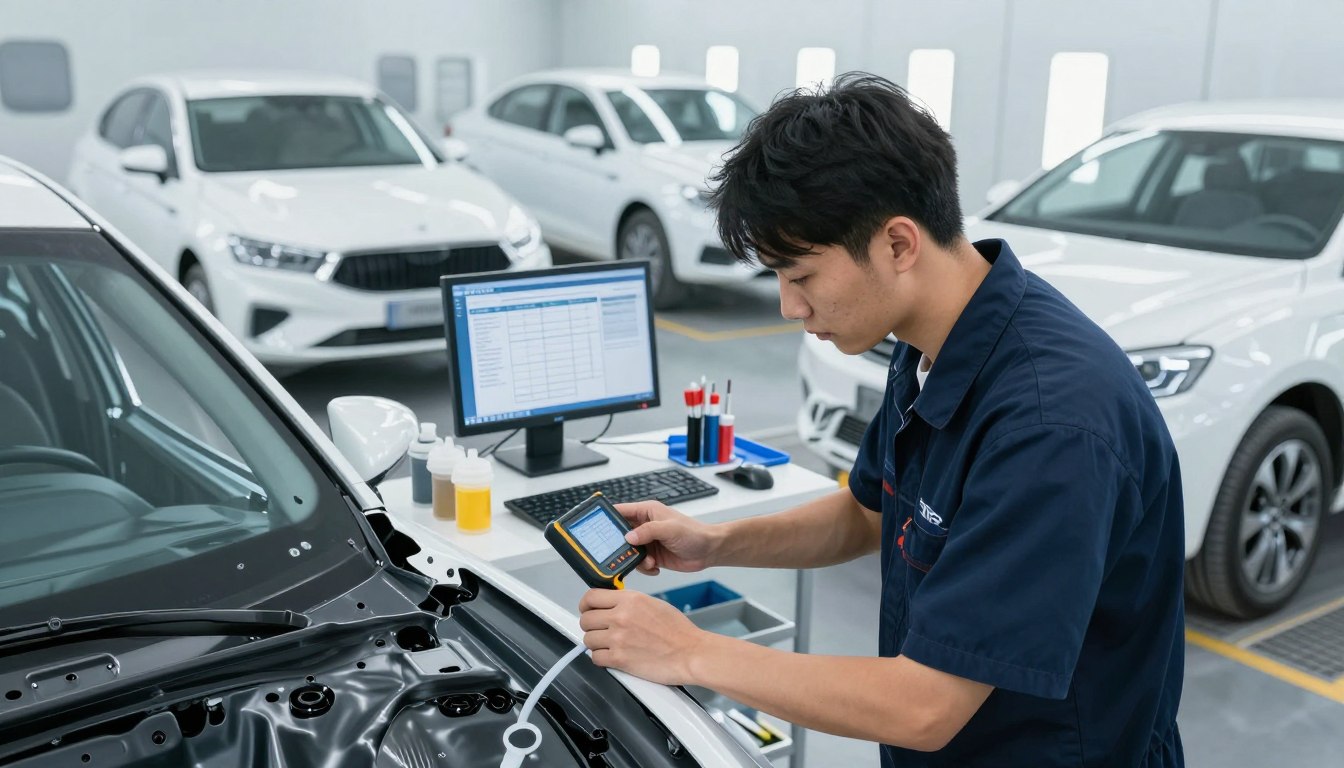
When your car gets damaged, fixing it is more than just painting it. You want to know it’s done right. Professional standards are key to getting your car back safely.
Places like Miracle Body and Paint Collision Center focus on careful checks. They make sure every part meets high safety standards. This means your car is in good hands. Collision Repair Quality is a promise to keep you safe.
We look at the important steps in fixing cars today. Knowing these steps helps you choose the right service for your car. Keeping up Collision Repair Quality means your car stays reliable.
Key Takeaways
- Professional shops use strict oversight to guarantee vehicle safety.
- Modern restoration involves precise technical standards beyond simple aesthetics.
- Transparency in the service process helps you make better decisions.
- Expert facilities prioritize structural integrity during every phase of work.
- Understanding shop procedures provides peace of mind after an accident.
The Importance of Rigorous Standards in Modern Auto Repair
Modern cars are complex and need precise repairs. As car tech gets better, the difference between a simple fix and a factory-certified restoration grows. You should feel sure your car is in good hands and fixed right.
A top collision repair shop is known for its consistency. They focus on detailed repair inspections to catch problems early. This way, they make sure your car works perfectly, just like the maker designed it.
Choosing a shop that follows strict rules means you’re looking out for your future. They don’t rush, knowing a small mistake can harm your car’s structural integrity. Thorough repair inspections give you the proof and peace of mind to drive safely again.
| Feature | Standard Shop | Professional Facility |
|---|---|---|
| Safety Protocols | Basic Compliance | Rigorous Standards |
| Inspection Depth | Surface Level | Comprehensive Repair Inspections |
| Quality Assurance | Visual Check | Certified Audits |
| Technical Training | General Experience | Continuous Certification |
Defining Collision Repair Quality at Miracle Body and Paint Collision Center
At Miracle Body and Paint Collision Center, we aim to make your vehicle as good as new. True Collision Repair Quality means more than just fixing looks or minor scratches. We focus on every detail to ensure your safety.
Our collision center puts your vehicle’s safety first. We check every weld, panel, and sensor to meet the manufacturer’s standards. This way, your car will work just like it did when it was brand new.
We don’t rush repairs like some shops do. Instead, we focus on making your vehicle reliable for the long term. By following strict factory rules, we keep your family safe. Our team sees every repair as a mission to ensure your safety.
The table below shows how we differ from standard repair practices.
| Feature | Standard Repair | Miracle Body and Paint |
|---|---|---|
| Structural Focus | Cosmetic appearance only | Factory-grade integrity |
| Safety Systems | Basic visual check | Electronic calibration |
| Parts Usage | Aftermarket alternatives | OEM-certified components |
| Quality Control | Single final inspection | Multi-stage audit process |
For us, Collision Repair Quality means your vehicle drives well after an accident. We have high standards for every repair. You can trust your vehicle with our dedicated team.
The Role of Advanced Diagnostic Technology in Vehicle Safety
Advanced diagnostic technology is key in fixing cars and keeping people safe. Today’s cars are like computers, needing special tools to work right. These tools check if all vehicle safety features are working as they should.
Without these digital checks, even a car that looks fine might have hidden problems. Technicians must dig deeper to make sure your car is safe to drive.
Scanning Systems and Electronic Calibration
Modern repair shops use advanced scanners to talk to your car’s computer. These scanners do a full health check, finding errors that might not show up after a crash.
After fixing your car, electronic calibration is needed for many parts. This makes sure cameras and radar work right, keeping you safe. If these parts aren’t set up right, your car might not act fast enough in emergencies.
Identifying Hidden Sensor Damage
Important safety sensors are often hidden, like under bumpers or inside panels. A small crash can mess with these sensors, causing inaccurate data or system failure.
Our techs use special software to find these hidden problems. They check every sensor to make sure your car’s safety features work. Precision is not optional for your car’s electronic parts.
Standardized Repair Inspections and Their Impact on Longevity
Standardized repair inspections are key to a safe and durable car fix. When you take your car to a pro, you want more than just looks. You want to know every part works right.
Technicians follow strict rules to keep your car running well for years. Consistency helps avoid future problems or safety risks.
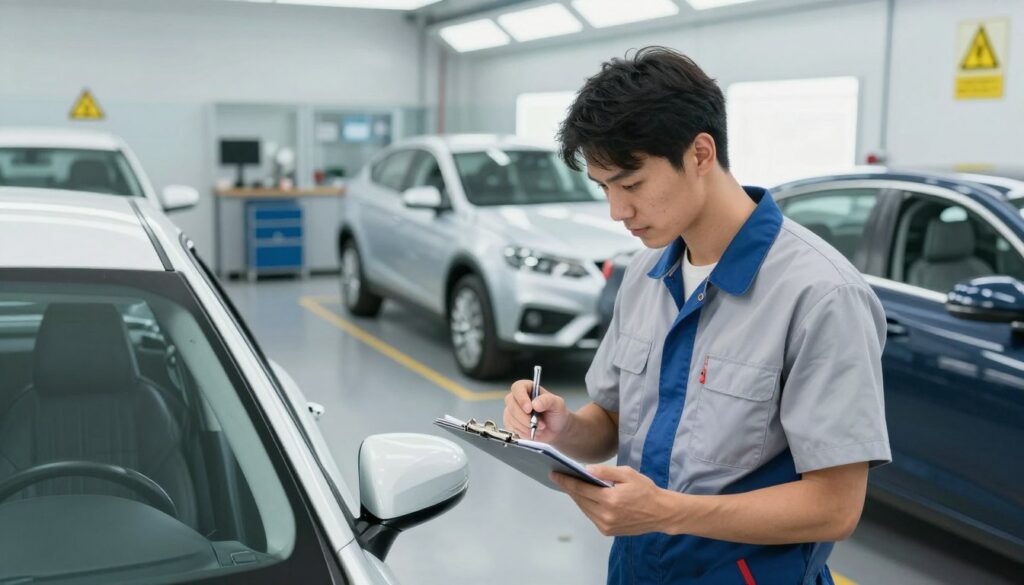
The Multi-Point Inspection Checklist
A detailed checklist guides the repair process. Technicians check every weld, bolt, and sensor against high standards. This method avoids mistakes.
The team checks hidden parts like structure, electricals, and fluids. A standard list ensures your car is fixed right.
Documenting Every Stage of the Repair
Keeping detailed records shows the work done on your car. From start to finish, every step is documented. This detailed record-keeping gives you confidence and proof of quality work.
Having a full repair history helps keep your car’s value up. It shows buyers or insurance how the damage was fixed. This is what a top-notch collision center does.
| Inspection Phase | Primary Focus | Safety Impact |
|---|---|---|
| Initial Assessment | Hidden Damage Detection | High |
| Structural Repair | Frame Alignment | Critical |
| Final Audit | System Calibration | High |
Structural Integrity Assessments After Major Collisions
Fixing a car after a big crash is more than just making it look good. It’s about making sure it’s safe and strong. Professional technicians focus on the hidden damage to keep your car safe and sound.
Frame Straightening and Measurement Accuracy
Today’s repair shops use special computer systems to fix big damage. These systems check the car’s frame against the factory’s specs with extreme accuracy. This makes sure your car drives just like it should.
Getting it right is key because even a tiny mistake can mess up how your car handles. Experts use laser technology to find tiny problems that can’t be seen. This high Collision Repair Quality is what keeps your car safe.
Ensuring OEM Compliance for Safety Systems
Your car’s safety features, like airbags, need a straight frame to work right. If the frame isn’t fixed to the right standards, these systems might not work in another crash. Following the manufacturer’s rules is key to keeping your vehicle safety.
The table below shows how old ways of fixing cars differ from new, safe methods:
| Feature | Traditional Repair | Computerized OEM Repair |
|---|---|---|
| Measurement Method | Manual Tape/Visual | Laser/Digital Sensors |
| Accuracy Level | General Estimates | Millimeter Precision |
| Safety Compliance | Variable | Full OEM Standards |
| Structural Integrity | Often Compromised | Restored to Factory Specs |
Choosing a shop that sticks to these high standards is smart. It keeps your car safe and your investment secure. Always make sure your repair shop follows vehicle safety rules closely.
Precision Paint Matching and Finishing Techniques
Restoring your vehicle to its original condition is the goal of automotive painting. This process needs a meticulous approach. It combines digital tools with the skills of a professional technician. The aim is to make every panel match perfectly, hiding any previous damage.
Computerized Color Matching Technology
Modern body shops use advanced spectrophotometers to get the exact paint color. This computerized color matching technology avoids the mistakes that can lead to mismatched panels. It analyzes the existing paint to create a precise formula, considering fading and factory variations.
After creating the formula, technicians test it with spray-out cards under different lights. This step ensures the new paint blends seamlessly with the original finish. Your vehicle will look uniform, no matter the light or angle.
Applying Factory-Grade Clear Coats
The final layer of your vehicle’s finish is key. Factory-grade clear coats offer essential protection from UV rays, road debris, and weather. These clear coats match the original manufacturer’s finish in depth and gloss.
Our technicians apply these coatings in a clean, dust-free area. This prevents imperfections and gives a smooth, glass-like finish. This process boosts your car’s look and guarantees long-term durability. We follow strict standards to keep your vehicle looking new for years.
The Human Element: Certified Technicians and Continuous Training
Your car’s safety relies on the skills and ongoing learning of the technicians. They use tools to gather data, but it’s the skilled professional who makes sense of it. This ensures your car is fixed safely and right.
The Value of I-CAR and ASE Certifications
Top body shops focus on getting the right certifications. This means they meet high safety standards. When you pick a shop with I-CAR and ASE certifications, you’re choosing experts who have passed tough tests.
These certifications show a commitment to excellence. Technicians keep learning to keep their certifications. This means your car is fixed by someone who knows the latest safety rules.
Staying Current with Evolving Vehicle Materials
Today’s cars use new materials like high-strength steel, aluminum, and carbon fiber. These help cars run better and safer in crashes. But, they need special care and different fixing methods than old cars.
Our technicians get continuous education to learn about these new materials. They keep up with the latest to fix your car right. This way, your car stays safe and runs like new.
Navigating Insurance Claims with Transparency and Accuracy
When your car gets damaged, you don’t want more stress from insurance talks. A professional body shop is your dedicated advocate during the whole recovery. They keep things clear, so your claim goes smoothly without any hiccups.
Working Directly with Insurance Adjusters
The repair team talks directly to insurance adjusters to speed up the approval. They give detailed reports, like digital photos and repair plans, to explain each step. This proactive approach avoids any disagreements about the needed repairs.
If they find hidden damage, they tell the insurance right away. They send in extra estimates quickly, so all important repairs get okayed. This way, you know what’s happening and won’t face surprise costs.
Ensuring Quality Parts Usage
Your safety is key, and that means using the right parts for repairs. Shops focus on Original Equipment Manufacturer (OEM) parts to keep your car in top shape. These parts fit perfectly and work best for your car.
If insurance suggests other parts, the shop checks them carefully. They make sure any part meets safety standards. Your peace of mind is their top priority, and quality parts are essential for a safe fix.
Environmental Controls and Shop Cleanliness Standards
Did you know that a clean repair facility can greatly affect your car’s finish? A top-notch body shop sees its environment as key to a good repair. By following strict cleanliness standards, they make sure your car gets the best care.
Keeping the shop clean is not just about looks; it’s about precision. By controlling the environment, technicians avoid damage from outside factors. This focus on order leads to consistent, high-quality results you can rely on.
Dust-Free Paint Booth Environments
The paint booth is the core of cosmetic repairs. Even a tiny bit of dust can mess up a paint job, causing blemishes. Professional shops use advanced air filtration systems to keep the paint booth dust-free.
These booths use fast air flow to remove dirt from the car’s surface. By controlling humidity and temperature, technicians ensure the paint dries perfectly. This meticulous attention to detail means your car will look brand new when it leaves the shop.
Maintaining Organized Workstations for Efficiency
The whole shop floor must be organized for efficient repairs. A messy workspace can lead to lost parts or damage. Clean workstations let technicians focus on your car’s structural and mechanical integrity.
Organized shops use specific storage for all parts removed. This prevents losing small parts that are essential for putting everything back together. Working in a clean, structured space makes repairs faster, safer, and more reliable.
Post-Repair Road Testing and Final Quality Audits
Your car’s journey ends with a detailed final check. We know you count on your car for safety and performance. That’s why we make sure every part works right before you take it home.
Verifying Mechanical Performance
Our team does a thorough road test before you get your car back. This step is essential to check the car’s systems. We look for any signs of problems.
We also check the car’s electronics during these tests. We make sure it drives as well as it did when new. This is part of our repair inspections process.
Final Cosmetic Inspections Before Delivery
After the mechanical checks, we do a detailed look at the car’s appearance. We check the paint and clear coat to make sure they match the factory’s standards. Our goal is to make the repair invisible.
We also check the inside of the car to make sure it’s clean and in good shape. Our final checklist includes several important areas to ensure your satisfaction:
- Panel Alignment: We check that all body panel gaps are even and symmetrical.
- Paint Quality: We look for any flaws or dust in the finish.
- Trim and Hardware: We make sure all moldings and emblems are in place.
- Cleanliness: We give the car a final clean to remove any dust from the repair.
By keeping these standards, we ensure your car is safe and looks great. These meticulous repair inspections are our promise to you.
Addressing Hidden Damage Through Comprehensive Teardowns
When you take your car to a collision center, the first estimate is just the start. You might think you’ll get a final price right away. But, professional repairs need a closer look to keep you safe.
Hidden damage is common in car repairs today. Without a detailed check, these hidden problems can weaken your car’s structure.
Why Initial Estimates Often Change
First quotes are based on what you can see. Technicians look for obvious dents, scratches, or broken parts.
But, modern cars have many hidden parts. When these are taken off, a collision center might find bent frames or damaged electronics. These were hidden before.
This isn’t about making more money. It’s a critical step to make sure your car is safe and works right.
The Necessity of Full Vehicle Disassembly
Disassembling your car fully means taking off bumpers, trim, and interior panels. This lets technicians see the car’s skeleton.
With a full disassembly, your collision center can make a detailed repair plan. This avoids delays and makes sure all parts are ready before starting the repair.
The table below shows the difference between a basic check and a full teardown:
| Inspection Type | Scope of Work | Accuracy Level |
|---|---|---|
| Visual Inspection | Exterior surface only | Low to Moderate |
| Comprehensive Teardown | Internal structural components | High |
| Final Repair Plan | Full collision center audit | Guaranteed |
Choosing a full teardown gives you peace of mind. You’ll know your car is safe, with no hidden dangers.
Customer Communication and the Transparency of the Repair Process
Dealing with a car accident can be tough, but clear communication helps a lot. When you give your car to a professional body shop, you should know what’s happening. They should keep you in the loop from start to finish.
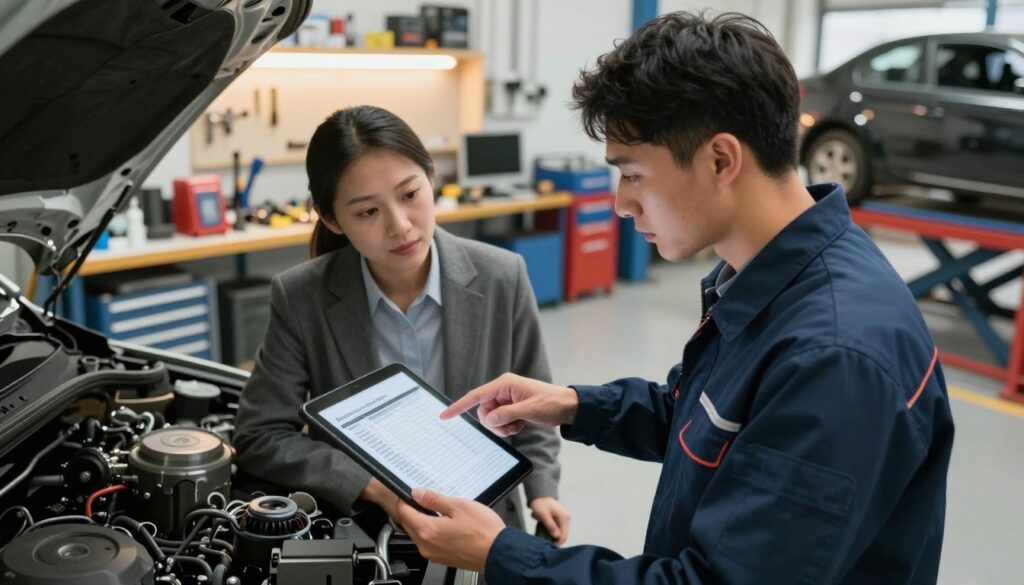
Providing Regular Status Updates
Today’s repair shops use the latest tech to keep you informed. You’ll get regular updates about your car’s repair, like texts, emails, or calls. This lets you plan your day while your car is fixed.
Many shops also let you see repair photos online. Seeing the work done gives you peace of mind. It shows the shop cares about your time and trust.
Explaining Technical Repairs in Simple Terms
Auto repair talk can be hard to understand, with lots of technical words. A good technician will explain things in simple terms. They’ll tell you why a part needs to be replaced or how a repair keeps you safe.
Transparency is key for a good repair job. When you know why something is done, you appreciate the skill needed. This clear talk builds trust and respect between you and the shop.
Industry Trends Shaping the Future of Collision Centers
The world of cars is changing fast, and repair shops need to keep up. Every collision center must use advanced technology to meet the needs of today’s drivers. This is the only way to feel safe on the road for a long time.
The Rise of Aluminum and Carbon Fiber Repairs
Car makers are using lighter materials like aluminum and carbon fiber to save fuel and boost speed. These materials need special tools and training, unlike steel. A top-notch collision center has clean rooms to keep these metals separate.
Working with these materials requires extreme precision. Technicians must follow strict rules to keep your car safe. Without the right tools, repairs could weaken the car’s structure in future crashes.
Adapting to Advanced Driver Assistance Systems
Today’s cars have advanced sensors and cameras for safety. These systems need careful setup after repairs. A small mistake can make these safety features useless.
Your collision center must use special tools to check sensor alignment. This is key for keeping your car safe. By focusing on these updates, shops make sure your car stays as safe as new.
Conclusion
Quality control is key for a safe and reliable car repair. You want to know your car is safe after an accident.
Choosing a place that values high standards and clear talk is smart. This way, your car will be in top shape when it’s fixed.
Miracle Body and Paint Collision Center is ready to help. They use the latest tech to fix your car right.
Visit them in Leon Valley, North West San Antonio, at 6217 Grissom Rd., San Antonio, TX 78238. Call (210) 680-1987 to set up a time.
For those in North East San Antonio, go to 4650 Walzem Rd, San Antonio, TX 78218. Call (210) 858-3630 to talk about fixing your car today.

