

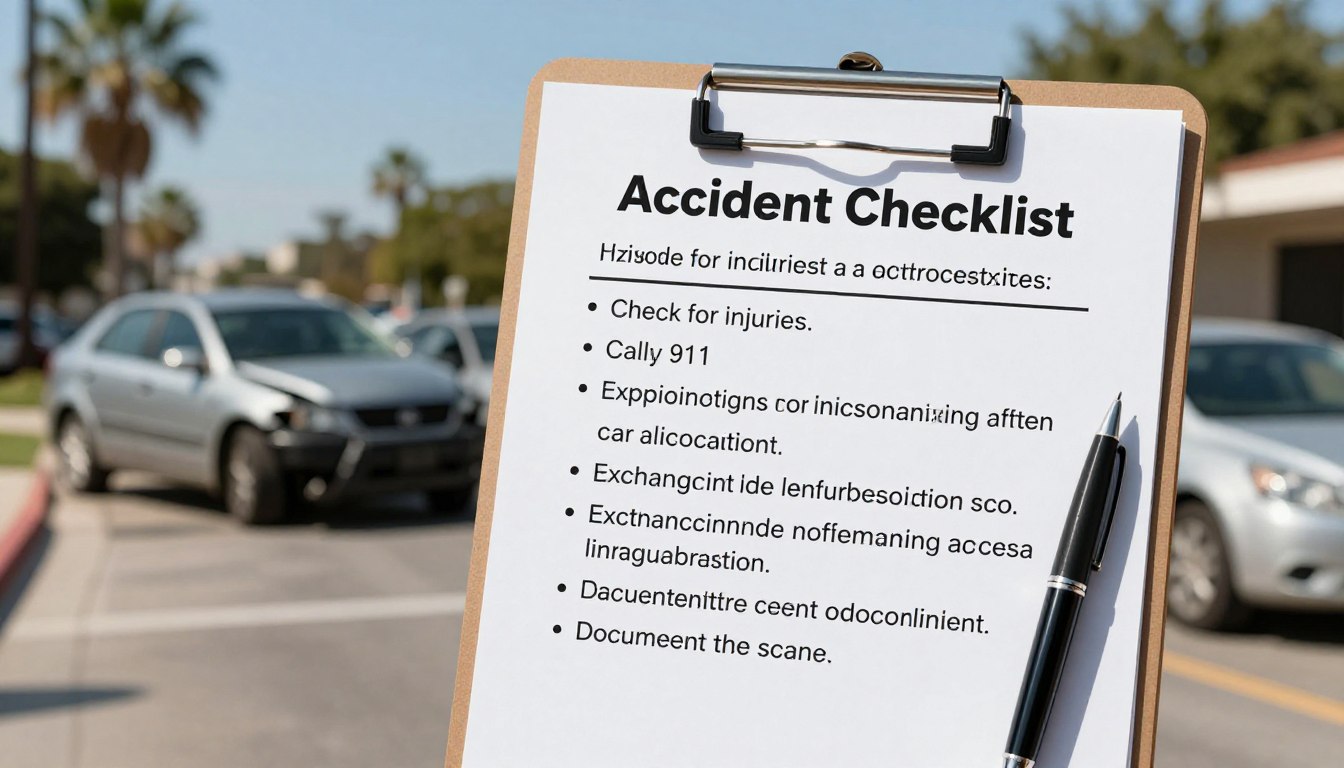
A sudden collision in San Antonio can feel like a mariachi band is pounding inside your head. The shock of the moment often leaves drivers feeling disoriented and unsure of their next move.
Staying calm is your most important task during these first few minutes. By following a structured accident checklist, you protect your physical health and secure your legal standing.
Taking decisive action helps you avoid long-term complications. It also ensures that your future Car Accident Repair options remain open and accessible. Focus on safety first, then document the scene to support your insurance claim.
Key Takeaways
- Prioritize your physical safety and move to a secure location if possible.
- Call emergency services immediately to report the incident to local authorities.
- Exchange contact and insurance information with all involved parties.
- Document the scene thoroughly with photos of vehicle damage and road conditions.
- Seek medical evaluation even if you feel fine to identify hidden injuries.
Assess Your Safety and That of Others
Your main goal after a crash is to keep everyone safe. Staying calm is key to following a accident checklist during stressful times.
Check for Injuries
First, check yourself for pain or bleeding. Then, see if your passengers are okay.
If someone is hurt, don’t move them unless it’s very dangerous. Moving them could make injuries worse.
Move to a Safe Location
If you can drive and aren’t badly hurt, pull over. This keeps you safe from more accidents on San Antonio roads.
Remember to turn on your hazard lights to warn others. This helps keep traffic moving.
Call Emergency Services
Call 911 right away if you’re unsure about injuries. Even small accidents need a police report for your accident checklist.
Tell the dispatcher where you are and what happened. They know how to help and will tell you what to do next.
| Priority Level | Action Required | Goal |
|---|---|---|
| Immediate | Check for injuries | Prevent further harm |
| Secondary | Activate hazard lights | Increase visibility |
| Essential | Call 911 | Secure professional help |
| Final | Move to safety | Clear traffic lanes |
Document the Scene of the Accident
Acting like a detective right after a crash is key to protecting your rights. By collecting evidence before it’s lost, you create a solid record for your claims. A accident checklist helps you not miss important details when you’re stressed.
Take Photos of Damages
Visual evidence is very important for insurance investigations. Take photos of both vehicles from all angles to show the damage. Remember to include wide shots of the cars, traffic signs, and skid marks.
Also, capture license plates and the environment, like rain or bad lighting. These photos give a clear view of what happened. They’re key if someone changes their story later. Good photos can really help your case.
Gather Witness Statements
Witnesses can be very important in disputes. Ask them politely if they can give a statement or their contact info. Their account can back up your story when insurance adjusters look into it.
Write Down Important Details
After a shock, remembering things can be hard. So, write down important facts. Use your accident checklist to note down specific details. Here are some things to write:
- The exact time and date of the incident.
- The specific street address or intersection.
- A description of the weather and road surface conditions.
- The direction each vehicle was traveling before the impact.
Keeping these notes organized will make the claims process easier. Spending time on this now will save you a lot of trouble later.
Exchange Information with Other Involved Parties
Gathering accurate details from the other party is key to protecting your rights. It might feel overwhelming, but keeping a professional distance helps. This way, you can collect all the facts without making things worse.
Taking the time to be thorough now will save you stress later. Make sure to document every piece of information clearly. This avoids confusion later on.
Collect Essential Details
Start by getting the full name and contact info of every driver. Also, ask for their driver’s license number and the state it was issued in. If there are passengers or witnesses, try to get their names and phone numbers too.
Using your smartphone to photograph the driver’s license is efficient. It prevents mistakes and gives a permanent record for your insurance.
Request Insurance Information
Ask the other driver for their insurance card. You need the name of the insurance company, policy number, and when it expires.
If the driver is not the owner, get the policyholder’s name and contact info. Verifying these details immediately helps start your claim without delays.
Document Vehicle Registration Numbers
You also need to get specific info about the vehicles. Record the license plate number, make, model, and color. If you can, find the Vehicle Identification Number (VIN) on the dashboard or driver’s side door jamb.
The following table summarizes the critical data points you should collect before leaving the scene:
| Category | Required Information | Action Item |
|---|---|---|
| Driver | Full Name & Phone | Verify with ID |
| Insurance | Carrier & Policy # | Take a photo |
| Vehicle | Plate & VIN | Check registration |
Always keep these records safe. Giving your insurance adjuster comprehensive documentation will make resolving your case easier.
Notify Your Insurance Company
Starting to manage your insurance claims means telling your carrier right away. This step is key to setting up a clear timeline. It also makes sure your provider has all the info they need to help you.

Report the Incident Promptly
Call your insurance company as soon as it’s safe to do so. When you talk to a rep, just share the basic facts of what happened.
Don’t give recorded statements to the other party’s insurance without a lawyer’s advice. Giving out too much info too soon can mess up your insurance claims. So, keep your talk brief and to the point.
Understand Your Coverage
Look over your policy to see what’s covered. Knowing your deductible and what your liability coverage is is key for handling your insurance claims well.
If you’re not sure about something, ask your agent. Knowing what your coverage is lets you make smart choices during the repair and recovery.
Provide Necessary Documentation
Your insurer will need certain proof to handle your claim. Keep a folder with the police report, photos of the damage, and contact info for everyone involved.
Getting these documents in order early makes your insurance claims smoother. Always keep copies of everything you send to your provider for your records.
Seek Medical Attention
Even if you feel fine, your body might be hiding serious injuries. The surge of adrenaline during a crash often hides pain. This makes it hard to know how badly you’re hurt right away.
Don’t wait for symptoms to show up before getting help. Taking care of your health is the best choice for your recovery.
Visit a Healthcare Provider
Try to see a doctor the same day as the accident. A doctor can find injuries you can’t see, like internal trauma or soft tissue damage.
Go to an urgent care clinic or your primary doctor. Tell them you were in a car accident. This helps them check for common crash injuries more carefully.
Consider Follow-Up Care
Some injuries, like whiplash or concussions, might not show symptoms right away. It’s important to watch your health closely for a week after the crash.
If you start feeling new aches or headaches, go back to your doctor right away. Regular follow-up care helps catch any late injuries before they become serious problems.
Document All Medical Visits
Keeping a detailed record of your medical visits is key for your safety. Every visit and treatment plan is important. It links your injuries to the accident.
Save all medical reports, prescriptions, and receipts in a safe place. This critical evidence is important for insurance claims or legal actions later.
Report the Accident to Local Authorities
You must report your crash to the San Antonio Police Department to protect your rights. An official record is key for insurance claims and legal actions. Never guess or assume facts when talking to officers, as their report will decide who’s at fault.
Understand Reporting Requirements
In Texas, you must report accidents causing injury, death, or over $1,000 in damage. Calling the police right away ensures a neutral record of the scene. Providing clear and accurate information to the officer is important for a reliable account.
- Stay at the scene until the officer arrives.
- Provide your driver’s license, insurance, and registration.
- Stick to the facts of what you observed.
- Avoid admitting fault or speculating about the cause.
Obtain a Copy of the Police Report
After the officer finishes, they’ll file a Texas Peace Officer’s Crash Report, or CR-3. This report is essential for your insurance claim. You can get it through the Texas Department of Transportation (TxDOT) system.
Wait about ten days after the crash to get your report. This gives the department time to finalize and upload it. Having this document ready helps with any future questions from adjusters.
Know the Investigation Process
The officer will start an investigation to collect evidence and witness statements. They’ll look at the vehicles’ positions, road conditions, and damage to figure out what happened. Understanding this process shows why your help at the scene is critical.
The officer’s report summarizes their findings, possibly including diagrams or citations. While it’s not the last word on fault, it’s very important for insurance reviews. Keep a digital and physical copy of this report with your other accident documents.
Contact a Car Accident Repair Shop
After an accident, picking the right repair shop is key. A professional facility is essential for a Car Accident Repair that makes your car like new. They use expert skills and top-quality parts to keep your car safe and sound.
Research Local Collision Centers
First, find shops that know your car’s make and model. Look for local centers that focus on safety and precision. A good shop will spot hidden damage that you can’t see.
Check Reviews and References
Read what others say online before choosing. Look for praise on their collision repair and how they communicate. Ask friends or family for their top picks for excellent service.
Get Estimates for Repairs
Get detailed estimates from your top choices. A clear estimate should list costs for parts, labor, and extra services. This way, you can compare and choose wisely, knowing you’re getting a fair deal.
Make sure the shop offers a written warranty on their work. This warranty means you can trust the repairs will last. Picking the right shop is the best way to feel safe and confident on the road again.
Understand Your Vehicle’s Damage
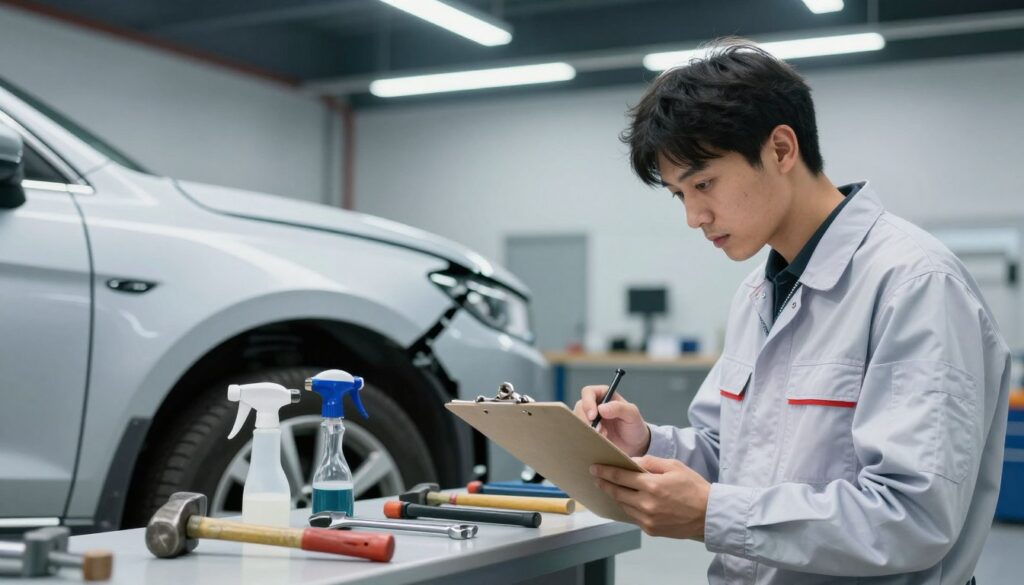
Your car might look good on the outside, but it could have hidden problems. It’s important to check your car carefully to make sure it’s safe and fixed right. Knowing the difference between small cosmetic issues and big structural problems helps you get ready for what’s next.
Identify Cosmetic vs. Mechanical Issues
Cosmetic damage is about the outside parts, paint, and trim. These problems are visually frustrating, but they usually don’t affect how your car drives. But, mechanical issues are about the engine, suspension, or frame. These are key for your safety.
Not fixing internal damage can cause long-term problems. It’s vital to have a pro check your car to find and fix any hidden safety hazards during the repair.
Obtain Repair Recommendations
After you know what’s wrong, get advice from a certified shop. A good technician will give you a detailed plan of what needs to be done. This plan is your guide for the collision repair and shows you what to expect.
Make sure to ask for a written estimate that breaks down costs. This way, you can compare prices and make sure everything is clear and fair.
Discuss Options with Your Mechanic
Talking openly with your mechanic is key to a good outcome. Ask about the parts they’ll use, like Original Equipment Manufacturer (OEM) or aftermarket. Knowing this helps you choose what’s best for your car and budget.
Also, ask about how long the repair will take. This helps you plan how you’ll get around while your car is being fixed. Talking things over ensures you and your mechanic are both happy with the final result.
File a Claim with Your Insurance
Dealing with insurance companies can be tough. They often look out for their own interests. This means you need to be ready for your insurance claims to succeed.
Understand the Claims Process
Filing a claim starts when you first call your insurance. Be ready to answer lots of questions about what happened. Knowing your policy well can help you avoid mistakes.
The adjuster will check all the details carefully. They’re looking for anything that might reduce what they owe you. Knowing your rights helps you stay in charge.
Provide Necessary Documentation
Having the right evidence is key to getting what you need. You’ll need police reports, medical records, and repair estimates. Giving accurate and organized documentation helps your case.
Make sure you don’t miss any important evidence. Send photos and witness info right away. A complete file makes it hard for the insurance to argue with you.
Follow Up on the Status of Your Claim
Being persistent is important when waiting for a decision. Don’t assume things will move forward without you. Checking in regularly keeps your claim at the top of the list.
If things slow down, ask why and keep a record of every conversation. Staying proactive helps avoid delays. Your hard work can prevent your claim from getting lost.
Consider Legal Representation
After a crash, you might need more than just paperwork. Even small accidents can lead to big insurance claims problems. Getting a lawyer helps keep your rights safe during the recovery.
When to Consult a Lawyer
If you got hurt badly or if it’s hard to say who was at fault, see a lawyer. In Texas, you have two years to sue after a crash. If you miss this time, you can’t get compensation.
A good lawyer will tell you how much your case is worth. They’ll spot medical needs you might miss. If the other side says it wasn’t their fault, a lawyer is key to proving it.
Understanding Your Rights
You can ask for money for medical costs, lost work, and pain. Insurance companies might offer less than you deserve. Protecting your rights means not signing anything that could hurt your future.
A lawyer can shield you from insurance company tricks. They make sure you get a fair deal. Having a lawyer means you have the power to fight for what’s right.
Legal Fees and Coverage
Many worry about lawyer costs after an accident. But, most personal injury lawyers work for free upfront. They only take a cut of what they win for you.
If they don’t win your case, you usually don’t owe them. This way, you can get top-notch legal help without worrying about money.
Prepare for Your Vehicle Repair
Getting ready before your car goes to the shop can save you a lot of time and stress. By being proactive, you make sure the collision repair goes smoothly without any hitches.
Gather Necessary Documentation for Repairs
Before you get to the shop, gather all your accident-related papers. Have your insurance claim number, the first damage estimate, and any letters from your adjuster ready. This makes it easy for the shop staff to check your details fast.
Handing over these documents early lets the techs focus on the technical aspects of the job. It also helps the service advisor match the damage with your insurance policy needs.
Remove Personal belongings from the Vehicle
Make sure to take out all personal items from your car before dropping it off. Check the glove box, center console, trunk, and under the seats for any valuables or important papers.
By removing these items, you protect them from getting lost during the collision repair process. It also lets the technicians easily access all parts of the vehicle that need inspection or work.
Communicate Special Requests to the Repair Shop
If you have any special requests for your vehicle, tell your service advisor. Whether you want original equipment manufacturer (OEM) parts or have questions about paint matching, clear communication is important.
Writing down these requests ensures your expectations are met at the end of the project. A professional shop will value your input and try to meet your needs while doing the necessary collision repair.
| Task Category | Action Item | Priority Level |
|---|---|---|
| Documentation | Organize insurance and claim files | High |
| Personal Items | Clear trunk and interior compartments | High |
| Communication | List specific repair concerns | Medium |
| Logistics | Confirm drop-off time and transport | Medium |
Trust Professionals for Quality Repairs
Fixing your car after a crash needs careful work and expert hands. Picking the right team makes sure your car is as good as new. It also keeps you safe on the road.
Evaluate Previous Repair Work
Find shops known for their top-notch work. Good Car Accident Repair services have skilled techs who know cars inside out. Looking at their past work shows you what to expect for your car.
Understand Warranty Details
A trustworthy shop backs its work with a strong guarantee. Knowing about warranties is key to keeping your repair job safe for a long time. It means your money is well spent, even after you leave the shop.
Schedule Your Repairs Promptly
Waiting too long to fix your car can cause more problems. Choose Miracle Body and Paint Collision Center for your repairs in San Antonio. Visit our North West San Antonio spot at 6217 Grissom Rd., Leon Valley, by calling (210) 680-1987. Or, go to our North East San Antonio shop at 4650 Walzem Rd. by calling (210) 858-3630. Our team is ready to fix your car with care.

