

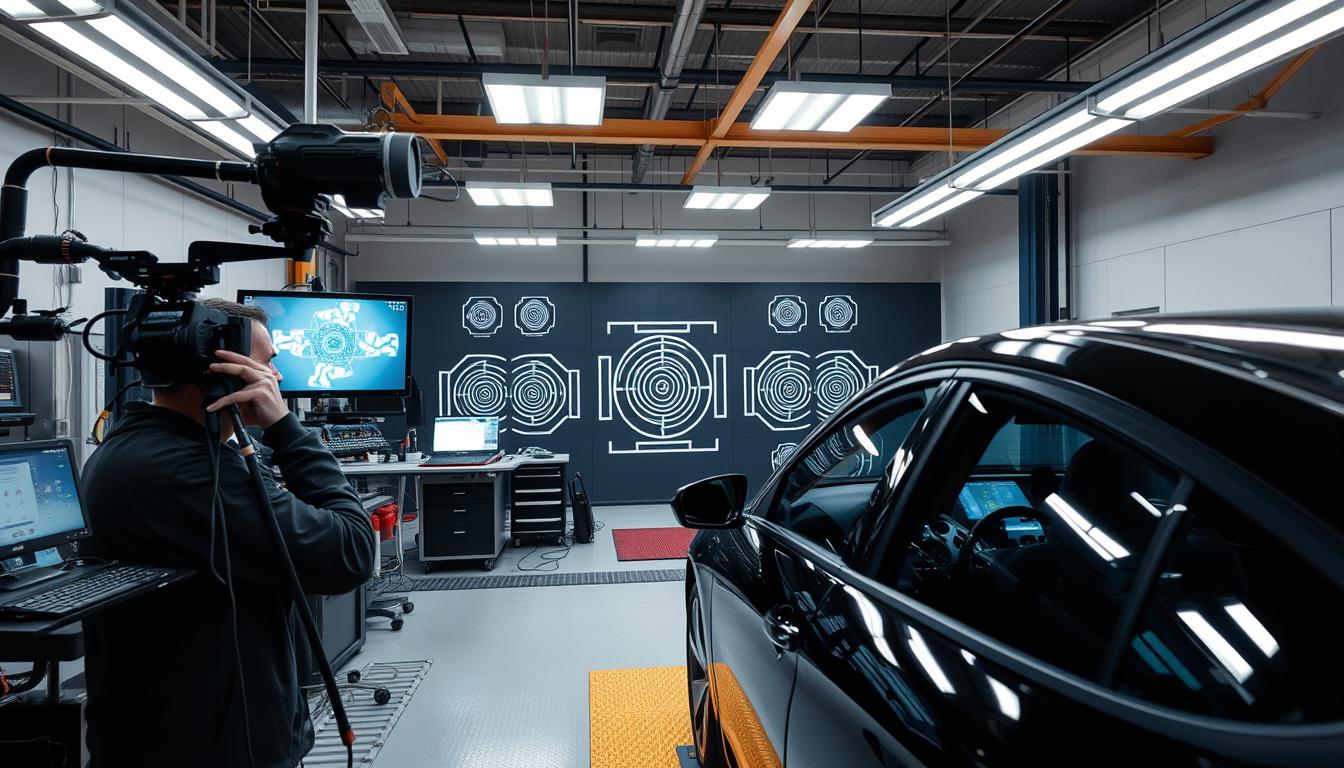
Your car’s advanced safety systems are some of the most important technology in modern vehicles. These features rely on precisely aligned sensors and cameras to protect you and your passengers on every drive.
After any repair work or collision, even minor ones, your vehicle’s safety components can become misaligned. This compromises the protection you depend on daily, often without you realizing it.
Proper recalibration ensures every sensor, camera, and radar system returns to factory specifications. This process is not optional—it’s a critical safety requirement that could prevent accidents.
Miracle Body and Paint Collision Center has served San Antonio since 1986. With nearly four decades of expertise, they bring trusted collision repair and safety system services to every vehicle.
Located at 4650 Walzem Rd, this facility understands why proper system alignment is essential after every repair. Their team helps you make informed decisions about your vehicle’s safety and protects your investment.
Key Takeaways
- Modern safety systems require precise alignment to function correctly
- Even minor repairs can misalign critical safety components
- Proper recalibration returns systems to manufacturer specifications
- This process is essential for maintaining vehicle safety standards
- Trusted professionals with decades of experience ensure proper calibration
- Regular calibration protects your investment in advanced safety technology
- Skipping this step compromises your protection on the road
Understanding ADAS Calibration & Its Importance
Your vehicle’s electronic safety network works tirelessly to protect you from potential hazards. These advanced driver assistance technologies include features like lane-keeping assist and automatic emergency braking.
How ADAS Enhances Your Vehicle’s Safety
Modern driver assistance systems create a comprehensive safety net around your car. They use sensors and cameras to monitor your surroundings constantly.
These features can alert you to dangers you might miss. Some systems can even intervene to prevent accident situations.
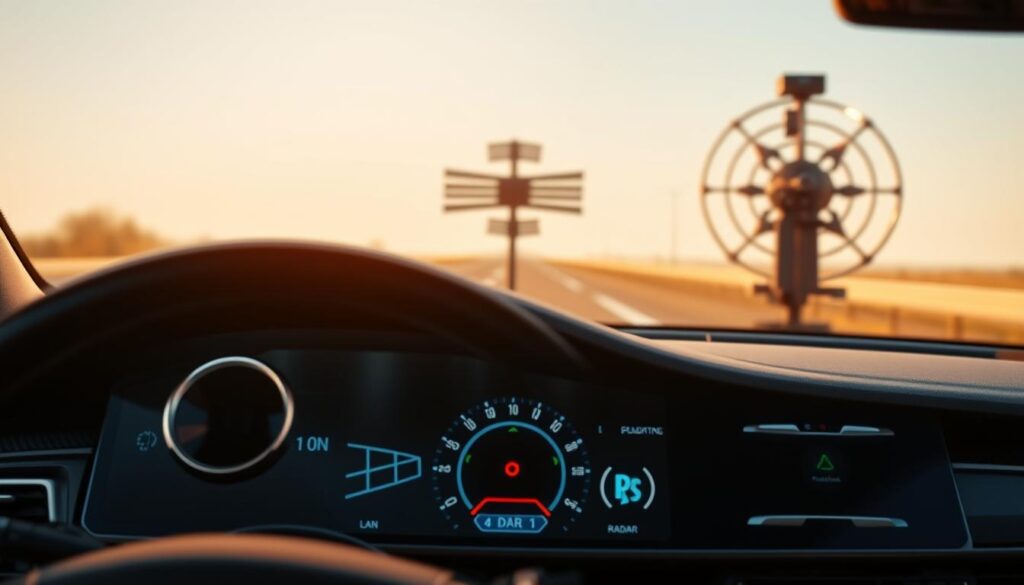
The Impact of Sensor Misalignment After Collisions and Glass Repairs
Even minor repairs can affect your safety systems. After windshield replacement, the cameras may point slightly off-target.
This misalignment causes your system to provide incorrect information. Your vehicles might not detect real hazards or warn you about non-existent dangers.
| ADAS Feature | Primary Function | Critical Alignment Need |
|---|---|---|
| Lane Departure Warning | Alerts when drifting from lane | Camera must see lane markings accurately |
| Adaptive Cruise Control | Maintains safe following distance | Radar must detect vehicles precisely |
| Automatic Emergency Braking | Prevents frontal collisions | Sensors must identify obstacles correctly |
| Blind Spot Detection | Warns of vehicles in blind spots | Radar angles must cover specific zones |
Professional calibration ensures every component works together perfectly. This process restores your advanced driver assistance system to factory specifications.
ADAS calibration Walzem: Process & Technology
After any repair work, restoring your car’s electronic safety components requires a systematic approach to realignment. This detailed procedure ensures every sensor and camera returns to exact factory specifications.
Static Calibration vs. Dynamic Calibration Explained
The adjustment process typically involves two main methods. Static alignment occurs in a controlled shop environment using specialized targets.
Technicians position your vehicle precisely in front of calibration equipment. This method resets camera angles and radar units to millimeter-perfect accuracy.
Dynamic alignment involves road testing under specific conditions. Your vehicle’s systems learn and adapt to real-world scenarios while monitored through diagnostic tools.
Utilizing Cutting-Edge Equipment for Factory-Grade Accuracy
Our facility invests in advanced technology that matches manufacturer standards. The equipment replicates what dealerships use for optimal performance.
A skilled team follows precise protocols for each vehicle model. They understand the specific requirements different manufacturers demand.
The entire procedure integrates seamlessly with repair services. Every system undergoes verification testing before you drive away with confidence.
Integrating ADAS Calibration with Collision Repair and Windshield Replacement
Today’s comprehensive collision repair services must address both visible damage and hidden safety system requirements. At Miracle Body and Paint, every repair includes assessment for necessary electronic component realignment.
Restoring Manufacturer Specifications After a Repair
When your vehicle needs collision work or glass replacement, the physical relationship between sensors and the road can change. Even minor repairs can affect camera angles and radar positioning.
Suspension work or frame straightening alters how your safety systems perceive the vehicle’s position. This makes complete system recalibration essential for proper function restoration.
Maximizing Safety with Accurate ADAS Recalibration
Windshield replacement is particularly critical since many forward-facing cameras mount directly to the glass. Any replacement disrupts the precise factory positioning that your safety features depend on.
Proper calibration ensures lane departure warning and collision mitigation systems interpret road conditions accurately. Our team advocates with insurance companies to cover these essential safety procedures.
You receive comprehensive restoration where every component works together as intended. This integration protects your investment and ensures maximum safety on every journey.
Insurance, Quality Assurance, & Expert Calibration
When it comes to protecting your investment in modern vehicle technology, quality assurance extends far beyond the initial repair work. The professional support you receive during the insurance process and the guarantees that follow are equally important for your long-term safety and satisfaction.
Ensuring Lifelong Warranty and Certified Repairs for Your Vehicle
Many insurance providers initially hesitate to cover electronic system alignment costs, viewing them as optional extras. Our experienced team knows how to document and justify these essential procedures as critical safety requirements.
You receive strong advocacy throughout the claims process to ensure proper coverage. This approach guarantees that your vehicle receives comprehensive restoration, not just cosmetic fixes.
Every structural repair comes with a lifetime warranty that lasts as long as you own your car. This unmatched protection includes the alignment service performed, providing complete peace of mind for your daily drives.
Our facility maintains the highest standards with certified technology and continuous staff training. The quality verification process includes thorough system checks and road testing before you take your vehicle home.
This commitment to excellence has earned us the most 5-star reviews in Texas. Customers trust our comprehensive approach to service that treats electronic component alignment as the essential safety procedure it truly is.
Conclusion
Every time you get behind the wheel, you’re counting on sophisticated safety technologies to keep you and your passengers secure. These advanced driver assistance features like adaptive cruise control and collision warning systems depend on precise alignment to function correctly.
After any repair work, especially windshield replacement or glass work, professional calibration ensures your vehicle’s safety systems operate as designed. This isn’t an optional service—it’s essential protection for your daily drives.
Miracle Body and Paint Collision Center brings nearly 40 years of San Antonio expertise to every repair. With two convenient locations, including their North East facility at 4650 Walzem Rd, they provide comprehensive service that restores both your car’s appearance and its critical safety functions.
Don’t compromise on your protection. Contact Miracle Body and Paint today at (210) 858-3630 to schedule your professional calibration and collision repair services.

