

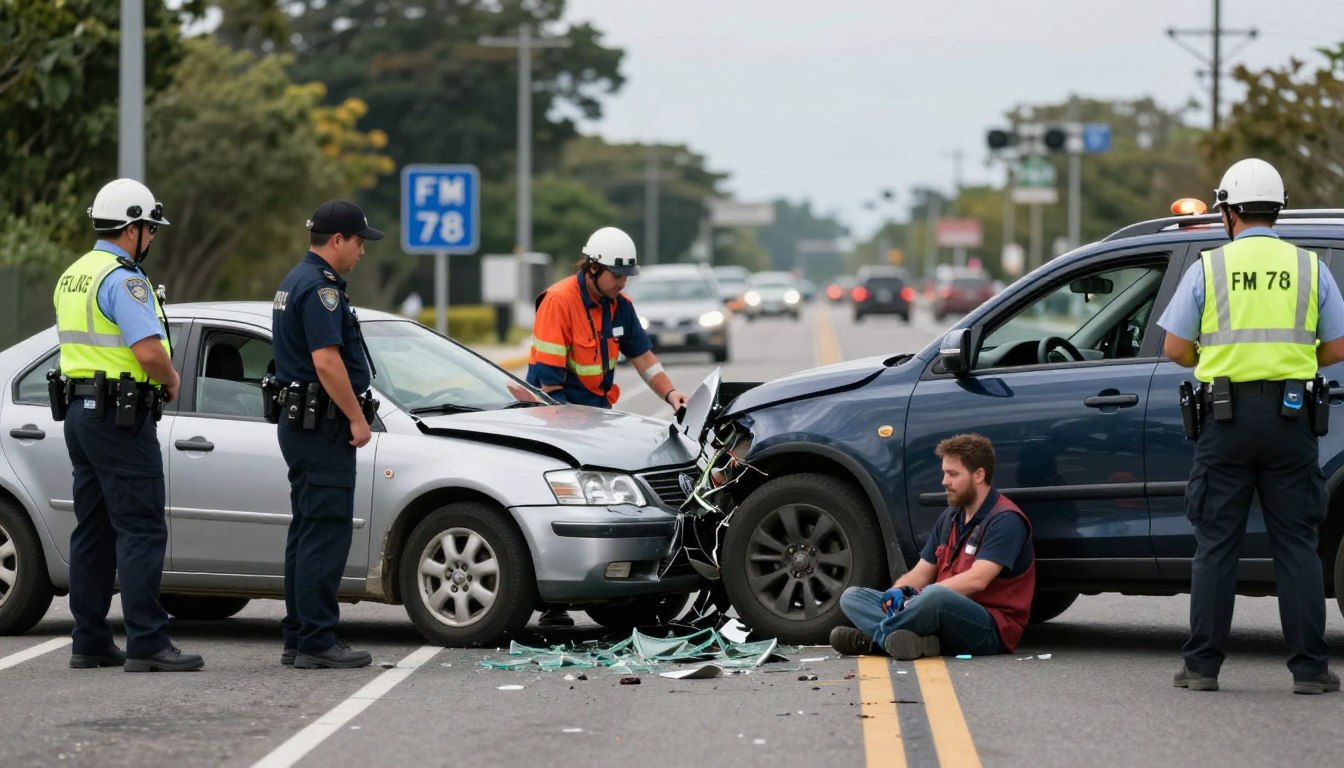
You need clear steps after an unexpected crash on a busy road. If a woman like Carolyn McCall was struck in Schertz and later died at Brooke Army Medical Center, it shows how quickly a routine trip near San Antonio can turn serious.
First, make safety your priority. Move to a safe spot if your vehicle is operable. Call the police so an official report records the scene and any injuries.
Next, check yourself and others for injuries. Even mild symptoms can worsen, so seek medical care right away. Take photos of damage and the road layout when it is safe to do so.
Document names, contacts, and witness statements. These details protect your rights and help with insurance and any legal steps. Acting calmly and promptly makes a big difference.
Key Takeaways
- Prioritize safety and move off the travel lanes if you can.
- Call local authorities to ensure an official police report is made.
- Seek medical attention for any injuries, even if minor at first.
- Document the scene, vehicle damage, and witness information.
- Stay calm and follow official guidance to protect your rights.
Understanding the Risks of a Car Accident FM 78
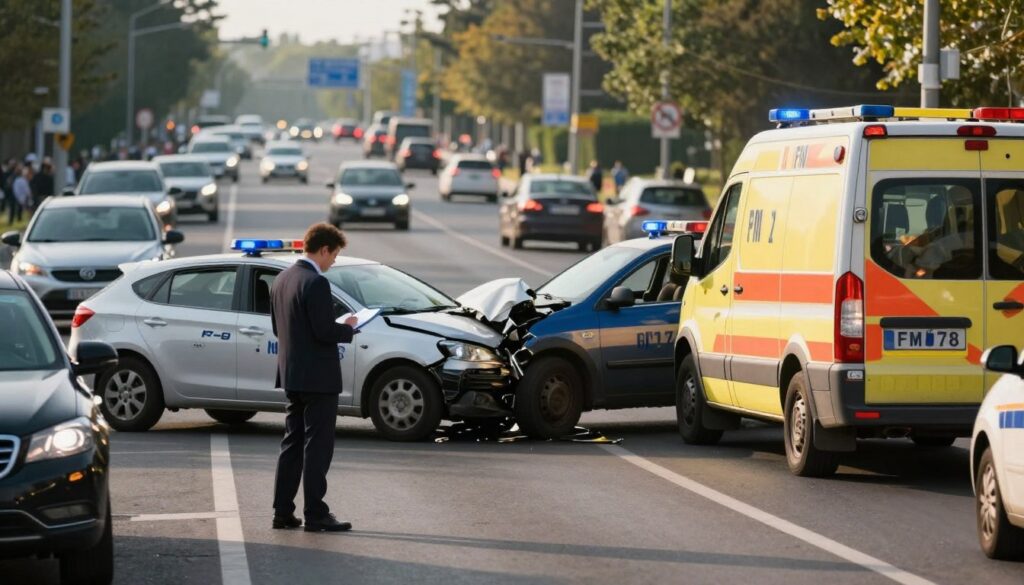
Understanding why these collisions happen helps you avoid them on busy routes.
The recent crash near San Antonio shows how quickly things can turn dire. A 21-year-old woman needed emergency extraction after a head-on impact. Firefighters cut her from the vehicle to free her.
Factors Contributing to Head-on Crashes
Head-on impacts often start when a driver crosses the center line. That behavior leads to high-speed, direct forces that cause serious trauma.
The Danger of Wrong-Way Driving
Wrong-way driving remains a major threat. Investigators are checking whether a 43-year-old suspected wrong-way driver was intoxicated. Local police are examining evidence and statements.
| Factor | How it Happens | Typical Outcome |
|---|---|---|
| Center-line crossing | Driver drifts or passes unsafely | Head-on collision, severe injuries |
| Wrong-way driving | Vehicle moves against traffic flow | High-impact crashes, fatalities |
| Impairment | Alcohol or drugs affect judgment | Delayed reactions, legal consequences |
| Poor visibility | Night, bad weather, obscured signs | Increased collision risk |
You should stay alert and keep to your lane at all times. Doing so helps prevent tragedies and supports the work of responding police and emergency crews on the road.
Immediate Steps to Take After a Collision
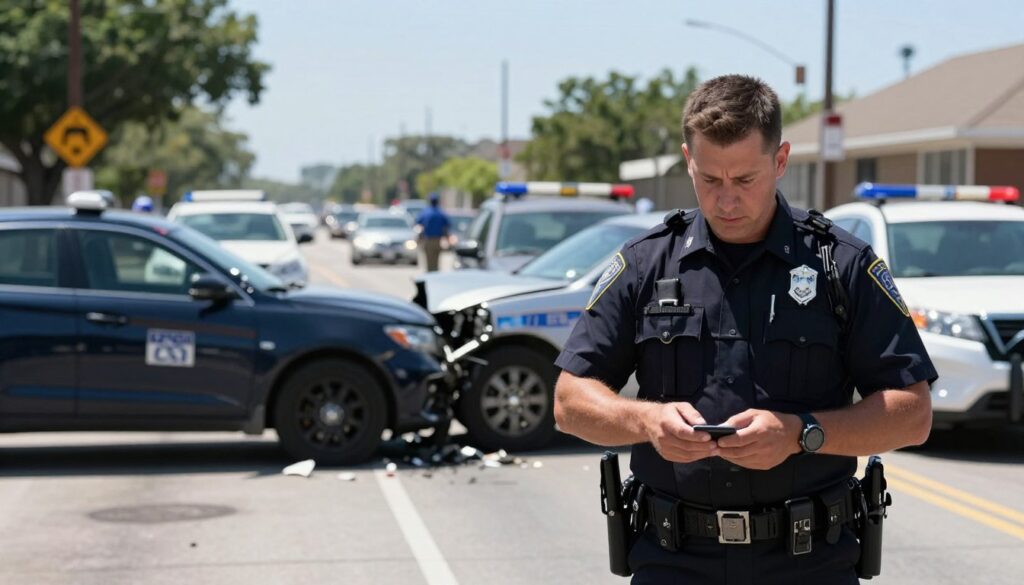
When a sudden collision happens in the middle of the night, quick, calm steps save lives.
Call the San Antonio police right away to secure the scene and get emergency responders en route. If you can, move to a safe spot off the road without leaving the area of the event.
A crash around 2:30 a.m. left a male driver dead at the scene and sent a female driver to Brooke Army Medical Center with serious injuries. That outcome shows how dangerous head-on impacts can be.
- Keep yourself and others safe while you wait for first responders.
- Document the scene with photos and gather witness names and contact details.
- Do not try to move a severely damaged vehicle; this can worsen injuries and hinder the police investigation.
- If you feel any pain, insist on transport to the nearest hospital for evaluation.
Stay cooperative with responders and share factual statements with the police to help the investigation and protect your rights.
Common Injuries and Medical Considerations
Severe trauma from a high-speed impact often requires rapid, specialized care. You should expect that head-on impacts can cause head, brain, spinal, and abdominal injuries that need prompt evaluation at a hospital.
Recognizing Life-Threatening Trauma
Not all serious injuries are obvious right away. Watch for loss of consciousness, severe headache, confusion, trouble breathing, or uncontrolled bleeding. Seek emergency care immediately if these appear.
- Medical teams at centers like Brooke Army Medical Center treat complex, multi-system injuries after a high-speed vehicle crash.
- A woman who survives a major impact may need long-term rehab for pelvic, chest, or rib injuries.
- If you, as the driver, feel neck or back pain, insist on a full spinal evaluation to rule out cord injury.
- The police report often records the extent of injuries for each person involved and supports later care or claims.
- Internal trauma can be silent; imaging and observation at the hospital are vital even when you feel stable.
| Injury Type | Common Signs | Typical Care |
|---|---|---|
| Head / Brain | Confusion, vomiting, unconsciousness | CT scan, neurosurgical evaluation, monitoring |
| Spinal | Neck/back pain, numbness, weakness | Spinal immobilization, MRI, possible surgery |
| Abdominal / Internal | Pain, tenderness, low blood pressure | Imaging, observation, surgical intervention if needed |
| Chest / Rib | Difficulty breathing, bruising, chest pain | Chest X-ray, pain control, respiratory support |
Professional Collision Repair Services
Timely, expert collision work ensures your vehicle meets safety standards again.
Miracle Body and Paint Collision Center has served the San Antonio area for 30 years. Their technicians each bring over a decade of professional experience. This depth of skill helps when a police report documents a crash and you need reliable repairs.
The shop focuses on restoring structural safety and proper alignment before you return to driving. They handle everything from frame straightening to paint and electronics checks.
- North West San Antonio – Leon Valley: 6217 Grissom Rd., San Antonio, TX 78238 — (210) 680-1987
- North East San Antonio: 4650 Walzem Rd, San Antonio, TX 78218 — (210) 858-3630
| Service | What It Fixes | Why It Matters |
|---|---|---|
| Structural repair | Frame alignment, welds | Restores crashworthiness and safety |
| Paint & finish | Exterior panels, corrosion protection | Protects value and prevents rust |
| Mechanical checks | Suspension, steering, electronics | Ensures reliable function for the driver |
Conclusion
Prompt, calm action after a serious roadway event helps protect your wellbeing and property.
Prioritize your health by seeking medical care for any injuries, even if symptoms seem minor at first. Getting checked early supports recovery and documents treatment for any claims.
For reliable vehicle repair, hire Miracle Body and Paint Collision Center to restore your vehicle to pre-loss condition. Their team has 30 years of experience serving the region.
Two locations to serve you in San Antonio:
North West San Antonio – Leon Valley: 6217 Grissom Rd., San Antonio, TX 78238 — (210) 680-1987
North East San Antonio: 4650 Walzem Rd, San Antonio, TX 78218 — (210) 858-3630

