

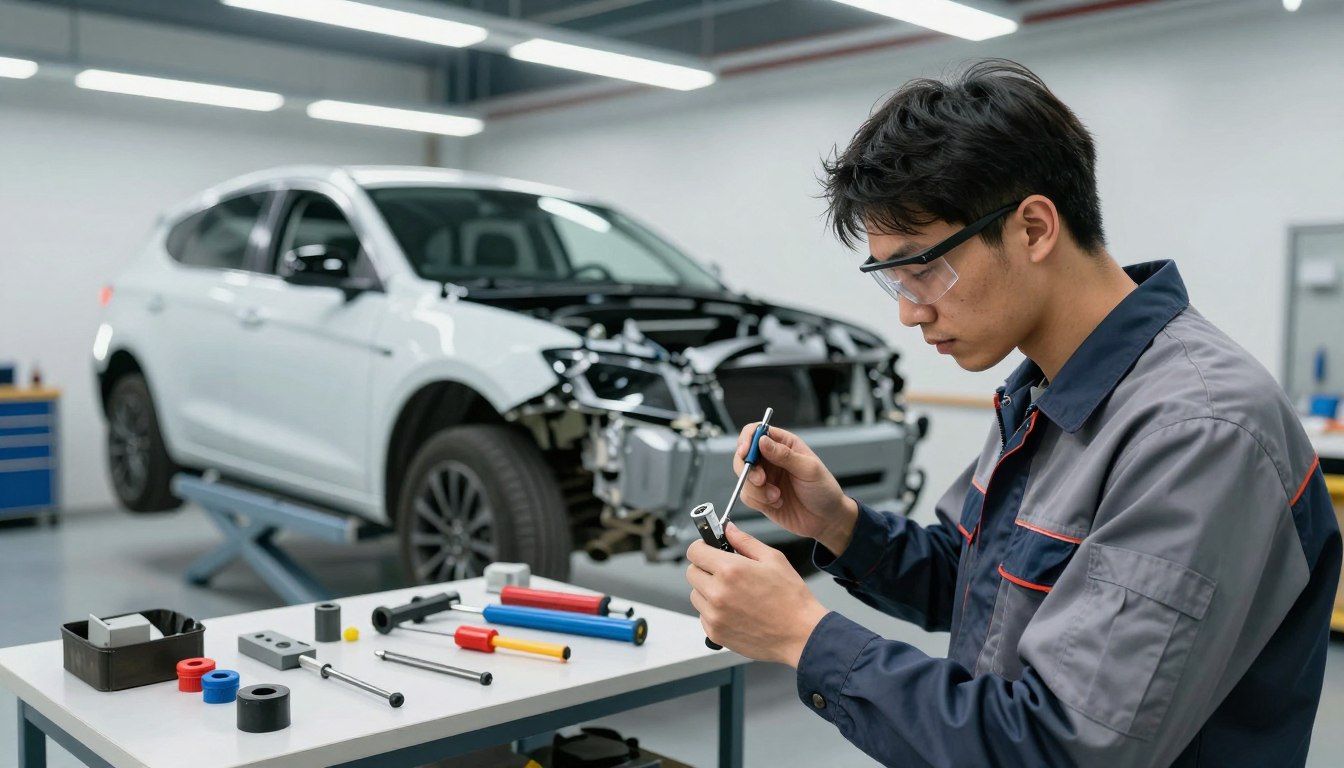
You deserve complete peace of mind when picking up your car from the shop. Restoring a vehicle to its pre-accident state is vital for your safety and your wallet. Miracle Body and Paint in San Antonio ensures every auto repair meets the highest professional expectations.
Many customers have a stressful experience because they lack the specific knowledge needed for inspections. They often overlook hidden issues during the standard walkthrough process. Understanding vehicle repair quality helps you identify if the shop performed the work correctly before you leave.
You must ensure the final quality matches original factory specs to maintain the resale value. This guide explores how to check cars and larger vehicles using simple yet effective methods. Spotting red flags early is essential for protecting your car and ensuring your family stays safe on the road.
Key Takeaways
- Examine the paint for texture and color consistency.
- Check for narrow and even gaps between body panels.
- Verify that all doors and the trunk close easily.
- Test all headlights and blinkers for proper function.
- Listen for unusual noises during a brief test drive.
- Review all repair records and warranty documentation.
Why Vehicle Repair Quality Matters After a Collision
Understanding why professional auto repair standards matter can save you from future headaches and safety risks. High vehicle repair quality ensures that your car’s structural integrity remains intact for years to come. When shops do not handle repairs correctly, safety features like airbags may fail during another impact.
Investing in a professional service saves you time and money in the long run. Substandard quality work often leads to recurring problems and expensive maintenance down the road. Ultimately, professional auto repair protects the reliability of modern vehicles.
| Repair Aspect | Professional Standard | Substandard Work |
|---|---|---|
| Safety Systems | Fully Functional | Potentially Faulty |
| Resale Value | Maintained | Significantly Reduced |
| Frame Integrity | Factory Grade | Compromised |
Excellence in workmanship also impacts your financial future directly. Insurance companies use specific benchmarks to judge the quality of work performed on your car. Following these guidelines ensures you avoid coverage issues or failed inspections later on.
- Safety First: Ensures crumple zones function as the manufacturer designed.
- Performance: Prevents premature tire wear and alignment issues.
- Value: Protects your investment by meeting rigorous industry benchmarks.
1. Inspect the Paint Quality and Finish Carefully
Identifying a great job starts with a close look at the paint and its color. A professional shop invests in modern equipment and specialized tools to ensure the quality of their work meets your expectations. By following manufacturer standards, these facilities ensure your auto looks new after a collision repair.
Check for Accurate Color Matching
Color matching is one of the most visible indicators of a high-end repair. You should inspect the painted area under different lighting conditions, such as natural sunlight and shade, to ensure a perfect match. Professional technicians use computerized systems to analyze the paint code and account for natural fading over time.
Look for Overspray and Texture Inconsistencies
Overspray happens when paint particles land on areas like trim or windows, indicating careless masking. Texture inconsistencies, such as a rough “orange peel” effect, suggest a lack of training or rushed techniques. A facility with deep experience will ensure the texture remains consistent and smooth across the entire vehicle.
Examine the Clear Coat Application
The clear coat should be glossy and uniform without any cloudiness or dull variations. Run your hand gently across the transition between old and new paint to ensure you feel no ridges or sharp edges. This level of quality ensures your repair stays protected, and a top-tier shop will always guarantee a seamless blend.
| Feature | Professional Finish | Poor Quality Signs |
|---|---|---|
| Color Match | Invisible transition in sun | Visible shade differences |
| Texture | Smooth and consistent | Orange peel or rough spots |
| Overspray | Clean trim and windows | Paint on seals or glass |
| Clear Coat | High gloss and uniform | Dull spots or cloudiness |
2. Examine Panel Gaps and Body Alignment
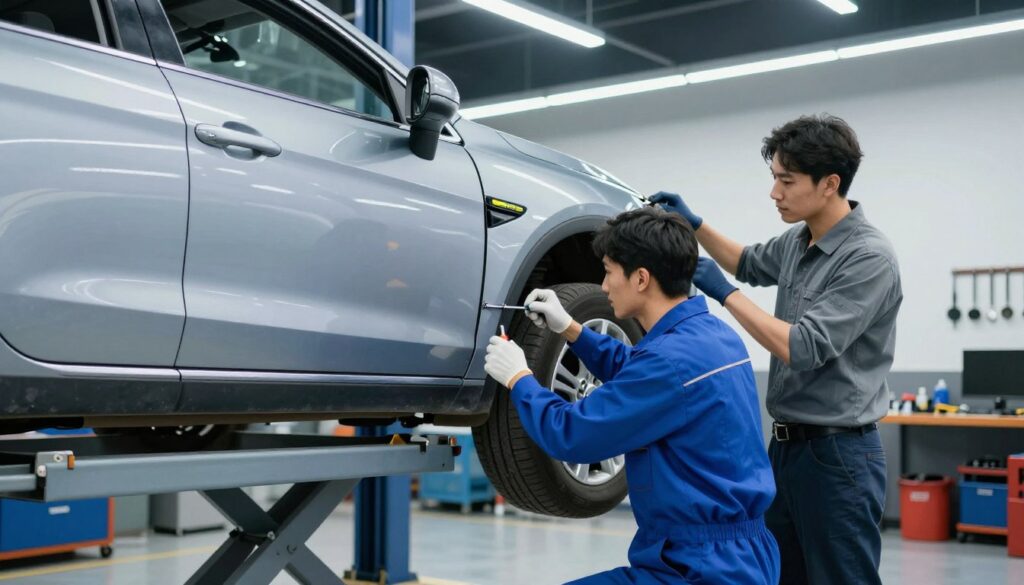
Evaluating how well your car’s exterior components fit together can reveal a lot about the expertise of the technicians who handled the job. Professional shops use specialized tools to ensure every panel sits exactly as the manufacturer intended. High quality results rely on these precise measurements to restore the car’s original look.
When someone rushes the work, the resulting gaps often appear uneven, wide, or tapered. Proper alignment is not just about looks; it ensures that your car remains aerodynamic and quiet on the road. A flawless repair means your vehicle should look like it never left the showroom floor.
Measure Door and Hood Gap Consistency
You should walk around your car and look at the spaces between the doors, hood, and fenders. These panel gaps should be uniform and typically measure between 3 to 5 millimeters. If you notice a gap narrowing or widening at one end, the repair did not align the replacement parts correctly.
Uneven gaps can lead to annoying wind noise or even water leaks during a storm. Precision is key when fitting these large exterior panels back onto the frame. Always check that the hood sits level with the fenders when it is fully latched.
Check Trunk and Bumper Alignment
A properly installed bumper should align perfectly with the surrounding components without any protruding edges. The trunk should close flush against the body and engage the latch smoothly without requiring extra force. Misaligned edges often suggest a lack of experience in auto body restoration.
| Alignment Area | Standard Result | Sign of Poor Fix |
|---|---|---|
| Panel Gaps | Uniform 3-5mm | Uneven or tapered |
| Latches | Smooth engagement | Requires heavy force |
| Surfaces | Flush and level | Protruding or sunken |
Verify Symmetry Between Both Sides of the Vehicle
Comparing the damaged side to the original side is a great way to verify the repair. Both sides of your vehicles must mirror each other perfectly in terms of depth and spacing. Any visible difference in how the panels sit indicates that the structural work remains incomplete.
Proper symmetry ensures that safety features like crumple zones will work correctly in the future. Quality shops take the time to adjust every hinge and mounting point for a factory-level finish. If the doors sit flush on the left but stick out on the right, the job is not done.
3. Verify Structural Integrity and Frame Alignment
Structural safety represents the hidden foundation of quality repair work after a serious crash. It ensures your car handles correctly and protects you during future impacts. Modern vehicles rely on precise engineering to maintain the safety cage around passengers.
Request Frame Measurement Documentation
Professional technicians use computerized measuring equipment to check dozens of points on your vehicle. This technology compares your vehicle’s current state to original factory standards. You should always ask for a printout showing the measurements taken before and after the work.
A reputable shop provides these digital records to prove they restored the structural integrity. This transparency ensures the frame is within millimeters of its original design. Without this data, you cannot be certain the vehicle is truly safe to drive.
| Verification Step | Requirement | Verification Tool |
|---|---|---|
| Frame Alignment | Millimeter Precision | Laser Measuring System |
| Structural Points | Factory Specifications | Computerized Reports |
| Weld Integrity | Zero Cracks or Gaps | Visual and Ultrasonic |
Look for Signs of Structural Compromise
Even small misalignments can cause noticeable problems during daily driving. Watch for doors, hoods, or trunks that do not close smoothly or have uneven gaps. These issues often suggest the auto body was not pulled back to its correct shape.
Pay close attention to how the car performs on the road. Steering that pulls to one side or unusual tire wear patterns are major red flags. These symptoms indicate the repair failed to address deep structural shifts.
Inspect Welding Quality and Repair Points
Structural services require specialized training to master modern welding techniques. Inspect the metal joints for consistent, smooth beads that show proper heat penetration. Avoid work that shows excessive spatter, cracks, or messy patches.
Properly trained staff use the right tools to replicate the factory’s original strength. They focus on restoring engineered crumple zones rather than just making the vehicle look straight. High-quality welding is your primary defense in the event of another collision.
4. Test All Mechanical Components and Functions
Modern vehicles are rolling computers, making it essential to test every electronic and mechanical function post-repair. A high-quality auto service involves more than just fixing bent metal on your car.
Professional technicians must use specialized diagnostic equipment to ensure every system communicates correctly. This comprehensive testing verifies that the vehicle is safe for the road after a major repair.
Check All Lights, Sensors, and Electronics
Every light on your car must function perfectly, from turn signals to brake lights. Collision damage often affects hidden wiring harnesses or mounting points. Advanced repairs require precise training to recalibrate sensors for blind-spot monitoring or lane-keeping assist.
Professional facilities use diagnostic scan tools to check for stored error codes. This service ensures that hidden electronic failures do not emerge later. It confirms that all replacement parts work together as the manufacturer intended.
Test Door Locks and Window Operations
You should systematically check every door lock and power window before leaving the repair facility. Shops use specific tools to verify that moving components were not jarred out of place during the impact. This step helps identify any lingering issues with latches or mirrors immediately.
Verify Climate Control Systems Function Properly
Ensure your air conditioning and heating operate at full capacity. Impact can damage refrigerant lines, blower motors, or delicate internal ductwork. Quality repairs verify that all new parts integrate seamlessly with your vehicle’s existing climate systems during the final repair phase.
5. Review Documentation and Replacement Parts Used
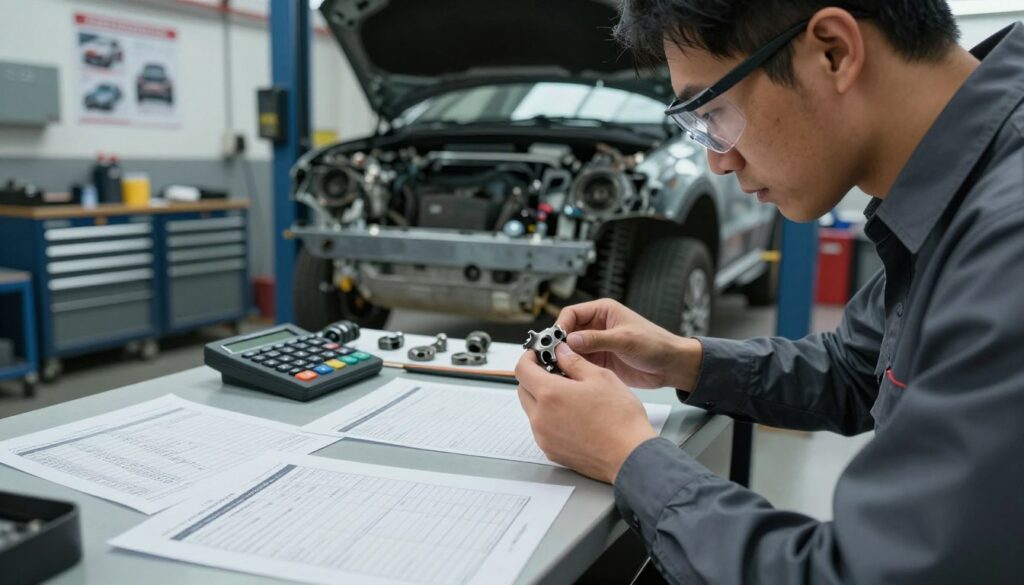
Before you drive away, you must scrutinize the paperwork to ensure the vehicle repair quality meets your expectations. A reputable repair shop maintains total transparency by providing a paper trail for every bolt and panel replaced. This step confirms that the auto repair was completed using the specific components you authorized.
Verify OEM or Quality Aftermarket Parts Were Installed
The type of parts used in your collision repair significantly impacts your car’s safety and longevity. OEM (Original Equipment Manufacturer) components are made to exact factory specifications. These items usually include manufacturer warranties to ensure a perfect fit and finish.
Quality aftermarket components from certified makers can also be reliable alternatives. However, the shop should maintain clear communication regarding these choices. Ensure you understand any differences in quality or coverage before you accept the final work.
| Feature | OEM Parts | Quality Aftermarket |
|---|---|---|
| Fitment | Factory Exact | High Compatibility |
| Warranty | Manufacturer Backed | Provider Specific |
| Performance | Original Standard | Certified Equivalent |
Check Detailed Receipts and Invoices
A professional auto repair facility will provide an itemized invoice for all services performed. This list should include every part by name and its specific part number. This allows you to verify exactly what the technician installed on your car.
Comparing this list to your initial estimate helps you catch any unauthorized changes. It ensures the repair shop did not substitute inferior items without your knowledge. Clear documentation is a sign of a trustworthy business that values your safety.
Confirm Insurance Documentation Accuracy
Your insurance paperwork must align perfectly with the actual repair work done on your vehicle. Discrepancies here can lead to billing issues or future safety concerns. Always review these documents for accuracy before signing the final release form.
- Request before and after photos of the damaged areas to see the progress.
- Check for written warranties on both labor and the parts used.
- Verify that all billed services appear on the final vehicle invoice.
6. Conduct a Comprehensive Test Drive
Verifying the success of collision repairs requires more than just a visual inspection; it demands a real-world road test. You must take enough time to drive the car on various surfaces to uncover hidden issues. A professional repair should restore your vehicle to its exact pre-accident performance and reliability.
Listen for Any Unusual Noises or Rattles
Pay close attention to any new sounds like squeaks, rattles, or vibrations during your drive. These noises often suggest that the technician did not secure small components properly during the restoration work. If the auto sounds different than it did before the accident, it likely needs more attention from the mechanics.
Evaluate Steering Response and Handling
The steering should feel centered and precise as you navigate through turns. Your vehicle must track straight on a flat road without pulling to either side. If the car feels loose or drifts, the repairs might be incomplete or the alignment might be off.
Check how the suspension reacts when you drive over small bumps or uneven pavement. Any clunking or excessive bouncing indicates that the structural or suspension parts need further adjustment.
Test Braking Performance and Alignment
Find a safe area to test the brakes for even force and confident stopping power. You should not feel any pedal pulsation or see the nose of the car dive unevenly to one side. Addressing these issues immediately ensures the final repair meets the highest safety standards.
| Performance Check | Desired Result | Warning Signs |
|---|---|---|
| Steering Feel | Precise and centered | Drifting or pulling |
| Braking | Smooth and even force | Pulsation or grinding |
| Noise Level | Quiet cabin | Rattles or whistling |
Never settle for a car that feels different than it did before the collision. Every complete repair deserves a thorough inspection to keep you safe on the road.
7. Confirm Warranty Coverage and Shop Certifications>
You should always verify that a collision center employs a certified staff and provides clear written guarantees. Working with a repair shop like Miracle Body and Paint Collision Center ensures your car receives the highest vehicle repair quality. These facilities stand behind their work and value customer service above all else.
Understand the Warranty Terms and Coverage Period
Professional repair shops provide protection for both parts and labor to ensure long-term satisfaction. Most warranties range from one year to a lifetime guarantee, depending on the specific tasks performed.
You must ask the shop for a clear explanation of these terms before they begin. This transparency ensures you do not face unexpected costs if a part fails later.
Verify the Shop’s Professional Certifications
Look for ASE (Automotive Service Excellence) labels when you visit a repair shop. This certification shows the staff passed hard exams and maintains current training in modern collision techniques.
Top auto facilities invest in their staff for many years to keep up with evolving vehicle technology. A shop with a great reputation will always display these badges proudly in the lobby.
Obtain Written Guarantees for All Repair Work
Clear communication helps you understand your rights as a customer throughout the entire process. A reputable auto facility provides written papers on company letterhead rather than just giving a verbal promise.
This document lists the specific parts and the quality of the service they perform on your vehicle. These repair shops care about their reputation and your long-term customer satisfaction. Excellent customer service means being honest about what your coverage includes.
| Factor | What to Check | Benefit |
|---|---|---|
| Certifications | ASE and I-CAR | Verified training |
| Warranties | Labor and Parts | Long-term quality |
| Documentation | Written Guarantees | Customer security |
Conclusion
Evaluating vehicle repair quality helps you maintain the long-term value of your investment. By inspecting your car carefully, you ensure the repairs meet professional standards. This knowledge empowers you to make informed decisions about your vehicle maintenance and safety.
A reputable repair shop relies on online reviews and feedback from every customer. These shops build their reputation over years through consistent service and quality parts. You deserve an experience where clear communication and expert staff handle any problems or issues. Professional reviews often reflect the feedback of other customers who value excellence.
Selecting a trusted shop provides peace mind that your auto meets vehicle repair quality standards. Miracle Body and Paint Collision Center offers auto repair with professional services for all vehicles. Our staff uses a proven maintenance repair process to restore your confidence and your vehicle.
Every customer receives recommendations based on their specific maintenance needs. Contact our North West San Antonio repair shop at (210) 680-1987, 6217 Grissom Rd., San Antonio, TX 78238. You can also visit our North East San Antonio repair shops for expert repairs maintenance at (210) 858-3630, 4650 Walzem Rd, San Antonio, TX 78218.
Trust our reliability and quality to handle auto repair for your car and cars. We provide the services, service, and parts that keep this shop and other local shops at the top for vehicle care. Experience the difference that professional care makes for your auto today.

