

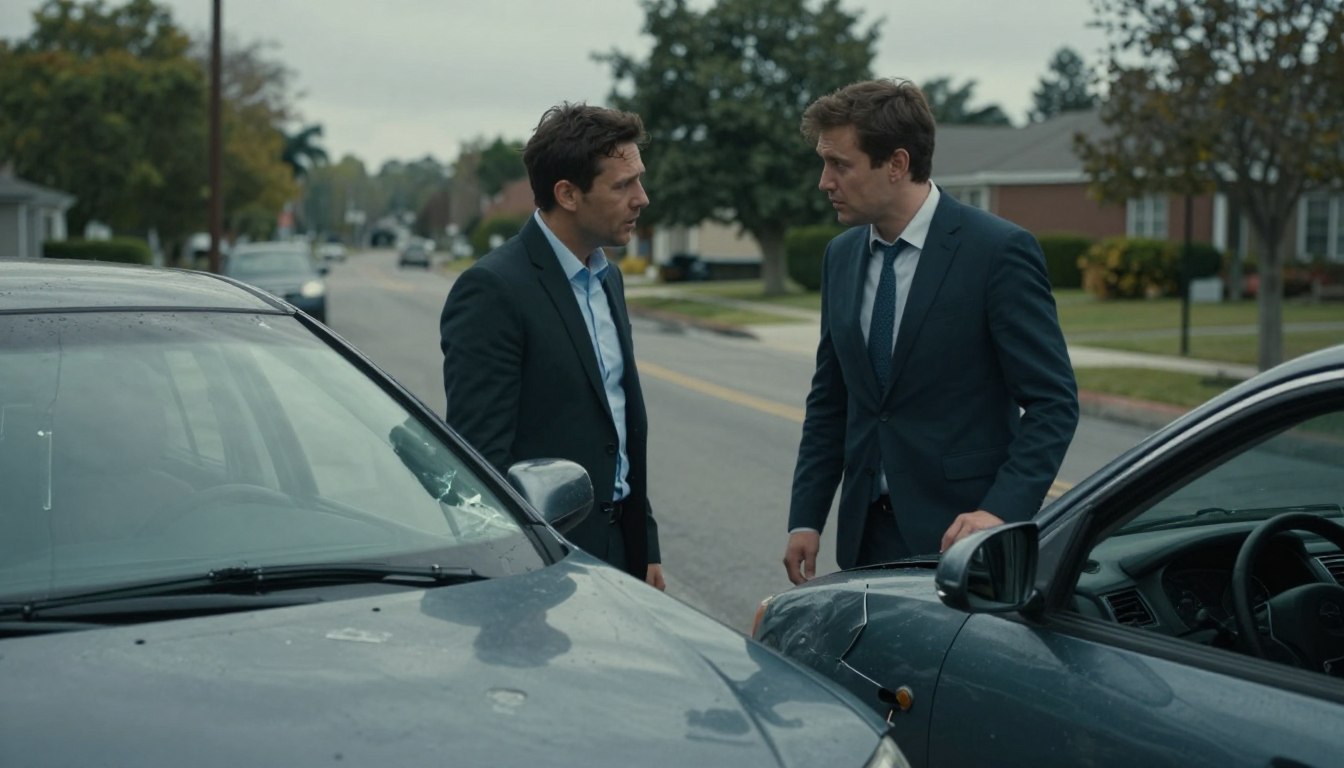
You are driving through the streets of San Antonio when a sudden car accident changes your day. After checking for injuries, you find the person who hit uninsured driver status applies to has no coverage. This moment feels heavy with stress and worry about your financial future.
Data from a 2025 study by the Insurance Research Council shows 15% of motorists lacked coverage in 2023. This means roughly 1 in 7 drivers on the road poses a great risk to your wallet. Meeting an uninsured driver is a common event rather than a rare risk in today’s world.
While the situation feels hard, you have clear paths to get help. This guide explains how your auto insurance helps and what legal steps protect your rights. You will learn about vehicle repairs and the claims process to regain your confidence after a difficult accident.
Key Takeaways
- National statistics show 1 in 7 motorists lack proper coverage.
- Uninsured motorist coverage serves as your primary financial shield.
- Immediate documentation at the scene is critical for your claim.
- Professional repairs can restore your vehicle to pre-collision condition.
- Legal resources are available to help you navigate the recovery process.
- You can manage the aftermath with the right actionable steps.
Understanding the Uninsured Driver Problem
Recent Insurance Research Council reports indicate that about 1 in 7 drivers nationwide doesn’t have auto insurance. Even though most states require liability insurance, not every person on the road follows the law. This creates a massive uninsured driver problem that impacts everyone.
Many people fail to keep their driver insurance because of high costs or lapsed plans. Others simply ignore the law, though this does not excuse their actions. Even in a state where laws mandate coverage, enforcement gaps mean you could still meet a negligent driver during your commute.
Safe people who follow the law often face serious money risks because of the mistakes of others. This problem affects all areas, including San Antonio and other South Texas spots.
Learning about these risks is the first step in staying safe after a sudden accident. You must know your legal rights when a driver causes an accident but lacks proper insurance.
Immediate Steps After an Uninsured Driver Accident
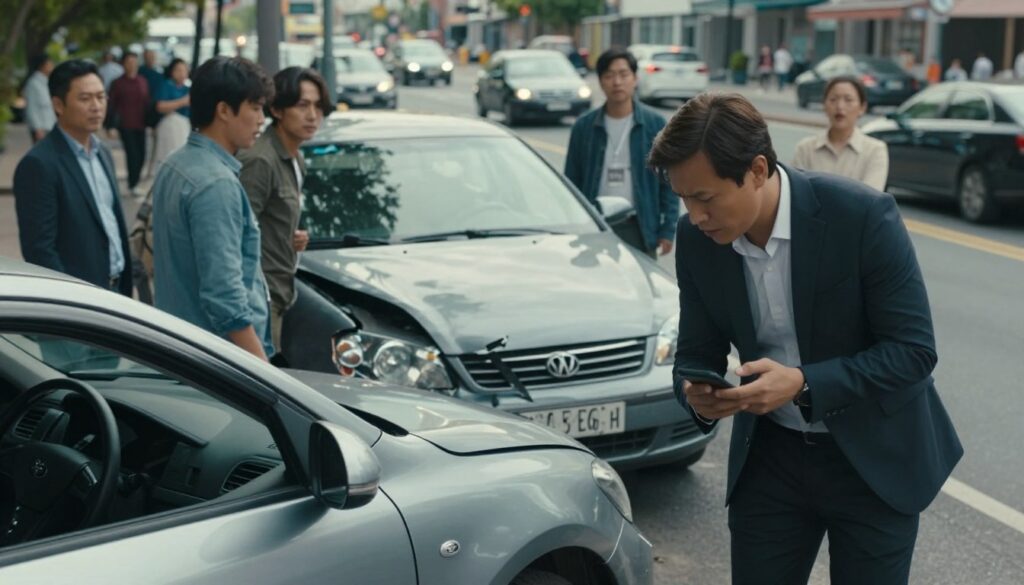
The moments following a collision with a motorist who lacks coverage are critical for your future legal claim. You must remain calm and follow specific steps to ensure your safety and financial protection. Handling the situation correctly right away can make a significant difference when you deal with insurance companies later.
Check for Injuries and Call 911
First, check yourself and your passengers for any injuries. Even if the impact felt minor, some conditions like whiplash or internal trauma do not show symptoms immediately. If anyone feels pain or appears dazed, call 911 right away to get medical help at the accident site.
If it is safe to do so, move your vehicle out of the flow of traffic. Turn on your hazard lights to alert other motorists and prevent a secondary accident uninsured driver event. Staying in the middle of a busy road increases the risk of further harm to everyone involved.
Contact the Police and File a Report
You must contact the police regardless of what the other person says. An officer will arrive to document the scene and talk to both parties. This official police report serves as the primary evidence for your insurance claim.
Be sure to tell the officer that the other driver does not have insurance coverage. The report will include their statement and the officer’s findings about the crash. This document is essential because it provides an unbiased account of the details surrounding the event.
Exchange Information with the Other Driver
Even if you were hit uninsured driver, you still need to collect basic information from the other party. Ask for their full name, phone number, and driver’s license number. You should also write down the license plate and the make of their car.
If the person refuses to give you these information points or tries to leave, notify the police immediately. Leaving the scene without stopping is a hit-and-run, which carries serious legal penalties. Keeping your own notes about the person’s appearance can help authorities find them later.
Document the Accident Scene Thoroughly
Use your smartphone to take clear photos of everything before moving the cars. Capture the damage on all vehicles from multiple angles and look for skid marks on the road. These photos provide irrefutable proof of how the collision occurred.
Look around for any witnesses who saw what happened and ask for their contact information. Independent statements can corroborate your version of the story. Strong documentation often speeds up the claim process with your own insurer.
Avoid Accepting Cash Settlements
An uninsured driver may offer you cash on the spot to avoid legal trouble. You should never accept this offer. Informal payments rarely cover the full cost of repairs or medical bills that appear days later.
Relying on the proper insurance steps protects your legal rights in the long run. By keeping everything official, you ensure you can pursue full compensation for all your losses. If you were hit uninsured driver, following the law is the best way to secure your recovery.
| Action Step | Main Goal | What to Collect |
|---|---|---|
| Call Emergency Services | Safety and Health | Medical assistance and police presence |
| Documentation | Evidence Collection | Photos of damage and road conditions |
| Identity Check | Legal Tracking | Name, license plate, and phone number |
| Witness Outreach | Corroboration | Names and numbers of bystanders |
| Official Filing | Insurance Validity | A certified copy of the police report |
Understanding Your Insurance Coverage Options
Your insurance policy serves as a critical shield when an uninsured motorist causes a wreck that leaves you with unexpected bills. When the other driver lacks the legal requirements to pay for your losses, you must rely on your own motorist coverage to bridge the financial gap.
Reviewing your current insurance plan helps you identify if your limits are sufficient for a serious accident. While some coverage options may seem redundant, they often work together to provide comprehensive protection after a crash.
Uninsured Motorist Bodily Injury Coverage
This protection, often called UMBI, acts as your primary financial safety net. It steps in to pay for medical treatment and rehabilitation for you and your passengers.
If an at-fault party has no insurance, UMBI handles bodily injury costs that would otherwise fall on your shoulders. It is essential to ensure your policy limits are high enough to cover long-term bodily recovery needs.
Uninsured Motorist Property Damage Coverage
Dealing with property damage after a collision is frustrating when the responsible driver cannot pay. This specific motorist coverage helps repair or replace your vehicle and other damaged property.
In many states, this coverage provides a clear path to getting your car back on the road. Without it, you might face significant out-of-pocket expenses to fix your property after a run-in with a reckless individual.
Collision Coverage
Collision coverage operates differently than other types because it pays for repairs regardless of who was at fault. This makes it a valuable protection tool even when dealing with an uninsured motorist.
You can use this motorist benefit to fix your car quickly without waiting for a lengthy investigation. It provides peace of mind, knowing your vehicle is protected against various motorist mishaps on the road.
Medical Payments Coverage
Medical Payments, or MedPay, provides immediate access to funds for medical bills for you and your passengers. You do not have to prove fault to access this specific coverage from your insurance policy.
This coverage offers quick relief for healthcare costs that accumulate rapidly after a crash. We also recommend consulting with an agent to ensure you have underinsured motorist protection for complete security.
- Review Your Policy: Always check your current limits before an accident occurs to avoid gaps.
- State Requirements: Remember that mandatory rules and available limits vary significantly by state.
- Consult Professionals: A small increase in your insurance premium can provide substantial peace of mind.
| Coverage Type | What It Covers | Fault Requirement |
|---|---|---|
| UMBI | Medical and rehab costs for bodily injury | Other driver at fault |
| UMPD | Vehicle and property repairs | Other driver at fault |
| MedPay | Immediate medical bills | No fault required |
Ultimately, having the right uninsured motorist protection ensures you aren’t left struggling. Combining motorist coverage with your standard policy creates a robust safety net for property damage and recovery.
Filing a Claim Against an Uninsured Driver

Navigating the aftermath of a collision with an at-fault driver who lacks coverage requires a strategic approach. You should not wait to see if the other person pays out of pocket for the damage. Instead, rely on your insurance contract to handle the financial burden safely and legally.
| Document Category | Required Items | Key Purpose |
|---|---|---|
| Official Records | Police report number | Verifies accident facts |
| Scene Evidence | Photos and witness notes | Supports damage claims |
| Policy Data | Your policy number | Identifies your coverage |
Notify Your Insurance Company Promptly
Contact your insurer immediately to report the accident. Even if you did not cause the crash, your policy usually requires fast notification. Early reporting helps the insurance company preserve evidence and witness memories while they are still fresh.
When you speak with the company, ask specifically whether uninsured motorist coverage applies to your situation. This clarity helps you understand which benefits you can access for medical bills or repairs. If you were hit uninsured motorists might flee, so your insurer becomes your primary resource for a claim.
Provide Complete Documentation and Follow Up
Filing successful claims depends on the details you provide. Give the agent your police report, the other driver‘s limited information, and thorough scene notes. Maintaining organized records of every call and email ensures nothing slips through the cracks during the process.
Stay in regular contact with your claims adjuster to prevent delays. A claim can stall if the insurer waits on a single missing document. If you provide a complete report of the accident, you strengthen your claim for fair compensation from the at-fault driver.
Always remember that a delay in filing your claim can jeopardize your rights. Most insurance providers have strict windows for reporting incidents. By acting quickly, you ensure the insurance company has no reason to deny your request for coverage or reduce your final settlement.
Seeking Medical Care and Keeping Records
Even if you feel fine, you should see a doctor right away to document any hidden injury. After a car accident, your body may be in shock, masking serious internal damage. Identifying an injury early prevents it from becoming a long-term health crisis while ensuring every injury is professionally noted.
Delaying medical care can severely harm your insurance claim. Since the other driver lacks insurance, your own provider will examine your records to prove the accident caused your harm. Gaps in treatment allow insurers to argue that your injuries were pre-existing or completely unrelated.
You must keep a meticulous record of all medical bills and treatment plans. Track your lost wages carefully by getting written proof from your employer about your missed work days. These bills and records for lost wages are vital evidence when you seek damages for your losses.
Following your treatment plan exactly as prescribed is crucial for recovery. Detailed records serve as the foundation for your case. Use the following list to organize your documentation:
- Keep all itemized bills and diagnostic test results.
- Maintain a log of every doctor visit and physical therapy session.
- Obtain written verification for all lost wages from your company.
- Pursue full damages by providing receipts for out-of-pocket costs.
| Document Type | Purpose | Evidence Category |
|---|---|---|
| Treatment Plans | Proves necessity of care | Medical |
| Doctor’s Notes | Links trauma to crash | Clinical |
| Wage Reports | Supports lost wages | Financial |
Comprehensive medical records provide the evidence needed to settle your case fairly. Without these documents, proving the extent of your financial and physical harm becomes much harder.
Getting Your Vehicle Repaired After the Accident
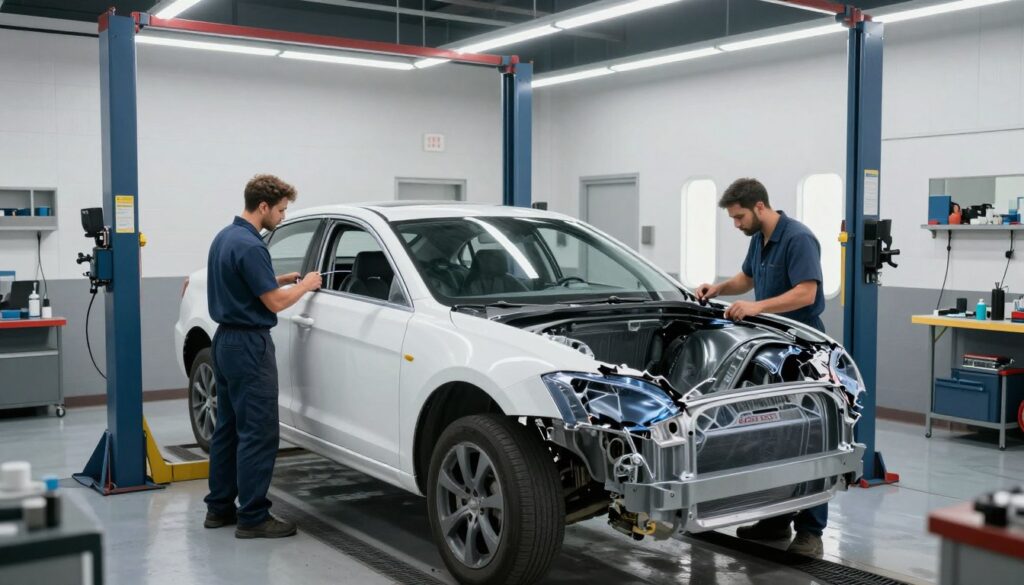
Restoring your auto‘s integrity is vital, especially when dealing with the complications of an uninsured motorist incident. You should first work with your insurer to assess any vehicle damage. They will typically send an adjuster to inspect your car or direct you to an approved facility.
You have the right to select your own repair shop for the claim regardless of company suggestions. We highly recommend Miracle Body and Paint Collision Center for their expertise and quality damage restoration. They offer two professional locations in San Antonio to serve you. Their team works directly with insurance companies to simplify the entire repair process for you.
Ask about rental options if your vehicle is undrivable during the car repairs. Your collision coverage helps pay for these costs even when an uninsured driver is at fault. Following these steps helps return your property to its pre-accident state. Always keep your coverage documents and repair estimates in one secure place.
Conclusion
Protecting your money after an accident with an uninsured driver starts with your insurance policy. Being a hit uninsured driver victim is stressful, but the right motorist coverage helps. Check your auto insurance for uninsured underinsured motorist options to cover damages and injury costs in your state.
You must act fast to report accident details and talk to your insurer. Save records of your lost wages and vehicle damage for your claims. Having clear information makes your car accident recovery much easier for every driver.
Always review your driver insurance to ensure you have high uninsured motorist coverage. This policy protects your auto from an irresponsible uninsured driver. Ensure your uninsured underinsured motorist coverage is ready before another accident occurs.
Trust Miracle Body and Paint Collision Center to fix your car after a car accident. We handle the damages and injury related repairs to get you back on the road. When you need to report accident damage, our team provides the best driver insurance claim assistance and coverage in San Antonio.
Contact our North West San Antonio – Leon Valley location at (210) 680-1987, 6217 Grissom Rd., San Antonio, TX 78238. You can also visit our North East San Antonio shop at (210) 858-3630, 4650 Walzem Rd, San Antonio, TX 78218. Let our experts handle your collision repairs today!

