

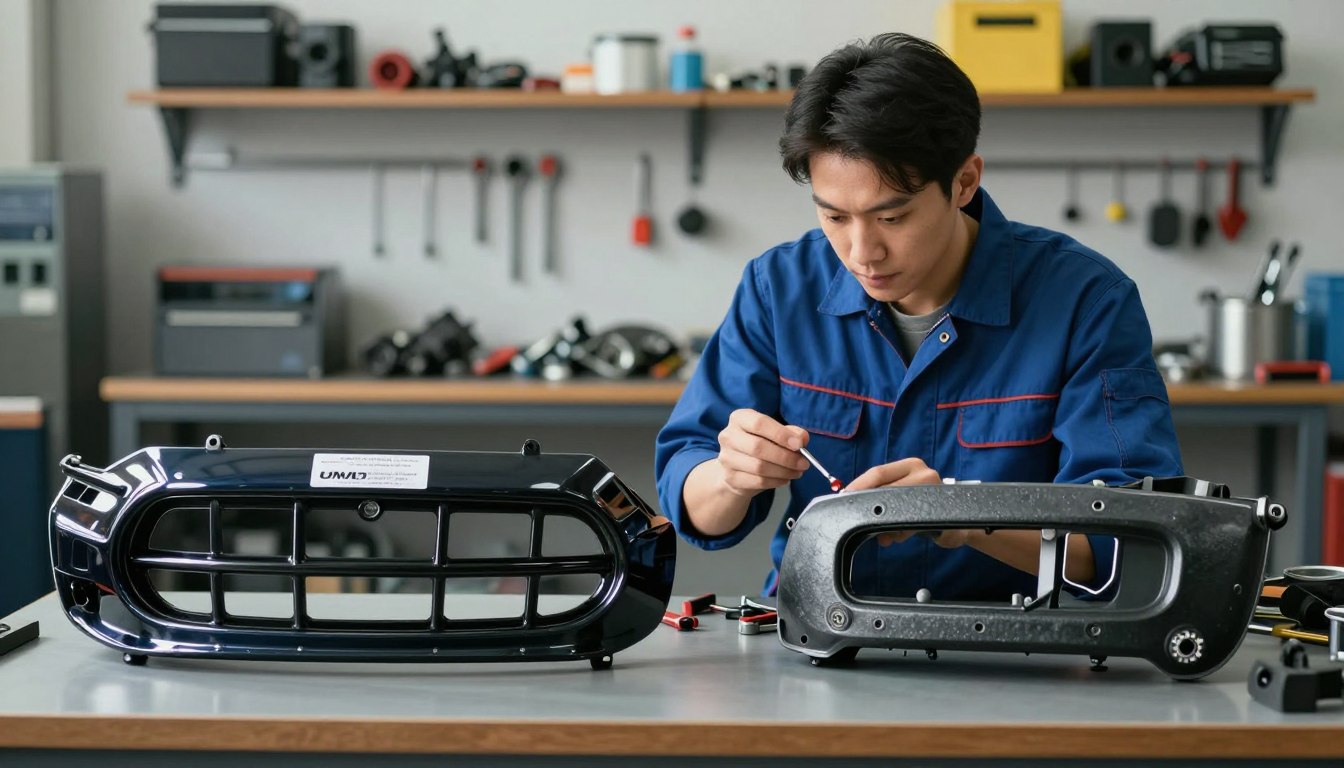
Many auto owners do not realize the wide selection of components available until their vehicle needs a repair. Quality can vary greatly between brands and manufacturers. Choosing the right items is key to returning your ride to top condition.
When faced with a repair, you must decide which aftermarket or oem options to purchase. This critical decision determines your car‘s safety and structural longevity. Understanding the difference helps you protect your investment and ensure your family remains safe.
The quality of a replacement can vary significantly across the collision industry. You deserve high-quality parts to restore structural integrity and safety systems. Our experts at Miracle Body and Paint Collision Center guide you through the oem parts vs aftermarket parts choice.
The items you choose impact your car‘s resale value and long-term dependability. Whether you face minor maintenance or major collision repair, your car deserves the best. Making the right choice ensures total peace of mind on the road.
Key Takeaways
- Decide between OEM and aftermarket to ensure your vehicle’s safety.
- Understand that component quality varies greatly across different brands.
- Protect your financial investment by choosing high-quality replacements.
- Restore your car’s structural integrity after any collision damage.
- Maintain higher resale value with the right repair choices.
- Rely on professional expertise to guide your selection process.
What Are OEM Parts?
Understanding the components that keep your car running safely starts with defining what an original equipment manufacturer actually provides. You deserve to know exactly what goes under the hood of your car during a repair or maintenance service.
Choosing the right components ensures your vehicle maintains its long-term value and high safety standards. These specialized items provide the peace of mind that comes from knowing your car functions just as it did when it first left the showroom floor.
Definition of Original Equipment Manufacturer Parts
An original equipment manufacturer (OEM) creates the specific components that your vehicle featured during its initial assembly. These oem parts are designed to meet the exact factory specifications and rigorous standards set by the car company.
When you purchase original equipment, you are getting a part that is a literal carbon copy of the one being replaced. This ensures perfect compatibility with your specific make and model without the need for modifications.
Usually, you can only find these specific items through an authorized dealership or directly from the manufacturer. Because they are official replacements, they carry the brand’s logo and a guarantee of functional consistency.
How OEM Parts Are Made and Sourced
Interestingly, many vehicle manufacturers do not create every single component in-house. Instead, they partner with a large network of specialized companies to produce high-quality systems like brakes, spark plugs, or sensors.
These external manufacturers follow strict blueprints to ensure every part meets rigorous safety and durability tests. The parts made through these partnerships undergo extensive validation, including environmental testing and reliability assessments.
Because this equipment manufacturer relationship is so integrated, the oem replacements remain identical to the factory originals. Most oem parts also come with a competitive warranty that outlines exactly how long the parts made for your car should last.
| Component Detail | Standard Requirement | Sourcing Channel |
|---|---|---|
| Fitment Precision | Exact Factory Spec | Authorized Dealer |
| Quality Testing | Validation & Reliability | Official Supplier |
| Warranty Support | Full Manufacturer Backing | Direct Official Sale |
What Are Aftermarket Parts?
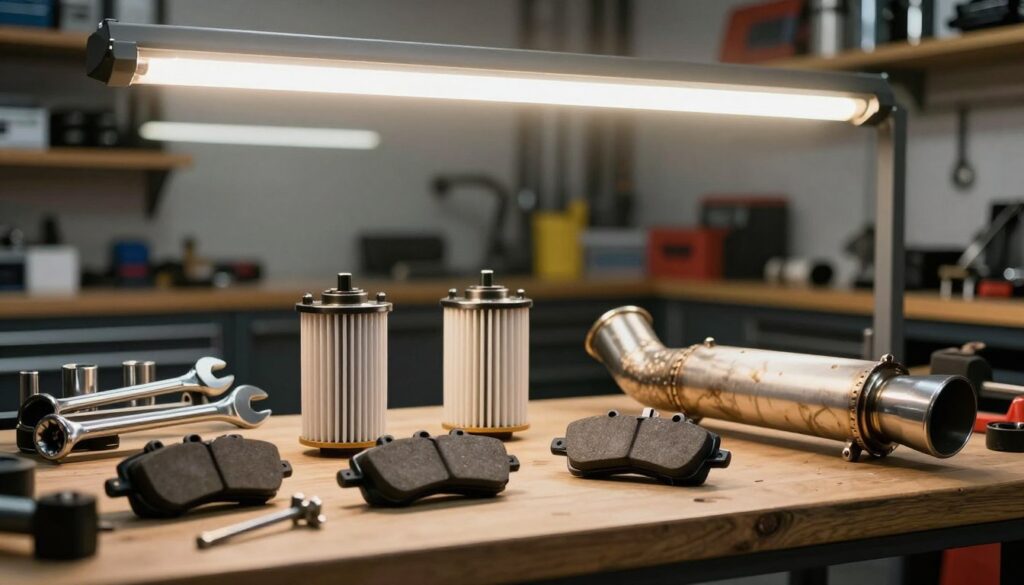
While original components come from the factory, aftermarket parts offer a different path for your automotive repairs. You should know that these components come from companies other than your vehicle’s original manufacturer. They provide alternative options for your daily replacement and maintenance needs.
The aftermarket car parts industry has grown substantially over the last decade. Numerous manufacturers now produce components that fit multiple vehicle makes and models without official factory authorization. You can choose from a wide range of quality levels depending on your specific budget.
Some premium aftermarket options meet or even exceed original standards. However, budget car parts might offer varying degrees of reliability for your vehicle. Because these parts do not always follow the same regulations as OEM components, the aftermarket market requires careful navigation.
You must understand that quality can vary between different aftermarket parts and the factories that produce them. Researching the manufacturer helps you identify which components will last the longest. This ensures you do not waste money on subpar replacements.
| Option Level | Quality Standards | Typical Reliability |
|---|---|---|
| Premium Brands | Meet or exceed OEM | High and consistent |
| Standard Brands | Comparable to factory | Reliable for daily driving |
| Budget Brands | Basic requirements | Variable and unpredictable |
Understanding Aftermarket Auto Parts
Understanding aftermarket auto parts means recognizing that these components serve various functions across different vehicle systems. Your aftermarket car parts choices have improved significantly as manufacturing technology advances. Many branded aftermarket options now offer performance that rivals your original equipment.
However, you should check for warranty coverage before buying components for your aftermarket car. Researching the expected lifespan of these aftermarket parts is essential for long-term savings. It ensures you select a component that keeps your aftermarket car running smoothly for many years to come.
The Wide Range of Aftermarket Brands
The range of aftermarket brands available to you includes several established industry leaders. You can find high-quality brands like Fel-Pro for gaskets or Gates for belts and hoses. Other trusted car parts include Monroe and KYB suspension components or Timken bearings.
Professional technicians often rely on these specific aftermarket brands for consistent results. They typically avoid generic aftermarket parts that lack a recognized name or track record. Using aftermarket parts from these brands provides the parts security that your vehicle deserves for daily safety.
OEM Parts vs Aftermarket Parts: Key Differences
You will notice that the primary difference lies in how manufacturers produce and test each individual part. While both options might look similar on the surface, their paths to your vehicle vary greatly. Understanding these details helps you maintain the high performance you expect from your part choice.
| Feature | OEM Components | Aftermarket Components |
|---|---|---|
| Manufacturing | Strict Factory Validation | Unregulated Standards |
| Fitment | Guaranteed Exact Fit | Universal or Generic Fit |
| Testing | Environmental & Reliability | Minimal or No Testing |
| Lifespan | Proven Track Record | Unknown Longevity |
Manufacturing Standards and Quality Control
Original oem components undergo rigorous qualification processes before they ever reach a shop. Vehicle manufacturers use extensive validation testing to check for environmental resistance and reliability.
They even send quality engineers to watch the assembly of subassemblies in person. This strict quality control ensures every component meets exact factory specs. Most generic brands do not follow these same rules or provide test data for their items.
Compatibility and Vehicle Fit
Your vehicle needs a precise fit to stay safe and look great on the road. Parts designed by the original manufacturer match your car’s exact engineering tolerances and mounting points.
These items work perfectly for exterior body panels that require seamless alignment. Choosing parts designed for your specific model prevents common assembly issues. Since these oem items are made for specific cars, they offer predictable longevity.
Warranty Coverage Differences
Your warranty protection changes significantly based on the components you choose. Most original items come with strong quality coverage backed directly by the car maker.
This warranty gives you confidence in your car’s long-term performance and safety. Generic options often have very little support or no protection at all. Choosing high-quality equipment protects your wallet from the costs of early failure.
Advantages of OEM Parts
When you decide to invest in original equipment manufacturer components, you choose a path of long-term reliability and safety. These components offer a level of certainty that generic alternatives simply cannot match for your long-term driving needs.
Guaranteed Quality and Performance
You gain guaranteed quality when you use oem parts because they meet exact engineering specifications. These components come with a proven track record backed by extensive manufacturer testing data and documentation.
This ensures your car maintains its intended handling and fuel efficiency over the years. A comprehensive warranty protects your repair investment if a specific part fails prematurely or underperforms.
Perfect Fit and Compatibility
Your vehicle requires precise specifications to function, and oem parts ensure every tolerance is met perfectly. Because these are the same components used in new assembly, you avoid common issues like poor alignment or gaps.
Choosing the right part means your safety systems remain uncompromised during daily operation. Ultimately, the superior performance of factory components provides peace of mind and maintains the quality of your car. A solid warranty further ensures your performance stays consistent.
| Feature | OEM Advantage | Owner Benefit |
|---|---|---|
| Engineering | Precise factory specs | Optimal safety and fit |
| Durability | Tested materials | Longer component life |
| Resale | Genuine parts history | Higher vehicle value |
Disadvantages of OEM Parts
You might find that sticking strictly to manufacturer-made components presents some notable challenges. While quality is high, the price tag often reflects that premium status. You must weigh these factors before making a final decision for your repair.
The dealership markup on original equipment can significantly increase your total repair bill. This happens even though the components may cost the same to produce as other versions. Your overall spending must account for both the price and higher labor rates.
Using these items often means you pay a premium for the brand name alone. This financial burden can be tough if you are working with a tight budget. It is especially difficult when maintaining an older vehicle with a lower market value.
Higher Cost at Dealerships
You will often encounter a much higher upfront cost when buying these items. Most of the time, you can only find oem parts at a local dealership. These locations usually charge premium prices compared to independent shops.
You also have to consider that these facilities often have much higher hourly rates. These technicians specialize in your brand, which adds to the total invoice. This financial pressure makes many drivers look for alternatives during major repairs.
Limited Availability and Options
Your options remain very restricted because you cannot shop around for different price points. If your car is older, the dealership might not even have the specific parts in stock. This can lead to long wait times while they order from a factory.
You cannot choose a less expensive tier to fit your budget or your vehicle’s remaining lifespan. This lack of flexibility often forces you to wait for shipping from distant manufacturer distribution networks. Independent shops rarely stock these specific components on their shelves.
| Factor | OEM Components | Aftermarket Alternatives |
|---|---|---|
| Average Cost | High / Premium | Lower / Budget-Friendly |
| Sourcing | Dealership Only | Multiple Retailers |
| Availability | Limited for older models | Widely available |
| Selection | Single choice | Various parts brands |
Advantages and Disadvantages of Aftermarket Parts
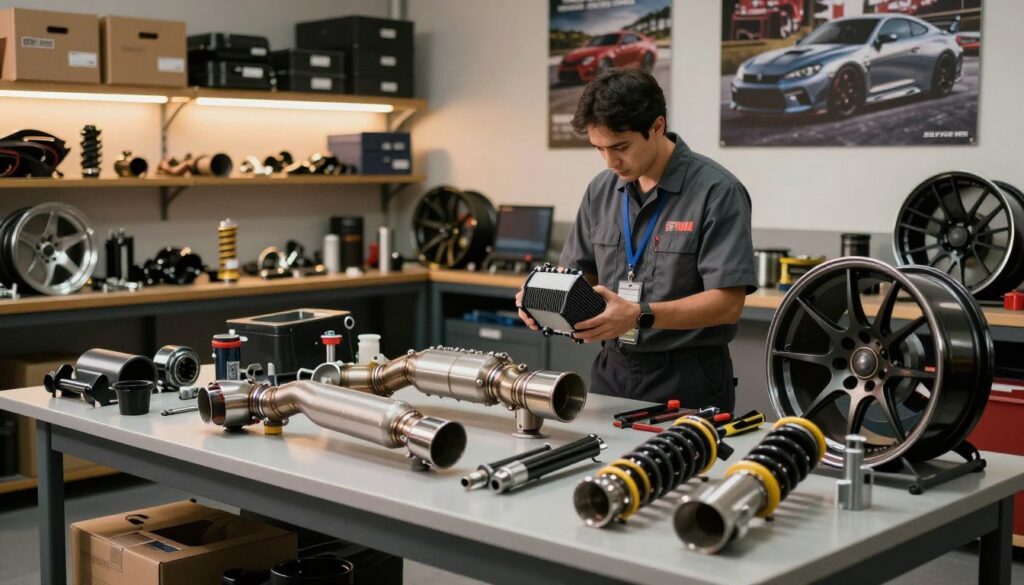
Deciding on these components involves balancing lower prices with different quality levels. You should evaluate how these car parts impact your vehicle’s long-term value and performance. Making an informed choice helps you maintain your ride without overspending.
Cost Savings with Aftermarket Options
You can achieve significant savings with these options. These car parts typically sell for substantially less than original components from a dealership. This lower cost makes repairs much more affordable for budget-conscious owners of older cars.
Because these parts typically come from many different companies, high competition keeps the prices low. Choosing a less expensive alternative helps you manage your repair budget efficiently.
Wide Range of Choices and Brands
Your choices expand dramatically with aftermarket car components. You gain access to multiple brands at different price points and quality levels. This variety allows you to select quality aftermarket items that match your specific performance needs.
Many professional mechanics trust premium aftermarket parts for their durability. Having more options means you are not limited to what is currently in stock at a local dealer.
Quality Concerns with Generic Parts
You must keep in mind that quality concerns exist with generic aftermarket car components. These unbranded car parts often lack the consistent testing protocols found in a reputable brand. Unpredictable quality can lead to shorter lifespans or poor fitment.
Using generic aftermarket parts can even lower your vehicle’s resale value over time. While quality aftermarket gear is excellent, parts typically sold without a recognized name may compromise reliability.
| Selection Factor | Branded Aftermarket | Generic Aftermarket |
| :— | :— | :— |
| RelativeCost| Moderate Savings | Highest Savings |
| AvailableBrands| Established Names | No-Name Labels |
| Performance Level | High & Consistent | Often Unpredictable |
| Resale Value Impact | Minimal | Potentially Negative |
When to Use OEM Parts vs Aftermarket Parts
Deciding whether to use oem or alternative components depends heavily on which system of your car needs fixing. Experienced independent repair shops often guide you through these cases to ensure safety. Your mechanic will evaluate the vehicle age and the specific repair needed before suggesting a solution.
Collision Repair and Body Parts
You should prioritize original parts for collision repairs because proper fit is critical for safety systems. Professional repair shops like Miracle Body and Paint Collision Center understand that oem equipment is essential for structural integrity. These car parts ensure your vehicle maintains its crashworthiness in future accidents. Precision matters most when restoring the exterior of your automobile.
Engine Components and Internal Parts
Engine components usually demand original specifications. These parts made to exact tolerances ensure protection for expensive engine assemblies. When performing an independent repair, using inferior aftermarket parts risks repeating costly labor if a part fails prematurely. High-quality repairs often require components that match the factory build perfectly.
When Quality Aftermarket Parts Work Best
You can safely use aftermarket car parts for routine maintenance like filters or brake pads. In many cases, independent repair shops find that reputable brands match original quality for older vehicles. Aftermarket parts offer great value when the car is no longer under warranty.
Talk to your mechanic at specialized shops about which brands offer the best value. They help you save money without compromising performance. Using an independent repair specialist ensures you get the best balance of price and durability.
| Part Category | Preferred Choice | Primary Benefit |
|---|---|---|
| Body Panels | OEM | Perfect Fit & Safety |
| Engine Sensors | OEM | High Precision |
| Brake Pads | Aftermarket | Cost Efficiency |
Conclusion: Trust Miracle Body and Paint Collision Center for Your Collision Repair Needs
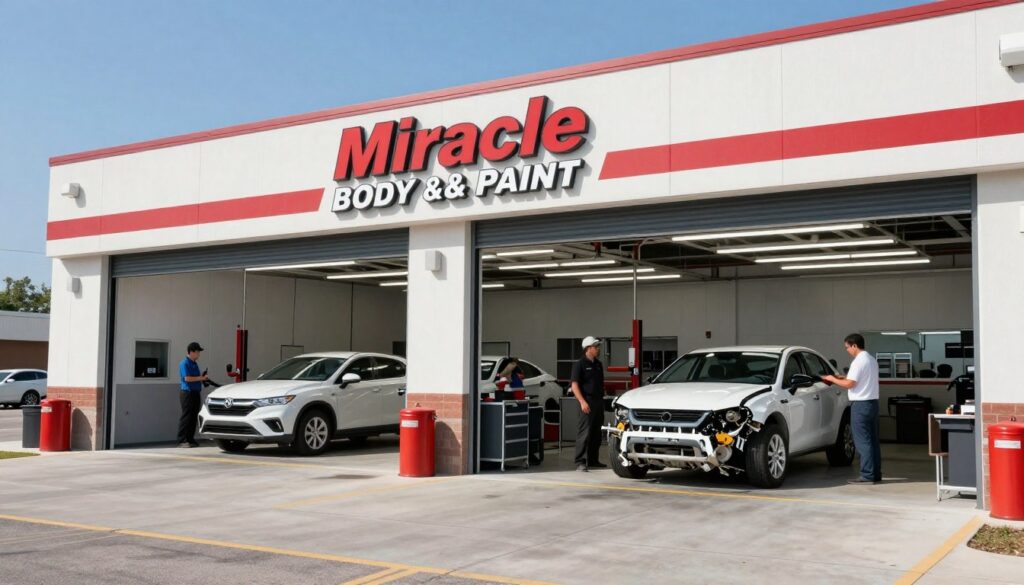
Navigating the complexities of auto parts requires a professional partner who understands your vehicle’s unique needs. You need a trusted company that knows when to use aftermarket parts for optimal results. Our expert mechanic teams keep your safety in mind during every repair.
We are the company that stays current with all manufacturers‘ latest procedures. In many cases, structural integrity depends on the right replacement components. Not all shops provide this level of detail for collision repairs.
As a leading company among San Antonio shops, we invite you to hire us for your collision repair damage. We focus on restoring your car to pre-accident condition with total precision. Miracle Body and Paint Collision Center provides the peace of mind you deserve.
Experience our professional services at our North West San Antonio – Leon Valley location at (210) 680-1987, 6217 Grissom Rd., San Antonio, TX 78238. You can also visit us in North East San Antonio at (210) 858-3630, 4650 Walzem Rd., San Antonio, TX 78218. Our two locations are ready to serve you today.

