

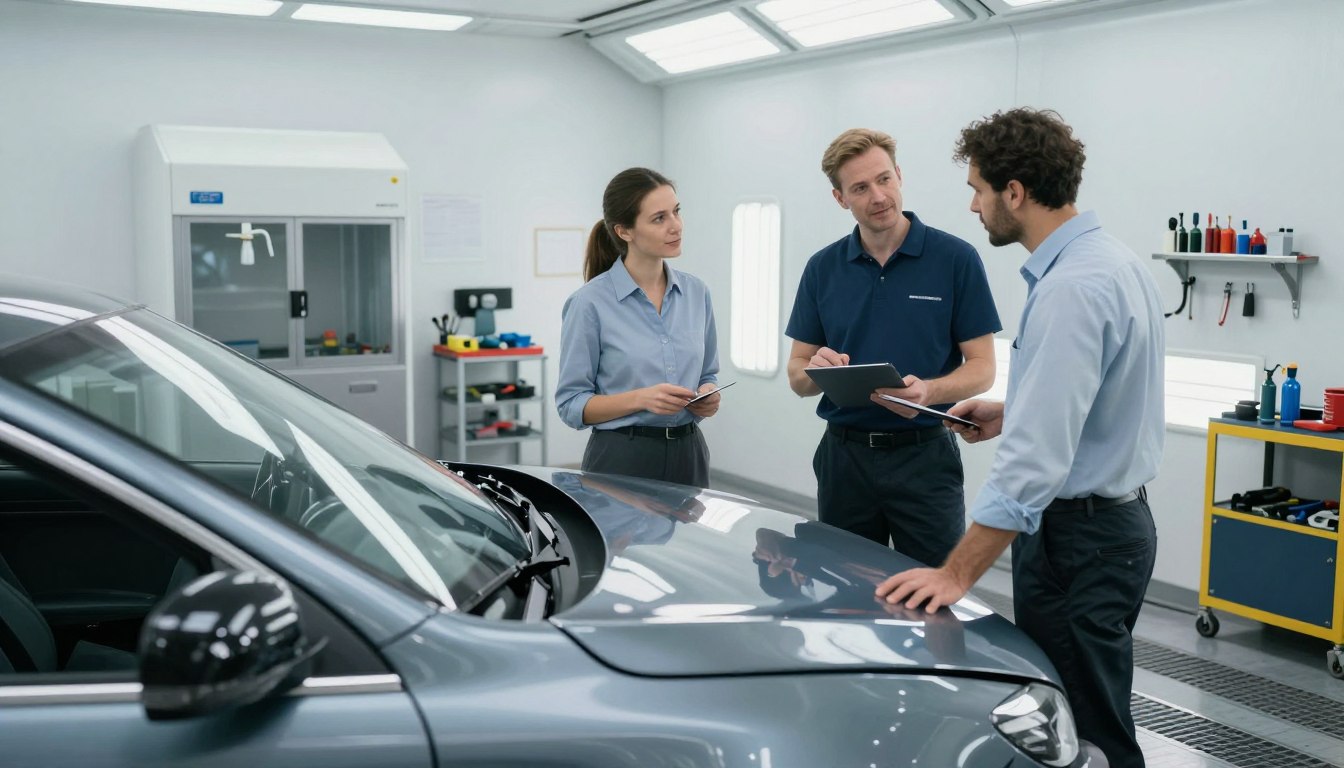
After a car accident, you might feel overwhelmed and worried about the costs. Many people look to their insurance for help. But, you might wonder if you have to go to a certain shop. It is vital to understand your rights when looking for Insurance Collision Repair services.
Some people think they must do what their insurance company says. But, you usually have the freedom to choose where to get your car fixed. Picking the right place ensures your car gets the best care and helps you feel better.
Dealing with these situations can be tricky. Knowing your options helps you handle your Insurance Collision Repair without feeling pushed. You should get a solution that keeps you safe and makes your car valuable for a long time.
Key Takeaways
- You have the legal right to choose your own auto body shop.
- Providers cannot force you to use their specific network facilities.
- Quality of work should always be your primary concern over convenience.
- Check your policy details to understand specific coverage limitations.
- Always request a written estimate before authorizing any work on your vehicle.
Understanding Insurance Collision Repair
When your car gets damaged, knowing how to fix it is key to getting back on the road safely. Many drivers get lost in the technical side of Insurance Collision Repair. But, knowing about it helps you make better choices for your car.
What is Collision Repair?
Collision repair fixes your car to its pre-accident state. It’s more than just making it look good or covering up scratches. Technicians must fix both the visible and hidden damage to keep your car safe.
The goal is to make sure your car meets the safety standards of the manufacturer. Using advanced tools and precise equipment, experts aim to restore your car to its original factory state.
Importance of Quality Repairs
Quality repairs are essential for your safety on the road. A bad repair might look okay but could make your car unsafe in the future. Structural integrity is key to your car’s safety, and it needs careful handling.
Choosing a trusted shop means parts are right for your car. Good Insurance Collision Repair keeps your car safe and its value up.
| Repair Aspect | Quality Standard | Risk of Low Quality |
|---|---|---|
| Frame Alignment | Precision Laser Specs | Unsafe Handling |
| Paint Matching | Factory Color Code | Visible Discoloration |
| Safety Systems | OEM Certified Parts | System Failure |
How Insurance Plays a Role
Insurance companies help pay for repairs. An adjuster checks the damage to decide what needs fixing. This is part of Insurance Collision Repair to help fix your car smoothly.
While insurers have preferred shops, choose quality over convenience. Knowing how they work helps you get the best for your car. Clear communication with your insurer and repair shop is key to a successful claim.
The Preferred Body Shop Concept
Ever wondered why your insurance company wants you to go to a certain body shop after an accident? These shops are part of a Direct Repair Program, or DRP. Knowing how these programs work is crucial for choosing the right place to fix your car.
What is a Preferred Body Shop?
A preferred body shop has a deal with an insurance company. They agree to fix cars at a lower price in exchange for lots of customers. This helps the insurance company save money, and the shop gets more work.
Even though this setup is good for the insurance company, you don’t have to go to these shops. Your main goal should be high-quality repairs that make your car like new again.
Pros and Cons of Using a Preferred Shop
Going to a preferred shop can be convenient. They often handle the paperwork for you. But, this might mean they use cheaper parts instead of the original ones.
Insurance shops might use aftermarket or recycled parts instead of OEM ones. These parts might look good at first but could be less safe or durable. It’s very important to think about this before agreeing to repairs.
| Feature | Preferred Shop (DRP) | Independent Shop |
|---|---|---|
| Billing Process | Directly with Insurer | Customer Managed |
| Parts Used | Often Aftermarket/Used | Usually OEM Preferred |
| Repair Speed | Typically Faster | Quality Focused |
| Customer Choice | Limited | High Flexibility |
Can Insurance Companies Mandate Repair Locations?
You might feel pressured to use a specific repair facility after an accident, but you have options. Many insurance providers have networks of shops to make claims easier. Yet, this doesn’t mean you must use them. It’s key to protect your collision repair rights to ensure your vehicle gets the best care.
Your Rights as a Vehicle Owner
In many states, laws protect your freedom of choice. For example, Michigan law MCL 500.2110b(1) stops auto insurance companies from unfairly limiting your choice of shop. This means you usually have the right to choose repair shop services that meet your quality and safety standards.
Insurance adjusters might suggest a shop, but they can’t legally force you to use it. Always choose a shop based on the technician’s expertise, not just for convenience. Using original equipment manufacturer (OEM) parts is important for your car’s long-term health.
Understanding Policy Terms
It’s important to carefully review your insurance policy documents. Look for terms like “preferred vendors” or “direct repair programs.” These programs might be convenient but often focus on saving money over quality repairs.
If you find language that seems too restrictive, talk to your agent. You can negotiate or choose a facility that promises quality work. Knowing your collision repair rights helps you fight for your vehicle’s safety.
Case Studies: Insurance Policy Restrictions
Many drivers face “steering” tactics where insurers imply repairs must be done at a specific location. But most policies cover repairs at any licensed facility, as long as the estimate is fair. The table below shows the differences between following an insurer’s suggestion and choosing your own shop.
| Feature | Preferred Shop | Your Chosen Shop |
|---|---|---|
| Repair Quality | Standardized | Often Higher/Specialized |
| Part Selection | Often Aftermarket | OEM Options Available |
| Customer Control | Limited | Full Oversight |
| Insurance Approval | Automatic | Requires Estimate Review |
The Role of Miracle Body and Paint Collision Center
When your car needs expert care, Miracle Body and Paint Collision Center is here for you. We aim to bring your vehicle back to its original safety standards and beauty. We see your car as more than a machine; it’s a key part of your life.
Quality Services Offered
Our team uses the latest tools for every repair. We focus on precision in all our work, from small touch-ups to big repairs. Choosing us means your car gets top-notch care from skilled pros.
Locations and Accessibility
We make sure quality service is easy for everyone in San Antonio. We have two locations to serve you better. Pick the one that’s closest and most convenient for you.
| Location Name | Address | Contact Number |
|---|---|---|
| North West San Antonio | 6217 Grissom Rd., Leon Valley | 210-680-1987 |
| North East San Antonio | 4650 Walzem Rd. | 210-858-3630 |
Customer Satisfaction
Your happiness is our top priority during repairs. We handle every project with professionalism and clear communication. Our dedication to excellence is why our customers trust us every day.
Comparing Your Options
After a collision, you must carefully choose where to get your car fixed. You have the power to decide who will repair your vehicle. Knowing the differences between repair shops is essential for your peace of mind.
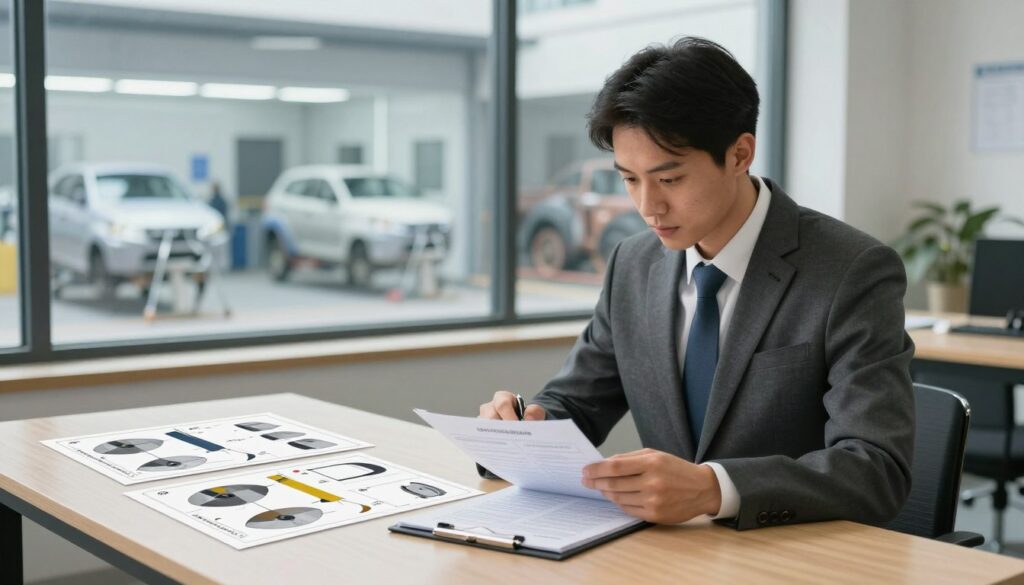
Benefits of Using Miracle Body and Paint
Choosing Miracle Body and Paint Collision Center has many benefits. We focus on precision and safety in every repair. This ensures your car meets high standards.
Unlike some shops, we don’t rush repairs to meet insurance deadlines. We use the latest technology to make your car look like new. This gives you confidence on the road.
How to Evaluate Body Shops
When looking at repair shops, don’t just look at the price. Check their certifications, equipment quality, and use of high-quality parts.
Independent shops often use Original Equipment Manufacturer (OEM) parts. This keeps your car’s value and safety high. Always ask if they use factory-approved repair methods.
| Feature | Independent Specialist | Insurance-Affiliated Shop |
|---|---|---|
| Part Selection | OEM Parts Priority | Often Aftermarket/Used |
| Repair Focus | Vehicle Integrity | Cost Containment |
| Customer Advocacy | High | Low |
Price vs. Quality in Collision Repair
It’s tempting to pick the cheapest option, but it might not be the best choice. Quality repairs cost more upfront but save money in the long run.
Choosing professional service means your car stays safe and reliable. Remember, quality is an investment in your car’s future and your safety.
Your Choices Matter
You have the power to choose where your car gets fixed after an accident. Insurance companies might suggest places, but you have the right to choose repair shop services. Choosing wisely means your car gets the best care it needs.
Consequences of Ignoring Your Preference
Letting an insurer choose can lead to problems. They might focus on saving money over keeping your car in top shape. This could mean using cheaper parts instead of the original ones.
Not choosing yourself can also mean losing control over the repair. You might face delays or poor communication. It’s important to protect your investment by choosing where your car is fixed.
Seeking Out Alternatives
Many think they need to visit many shops to get estimates. But, you only need one detailed estimate from a trusted shop. This is enough to proceed with your claim.
Choosing your own repair shop lets you pick someone you trust. You can check their credentials and visit their shop before they start work. This is key for keeping your car safe and its value high.
Feedback from Other Customers
Before picking a shop, look at what others say. Online reviews and personal tips can show a shop’s quality and service. A good shop will be open about their successes.
| Feature | Preferred Shop | Your Chosen Shop |
|---|---|---|
| Part Quality | Often Aftermarket | OEM Guaranteed |
| Customer Control | Limited | High |
| Repair Focus | Cost Efficiency | Vehicle Integrity |
| Estimate Needs | Multiple Required | One Sufficient |
Navigating the Claims Process
Dealing with insurance claims can be tough without a clear guide. After an accident, you want your car fixed and your money safe. A step-by-step plan can make things easier and help you get a fair outcome.
Steps to File a Claim
First, tell your insurance about the accident right away. Collect all important details at the scene, like the other driver’s info and photos of the damage. Prompt reporting helps avoid delays and keeps evidence fresh.
After starting your claim, you’ll get a claim number. Keep it handy for all talks with your insurance. Also, get a copy of the police report, as it’s a clear record of what happened.
Communicating with Your Insurance Adjuster
Talking well with your adjuster is key to success. Be professional and give direct answers. Avoid guessing about the accident; just share what you saw.
If you’re not sure about something, ask for more info. You have the right to know about your policy. Keeping a log of calls can help if there are later issues.
Keeping Records of Your Vehicle’s Condition
Good documentation is essential for a strong claim. Keep a detailed file with cost estimates, repair bills, and photos of your car’s state before and after repairs. This helps avoid disputes about the repairs.
The table below shows the key documents you should keep:
| Document Type | Purpose | Retention Period |
|---|---|---|
| Police Report | Establishes facts | Indefinite |
| Repair Estimates | Verifies costs | Until claim closure |
| Before/After Photos | Proves condition | Post-repair inspection |
| Communication Log | Tracks progress | Until settlement |
By keeping these records, you build a strong case for your insurance claim. These steps help you fight for your rights and ensure your car gets the best care.
Alternatives to Preferred Shops
Many drivers feel pressured to use insurance-recommended shops. But, you have other options. Remember, insurance companies can’t deny claims just because you chose a non-network shop for your Insurance Collision Repair. You have the right to pick a shop you trust to fix your vehicle right.
Local Options for Collision Repair
Choosing a local, independent body shop can give you a more personal experience. These shops often focus on community reputation, leading to better customer service. By choosing a local expert, you support a business that answers directly to you, not an insurance network.
DIY Repairs vs. Professional Services
While the internet has many tutorials, fixing structural damage yourself is not wise. Modern cars are complex and need special tools and calibration for safety. Professional services are key to making sure your car is safe after an Insurance Collision Repair.
- Safety: Pros ensure airbags and sensors work right.
- Precision: Frame alignment needs industrial-grade tools.
- Value: Good repairs keep your car’s value up.
Ensuring Work Warranty and Insurance Acceptance
Before choosing a shop, check if they offer a full warranty on their work and parts. Good independent shops back their work, giving you peace of mind. Make sure the shop will work with your insurance to handle the bill for your Insurance Collision Repair.
Always ask for a detailed estimate that outlines the work and warranty. If a shop is unsure about these, it’s time to look elsewhere. By researching, you ensure your car gets top-notch care without giving up your rights.
Understanding Estimates and Quotes
Repair estimates are more than just numbers. They are a roadmap to get your vehicle back to its original state. It’s important to review these documents carefully to avoid paying for low-quality parts. This way, you protect your investment and stay safe on the road.
Reading and Comparing Estimates
When looking at an estimate, check the type of parts mentioned. Insurance companies might choose aftermarket or recycled parts to save money. But these might not match the quality of your vehicle’s original parts.
Comparing quotes from different shops helps you spot any shortcuts. If one estimate is much lower, it could mean they’re using substandard parts. Always ask why they chose certain parts for your repair.
What to Look for in a Quote
A good quote should detail every part of the repair. Look for a breakdown of labor hours, paint materials, and specific part numbers. If an estimate is vague, it’s a sign to ask for a clearer version.
Make sure the shop offers a written warranty for their work. This gives you peace of mind after the repair. If a quote doesn’t include this, ask for a detailed version.
Hidden Costs to Beware Of
One common issue is supplemental damage. Initial insurance estimates might be lower than the actual cost. This is because they don’t account for hidden damage found during a detailed inspection.
Technicians might find structural issues or damaged sensors when they disassemble the vehicle. Talk to your repair shop about how they handle unexpected costs upfront. This way, you’re prepared for any additional expenses during the repair.
After the Repair: What’s Next?
Driving away from the repair shop feels great, but your work is not done. You’ve spent time and money to fix your car. Make sure it’s safe and looks good. A few extra minutes before leaving can save you a lot of trouble later.
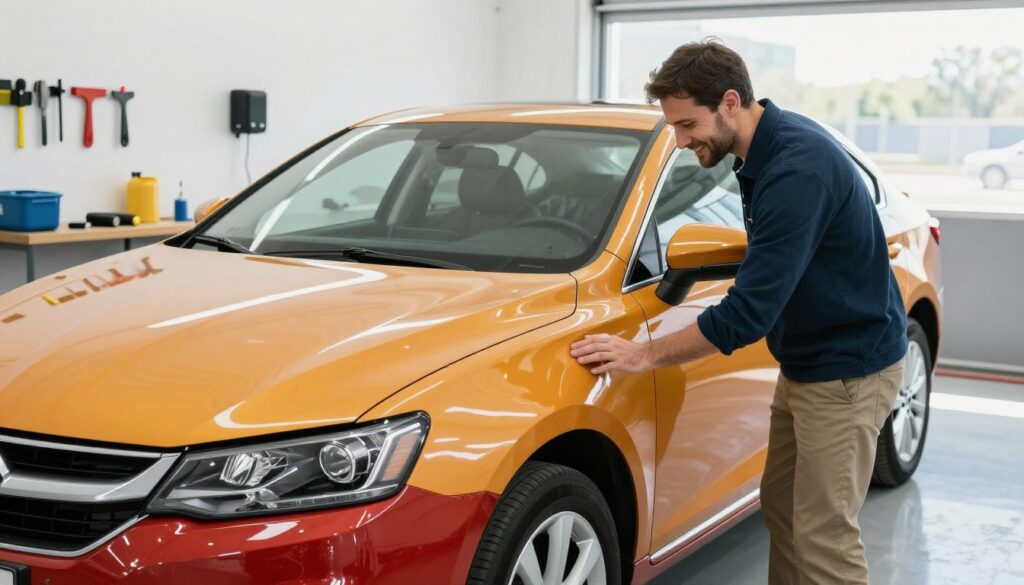
Inspecting Your Vehicle
First, walk around your car in a bright area. Check the paint to see if it matches and looks even. It’s important to make sure all body gaps are the same and doors open smoothly.
Test any electronics near the damage, like sensors and lights. If you hear rattles or see loose parts, tell the service manager right away. A good inspection means you can drive safely.
Understanding Warranty Coverage
A good shop offers a lifetime warranty on their work. This means they’ll fix any problems for free. Always get a written copy of this warranty before you leave.
This warranty covers mistakes in the repair, not normal wear or future accidents. Knowing this helps you plan for your car’s future care.
Dealing with Possible Problems After Repair
If you find a problem soon after, don’t worry. Call the repair shop right away. Talking clearly helps fix any issues with the repair.
Keep a record of all talks, including dates and names. If the shop is good, they’ll fix any real problems fast. Keeping a record protects your investment for a long time.
Legal Considerations in Collision Repairs
Many car owners don’t know that state laws protect them from insurance tricks. After an accident, you need to understand your collision repair rights. Knowing the rules helps you avoid unfair pressure.
What Your State Law Says
Many states have laws to keep the car industry fair. The Motor Vehicle Physical Damage Appraisers Act stops insurance companies from pushing you to certain shops. These laws let you choose a repair shop that cares about your safety, not just profits.
Knowing When to Seek Legal Advice
Insurance adjusters might try to push you to a specific repair shop. If your collision repair rights are ignored or if the insurer threatens to deny your claim, get a lawyer. Legal intervention is key when an insurance company won’t cover necessary repairs or wants to use low-quality parts.
Consumer Rights
You have the right to decide where your car is fixed. Standing up to pushy adjusters is easier when you know your collision repair rights. Your goal is to get your car back to its pre-accident state with quality parts and skilled labor. By standing up for your rights, you keep your car safe and reliable for years.
The Impact on Your Insurance Premium
Deciding whether to involve your insurance provider after a collision is a big financial choice. Many drivers worry that insurance claims will make their monthly premiums go up. It’s important to understand how these choices affect your financial health over time.
How Claims Affect Your Rates
In many states, including Ohio, drivers must carry at least $25,000 in property damage coverage. This law helps cover the costs of insurance claims. But, filing a claim doesn’t always mean your rates will go up right away.
Insurance companies look at your driving history and the accident’s details. If you have a clean record, a minor accident might not affect your rates much. But, if you file claims often, it could show you’re a higher risk to your provider.
Filing a Claim vs. Paying Out of Pocket
Deciding to use your policy or pay for repairs yourself depends on the damage. If the repair cost is close to your deductible, paying yourself might be better. This way, you avoid a claim on your record.
But, for major accidents with big damage, using your insurance is best. Modern car repairs can have hidden costs that go beyond your budget. Professional oversight ensures your car is fixed right and safely.
Long-term Financial Implications
The long-term effects of insurance claims depend on your policy and your insurer’s rules. Some insurers offer “accident forgiveness” programs to keep your rates the same after your first claim. Always check your policy to see if you qualify for these benefits.
| Factor | Filing a Claim | Paying Out of Pocket |
|---|---|---|
| Immediate Cost | Deductible only | Full repair cost |
| Premium Risk | Potential increase | No impact on rates |
| Repair Quality | Insurer-backed | Owner-managed |
| Convenience | High | Low |
Choosing between filing a claim and paying out of pocket is a strategic decision. It’s about balancing the immediate cost against possible future premium increases. By carefully considering these factors, you can protect your finances and ensure your car gets the high-quality repairs it needs.
Building a Relationship with Your Body Shop
When you find a body shop that truly understands your vehicle, you gain more than just a repair service; you gain peace of mind. Developing a consistent partnership with a local collision center is an investment in your car’s safety and long-term performance.
Trust: The Key to Future Repairs
A professional body shop that knows your vehicle’s history can provide more accurate assessments when accidents occur. This familiarity significantly streamlines the process of handling insurance claims, as the shop can advocate for the specific needs of your car based on its documented condition.
When you trust your technician, you eliminate the stress of wondering if the repairs are necessary or overpriced. You can feel confident that the shop is working in your best interest.
Importance of Regular Maintenance
Consistency is the secret to keeping your vehicle on the road for years to come. By returning to the same shop for routine inspections and minor touch-ups, you ensure that small issues are caught before they become major safety hazards.
Regular maintenance also creates a service history for your vehicle. This documentation is invaluable if you ever decide to sell your car or if you need to provide evidence of care during complex insurance claims.
What to Expect on Future Visits
On future visits, you can expect a personalized experience where the staff already understands your preferences and vehicle requirements. A professional shop will maintain detailed records of every service performed, ensuring that your warranty remains intact and your vehicle remains in peak condition.
Whether you are coming in for a major repair or a simple cosmetic fix, a long-term relationship ensures you receive priority service. You will find that the administrative burden of managing insurance claims is greatly reduced when your shop already has your information on file.
| Feature | Ad-Hoc Repair Shop | Trusted Long-Term Partner |
|---|---|---|
| Service History | None | Comprehensive Records |
| Claim Efficiency | Slow and Uncertain | Fast and Streamlined |
| Repair Quality | Variable | Consistent and Guaranteed |
| Customer Trust | Low | High |
Tips for Choosing the Right Collision Repair Shop
Choosing the right repair shop is important. You want a place that cares about your safety and fixes your car right. Take time to look at your options to get the service you deserve.
Key Factors to Consider
Look for industry-standard certifications and licenses when picking a shop. These show the techs are well-trained and use the latest methods. A good shop will show you these to make you feel secure.
Also, check how clean and organized the shop is. A tidy shop shows they pay attention to detail. You’ll feel sure your car is in good hands.
Recommendations and Reviews
Ask people you trust for their opinions on repair shops. Friends, family, or mechanics can share real experiences. Their stories can give you insights you might not find online.
Online reviews are also helpful. Look for patterns in comments about communication, how long repairs take, and the quality of work. A shop that listens and improves shows they care about their customers.
Questions to Ask Before Committing
Talk to the shop’s management before you decide. Asking the right questions helps you understand their process. This ensures they respect your right to choose repair shop providers. Use the table below to compare shops.
| Evaluation Criteria | High-Quality Shop | Average Shop |
|---|---|---|
| Certifications | I-CAR or OEM Certified | Limited Training |
| Warranty | Lifetime on Repairs | Short-term Only |
| Parts Used | Original Equipment (OEM) | Aftermarket/Used |
| Communication | Proactive Updates | Reactive/Minimal |
Make sure the tech uses OEM parts for repairs. Ask about their warranty to protect your investment. By asking these questions, you ensure your car gets the best care.
Miracle Body and Paint Collision Center in Detail
At Miracle Body and Paint Collision Center, we think your car should be perfect. We see your car as more than a way to get around. It’s a big investment that needs expert care after an accident. Our place is set up to fix your car smoothly, keeping you safe and happy.
Our Commitment to Quality
We aim to make every repair meet or beat strict factory standards. We know how important it is to fix your car right, both inside and out. This way, your car will look and work like it did before the accident.
We’re open and honest about our work. You can count on us to do things right, because quality is the foundation of trust. We watch every step of our process to keep your car in top shape.
Technology and Equipment Used
Today’s car repairs need more than basic tools; they need state-of-the-art technology. We use the latest tools and systems to fix even tough damage. This tech helps us find and fix problems you might not even know about.
Our paint matching tech is also top-notch, making sure your car’s paint looks just right. With these innovative tools, we can fix your car faster and better. So, you get to enjoy your car sooner.
Trained Technicians at Your Service
Our team is our biggest asset. Our highly trained technicians are always learning new ways to fix cars safely and well. They know how to take care of your car like it’s their own.
No matter the damage, our techs can handle it. We focus on precision and quality in every repair. You can trust that your car is in good hands with us.
Conclusion: Make an Informed Decision
By taking charge of your vehicle’s repair, you ensure top-notch service. You have the power to choose a shop that values your safety and car’s condition above all.
Knowing your rights in collision repair boosts your confidence in handling insurance claims. You don’t have to accept the first shop suggested by an adjuster if it doesn’t meet your standards.
Balancing Choices and Insurance Obligations
Protecting your investment means choosing a repair partner wisely. Miracle Body and Paint Collision Center is ready to fix your car to its pre-accident state. They use expert skills and the latest technology.
You can visit our North West San Antonio – Leon Valley location at 6217 Grissom Rd. or call 210-680-1987 for help. Our North East San Antonio facility is at 4650 Walzem Rd. and can be reached at 210-858-3630.
Choosing a trusted shop keeps your car safe and reliable for years. Trust our experienced team with your repairs today.

