

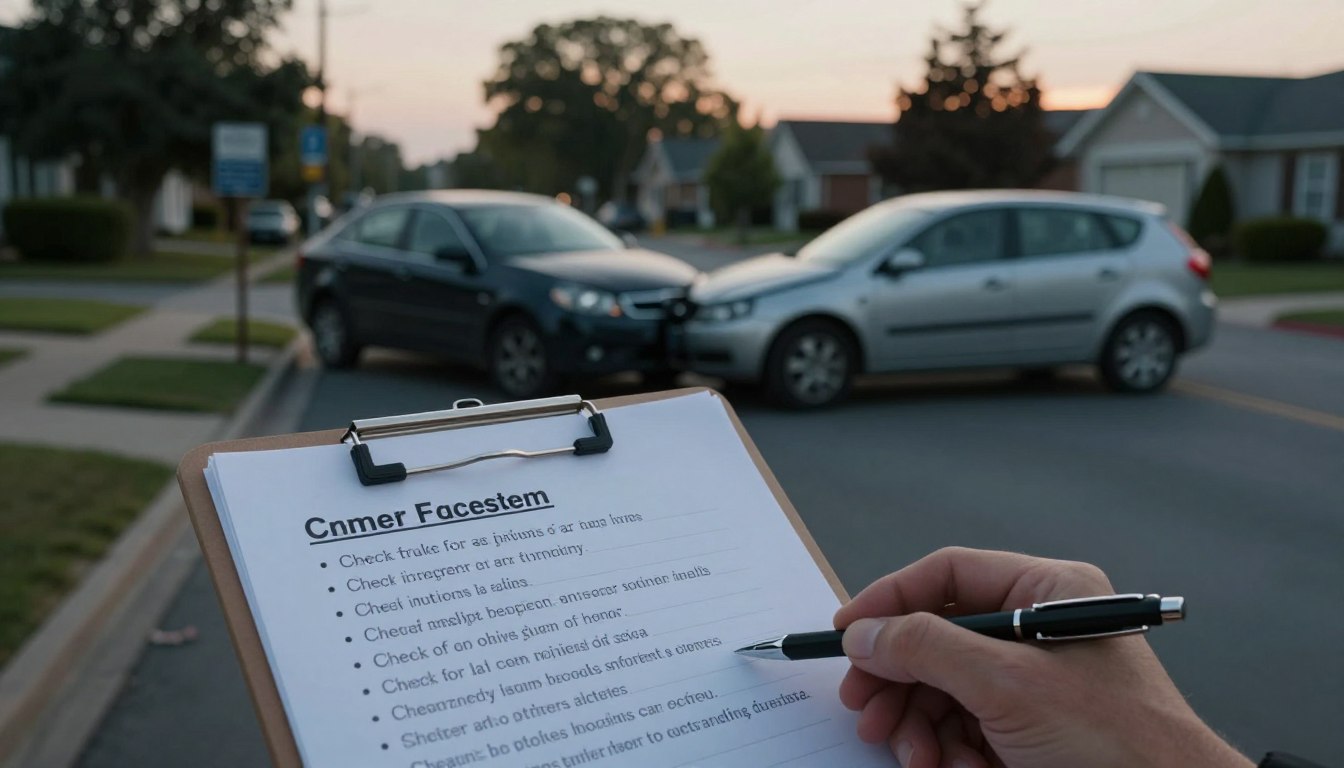
The moments following a sudden collision can feel overwhelming. Your heart races, and your mind might go blank. Knowing the right steps to take is crucial for your safety and legal protection.
You are not alone in this experience. In 2023 alone, there were over 6 million police-reported traffic crashes across the United States. Being prepared can make a significant difference.
Having a clear plan helps you manage the chaos. A structured process guides your actions during the first critical hour. It ensures you gather the necessary evidence for any insurance claims.
Once the immediate situation is handled, you’ll need reliable repair services. Miracle Body and Paint is located at 4650 Walzem Rd, San Antonio, TX 78218. They can assist with restoring your vehicle.
Key Takeaways
- Prioritize your safety and the safety of others at the scene.
- Contact law enforcement to file an official report.
- Collect contact and insurance details from all parties involved.
- Take photographs of the vehicles, damage, and surrounding area.
- Seek a medical evaluation, as some injuries appear later.
- Notify your insurance provider about the incident promptly.
- Keep all related documents and notes in one secure place.
Immediate Steps to Ensure Safety and Manage the Scene
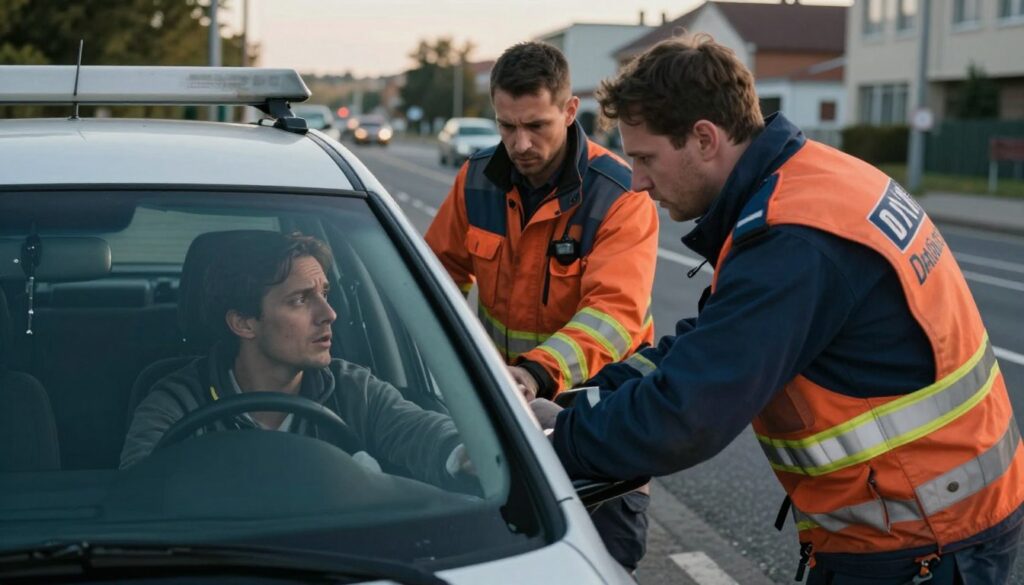
The priority list is clear: first check for injuries, then secure the scene from additional danger. Your actions in these initial minutes directly impact everyone’s health and safety following a crash.
Assessing Injuries and Securing the Area
Before anything else, you must check for injuries. AAA expert David Bennett states this is the absolute top priority. Look at yourself and all passengers.
Statistics show older drivers face higher risks. If anyone complains of severe neck or back pain, do not move them. Wait for professional medical help unless there’s immediate danger.
Activating Hazard Lights and Preventing Further Risk
Once you’ve addressed immediate health concerns, focus on the surroundings. Turn on your hazard lights immediately. This makes your car visible to other drivers.
If your vehicle is operable and not blocking traffic, move it to the shoulder. Laws in many states, like Colorado, require this to prevent further risk. Always prioritize your health over documenting the scene if you feel any pain or fogginess.
Keep your phone handy to call for help. Stay in a safe area away from active traffic lanes while waiting for the police to arrive.
Conducting a Thorough “Silent” Investigation
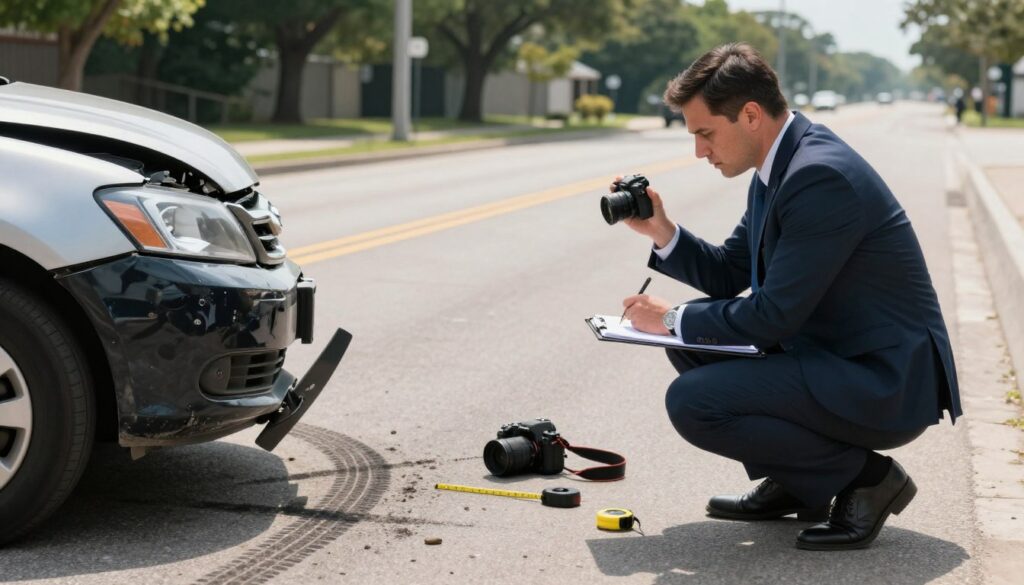
After ensuring everyone’s safety, your next critical task is to gather evidence without making assumptions. This quiet fact-finding mission creates an objective record. The National Institutes of Health notes that short-term memory can decline, making immediate documentation vital.
Documenting the Accident Scene with Photos and Notes
Use your phone to take comprehensive pictures. Get wide shots showing traffic signals and the overall location. Take close-ups of all damage to every vehicle involved.
Note the exact time of day and weather conditions. Write down the specific street names or landmarks. This visual and written log helps your insurance provider understand the full circumstances.
Exchanging Contact, Insurance, and Vehicle Information
You must swap details with other involved parties. Collect full names, phone numbers, and insurance company information from each driver.
Write down the license plate number, make, model, and color of every auto. Also, gather names and contact numbers from any witnesses. Their independent accounts are invaluable.
Avoid discussing who was at fault to protect your legal standing. Keep all this information organized with your photos. For a complete guide on next steps, refer to your essential post-accident checklist.
car accident checklist Walzem for Reporting and Medical Attention
With the scene documented, you now need to ensure an official record is created and any injuries are addressed. This formal process protects your legal and financial interests.
Calling 911 and Contacting Law Enforcement
You must call 911 immediately if there are any injuries. Law enforcement and medical professionals provide critical triage. Even for a minor incident, request a police report.
Kelley Blue Book editor Sean Tucker advises you should always call the police. Your insurance company will require this documentation for your claim. If officers cannot come, file an official report with your state’s department of revenue.
Ask the responding officer for their name and badge number. This makes it easy to obtain the report later.
Seeking Immediate Medical Evaluation and Care
Seek medical care within 24 hours of the crash, even if you feel fine. This creates a vital record linking any injury to the event. The Federal Highway Administration notes a 77% increase in licensed older drivers from 2004 to 2020, a group at higher risk.
Your health is the top priority. Do not hesitate to use your own auto policy coverage if you lack private health insurance. Always be honest with providers about your pain levels so they document every issue.
Proper documentation supports your health recovery and any related insurance claim process. It provides a clear timeline for all parties involved.
Notifying Your Insurance and Navigating the Claims Process
With the scene secure and injuries documented, the administrative phase begins. This step is about protecting your financial interests and getting your life back on track.
Your insurance provider needs clear, timely information. State Farm and other companies offer guidance for this process. An adjuster will review everything to determine your settlement value.
Informing Your Insurance Company Effectively
Contact your insurer as soon as you can. Use your phone to make the call. Provide the police report number immediately.
Share the photos you took at the scene. These pictures help the company understand what happened. Review your policy to know your deductible and coverage limits.
This knowledge is power. It helps you ask the right questions during the claims process.
Tips to Avoid Missteps When Describing the Incident
Be clear and honest with your own company. However, avoid giving a recorded statement to the other driver’s insurer without advice.
Keep all receipts for medical care and vehicle repairs. These documents prove the financial impact. Speak directly with your agent if you have any questions.
| Document | Purpose | Tip |
|---|---|---|
| Police Report | Verifies official details | Provide the report number promptly |
| Scene Photos | Shows damage and context | Upload clear, timestamped images |
| Medical Receipts | Proves injury costs | Keep every receipt, even for prescriptions |
| Repair Estimates | Details vehicle damage | Get multiple quotes for fair valuation |
Remember, adjusters are trained to ask leading questions. Stay focused on the facts when you discuss the crash. This helps ensure you receive a fair settlement for your claim.
Conclusion
The final phase of managing a roadway incident focuses on resolution and recovery. Following a structured process keeps you protected and organized. It simplifies the subsequent insurance claim and ensures your coverage is applied correctly.
Your health remains the absolute priority. Seeking prompt medical care for any potential injury is a non-negotiable step. Accurate documentation, including a police report, provides a solid foundation.
Remember, your insurance company is a resource. Provide clear information but remain vigilant when discussing details. Staying calm and adhering to the law guides you through with confidence.
Finally, keep your policy details and emergency contacts current. This preparedness helps all drivers navigate future events more effectively.

