

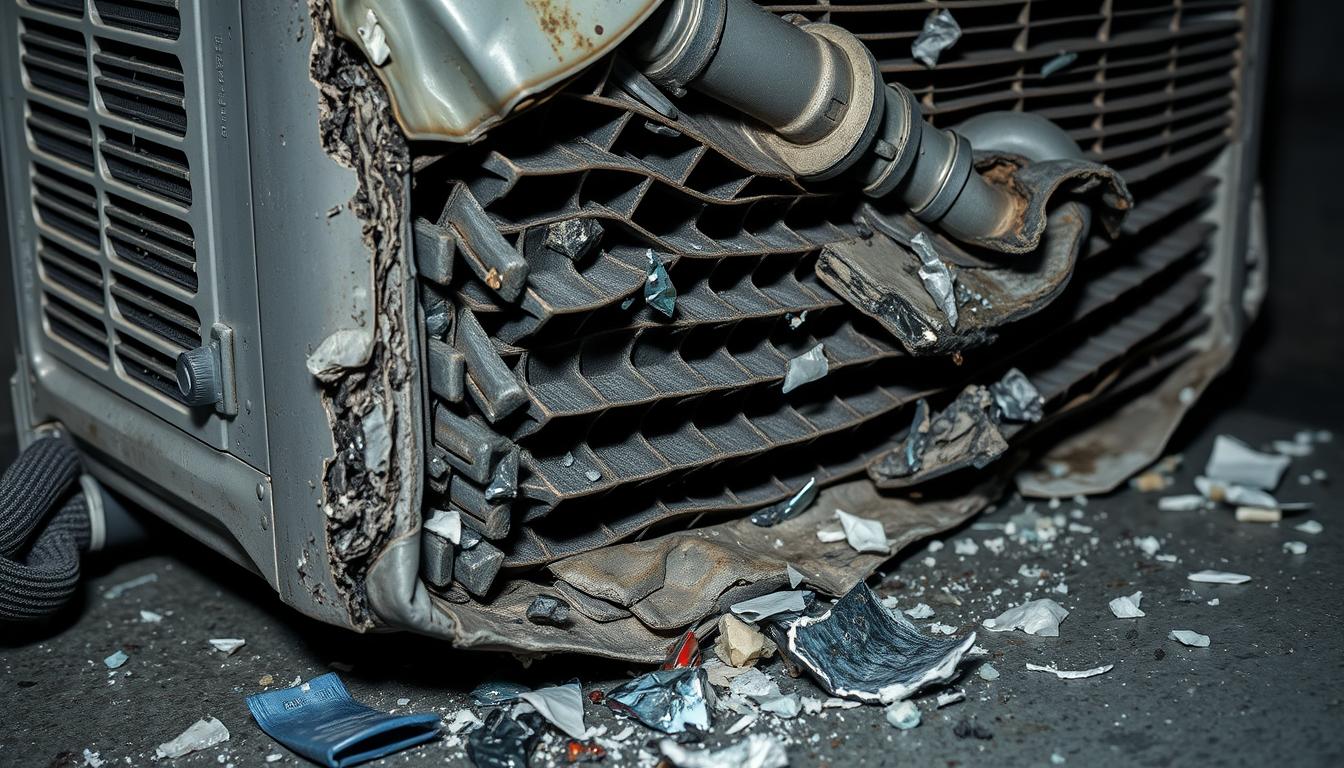
A car accident can cause more damage than just the visible parts of your vehicle. Sometimes, the impact can affect the air conditioning system, leaving you without cool comfort on the road.
When a collision occurs, the condenser and other components of the AC system can be damaged. This can lead to refrigerant leaks or electrical issues. If you’re experiencing AC problems after an accident, it’s essential to have it checked by a professional.
At our company, we understand the importance of a functioning AC system, even more so during hot summer months. If you’re in need of repair services after a crash, don’t hesitate to contact us.
Key Takeaways
- A car accident can damage your vehicle’s AC system.
- Condenser damage is a common issue after a collision.
- Refrigerant leaks or electrical issues can occur due to AC system damage.
- It’s vital to have your AC system checked after an accident.
- Professional repair services can get your AC system working again.
The Connection Between Car Accidents and AC Failure
Car accidents can really mess up your car’s air conditioning. The crash can damage parts of the AC system. This can make it stop working or fail completely.
How Impact Forces Affect Your Vehicle’s Cooling System
A car accident puts a lot of stress on the air conditioning system. The condenser, a key part, is often damaged. If hit from the front, the condenser can get crushed or dented. This can lead to leaks or the AC system failing.
Common Accident Scenarios That Lead to AC Problems
Front-end crashes often damage the AC system. The impact can hurt the condenser, causing refrigerant leaks. Side impacts can also mess with the AC lines and connections, making the system malfunction.
Why Even Minor Collisions Can Cause Major AC Issues
Even small crashes can harm the AC system if not checked and fixed right away. The damage from low-speed impacts might not seem big at first. But it can cause refrigerant leaks or other problems that can get worse over time.
Understanding Your Vehicle’s Air Conditioning System
Knowing how your car’s air conditioning works is key to spotting problems after an accident. The system is complex, with many parts working together.
Key Components of Modern Vehicle AC Systems
Your car’s AC system has important parts: the compressor, condenser, evaporator, and refrigerant. The compressor makes the refrigerant hot and pressurized. Then, the condenser cools it down, turning it into a liquid.
How Your AC System Functions Under Normal Conditions
Normally, the AC system moves refrigerant around. The evaporator pulls heat from inside the car. This cools the air that’s blown in.
The Refrigerant Cycle Explained
The refrigerant cycle cools your car. It changes from gas to liquid and back to gas, absorbing and releasing heat. Knowing this cycle helps you find AC system problems.
Most Vulnerable AC Components in Collision Scenarios
The air conditioning system in a vehicle can get damaged in a collision. The impact can harm many parts of the AC system. This can lead to expensive repairs if not fixed quickly.
Front-End Collisions and Condenser Damage
Front-end collisions often hurt the condenser, a key part of the AC system. The condenser is in front of the radiator, making it easy to damage. Condenser damage can cause refrigerant leaks and reduce cooling.

Side Impact Effects on AC Lines and Connections
Side impacts can damage the AC lines and connections, mainly if the crash is severe. The AC lines might get kinked, bent, or even broken. This can lead to refrigerant leaks and system failure. It’s important to check these lines after an accident.
Rear Collision Consequences for AC Systems
Rear collisions can also harm the AC system, mainly if the impact is strong. The compressor and electrical connections might get damaged. Assessing the damage quickly is key to avoid more problems.
Compressor Damage Assessment
The compressor is a key part of the AC system, and damage to it can be costly. After a crash, it’s vital to have a pro check the compressor. They can tell if it needs to be replaced.
Electrical Connection Failures
Electrical connection failures are common after a crash. The impact can damage or disconnect wiring, causing AC system problems. Inspecting the electrical connections is a key step in finding out what’s wrong with the AC after an accident.
In summary, many parts of the AC system can get damaged in different types of crashes. Knowing these risks helps car owners take the right steps after an accident to fix their AC system.
Identifying Signs of AC Damage After an Accident
After a car accident, it’s important to check your AC system. The crash can cause hidden problems.
Immediate Symptoms of AC System Damage
Right after an accident, you might see signs of AC damage. These include:
- Leaks: Visible signs of refrigerant leakage.
- Physical Damage: Crushed or bent components.
Delayed Problems That May Develop Days After a Crash
Some issues may not show up right away but can appear later. It’s key to watch out for these problems:
Strange Noises from the AC System
Unusual sounds like grinding, hissing, or rattling can mean damage. This could be to the compressor or fan.
Unusual Odors When Using Climate Control
Bad smells when using your AC might mean mold or internal damage.
Reduced Cooling Performance
If your AC doesn’t cool as well, it could be a sign of a problem. This might be with the refrigerant cycle or damage to parts like the condenser or evaporator.
| Symptom | Possible Cause |
|---|---|
| Strange Noises | Damaged Compressor or Fan |
| Unusual Odors | Mold Growth or Internal Damage |
| Reduced Cooling | Refrigerant Leak or Component Damage |
Watching for these signs can help you spot AC damage early. This could save you from expensive repairs later.
Air Conditioning Repair After Crash: Professional Diagnosis Process
After a car accident, it’s key to get your air conditioning system checked by a pro. A skilled technician can spot hidden damage. This ensures your car stays cool and safe.
Comprehensive AC System Inspection Procedures
A detailed AC system check looks at every part, like the condenser and compressor. Technicians also check electrical connections and refrigerant lines for damage or wear.
Diagnostic Tools Used by Professional Technicians
Experts use special tools to check the AC system’s health. These tools find leaks, compressor issues, and electrical problems.
Importance of Pressure Testing After Collision
Pressure testing is vital after a crash. It finds leaks and checks if the system is working right. This keeps it cool and stops more damage.
Leak Detection Methods for Damaged Systems
Technicians use leak detection methods like dye tests and electronic detectors. These find refrigerant leaks in damaged systems. Finding leaks early stops more damage and expensive fixes.
With thorough checks, advanced tools, pressure testing, and leak detection, pros can fix AC system damage after a crash.
Common AC Repairs Needed Following Accidents
Car accidents can cause AC system problems, from small leaks to big failures. When a car crashes, the AC system gets a lot of stress. This can damage it in ways that aren’t easy to see right away. Knowing what repairs are needed is key for car owners to get their AC working again.
Condenser Replacement and Repair Options
The condenser is very likely to get damaged in a crash. Condenser replacement is often needed. But sometimes, it can be fixed, depending on the damage. It’s important to have a pro check it out to decide the best fix.
Refrigerant Leaks and System Recharging
Refrigerant leaks are common after an accident. These leaks can happen because of broken AC lines or bad connections. Detecting and fixing these leaks is key before adding more refrigerant. Just adding more without fixing the leak can make things worse.
Electrical Component Damage and Solutions
Crashes can also hurt the AC system’s electrical parts, like wiring and sensors. Figuring out electrical problems needs special tools and skills. Fixing or replacing these parts is important to get the AC working right again.
Compressor Issues and Replacement Considerations
The compressor is a key part of the AC system, and crashes can really mess it up. Compressor failure means no cooling. Sometimes, it can be fixed, but often it needs to be replaced. Whether to fix or replace depends on the damage and the AC’s overall state.
The Hidden Dangers of Neglecting Post-Accident AC Issues
Ignoring air conditioning problems after an accident can harm your vehicle’s health. The damage from a crash is clear, but AC issues might not be. Yet, ignoring these problems can cause big problems later.
How Minor AC Problems Can Escalate to Major Repairs
Small leaks or minor compressor damage can turn into big repairs if not fixed. The AC system has many parts that work together under pressure. Damage to one part can stress others, causing more failures.
Secondary Damage to Engine and Other Systems
A broken AC system can also damage other parts of your vehicle. For example, a leak can let moisture into the electrical system. This can cause corrosion and short circuits.
Impact on Vehicle Resale Value
Not fixing AC repairs can lower your vehicle’s resale value. A working AC is a big plus for buyers. A faulty AC can scare them off.
Health Concerns from Compromised AC Systems
Also, a damaged AC system can grow mold and bacteria. This can be bad for people’s health, even more so for those with breathing problems or allergies.
Insurance Considerations for AC Repairs After Accidents
When a car accident damages your air conditioning, knowing your insurance coverage is key. The process of filing a claim for AC repairs can be tricky. But, understanding your insurance options is the first step to getting your car fixed.
What Your Auto Insurance Typically Covers
Most auto insurance policies cover damages from accidents, including AC system damage. But, the coverage can differ based on your policy. For example, comprehensive coverage covers non-accident damages like theft or natural disasters. On the other hand, collision coverage is for damages from accidents.
Documenting AC Damage for Insurance Claims
To successfully file an insurance claim for AC repairs, you need to document everything well. This means taking clear photos of the damage, getting a detailed repair estimate, and keeping records of all communication with your insurance. Detailed documentation ensures your claim is handled quickly and you get the right coverage for repairs.
Working with Adjusters on AC System Repairs
Insurance adjusters are key in figuring out the damage to your AC system and what’s covered. Being ready with all your documentation and knowing your policy can make working with them easier. It’s also good to ask questions and clear up any confusion about your claim.
San Antonio-Specific Insurance Considerations
If you live in San Antonio, there might be local insurance things to think about. Some insurance companies might have special rules or suggestions for repairs in the area. It’s smart to talk to your insurance or a local repair shop, like Miracle Body and Paint Collision Center, to find out about any San Antonio-specific insurance rules that might affect you.
DIY vs. Professional AC Repair After Collision Damage
When your car’s AC system gets damaged in a collision, you might wonder if you should fix it yourself or get a pro. The choice between DIY and professional repair depends on several things. These include how bad the damage is, your skill level, and the risks involved.
What Vehicle Owners Can Safely Check Themselves
Before you decide how to fix your AC, you can do some simple checks. Look for any damage on the AC parts you can see. Check the refrigerant level if your car has a gauge. Also, listen for any strange noises from the AC.
These checks can give you a good idea of what’s going on with your AC system.
When Professional Intervention Is Absolutely Necessary
While you can do some checks yourself, you’ll need a pro for more serious issues. This includes:
- Significant damage to the AC system
- A refrigerant leak
- Damage to electrical parts
Experts have the right tools and knowledge to fix complex AC problems safely and well.
The Risks of Amateur AC System Repairs
Trying to fix your AC yourself can be risky. Some dangers include:
- Handling refrigerants can be dangerous
- Fixing it wrong can damage your AC or other parts of your car
- DIY repairs might not last long
Knowing these risks helps you make the best choice for fixing your AC.
Cost Comparison: DIY Attempts vs. Professional Repairs
Let’s look at the costs of fixing your AC yourself versus getting a pro:
| Repair Aspect | DIY Attempts | Professional Repairs |
|---|---|---|
| Initial Cost | Lower (parts only) | Higher (labor + parts) |
| Risk of Further Damage | Higher | Lower |
| Warranty | No warranty | Warranty on parts and labor |
| Safety | Riskier (handling refrigerants) | Safer (professionals handle refrigerants) |
DIY might seem cheaper at first, but it can cost more in the long run. It lacks a warranty and can be riskier. Professional repairs are safer, more reliable, and come with a warranty.
Why Choose Miracle Body and Paint Collision Center for AC Repairs
Miracle Body and Paint Collision Center is a top choice for AC repairs in North East San Antonio. We are dedicated to excellence and customer satisfaction. We make sure your vehicle’s AC system works perfectly again.
Specialized Equipment for Accurate AC Diagnosis
Our facility has specialized equipment for precise AC system checks. This helps our technicians find and fix problems quickly and effectively.
- Advanced leak detection systems
- Precision pressure testing equipment
- Comprehensive diagnostic software
Certified Technicians with AC System Expertise
Our certified technicians are experts in AC repairs for collision-damaged vehicles. They keep up with new technologies and repair methods through ongoing training.
Comprehensive Collision and AC Repair Services
Miracle Body and Paint Collision Center offers everything you need after an accident. Our services include:
- Collision repair
- AC system repair and replacement
- Paint and bodywork
Quality Parts and Warranty Information
We use only the best parts for our repairs. This ensures your vehicle’s parts last long and work well. Our repairs come with a full warranty for your peace of mind.
Customer Satisfaction Guarantee
We guarantee your satisfaction with our customer satisfaction guarantee. Your happiness is our main goal, and we aim to go beyond your expectations.
Serving North East San Antonio with Excellence
We are committed to serving North East San Antonio with top-notch AC repair service. We strive to provide the best service and expertise in the area.
Customer Success Stories and Testimonials
Our customers love our work. Here’s what they say:
- “Miracle Body and Paint Collision Center did an amazing job with my AC repair after the accident. Highly recommended!”
- “Their professionalism and attention to detail are unmatched. I’m so grateful for their service.”
Conclusion: Restoring Your Vehicle’s Comfort After an Accident
After an accident, making your car comfortable again is key. A broken AC system can make you uncomfortable and even sick. Car crashes can really mess up your AC, causing many problems that need quick fixes.
Getting your AC checked and fixed by experts is a must. Miracle Body and Paint Collision Center is great for this. They use special tools and skilled techs to find and fix AC problems.
Choosing Miracle Body and Paint means your AC will work perfectly again. For any car crash repairs, including fixing your AC, call them at (210) 858-3630. Or, visit them at 4650 Walzem Rd, San Antonio, TX 78218. They’ll make your car safe and comfy again.

